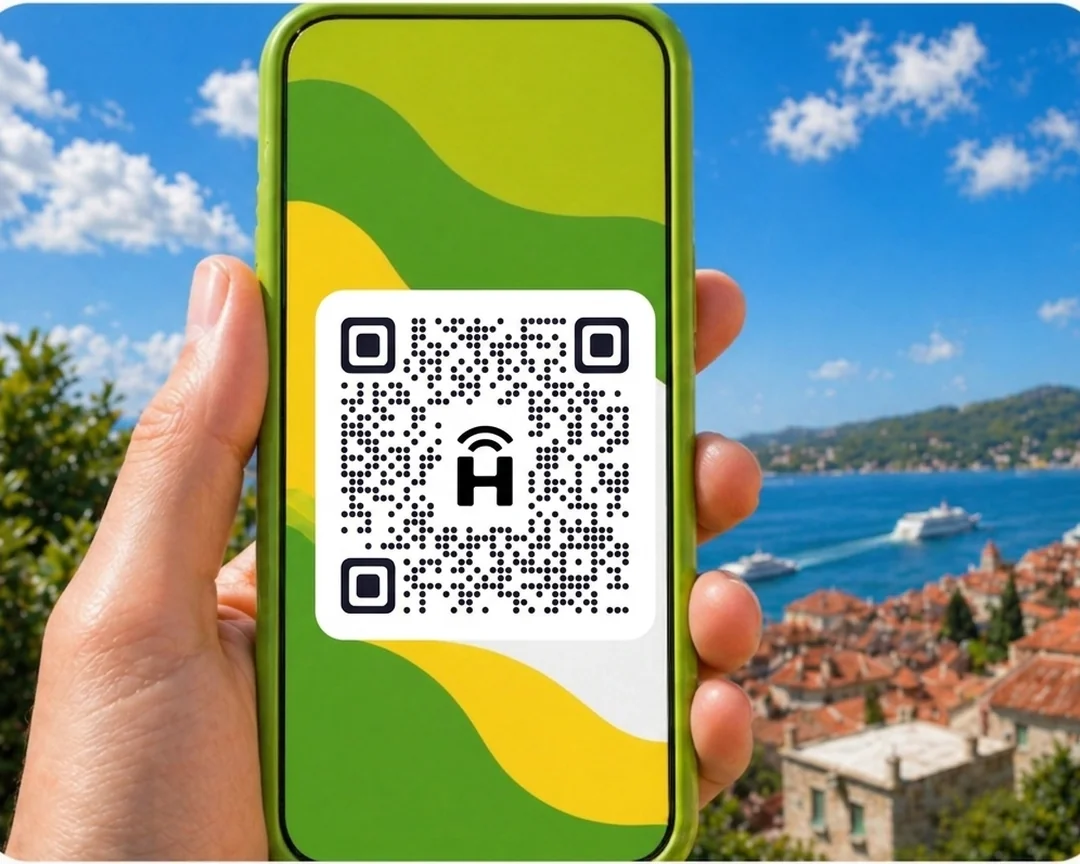

HelloRoam sells prepaid eSIM data plans for Asia starting at $6.48 per day. Your e SIM connects to local 4G/5G networks the moment you land. Activate by QR code in under two minutes. Keep your AT&T, T-Mobile, or Verizon number on dual SIM while your e-sim handles data.
- networks
 212+
212+- 5G support
 4G/5G
4G/5G- activation
 under 2 minutes
Updated
Your eSIM card Asia Plan with Full Coverage
The cheapest eSIM for Asia starts from $6.48. Local 4G/5G data on top carrier networks in Asia. Works on all eSIM compatible phones. Airport SIM counters charge tourist rates and waste your first hour after landing. A travel eSIM Asia plan from HelloRoam skips the airport counter and its tourist markup. An eSIM in Asia plan from HelloRoam starts at $6.48 on Local network provider 4G/5G networks across Asia. Scan a QR code at home and land already online. Every plan is fully prepaid with no contract, no credit check, and no roaming fees. Coverage works from the moment you scan the code. Get your travel eSIM Asia now.
Asia eSIM with fast 4G/5G coverage
HelloRoam Asia eSIM covers 48 countries with one plan. Travelers hopping from Japan to South Korea to Thailand to Vietnam stay connected without buying a SIM at each border. Plans start at $0.55 per day and activate on arrival.
- Plans start at $6.48 with 4G/5G speeds
- Coverage from local networks
- Instant activation in under 2 minutes
- 180-day money-back guarantee
- Asia coverage across major cities
- Network
- 4G/5G
- Plans From
- $6.48
- Activation
- Under 2 min
- Guarantee
- 180 days

How to Set Up an eSIM in Asia
Follow these steps to set up your eSIM card on iPhone or Android. Works for any eSIM for international travel, no replacement sim, no store visit.
Set up an eSIM on your iPhone with the HelloRoam app
Set up an eSIM on your Android with the HelloRoam app
- 1
Choose your plan & checkout online
Select a data plan for your destination and complete checkout.
 2
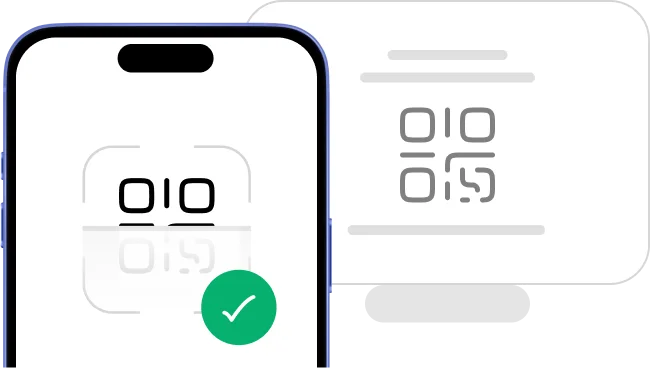
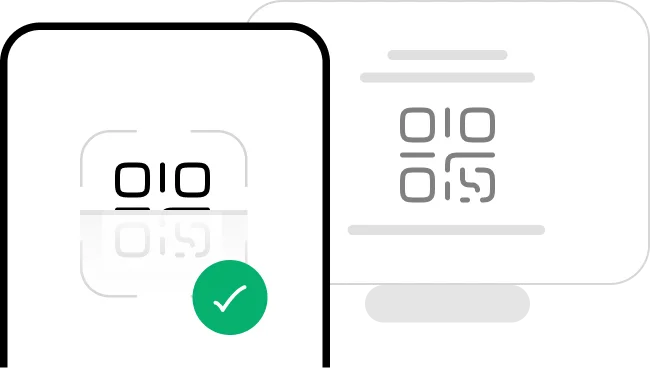
2Scan the QR code
Scan the QR code on Wi-Fi to install your eSIM. If it says not valid or already added, check your phone's list of lines first.
- 3
Activate in minutes: ready on arrival
Install your eSIM before you fly. Your plan's days start at the eSIM's first connection to a supported network in your destination. When you land, switch the line on, turn on data roaming for that line and pick it for mobile data.
 4
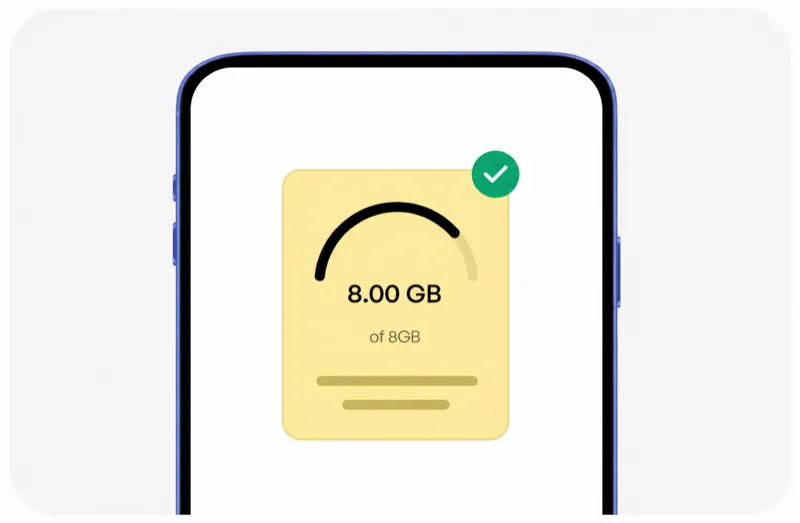
4Manage it all from our mobile app
Track usage, top up data in the app, and manage all your eSIMs in one place.




Trip changed? Don't worry, we've got you!
Plans can change anytime, and that's okay. With HelloRoam, unactivated and unscanned eSIMs qualify for a full refund within 180 days of purchase.
Learn more about our refund policyHelloRoam Asia eSIM vs AT&T, T-Mobile and Verizon roaming
When comparing an eSIM vs a travel SIM card for Asia, HelloRoam wins on price. It costs less than Verizon TravelPass ($10/day), T-Mobile international add-ons, and AT&T International Day Pass ($12/day). Skip the airport SIM shop and get a prepaid eSIM for Asia from $6.48 with a 180-day refund on unactivated eSIMs.
| Feature comparison | HelloRoam | Local provider | Limited data eSIM |
|---|---|---|---|
| 180-day refund policy |  Feature available Feature available |  Feature not available Feature not available | Feature not available |
| 24/7 live chat support | Feature available |  Feature available Feature available | Feature available |
| $0 activation fees | Feature available | Feature not available | Feature available |
| Free hotspot and data sharing | Feature available | Feature not available | Feature not available |
| No data overage charges | Feature available | Feature not available | Feature not available |
| Instant QR code delivery | Feature available | Feature not available | Feature available |
| Premium Asia carrier networks | Feature available | Feature not available | Feature not available |
Is an eSIM Better Than an Asia SIM card for Multi-Country Trips?
Skip buying a SIM card for Asia at every airport you pass through. HelloRoam covers 20+ countries in Asia on one plan from $6.48 with a single QR code. Per-country SIM cards mean new shops, new queues, and new costs in Japan, Thailand, Bali, and beyond.
A data sim card Asia from a per-country kiosk requires a new card at every border. HelloRoam activates across 20+ countries in Asia by QR from home. One plan, one price, and zero kiosk visits from Tokyo to Bali.
e SIM Asia from HelloRoam connect to Local network provider 4G/5G networks across 20+ countries in Asia. Pay with any credit card online and your QR arrives by email in seconds. No cash-only kiosk, no language barrier, and no contract.
The eSIMs Asia plan through HelloRoam starts at $6.48 with no airport markup. Physical SIM cards sold at Asian airports cost $15-40 for limited data with per-country restrictions. An eSIM covers your whole route at one flat rate.
The cheapest eSIM Asia from HelloRoam locks in a low per-GB rate before you fly. Airport SIM cards in major Asian hubs charge tourist rates that add up fast across a multi-city trip. Book before departure and save on every gigabyte.
The cheapest eSIM for Asia from HelloRoam keeps your data active across 20+ countries in Asia on 4G/5G networks. No card swap needed at each border. Your maps, apps, and messages stay live from your first connection to your last.
Why Travelers Choose an e SIM for Asia

24/7 live chat support
Need help at 2 AM in Tokyo or midnight in Paris? HelloRoam support is available 24/7. Message us and a real person responds in under 2 minutes. No bots, no wait queue. Mobile data problems don't wait for business hours, and neither do we.

Best Travel eSIM for Asia
Get unlimited data at 4G/5G speeds the moment you land in Asia. Skip roaming fees from AT&T, T-Mobile, and Verizon. HelloRoam connects you to local carrier networks in minutes, whether you are traveling or working. Wireless connectivity starts before you clear customs.

Keep your AT&T, T-Mobile, or Verizon number
Keep your AT&T, T-Mobile, or Verizon number active for calls and texts. HelloRoam runs as a second eSIM line on any dual SIM compatible phone, so you never miss a call from home. Your cellular coverage for calls stays on your home carrier while HelloRoam handles data abroad.

212+ partner networks worldwide
HelloRoam eSIMs connect to 212+ carrier networks across 185+ countries. Your phone switches to the strongest available 4G/5G signal automatically. Network access is instant, with no manual carrier selection needed.

Data alerts before you run out
HelloRoam alerts you at 80% data usage so you never hit a surprise cap mid-trip. Top up instantly from the app without reinstalling your eSIM or visiting a store. Adding a fresh prepaid data package takes under a minute from your account dashboard.

Local 4G/5G speeds
Your Asia e-sim card connects to trusted local 4G/5G networks. HelloRoam picks the strongest available signal for navigation, streaming, and video calls. Internet abroad at local carrier speeds means maps load fast and video calls stay clear.

Regional and global eSIM plans
Heading to multiple countries? HelloRoam regional eSIM plans cover Europe, Asia, the Americas, and 185+ destinations in one purchase. Tourist eSIM or long-stay: choose fixed data or unlimited data plans. One account, no SIM swaps. Digital connectivity follows you across borders on a single prepaid plan.

Free hotspot and data sharing in Asia
Share your Asia eSIM data with a laptop or tablet using your phone's built-in hotspot. No extra fees, no setup required. Works on all eSIM compatible phones. One data plan covers your whole travel kit, making the most of every gigabyte you buy.
eSIM Prices for Asia
The best eSIM for Asia at every price point. Compare plans for every trip length.
| Number of days | Price |
|---|---|
| 1 day | $10.44 |
| 3 days | $29.75 |
| 7 days | $64.31 |
| 15 days | $125.28 |
| 22 days | $169.96 |
| 30 days | $212.98 |
Compare eSIM Providers for Asia
American travelers rate HelloRoam eSIM for its 180-day refund policy, zero activation fees, and 24/7 live support. See how HelloRoam compares to Airalo, Holafly, Saily, and other eSIM providers for Asia on the things that matter most.
| Feature comparison | HelloRoam | Airalo | Holafly | Nomad | Saily | Ubigi |
|---|---|---|---|---|---|---|
| 180-day refund policy | Feature available | Feature not available | Feature not available | Feature not available | Feature not available | Feature not available |
| 24/7 live chat support | Feature available | Feature available | Feature available | Feature not available | Feature available | Feature available |
| $0 activation fees | Feature available | Feature not available | Feature available | Feature not available | Feature not available | Feature not available |
| Free hotspot and data sharing | Feature available | Feature not available | Feature not available | Feature not available | Feature not available | Feature not available |
| No data overage charges | Feature available | Feature not available | Feature available | Feature not available | Feature not available | Feature not available |
| Instant QR code delivery | Feature available | Feature available | Feature available | Feature available | Feature available | Feature available |
| Premium Asia carrier networks | Feature available | Feature not available | Feature not available | Feature not available | Feature not available | Feature not available |
| Own branded carrier identity (SPN) | Feature available | Feature not available | Feature not available | Feature not available | Feature not available | Feature available |
What Is an e SIM? How eSIM Works in Asia
An eSIM card is a digital SIM built directly into your phone. There is no plastic chip and no SIM tray to deal with. Scan a QR code to activate your e SIM in under 2 minutes on any eSIM compatible iPhone or Android. An eSIM for Asia works as a prepaid data plan with no airport SIM shop, no replacement SIM card, and no carrier contract. Follow the step-by-step setup guide to get connected before your flight. guide


eSIM Coverage Guide for Asia Travel
Asia covers an enormous range of mobile network quality, from Japan's world-leading 5G to remote mountain areas in Central Asia with no signal at all. A HelloRoam Asia regional eSIM keeps you connected across the most popular travel corridors without buying a new SIM at each border.
East Asia (Japan, South Korea, Taiwan, Hong Kong) has some of the world's fastest and densest mobile networks. Japan's NTT Docomo, SoftBank, and au operate near-universal 5G in populated areas. South Korea's SK Telecom, KT, and LG Uplus have strong 5G nationwide.
These countries have excellent indoor coverage in malls, hotels, and transit systems.
Southeast Asia (Thailand, Vietnam, Singapore, Indonesia, Philippines, Malaysia, Cambodia, Laos, Myanmar) is the most popular multi-country travel corridor in Asia. Coverage quality varies widely. Singapore has near-perfect 4G and 5G.
Thailand's AIS, DTAC, and True Move cover cities and resort areas well. Vietnam's urban coverage is strong with gaps in rural highland areas. Indonesia's coverage is excellent in Java and Bali but sparse in outer island provinces.
South Asia (India, Sri Lanka, Nepal, Bangladesh, Bhutan, Pakistan, Maldives) has varied coverage. India's Jio, Airtel, and Vi have rapidly expanded 4G and 5G in cities, but rural mountain states and Northeast India have significant gaps.
Nepal's Kathmandu Valley has good 4G but trail coverage in the Himalayas is very limited. Sri Lanka's main tourist areas are well-covered.
Central Asia (Kazakhstan, Uzbekistan, Kyrgyzstan, Tajikistan, Turkmenistan) has functional urban 4G in capitals but very limited coverage in rural and mountain areas. The Silk Road tourism circuit passes through areas with gaps.
When crossing Asian borders, your phone connects to the local carrier automatically. At major airports in Bangkok, Tokyo, Singapore, and Seoul, your data activates within seconds of landing.
- One plan covers 48 countries across Asia
- Japan, South Korea, and Singapore offer world-class 5G networks
- Southeast Asia is the most popular multi-country travel corridor
- Automatic carrier switching at each border crossing
- Mountain and rural areas in South and Central Asia have limited coverage
- Download offline maps before remote treks and island hops
- GSMA Mobile Economy Asia Pacific 2025;
- Ookla Speedtest Global Index 2025
eSIM Travel Tips for Asia
Japan Has Excellent Indoor Coverage
Japan's mobile networks are among the world's best and have very strong indoor coverage, including in subway systems, high-speed Shinkansen trains, and mountain tunnel roads. NTT Docomo's network reaches even remote rural areas and mountain villages. Your HelloRoam eSIM works reliably throughout Japan.
Southeast Asia Island Hops Lose Data at Sea
Ferry routes between Thai islands (Koh Samui, Koh Phangan, Koh Tao), Indonesian islands (Bali to Lombok, Gili Islands), and Philippine islands have no data coverage once you are offshore. Download maps, guesthouse addresses, and transport details before boarding any island ferry.
Nepal and Himalayan Treks Have No Coverage on Trails
Nepal's Kathmandu has reasonable 4G from Ncell and Nepal Telecom. Everest Base Camp, Annapurna Circuit, and Langtang trails have no mobile coverage beyond the first few kilometers. Download your trekking maps, permits PDF, and emergency contacts before your trek departs.
Check if China Requires a Separate Plan
China has very specific network access rules and a separate internet environment including the Great Firewall. Most Asia regional plans do not include China or have limited access. If your trip includes mainland China, verify your plan's China coverage and whether you need a separate plan for the Great Wall Corridor.
India's Rural Mountain States Have Signal Gaps
India's Northeast states (Arunachal Pradesh, Nagaland, Manipur, Mizoram) and parts of Himachal Pradesh, Sikkim, and Ladakh have very limited coverage. Jio, Airtel, and Vi have expanded rapidly but remote highland areas still lack signal. Download offline content before entering these regions.
Singapore Works as a Reliable Transit Hub
Singapore has near-perfect 4G and 5G coverage from Singtel, StarHub, and M1. Changi Airport is one of the best-connected airports in the world. Use Singapore transit stopovers to confirm your eSIM is working correctly before heading to countries with lower coverage quality.
Emergency Numbers Vary Across Asia
Emergency numbers differ by country across Asia. Japan uses 110 (police) and 119 (fire/ambulance). South Korea uses 119 (fire/medical) and 112 (police). Thailand uses 191 (police) and 1669 (ambulance). India uses 112 for all emergencies. Save the correct emergency number for each country you visit.
Network Coverage Across Asia
Asia hosts the world's most advanced and some of the world's most limited mobile networks side by side.
NTT Docomo's near-universal 5G rollout and underground subway coverage in all major cities. South Korea's SK Telecom, KT, and LG Uplus have the highest 5G penetration rates globally. Singapore's three operators compete in a tiny but dense market with very fast speeds. Taiwan's Chunghwa Telecom has strong 5G in urban areas.
Southeast Asia varies from Singapore's excellence to Myanmar's rebuilding network infrastructure. Thailand's AIS leads in GSMA coverage rankings for the region. Vietnam's Viettel has grown rapidly with strong 4G in Hanoi and Ho Chi Minh City. Indonesia's Telkomsel reaches Java and Bali excellently but outer islands very poorly. The Philippines' Globe Telecom and Smart Communications have improved dramatically but typhoon-affected rural areas remain patchy.
South Asia's India is a rapidly evolving market. Jio launched 5G in 2022 and expanded to hundreds of cities. Airtel has strong 4G coverage in urban and semi-urban India. Rural India still has significant gaps, particularly in forested and mountain states. Nepal and Bhutan have very limited coverage outside capitals and major towns.
Central Asian networks are state-influenced and serve cities well but have almost no coverage in the vast rural steppes and mountain ranges that draw adventure travelers.
- Various Asia-Pacific carriers
Regional eSIM vs Country-by-Country Plans
For Southeast Asia's multi-country backpacker routes or East Asia's city-hopping circuits, a regional eSIM saves money and eliminates SIM hunting at every border.
| Category | HelloRoam Regional Asia eSIM Recommended | Individual country SIMs | Home carrier international billing |
|---|---|---|---|
| Typical cost | — | — | — |
| Details | One plan for 48 countries. Buy once before departure. Automatic switching at borders. No SIM queues at Bangkok, Tokyo, or Seoul airports. Consistent pricing for your whole trip. | Buy a new SIM at every border. Registration required in Japan, South Korea, India, and Indonesia. Lose your number each time. Total cost of multiple SIMs adds up for a 5-country trip. | US carriers charge $0.55 per day for Asia. A 21-day trip to five Asian countries costs significant data fees. Most plans throttle to slow speeds after a small daily cap. |
Prices approximate as of . Actual savings vary.
Best Times for Asian Travel Data
Asia's travel seasons vary dramatically by subregion. Southeast Asia's dry season from November to April is peak travel time for Thailand, Vietnam, Cambodia, and Laos. Network demand peaks in popular tourist areas like Bangkok, Chiang Mai, Bali, and Hoi An during these months.
Japan's cherry blossom season (late March to early April) and autumn foliage (mid-October to November) are peak travel periods with crowded networks in tourist areas. Book high-speed Shinkansen routes in advance and download entertainment for train travel.
Monsoon season across South and Southeast Asia runs roughly June to October. Flooding and storm damage can affect tower infrastructure in rural areas. Urban coverage in main cities remains reliable. The Indian subcontinent's monsoon runs June to September.

Explore Countries in Asia


Japan
From $3
HelloRoam covers Japan with 4G/5G plans across Tokyo, Osaka, and Kyoto. Stay connected without swapping SIM cards.

Activate before landing. NTT docomo 5G covers cities. Airport WiFi has 30-minute limits.


China
From $3
Get HelloRoam data in China covering Shanghai, Beijing, and more. Skip the hassle of local SIM cards.
China Mobile and Unicom run 5G in major cities. Download WeChat and maps offline before crossing.


Thailand
From $3
HelloRoam offers Thailand eSIM plans for Bangkok, Phuket, and Chiang Mai. Connect the moment you land.
AIS and TrueMove H run 5G in Bangkok. Coverage reaches Thai islands but drops in rural areas.


India
From $4
HelloRoam offers India eSIM plans for Mumbai, Delhi, and beyond. Stay online across the subcontinent.
Vodafone and Vi India cover 4G in cities. Mumbai metro has limited underground signal.


Vietnam
From $3
Stay connected in Vietnam with HelloRoam eSIM data for Hanoi, Ho Chi Minh City, and Da Nang.
Vinaphone covers 4G across Vietnam. Speed is solid in Hanoi but drops on island ferries.


Indonesia
From $3
HelloRoam keeps you online in Indonesia, from Bali to Jakarta. Get data that works right away.
Telkomsel covers 5G in Jakarta. Signal drops on Bali north coast, so save offline maps.


Bangladesh
From $3
Get HelloRoam eSIM data in Bangladesh covering Dhaka, Chittagong, and other major areas.
Banglalink 4G covers Dhaka and Chittagong. Signal can be congested in Dhaka at peak hours.


Hong Kong
From $3
HelloRoam gives you eSIM data in Hong Kong, covering Kowloon, Central, and the New Territories.
CMHK 5G covers Hong Kong. MTR metro has full signal underground. Activate before landing at HKG.


Kazakhstan
From $3
Stay online across Kazakhstan with HelloRoam eSIM data for Almaty, Astana, and beyond.
Beeline 4G covers Kazakhstan. Almaty has strong signal. The Kazakh steppe has limited coverage.


Kyrgyzstan
From $3
HelloRoam gives you mobile data in Kyrgyzstan for Bishkek, Osh, and popular travel routes.
Beeline 4G covers Bishkek. Coverage is limited in the Tien Shan mountains near Karakol.


Laos
From $4
Stay connected in Laos with HelloRoam eSIM plans for Vientiane, Luang Prabang, and Vang Vieng.
Lao Telecom 5G covers Vientiane and Luang Prabang. Remote rural areas have limited coverage.


Malaysia
From $3
HelloRoam provides eSIM data across Malaysia, from Kuala Lumpur to Penang and Langkawi.
CelcomDigi and U Mobile run 5G in Kuala Lumpur. Signal thins in Borneo's interior.


Pakistan
From $1


Philippines
From $2
Stay online in the Philippines with HelloRoam eSIM plans for Manila, Cebu, and Boracay.
Globe and SMART run 5G in Manila and Cebu. Inter-island ferry crossings often lose signal.


Singapore
From $3
HelloRoam provides eSIM data for Singapore. Get fast coverage across the entire city-state.
StarHub, M1, and SingTel run 5G in Singapore. MRT has full underground coverage.


South Korea
From $3
HelloRoam offers South Korea eSIM plans for Seoul, Busan, and Jeju Island. Connect on landing.
LG U+ and SKTelecom run 5G across South Korea. Seoul Metro has full underground coverage.


Sri Lanka
From $3
Get HelloRoam data in Sri Lanka covering Colombo, Kandy, and southern beach towns.
Mobitel 4G covers Colombo and Kandy. Signal drops in the tea country highlands.


Uzbekistan
From $3
HelloRoam offers Uzbekistan eSIM data plans for Tashkent, Samarkand, and Bukhara.
Beeline 5G covers Tashkent and Samarkand. Remote Nuratau mountains have limited signal.
Showing slide 1 of 18
Reviews
What Our Customers Say
Real reviews from Trustpilot and the App Store, quoted as written.
40k+ travelers have used HelloRoam
Cat
On a trip to Europe, my hotel Wi-Fi was so slow and outside Wi-Fi was unreliable. I couldn’t take it anymore so I got helloroam for a few days. It was tricky to set up correctly because of the primary settings (with my original number). But I reached out to their customer service via WhatsApp. Super responsive and helpful, with specific and clear steps to troubleshoot. Appreciate having 4G roaming instead of being stuck with in and out Wi-Fi during my trip!!
Rated 5 out of 5 by this reviewer

Very good experience! The eSIM was easy to set up and worked great in London. It was much cheaper than it would have been to use my own operator there.
Ilona
Rated 5 out of 5 by this reviewer
metulker
Hard to set up but help was good
Rated 5 out of 5 by this reviewer
Reuben
Really happy with HelloRoam. Everything worked as expected, from messaging and Google Maps through to streaming without any issues. Easy to use, reliable and affordable. Would happily use them again when travelling.
Rated 5 out of 5 by this reviewer

Angeline
Reliable connection. Reasonable pricing.
Rated 4 out of 5 by this reviewer
HelloRoam Asia eSIM Questions Answered
Can I use one Asia sim plan from Tokyo to Bali without switching cards?
A travel sim Asia plan from HelloRoam covers 20 countries on Local network provider 4G/5G networks from $6.48. That includes Japan, South Korea, Thailand, Vietnam, Indonesia, and Singapore on a single QR code. Your data stays active when you fly between Tokyo, Bangkok, and Bali with no card change needed. Plans run from 1GB for a Tokyo weekend to unlimited for a full Southeast Asia loop.
Are there eSIM card Asia options for long backpacking trips?
Long backpacking trips run well with an eSIM in Asia plan from HelloRoam on Local network provider 4G/5G networks across 20 countries. Coverage reaches from Vietnam and Laos to the Philippines and Sri Lanka. Buy a plan sized for your trip length. If you run out, add another plan from your phone without visiting a local store or swapping cards between countries.
Does one Asia eSIM cover Japan, Thailand, Bali, and Singapore on one plan?
One HelloRoam Asia plan covers Japan, Thailand, Indonesia, and Singapore plus 15 more countries on Local network provider 4G/5G networks from $6.48. Many backpackers combine these four stops in a single trip. Your data works at each landing with no card swap and no new registration at each airport. Coverage also reaches South Korea, Vietnam, Malaysia, and the Philippines on the same QR code.
Are there unlimited Asia data plans for backpackers on long multi-country routes?
HelloRoam provides unlimited Asia data plans across 19 countries on Local network provider 4G/5G networks. Southeast Asia backpacker routes through Thailand, Vietnam, and Indonesia can last months and burn heavy data on ride-hailing apps and translation tools. Unlimited plans keep you online from your first hostel in Bangkok to your last temple in Bali.
Does one eSIM work across all of Asia?
A HelloRoam Asia regional eSIM covers 48 countries on one plan. Your phone switches to local carriers automatically at each border. Coverage quality varies by country, from Japan's world-class 5G to limited coverage in remote Central Asian areas. Always check your plan's specific country list.
Does a Asia eSIM work in Japan?
Japan is covered by HelloRoam Asia plans and has some of the world's best mobile coverage. NTT Docomo, SoftBank, and au operate near-universal 5G in populated areas with excellent indoor coverage in subway systems and Shinkansen trains. Your eSIM works reliably throughout Japan.
Does a Asia eSIM work in South Korea?
South Korea is covered by HelloRoam Asia plans. SK Telecom, KT, and LG Uplus serve nationwide coverage. Seoul, Busan, Incheon, and all major cities have dense 5G coverage. Rural areas and Jeju Island have solid 4G. South Korea has one of the highest 5G penetration rates in the world.
Does a Asia eSIM work in Thailand?
Thailand is covered by HelloRoam Asia plans. Bangkok, Chiang Mai, Phuket, and Pattaya connect to AIS, DTAC, and True Move networks. Popular islands like Koh Samui and Koh Phangan have 4G in main resort areas. Remote highland areas near the Myanmar border have limited coverage.
Does a Asia eSIM work in Vietnam?
Vietnam is covered by HelloRoam Asia plans. Ho Chi Minh City, Hanoi, Da Nang, and Hoi An connect to Viettel, Mobifone, and Vietnamobile networks. Northern highland areas near Sapa and Ha Giang have more limited signal in remote valleys.
Does a Asia eSIM work in Indonesia?
Indonesia is covered by HelloRoam Asia plans. Bali, Java (Jakarta, Surabaya, Yogyakarta), and Sumatra connect to Telkomsel, Indosat, and XL Axiata networks. Outer island provinces like Papua, Maluku, and Nusa Tenggara's remote areas have very limited signal.