

Table of content
- Quick Answer: solo travel tips
- Solo Travel Tips at a Glance
- What Solo Travel Actually Costs in 2026
- The solo surcharge no one warns you about
- Where connectivity fits the budget
- Solo Travel Safety Tips That Actually Work
- Before You Leave the Property Each Day
- The Financial and Legal Safety Net
- Solo Travel Safety Tips for Women
- Solo Travel Tips for Staying Connected
- Local SIM vs eSIM vs roaming: which to choose
- How to Solo Travel Successfully?
- How to Not Feel Awkward Traveling Alone?
- Is 30 Too Old to Solo Travel?
Quick Answer: solo travel tips

Six habits cover the scenarios that matter most for solo travelers abroad: share your location daily, save your accommodation address before leaving, carry emergency cash separately, buy travel insurance before departure, verify accommodation reviews on two platforms, and save local emergency numbers for each destination.
Picture a stolen wallet, a missed connection, or a sudden illness in a city where you don't speak the language. The gap between a memorable inconvenience and a genuine crisis is preparation.
That gap is smaller than most first-timers realize.
Each habit in detail:
- Share your location daily. Pick one trusted contact at home and send a morning check-in with your real-time location or a brief message. Not for supervision; because someone knowing your last confirmed position matters if you're unreachable for an extended period. Thirty seconds before your first coffee of the day.
- Screenshot your accommodation address before leaving. The full address in the local script, ready to show a driver or a passerby. In Tokyo, Bangkok, or Marrakech, this detail resolves a navigation problem in seconds that might otherwise take 20 minutes of fumbling. Pinning your accommodation before heading out so you always know your location relative to it is one of the most consistently recommended solo travel habits buzzfeed.com.
- Carry emergency cash in a second location. A separate stash in your luggage or a money belt means a stolen card doesn't strand you. The amount varies by destination; the habit is universal.
- Buy travel insurance before departure, not as an afterthought. A medical emergency abroad without coverage can cost multiples of your entire trip budget. For solo travelers with no companion to manage logistics during a health event, insurance belongs in the core budget.
- Verify accommodation reviews on two separate platforms. Consistent positives across two sources is a solid signal. A property that rates well on one platform and shows concerning patterns on another is communicating something worth taking seriously before you commit.
- Save local emergency numbers for each destination city before boarding. 911 works in the US and Canada, not elsewhere. The EU-wide emergency number is 112. Japan uses 110 for police and 119 for ambulance. Two minutes of prep before you land costs nothing.
These six habits form a careful baseline of solo travel tips for anyone heading abroad without a companion. For women traveling solo, a more nuanced and destination-specific layer sits on top of all of them.
eSIM for Browse All eSIM Plans: Check current plans and pricing.
Solo Travel Tips at a Glance

Solo travel has gone mainstream. According to solotravelerworld.com, around 25% of all leisure trips booked in 2025-2026 are solo, up from about 18% in 2021, and bookings keep climbing across every age bracket.
The surprising part? Cost isn't what holds most first-timers back. Industry surveys on solo travel barriers consistently put logistics fear at the top of that list — solo travel market research places the figure around 62% of first-timers — covering safety, navigation, and staying connected when there's no travel companion to help figure things out.
Nail those three areas and the trip takes care of itself.
Your pre-trip checklist has a clear top tier:
- Travel insurance: Medical evacuation abroad can run tens of thousands of dollars without coverage.
- Offline maps: Download them before you land. Data gaps hit at the most inconvenient moments.
- Accommodation reviews: Filter for solo-specific feedback, not overall star ratings.
Connectivity sits higher on that list than most guides admit. The cost comparison between carrier day passes and travel eSIM plans is broken down in the connectivity section below; the gap is larger than most first-timers expect.
These solo travel tips apply across destinations and trip lengths — the sections ahead break down each priority in detail.
What Solo Travel Actually Costs in 2026

A solo international trip from the US runs $2,800 to $4,200 in total, covering flights, accommodation, food, and activities for a typical 10 to 14-day itinerary. That range sounds manageable until you factor in the solo premium baked into nearly every line item.
The solo surcharge no one warns you about
Hotels and hostels charge 15 to 25% more for single occupancy. Book a $120 double room expecting to split the savings? The single rate often runs $140 to $150 per night instead. That gap compounds across 10 nights. Beyond accommodation, solo travelers spend 30% more per capita on activities than group tourists, partly because experiences fill the social gap that a travel companion would otherwise cover.
Food costs track closely to destination. Western Europe runs $30 to $60 per day eating out, which adds up quickly across two weeks in cities like Paris, Amsterdam, or Rome. Southeast Asia is a different calculation entirely: $15 to $25 per day covers full meals with room to spare, which explains why Thailand, Vietnam, and Indonesia consistently draw budget-conscious solo travelers looking to stretch their money without sacrificing quality.
Where connectivity fits the budget
Most solo travel tips skip this line item. They shouldn't.
Major US carrier international day passes run up to $12 per day. At that rate, a 14-day trip costs $168 in connectivity charges alone, for a service that throttles heavily once you hit the daily data cap. Travel eSIM plans cover the same 15-day window for $19 to $35 total.
That's not a rounding error.
For a solo traveler, a working data connection isn't optional. You're navigating without a companion, hailing rideshares solo, translating menus on the fly, and sharing your location with someone back home. Treating connectivity as a place to cut costs often means paying the most expensive rate available. The better calculation: lock in a flat-rate eSIM before departure, and redirect what you save toward the experiences that actually make solo travel worth the ticket price.
Solo Travel Safety Tips That Actually Work
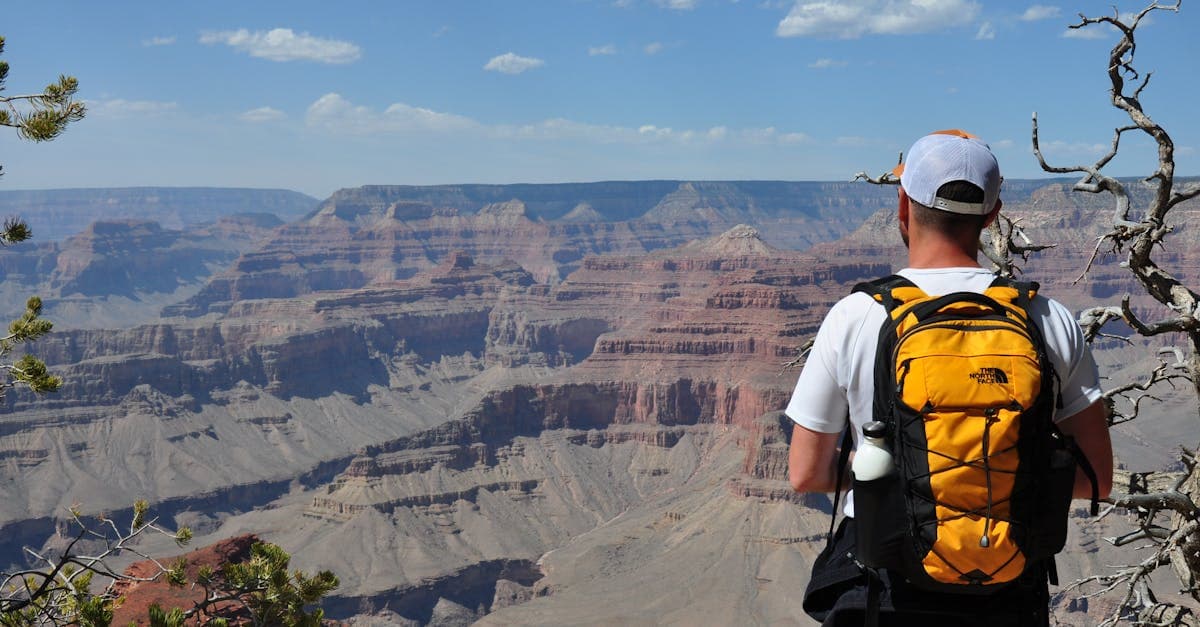
Six habits separate confident solo travelers from those who spend a trip managing anxiety instead of experiencing it. None require expensive gear or advanced planning. Most take under five minutes to set up, and they matter most precisely when you'd least want to be improvising, a pattern consistent with solo safety guidance recommending travelers plan ahead, stay aware, and protect their belongings the5kilotraveller.com.
Before You Leave the Property Each Day
Mark your accommodation's address on your phone map before stepping outside. Not the neighborhood, not a nearby café: the exact street address, saved as a pin. Getting turned around in an unfamiliar city is unremarkable; not being able to get back is a problem that's easily prevented buzzfeed.com.
Send your daily location to one trusted contact at home. Live location sharing through WhatsApp or Apple's Find My is dead-simple to configure and works across most international networks without an extra app. The goal isn't surveillance: it's a baseline check. If you don't report in by an agreed time, your contact knows to reach out. Reliable, low-friction, and workable across every time zone.
Look up local emergency numbers before you land in each destination city. France uses 15 for medical emergencies and 17 for police. Japan's equivalents are 119 and 110. These aren't interchangeable with 911, and discovering that difference during an actual emergency is not the moment you want to be Googling.
The Financial and Legal Safety Net
Keep emergency cash in a different location than your main wallet. A folded bill tucked into a phone case, zipped into an interior jacket pocket, or slipped behind your passport in a travel pouch handles the immediate problems: a taxi when your card declines, a meal when the nearest ATM is out of service.
Cash doesn't need a signal.
Travel insurance is non-negotiable for solo international travel. There's no backup travel companion to coordinate a medical evacuation, cover a hospital deposit, or manage a stolen-bag situation. Check specifically for medical evacuation coverage before you buy; standard policies sometimes exclude it, and it's the line item that matters most the5kilotraveller.com.
Before booking any accommodation, cross-reference reviews across at least two platforms. A property with a strong aggregate score on one site and thin, inconsistent feedback on another warrants real scrutiny. Read management responses to critical reviews, not just the reviews themselves. How a property handles complaints tells you more than any star rating.
These habits add maybe 15 minutes to your pre-trip planning. The return on that time is a trip you actually enjoy rather than one you spend second-guessing.
Solo Travel Safety Tips for Women

Women make up 72% of solo travelers globally, yet most published safety advice is written for a generic traveler who doesn't exist. The adjustments that actually reduce risk are logistical and specific, not attitudinal.
Book your first night near the main transit hub. Budget accommodations on a city's edge look reasonable on paper; arriving jet-lagged at midnight in an unfamiliar neighbourhood with luggage you can't move quickly rewrites that calculation entirely. Comfort on arrival night is a practical decision, not an indulgence.
Use ride-share apps over street cabs wherever they're available. Not because street cabs are universally unreliable, but because a ride-share leaves a digital record: driver identity, route, and a shareable trip link. Send that link to your home contact before the car moves the5kilotraveller.com.
On social media: post the photo after you've left the location, never during. Real-time check-ins broadcast your exact whereabouts with no upside and a clear downside.
"Trust your gut" sounds right but collapses under actual pressure. Replace it with a practiced script. A calm, firm "No thank you, I'm meeting someone" handles most unwanted approaches without confrontation or the need to explain yourself.
Rehearsed responses outperform abstract confidence every time.
Safety is a layered system. Being reachable is the next layer, and it's more technical than most guides acknowledge.
Solo Travel Tips for Staying Connected
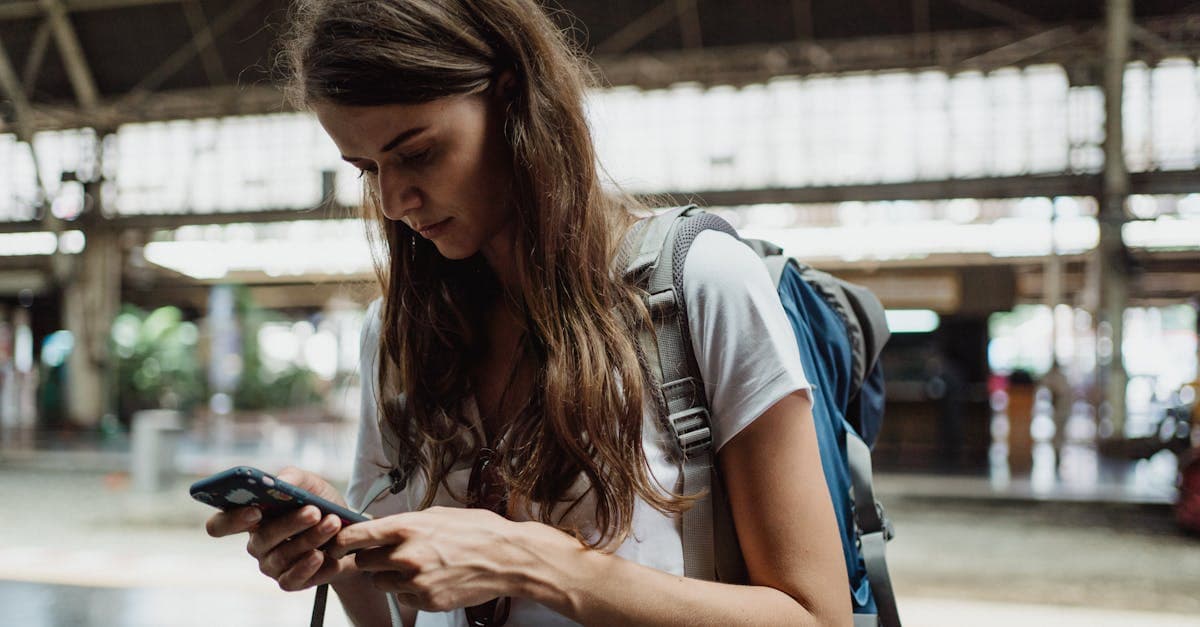
Solo travelers consistently rank staying connected as their top practical concern when abroad, with travel industry research putting the figure around 67%, a rate that runs meaningfully higher than for group travelers. The gap makes sense: no companion means no one to share navigation duties, split a local SIM with, or go for help when yours runs out of battery.
Forty-one percent of Americans turn off mobile data entirely when traveling internationally, according to Deloitte Digital's 2024 consumer research. The instinct is understandable. The consequence is a phone that functions as a very expensive camera.
Carrier day passes compound quickly across a two-week trip, as the cost section covers; travel eSIM plans cover the same window at a fraction of the price. For solo travelers, that math is harder to ignore than it is for anyone traveling with a group.
Connectivity isn't just convenience for a solo traveler. Navigation, translation apps, emergency services lookup, and real-time location sharing all route through that data connection. Losing it mid-trip creates a real safety gap.
Three items belong on every pre-departure connectivity checklist:
- Download offline maps for each city on your itinerary before leaving home, while still on your home Wi-Fi connection
- Activate your eSIM before you board, not in the airport arrivals hall where setup takes longer and your attention is elsewhere
- Save emergency contacts, your hotel addresses, and your home contact number in a notes file that opens without any data connection at all
That third item is where most guides stop short. An emergency list that requires a working internet connection to open has a structural flaw.
HelloRoam offers destination-specific international plans, with Mexico coverage starting at ~$2.99 for 1GB over 7 days and Canada plans from ~$5.49. Activation takes a few minutes via QR code scan on iPhone XS and later or most current Android flagships, and it's easy to complete at home before departure — long before you're standing in the arrivals hall trying to read a QR code with a dead phone and a bag you can't put down.
For a trip of a week or longer, a dedicated travel eSIM makes cleaner financial sense than daily carrier charges. Which option works depends on your specific phone and destinations.
Local SIM vs eSIM vs roaming: which to choose
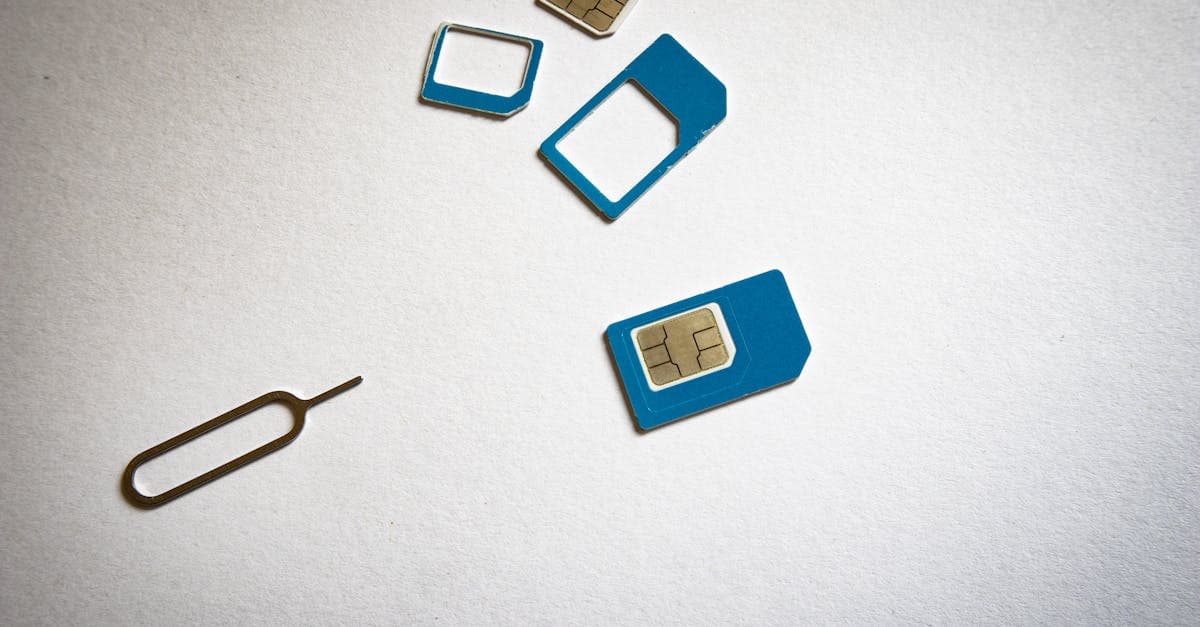
The right data option depends on trip length, number of destinations, and whether your phone is carrier-unlocked. eSIM suits most solo travelers: it activates before departure and works across multiple countries without a hardware swap. Local SIMs cost less per gigabyte but require an unlocked device and an airport kiosk queue. Carrier day passes make sense for trips under three days.
Local SIM availability varies more than most guides admit. Smaller airports across parts of South Asia, rural Latin America, and Eastern Europe often have unreliable kiosk stock, limited carrier options, or long queues at peak arrival times. In those destinations, eSIM is the practical fallback, not just an alternative.
eSIM also supports dual-SIM on compatible devices: your US number stays active for banking alerts and two-factor authentication while travel data runs on a separate plan.
Carrier day passes charge the daily rate noted earlier in this article, which compounds quickly. Beyond five days, the math consistently favours a dedicated travel plan over the per-day model.
Compatible devices include iPhone XS (2018 onward) and most Android flagships from the past three years. Carrier-locked phones are limited to physical SIMs until unlocked by the issuing carrier.
Coverage sorted. A few other logistics trip up first-time solo travelers before they even reach the departure gate.
How to Solo Travel Successfully?

The most persistent myth about solo travel is that it requires prior experience, an extroverted personality, or a category of fearlessness that most people don't have. None of those are prerequisites, a point that experienced solo travelers across decades of independent trips consistently reinforce outsideonline.com.
Start with a low-stakes trip. A domestic overnight or a short regional trip that doesn't require a visa and sits within a couple of time zones of home builds the logistics instinct without the weight of a 14-day international itinerary. The confidence compounds from there.
Book accommodations with free cancellation on your first international solo trip. Locking in non-refundable hotels months ahead because the rate looks right is reasonable for group travel, where another person absorbs half the friction if plans shift. Solo, you carry every decision. Flexibility is worth the modest price difference.
Carry a pen.
Customs forms, hotel check-in cards, and a handful of other paper-dependent moments still exist at airports worldwide. A pen eliminates the scramble at the worst possible moment — bringing one or two specifically for forms is among the most practical tips solo travelers share buzzfeed.com.
The first morning in a new city has its own texture — unfamiliar street sounds filtering through a window, a coffee ordered by pointing at a menu, the particular quiet of a place that doesn't know you yet. That slight disorientation fades fast; what replaces it is the reason most solo travelers book the next trip before the current one ends.
Meeting people while traveling alone is less awkward than the anticipation suggests. Hostel common areas and group day tours are the most reliable entry points. You don't need to extend the conversation beyond the activity; good connections don't require effort beyond showing up.
Leave one unscheduled afternoon for every two days of travel. Over-planned itineraries are how you miss the thing the trip was actually for.
None of this requires courage in the dramatic sense. It requires preparation, a workable plan, and the willingness to make decisions without waiting for consensus.
Practical solo travel tips cover the logistics. The social side is a separate skill, and it's more learnable than most guides admit.
How to Not Feel Awkward Traveling Alone?

The awkwardness of solo travel peaks exactly once: the first meal at a restaurant table set for one. After that, it drops off fast. For most people, eating solo feels unremarkable by day two, not brave, just functional.
The self-consciousness is almost entirely internal.
Locals in Paris, Bangkok, or Mexico City don't register solo diners. The waiter isn't running commentary. A book or journal does practical work at that table: it signals absorption, not loneliness, and it occasionally opens a workable conversation with another solo traveler who recognizes the setup.
Free walking tours are the most efficient low-commitment social tool available. You show up at a city square, walk for two hours with strangers, tip what seems fair, and leave with zero group obligation. Natural conversation happens in the gaps between the guide's talking points, without the clunky social pressure of a packaged group tour solotravelerworld.com.
Lean into the experience budget. Solo travelers spend more on activities per capita than group tourists, as covered in the cost breakdown earlier, partly because you're not negotiating with anyone about how to fill an afternoon. That extra budget is yours to direct. Use it without apology.
The age question comes up constantly. Here is what the data says.
Is 30 Too Old to Solo Travel?

No. Solo travel among Americans aged 25 to 45 grew 34% year over year between 2023 and 2025, driven by remote work flexibility and a broader post-pandemic reassessment of how people use independent time. Thirty is squarely in the growth window.
The more useful frame isn't age. It's how travel style shifts with it.
Under-30 travelers tend to optimize for length and flexibility: budget hostels, open-ended itineraries, common-room socializing built into the accommodation. Over-30 travelers typically trade the hostel bunk for a mid-range private room, compress the trip into a focused ten days, and spend more per day on activities rather than squeezing every dollar on a dorm bed.
Neither is the correct approach. They reflect different priorities and different points in a career.
The 34% growth in the 30-to-45 bracket maps cleanly to remote work. A traveler who can log hours from a hotel room in Lisbon or a co-working space in Medellín doesn't need to burn vacation days for a ten-day trip. That structural flexibility is what's actually driving the numbers, not some sudden cultural shift in attitudes toward solo adventure.
No practical upper age limit exists, either. Tour operators now actively target the 50-plus solo market with itineraries built around single-supplement waivers and structured social programming, a segment that barely registered a decade ago.
The logistics fear that holds people back, as noted in the opening section, shows up consistently across every age group. It has nothing to do with being 30 or 55 and everything to do with how much groundwork you lay before the flight. The solo travel tips in this guide apply regardless of which decade you're in.
Stats settle the age debate. The packing list is next.
Reviewed by HelloRoam's editorial team. Last updated: 19 April 2026.
Get Connected Before You Go



Frequently Asked Questions
Six core habits cover the scenarios that matter most: share your location daily with a trusted contact, save your accommodation address before leaving each day, carry emergency cash in a separate location, buy travel insurance before departure, verify accommodation reviews on two platforms, and save local emergency numbers for each destination. Nail safety, navigation, and connectivity, and the trip largely takes care of itself.
Connectivity preparation is the most overlooked item on most solo travel checklists. This includes downloading offline maps before departure, activating a travel eSIM before boarding, and saving emergency contacts and hotel addresses in a notes file that opens without any data connection. Most guides skip this line item entirely, even though solo travelers rank staying connected as their top practical concern abroad.
No, 30 is not too old to solo travel. Solo travel has gone mainstream, with around 25% of all leisure trips booked in 2025-2026 being solo trips, up from 18% in 2021, and bookings are climbing across every age bracket. The primary barrier for first-timers is logistics fear around safety, navigation, and connectivity, not age.
Replacing abstract confidence with practiced, specific responses makes solo travel feel more natural. A calm, firm script like 'No thank you, I'm meeting someone' handles most unwanted social situations without confrontation. Focusing on preparation, such as knowing your route, having a working data connection, and understanding local customs, shifts your attention from self-consciousness to experience.
A solo international trip from the US typically costs $2,800 to $4,200 total for a 10 to 14-day itinerary, covering flights, accommodation, food, and activities. Solo travelers also face a surcharge: hotels charge 15 to 25% more for single occupancy, and solo travelers spend roughly 30% more per capita on activities than group tourists.
Travel insurance is considered non-negotiable for solo international travel. A medical emergency abroad without coverage can cost multiples of your entire trip budget, and with no travel companion to coordinate logistics during a health event, you are managing everything alone. Check specifically for medical evacuation coverage, as some standard policies exclude it.
Key safety habits include marking your accommodation address as a saved pin before leaving each day, sending your daily location to one trusted contact at home, keeping emergency cash in a separate location from your main wallet, and cross-referencing accommodation reviews across at least two platforms. Look up local emergency numbers before landing in each destination, since 911 only works in the US and Canada.
Book your first night near the main transit hub to avoid navigating unfamiliar areas while jet-lagged at night. Use ride-share apps over street cabs where available, as they create a digital record of the driver, route, and a shareable trip link. Post photos to social media after leaving a location, never in real time, and rehearse a simple script for deflecting unwanted approaches.
Solo travelers should activate a travel eSIM before boarding, download offline maps for each destination while still on home Wi-Fi, and save emergency contacts and hotel addresses in a notes file that opens without any data connection. Navigation, translation, emergency services lookup, and real-time location sharing all depend on a working data connection, making it a safety consideration, not just a convenience.
Travel eSIM plans are significantly more cost-effective than carrier day passes for most solo international trips. Major US carrier international day passes can cost up to $12 per day, totaling around $168 for a 14-day trip, with heavy throttling after the daily data cap. Travel eSIM plans can cover a 15-day window for $19 to $35 total, representing substantial savings.
Emergency numbers vary by country and are not interchangeable with 911. The EU-wide emergency number is 112. Japan uses 110 for police and 119 for ambulance. France uses 17 for police and 15 for medical emergencies. Research and save the specific emergency numbers for each destination city before you land.
Verify accommodation reviews on at least two separate platforms before booking. Consistent positive reviews across two sources is a reliable signal, while strong ratings on one platform paired with concerning patterns on another is a warning sign. Read how management responds to critical reviews, as their responses reveal more about the property than any star rating.
Food costs depend heavily on destination. Western Europe runs approximately $30 to $60 per day eating out in cities like Paris, Amsterdam, or Rome. Southeast Asia is far more affordable at $15 to $25 per day for full meals, which is why countries like Thailand, Vietnam, and Indonesia consistently attract budget-conscious solo travelers.
Solo travelers face a solo premium built into nearly every expense. Hotels charge 15 to 25% more for single occupancy compared to shared double rooms, and solo travelers spend around 30% more per capita on activities than group tourists. Activities often fill the social gap that a travel companion would otherwise cover, which adds up over a multi-week trip.
Share your real-time location with one trusted contact at home every day, either through a brief message or live location sharing via apps like WhatsApp or Apple's Find My. Set an agreed check-in time so your contact knows to reach out if they don't hear from you. This takes about 30 seconds each morning and provides a meaningful safety baseline.
Download offline maps for every city on your itinerary before leaving home while still on Wi-Fi, activate your travel eSIM before boarding the plane, and save a notes file with emergency contacts, hotel addresses, and your home contact number that can be opened without any data connection. Completing setup before departure avoids troubleshooting in a busy arrivals hall.
Sources
- solotravelerworld.com — solotravelerworld.com
- buzzfeed.com — buzzfeed.com
- I’ve Been Traveling Solo for Decades. Here Are My Pro Tips and Favorite Countries to Visit. — outsideonline.com
- Safe and Solo: 12 Essential Solo Travel Safety Tips for ... — the5kilotraveller.com