

Table of content
- Quick Answer: is cancun safe
- Is Cancun Safe in 2026? Quick Answer
- Is Cancun Safe? What the Level 2 Advisory for Cancun Actually Means
- Hotel Zone vs. Downtown Cancun: Where Cancun Safety Splits
- Is Cancun Safe at All-Inclusive Resorts?
- Cancun Transportation, Scams, and Staying Safe Outside the Hotel Zone
- Staying Connected in Cancun: Mobile Data as a Safety Tool
- Is It Safe to Visit Cancun Right Now?
- What is the safest vacation spot in Mexico?
- What is the threat level for Cancun?
Quick Answer: is cancun safe
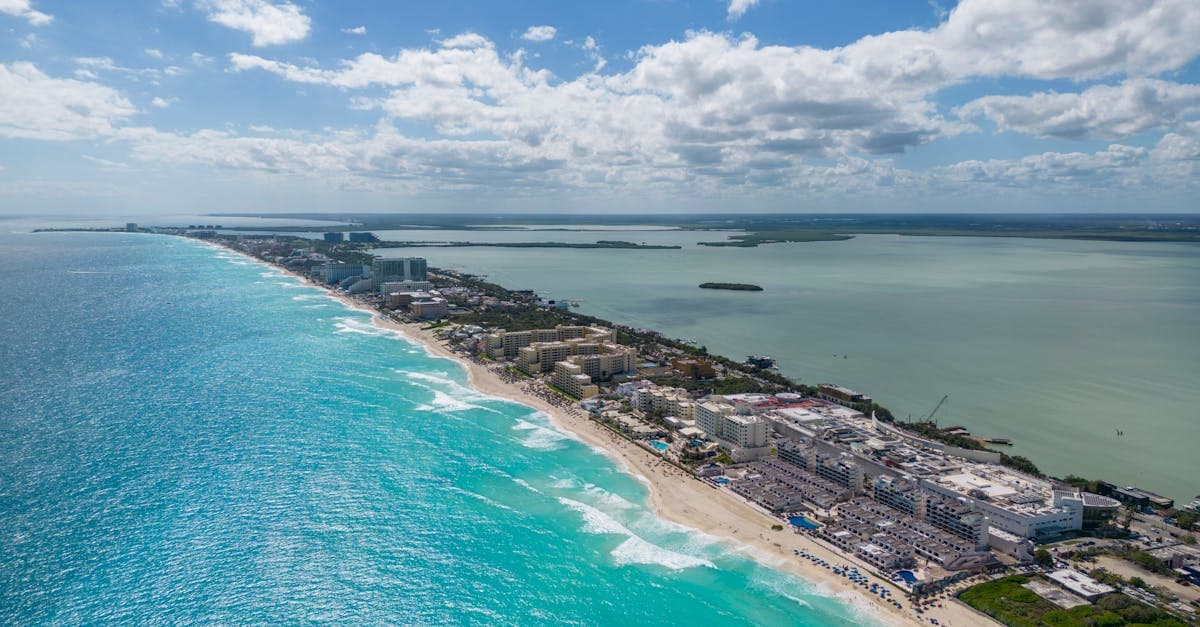
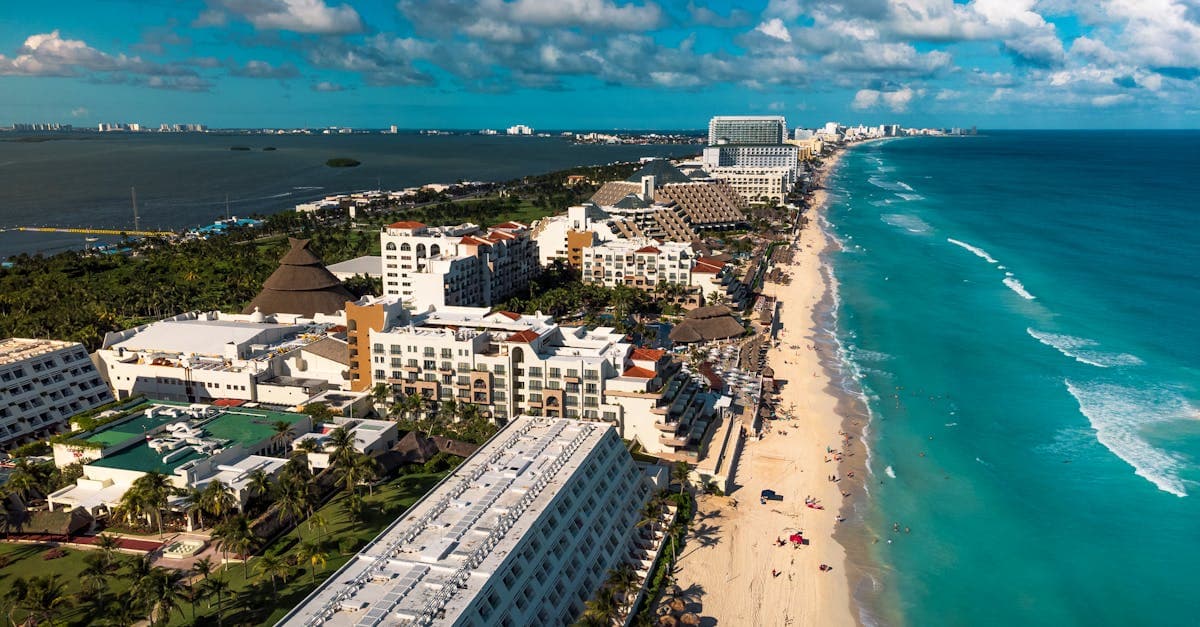
Cancun is safe for most American tourists. Quintana Roo, the Mexican state that contains Cancun, holds a US State Department Level 2 advisory: exercise increased caution travel.state.gov. The Hotel Zone, a 14-mile sandbar strip where the vast majority of resort hotels are concentrated, is patrolled by dedicated tourist police and physically separated from downtown Cancun. Violent crime targeting tourists in the resort corridor is rare.
Staying connected keeps those tools working when it counts. HelloRoam's eSIM for Mexico starts at ~$2.99 for 1GB on AT&T's 5G network, keeping real-time navigation, family location sharing, and direct emergency contact access live from the moment you clear customs. No hunting for resort Wi-Fi when something actually goes wrong.
Headlines grab the Level 2 label and drop the context. The actual picture, broken down by neighborhood and behavior, runs closer to "watch where you go" than "don't go at all."
Is Cancun Safe in 2026? Quick Answer
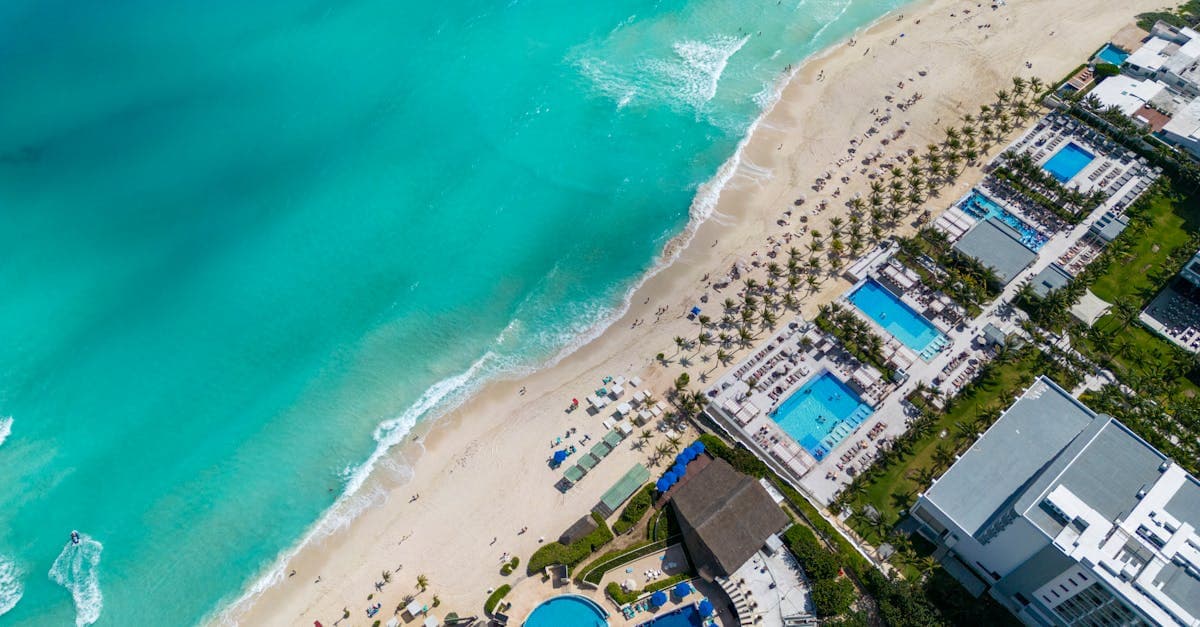
Level 2 is not a warning to stay home. The State Department uses that designation to mean exercise increased caution, a label it applies to dozens of destinations Americans visit without hesitation. As of early 2026, US government employees face zero travel restrictions in Cancun or anywhere else in Quintana Roo travel.state.gov. That's a concrete reference point: when federal agencies permit their own personnel to travel freely, the risk picture differs substantially from what media headlines imply.
The myth most worth addressing: cartel violence in Mexico is not indiscriminate. The roughly 600 to 700 statewide homicides recorded in 2023 were concentrated in residential and commercial parts of the city, overwhelmingly cartel-on-cartel disputes over territory cancun-adventure.com. That violence does not follow tourists into resort corridors. It calls for a careful read of conditions, not a reflexive cancellation.
The Hotel Zone operates on a different model. Policía Turística patrol the strip. Private resort security manages perimeters. Federal forces maintain a visible presence. The result is a security environment that functions closer to a secured enclave than an open urban neighborhood.
Most crime tourists encounter in Cancun is petty: opportunistic theft, timeshare pressure, drink-spiking at nightclubs. Serious, targeted violence against visitors in the Zona Hotelera is rare enough to generate national headlines when it occurs.
The numbers behind that advisory tell a far more specific story.
Is Cancun Safe? What the Level 2 Advisory for Cancun Actually Means
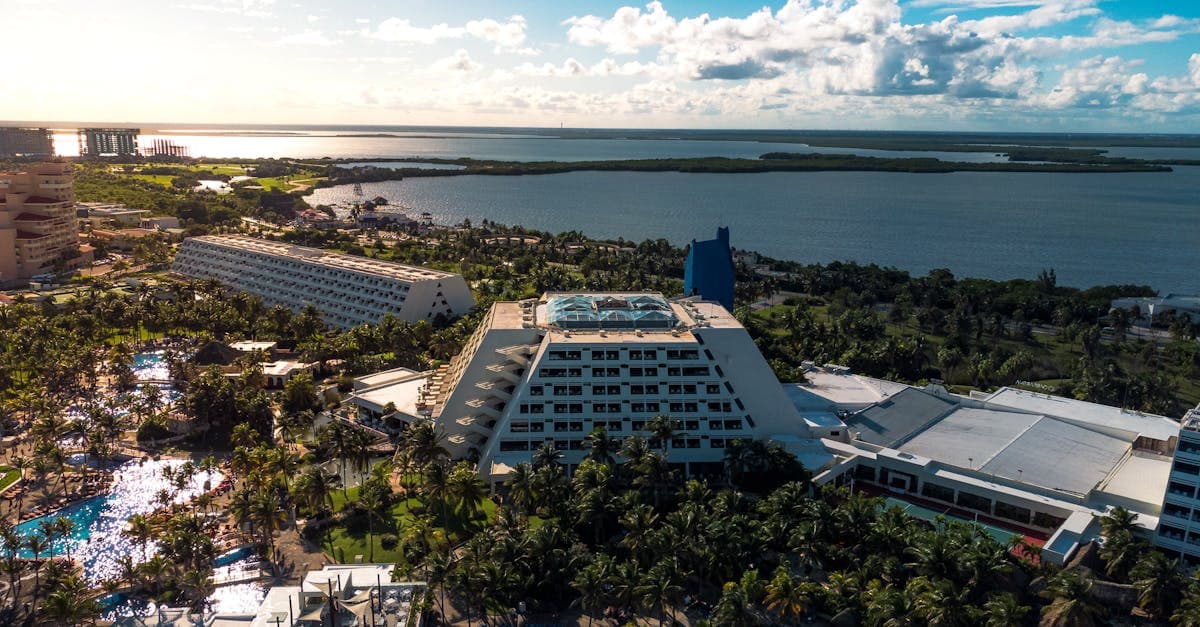
Four Mexican states carry "do not travel" designations as of early 2026: Colima, Guerrero, Sinaloa, and Tamaulipas travel.state.gov. Quintana Roo is not on that list. Level 2 (the rating that applies to Cancun's state) means exercise increased caution, sitting two full tiers below the designation that triggers genuine travel prohibition.
That distinction gets buried in coverage that treats all Mexico advisories as equivalent.
They are not. Level 4 states see active cartel warfare, documented kidnapping patterns, and violence that extends beyond specific corridors into civilian areas. Level 2 represents a more considered assessment: risks exist and awareness matters, but the advisory carries no recommendation against visiting.
Key fact: Quintana Roo holds a Level 2 advisory as of 2026, while Colima, Guerrero, Sinaloa, and Tamaulipas all carry Level 4 "Do Not Travel" designations.
Nearby alternatives put that in sharper relief. Puerto Vallarta, a city American travelers often weigh against Cancun, sits within Jalisco state, rated Level 3: reconsider travel travel.state.gov. Cancun holds a full advisory tier advantage over that option. Los Cabos, in Level 2 Baja California Sur, is advisory-equivalent to Cancun, though each location carries its own layered risk profile and specific geographic context.
The statewide homicide figures cited above concentrate overwhelmingly in residential and commercial areas outside tourist infrastructure: roads, neighborhoods, and supply routes that resort guests have no reason to access. The US Embassy in Mexico City monitors conditions continuously and publishes location-specific alerts when verifiable, tourist-facing threats emerge. As of early 2026, no such alert applies to the Zona Hotelera.
A measured comparison of Mexico destinations by advisory tier places Cancun consistently in the cautious, lower-risk grouping. That picture holds when checked against both the available data and the alternatives Americans typically consider.
Geography sharpens that picture considerably.
Hotel Zone vs. Downtown Cancun: Where Cancun Safety Splits
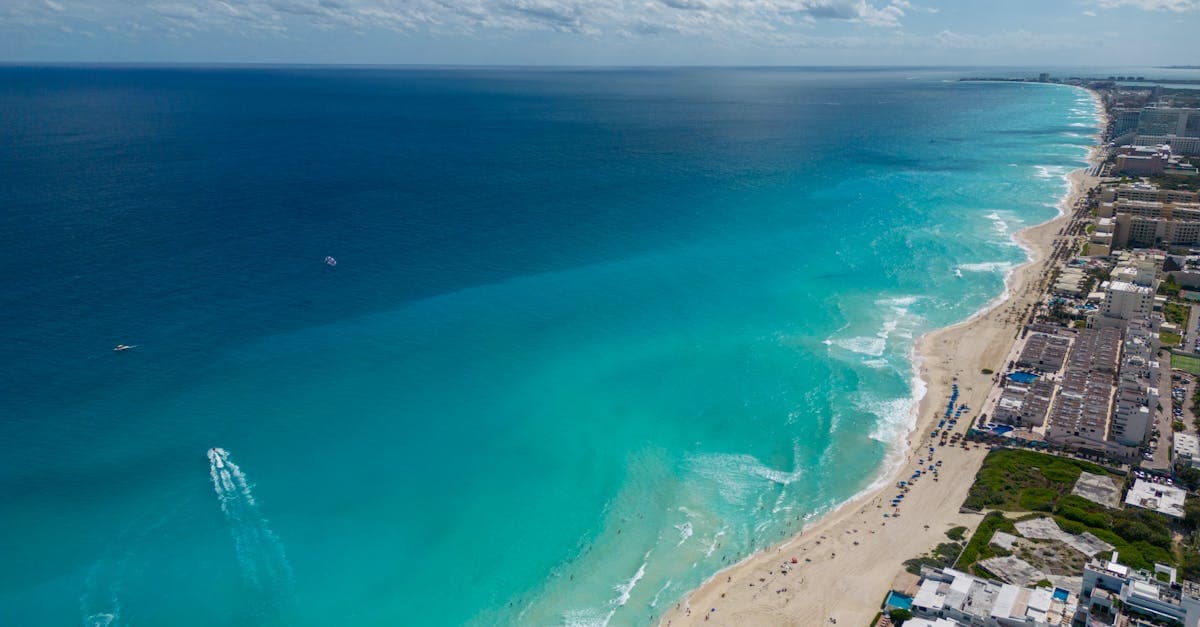
The Hotel Zone's geography is its most underappreciated safety feature. The resort strip sits on a narrow sandbar connected to mainland Cancun by two causeways, creating a physical separation from downtown that goes beyond administrative lines. Most visitors never cross those causeways unless they specifically choose to. According to theexcellencecollection.com, the Zona Hotelera was built for tourism and policed accordingly.
Downtown Cancun carries a Numbeo crime index in the 61 to 65 range, moderate-to-high by global benchmarks. The Hotel Zone pulls that city average upward; the actual day-to-day experience on the resort corridor sits substantially below that aggregate figure.
Most tourists never go downtown. Their entire trip cycles between the hotel lobby, the beach, the pool, and restaurants within the Zona Hotelera. That containment is largely by design.
Step past the Hotel Zone boundary and downtown has a different texture entirely: concrete storefronts, local traffic, a city operating at its own pace well outside the resort bubble. Not threatening on its own, but a visibly different environment that calls for a different level of awareness. The manicured boulevard energy of Kukulcán doesn't follow you across the causeway.
Nightlife is where the two zones diverge most sharply. Resort strip venues along Boulevard Kukulcán operate controlled entry points, coordinated security teams, and staff trained to flag drink-spiking attempts. Downtown clubs run under municipal oversight with fewer tourist-specific protections, and traveler reports consistently associate drink-spiking incidents and opportunistic crime with the local scene rather than the resort corridor.
Key fact: The Hotel Zone sits on a narrow sandbar connected to mainland Cancun by two causeways, physical separation that means most visitors never cross into downtown unless they choose to.
A thoughtful itinerary rarely requires downtown Cancun at all. All-inclusive guests operate inside an even tighter security perimeter.
Is Cancun Safe at All-Inclusive Resorts?
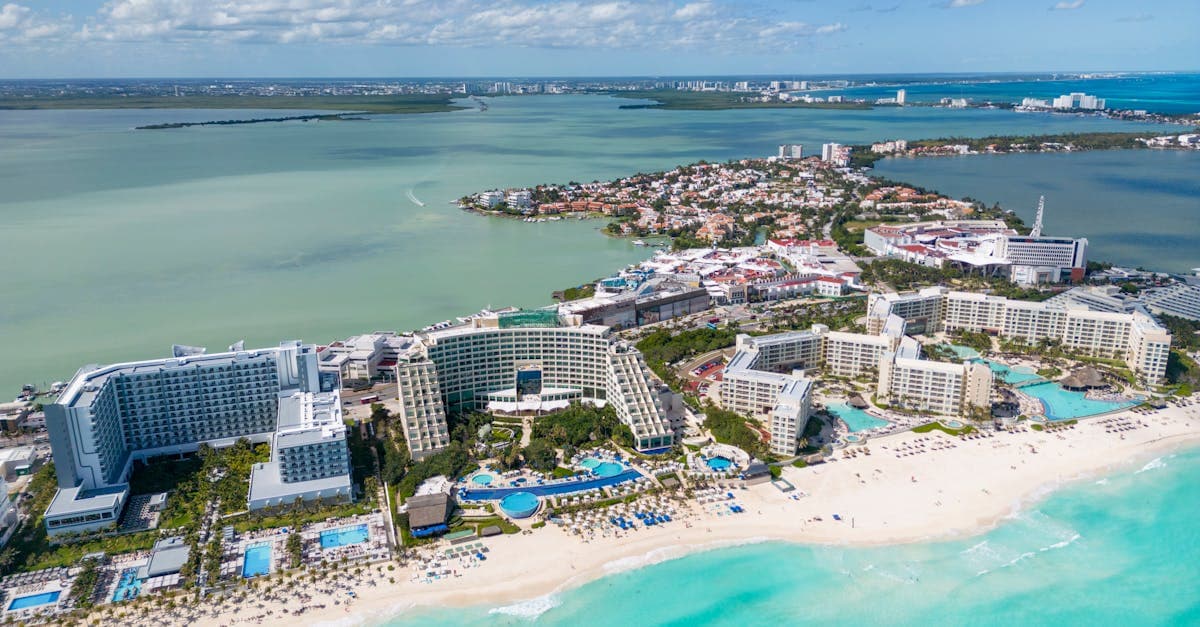
All-inclusive resorts in Cancun's Hotel Zone represent the safest travel setup available in the region. Gated perimeters, 24-hour security staff, controlled access points, and a steady Policía Turística presence outside the entrance create an environment where most guests cycle through an entire week without encountering anything more threatening than an aggressive timeshare pitch at the lobby door barcelo.com.
The architecture matters. These properties aren't just hotels. They're walled compounds with wristband systems, ID checkpoints at lobby entrances, and staff built around controlled access. Random street crime doesn't reach inside. That physical separation is precisely why the Hotel Zone's safety reality diverges so sharply from the city-wide statistics discussed earlier.
Where the picture shifts is off-property nightlife. Drink spiking at open nightclubs in the Hotel Zone is a documented and underreported problem, with travelers describing lost time after accepting drinks from strangers at crowded bars travelpirates.com. The same risk doesn't apply at resort bars, where bartenders are accountable employees within a supervised operation. A night that ends at the swim-up bar sidesteps that variable entirely.
Solo female travelers consistently describe the Hotel Zone resort experience as more manageable than media coverage suggested. The corridor is well-lit, staffed around the clock, and actively patrolled. The apprehension most bring from headlines rarely matches what they find on an actual resort property.
Pre-booking airport transfers is the single highest-leverage safety decision you can make before landing. Authorized resort shuttle services eliminate the street taxi variable entirely. Your resort confirms the pickup, provides driver details, and the transaction runs inside a vetted system. The gap between a chaotic arrivals hall hustle and a calm, sign-in-hand pickup is about thirty minutes of advance planning.
Inside the resort walls, risk is low and manageable. The variables multiply the further you move from that controlled environment.
Leaving the resort introduces a different set of decisions.
Cancun Transportation, Scams, and Staying Safe Outside the Hotel Zone
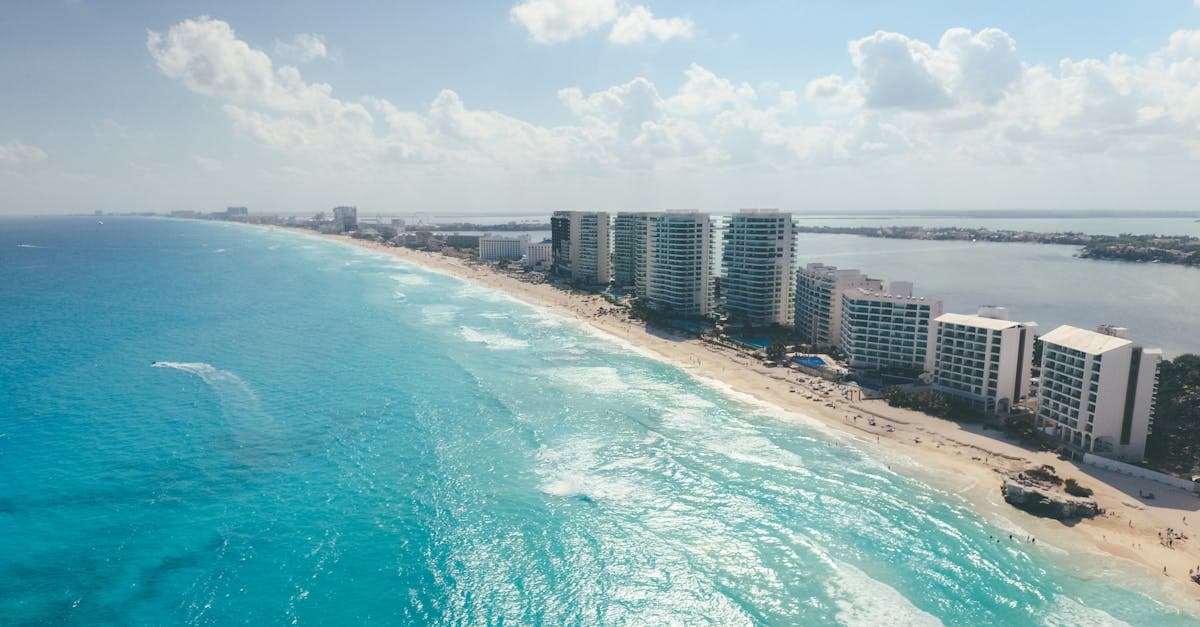
Staying safe outside the Hotel Zone comes down to two categories: how you move around, and how you respond to strangers with offers. The risks are predictable. Timeshare scams, taxi fraud, and airport touts are engineered traps with consistent mechanics, and each one has a specific counter.
Step off the jet bridge at Cancun International on a busy afternoon and the arrivals hall hits you fast: humid air pressing in before you reach the terminal, competing voices in three languages, a wall of people holding printed signs near the exit doors. Some of those signs belong to legitimate resort shuttles. Others are held by touts who'll steer you toward a commission-based taxi before you've found your luggage carousel. The two seconds it takes to decide who to follow can set the tone for your first hour in Mexico. Knowing what to look for before you land makes that moment considerably less stressful.
Get Uber, not a street taxi. Uber operates openly in Cancun and sends you a plate number, driver photo, and live route tracking before you get in. Always verify the car's plate against the app before opening the door. Street-hailing outside clubs or near the airport arrivals hall carries higher risk of inflated rates or agreed-price disputes once you've arrived.
ADO buses are the practical option for longer routes. ADO runs fixed-price, air-conditioned coaches between Cancun, Playa del Carmen, Tulum, and the airport. Prices are posted at ticket windows and online. No negotiation, no rate confusion. Travelers heading down the Riviera Maya corridor use ADO regularly as the default overland option.
The timeshare pitch always starts with "free." Free breakfast, free snorkeling, free theme park access. The session that follows runs four to six hours with high-pressure tactics and manufactured urgency around limited-time pricing. Decline any street approach that attaches the word "free" to an activity. No exceptions.
Authorized taxi stands in the Hotel Zone post fixed rates. Fares to the airport, downtown, and between resort clusters are regulated and displayed on boards at every official stand. If the quoted figure doesn't match what's posted, walk to the next stand.
Never accept unsolicited help at airports or transport hubs. Arrivals halls attract unofficial "helpers" who steer visitors toward commission-based taxis or partner services. Your resort shuttle or a pre-booked Uber is the right call on landing, including after clearing Global Entry or customs at Cancun International.
Travel insurance covering medical evacuation and trip interruption is worth buying before departure. Evacuation costs from Mexico can run five figures without coverage.
Your phone ties every one of these precautions together in real time.
Staying Connected in Cancun: Mobile Data as a Safety Tool
A working data connection in Cancun is a safety tool, not background noise. Live navigation on Google Maps or Waze keeps you on the Hotel Zone's main corridors and flags when a route drifts toward areas with higher risk profiles. No printed guide does that in real time.
Uber requires a live connection to function. Without data, you're back to street-hailing, which is exactly the situation the previous section flags as the riskier option. The dependency runs in one direction.
Real-time location sharing matters more than most travelers anticipate. WhatsApp and Apple's Find My both support continuous location broadcasts to family back home. Setup takes about thirty seconds. If something goes wrong, someone already has your last known position before the situation escalates.
The friction point for most American travelers is carrier cost. AT&T, T-Mobile, and Verizon all offer international day passes for Mexico at a flat daily rate that activates automatically once you use roaming data. That's workable for a short stay where resort Wi-Fi handles most of the load. Stretch it to a week with consistent navigation, ride-share calls, and location sharing running in the background, and those daily charges accumulate into a noticeable line on the statement.
A prepaid Mexico eSIM avoids that billing structure entirely. Plans available on AT&T Mexico's 5G network activate remotely before departure. No physical SIM swap, no roaming agreement filed with your carrier, and no per-day charge that compounds across the trip. For a stay longer than three days with meaningful data use, the math favors a dedicated plan over a carrier day pass.
Download offline maps through Google Maps before your flight. Signal is reliable across the Hotel Zone, but the ferry crossing to Isla Mujeres and stretches of rural Yucatán drop coverage temporarily. Offline maps handle those gaps without burning your data allowance.
A handful of direct questions come up again and again about Cancun right now.
Is It Safe to Visit Cancun Right Now?
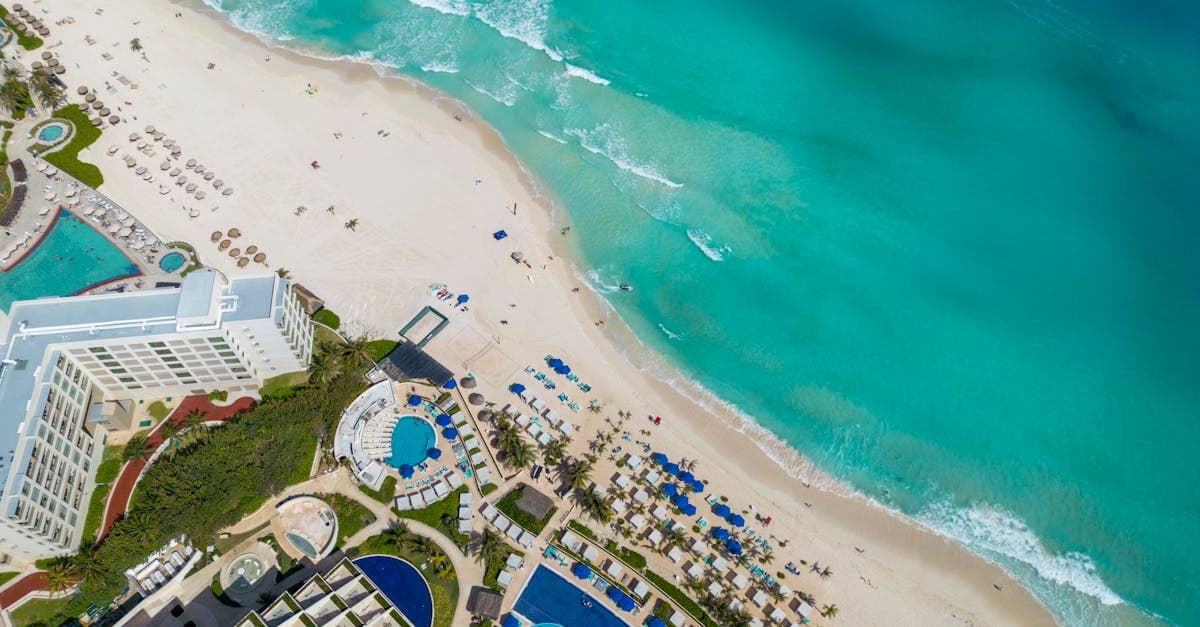
The US State Department's Level 2 advisory for Quintana Roo has remained unchanged since August 2025 travel.state.gov. As of April 2026, no incidents specifically targeting American tourists in the Hotel Zone have prompted a status review. The assessment is stable.
Spring break 2026 operated under the same Level 2 status, with no emergency travel alerts issued and normal resort operations throughout the Hotel Zone corridor travelpirates.com. That consistency is a useful data point for anyone making summer or fall 2026 booking decisions.
The comparison to Caribbean alternatives puts things in useful perspective. Several popular Eastern Caribbean destinations carry their own elevated US advisories, and medical infrastructure in those markets often trails what Cancun's internationally operated resorts provide. Direct flights from JFK, LAX, ORD, and most major US hubs, combined with decades of built-out tourist infrastructure, position Cancun favorably against comparable beach destinations at similar price points.
The considered read: Cancun isn't risk-free. No international destination is. But the Hotel Zone risk profile, measured against alternatives in the same category, sits on the reasonable side of the ledger for travelers who follow the precautions covered here.
Two more questions travelers consistently search before booking.
What is the safest vacation spot in Mexico?
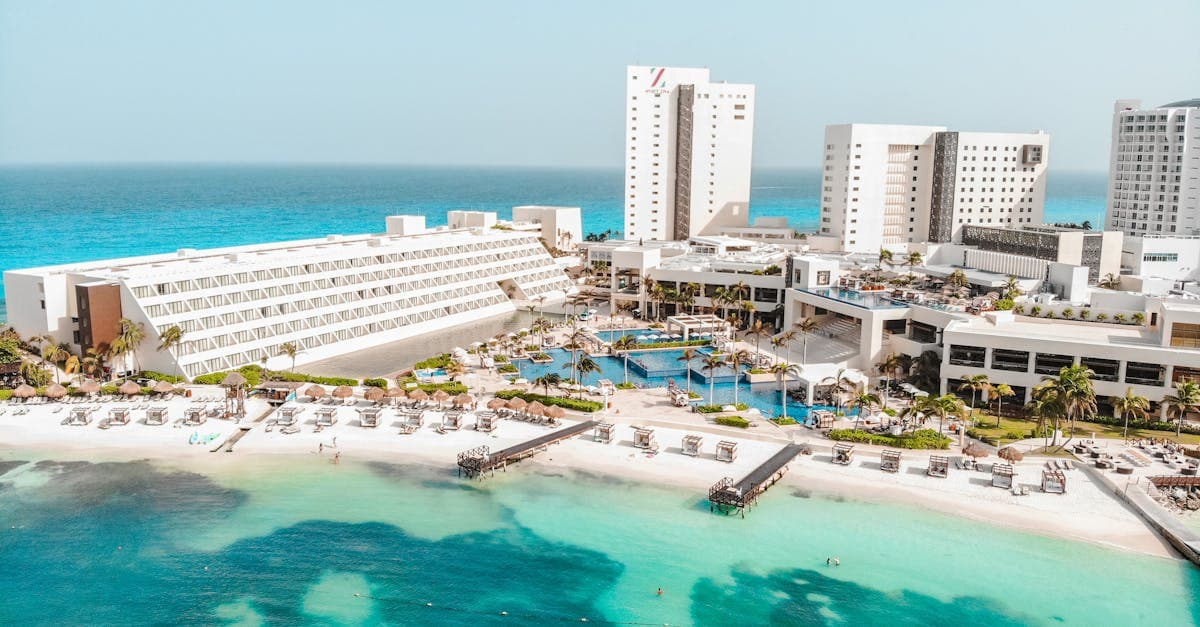
Los Cabos and Cancun are the two safest major tourist destinations in Mexico for American travelers as of early 2026 cancun-adventure.com. Both run dedicated tourist police operations and concentrate visitor activity inside gated resort corridors built apart from residential urban areas.
The geography matters here. Los Cabos occupies the southern tip of Baja California Sur, a peninsula whose limited road access keeps transient criminal activity low. Cancun's Hotel Zone runs along a narrow sandbar with a single arterial road, creating comparable physical separation from the surrounding city.
Merida belongs on this list too. Yucatan state carries the same Level 2 advisory but draws far fewer tourists, which means lower petty theft exposure and far less crowding at archaeological sites. It's the considered pick for travelers who want colonial architecture and Mayan ruins without resort-strip energy.
Firm rule: avoid Level 3 and 4 states entirely for leisure travel.
The threat level question has an equally direct answer.
What is the threat level for Cancun?
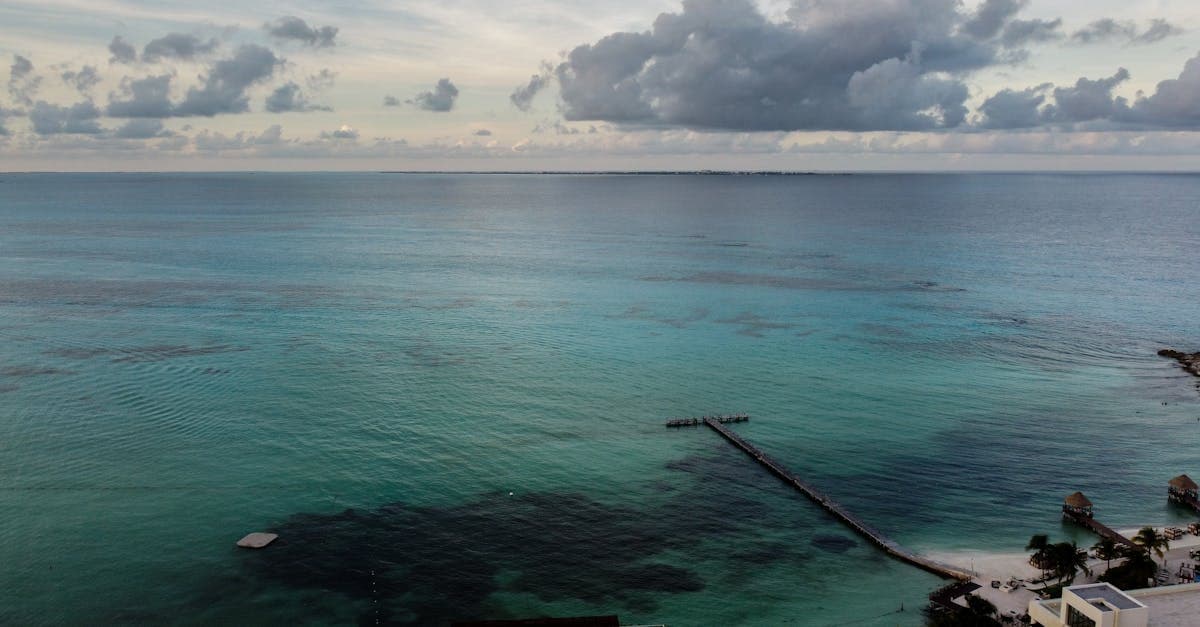
Cancun sits at US State Department Level 2: Exercise Increased Caution, the current standing as of early 2026 travel.state.gov. No Cancun-specific threat to tourist zones appears in the current advisory language.
That Level 2 label looks alarming until you see the company it keeps. France, Germany, and most European Union member states carry the same designation from the State Department.
Level 2 is a broad flag for elevated awareness, not a red-zone warning. The rating covers Quintana Roo as a state; the risks it identifies, crime and kidnapping activity in non-tourist residential and commercial areas, don't map onto the Hotel Zone resort corridor, where the day-to-day visitor experience sits well below the statewide average for tourist-affecting incidents.
Reviewed by HelloRoam's editorial team. Last updated: 19 April 2026.
Get Connected Before You Go


Frequently Asked Questions
Yes, Cancun is safe for most tourists in 2026. Quintana Roo, the state containing Cancun, holds a US State Department Level 2 advisory meaning exercise increased caution, not avoid travel. The Hotel Zone is patrolled by dedicated tourist police and physically separated from downtown, making serious violence targeting visitors rare.
All-inclusive resorts in Cancun's Hotel Zone are the safest setup available in the region. These properties feature gated perimeters, 24-hour security staff, controlled access points, and wristband systems that prevent random street crime from reaching guests. The main risk for resort guests is off-property nightlife, particularly drink-spiking at open clubs, which does not apply to supervised resort bars.
Cancun's Hotel Zone and Los Cabos are consistently among the lowest-risk options for American tourists, both located in Level 2 advisory states. Four Mexican states carry Level 4 Do Not Travel designations as of early 2026: Colima, Guerrero, Sinaloa, and Tamaulipas. Puerto Vallarta sits in a Level 3 state, making Cancun a full advisory tier safer than that common alternative.
Cancun sits within Quintana Roo, which holds a US State Department Level 2 advisory: exercise increased caution. This is two full tiers below Level 4 Do Not Travel and one tier below Level 3 Reconsider Travel. As of early 2026, US government employees face zero travel restrictions in Cancun or anywhere in Quintana Roo.
Yes, significantly. The Hotel Zone sits on a narrow sandbar connected to mainland Cancun by two causeways, creating physical separation from the city. It is patrolled by Policía Turística and private resort security, while downtown Cancun has a crime index in the moderate-to-high range and relies on municipal police only. Most tourists never cross into downtown during their stay.
Most crime tourists encounter is petty: opportunistic theft, timeshare pressure tactics, and drink-spiking at nightclubs. Serious, targeted violence against visitors in the Hotel Zone is rare enough to generate national headlines when it occurs. Cartel-related violence is concentrated in residential and commercial areas far outside tourist infrastructure.
No. Level 2 means exercise increased caution and is two full tiers below Level 4 Do Not Travel. The US State Department applies Level 2 to dozens of destinations Americans visit regularly. Level 4 states like Colima, Guerrero, Sinaloa, and Tamaulipas see active cartel warfare and documented kidnapping patterns not present in Quintana Roo.
Solo female travelers consistently report that the Hotel Zone resort experience is more manageable than media coverage suggested. The corridor is well-lit, staffed around the clock, and actively patrolled. The main precautions are the same as for all visitors: stay within the Hotel Zone, avoid accepting drinks from strangers at nightclubs, and pre-book authorized transport.
Pre-booking your resort's authorized shuttle service is the highest-leverage safety decision you can make before landing. It eliminates the risk from airport touts and street taxis. Alternatively, use the Uber app, which provides the driver's plate number, photo, and live route tracking before you enter the vehicle.
Use Uber instead of hailing street taxis, and always verify the car's plate against the app before getting in. If using authorized taxi stands in the Hotel Zone, fares are regulated and posted on boards — if the quoted price does not match, walk to the next stand. Never accept unsolicited help from unofficial helpers at airports or transport hubs.
Decline any street approach that attaches the word free to an activity, whether free breakfast, free snorkeling, or free theme park access. Timeshare pitches routinely use these offers to draw travelers into four-to-six-hour high-pressure sales sessions. Refusing upfront is the only reliable counter.
Nightlife on Boulevard Kukulcan carries moderate risk that is manageable with basic precautions. Resort strip venues operate controlled entry points and staff trained to flag drink-spiking attempts. The main documented risk is accepting drinks from strangers at crowded bars. Staying at resort bars, where bartenders are accountable employees, sidesteps this variable entirely.
Cancun holds a safety advantage over Puerto Vallarta from an advisory standpoint. Puerto Vallarta sits within Jalisco state, rated Level 3: reconsider travel, while Cancun's state of Quintana Roo holds a Level 2 advisory. That is a full advisory tier difference, though both destinations have their own layered risk profiles and geographic contexts.
Cartel violence in Cancun is not indiscriminate and does not follow tourists into resort corridors. The roughly 600 to 700 statewide homicides recorded in 2023 were concentrated in residential and commercial parts of the city, overwhelmingly cartel-on-cartel disputes over territory. Resort guests have no reason to access the roads and neighborhoods where these incidents occur.
Travel insurance covering medical evacuation and trip interruption is worth buying before departure. Medical evacuation costs from Mexico can run five figures without coverage. Standard policies covering these scenarios provide meaningful financial protection for a relatively low upfront cost.
A working data connection functions as a safety tool in Cancun, keeping real-time navigation, family location sharing, and emergency contact access live from the moment you arrive. Live navigation keeps you on Hotel Zone corridors and flags route drift toward unfamiliar areas. Budget eSIM plans for Mexico start around $2.99 for 1GB on 5G networks, eliminating dependence on resort Wi-Fi when something goes wrong.
Sources
- Is Cancun Safe for Spring Break 2026? Here's What You Actually Need to Know — travelpirates.com (2026)
- Mexico — travel.state.gov
- Is Cancun Safe to Visit Right Now? — barcelo.com
- The Tourist's Travel Guide on How to Stay Safe in Cancun! — theexcellencecollection.com
- Is Cancun Safe? Your Complete 2026 Travel Safety Guide — cancun-adventure.com