Portugal Digital Nomad Visa 2026: the Complete Guide for Americans

Written by: David Chen


16 min read

HelloRoam is a global eSIM provider offering instant mobile data in 175+ countries. Buy prepaid travel eSIM plans with no extra fees, no contracts, and instant activation on any eSIM-compatible device.
16 min read

According to citizenremote.com, the Portugal D8 visa lets American remote workers live legally in Portugal for up to one year, with a clear path to renewable two-year residency. Eligibility hinges on active income from a foreign employer or clients, a clear criminal record, compliant health insurance, and proof of accommodation. For well-prepared applicants, the process is straightforward, if time-consuming.
Connectivity is infrastructure for a digital nomad, not a bonus. Americans settling in Portugal typically pair a local SIM for daily use with an eSIM for trips across the EU. Hello Roam covers 190+ destinations with plans starting around $5/week, a reliable, contract-free option for the cross-border travel that comes with nomad life in Lisbon or Porto. New to the format? What Is an eSIM? covers how it works and which phones support it. Solid EU coverage without a long-term carrier commitment is where most nomads end up.

As described by vistos.mne.gov.pt, Portugal's D8 is a long-stay national visa for remote workers earning income from outside the country. Launched in 2022, it gives non-EU nationals, Americans included, the legal right to live in Portugal for up to one year, with a direct path to a renewable two-year residency permit.
What most Americans don't realize until they start researching a longer stay: the Schengen 90-day rule applies to Portugal. On a standard tourist passport, you can spend only 90 days in any 180-day window across all Schengen countries combined. The D8 bypasses that ceiling entirely, turning what would be a capped visit into a legal, long-term relocation.
Confusing the D8 with the D7 is common, and the mix-up leads to fiddly application errors down the line. The D7 is a passive income visa, built for retirees and investors living off pensions, dividends, or rental income. The D8 is for active earners: remote employees, freelancers, and self-employed contractors with clients based outside Portugal. Different category, different document stack, different eligibility logic.
Portugal's motivation for launching the D8 was transparent economic reasoning. High-earning remote workers spend locally on rent, food, and services without competing for jobs in the Portuguese labor market. That calculus makes consulates generally receptive to well-organized, thorough applications.
One detail that trips applicants up early: "D8" is the official category code under Portuguese immigration law. Some consulate websites and government portals still use the label "Digital Provider A" visa. Same document, same application process, two names.
Knowing what the visa is sets the foundation, but the income thresholds and eligibility criteria are where most American applicants need to check their numbers first.

American citizens qualify by default. As globalresidenceindex.com notes, the D8 is open to all non-EU, non-EEA, and non-Swiss nationals, and a US passport satisfies that condition without pre-approval or a sponsoring employer in Portugal.
The income floor is the figure that shapes every application. In 2026, it sits at approximately 1,520 EUR per month (roughly $1,650 at current exchange rates), set at four times Portugal's national minimum wage. Consulates treat that as a floor, not a comfortable target. Applications hovering near the minimum draw scrutiny; income sitting comfortably above it reads as stable and low-risk to a consular officer reviewing a high volume of files.
Accepted income sources cover a generous range. According to justworks.com, full-time remote employment with a non-Portuguese employer qualifies. So does freelance work across multiple foreign clients and self-employment where revenue originates outside Portugal. A blended setup combining part-time employment with several client contracts is workable as long as the monthly total clears the threshold consistently across multiple months.
What doesn't qualify: passive income alone.
Dividends, rental income, Social Security payments, and pension distributions belong in a D7 application. The D8 is structured for active earners, not passive ones.
Five criteria cover the core eligibility picture:
If all five check out cleanly, the application is viable. If one is borderline, fix that item before booking a consulate slot.
Health insurance trips up more applicants than the income requirement does. Standard US travel policies frequently fall short of what Portuguese consulates require for a long-stay national visa. Confirm the specific coverage floor with your target consulate before purchasing a plan.
Freelancers face a higher bar than remote employees. Consulates want three to six months of consistent invoice history across multiple clients, not a single large contract signed recently. A thin paper trail reads as unstable; steady billing across several foreign accounts over six months reads as rock-solid.
Once you've confirmed eligibility, the application moves through Portuguese consulates in the US, and the process has more moving parts than the fee receipt suggests.

The D8 application is procedural rather than technically difficult. The real challenge is sequencing: several required documents take weeks to obtain, and starting them in the wrong order stretches a timeline that's already unforgiving.
Step 1: Build your document package first. Core requirements include a valid US passport (at least six months of validity beyond your planned entry date), three to six months of bank statements, employment contracts or client invoices showing consistent income, health insurance documentation meeting consulate requirements, proof of accommodation in Portugal (a signed lease or detailed booking confirmation), and an FBI criminal background check.
Step 2: Apostille the FBI background check. The standard FBI mail service takes roughly 12 weeks. Using an FBI-approved channeler costs more but cuts that wait to three to five business days. The apostille authentication itself is handled by your state and adds one to two more weeks depending on where you live. Start this process the moment you decide to apply. It's the no-brainer first move on the entire checklist.
Step 3: Book your consulate appointment. Americans apply through the Portuguese consulate covering their state of residence. Options are Boston, New York, Newark, Washington DC, and San Francisco. Spring and summer appointment slots run four to 12 weeks out. Book your slot while documents are still in progress, not after they're complete.
Step 4: Submit in person. Bring originals and notarized copies where required. Documents not in Portuguese or English need certified translations from an official translator. A bilingual colleague's version won't pass muster. Half-baked submissions get rejected at the desk, with no refund on the fee.
Step 5: Pay the application fee. Approximately 90 EUR (roughly $97). Non-refundable, regardless of outcome.
Step 6: Wait for processing. As getgoldenvisa.com reports, standard processing typically runs 30 to 60 days. No expedite option exists. Most consulates accept status inquiries by email after six weeks.
Step 7: Register with AIMA after you arrive. Within three months of entering Portugal, book an appointment with AIMA, the immigration authority that replaced SEF in 2023, to convert your entry visa into a two-year residency permit. AIMA's online booking system is clunky but functional. Current appointment waits in Lisbon run three to six months, so book the day you land.
Do not wait.
Step 8: Get a NIF. A NIF (Portuguese tax identification number) is required to sign a lease, open a bank account, and register for utilities. Apply through a Portuguese consulate in the US before departure, or at a Finanças office after arrival. No NIF means none of those things happen, and the sequence stalls.
From first document collection to landing in Lisbon, budget four to five months minimum. That 90 EUR application fee is the smallest number in the budget once you add channeler fees, apostille authentication, certified translation costs, and health insurance premiums. The total cost surprises most applicants.

Between the FBI background check, apostille fees, certified translations, and health insurance, US applicants typically spend $600 to $1,400 before the plane departs. The consulate fee discussed earlier in this guide is just one line item in a straightforward but frequently underestimated budget.
The charges build up in a logical order. The FBI background check costs $18 by standard mail or up to $50 through an expedited channeler service. State apostille authentication runs around $20 per document, and most D8 applications require two to four apostilled documents. Certified translations add $50 to $150 per document, with consulates typically requiring three to five translated documents. Health insurance meeting Portuguese consulate standards runs $60 to $180 per month, and coverage must be active before the consulate appointment, not after approval.
Post-arrival costs add two more items. AIMA charges approximately 83 EUR (around $90) for the residency permit appointment and approximately 72 EUR (about $78) for the residency card itself.
Immigration lawyers aren't required. For a well-organized application, hiring one is overkill. For first-timers uncertain whether their translations are properly certified, D8 specialists charging $500 to $1,500 catch errors before submission rather than after a rejection letter.
Tax planning is the buried cost most Americans skip entirely. Portugal's Non-Habitual Resident scheme, historically a flat 20 percent rate on Portuguese-source professional income with qualifying foreign income exemptions for 10 years, was restructured in 2024 into a narrower program. Cross-border tax advice from a specialist fluent in US and Portuguese law is a no-brainer if you're unsure which NHR benefits, if any, apply to your income structure.
Cost of living provides some relief on the other side. Lisbon furnished one-bedroom apartments average $1,300 to $1,900 per month in 2026. Porto and mid-size cities run $900 to $1,300. Groceries, transit, and dining cost noticeably less than comparable US cities. The upfront application costs are transparent and finite. Whether that application is likely to clear the consulate is the sharper question ahead.
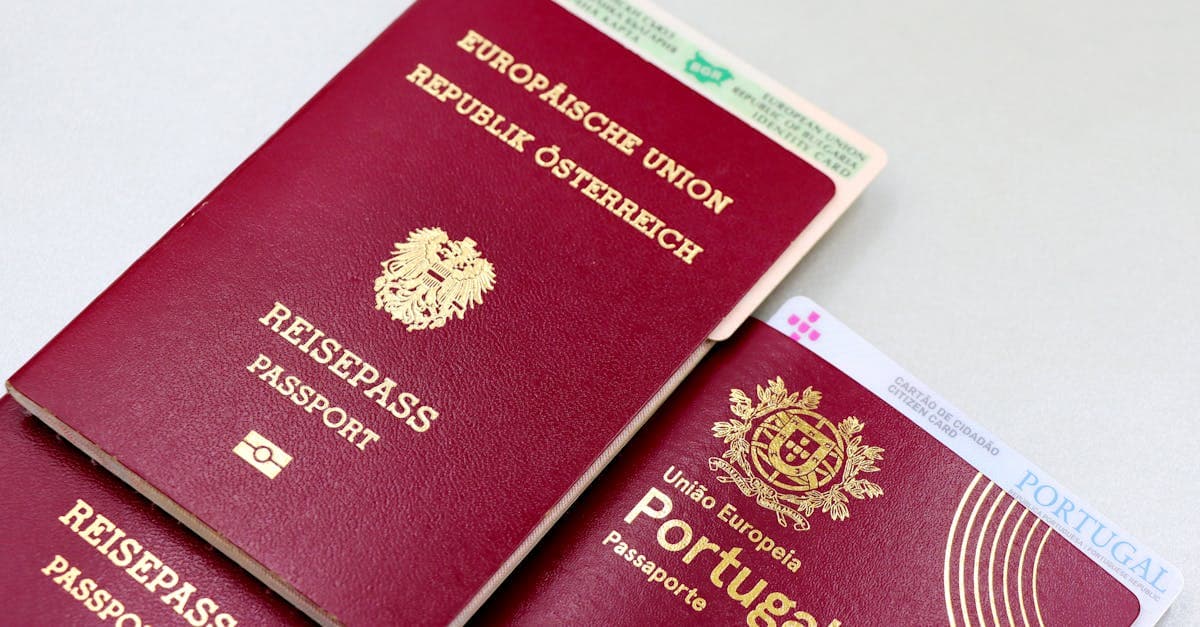
Portugal's D8 has a solid approval track record for well-prepared applicants. The most common rejection triggers are incomplete documentation, income that doesn't clear the threshold, and translations that weren't properly certified. Country-specific quotas limiting American applicants don't exist.
Two persistent myths circulate in expat communities, and both are worth addressing directly.
Myth: Portugal is turning away American applicants in significant numbers. Portugal has not imposed national caps on D8 applications. Processing delays are real and genuinely frustrating. Outright rejections for eligible, fully documented applicants are uncommon. The consulate backlog is a scheduling constraint, not an eligibility policy.
Myth: You need passive income to qualify for D8. The opposite is true. As vistos.mne.gov.pt confirms, the D8 specifically requires active remote income from a non-Portuguese employer or foreign clients. Passive income alone disqualifies you from D8 and redirects you to the D7, a separate application with different documentation requirements and different income standards.
The genuine friction is logistical. Consulate appointments in San Francisco and New York run spotty between March and August, with waits stretching to 12 weeks during peak season. AIMA appointment waits in Lisbon average three to six months after arrival. Getting an FBI background check apostilled involves multiple steps regardless of service level. Finicky? Yes. Disqualifying? No.
Half-baked applications, those missing a certified translation or showing a single large income deposit instead of consistent monthly history, account for most of the rejection cases that circulate on forums.
Community discussions on r/PortugalExpats consistently confirm that appointment scarcity and the AIMA backlog drive most complaints, not consulate refusal rates or income bar denials.
Getting approved is achievable with solid preparation. What five years of legal residency actually opens up is a considerably more consequential conversation.

Five continuous years of legal residency in Portugal qualifies foreign nationals to apply for permanent residency or Portuguese citizenship, provided they meet language and integration requirements. That milestone is what turns the D8 visa into a legitimate long-term life strategy, not just a way around the Schengen 90-day clock.
The residency clock starts with the D8 itself. According to getgoldenvisa.com, one year on the initial visa converts to a two-year residency permit, renewable once for another two years. Arrive, convert on schedule, and renew once, and year-five eligibility follows in a clean, linear progression.
Citizenship requires demonstrating A2-level Portuguese language proficiency, verified through an approved test such as the CIPLE exam. A2 is the second level on the Common European Framework of Reference: everyday vocabulary, basic interactions, and functional reading comprehension. Dead-simple compared to achieving conversational fluency, but it still requires consistent practice to test well. One to two years of regular study gets most applicants there without intensive full-time coursework.
The payoff is crisp and concrete. A Portuguese passport provides the right to live and work across all 27 EU member states, plus visa-free or visa-on-arrival access to over 185 countries.
One detail that matters more than most guides acknowledge: the five-year clock requires actual physical presence in Portugal. Absences longer than six consecutive months outside the country can interrupt the residency count. Before planning extended trips back to the US during the residency period, legal guidance on the absence rules is advisable. Losing a year of progress to a longer home visit is a reliable outcome for people who assume the rules are more forgiving than they are.
For most Americans weighing the move, the path to EU citizenship is achievable. The income floor question is typically what people need to work through first.

Moving to Portugal on passive income alone means filing a D7, not a D8. The technical minimum sits at approximately 1,020 EUR (around $1,100) per month. A thin application sitting exactly at that floor invites consulate scrutiny. In practice, expect to show 1,500 EUR or more per month (roughly $1,600) to clear the process without reservations.
Accepted passive income sources for D7 include US Social Security benefits, pension and retirement fund distributions, rental income from US properties, investment dividends, and interest from savings or bonds. Documentation for these sources is lean compared to D8: no employer contracts or client invoices required, just clear statements showing regular income history.
Americans with a mix of passive and active income have a choice to make. If active remote income is the dominant source, D8 is typically the snappier fit. Consulates review total income across all categories, not just one line item.
D7 works well for retirees. Simpler income documentation, a serviceable approval track record across Portuguese consulates, and no need to demonstrate an ongoing employment relationship. For people living off pensions and investment income, D7 is the direct path.
D7 is a less natural fit for active earners. The visa does not permit Portuguese employment. Freelancers with foreign clients often find that D8 more accurately describes their income situation, which makes for a cleaner application review and less back-and-forth with the consulate.
One final caveat: Portugal adjusts its national minimum wage annually, and the D7 income floor shifts accordingly. These figures reflect 2026 guidance. Verify the current threshold directly with the relevant Portuguese consulate before preparing documents. Assuming last year's number is still current is a preventable mistake.

Portugal remains one of the most accessible relocation destinations in Europe for American remote workers. Stable visa pathways, English widely spoken in urban centers, and an established expat community put practical support within reach. Finding an immigration lawyer or English-speaking tax advisor in Lisbon or Porto is a straightforward task, not a weekend project.
The honest trade-off: Portugal is not the hidden gem it was in 2018. Central Lisbon rents rose roughly 20 to 30 percent between 2022 and 2025, pushed by sustained international demand. Many new arrivals are now settling in Porto, the Silver Coast, and the Algarve, where housing remains more competitive without sacrificing what drew people to Portugal in the first place.
Two policy changes generated headlines in 2023 and 2024: the Golden Visa restructure and the NHR tax regime revision. Neither touches the D8 pathway. Those changes matter for property investors and passive-income retirees. Remote workers applying under a digital nomad visa framework are unaffected.
Quality of life holds up on the metrics that matter. Violent crime rates are low by European standards, the Atlantic climate is mild year-round, and public healthcare is accessible after NIF registration and residency. Both Lisbon and Porto have developed co-working scenes and English-language social networks that take the edge off the early months abroad.
AIMA wait times are long and central-city housing is tight. For most Americans comparing Portugal to Western European alternatives, the trade-off still makes sense. Arrive with clear expectations and the transition is manageable.
One detail catches newcomers off guard before they even board: mobile connectivity. What to activate before departure, and how to transition to a local setup once on the ground, is worth planning in advance.

Portugal offers solid 4G coverage and expanding 5G infrastructure across its main cities and tourist corridors. An international eSIM activated before departure is the practical first step for arriving American nomads, covering the connectivity gap before local SIM registration is complete. Lisbon, Porto, and the Algarve are well covered. Stretches of the rural interior, including parts of the Alentejo, can be spotty. Plan your connectivity before landing, not from the hotel lobby.
Three carriers run the network: NOS, Vodafone Portugal, and MEO.
Three options cover most situations for arriving American nomads. Each has a different cost profile and a different registration requirement.
The local SIM is the lean, cost-effective long-term option. The catch is registration: you need a NIF to sign up, and getting one takes one to two weeks after arrival. That gap is exactly where an international eSIM earns its place.
Activate an eSIM before departure and you have a working connection from the moment you clear customs at Humberto Delgado Airport, map tiles loading on your first ride rather than a hotel Wi-Fi login page that kicks you out every 30 minutes. Hello Roam covers Portugal with transparent per-GB pricing and 24/7 customer support, which matters when you land jet-lagged and need reliable data before the NIF paperwork is in order.
Co-working spaces in Lisbon and Porto typically run 100 to 300 Mbps fiber connections. Home broadband from NOS or MEO costs 25 to 50 EUR per month for fiber plans topping out at 200 to 500 Mbps, once you have an address to register.
The sequence that works: activate an international eSIM before departure, switch to a local prepaid SIM once your NIF clears, and keep your US number live via Wi-Fi calling for banking alerts and two-factor authentication. That dual-SIM setup keeps both connections active without paying carrier day-pass rates for a full month.

Portugal's D8 visa has a solid approval track record for well-prepared applicants. The most common rejection triggers are incomplete documentation, income that doesn't clear the threshold, and translations that weren't properly certified. Country-specific quotas limiting American applicants do not exist.
Yes, Portugal has not imposed national caps on D8 applications from Americans. Processing delays are real, but outright rejections for eligible, fully documented applicants are uncommon. The consulate backlog is a scheduling constraint, not an eligibility policy.
After holding a Portuguese residency permit, foreign nationals can apply for permanent residency after five years of legal residence. The D8 visa provides a path to a renewable two-year residency permit, which counts toward this five-year threshold for permanent residency eligibility.
Passive income alone does not qualify for the D8 digital nomad visa. Passive income sources such as dividends, rental income, Social Security, or pensions belong under the D7 visa instead. The D8 specifically requires active remote income from a non-Portuguese employer or foreign clients, with a 2026 floor of approximately 1,520 EUR per month.
The D8 is a long-stay national visa for remote workers earning income from outside Portugal. Launched in 2022, it gives non-EU nationals, including Americans, the legal right to live in Portugal for up to one year, with a direct path to a renewable two-year residency permit.
In 2026, the income threshold sits at approximately 1,520 EUR per month, set at four times Portugal's national minimum wage. Consulates treat this as a floor, and applications hovering near the minimum draw extra scrutiny, so income sitting comfortably above it is advisable.
Accepted income sources include full-time remote employment with a non-Portuguese employer, freelance work across multiple foreign clients, and self-employment where revenue originates outside Portugal. Passive income sources such as dividends, pensions, or rental income do not qualify for the D8.
Core requirements include a valid US passport with at least six months of validity, three to six months of bank statements, employment contracts or client invoices, health insurance documentation, proof of accommodation in Portugal, and an FBI criminal background check with apostille authentication.
Standard consulate processing typically runs 30 to 60 days after submission, with no expedite option available. From first document collection to landing in Portugal, applicants should budget four to five months minimum, as the FBI background check alone can take up to 12 weeks via standard mail.
US applicants typically spend $600 to $1,400 before departure, covering the roughly 90 EUR consulate fee, FBI background check, apostille authentication, certified translations, and health insurance premiums. Post-arrival costs include approximately 83 EUR for the AIMA residency appointment and 72 EUR for the residency card.
The D7 is a passive income visa designed for retirees and investors living off pensions, dividends, or rental income. The D8 is for active earners, including remote employees, freelancers, and self-employed contractors with clients based outside Portugal. They have different document requirements and different eligibility criteria.
Yes, within three months of entering Portugal you must book an appointment with AIMA, the Portuguese immigration authority, to convert your entry visa into a two-year residency permit. Current appointment waits in Lisbon run three to six months, so it is critical to book the day you arrive.
A NIF is a Portuguese tax identification number required to sign a lease, open a bank account, and register for utilities. You can apply through a Portuguese consulate in the US before departure or at a local Finanças office after arrival. Without a NIF, essential settlement tasks cannot proceed.
On a standard tourist passport, Americans can spend only 90 days in any 180-day window across all Schengen countries combined. The D8 visa bypasses this limitation entirely, turning what would be a capped visit into a legal, long-term relocation for up to one year initially.
Americans settling in Portugal typically pair a local SIM for daily use with an eSIM for travel across the EU. eSIM plans covering 190 or more destinations with no long-term contract commitment are a practical option for the cross-border travel that comes with nomad life in cities like Lisbon or Porto.
Lisbon furnished one-bedroom apartments average $1,300 to $1,900 per month in 2026, while Porto and mid-size cities run $900 to $1,300. Groceries, transit, and dining cost noticeably less than comparable US cities, providing relief after the upfront visa application costs.
Yes, consulates expect freelancers to provide three to six months of consistent invoice history across multiple foreign clients, not a single large recent contract. A thin paper trail reads as unstable, while steady billing across several accounts over six months demonstrates reliable income.
HelloRoam: your trusted travel eSIM that keeps you online across borders.
Explore Plans