Working Abroad in Bali: the 2026 South African Remote Worker's Guide

Written by: David Chen


13 min read

HelloRoam is a global eSIM provider offering instant mobile data in 170+ countries. Buy prepaid travel eSIM plans with no extra fees, no contracts, and instant activation on any eSIM-compatible device.
13 min read

Yes, you can work abroad in Bali as a South African. The infrastructure is there: coworking spaces with fiber internet, a massive international nomad community, and a cost of living roughly 60 to 70% lower than Western Europe or Australia. The main decisions are visa strategy (the B211A Social Visa gets most people to six months), budget tier, and how you'll stay connected.
On connectivity, skip the Vodacom or MTN roaming trap. Day passes in Indonesia run ~R149 to ~R299 with minimal data included. Hello Roam's regional eSIM plans are priced in ZAR, activate before you leave home, and bypass the passport registration queue at Ngurah Rai airport entirely. Local SIM cards are available on arrival for longer stays and offer excellent 4G coverage across the main nomad hubs. Either way, staying connected in Bali is far cheaper and easier than your SA carrier would have you believe.
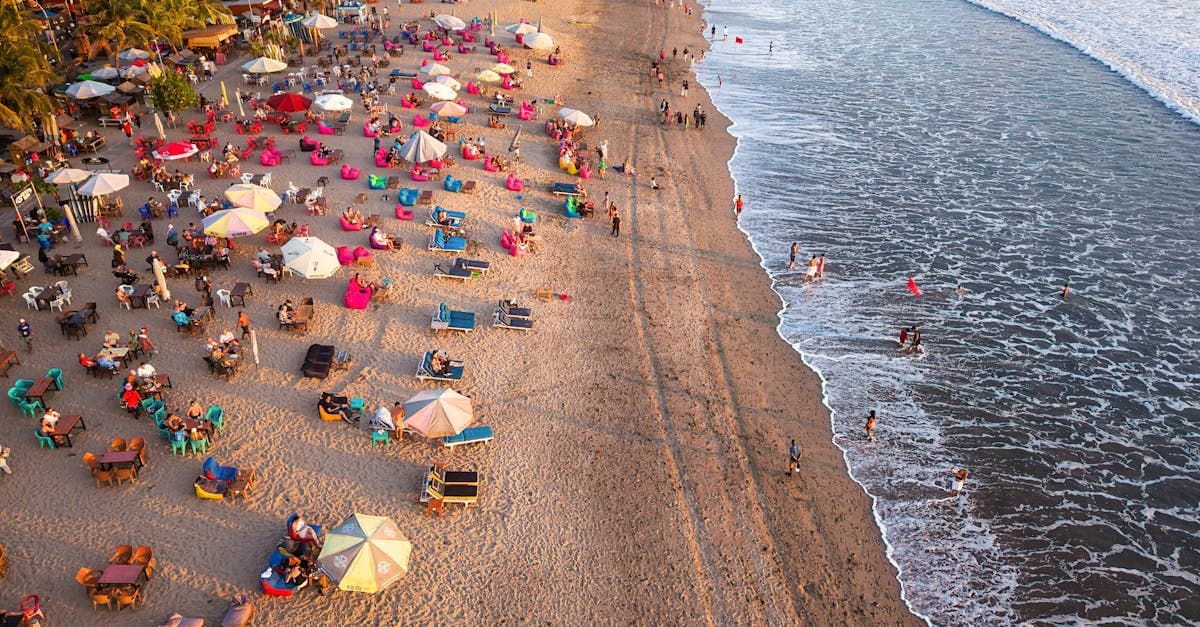
According to ouryearinbali.com, Bali holds its top-three global ranking for digital nomads because it combines community density, a low cost of living, and reliable work infrastructure in a way no comparable destination currently matches. Eighty thousand to one hundred thousand long-stay foreigners are in Bali at any given time: not visitors passing through for ten days, but people with routines, gym memberships, and preferred warungs. That position alongside Lisbon and Chiang Mai has held consistently through 2025 into 2026.
The cost case is solid. A mid-range monthly lifestyle covering accommodation, food, coworking, and transport runs ~R27,000 to ~R46,000 at the current ZAR/USD rate of around R18 to R19 per dollar. That's achievable on a USD-earning remote salary in a way it simply isn't when paying Cape Town or Johannesburg rents on comparable income. ZAR earners face tighter maths, but a budget-tier lifestyle clocks in at well under $1,400 a month.
Community density is practically useful. The Canggu Community Facebook group has over 50,000 members. Combined Bali nomad and expat Facebook communities exceed 100,000 members. That concentration translates to peer-level knowledge: visa agent names, coworking reviews, housing leads, and honest takes on what daily life here is actually like.
SA readers used to load shedding will notice quickly that the better coworking spaces in Canggu and Ubud run on backup generators with fiber internet at 50 to 200 Mbps. A power disruption won't touch your 9am client call. Mobile 4G across the main hubs is a solid secondary option throughout the day.
The dry season runs May through October. That's your window for consistent outdoor life, reliable villa WiFi, and the full lifestyle Bali is known for. The rainy season (November through March) doesn't stop work, but outdoor routines are disrupted, and hillside villa connectivity can become patchy.
The time zone works in your favour. Bali runs on UTC+8, 6 hours ahead of South Africa. Morning calls with SA clients wrap by midday. The afternoon is yours.
Thirty days. That's what a South African passport gives you in Indonesia, visa-free, with no pre-application needed. A Visa on Arrival extends that by another 30 days, costing ~R400 to ~R600. You're now at 60 days total: enough for a solid first stint, but short of what most remote workers are actually planning.
For anything beyond two months, the B211A Social Visa is the route. It's what the majority of SA nomads in Bali use, and it takes you to 180 days in-country. The full step-by-step is in the next section.
There's also the Second Home Visa (category E33G), which allows a longer formal stay but requires ~R2.3 million to ~R2.5 million in provable liquid savings. For most remote workers, that's an academic option rather than a practical one.
Remote work legality deserves a clear look. As rep-route.com notes, Indonesia has no formal digital nomad visa. Working remotely for a foreign employer while staying on a social visa isn't taking local employment (the line Indonesian law actually draws), but the framework isn't explicit. This has been the operating reality in Bali for years and is widely understood across the nomad community. Know where you stand and make an informed decision.
A Bali-based visa agent simplifies the B211A process significantly compared to applying through the Indonesian Embassy in Pretoria before departure. Most SA nomads who've done it before choose the on-the-ground agent route.
Indonesia has updated its visa framework multiple times through 2025 and into 2026. Verify current entry requirements through official channels before confirming your travel dates.

A single B211A application gives you 60 days. Two extensions later, you're at 180 days in-country, no exit required. That's six months on one continuous visa route.
All-in cost with a Bali-based agent: ~R2,700 to ~R4,500, covering agent fees, extension charges, and admin across the full period.
Two entry paths exist. Apply through the Indonesian Embassy in Pretoria before departure, or arrive on standard visa-free entry and hand the process to a Bali agent from the start. The sequence runs the same either way: arrive, use the Visa on Arrival extension to cover months one and two, then the agent arranges two further 60-day B211A extensions taking you through months three to six.
Documents needed: a passport with at least six months remaining validity, recent bank statements showing adequate funds, a sponsor or guarantor letter (the visa agent provides a standard template), and passport-size photos. A South African Police Service clearance certificate may be requested for longer stays or repeat applications. Obtain one before you leave South Africa. Processing takes weeks, and sorting it from Bali is impractical.
Keep ~R5,000 in a dedicated travel account for visa fees and agent charges across the six months. Extension dates are fixed and non-negotiable. Having the funds available without scrambling is the sensible preparation.

Five neighbourhoods compete for the remote worker's attention in Bali, and each makes a different trade-off. Cost, connectivity, community, and surf access don't all peak in the same place.
Canggu is the nomad capital for a reason. Dojo Bali, BWork Bali, and Tropical Nomad are the most consistently recommended coworking spaces among long-stay workers in 2026, with monthly hot desk rates from around USD 80 to USD 150. Day passes across the island typically run USD 15 to 20. Spaces are air-conditioned, backup-powered, and reliably busy. The cost, though, is real: accommodation in Canggu runs 20 to 30% higher than comparable options in Ubud or Sanur, and coworking memberships across Bali have risen approximately 20% since 2022.
Ubud is calmer, cheaper, and genuinely beautiful. Outpost Ubud and Hubud are both long-established options. Telkomsel 4G is reliable in the town centre. Venture a few kilometres into the rice paddies and signal softens quickly, so test your accommodation's connection before committing to a month-long lease.
Seminyak skews upscale. Connectivity is excellent, the coworking scene has grown noticeably since 2024, and having good restaurants within scooter range is a real quality-of-life upgrade for anyone spending eight hours at a desk.
Sanur attracts longer-stay nomads who want a predictable routine without fighting for desk space or dealing with Canggu's scooter chaos. Reliable connectivity, quieter pace, popular with remote workers on their second or third Bali stint.
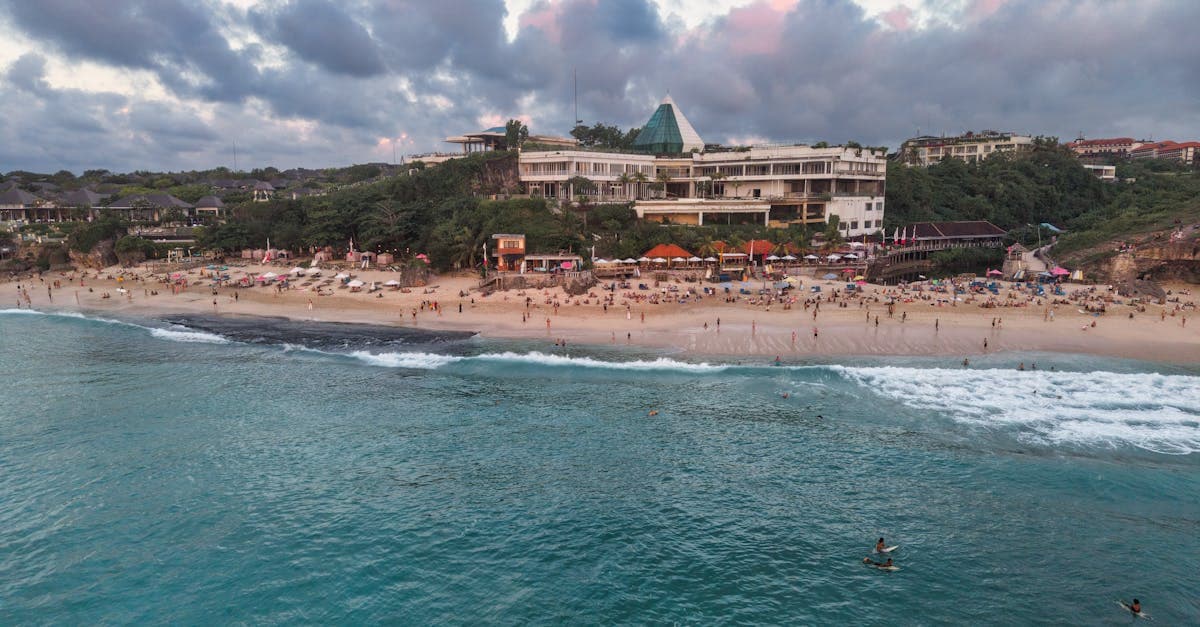
Uluwatu leads with the surf, not the wifi. The breaks near Padang Padang are world-class. Coverage is moderate, dedicated coworking is scarce, and you'll be working from cafes rather than purpose-built spaces. Experienced nomads who can structure their day around swell conditions make it work. Anyone with fixed client call schedules will find it frustrating.
Connectivity tiered simply: Canggu and Seminyak are excellent, with emerging 5G in patches. Ubud town centre is solid and reliable. Uluwatu and rural villa areas are moderate. Where you sleep determines your connectivity tier more than any router upgrade will.
Default SA roaming costs in Indonesia are not a realistic option for anyone working full days. Pay-per-use data from SA carriers in Indonesia can reach R50 to R120 per megabyte. A single client file download or a fifteen-minute video call at those rates costs several hundred rand. Roaming is a tolerable last resort for genuine emergencies. As a primary data connection for remote work, it is not viable.
Two smarter alternatives take its place. The first: a ZAR-denominated eSIM for Indonesia, activated before you leave South Africa, with no airport registration queue and your SA number staying live on the physical SIM simultaneously. The second: a Telkomsel SIM card, available at Ngurah Rai Airport on arrival, covering a full month of high-quota 4G for a fraction of what a single SA roaming day pack costs.
Dedicated coworking spaces across Bali run fiber with backup generator support. That generator detail matters more than it sounds: during Bali's wet season (roughly November through March), afternoon storms can briefly cut mains power. Spaces like Dojo and Outpost stay online through them without dropping a call.
Starlink residential broadband is now live in Indonesia. Villa operators in Uluwatu and other areas with weaker 4G are increasingly offering it as a standard utility. At around R1,100 to R1,480 per month, it makes more sense split across housemates in a shared villa than as a solo expense. For most nomads based in Canggu or Ubud town, it is not necessary.
Telkomsel 4G averages 15 to 40 Mbps in populated areas and peaks around 80 Mbps near urban centres. 5G coverage exists only in parts of Denpasar, Kuta, and Nusa Dua. That is it for now. Both Gojek and Grab require a local Indonesian phone number to function properly, not just a data connection. Sort your SIM before your first ride request, not while you're standing outside Arrivals.
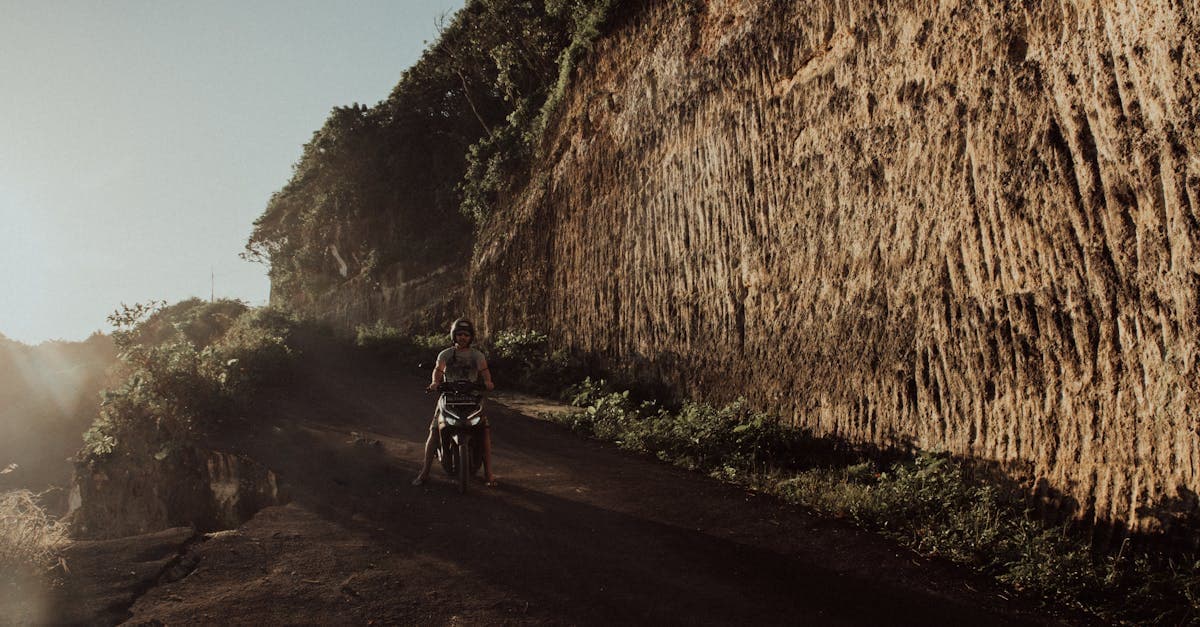
Picking between an eSIM and a local SIM is less of a dilemma than most nomad guides make it seem. For most SA travellers staying more than a fortnight, the real question isn't which to choose. It's in what order.
Hello Roam offers Indonesia eSIM plans billed in ZAR, starting from around R75, which means no foreign transaction fees and no exchange rate surprises mid-trip. Activate before departure and you land at Ngurah Rai already online. Your SA number stays live on the physical SIM simultaneously, so banking apps, WhatsApp verification, and SA-number calls keep working without interruption. No passport registration is required for the eSIM itself, and no airport kiosk queue. For stays under two weeks, or as a backup connection when a rented villa has patchy local coverage, it is the cleanest option available to SA travellers.
Telkomsel delivers the strongest island-wide coverage in Bali. 4G is reliable in Ubud town and stays workable in Uluwatu, where other operators drop out significantly. Registration at the Ngurah Rai airport kiosk takes 10 to 15 minutes and requires your passport. You walk away with a local Indonesian number, which is what unlocks Gojek, Grab, and any app that requires local number verification.
XL Axiata is cheaper per month than Telkomsel, with the caveat that coverage degrades noticeably in Ubud and Uluwatu. For stays concentrated in Canggu or along the South Bali coastal strip, it represents a genuine saving. For anyone planning to move between areas, Telkomsel is the safer call.
For stays of two weeks or more: activate a Hello Roam Indonesia eSIM before flying for seamless arrival-day connectivity, then register a Telkomsel SIM within your first 48 hours as the main data connection. Coverage quality becomes the deciding factor the further your base sits from South Bali's coastal strip.
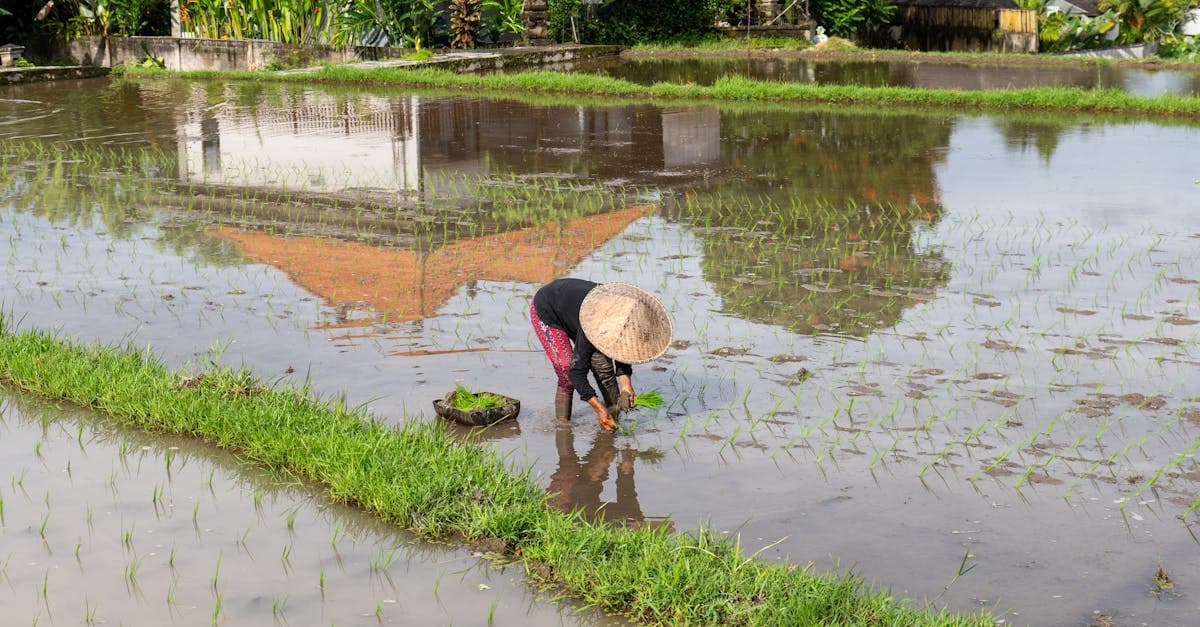
Yes. USD 1,000 a month is liveable in Bali. It is not comfortable. It is a budget that works if you are disciplined about accommodation and food, and if you are prepared to skip a dedicated coworking membership.
The budget tier (USD 820 to 1,380 per month) covers a guesthouse or shared room, warung meals for most of your eating, scooter rental, and a local SIM data plan. That is a functional, lean existence. What it doesn't include: a private villa, a proper desk with air conditioning, or any meaningful buffer for health insurance or activities.
The mid-range tier (USD 1,480 to 2,550 per month) opens up a private room or budget villa, a coworking membership, a mix of warungs and Western cafes, and basic health cover. The ZAR equivalent was covered in the cost-of-living section earlier in this guide. Achievable on a USD-denominated remote salary. Tight on a purely rand-based income unless your rate is at the senior end.
The comfortable tier (USD 2,830 to 5,820 per month) covers a private villa, full coworking access, regular restaurant meals, international travel insurance, and flexibility for inter-island trips. No compromises.
One variable that significantly shifts all three tiers: your neighbourhood. Accommodation in Canggu costs 20 to 30% more than equivalent properties in Ubud or Sanur. Across a six-month stay, choosing your base wisely can save R3,000 to R6,000 per month without changing anything else about your lifestyle.
For every purchase you make in Bali, use Wise or Revolut to convert ZAR or USD to IDR at mid-market rates. Standard bank card foreign transaction fees run between 2 and 3.5%, and at Bali's daily spending pace, that gap compounds faster than most people account for when planning their monthly budget.
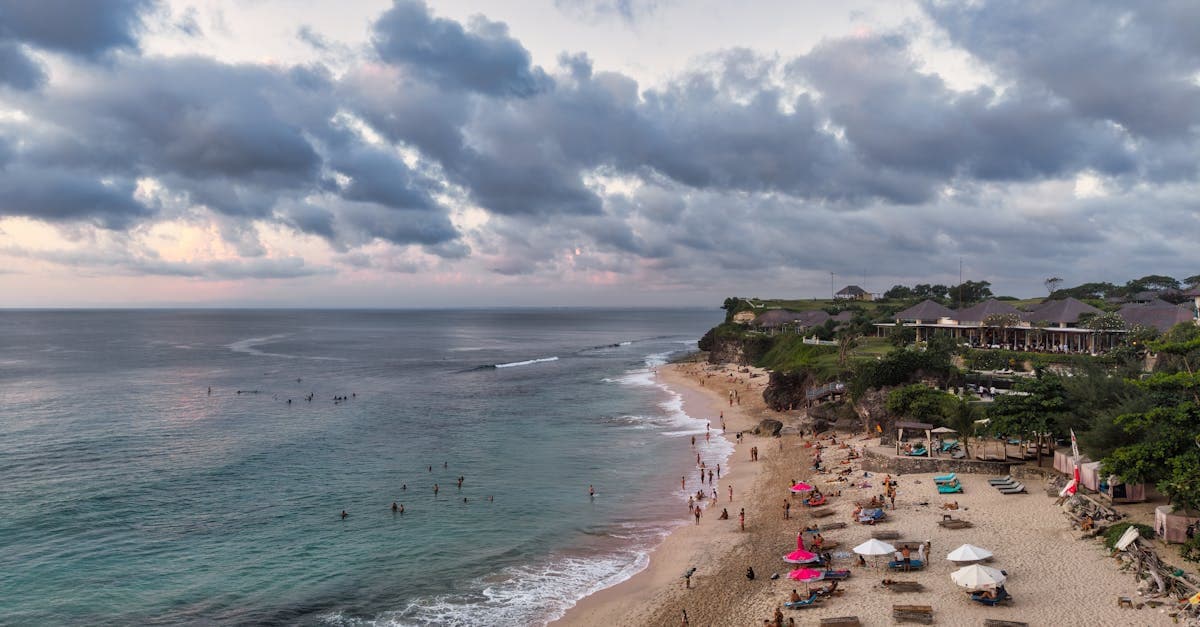
Indonesian law draws a clear line between working for an Indonesian employer and working remotely for a foreign company. Most SA nomads sit firmly on the right side of that line, billing clients or employers abroad while using Bali as their base.
If your salary comes from a UK company or you invoice Australian clients as a freelancer, you're not competing with Indonesian workers for local jobs. That's the arrangement the B211A covers in practice, even though Indonesia has no dedicated digital nomad visa category.
Formal local employment is a different matter. Foreigners wanting a job with an Indonesian company need an IMTA work permit, sponsored by that company, designed for specialist roles (Director and Technical Specialist categories) where local skills are unavailable. According to jobs.goabroad.com, English teaching at international schools and management roles in international hotel chains are the main paths.
The pay gap makes the case for staying with your foreign employer. Local workers in Bali's tourism and hospitality sector earn roughly USD 300 to 600 per month. SA professionals earning in USD or ZAR from global clients take home multiples of that.
Tax is the piece most nomad guides skip. South Africa taxes residents on worldwide income. Spending more than 183 days outside South Africa in any 12-month period triggers SARS disclosure obligations, and the foreign income exemptions are not automatic. Talk to a registered tax professional before your first extended stay, not after.

Foreigners in Bali most commonly work remotely for employers or clients based outside Indonesia. Indonesia has no formal digital nomad visa, and working remotely for a foreign employer while on a social visa is the standard arrangement, as this differs from taking local employment. Locally hiring foreigners requires proper work permits, so most long-stay foreigners earn income entirely from abroad.
A budget-tier lifestyle in Bali covering accommodation, food, coworking, and transport clocks in at well under $1,400 a month, making $1,000 achievable with careful budgeting. Mid-range monthly costs run approximately $1,500 to $2,600 depending on accommodation and lifestyle choices. Bali's cost of living is roughly 60 to 70% lower than Western Europe or Australia.
Remote workers based in Bali typically earn income from foreign employers or clients, with mid-range monthly budgets of USD 1,500 to USD 2,600 covering a comfortable lifestyle. Local Indonesian wages are substantially lower, which is why Bali remains attractive to foreigners earning in USD, EUR, or other stronger currencies. South Africans earning in ZAR face tighter maths but can still sustain a budget-tier lifestyle.
Indonesia does not have a formal digital nomad visa, and the legal framework does not explicitly permit foreigners to work for local Indonesian employers without proper work permits. The common arrangement is working remotely for a foreign employer while staying on a B211A Social Visa, as this differs from taking local employment under Indonesian law. This has been the operating reality in Bali for years and is widely understood across the nomad community.
South Africans get 30 days visa-free on arrival, extendable by another 30 days with a Visa on Arrival for around R400 to R600. For stays beyond 60 days, the B211A Social Visa is the standard route, allowing up to 180 days in-country through an initial application and two 60-day extensions. The Second Home Visa (E33G) exists for longer formal stays but requires provable liquid savings of approximately R2.3 to R2.5 million.
The all-in cost of the B211A Social Visa through a Bali-based agent runs approximately R2,700 to R4,500, covering agent fees, extension charges, and admin across the full 180-day period. It is advisable to keep around R5,000 in a dedicated travel account to cover visa fees and agent charges without scrambling. Extension dates are fixed and non-negotiable.
Required documents include a passport with at least six months remaining validity, recent bank statements showing adequate funds, a sponsor or guarantor letter (provided by the visa agent), and passport-size photos. A South African Police Service clearance certificate may also be requested for longer stays or repeat applications, so it is advisable to obtain one before leaving South Africa as processing takes weeks. Sorting this from Bali is impractical.
Canggu is considered the nomad capital of Bali, with multiple well-established coworking spaces, excellent 4G and emerging 5G, and a large expat community, though accommodation runs 20 to 30% higher than comparable options elsewhere. Ubud offers a calmer, cheaper alternative with reliable connectivity in the town centre. Sanur suits longer-stay nomads wanting a predictable routine, while Uluwatu prioritises surfing over work infrastructure.
Dedicated coworking spaces in Canggu and Ubud offer fiber internet at 50 to 200 Mbps with backup generator support to maintain connectivity during power outages. Telkomsel 4G averages 15 to 40 Mbps in populated areas and peaks around 80 Mbps near urban centres. Canggu and Seminyak are rated excellent for work suitability, while Uluwatu and rural villa areas offer only moderate connectivity.
For stays under two weeks or as a backup connection, an eSIM such as Hello Roam's Indonesia plan is the cleanest option as it activates before departure, is billed in ZAR, and requires no airport registration queue. For stays longer than two weeks, the recommended approach is to activate an eSIM on departure day for immediate arrival connectivity, then register a Telkomsel SIM within the first 48 hours as the primary data connection. A local Indonesian SIM number is also required to use Gojek and Grab.
Hello Roam offers Indonesia eSIM plans billed in ZAR starting from around R75, with no foreign transaction fees or exchange rate surprises. Plans activate before departure and allow your SA number to stay live on the physical SIM simultaneously for banking apps and WhatsApp verification. No passport registration is required for the eSIM itself.
Standard SA carrier roaming in Indonesia is not a viable option for remote work, with pay-per-use data rates that can reach R50 to R120 per megabyte. Day passes from SA carriers in Indonesia run approximately R149 to R299 with minimal data included, making a single video call or file download cost several hundred rand. Roaming is tolerable only for genuine emergencies, not as a primary data connection.
In Canggu, Dojo Bali, BWork Bali, and Tropical Nomad are among the most consistently recommended coworking spaces for long-stay workers, with monthly hot desk rates from around USD 80 to USD 150. In Ubud, Outpost Ubud and Hubud are well-established options. Day passes across the island typically run USD 15 to 20, and all reputable spaces are air-conditioned and backup-powered.
The dry season from May through October is the optimal window for consistent outdoor life, reliable villa WiFi, and the full Bali lifestyle. The rainy season from November through March does not stop remote work, but outdoor routines are disrupted and hillside villa connectivity can become patchy during afternoon storms. Dedicated coworking spaces remain fully operational year-round thanks to backup generator support.
Bali runs on UTC+8, which puts it 6 hours ahead of South Africa. This means morning calls with SA clients wrap up by midday Bali time, leaving the entire afternoon free. The time zone overlap works in favour of SA remote workers compared to many other popular nomad destinations.
Between 80,000 and 100,000 long-stay foreigners are in Bali at any given time, with people maintaining routines rather than passing through as short-term visitors. The Canggu Community Facebook group alone has over 50,000 members, and combined Bali nomad and expat communities exceed 100,000 members. This community density provides practical peer-level knowledge on visa agents, coworking, housing, and daily life.
Starlink residential broadband is now live in Indonesia, and villa operators in Uluwatu and other areas with weaker 4G are increasingly offering it as a standard utility. It costs approximately R1,100 to R1,480 per month, making it more cost-effective when split across housemates in a shared villa. For nomads based in Canggu or Ubud town with reliable 4G, Starlink is generally not necessary.
Yes, both Gojek and Grab require a local Indonesian phone number to function properly, not just a data connection. It is important to register a local SIM card before making your first ride request rather than trying to sort it outside the airport on arrival. Telkomsel SIM cards are available at Ngurah Rai Airport and registration takes 10 to 15 minutes with your passport.
HelloRoam: your trusted travel eSIM that keeps you online across borders.
Explore Plans