Things to Do in Dubai: the Complete Guide for South African Travellers (2026)

Written by: David Chen


16 min read
HelloRoam is a global eSIM provider offering instant mobile data in 170+ countries. Buy prepaid travel eSIM plans with no extra fees, no contracts, and instant activation on any eSIM-compatible device.
16 min read
Dubai is one of the most accessible long-haul destinations for South African travellers. Emirates runs multiple daily non-stop flights from Johannesburg in 8 hours 30 minutes and from Cape Town in 9 hours 45 minutes, making DXB one of the most connected international routes South African travellers have access to. You're not crossing the world. You're crossing a time zone and a half.
The cost question is the one that stops most people. The AED is pegged to the USD at 3.67 (it never moves), and at around R5 per dirham, a well-planned week in Dubai sits in the same bracket as a Mauritius or Zanzibar holiday. Not identical, but genuinely comparable. This guide uses ZAR throughout because pricing everything in AED or USD without converting is the single biggest gap in every other Dubai travel article aimed at South Africans. That gap closes here.
What's covered: the visa process (free and simpler than you'd expect), timing your trip, navigating the city without a rental car, the top things to do across a five-to-seven day stay, a full ZAR cost breakdown, and how to stay connected without paying carrier roaming rates. If you're arriving in late March 2026, there's a Ramadan section further down that deserves your attention before you pack. The city is fully open for tourism during Ramadan, but the experience is different enough that you should know what to expect.
Do South Africans need a visa for Dubai? No. South African passport holders receive a free 30-day visa on arrival at Dubai International Airport, no embassy visit required, no pre-application form, no fee charged at immigration.
Three documents to have ready before you join the immigration queue: a valid passport with at least six months of remaining validity beyond your travel dates, a confirmed return or onward ticket, and proof of accommodation (a hotel booking confirmation or a letter from whoever you're staying with). That's the complete list. The process at the counter is biometric, meaning you'll be photographed and fingerprinted on arrival. In practice, it takes a few minutes.
Thirty days covers the overwhelming majority of holiday itineraries. If your plans change once you're there, a 30-day extension is available through UAE immigration directly or through a local travel agent in Dubai. Arrange it a few days before your original visa lapses, not on the last day.
One habit worth building before you leave home: save digital copies of your passport, hotel confirmation, and return ticket in both your email and cloud storage, then print a physical set as well. Airport Wi-Fi isn't always reliable in those first minutes after landing, and immigration officers occasionally ask to see documentation you weren't expecting to produce. A printed hotel confirmation is a straightforward fallback that removes any friction at the desk.

Here's the date that matters if you're flying to Dubai in late March 2026: Ramadan runs approximately 28 February to 29 March. An arrival on 20 March puts you squarely in the final ten days of the holiest month in Islam, with Eid Al Fitr expected around 29 to 30 March.
Daylight hours change the ground rules. Eating, drinking, and smoking in public spaces are restricted during the day for everyone, residents and tourists alike. That means no coffee while walking along the Marina, no snacks on the Metro, and no amplified music in most open areas. Hotels handle this practically: almost every mid-range and above property designates specific areas for non-fasting guests to eat during daytime hours. Shopping malls run their food courts behind curtains or in partitioned sections. You won't go hungry; you'll just be slightly more deliberate about where you eat.
Dress expectations tighten during Ramadan. Cover shoulders and knees in all public spaces, including souks, beaches near residential areas, and public transport. This applies to men and women both.
Eid itself is something different. Fireworks, city-wide celebrations, outdoor performances, and a collective atmosphere that Dubai genuinely can't replicate at other times of year. Travelling in late March 2026 means you could catch both the contemplative final days of Ramadan and the euphoric opening of Eid, all within a single trip.
The nights are the other side of this story. Iftar (the sunset meal that breaks the fast) transforms restaurant terraces and public plazas from around 6:30pm onward. Ramadan night markets run until the early hours. If anything, the city's social energy concentrates into the evening, and those hours are worth building your itinerary around.
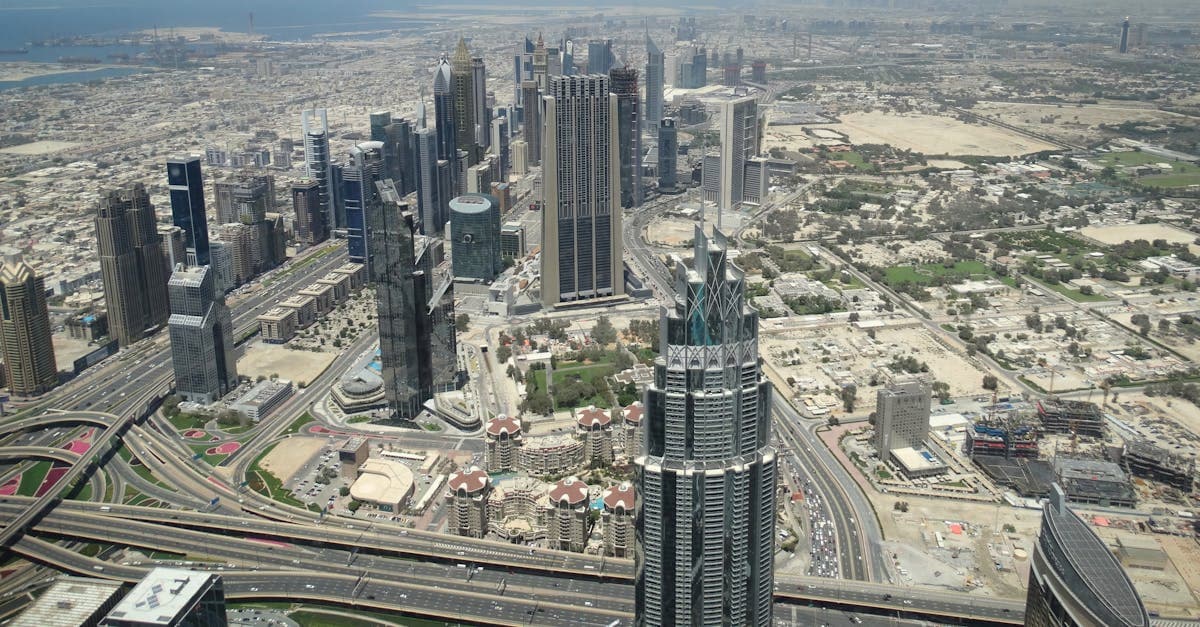
Most South Africans arriving in Dubai for the first time don't realise the Metro goes directly from the airport to the Burj Khalifa. It does. Red Line, Terminal 1 or Terminal 3, straight through to Burj Khalifa/Dubai Mall station. Two lines, 47 stations, roughly 75km of coverage stretching from the airport through Downtown and out to the Marina. Trains run from 5am to midnight on weekdays, later on Fridays. Air-conditioned throughout.
Your first stop at any Metro station: buy a Nol Card. The card itself costs around R15, then you load credit at station machines or through the RTA app. One card covers Metro rides, city buses, and some water taxis, so it's considerably more flexible than buying single-journey tickets each time. Zone 1 fares run around R8, Zone 2 around R12. The airport to Dubai Mall on the Red Line is a Zone 2 journey and costs around R15 total. A taxi for that same route costs R120 to R180 depending on traffic conditions.
Careem is the dominant ride-hail app in the UAE, and downloading it before departure is worth the two minutes. Fares are government-regulated with price caps. Standard metered taxis are plentiful and reliable outside of peak rush hours, typically 7:30 to 9:30am and 5 to 7:30pm.
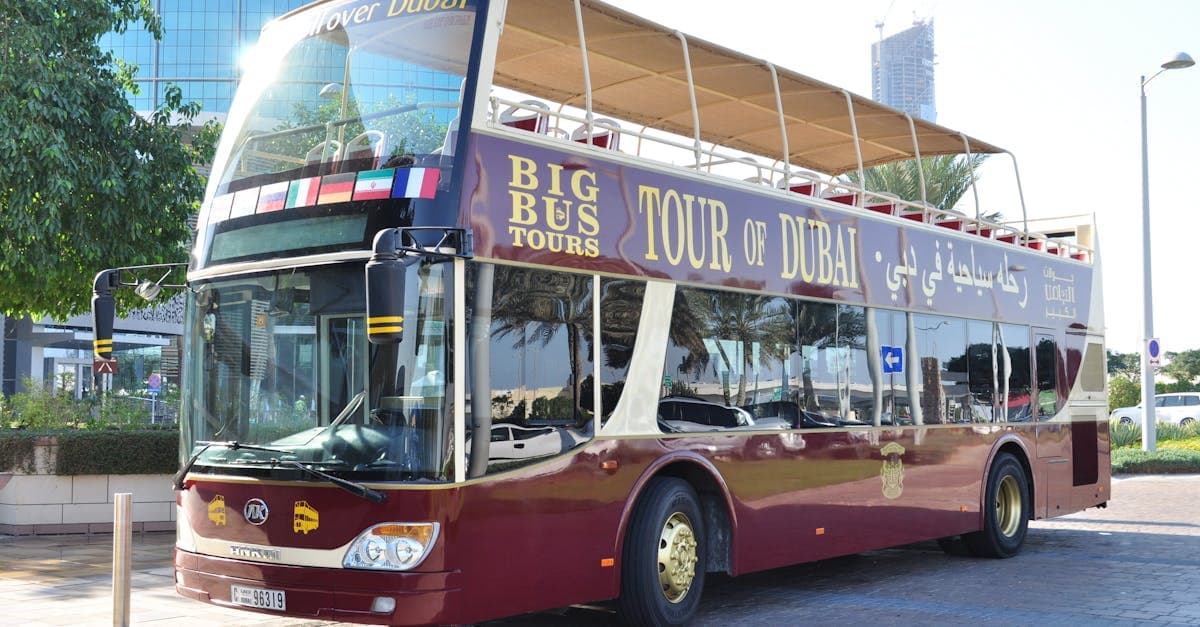
For day one especially, the Hop On Hop Off bus earns its R400 to R600 day ticket. Dubai is considerably larger than it reads on a map, and a full circuit gives you spatial context that's genuinely difficult to build from the Metro alone. You'll understand the city's layout before committing to any neighbourhood.
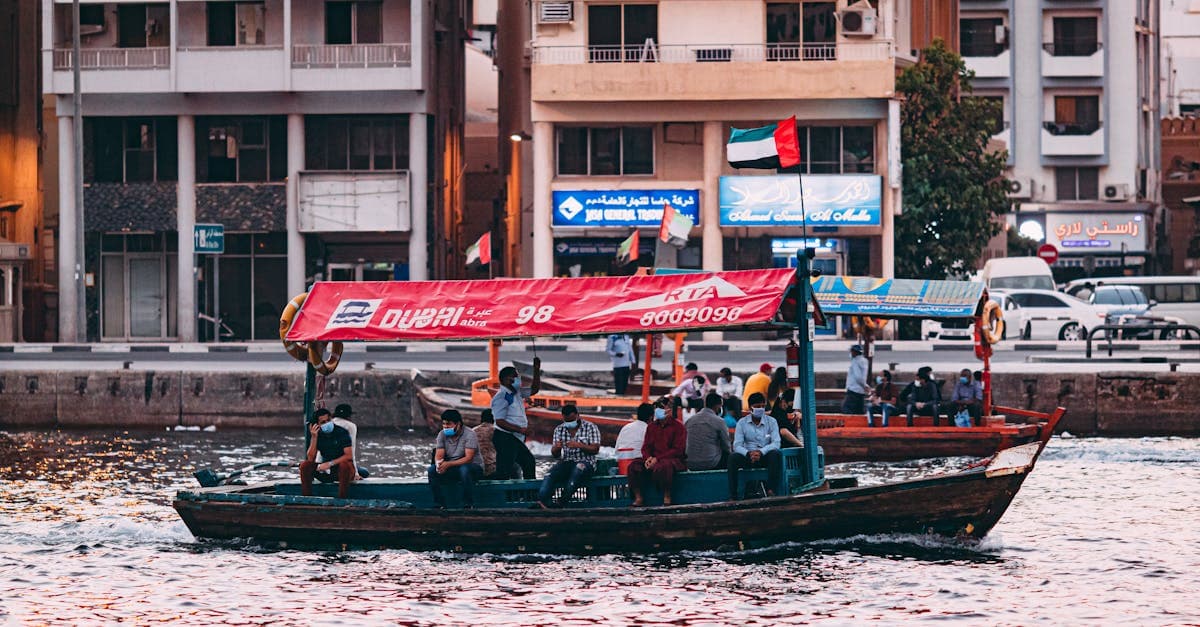
According to travel-lush.com, the Abra water taxis on the Dubai Creek charge around R5 per crossing, making them the cheapest transport option in the city. RTA ferry boats near the Marina offer a different angle on the skyline than any road route can. Both are worth building into at least one afternoon.
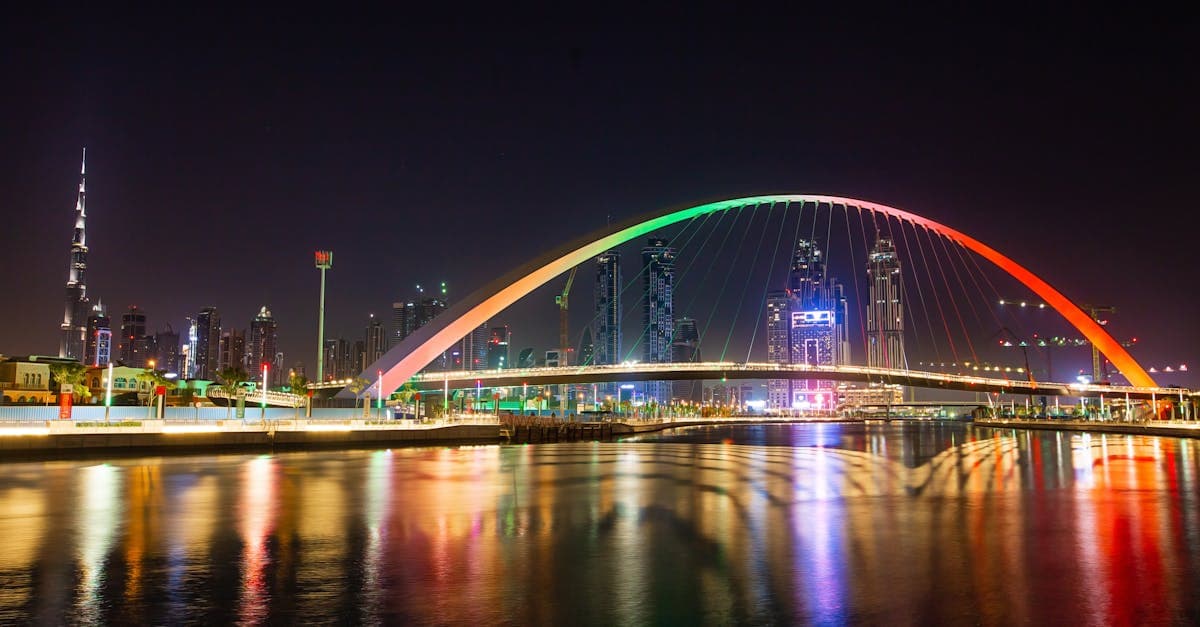
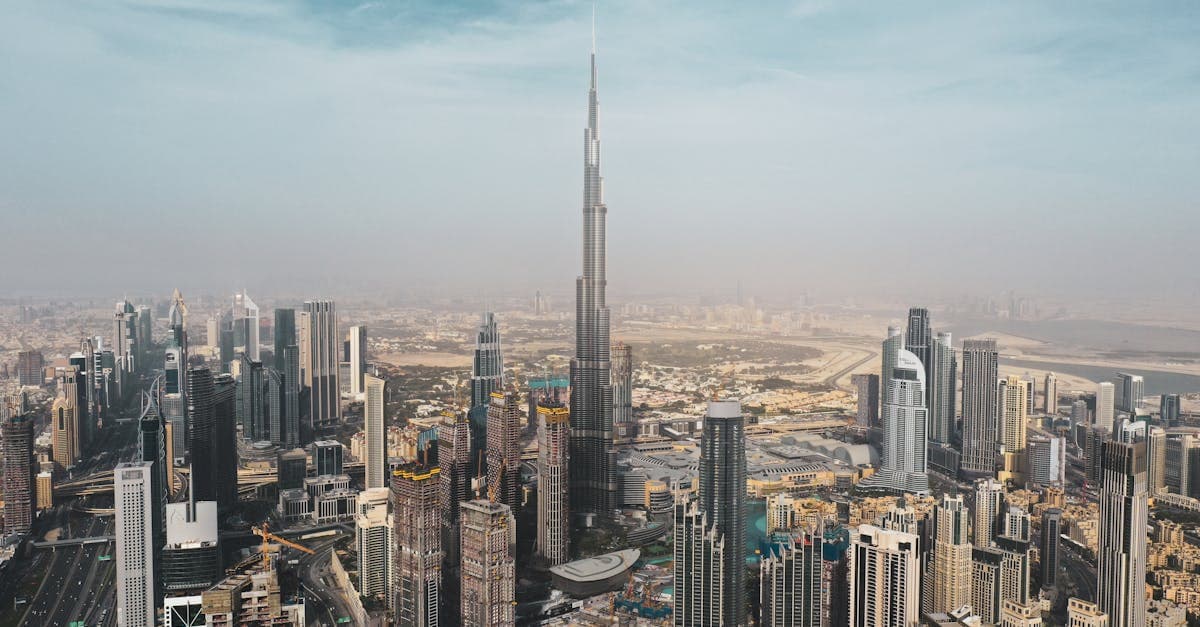
The Burj Khalifa is non-negotiable. At the Top (levels 124 and 125) costs around R760; the SKY experience at level 148 runs about R1,000. Book online before you arrive. Walk-up queues are long, and advance tickets are cheaper.
Dubai Mall connects directly to the tower's base bloggeratlarge.com. The aquarium costs around R250 to enter. According to whatson.ae, the fountain show is free from the boardwalk, runs every 30 minutes after sunset, and is genuinely one of the city's best no-cost experiences.
Don't skip the Dubai Frame. According to timeoutdubai.com, the 150-metre glass bridge frames old Dubai on one side and the modern skyline on the other, for around R260. The Museum of the Future, at around R500, sells out weeks in advance timeoutdubai.com. Book before you pack, not after you land.
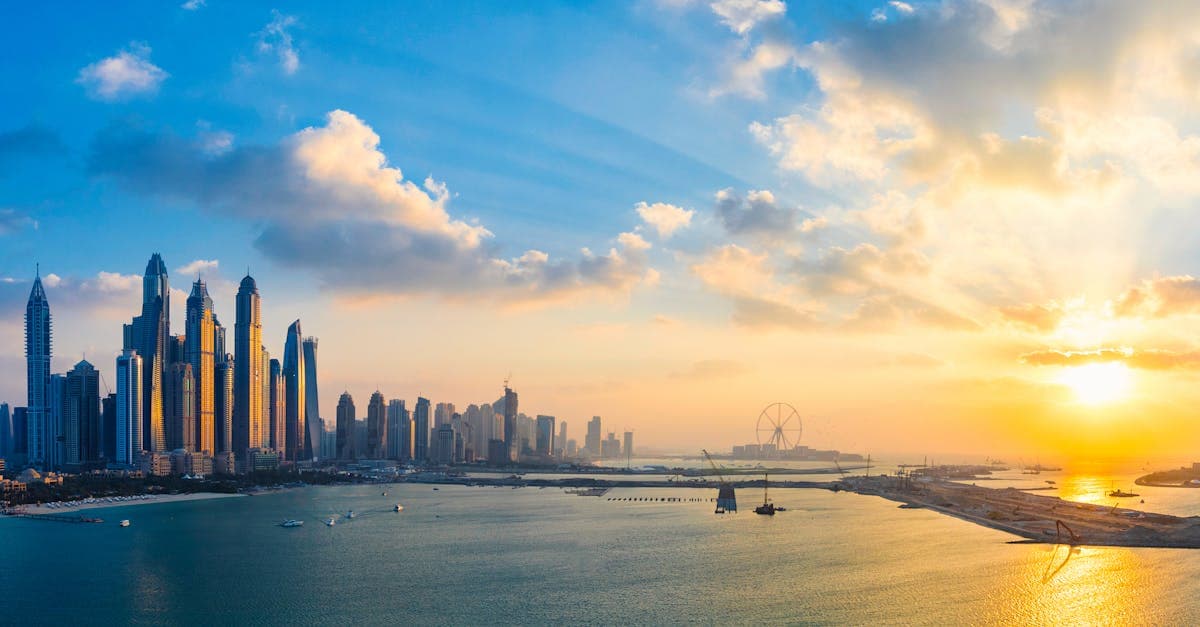
According to tripadvisor.co.za, Ain Dubai on Bluewaters Island is the world's largest observation wheel, with views across the Marina and the Palm. Global Village (open October to April only) charges around R30 entry for 25 country pavilions of food, shopping, and street performance timeoutdubai.com. Dubai Marina and JBR Walk are free, with restaurants and direct beach access along the waterfront travel-lush.com.
For one cultural stop, Dubai Opera delivers. The dhow-shaped building in Downtown hosts world-class performances year-round. Check the programme before you finalise your travel dates.
Mall of the Emirates is worth an afternoon for Ski Dubai. Ibn Battuta Mall's themed architecture, built around the explorer's famous journeys, is one of the most architecturally distinctive shopping centres in the world.
Spend a morning in Old Dubai and the modern skyline starts to make sense. Most of it costs almost nothing.
Start at Al Fahidi Historical Neighbourhood (also called Al Bastakiya). The preserved wind-tower architecture predates the towers by more than a century, and the area is free to walk travel-lush.com. Inside Al Fahidi Fort sits the Dubai Museum, with adult entry under R20 myfreerangefamily.com. Four thousand years of history in modest rooms: the original fishing settlement, the pearl-diving economy, and the exact moment oil changed everything.
According to myfreerangefamily.com, the Gold Souk in Deira houses around 380 retailers, making it one of the world's largest gold markets. Haggling is expected and prices compare favourably against South African jewellery stores, particularly on 22-carat pieces. The Spice Souk is a short walk away: saffron, frankincense, dried limes, herbs, all at prices well below what you'd find at home.
Getting across the Creek between Bur Dubai and Deira takes five minutes by abra water taxi. Cost: one dirham. You already have the rand equivalent from the transport section.
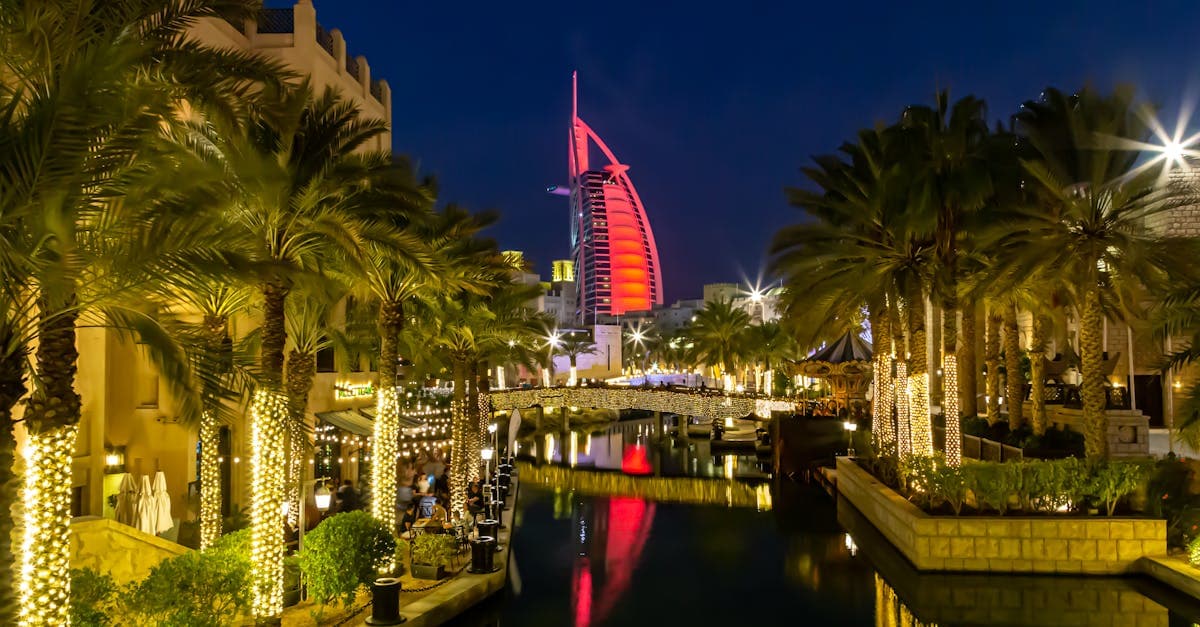
For an evening variation, Souk Madinat Jumeirah at the Madinat Jumeirah resort offers a recreated market setting with the Burj Al Arab framed in the distance. Free to browse, with strong restaurant options along the waterways.
One itinerary arrangement that works well: Old Dubai in the morning before the heat builds, then Downtown and the fountain show after dark. Both ends of the city's story in a single day, without doubling back.
No one self-arranges a desert safari cheaply or safely. Licensed operators and specialised 4x4s aren't optional on the dunes outside Dubai.
A shared group safari (dune bashing, camel ride, henna, BBQ dinner, entertainment) runs R800 to R1,400 per person. Private options for couples or families start around R3,000 per vehicle. The core experience is the same either way: two to three hours across open dunes, sunset views over the Arabian Desert, and a Bedouin-style camp dinner.
Book directly with a certified operator rather than through your hotel concierge. Concierge bookings typically add 30 to 40% to the listed price, for no additional value.
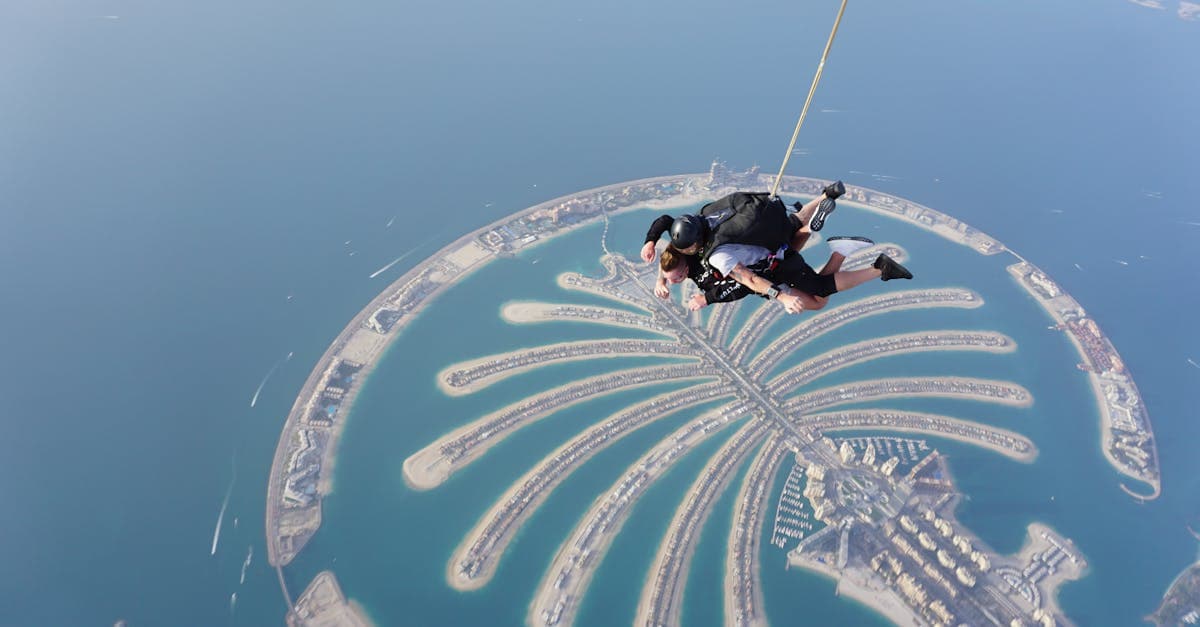
Palm Jumeirah has two clear options. The View observation deck sits in the same ticket range as other mid-tier Dubai attractions already covered in this guide. Atlantis Aquaventure Waterpark costs around R1,500 per adult and is a full-day commitment on its own.
According to whatson.ae, Kite Beach and Jumeirah Public Beach are both free and well-maintained, with cafes and equipment hire on site. Good beaches, not just budget alternatives.
Timing matters more here than anywhere else in the city. Go between 7 and 9am or after 4pm. March midday sits above 30 degrees and UV peaks around noon.
Swimwear is appropriate on the beach. Cover up when walking to and from beach areas through public streets.
Dubai's reputation for expense is partly deserved and partly myth. The upper end has no ceiling. The floor is lower than most South Africans expect.
Flights: Emirates economy return from JNB ranges from ZAR 8,000 to ZAR 16,000 in off-peak periods. December peak pricing reaches ZAR 28,000 or more. Book at least three months out for the best fares.
Accommodation per night (ZAR approximate):
Food: A mall food-court meal runs R80 to R150. A mid-range sit-down dinner costs R300 to R580 per person. Fine dining starts around R1,100 per head.
Transport: A Metro day pass costs around R50. Airport transfers are priced in the earlier transport section.
7-day all-in estimates (flights excluded):
At mid-range, a week in Dubai costs roughly the same as a Mauritius package or Zanzibar trip, with a completely different scale of urban infrastructure.
Free activities keep the daily number down: the fountain show, JBR Walk, Kite Beach, and Al Fahidi neighbourhood are all cost-free travel-lush.com.
Tipping: 10 to 15% in restaurants is customary but not mandatory. Taxis round up to the nearest AED.
Currency: Convert ZAR to AED at a Bureau de Change in Dubai rather than at a South African bank before departure. Airport and souk-area counters consistently offer better rates.
UAE runs on two national carriers: e& (formerly Etisalat) and du. Together they deliver full 5G coverage across Dubai's urban core, covering every Metro station, major mall, hotel district, and tourist corridor. Indoor signal quality is among the best you'll find in any city.
South African visitors have three realistic options for mobile data: an eSIM purchased before departure, a local SIM from Dubai Airport, or roaming on MTN or Vodacom. The price gap between the first two and the third is significant enough to affect your trip budget, which the next section covers in full.
Free WiFi is genuinely excellent throughout the city. High-speed connections are standard in every major mall, across the Metro network, at hotels of all price points, and in almost every restaurant and cafe. You'll rarely need to fall back on mobile data in the urban core.
One meaningful gap in that coverage: desert safari locations and remote outdoor areas have poor or no signal. Download Google Maps tiles for Dubai offline before heading out on safari day. Careem, Google Maps, and WhatsApp all require a live data connection and are the tools you'll lean on most for navigating Dubai independently.
For a standard 7-day trip covering navigation, messaging, and light app use, 3 to 5GB of mobile data is enough. Only heavy video streaming pushes you past that.
Start with the most important number: MTN charges around R150 to R200 per 50MB in UAE. Vodacom's day-pass runs around R189 for 100MB. At those rates, a week of ordinary tourist data use becomes a budget problem before you've left Deira. Roaming handles an emergency voice call. Don't build a travel plan around it.
The airport alternative is solid. e&'s tourist SIM at Dubai Airport costs R280 to R330 for 5GB plus local calls, valid 5 days. A 30-day version runs R510 to R1,020 for 20 to 50GB depending on the tier. Both require a passport at the counter and activate in around 15 minutes.
Hello Roam's UAE eSIM starts at $10.00 for 3GB with 30-day validity. Plans bill in ZAR through a South African account, which removes foreign transaction fees and currency conversion surprises on your statement. Install the eSIM profile before you leave home and you're online the moment you clear customs at DXB. No SIM tray, no airport queue.
Airalo covers UAE with USD billing and a similar price range, a reliable backup if your specific device has compatibility questions. Holafly's unlimited plan runs R360 to R640 for 5 to 15 days with no calling functionality included, suited to heavy video streamers.
Before purchasing any eSIM: on Android, go to Settings then About then SIM Status to confirm support. On iPhone, it's Settings then General then About. Most smartphones released from 2019 onward are compatible, though certain dual-physical-SIM Android models are exceptions.
Book the Burj Khalifa At the Top tickets online before anything else on your itinerary. The entry price was covered in the attractions section above. The Dubai Fountain show is free, every 30 minutes after dark from the boardwalk at Dubai Mall. An Abra crossing in Old Dubai costs the fare mentioned in the transport section. Those three, plus a couple of hours at the Gold Souk and Al Fahidi Historical Neighbourhood, form the foundation of what makes a first visit to Dubai click.
The desert safari earns its place on the same shortlist. No other thing to do in Dubai is quite as difficult to arrange without a licensed operator: specialised 4x4 vehicles, open desert well outside the city, and an evening that runs several hours. Book a shared group safari for the full package including dune bashing, a camel ride, BBQ dinner, and cultural entertainment. A private booking suits couples or small families wanting no other guests in the vehicle.
Global Village runs October to April and showcases 25 country pavilions in a single outdoor venue. Worth a dedicated evening if your dates align. If Ramadan is still in effect when you visit, check current operating hours before heading out.
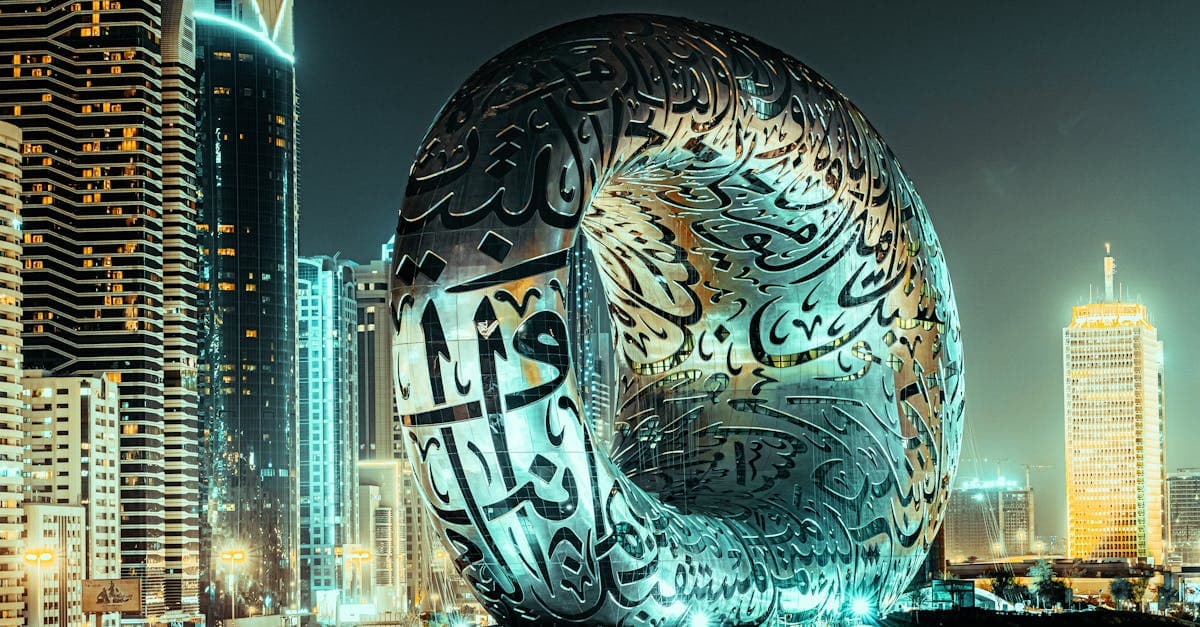
Museum of the Future on Sheikh Zayed Road is an architectural event as much as a visitor attraction. The building itself, regardless of whether you buy an interior ticket, is extraordinary.
Five days is the sweet spot for a first visit: mornings on the Creek side, evenings in Downtown or the Marina, and the desert somewhere in between, without scrambling to fit anything in.
Dubai's crime rate for tourists is close to zero. Pickpocketing is rare, violent crime against visitors is almost unheard of, and the police presence is professional and visible. For South Africans used to navigating Johannesburg or Cape Town, the shift in ambient safety is immediate and noticeable.
Rules exist and they're enforced. Kissing in public can result in a fine or detention. Holding hands is generally tolerated for couples, but context matters: a hotel pool is not the same as a crowded souk. When uncertain, err toward conservative.
Alcohol is available in Dubai, legally, inside licensed hotel bars, restaurants, and designated entertainment venues. Drinking on public transport, in parks, or on the street is illegal. Don't carry open containers beyond licensed venue boundaries.
Photography: avoid government buildings, police stations, and military infrastructure. Ask before pointing a camera at individuals in public, particularly women. Permission is required before photographing mosque interiors. If you're not sure, lower the camera.
On travel warnings: advisories some countries issue for UAE typically relate to regional geopolitics rather than conditions inside Dubai itself. The city consistently ranks among the world's safest destinations for international visitors. The more realistic physical risks are heat exhaustion during the hotter months and pedestrian road crossings where drivers don't always yield.
LGBTQ+ visitors should know that same-sex relationships are illegal under UAE law. Full discretion in public settings is essential.
The Ramadan restriction noted earlier applies to everyone regardless of religion or nationality: no eating, drinking, or smoking in public during daylight hours.

The Burj Khalifa (At the Top, levels 124-125) is the city's centrepiece and must be booked online in advance. The Dubai Fountain show is free from the boardwalk and runs every 30 minutes after sunset. Other essentials include the Dubai Frame, the Museum of the Future (which sells out weeks ahead), Al Fahidi Historical Neighbourhood, the Gold and Spice Souks, and a licensed desert safari outside the city.
Dubai enforces strict public conduct rules that all visitors must follow. During Ramadan, eating, drinking, and smoking in public spaces during daylight hours is restricted for everyone, including tourists. Dress codes are enforced year-round, requiring shoulders and knees to be covered in souks, near residential beaches, and on public transport. Swimwear is appropriate only at the beach.
Key rules for couples include covering shoulders and knees in all public spaces, refraining from eating or drinking in public during Ramadan daylight hours, and wearing swimwear only at designated beach areas while covering up when walking through public streets. Couples should also carry printed proof of accommodation, ensure passports have at least six months of validity, and book high-demand attractions like the Museum of the Future well before arrival.
Dubai offers experiences ranging from the Burj Khalifa observation deck and the Dubai Mall aquarium to the Museum of the Future and the Dubai Frame. Cultural options include the Al Fahidi Historical Neighbourhood, the Gold Souk, and a Creek crossing by traditional abra water taxi. Outdoor activities include desert safaris with dune bashing and camel rides, free beach access at Kite Beach and Jumeirah Public Beach, and the Ain Dubai observation wheel on Bluewaters Island.
South African passport holders receive a free 30-day visa on arrival at Dubai International Airport with no embassy visit, pre-application, or fee required. You need a valid passport with at least six months of remaining validity, a confirmed return or onward ticket, and proof of accommodation. A 30-day extension is available through UAE immigration if your plans change while in Dubai.
Emirates operates multiple daily non-stop flights from Johannesburg to Dubai in approximately 8 hours 30 minutes. Flights from Cape Town take around 9 hours 45 minutes. Dubai is only about one and a half time zones ahead of South Africa.
Emirates economy return flights from Johannesburg range from ZAR 8,000 to ZAR 16,000 in off-peak periods, rising to ZAR 28,000 or more in December. The AED is pegged to the USD at 3.67, meaning one dirham costs approximately R5. A well-planned week in Dubai is broadly comparable in total cost to a Mauritius or Zanzibar holiday.
The Dubai Metro Red Line runs directly from Terminal 1 and Terminal 3 to Burj Khalifa/Dubai Mall station. The airport-to-Dubai-Mall journey is a Zone 2 fare costing around R15 using a Nol Card. A taxi for the same route costs R120 to R180 depending on traffic, and Careem is the dominant ride-hail app in the UAE.
A Nol Card is a reloadable transit card accepted across Dubai's Metro, city buses, and some water taxis. The card costs around R15 and can be topped up at station machines or through the RTA app. Zone 1 fares run around R8 and Zone 2 around R12, making it far cheaper than buying individual journey tickets.
Al Fahidi Historical Neighbourhood is free to walk and features preserved wind-tower architecture over a century old. The Dubai Museum inside Al Fahidi Fort charges under R20 for adults and traces four thousand years of the city's history. The Gold Souk in Deira houses around 380 retailers with prices that compare favourably to South African jewellery stores, and the nearby Spice Souk sells saffron, frankincense, and herbs. A traditional abra water taxi crosses the Creek for just one dirham.
A shared group desert safari, including dune bashing, camel riding, henna, BBQ dinner, and entertainment, costs approximately R800 to R1,400 per person. Private options for couples or families start around R3,000 per vehicle. It is recommended to book directly with a certified operator rather than through your hotel concierge, as concierge bookings typically add 30 to 40% to the listed price.
Ramadan 2026 runs approximately 28 February to 29 March, placing late-March arrivals in the final holy days before Eid Al Fitr around 29-30 March. During daylight hours, eating, drinking, and smoking in public is restricted for all visitors, though hotels and malls provide designated areas for non-fasting guests. The city's social energy concentrates into the evenings, when Iftar restaurant terraces open from around 6:30pm and Ramadan night markets run until the early hours.
The Dubai Fountain show runs every 30 minutes after sunset and is free from the boardwalk at Dubai Mall. Al Fahidi Historical Neighbourhood is free to explore on foot, and abra water taxi rides across the Creek cost just one dirham. Kite Beach and Jumeirah Public Beach are both free with cafes and equipment hire on site, and Dubai Marina and JBR Walk offer free waterfront strolling with direct beach access.
South Africans need a valid passport with at least six months of remaining validity beyond their travel dates, a confirmed return or onward ticket, and proof of accommodation such as a hotel booking confirmation. Saving digital copies to email or cloud storage is useful, but carrying printed copies provides a reliable fallback since airport Wi-Fi may not be accessible immediately after landing.
Dubai's reputation for expense is partly a myth at the budget and mid-range level. The AED is pegged at 3.67 to the USD, costing roughly R5 per dirham, and many major attractions are priced accessibly. A well-planned week in Dubai sits in a similar total-cost bracket to a Mauritius or Zanzibar holiday when flights, accommodation, transport, and activities are budgeted carefully.
The Dubai Metro covers 47 stations and 75km of the city for fares between R8 and R15 using a Nol Card, which also works on city buses and some water taxis. Trains run from 5am to midnight on weekdays, are fully air-conditioned, and connect the airport directly to Downtown. For first-time visitors, the Hop On Hop Off bus at R400 to R600 per day provides useful spatial context across the city's major districts.
March is a popular time to visit, though late-March 2026 travellers should be aware that Ramadan runs until approximately 29 March, followed by Eid Al Fitr celebrations. Temperatures in March sit above 30 degrees at midday, so beach and outdoor activities are best planned for 7 to 9am or after 4pm. Global Village, one of the city's popular outdoor attractions, operates only from October to April.
HelloRoam: your trusted travel eSIM that keeps you online across borders.
Explore Plans