Thailand Weather Guide 2026: Best Time to Visit From South Africa

Written by: David Chen


15 min read
HelloRoam is a global eSIM provider offering instant mobile data in 170+ countries. Buy prepaid travel eSIM plans with no extra fees, no contracts, and instant activation on any eSIM-compatible device.
15 min read
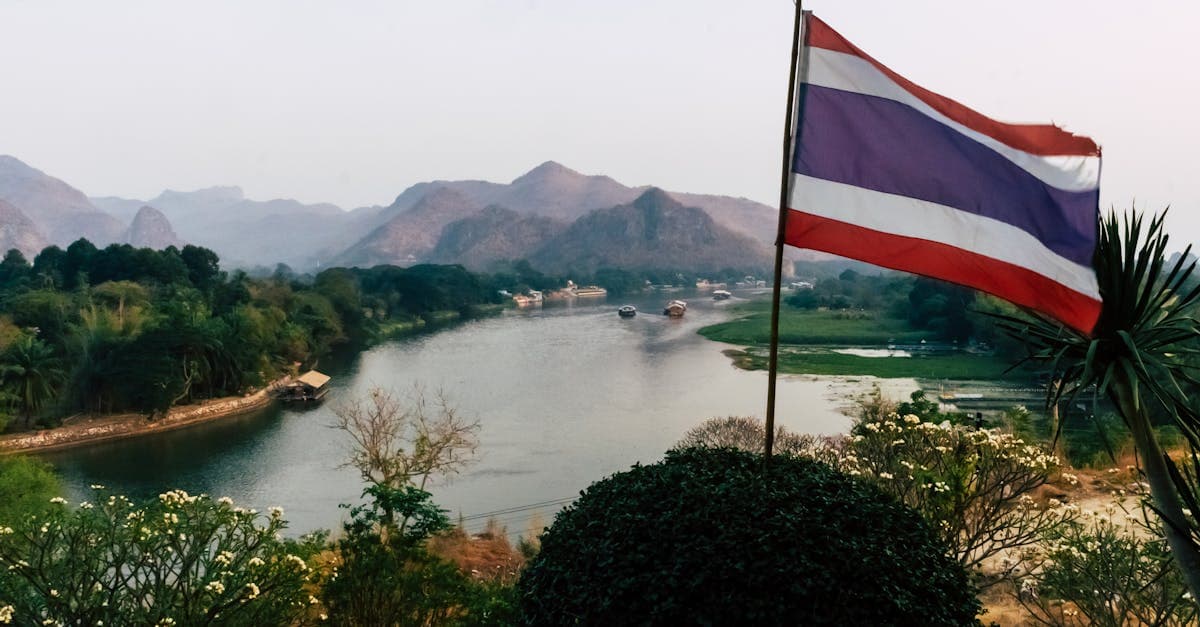
Thailand weather divides into three seasons, and knowing which one you're walking into changes your packing list, your itinerary, and your budget. Cool and dry runs from November through February. Hot and dry covers March through May. The monsoon takes over from June through October.
South African travelers tend to visit in March or late April, both useful windows for different reasons. March sits in a post-peak pricing lull with excellent conditions. Late April aligns with SA autumn school holidays, though Songkran from 13 to 15 April pushes accommodation prices sharply higher.
Staying connected while moving between Thailand's distinct regions costs far less than most SA travelers expect. Hello Roam's Cities eSIM covers Thailand with flexible data plans from around R250 for the trip, no SIM swap required at the airport. Two coastlines, two monsoon systems, and vast tropical terrain mean "Thailand weather" is rarely a single answer.
The regional breakdown is where the real planning begins.
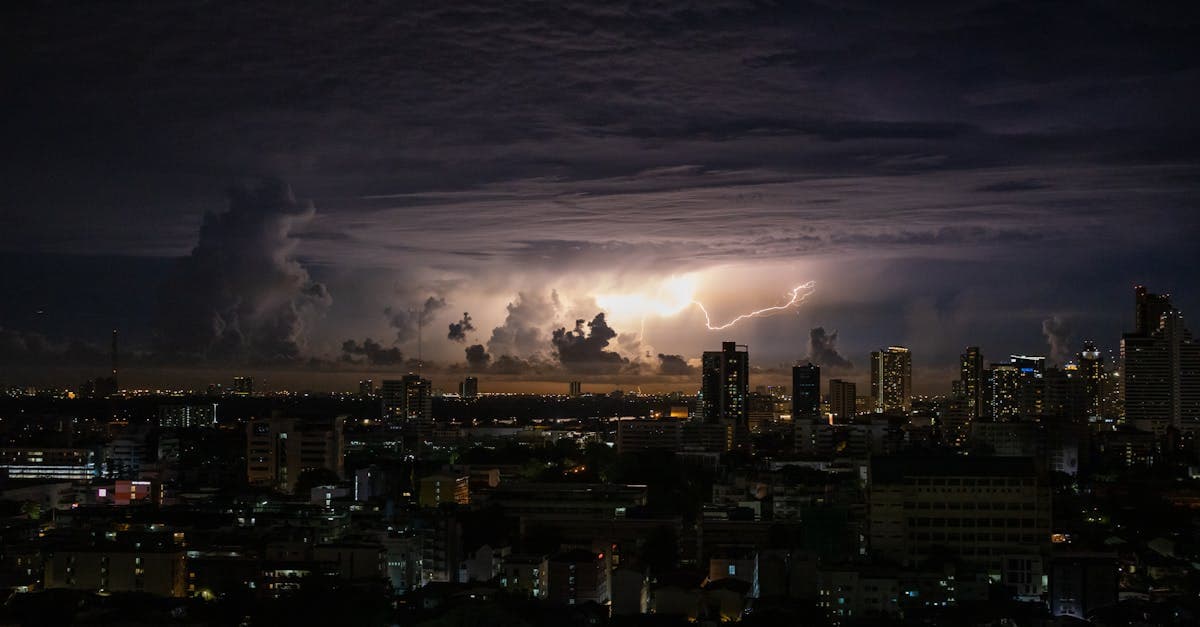
Two separate monsoon systems drive Thailand's regional variation, and most travelers don't discover this until they've already booked the wrong coast.
Thailand has three official seasons. Cool and dry from November to February delivers the best conditions across most of the country. Hot and dry from March to May stays clear but increasingly punishing. The wet season from June through October is real, though "wet" means something quite different depending on where you're standing.
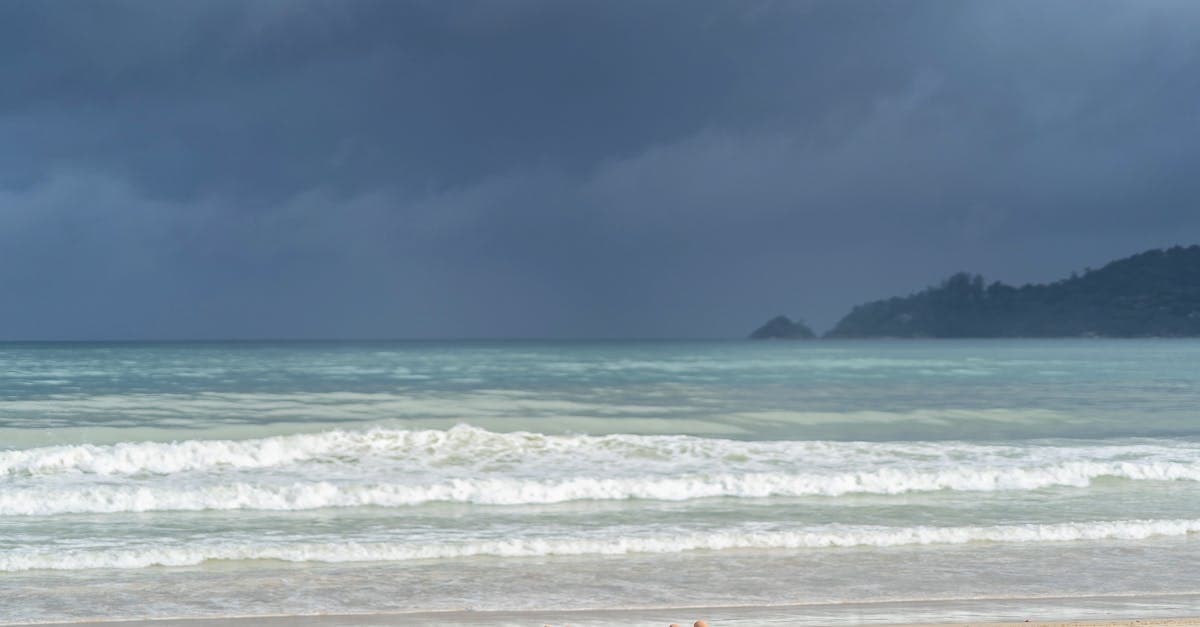
The Southwest monsoon hits Phuket and the Andaman west coast hardest from June through October. At the same time, Koh Samui and the Gulf east coast stay relatively dry, sheltered by the peninsula. The Northeast monsoon then reverses the situation from October through December, soaking the east coast while Phuket sits in its calmest, clearest period. Two travelers on opposite coasts in July are having very different trips.
According to tmd.go.th, Bangkok averages 28.6 degrees Celsius annually. According to timeanddate.com, sea temperatures hold steady at 27 to 30 degrees Celsius year-round, which matters for divers and snorkellers regardless of which season is technically active. According to accuweather.com, the UV index reaches extreme levels of 11 to 12 from March through May. Unprotected skin burns in under 15 minutes at those readings, a figure that gets far less attention than it deserves in most packing guides.
South African travelers most commonly arrive in March and late April. Those two windows fall on opposite sides of the pre-monsoon heat spike, and the preparation for each is quite different.

According to tmd.go.th, Bangkok weather is most favorable from November through February, with September the peak rainy month at 300mm. The table below uses Bangkok as the baseline. Figures marked with ~ are approximate seasonal averages.
*Songkran 13-15 April: accommodation prices rise 30 to 50 percent above normal
January and February deliver Bangkok's cleanest conditions. Cool evenings, minimal rainfall, and Phuket's seas at their calmest. February draws slightly fewer visitors than January for nearly identical weather, which makes it marginally better value for those with flexibility.
March is the window SA travelers consistently underestimate. Conditions remain excellent at around 30mm of rainfall, and prices sit 10 to 20 percent below the December peak because no major international holiday is driving bookings. No SA school holidays fall in March.
April is the hottest month in Bangkok, with the heat index climbing to 42 to 45 degrees Celsius during peak afternoon hours accuweather.com. Songkran is one of the world's great cultural events, but accommodation demand surges hard for those three festival days. Book at least three months ahead if your dates overlap.
May marks the monsoon's arrival. Rainfall jumps to 180mm, outdoor conditions deteriorate, and crowds thin considerably. Flexible travelers who front up for morning activities and carry an umbrella find May one of the better value months of the year.
June through August brings consistent afternoon rains of 150 to 250mm per month, typically clearing by late morning. September peaks at 300mm, the one month where Bangkok's outdoor appeal suffers noticeably.
October and November recover quickly, with hotel rates running 20 to 30 percent below the December peak. Strong value for travelers without school-holiday constraints.
December returns to full peak season. Rainfall drops to 10mm, conditions are excellent, and competitive pricing holds until mid-month before the Christmas surge takes hold.
Regional note: Koh Samui's wettest months run October through December, the mirror image of Bangkok and Phuket. That inverse unlocks year-round beach travel for travellers who plan across both coasts.

Thailand spans roughly 1,650 kilometres from north to south, a distance that creates meaningfully different climate zones within a single country rather than marginal variations on a single theme.
Three broad zones define the picture. Central Thailand and Bangkok follow a tropical savanna pattern, with the seasonal rhythm described in the preceding sections. Northern Thailand, including Chiang Mai, sits at higher elevation and follows a subtropical highland profile. Temperature swings are more extreme: cooler nights in December, significantly hotter afternoons in March and April. The southern coastal regions split further by which ocean they face.
Chiang Mai in March and April carries a health consideration that almost no SA-targeted travel content addresses directly. Agricultural burning across northern Thailand and Myanmar drives AQI readings to 150-300 and above during those months, levels classified as unhealthy to hazardous. Travelers with respiratory conditions should treat this as a genuine contraindication, not a footnote. Even healthy travelers benefit from packing a quality mask for any Chiang Mai itinerary in that window.
The Phuket-versus-Koh-Samui monsoon split is the most commonly misunderstood aspect of Thai weather planning for first-time visitors. Phuket sits on the Andaman Sea. Koh Samui faces the Gulf of Thailand. Same country, opposite wet seasons. The assumption that one monsoon covers all of Thailand leaves travelers caught off guard on both coasts, and the fix is simply knowing which coastline they're visiting and when.
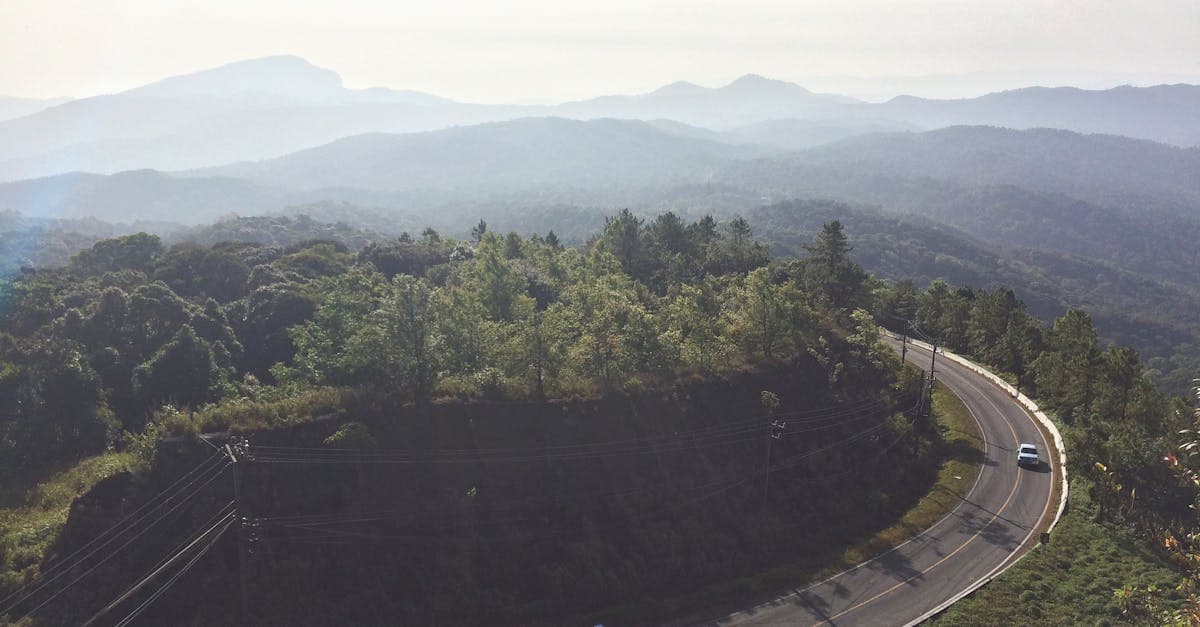
AQI readings above 150 are classified as unhealthy by WHO air quality standards. Chiang Mai routinely clears that threshold in March and April, with readings frequently reaching 150 to 300, driven by agricultural burning across northern Thailand and neighbouring Myanmar. On the worst days, the city registers among the most polluted urban areas on earth.
This isn't a minor inconvenience. Temperatures in the region hit 38 to 40 degrees Celsius during the same window accuweather.com, making it simultaneously the hottest and most smoke-choked major destination in the country. For anyone with asthma, chronic respiratory conditions, young children in the group, or older travellers, Chiang Mai in this period is clearly unsuitable, not just uncomfortable.
Almost no travel content targeting South Africans includes this warning. Most guides skip it entirely or bury a footnote about haze. That's a significant gap for a safety consideration that genuinely affects planning decisions.
If timing is flexible, visit Chiang Mai from November to February instead. According to selectiveasia.com, temperatures sit between 20 and 30 degrees Celsius selectiveasia.com, air quality typically registers AQI below 50, and the city is at its most liveable. November's Loi Krathong lantern festival, when thousands of paper lanterns lift into the night sky above the Old City, is worth scheduling around specifically.
If March or April is locked in due to school holidays or flights, go in prepared. Pack N95 masks rather than surgical masks, which don't filter fine particulate matter effectively. Book accommodation with sealed, air-purified rooms rather than open-air guesthouses. Download IQAir or AirVisual before leaving South Africa: both apps require a live mobile data connection to pull real-time readings, so connectivity matters more than usual here. Check readings each morning before committing to outdoor plans.
Wat Doi Suthep and the Old City's temple circuit can wait for a cleaner day.
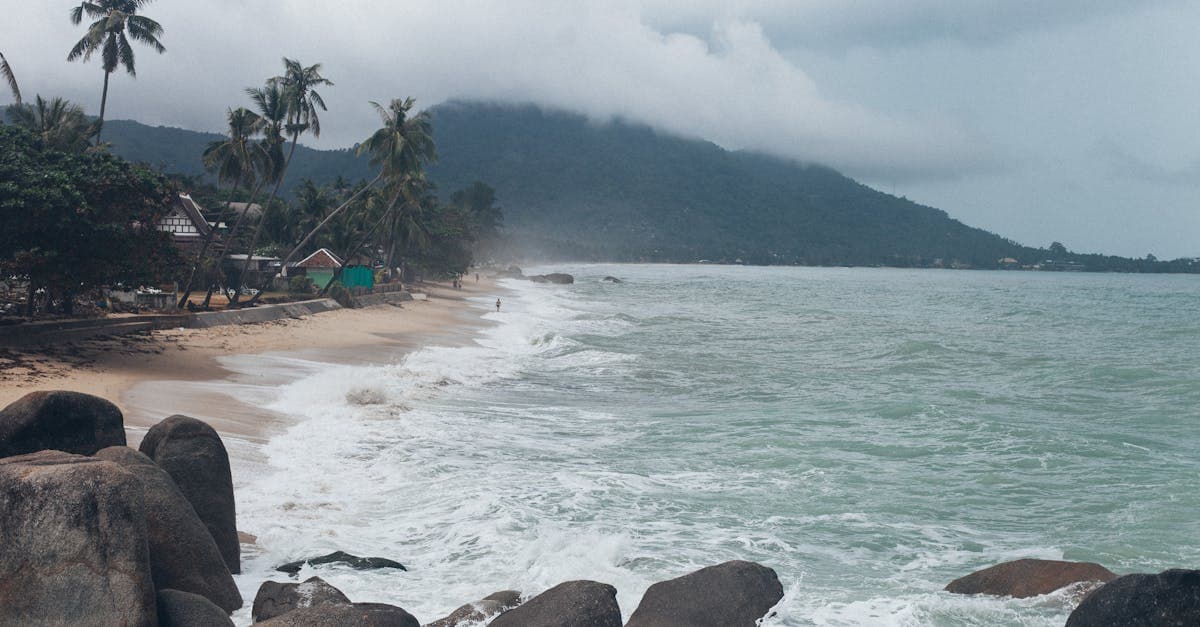
Book Phuket for July and you'll hit monsoon season head-on. Book Koh Samui for the same month and you'll find blue skies. Both are classic Thai beach destinations, but their wet seasons run in almost perfectly opposite directions, and most travel guides never bother explaining why.
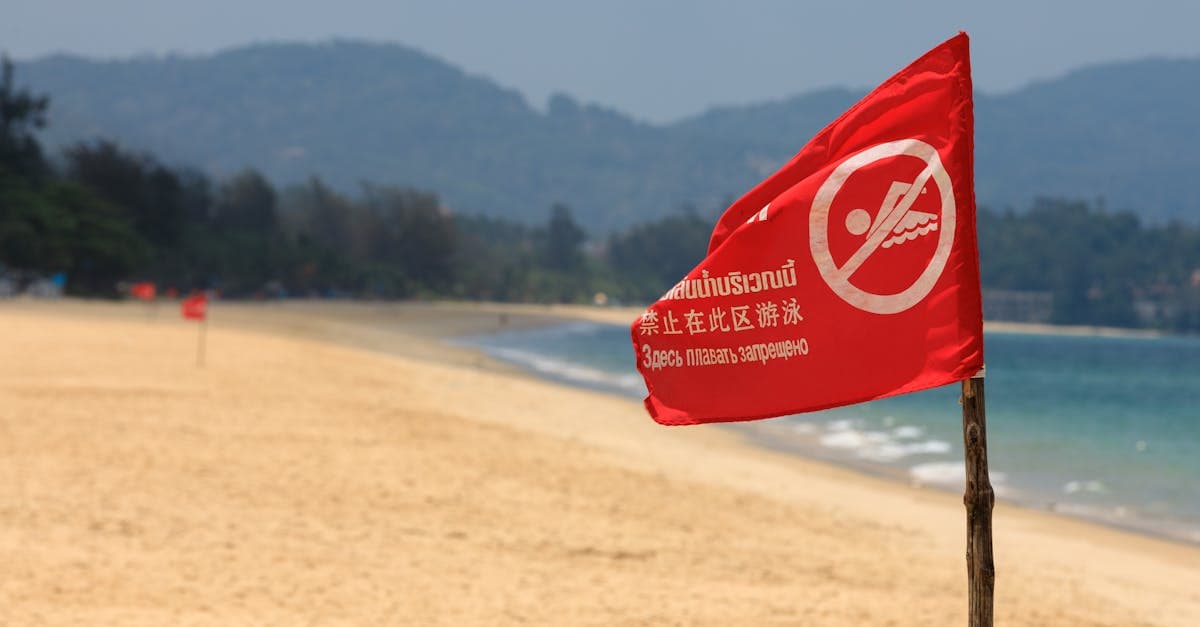
Phuket sits on the Andaman Sea, Thailand's west coast. According to tmd.go.th, the Southwest monsoon arrives from roughly May and runs through October, bringing heavy rain, rough seas, and beach flag closures. Boat trips to Phi Phi or Phang Nga Bay get cancelled or shortened regularly during this window. It's not constant grey misery, but meaningful outdoor plans get disrupted.
Koh Samui faces the Gulf of Thailand on the east coast. According to tmd.go.th, the Northeast monsoon hits there from October to December. For the remaining nine months, including the entire June to September stretch when Phuket is at its worst, Koh Samui stays largely sunny and dry.
The practical implication for travellers who understand the split is significant. During what most people think of as "Thailand's rainy season," the Gulf coast is mid-dry-period, with prices still below the December and January peak. Koh Tao in April and May offers the best dive visibility of the year, with water temperatures at 29 degrees Celsius timeanddate.com, just before Gulf high-season crowds arrive in earnest.
A year-round beach strategy that actually works: Phuket or Krabi from November through April when the Andaman coast is calm and clear, then switch to Koh Samui, Koh Tao, or Koh Phangan from May to September. The consistent sea temperatures across both coasts, noted in the seasons overview above, mean water warmth is never a limiting factor regardless of which coast you pick or which month you travel.
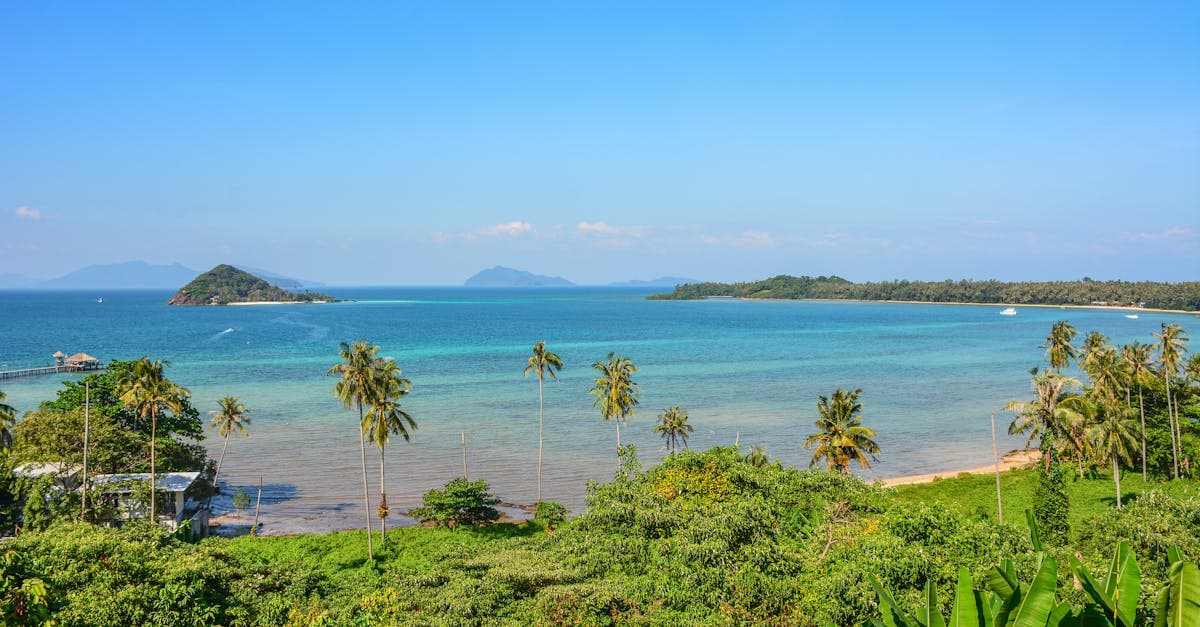
November through February. That's the honest answer for first-time visitors: cool-season conditions, low rainfall, and manageable temperatures across all regions. For a two-week trip covering Bangkok, a northern stop, and a beach, this window offers the most predictable experience.
For South African families, the calendar question is more specific. SA school holidays concentrate demand into two windows: late April (autumn break) and late June through mid-July (winter break). Both are workable but require different preparation.
March is the underrated option. Bangkok temperatures hit the 35-degree mark noted in the monthly table, rainfall stays minimal, and post-Chinese New Year crowds have thinned considerably. SA schools are in session, which is precisely why prices sit 10 to 20 percent below the December peak, as discussed earlier. That saving adds up meaningfully over two weeks, and the weather is arguably better than the high-season rush.
April suits SA autumn break travellers, but only with early bookings. Songkran on 13 to 15 April drives accommodation prices up 30 to 50 percent in popular areas, and Bangkok hotels sell out months in advance. The festival is extraordinary. Just arrive knowing what it is and plan accordingly.
October and November offer solid shoulder-season value. Post-monsoon conditions improve rapidly from mid-October, hotel rates sit 20 to 30 percent below December peak, and the crowds haven't materialised yet.
Three scenarios to plan around: Chiang Mai in March and April for the AQI reasons covered in the section above, Bangkok in September with its 300mm of monthly rainfall being the worst of the monsoon, and Phuket from May through October for any beach-focused trip. The monsoon doesn't make Thailand off-limits: rain arrives as afternoon showers rather than all-day downpours, Gulf coast destinations like Koh Samui stay dry through the same window, and sightseeing mornings typically remain clear.
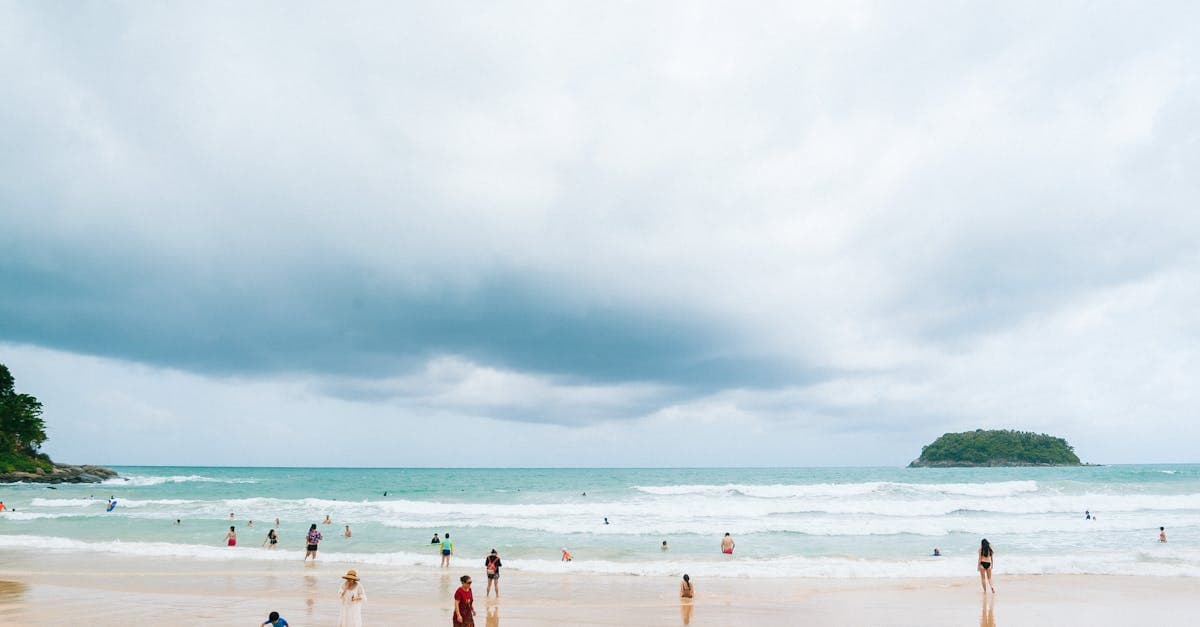
Five months of wet season, with meaningful variation by region. The main monsoon runs May to October for Bangkok, Phuket, and most of central Thailand, with September the wettest single month in the central plains tmd.go.th. If you're planning around that September figure noted in the previous section, give Bangkok a wide berth.
The Gulf coast runs on a different calendar. Koh Samui and the eastern coastline are wettest from October to December, so travellers who book the Gulf expecting post-monsoon calm in November sometimes get the opposite. It's the most common booking mistake tied to Thailand's weather.
The practical experience of rainy season is milder than the word "monsoon" implies. Showers arrive as one to two hour afternoon downpours. Mornings are typically sunny. Temples, markets, and indoor attractions carry on without interruption, and the lush post-rain landscape makes for genuinely good photography.
The coldest months are December and January. Bangkok lows drop to the 20-degree point shown in the monthly table, which by South African standards is a comfortable autumn evening in Johannesburg. According to selectiveasia.com, in the mountains outside Chiang Mai, night temperatures can dip to 13 to 15 degrees Celsius, cold enough to make a light jacket useful rather than optional.
Rainy season packing has a short, specific list: a waterproof dry bag for beach gear and electronics, quick-dry fabrics to cut laundry turnaround, and a compact travel umbrella for predictable afternoon showers. Add a waterproof phone case even if you're travelling in April, technically pre-monsoon: Songkran's water festival is indiscriminate, and an unprotected phone rarely survives it intact.
The financial case for wet-season travel is real. Resort and domestic flight prices drop substantially from their peak-season rates, popular sites thin out noticeably, and the version of Thailand without high-season tourism is a different trip in a positive way.

Thailand isn't cold. It doesn't do cold.
According to tmd.go.th, temperatures at sea level stay above 28°C year-round, with no true winter season and no evening in the lowlands where a jacket makes sense. Bangkok's coolest month delivers conditions most South Africans would rate as a beach afternoon. The adjustment isn't the thermometer; it's what that reading actually feels like.
Bangkok peaks in April. According to accuweather.com, with 80 percent relative humidity, the heat index climbs to 42 to 45°C. That's the perceived temperature, not the number on a weather app. A dry highveld afternoon at similar readings is uncomfortable but manageable. Bangkok at those conditions is categorically different. According to timeanddate.com, coastal Thailand averages 75 to 90 percent relative humidity year-round, higher than Durban's peak summer figure of 70 to 80 percent.
Schedule accordingly: outdoor activities before 10am and after 5pm. Three litres of water daily. Air-conditioned accommodation is a logistics essential, not a comfort upgrade.
According to accuweather.com, from March through May, the UV index hits 11 to 12 (Extreme). Sunburn sets in within roughly 15 minutes without protection. Apply SPF 50 every two hours regardless of cloud cover. Thai UV intensity at 15 degrees North latitude exceeds a typical Durban summer day, including for travelers who consider themselves sun-hardened.
Pack a universal travel adapter. Thailand uses Type A and Type B plugs (flat-pin, US-style). South Africa's Type M large round three-pin fits neither. No SA-focused travel content currently flags this before departure.
Connectivity in Thailand has two jobs: safety tool first, convenience second.
During monsoon season (May through October), storm tracking on Windy, flash flood alerts, and ferry closure updates all depend on a live connection. On small islands with no reliable public WiFi, your phone is the only navigation, translation, and emergency contact tool available.
Thailand's mobile network is strong by global standards. Median 4G LTE speeds run from 35 to 55 Mbps nationally, with 5G available in Bangkok, Phuket, and Chiang Mai city centres. For island and rural travel, AIS (Advanced Info Service) offers the widest footprint at around 90 percent national coverage, the strongest option for northern highlands and less-visited islands. Bangkok and Chiang Mai cafes routinely deliver WiFi at 50 to 150 Mbps, both cities ranking consistently in global top 10 for digital nomad infrastructure. Koh Lipe and Koh Chang are different: limited public WiFi makes mobile data the primary connection throughout.
The roaming cost comparison is where most SA travelers do a double take. Vodacom standard roaming in Thailand costs R1,850 to R2,500 per gigabyte. A 10-day trip using 8GB on standard roaming generates between R14,800 and R20,000 in data charges alone. That funds a return flight from Johannesburg.
The critical difference between a Hello Roam eSIM and a local SIM swap is your South African number. Install Hello Roam as an eSIM and your physical SA SIM stays active in the phone simultaneously. WhatsApp keeps working. Banking OTPs still arrive. Swap to a local Thai SIM and all of that goes offline the moment the card leaves your phone.
Activate the eSIM before boarding in South Africa. Data connects automatically on landing at Suvarnabhumi or Phuket International, no airport counter queues, no hunting for an AIS kiosk after a long flight.
Compatible devices: iPhone XS and later, Samsung Galaxy S20 and later, Google Pixel 4 and later. Both Vodacom and MTN sell handsets unlocked in South Africa, so eSIM activation should work on any supported model.
Three apps worth downloading before departure: Windy for monsoon and storm tracking, IQAir for real-time AQI monitoring in northern Thailand, and offline Google Maps areas for island destinations where live updates need a signal to function.
Compare Hello Roam Thailand eSIM plans before you board, so dual-SIM activation is confirmed before landing.

November through February offers the best conditions for most visitors, with cool temperatures, low rainfall, and clear skies across all regions. March is an underrated option with only around 30mm of rainfall and prices 10 to 20 percent below the December peak. For South African families, late April and late June through mid-July align with school holidays but require early booking due to higher demand.
January and February are Thailand's coolest months, with Bangkok lows around 20 to 22 degrees Celsius and highs of 32 to 33 degrees Celsius. The cool and dry season spans November through February, which also brings the least rainfall and the most favorable travel conditions across most of the country.
The wet season runs from June through October across most of Thailand, with September the peak rainy month at around 300mm of rainfall in Bangkok. However, the east coast including Koh Samui experiences its heaviest rain from October through December due to the Northeast monsoon, while Phuket on the west coast is wettest from May through October under the Southwest monsoon.
Thailand is predominantly hot, with Bangkok averaging 28.6 degrees Celsius annually. Even the coolest months of December through February see highs around 31 to 32 degrees Celsius, though evenings can be mild. From March through May temperatures climb to 35 to 36 degrees Celsius, with the heat index reaching 42 to 45 degrees Celsius during peak afternoon hours in April.
Thailand has three official seasons: cool and dry from November to February, hot and dry from March to May, and the wet season from June through October. Conditions vary significantly by region due to two separate monsoon systems affecting opposite coastlines at different times of year.
Phuket sits on the Andaman Sea and is hit by the Southwest monsoon from roughly May through October, bringing heavy rain and rough seas. Koh Samui faces the Gulf of Thailand and is affected by the Northeast monsoon from October to December instead, staying largely sunny and dry from June to September when Phuket is at its wettest.
November through April is the best time to visit Phuket, when the Andaman coast is calm, clear, and at its driest. During this period seas are suitable for boat trips to Phi Phi and Phang Nga Bay. From May through October the Southwest monsoon brings heavy rain, rough seas, and regular cancellations of beach excursions.
May through September is the best time to visit Koh Samui, when the Gulf coast enjoys its dry period while Phuket is in monsoon season. October through December brings the Northeast monsoon and the island's heaviest rainfall. Prices on the Gulf coast during May to September are typically below the December and January peak.
Agricultural burning across northern Thailand and Myanmar drives AQI readings to 150 to 300 and above in Chiang Mai during March and April, levels classified as unhealthy to hazardous. Temperatures also hit 38 to 40 degrees Celsius during the same window. Travelers with asthma, chronic respiratory conditions, young children, or older travelers should treat this as a genuine contraindication to visiting during that period.
November through February is the best time to visit Chiang Mai, with temperatures between 20 and 30 degrees Celsius and air quality typically registering AQI below 50. The Loi Krathong lantern festival in November, when thousands of paper lanterns rise above the Old City, is worth scheduling around specifically.
Songkran is Thailand's water festival, celebrated from 13 to 15 April, and is one of the world's great cultural events. Accommodation prices surge 30 to 50 percent above normal during these three festival days, so travelers whose dates overlap with Songkran should book at least three months in advance.
The UV index reaches extreme levels of 11 to 12 in Thailand from March through May. At these readings, unprotected skin can burn in under 15 minutes, making high-factor sunscreen and protective clothing essential items for any outdoor itinerary during this period.
Sea temperatures in Thailand hold steady at 27 to 30 degrees Celsius year-round across both coastlines. This consistency means water warmth is never a limiting factor for swimmers, divers, or snorkellers regardless of which coast they visit or which month they travel.
September is the peak rainy month in Bangkok, with approximately 300mm of rainfall, making it the one month where the city's outdoor appeal suffers most noticeably. June through August also brings consistent afternoon rains of 150 to 250mm per month, though these typically clear by late morning.
March is an excellent time to visit Thailand, with only around 30mm of rainfall in Bangkok, temperatures around 35 degrees Celsius, and prices 10 to 20 percent below the December peak. Post-Chinese New Year crowds have thinned and no major international holiday drives accommodation demand, making it strong value for travelers with flexible dates.
Travelers visiting Chiang Mai in March or April should pack N95 masks rather than surgical masks, as fine particulate matter from agricultural burning requires proper filtration. Booking accommodation with sealed, air-purified rooms is advisable, and downloading an air quality app such as IQAir or AirVisual before departure allows real-time monitoring of daily conditions.
Thailand spans roughly 1,650 kilometres from north to south, creating distinct climate zones. Northern Thailand including Chiang Mai sits at higher elevation with more extreme temperature swings, cooler nights in December and significantly hotter afternoons in March and April. The southern coasts split further by which ocean they face, with opposite wet seasons on the Andaman and Gulf sides.
A practical year-round approach is to visit Phuket or Krabi from November through April when the Andaman coast is calm and clear, then switch to Koh Samui, Koh Tao, or Koh Phangan from May through September. Sea temperatures remain consistent at 27 to 30 degrees Celsius across both coasts year-round, so water warmth is never a constraint regardless of which coast you choose.
HelloRoam: your trusted travel eSIM that keeps you online across borders.
Explore Plans