Solo Trip to Europe From South Africa: the Complete 2026 Guide

Written by: David Chen


15 min read

HelloRoam is a global eSIM provider offering instant mobile data in 170+ countries. Buy prepaid travel eSIM plans with no extra fees, no contracts, and instant activation on any eSIM-compatible device.
15 min read

Yes, you can do a solo trip to Europe from South Africa. But you're not visa-exempt. South African passport holders need a Schengen visa before entering the 27-country Schengen Area, with an application fee payable at a VFS Global centre. Applications take weeks, so start this process well before your departure date.
Carrier roaming with Vodacom or MTN costs hundreds of rands per megabyte in Europe. Hello Roam's Europe eSIM plans, covering 30+ European countries, run around ~R350 to ~R450 for 10 GB over 30 days. You keep your SA SIM active for bank OTPs and WhatsApp while Hello Roam handles all your data.
A two-week trip is well within reach on a tight budget or comfortable mid-range spending, depending on which countries you visit. Eastern Europe (Prague, Budapest, Krakow) costs a fraction of what Paris or Amsterdam demands, and it's where most first-time solo travellers from South Africa find their footing.

South African passport holders have zero visa-free access to the Schengen Area. The application costs €90 (~R1,800 at early 2026 exchange rates) and must be submitted in person at a VFS Global centre in Pretoria, Cape Town, or Johannesburg. Book your VFS appointment online ahead of time; slots fill quickly during busy periods. Give yourself 6 to 8 weeks minimum. During peak season (June to August), processing can stretch to 45 to 60 days, so applying in April for a July departure is cutting it close.
The 90-day rule trips up more travellers than the visa itself. You get a maximum of 90 days across all Schengen member states within any rolling 180-day period. That's combined across every country, not per destination. A week in Paris, a week in Barcelona, and a week in Prague all count toward the same total.
UK trips are a separate matter. Britain sits outside the Schengen Area, and South Africans need an Electronic Travel Authorisation (ETA) at ZAR 10, applied for online before arrival. Quick to get, but mandatory.
A new biometric border system, the EU's Entry/Exit System (EES), launched in late 2025 and now requires biometric registration for all non-EU nationals at land and air borders. At busy entry points, expect an extra 10 to 20 minutes on your first crossing into the zone. Subsequent entries move faster once your biometrics are on file.
Travel insurance with minimum medical coverage of €30,000 is a hard requirement for your Schengen visa application, not a recommendation. SA insurers including Discovery, Bryte, and Hollard all offer qualifying policies.
Register your trip with the SA Department of International Relations via the DIRCO eSafeTravel portal before you fly. It's free, takes five minutes, and gives the South African embassy a way to reach you in an emergency abroad.
Return flights from South Africa are your biggest single spend before you even reach Europe. Fares from Johannesburg (JNB) or Cape Town (CPT) to European hubs run ~R8,000 to ~R18,000 return, depending on airline, routing, and how far ahead you book. The most price-competitive options are Qatar Airways via Doha, Emirates via Dubai, KLM's direct service to Amsterdam, and Lufthansa via Frankfurt. Booking 3 to 4 months out typically lands you toward the lower end of that range.
EUR/ZAR sitting around R20 to R21 per euro in early 2026 means Western Europe is moderately expensive for South Africans, while Eastern Europe sits in a different affordability bracket entirely. Lisbon is a natural first stop for many South Africans, given the cultural connections, and the KLM route via Amsterdam makes it reasonably straightforward to reach. A realistic 2-week total (flights, accommodation, food, and internal transport) runs ~R25,000 to ~R50,000 for budget travel, and ~R60,000 to ~R100,000 for comfortable mid-range spending.
On currency: Revolut and Wise pre-loaded travel debit cards deliver exchange rates significantly better than standard SA bank foreign transaction fees or airport bureau de change services. Load them before you leave South Africa and you'll pay close to the real interbank rate once you're in Europe.
Getting around between cities is manageable on a budget. Ryanair, easyJet, and Wizz Air price most routes at ~R400 to ~R1,200 per flight. For train-heavy itineraries spanning two weeks or more across multiple countries, an Interrail or Eurail pass starts making financial sense over booking point-to-point tickets individually.

Eastern Europe is where South African rand does its best work. Prague, Budapest, Krakow, and Belgrade all come in at ~R700 to ~R1,000 per day, covering accommodation, food, and local transport. At that price point, you're not roughing it: hostel standards in these cities are consistently high.
Southern Europe sits a tier above. Lisbon, Athens, and Split average ~R1,000 to ~R1,400 per day, climbing noticeably during peak summer months (July and August) when accommodation demand spikes.
Western and Northern Europe runs higher still. Paris, Amsterdam, Zurich, and Copenhagen average ~R1,600 to ~R2,500 per day, and they reward travellers who lock in accommodation weeks in advance.
Quick reference for accommodation and meals:
Self-catering is worth building into your routine, particularly in Eastern Europe. Grocery prices are low, hostel kitchens are widely available, and buying breakfast and lunch from a local supermarket can halve your daily food spend. Save your restaurant budget for the meals that actually deserve it.
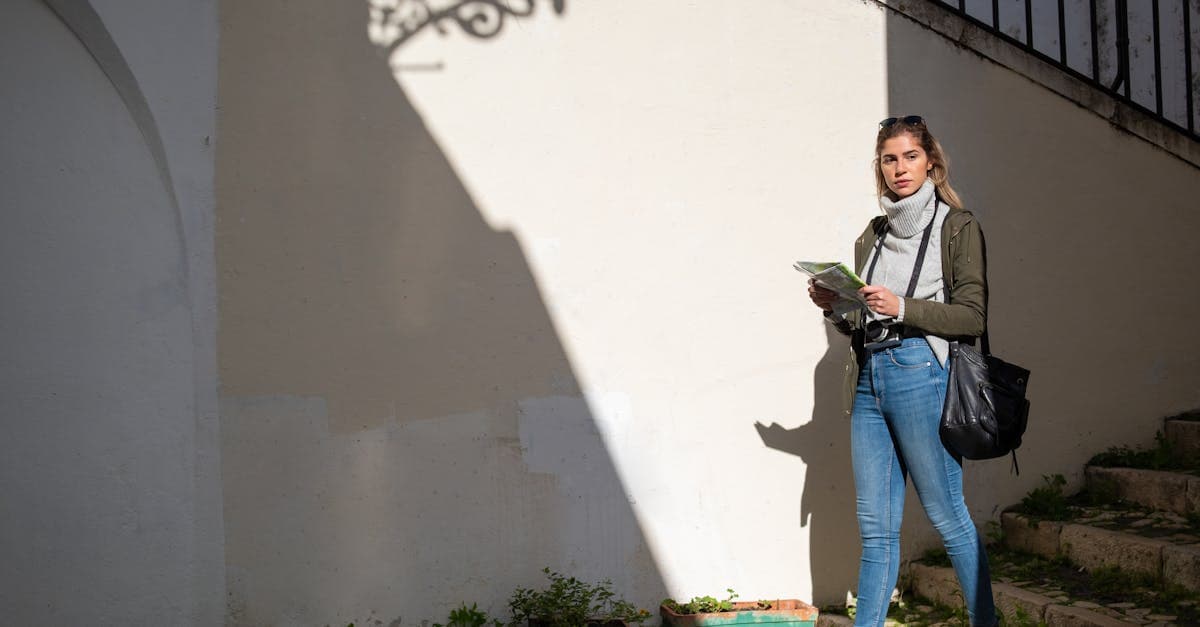
According to worldofwanderlust.com, Seville, Edinburgh, Amsterdam, and Barcelona consistently rank as the best European cities for solo travel, combining walkability, reliable public transport, and strong social infrastructure. The difference between a great solo trip and a forgettable one comes down to four factors: walkability, reliable public transport, social infrastructure (hostels with common rooms, free walking tours, easy day trips), and how the city treats someone arriving alone.
Seville stands out in Southern Europe. Tapas culture is genuinely communal here, the baroque old town is fully walkable, and prices stay accessible for South Africans tracking their daily spend. Locals are welcoming without being overbearing. The Alcázar and cathedral are world-class and right in the centre.
Edinburgh deserves serious consideration for SA travelers who want dramatic scenery without the Schengen paperwork. Scotland falls under UK entry rules: an Electronic Travel Authorisation instead of a full Schengen visa. The city is compact, locals strike up conversation unprompted, and hiking Arthur's Seat takes under an hour from the Royal Mile.
Amsterdam is flat, English-friendly, and built for independent exploration. Hostel culture runs deep here. The social infrastructure does much of the work for you, and the city's compact grid means you won't get genuinely disoriented.
Barcelona combines beach access, Gaudí architecture, and exceptional food markets with one of the most active walking-tour communities in Europe. You'll meet other solo travelers within hours of arriving. Keep your phone in a front pocket along La Rambla. Pickpocketing is endemic in that tourist corridor.
For safety specifically, Amsterdam, Vienna, Copenhagen, Lisbon, and Zurich consistently top crime index rankings across solo traveler surveys. Solo travel destination guides for 2026 confirm these cities hold up across multiple safety metrics. Free walking tours operate daily in virtually every major European city and can be booked through GetYourGuide or at your hostel's front desk. They're your fastest orientation tool and your most reliable way to connect with other travelers on day one.
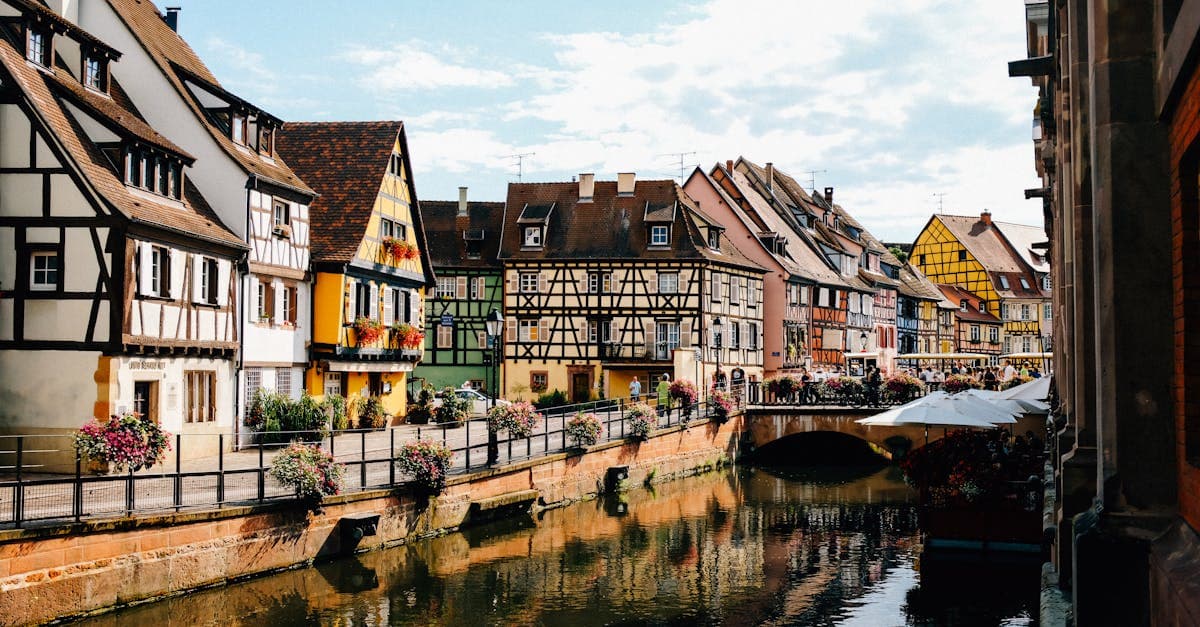
According to asinglewomantraveling.com, five cities consistently over-deliver for South African travelers, combining atmosphere, history, and daily costs shaped for a rand-denominated budget.
Budapest is the strongest case. Hungary's thermal baths are a genuine cultural institution, not a tourist novelty, and entry is affordable enough to go twice in a week. Ruin bars in the Jewish Quarter charge almost nothing at the door. Well-reviewed hostel dorm beds top out around R500 per night. The goulash is as good as everyone says.
Prague rewards discipline. Travelers who self-cater breakfast, use trams over ride shares, and avoid the overpriced restaurants ringing Old Town Square can run a full day under R900. The UNESCO-listed old town is extraordinary, and a thriving craft beer culture gives you a reason to slow down and stay longer.
Krakow is arguably the cheapest significant European capital for South Africans. The medieval old town is intact in a way few European cities can match. Day trips to the Auschwitz-Birkenau Memorial and the Wieliczka Salt Mine depart directly from the main square and are exceptionally well-organised.
Belgrade plays a different game entirely. The nightlife carries genuine global recognition. Tourist queues are almost nonexistent. All-in daily costs rarely climb past R800 for most travelers, and a rapidly growing hostel scene means the solo travel infrastructure has caught up with the city's reputation.
Portugal earns a separate mention for South Africans specifically. There's a substantial SA expat community in Lisbon, the Portuguese language creates cultural familiarity for many South Africans, and the climate stays warm year-round. Lisbon and Porto deliver atmosphere per rand that Western Europe simply can't match.

According to worldofwanderlust.com, Lisbon, Amsterdam, Copenhagen, Vienna, Porto, and Edinburgh are consistently rated the safest and most welcoming European cities for women traveling alone. South African women in particular often find these destinations feel genuinely manageable after navigating the real safety challenges of daily life in SA. The risks don't disappear. They shift.
What you're actually managing in European tourist hubs is petty theft and pickpocketing, concentrated around Barcelona's Las Ramblas, central Rome, and parts of Paris. That's a fundamentally different threat profile from what most SA women are calibrated to assess at home. European street environments, on the whole, operate at a different baseline.
Portugal makes a particularly strong case: among the lowest street crime rates in Western Europe, very high English proficiency, and a hospitable and easygoing culture that tends to put solo visitors at ease. Guides focused on solo female travel in Europe place Portugal at or near the top across multiple criteria.
Female-specific infrastructure exists across the continent. Most reputable hostels offer women-only dorm options. Female-led guided tours operate in Lisbon, Barcelona, and Amsterdam. The 'Solo Female Travelers' Facebook group has over four million members and serves as a practical, destination-specific resource before and during any trip.
Three apps worth having on your phone before you board:
Shoulder season (April to May and September to October) is the optimal window for solo female travelers: fewer crowds, lower accommodation prices, and a far more local feel in neighbourhood cafes and restaurants.
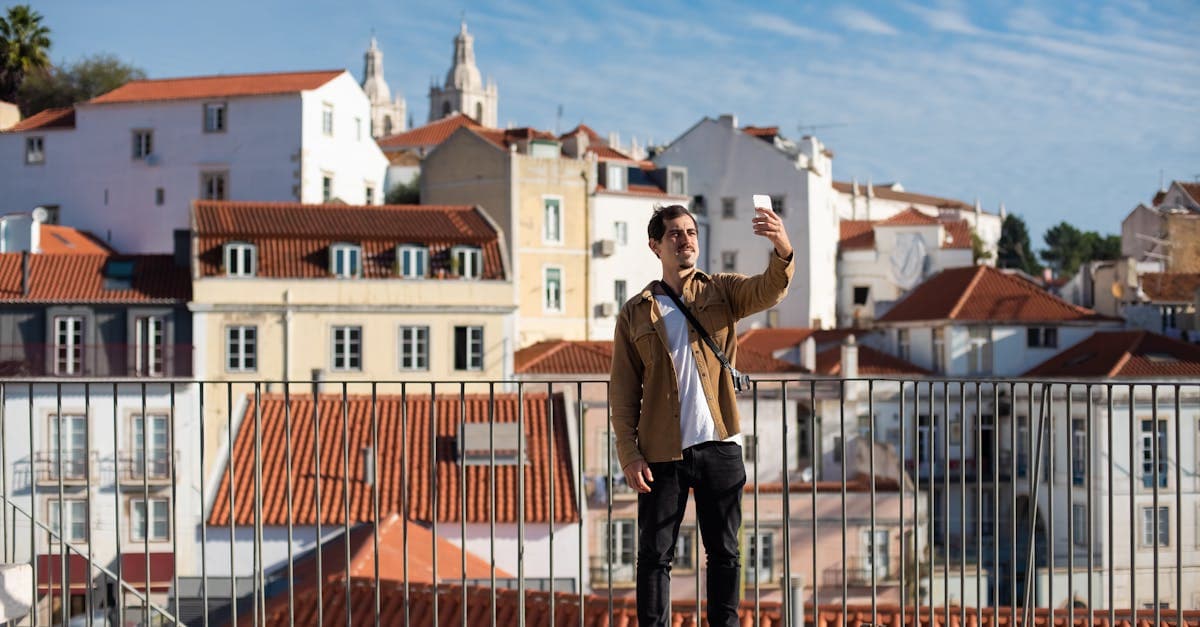
A travel eSIM is the most cost-effective solution for South Africans staying connected in Europe, avoiding SA carrier roaming rates that can reach R849 to R1,700 per gigabyte of data. Other SA networks are priced in a comparable range. A normal week of smartphone use (navigation, WhatsApp, social media, checking maps throughout the day) burns through 10 to 15 GB, meaning roaming costs alone could exceed R7,000 before you've reached your second city.
You have three practical options. A local European SIM bought at the airport is cheap but requires an unlocked phone and forces you to remove your SA card entirely. A pocket WiFi device keeps your phone number alive but adds another device to charge and carry. An eSIM lets you purchase and activate a data plan remotely from South Africa before departure, keep your physical SA SIM in the phone's card slot, and route all data through the eSIM.
That dual approach matters specifically for South African travelers in a way that catches many people off guard. Your SA bank (FNB, Absa, Nedbank, Standard Bank, Capitec) sends a one-time PIN to your SA mobile number every time you make a card transaction abroad. Remove that physical SIM and you're locked out of your own account the moment you try to pay for accommodation or withdraw cash from an ATM. Keeping the SA SIM active alongside a data eSIM eliminates that problem entirely.
Hello Roam's Europe eSIM covers 30 or more European countries on a single plan, priced in rand with no currency conversion required. You set it up from your phone before you leave South Africa. The Hello Roam Europe eSIM plans and coverage are worth reviewing before you pack.
Free public WiFi is available across European airports, cafes, and most hostels. It's fine for checking a booking confirmation in a comfortable chair. It's not what you want to depend on while navigating a bus transfer in an unfamiliar city at 11pm.

South African banks send a one-time password (OTP) to your SA mobile number for every card transaction abroad. FNB, Absa, Nedbank, Standard Bank, and Capitec all use OTP verification, and it triggers constantly in Europe: hotel check-ins, restaurant tabs, ATM withdrawals, online bookings. Remove that SIM to use a local European card and your banking access pauses, often at a checkout counter with a queue building behind you.
The solution is a dual SIM setup. Most modern smartphones have both a physical nano-SIM slot and a built-in eSIM slot. Keep your SA SIM in the physical slot (it stays active, receives OTPs and WhatsApp messages) and activate a travel eSIM in the separate eSIM slot for all mobile data. Full banking access and European data coverage, running simultaneously on the same device.
Devices compatible with this configuration include iPhone XS and newer, Samsung Galaxy S20 and newer, and Google Pixel 3 and newer. Before you leave South Africa, confirm two things: that your phone is SIM-unlocked, and that your specific model supports eSIM. Both checks take under five minutes and are significantly easier to sort at home than at a hotel front desk in a city you arrived in three hours ago.
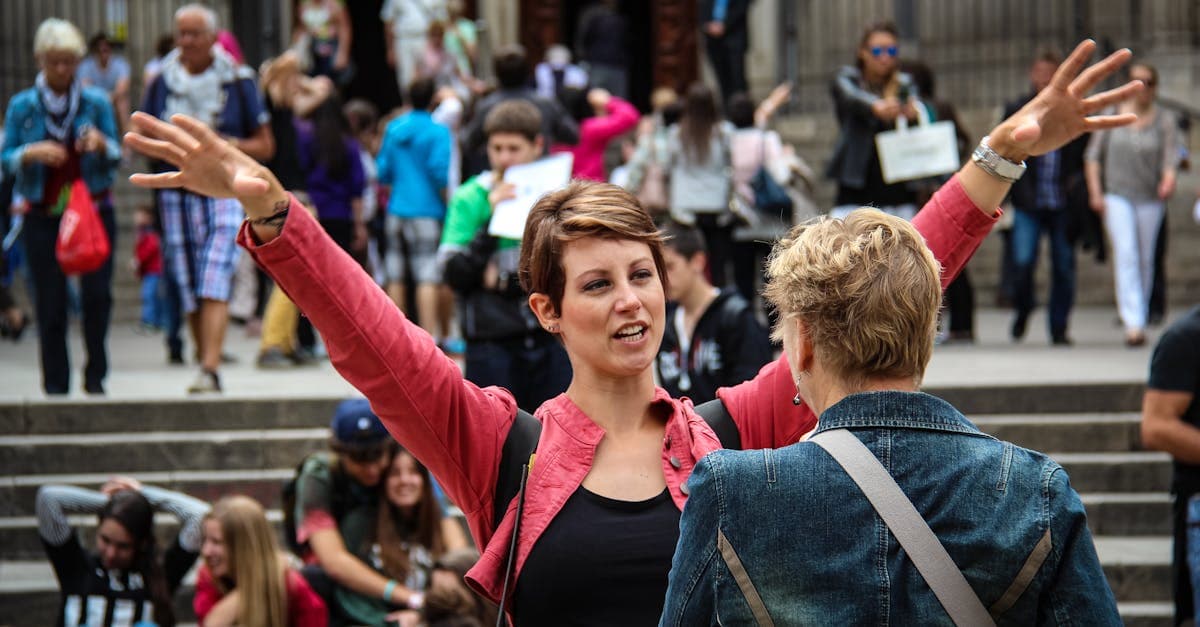
Traveling alone is actually how you meet people. Groups signal "we're fine, thanks." A solo traveler signals availability. You're approachable in a way that four friends moving together simply aren't, and that difference compounds quickly across a two-week trip.
Free walking tours are the fastest shortcut to a social life in a new city. They run in every major European destination, bookable through GetYourGuide or directly at hostel desks, and they reliably put you in a small group of fellow solo travelers within hours of arrival. Dinner plans often form before the tour ends.
Accommodation choice matters as much as destination. Social hostels like Generator, St. Christopher's, and The Flying Pig run communal dinners, bar crawls, and guided city walks built specifically to introduce solo travelers to each other. A private Airbnb apartment is fine for a quiet long weekend, but it isolates you in a way that makes meeting people genuinely difficult on a first trip.
Meetup.com lists free local events in almost every European city: language exchanges, hiking groups, rooftop cinema nights. For SA-specific connections, Facebook groups including 'South Africans in Lisbon' and 'SA Expats in Amsterdam' carry local knowledge no guidebook provides. For longer stays, co-working spaces like Selina and Outsite are reliably social environments where the community is part of the product, not an afterthought.
No. Not even close.
Solo travelers in their 30s and 40s are among the fastest-growing segments in European travel. Cities like Lisbon, Berlin, and Amsterdam have seen a surge in mid-range solo accommodation options in recent years precisely because the market shifted. The assumption that solo travel belongs exclusively to gap-year students in their early 20s is about a decade out of date.
Going at 30 comes with advantages a younger traveler genuinely doesn't have: more financial flexibility, sharper decision-making under pressure, clearer priorities, and better situational awareness. You won't spend three miserable days in a city you hate because leaving early feels like giving up.
South African travelers in their 30s bring an added edge. Planning around logistical complexity is something most SA residents do habitually, without labeling it a skill. That practical resilience translates directly to solo travel in Europe. A delayed train in Germany is not a crisis if you've navigated South African transport systems on a difficult day.
Accommodation options beyond hostel dorms have expanded significantly. Many European hotels offer solo-occupancy rooms at reduced rates compared to double rooms. Boutique guesthouses provide genuine privacy without isolation. Co-living spaces like Selina and Outsite cater specifically to working travelers across age brackets, and Airbnb private rooms in locals' homes sit between all three in both price and social atmosphere.
The rise of digital nomad visas has changed the calculus further. Portugal, Spain, Georgia, and several Balkan countries now offer these programs, making it practical to extend a two-week solo trip into a months-long working stay. That option didn't exist in any meaningful form a decade ago.
For community before you leave: the 'Solo Travel Society' Facebook group has over 2.5 million members across all ages, the 'Flashpacker' subreddit caters to mid-budget travelers, and the 'Two Monkeys Travel' blog focuses specifically on solo travel for working professionals.

Seville, Edinburgh, Amsterdam, and Barcelona consistently rank as the best European cities for solo travel, combining walkability, reliable public transport, and strong social infrastructure. Seville offers a communal tapas culture and a fully walkable baroque old town, Edinburgh is compact with locals who strike up conversation unprompted, Amsterdam is flat and English-friendly, and Barcelona has one of the most active walking-tour communities in Europe.
Thirty is not too old to travel solo in Europe. Solo travel is popular across all adult age groups, and European destinations are well set up for independent travelers of any age, with established hostel networks, free walking tours, and solo-friendly infrastructure throughout the continent. The planning steps are the same regardless of age: sort your visa, budget carefully, and book accommodation in advance.
Lisbon, Amsterdam, Copenhagen, Vienna, Porto, and Edinburgh are consistently rated the safest and most welcoming European cities for women traveling alone. Portugal in particular offers some of the lowest street crime rates in Western Europe, high English proficiency, and a hospitable culture. Most reputable hostels across the continent also offer women-only dorm options, and female-led guided tours operate in Lisbon, Barcelona, and Amsterdam.
Amsterdam, Vienna, Copenhagen, Lisbon, and Zurich consistently top crime index rankings across solo traveler surveys and are considered the safest cities in Europe for solo travel. These cities combine low crime rates with excellent public transport and strong walkability, making them ideal for first-time solo travelers.
Yes, South African passport holders need a Schengen visa before entering the 27-country Schengen Area. The application fee is 90 euros, roughly R1,800 at early 2026 exchange rates, and must be submitted in person at a VFS Global centre in Pretoria, Cape Town, or Johannesburg. Apply at least 6 to 8 weeks before your departure date, as slots fill quickly.
Standard processing requires a minimum of 6 to 8 weeks, and during peak season from June to August it can stretch to 45 to 60 days. Applying in April for a July departure is cutting it close. Book your VFS Global appointment online well in advance as slots fill up quickly during busy periods.
The 90-day rule means you can stay a maximum of 90 days across all Schengen member states within any rolling 180-day period. This total is combined across every country you visit, not calculated per destination. A week in France, a week in Spain, and a week in Poland all count toward the same 90-day limit.
A realistic 2-week total including flights, accommodation, food, and internal transport runs approximately R25,000 to R50,000 for budget travel and R60,000 to R100,000 for comfortable mid-range spending. Return flights from Johannesburg or Cape Town to European hubs cost roughly R8,000 to R18,000 depending on airline and how far in advance you book.
Eastern Europe offers the best value. Prague, Budapest, Krakow, and Belgrade average around R700 to R1,000 per day covering accommodation, food, and local transport. Belgrade is arguably the cheapest, with all-in daily costs rarely climbing past R800. Portugal also over-delivers for South Africans, with Lisbon and Porto offering strong atmosphere per rand compared to Western Europe.
Carrier roaming with South African networks like Vodacom or MTN can cost hundreds of rands per megabyte in Europe. A Europe eSIM plan covering 30 or more European countries runs around R350 to R450 for 10 GB over 30 days, and lets you keep your SA SIM active for bank OTPs and WhatsApp while the eSIM handles all your data.
Yes, travel insurance with a minimum medical coverage of 30,000 euros is a hard requirement for a Schengen visa application, not an optional recommendation. South African insurers including Discovery, Bryte, and Hollard all offer qualifying policies.
Britain sits outside the Schengen Area and is treated separately. South Africans need an Electronic Travel Authorisation (ETA) costing ZAR 10, applied for online before arrival. It is quick to obtain but mandatory, and is distinct from the Schengen visa required for mainland Europe.
The EU Entry/Exit System launched in late 2025 and requires biometric registration for all non-EU nationals at land and air borders. On your first crossing into the Schengen zone, expect an additional 10 to 20 minutes at busy entry points. Subsequent entries move faster once your biometrics are on file.
Three apps are especially useful for solo travelers in Europe: bSafe for live location sharing with trusted contacts back home, Google Maps offline for full navigation without a live data connection, and What3words, which assigns a unique three-word address to every 3 square metre area on Earth and can direct emergency services to your exact location.
Shoulder season, April to May and September to October, is the optimal window for solo travelers. It offers fewer crowds, lower accommodation prices, and a more local atmosphere compared to the peak summer months of July and August when accommodation demand spikes significantly.
Budget airlines including Ryanair, easyJet, and Wizz Air price most routes at around R400 to R1,200 per flight. For train-heavy itineraries spanning two weeks or more across multiple countries, an Interrail or Eurail pass can work out cheaper than booking individual point-to-point tickets.
HelloRoam: your trusted travel eSIM that keeps you online across borders.
Explore Plans