Budget Travel Europe 2026: the Complete Guide for South Africans (with Real ZAR Costs)

Written by: David Chen


15 min read
Table of content
Quick Answer: budget travel europe
Budget travel Europe from South Africa is genuinely possible, but the gap between "budget" and "budget for South Africans" is enormous. Most guides are written for Americans flying three hours at most. You're making a long-haul journey from Johannesburg, paying in rand, and navigating a compulsory visa process most travel bloggers never mention.
For connectivity, Hello Roam's European eSIM plans cover 30+ European countries and activate before you board, cutting out the ~R700-2,030 roaming bill that Vodacom and MTN would otherwise hand you for a two-week trip.
The real opportunity is in the east. Eastern Europe runs ~R590-1,035 per day; the Balkans drop as low as ~R420-805 theroamingrenegades.com. That's where your rand goes furthest, and that's where a realistic budget travel Europe itinerary actually holds together for South African travellers.
How Much Does Budget Travel in Europe Actually Cost from South Africa in 2026?

Real costs depend entirely on which Europe you choose. Western Europe (France, Germany, the Netherlands) runs ~R1,470-2,530 per person per day. Southern Europe (Portugal, Spain, Greece) comes in at ~R945-1,610. Eastern Europe and the Balkans, at ~R590-1,035 and ~R420-805 per day respectively, are where the rand genuinely performs.
The "$1,000/month in Europe" claim circulates endlessly on backpacker forums under30experiences.com. In March 2026 rates, that's roughly ~R18,400. A return flight from Johannesburg runs ~R8,500-15,000 depending on route and season. The maths falls apart immediately.
Currency is where SA travellers consistently get burned. ZAR to EUR sits around R21-23 per euro in 2026, with ZAR to ZAR at roughly R24-27. Planning in dollars or euros introduces a compounding margin of error across weeks of spending.
Getting between cities adds up fast if you default to trains. Flixbus routes across Eastern Europe start from as little as ~R110 per journey and top out around ~R690 for longer distances happytowander.com. Budget carriers like Ryanair and Wizz Air cover major hops for roughly ~R420-1,380 one-way, often undercutting the equivalent rail fare theroamingrenegades.com. The practical rule: Flixbus for anything under four hours, a budget flight for longer stretches.
A realistic 3-week Eastern Europe trip is achievable for under ~R30,000 total brenontheroad.com. That covers your return flight from Johannesburg, the Schengen visa fee, accommodation in budget hostels (Eastern European options average ~R170-415 per night), food from local markets and restaurants, and transport between cities. Tight, but honest.
The cheapest flight gateway from JNB is consistently Lisbon, with returns from ~R7,800. Cape Town departures run ~R1,200-2,500 higher. Book in May, June, September, or October to avoid the July-August price spikes driven by SA school holidays.
Always calculate in rand first. Set your total trip budget in ZAR, allocate each line item in ZAR, and convert to local currency only when you're at the destination.
Schengen Visa for South Africans: What You Need to Know Before You Book
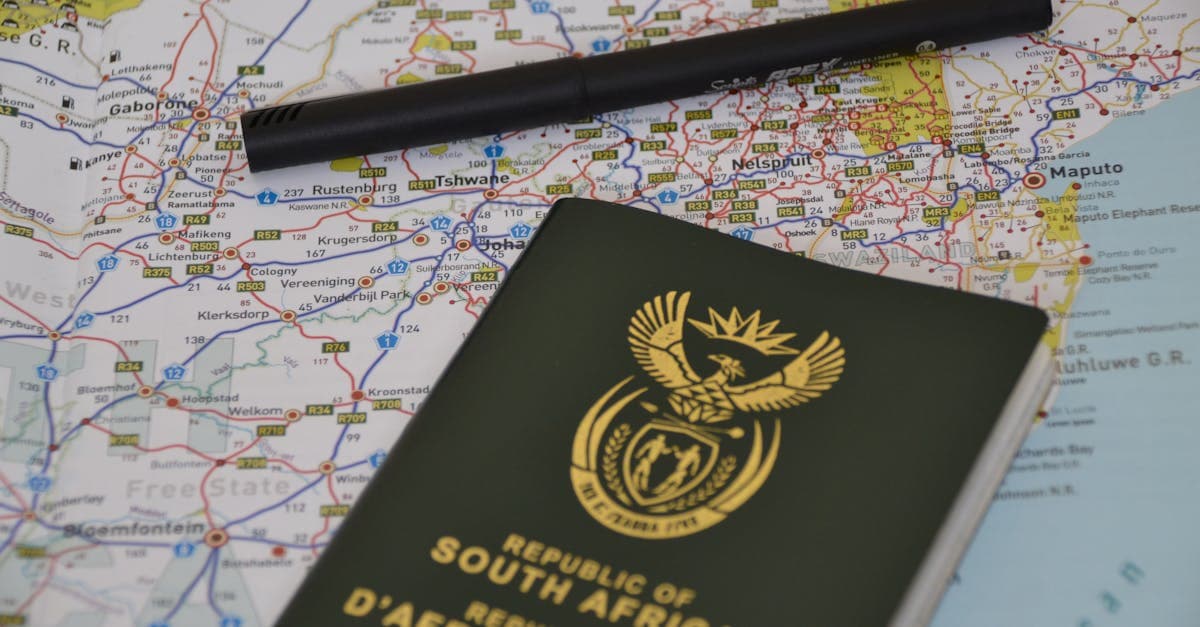
South African passport holders need a Schengen visa to enter 26 European countries. That covers France, Germany, Spain, Italy, Greece, Portugal, and most of the destinations that appear in every budget Europe roundup you've ever read. The fee is EUR80, approximately ~R1,760 at current rates. Budget for it before you calculate a single daily spend line item.
Applications go through VFS Global, with offices in Johannesburg, Cape Town, and Durban. Processing takes 15 to 30 business days. Apply at least six weeks before departure if you want any breathing room. Cutting it close risks a refusal you can't appeal in time.
The UK and Ireland are not Schengen countries. If your itinerary moves from Paris to London, you need a separate UK visitor visa at additional cost. Ireland requires its own application. This isn't a technicality. It's a genuine extra cost that reshapes the economics of any trip combining Schengen and British Isles destinations, so factor it in from the start.
Treat the Schengen fee as a fixed upfront cost rather than spreading it across your daily budget calculation. On shorter trips, that visa cost shifts the value proposition significantly. A 7-day budget trip to Prague looks very different once the full entry cost enters your total.
Every major budget travel guide skips this step entirely. They're written for readers who already live within the Schengen zone or hold passports that don't require it. You don't have that convenience, so your numbers need to reflect reality.
Visa-Free European Destinations for South African Passport Holders
Albania. Serbia. North Macedonia. Bosnia and Herzegovina. Georgia. Five destinations South African passport holders can enter without a visa as of 2026, and all five rank among the cheapest places to travel in this part of the world.
That matters more than most itinerary guides acknowledge. You can build an entire European trip without touching the Schengen zone, or use these countries as a cheaper, visa-free starting point before entering the Schengen area later in your route.
Georgia is the standout. Technically in the Caucasus rather than Europe, but accessible, visa-free for SA citizens for up to 360 days, and home to one of the lowest costs of living available to South African passport holders anywhere without a prior visa process. Tbilisi has become a genuine slow-travel base for budget travellers from across the world.
Starting your trip in Albania or Serbia before a Schengen leg makes real logistical sense. You avoid the Schengen visa fee for that portion of the trip entirely. You also sidestep the processing window covered in the previous section, which gives you considerably more flexibility if your plans come together at short notice.
Visa-free access isn't only about saving money. It removes a logistical bottleneck completely. No embassy appointment, no documentation checklist, no waiting on a decision. For South African travellers with any flexibility in their schedule, these destinations deserve to be your default first stop.
Which Europe Country Is the Cheapest to Visit?

Romania and Bulgaria punch hardest on value inside the Schengen zone nomadsister.com. In smaller cities like Cluj-Napoca, Brasov, or Plovdiv, daily costs sit comfortably below the Eastern European rate noted earlier. A hostel bed, two meals, and local transport can come in under R550 once you step away from the capital.
Poland and Czechia cost more than the Balkans, but the value-to-quality ratio holds up. Krakow has one of the most intact medieval old towns in Europe, a dense backpacker hostel scene, and street food priced for locals rather than tourists. Warsaw has grown into a genuinely compelling city without Berlin's price tag. Fast intercity rail, reliably excellent internet, infrastructure that matches Western Europe at a fraction of the daily rate.
Budapest is the strongest budget capital on the continent for what it delivers nomadsister.com. Hungary hasn't adopted the euro, so your rands convert to forints at favourable rates. Public thermal baths cost less than a cinema ticket in Johannesburg. The ruin bar scene in the old Jewish district runs on affordable beer in repurposed courtyards. For culture, food, and nightlife in one city, very little in Western Europe competes at this price level.
Croatia turns up constantly on budget Europe lists weareglobaltravellers.com, but most of those articles predate January 2023, when Croatia joined the Eurozone. Prices in Split and Dubrovnik now track closer to the Italian Adriatic coast than to Eastern Europe. Travellers wanting Mediterranean coastline on a strict budget should look at Montenegro and Albania instead. Both offer comparable scenery at significantly lower cost, and Albania requires no visa for South African passport holders.
Serbia's Belgrade is chronically underrated. Visa-free for SA passports, extremely affordable, and growing fast as an international destination with a food and nightlife reputation that rivals Budapest at lower daily costs.
Moldova technically ranks as the cheapest country in Europe but comes with thin tourist infrastructure compared to neighbouring Romania. Better suited to experienced independent travellers who are comfortable with logistical uncertainty.
Estonia sits a tier above the Balkans on daily cost, but is digitally advanced, easy to navigate independently, and substantially cheaper than anywhere in Western Europe.
Split your time between a capital and a smaller regional city. Two nights in Budapest, four in Eger. Three nights in Krakow, two in Wroclaw. Your cost per day drops across accommodation, food, and transport simultaneously.
Which European Countries Are Affordable for South Africans?

The five most affordable European countries for South African passport holders are Bulgaria, Albania, Georgia, Romania, and Serbia. The standard "cheapest countries in Europe" list wasn't written for SA travellers. Three variables shift the rankings: the ZAR exchange rate, the Schengen visa cost covered above, and actual flight prices from Johannesburg or Cape Town.
Georgia grants SA citizens visa-free entry for up to a year and posts daily costs that make the Balkans average look expensive. Albania and Serbia both combine visa-free access with some of the lowest daily rates on the continent.
Portugal stands apart as the most affordable gateway into Western Europe for South Africans. Return flights from Johannesburg to Lisbon run between ~R7,800 and ~R13,500, making it typically the cheapest Western European city to reach from JNB. Daily costs once there sit at the lower end of the Southern European range, cheaper than France, Germany, or the Netherlands by a meaningful margin.
Non-Eurozone countries give your rands a structural advantage that compounds across a longer trip. Poland uses the zloty, Czechia the koruna, Hungary the forint, Romania the leu, Serbia the dinar. In each, you avoid the euro premium that applies across France, Spain, and the Netherlands on every single transaction. A hostel bed or restaurant meal in Warsaw costs measurably less than in Barcelona, even when headline pricing looks comparable on a booking site.
Visa-free access and non-Eurozone pricing aren't separate considerations for SA travellers. They're two cost mechanisms working in the same direction, and Albania, Serbia, and Georgia sit at the intersection of both.
What Is the Most Affordable Way to Travel in Europe?
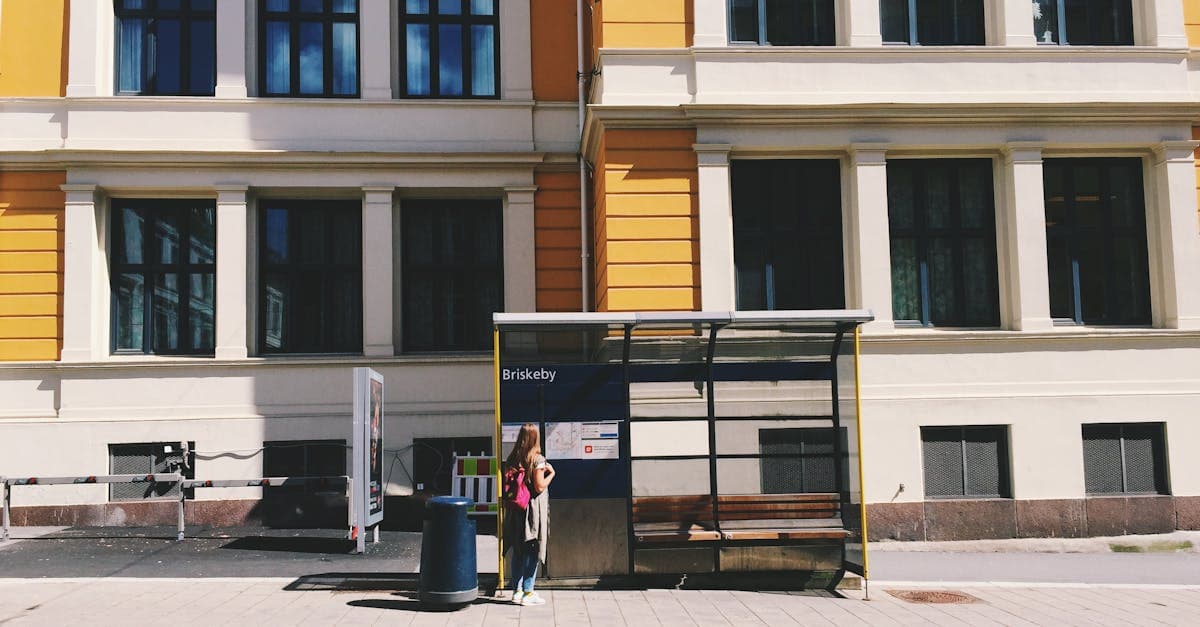
Flixbus and budget airlines are the most affordable ways to travel between European cities, and most South African travellers overlook Flixbus entirely. Flixbus connects major cities including Vienna, Budapest, Krakow, and Bucharest for fares starting around ~R105 and rarely exceeding ~R650 even on longer routes wanderlustmovement.org.
Budget airlines cover the same ground faster. Ryanair, EasyJet, and Wizz Air average roughly ~R460 to ~R1,260 one-way on comparable city pairs theroamingrenegades.com. The practical rule: use Flixbus for journeys under four hours, where the time saved by flying doesn't justify the airport overhead. For longer hops where a two-hour flight replaces a six-hour overnight bus, the budget airline wins on both cost and convenience.
The Eurail Global Pass comes up regularly in guides aimed at younger travellers. For a focused Eastern Europe circuit, the maths rarely favour it. The youth rate for five days of travel within one month costs around ~R4,240, and that's only cost-effective if you plan four or more long-distance rail journeys within that window.
Ryanair's Vienna to Bucharest route, as a concrete example, costs roughly ~R380 one-way. The Eurail-covered train for the same route starts at more than double that figure. On most individual routes across Eastern Europe, point-to-point budget flights win on price.
Timing matters on both. Lock in budget airline fares six to eight weeks ahead for the best prices. Flixbus routes can typically be booked much closer to the travel date without any significant price increase, which is useful when your itinerary is still forming.
Three Rules Every SA Traveller Should Follow to Cut Europe Costs

Three rules consistently cut Europe costs for SA travellers: travel shoulder season, stay in non-Eurozone countries, and book accommodation one to two metro stops outside city centres. These rules account specifically for the SA traveller's situation, and the savings compound when you apply all three on the same trip.
Rule 1: Travel shoulder season. May, early June, September, and October offer 30-50% lower prices on both flights and accommodation compared to peak summer pentravel.co.za. June through August is the worst possible window for SA travellers: European peak season and South African school holidays overlap completely, pushing flight prices up from both directions at once. Shifting your departure by even two or three weeks produces a measurable difference in total trip cost.
Rule 2: Stay out of the Eurozone. Poland, Czechia, Hungary, Romania, and Serbia all use their own currencies. Every euro-denominated country adds a structural pricing layer on every transaction, every day. The non-Eurozone destinations already carry the lowest daily rates in Europe. Staying in them reinforces that advantage rather than working against it.
Rule 3: Book accommodation one to two metro stops outside the centre. Staying just outside the immediate tourist core typically reduces nightly costs by 30-50% while transit access remains fast and inexpensive. Most Eastern European cities have reliable metro and tram systems that make the commute trivial.
Apply all three on a single Eastern Europe trip and average daily spend can drop 40-60% compared to a standard Western European summer city break. That gap translates directly into trip length. The same total budget that covers two weeks in July across France and Spain can cover three weeks in October across Poland, Hungary, and Romania.
What Is the Cheapest Month to Fly to Europe from South Africa?
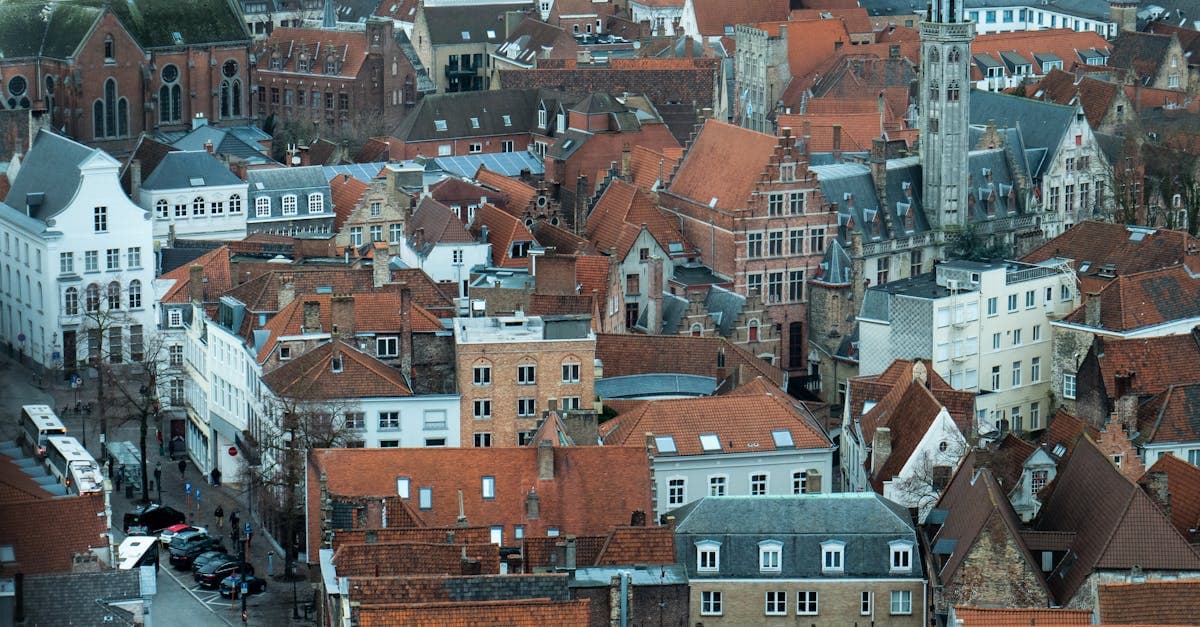
May beats everything else pentravel.co.za. SA school holidays haven't started, European peak season hasn't kicked in yet, and airlines are still pricing to fill seats. September and October work the same way on the back end of summer.
The specific numbers matter. Amsterdam returns from OR Tambo run ~R9,000-16,000 in shoulder season; Frankfurt comes in at ~R8,200-14,500. London tops out around R15,000 return before the summer premium applies, with the lower end of that range already noted in the cost breakdown above. Portugal, the most affordable Western EU gateway from Johannesburg, stays at the cheaper end of all four departure options throughout the May window.
Cape Town travellers face a consistent pricing gap. CPT departures average R1,200-2,500 more than equivalent JNB flights on these routes. When that difference exceeds the cost of a domestic connection to OR Tambo, routing via Johannesburg makes financial sense.
Avoid June, July, and August if budget is the priority. SA school holidays and European peak season overlap completely during this window, pushing fares on popular routes significantly above the shoulder-season prices listed here. The gap isn't marginal.
Book international return flights three to six months ahead. Use Google Flights or Skyscanner with flexible date search rather than fixed departure dates: within any two-week window, the cheapest available day can vary more than most travellers expect. For intra-Europe legs on Ryanair, EasyJet, or Wizz Air, the advance booking rule from the transport section above still applies.
May from OR Tambo is the single cheapest departure month in the calendar year.
Staying Connected in Europe Without Paying Vodacom or MTN Roaming Rates
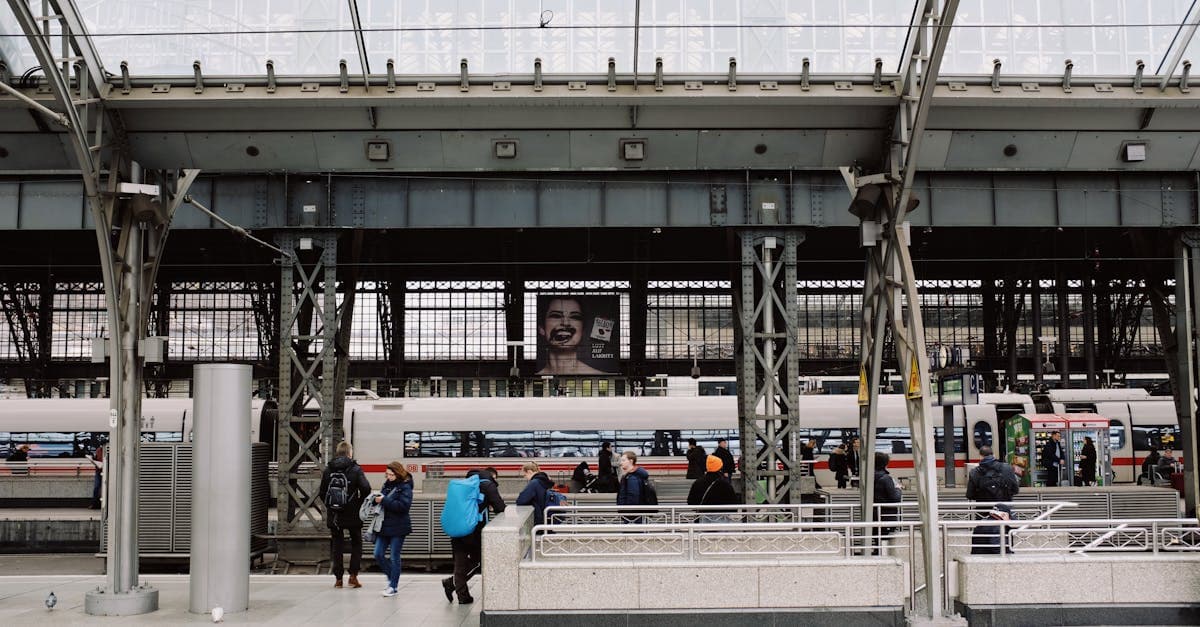
The most affordable way to stay connected in Europe as a South African traveller is a travel eSIM activated before departure. Vodacom charges R55-145 per day for European data bundles; MTN runs R49-99 per day on its roaming packages. Cell C and Telkom offer even less competitive terms, with per-megabyte charges applying on many networks. Multiply any of these rates across a two-week trip and you're adding several hundred rand to around R2,000 in data costs before you've bought a single meal.
WiFi is genuinely excellent across most of Eastern Europe. Poland and Romania rank among the world's fastest countries for city-centre internet speeds, and most hostels and cafes deliver reliable broadband. The consistent weak spots are trains and rural Balkan areas: public WiFi on both is unreliable enough that you can't build an itinerary around it.
That gap matters more on a multi-country budget trip than people expect. Live mobile data powers navigation between cities, translation apps at local markets, hostel QR check-in systems, and real-time accommodation booking while you're still in transit. A WiFi-only approach falls apart the moment you're moving.
Hello Roam's Europe eSIM covers 30 or more countries on a single plan, with no physical SIM swap required and no handset unlocking needed. Activating it from South Africa before boarding means you step off the plane at your first destination already connected.
Device compatibility isn't the barrier it once was. Around 53% of SA smartphones in active use now support eSIM, led by iPhone 12 and above and Samsung Galaxy S21 and above, and that share is growing year on year.
eSIM vs Local SIM vs Roaming: True Cost for a 14-Day Europe Trip
Three options exist for connectivity on a multi-country Europe trip, and the gap between them is bigger than it looks.
Roaming via Vodacom or MTN adds up at the daily rates covered in the previous section. Eastern Europe coverage is also variable: patchy roaming agreements create real gaps at the exact borders budget travellers cross most often, particularly across the Balkans.
Local SIM on arrival costs EUR10-25, roughly R210-525. The catch: your handset may need to be unlocked (many SA phones aren't), the purchase involves a foreign-language counter, and a SIM bought in Poland frequently won't roam into Hungary or Germany without extra charges.
Pre-loading an eSIM before departure removes all three friction points. No unlocking, no language barrier, no SIM swap required at each new border. The previous section covers the specific plan that handles 30 or more European countries on a single activation.
For Eastern Europe and Balkans circuits, the local SIM is the weakest choice, not the strongest. It underperforms exactly where budget travellers spend the most time moving, across borders every two to three days by Flixbus or budget airline.
Treat connectivity as a fixed line item alongside accommodation and flights, not something to sort out on arrival. The gap between the right approach and the wrong one is large enough to represent a meaningful portion of a 14-day trip budget.

Travel writer and former digital nomad. 10 years exploring destinations across 6 continents. Specializes in budget travel, expat life, and off-the-beaten-path experiences for American travelers.
Read full bio→Frequently Asked Questions
Romania and Bulgaria offer the best value inside the Schengen zone, with daily costs in smaller cities like Cluj-Napoca or Plovdiv coming in under R550. Budapest is widely considered the strongest budget capital in Europe, while Serbia's Belgrade is visa-free for South Africans and rivals Budapest at even lower daily costs.
Flixbus and budget airlines are the most affordable ways to travel between European cities. Flixbus fares start around R105 and rarely exceed R650 even on longer routes, while budget carriers like Ryanair, EasyJet, and Wizz Air average R460 to R1,260 one-way. The practical rule is to use Flixbus for journeys under four hours and budget flights for longer distances.
The five most affordable European countries for South African passport holders are Bulgaria, Albania, Georgia, Romania, and Serbia. Georgia offers visa-free entry for up to a year and very low daily costs, while Albania and Serbia combine visa-free access with some of the lowest daily rates on the continent. Non-Eurozone countries like Poland, Czechia, Hungary, and Romania also give the rand a structural pricing advantage.
May, June, September, and October are the cheapest months to fly to Europe from South Africa. Booking during these periods helps avoid the July-August price spikes that are driven by South African school holidays. Lisbon is consistently the cheapest Western European gateway from Johannesburg, with returns from around R7,800.
Daily costs vary significantly by region. Western Europe runs approximately R1,470 to R2,530 per person per day, Southern Europe R945 to R1,610, Eastern Europe R590 to R1,035, and the Balkans as low as R420 to R805. A realistic 3-week Eastern Europe trip including flights, visa, accommodation, food, and transport is achievable for under R30,000 total.
South African passport holders need a Schengen visa to enter 26 European countries including France, Germany, Spain, Italy, Greece, and Portugal. The fee is EUR80 (approximately R1,760). Applications are submitted through VFS Global offices in Johannesburg, Cape Town, and Durban, with processing taking 15 to 30 business days.
South African passport holders can enter Albania, Serbia, North Macedonia, Bosnia and Herzegovina, and Georgia without a visa as of 2026. Georgia is particularly notable, offering visa-free stays of up to 360 days with very low daily costs. These destinations can also serve as a cheaper starting point before entering the Schengen area.
The Schengen visa fee is EUR80, which is approximately R1,760 at 2026 exchange rates. Applications must be submitted through VFS Global and take 15 to 30 business days to process. This fee should be treated as a fixed upfront cost and factored into your total budget before calculating daily spend.
Lisbon is consistently the cheapest Western European gateway from Johannesburg, with return flights starting from around R7,800. Cape Town departures run approximately R1,200 to R2,500 higher than Johannesburg routes. Booking in May, June, September, or October avoids the peak-season price spikes.
Budget hostel beds in Eastern Europe average approximately R170 to R415 per night. Costs are lower outside capital cities, where splitting time between a capital and a smaller regional city can meaningfully reduce your overall accommodation spend across a multi-week trip.
Georgia is one of the standout budget destinations for South African travellers. It is visa-free for SA citizens for up to 360 days and offers some of the lowest costs of living accessible without a prior visa process. Tbilisi has become a popular slow-travel base for budget travellers from around the world.
For a focused Eastern Europe circuit, a Eurail pass rarely offers value for South African travellers. The youth rate for five days of travel within one month costs around R4,240 and is only cost-effective with four or more long-distance rail journeys. Point-to-point budget flights on routes like Vienna to Bucharest typically cost less than the equivalent Eurail-covered train fare.
The rand exchange rate significantly impacts travel costs, with ZAR to EUR sitting around R21 to R23 per euro in 2026. Non-Eurozone countries like Poland, Czechia, Hungary, Romania, and Serbia offer a structural cost advantage because you avoid the euro premium on every transaction. Planning your budget in rands first, rather than dollars or euros, avoids compounding margin errors.
Croatia joined the Eurozone in January 2023, and prices in Split and Dubrovnik now track closer to the Italian Adriatic coast than to Eastern Europe. South African travellers seeking Mediterranean coastline on a strict budget should instead consider Montenegro and Albania, which offer comparable scenery at significantly lower cost, with Albania also being visa-free for SA passport holders.
Yes. The UK and Ireland are not Schengen countries, so they each require separate visa applications at additional cost. Any itinerary combining Schengen destinations with the British Isles involves multiple visa fees and applications, which significantly changes the economics of the overall trip.
Using a European eSIM plan is significantly cheaper than activating roaming on a South African network. Providers like Hello Roam offer eSIM plans covering 30 or more European countries that can be activated before departure, avoiding the R700 to R2,030 roaming bill that Vodacom or MTN would otherwise charge for a two-week trip.
Sources
- Here are 21 cheap places to visit in Europe — weareglobaltravellers.com (2020)
- Learn How to Spend a Month in Europe for Under $1000 — under30experiences.com
- happytowander.com — happytowander.com
- Discover Europe for less: 5 budget-friendly cities to explore — nomadsister.com
- Thrifty Travels: How to Enjoy a European Summer on a ... — pentravel.co.za
- 3 Insanely Cheap Ways to Travel Europe in 2025 — wanderlustmovement.org
- How Much Does It Cost To Travel Europe For 5 Months? — brenontheroad.com
- 7 BEST Cheap Ways To Travel Europe [2026 Edition!] — theroamingrenegades.com




Stay Connected with Travel Data
View all destinations

United States

United Kingdom