What to Eat in Singapore: the Complete Food Guide (2026)

Written by: David Chen


13 min read
HelloRoam is a global eSIM provider offering instant mobile data in 170+ countries. Buy prepaid travel eSIM plans with no extra fees, no contracts, and instant activation on any eSIM-compatible device.
13 min read
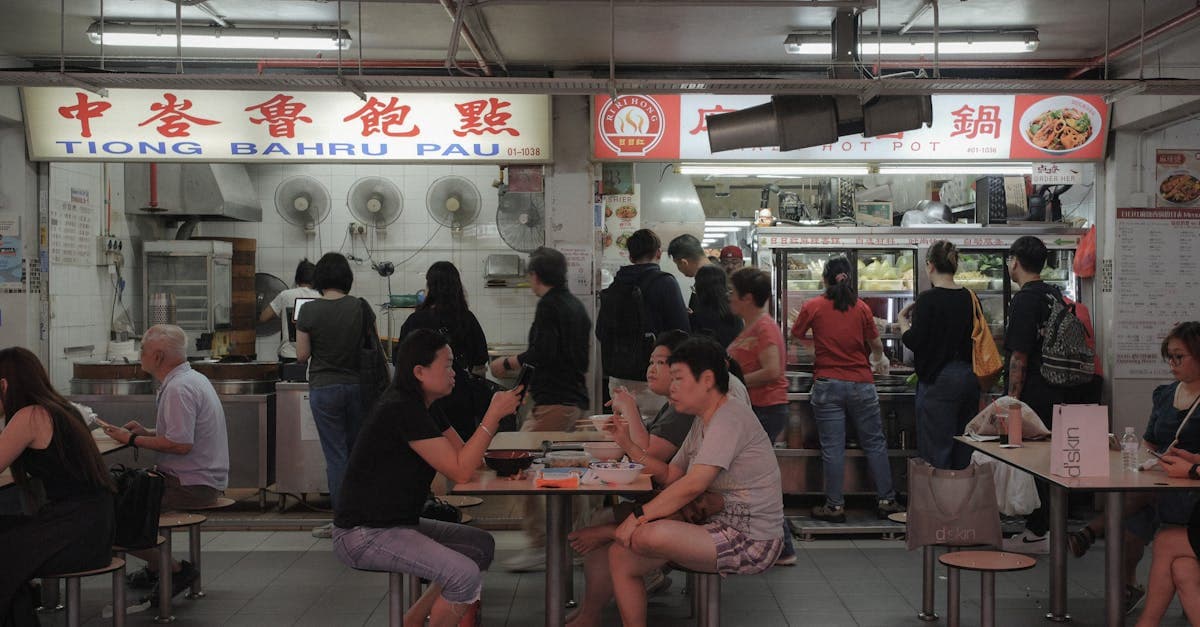
Singapore is a food lover's paradise because of its UNESCO-recognized hawker culture, 150 years of multicultural culinary exchange, and Michelin-quality meals available for under $8 SGD. On 16 December 2020, Singapore's hawker culture became the first Southeast Asian entry on UNESCO's Representative List of Intangible Cultural Heritage, a formal recognition that eating a $4 plate of chicken rice is a genuine cultural act, not just a cheap lunch.
The diversity comes directly from Singapore's history. Chinese, Malay, Indian, and Peranakan communities have shared the same streets and markets for over 150 years, borrowing ingredients, techniques, and eating habits from each other. That cross-pollination produced dishes like laksa, rojak, and nasi lemak that don't sit cleanly inside any single culinary tradition. The Peranakan kitchen alone blends Chinese and Malay influences into something entirely its own.
Over 135 hawker centres are spread across the island, hosting somewhere between 12,500 and 14,000 individual stalls. A full meal costs $3.50 to $8 SGD per person. Most stalls have operated for decades, some passing recipes through three or four generations of the same family.
The Michelin Guide takes hawker food seriously here. The 2024/25 Singapore edition lists 3 starred restaurants and more than 50 Bib Gourmand entries, with several awarded to hawker stalls rather than white-tablecloth restaurants. A starred hawker stall charges less than $6 a bowl.
More than 40 percent of Singapore's 15 million-plus annual international visitors name food as their primary reason for coming.
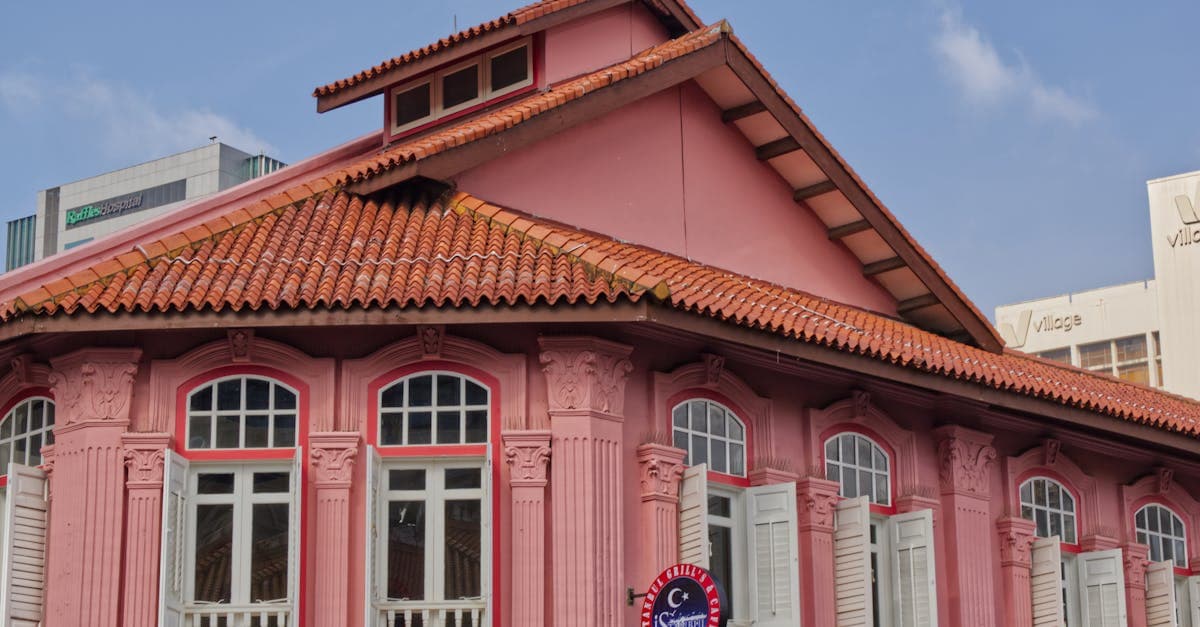
Three types of places sell cheap cooked food in Singapore, and first-timers mix them up constantly. A hawker centre is open-air, government-owned or government-subsidised, and managed by the National Environment Agency (NEA). A food court is air-conditioned and run by a commercial operator charging market rents. A kopitiam is the traditional neighbourhood coffee shop, often family-run, with a handful of stalls sharing a small covered seating area. The food quality and price point are broadly similar across all three, but the hawker centre is the original, and it's what the UNESCO inscription was recognising.
Why are meals so cheap? Government-subsidised stall rents run as low as $100 to $500 SGD per month. That's genuinely low overhead, even by Southeast Asian standards. When a stallholder's fixed costs are that small, charging $4 for noodles is commercially sustainable.
Your first visit works like this. Walk the entire centre before joining any queue. It sounds obvious, but the best stalls are rarely at the entrance. Once you've surveyed everything, go back and queue for what you want. Pay at each stall individually. Your drinks will come from a different stall to your main, your dessert from a third. That's how everyone does it.
Tray return has been mandatory since 2021 under Singapore Food Agency enforcement. Look for the tray return stations near the exits. Fines reach up to $300 SGD for non-compliance, and enforcement is real.
Most stalls open from 7am to 10pm, with some running around the clock. Lau Pa Sat's Satay Street, on Boon Tat Street in the CBD, comes alive at 7pm and runs until midnight.
Spot a tissue packet on a table and don't move it. That packet is "chope" (pronounced to rhyme with "rope"), derived from the Hokkien word for reserve. An umbrella works too. Place your item on a chair before you queue, and that seat is yours. The custom is universally understood across Singapore, respected by locals, and genuinely practical once you've mastered it: chope first, then order.
Payment in 2026 is mostly cashless or cash. PayNow QR (SGQR) is accepted at the majority of hawker stalls, and scanning takes seconds. Keep some small notes ($2, $5, $10) as a fallback because older stalls sometimes don't have the QR setup running. Credit cards are still limited at many stalls, so don't count on tapping your card getting you fed.
Ordering from multiple stalls in a single sitting is completely normal. Get your char kway teow from one stall, your teh tarik from the drinks uncle two rows over, your ice kachang from the dessert stall near the exit. Nobody looks twice.
Don't tip. It isn't expected or customary at hawker stalls, and leaving coins on the table can create confusion.
On timing: skip the 12pm to 2pm rush at Maxwell Food Centre and Chinatown Complex. Both fill up fast with office workers and tour groups. Arriving before 11:30am or after 2pm means shorter queues and seats that are actually available.
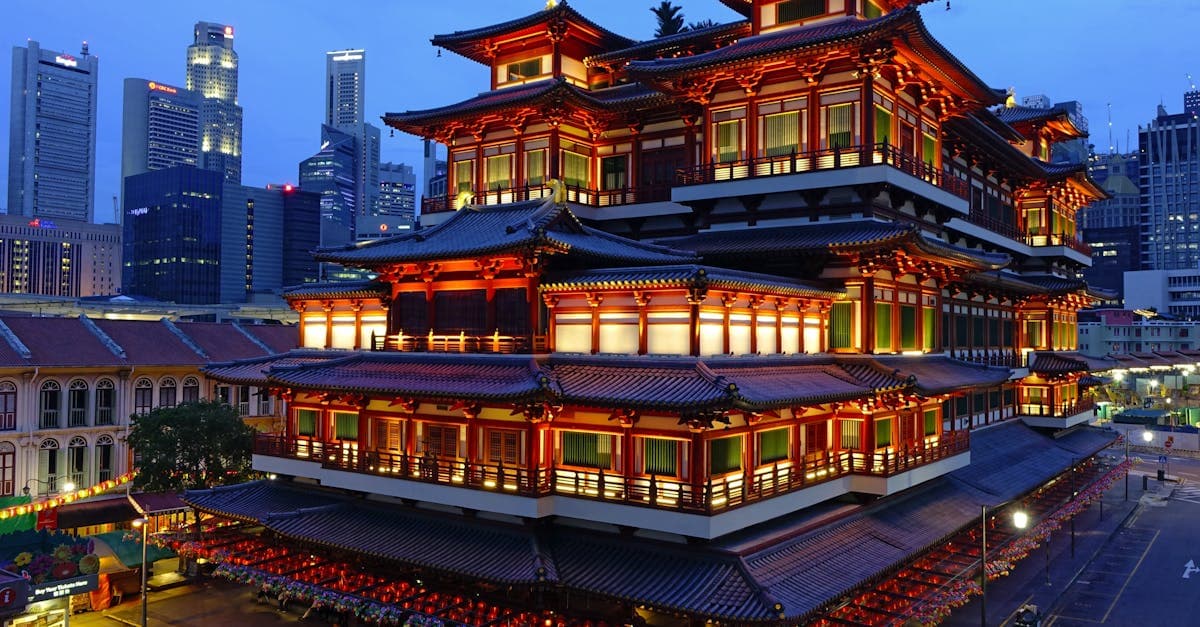
Singapore's hawker food draws from three main culinary traditions: Chinese (by far the largest), Malay, and Indian, with Peranakan cuisine bridging the first two. Peranakan cooking, also called Nonya cuisine, blends Chinese ingredients and techniques with Malay spices and aromatics. It produced some of the most distinctive dishes in what to eat in Singapore conversations globally, laksa being the most recognisable.
Prices across this guide have been verified for 2026. The vast majority of hawker meals run $3.50 to $8 SGD per person, which puts Singapore among the most affordable food cities in Asia relative to quality and variety. Specific stall unit numbers appear throughout because they matter practically. The difference between "#01-10, Maxwell Food Centre" and "somewhere in Maxwell" is 20 minutes of confused wandering.
Michelin recognition here is genuine, not a marketing exercise. Hill Street Tai Hwa Pork Noodle on Crawford Lane holds 1 Michelin Star in the 2024/25 Guide, making it arguably the world's most celebrated hawker stall. Tian Tian Chicken Rice (#01-10, Maxwell Food Centre) and Outram Park Fried Kway Teow (Hong Lim Food Centre, #02-17) both carry Bib Gourmand status. A Bib Gourmand signals exceptional cooking at a moderate price, awarded separately from the starred tier.
One editorial correction before the dish guide starts: Hawker Chan (Liao Fan Hong Kong Soya Sauce Chicken) lost its Michelin Star in 2022. The Chinatown Complex outlet holds Bib Gourmand status only. Don't trust any source still describing it as a starred restaurant.
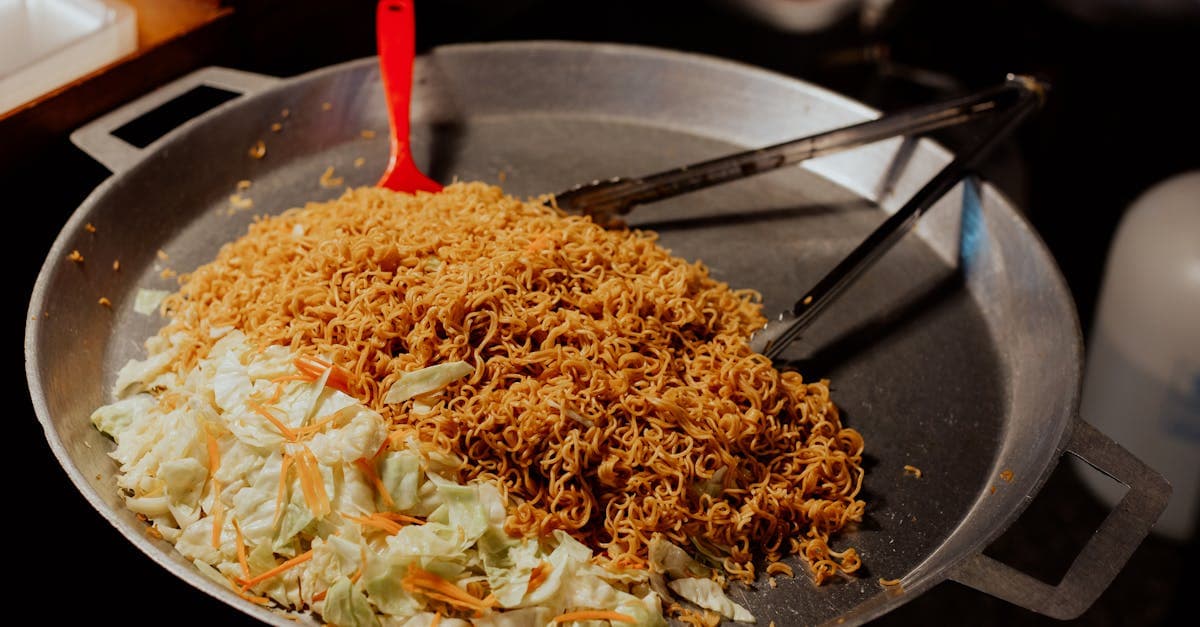
Chicken rice is the dish most visitors try first, and the habit isn't misplaced. Poached or roasted bird, pandan-scented stock rice, three dipping sauces (chilli, ginger, and sweet soy), and you rarely pay more than $7 SGD. At Maxwell Food Centre, two famous stalls sit literally side by side: Tian Tian Chicken Rice (#01-10) with the longer queue, and Ah Tai (#01-07), run by a former Tian Tian chef with comparable quality and a noticeably shorter wait.
Char kway teow lives or dies on wok hei: that charred smokiness only a screaming-hot wok produces. Flat rice noodles tossed with egg, Chinese sausage, cockles, and dark soy. Outram Park Fried Kway Teow at Hong Lim Food Centre (#02-17) holds Bib Gourmand recognition, and the plate earns it.
Hill Street Tai Hwa Pork Noodle on Crawford Lane holds 1 Michelin Star for its bak chor mee: minced pork noodles in vinegar sauce, served dry or in soup. Arrive before 9am if you want a manageable queue.
Hokkien mee, egg and rice noodles braised in prawn-pork stock and served with sambal and a squeeze of lime, is a dish where the broth does all the work. Nam Sing (#01-32 at Old Airport Road Food Centre) is the most consistently recommended stall in Singapore for this version.
Bak kut teh is a sit-down meal rather than a quick snack. Pork ribs in a peppery Teochew broth, or herbal if you prefer the Hokkien version. Full sets reach $15 SGD at Song Fa in Clarke Quay, the most tourist-accessible option in the city.
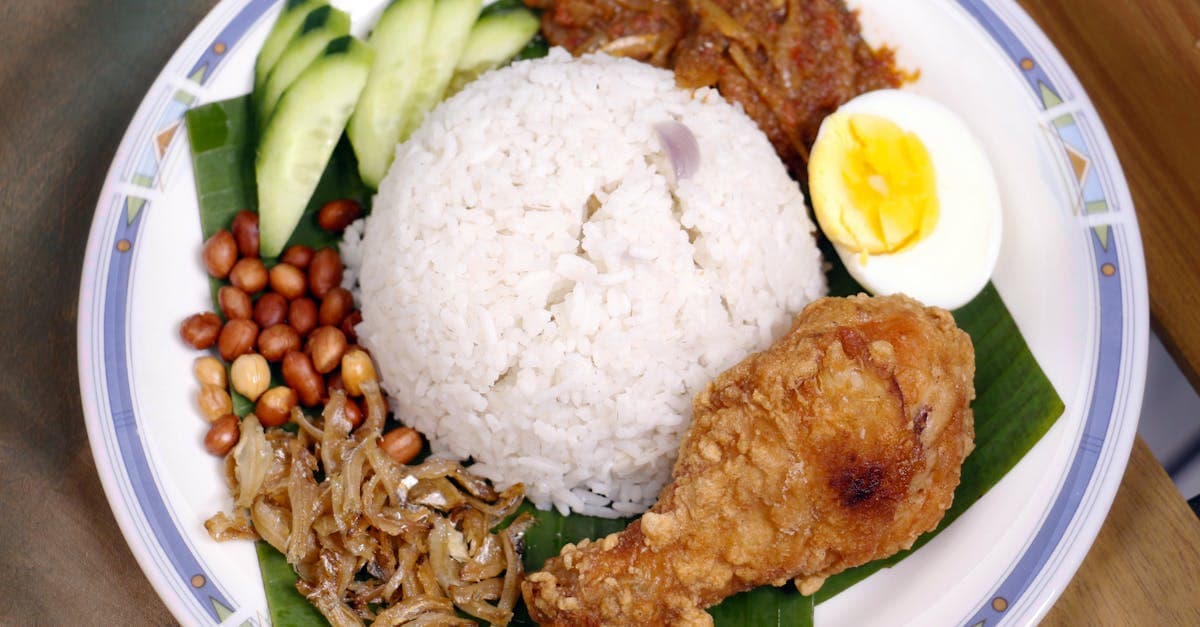
Nasi lemak is six components on a plate and entirely about the sambal. Coconut rice, a fried chicken wing, ikan bilis, peanuts, a boiled egg, and cucumber. The sambal tells you whether a stall is serious. Selera Rasa (#01-02 at Adam Road Food Centre) has a consistent morning queue, with plates from $3 SGD. Former US President Barack Obama is on record as a visitor, which tells you something about the stall's standing.
Roti prata is Singapore's great breakfast flatbread. Flaky, lightly blistered on the griddle, served with fish curry or dhal for dipping. Plain prata starts at $1.20 SGD; add egg or cheese and the price climbs from there.
Satay from Lau Pa Sat Satay Street costs $0.70 to $1 per skewer of chicken, beef, or mutton, with peanut sauce and ketupat rice cakes alongside. The stalls set up along Boon Tat Street from 7pm and stay until midnight.
Laksa runs in two directions. Katong-style uses a rich coconut milk broth with thick beehoon noodles, cockles, and tofu puffs. Assam laksa replaces all of that with a tamarind fish broth. Same name, completely different bowl.
Kaya toast is the Peranakan-inflected Singapore breakfast. Charcoal-toasted bread, coconut-pandan jam, a cold slab of butter, barely-set soft-boiled eggs, and kopi alongside. The set falls at the bottom of the hawker price range noted in section four. Any Ya Kun outlet or neighbourhood kopitiam handles it properly, and it's the kind of breakfast most visitors end up ordering every single day.
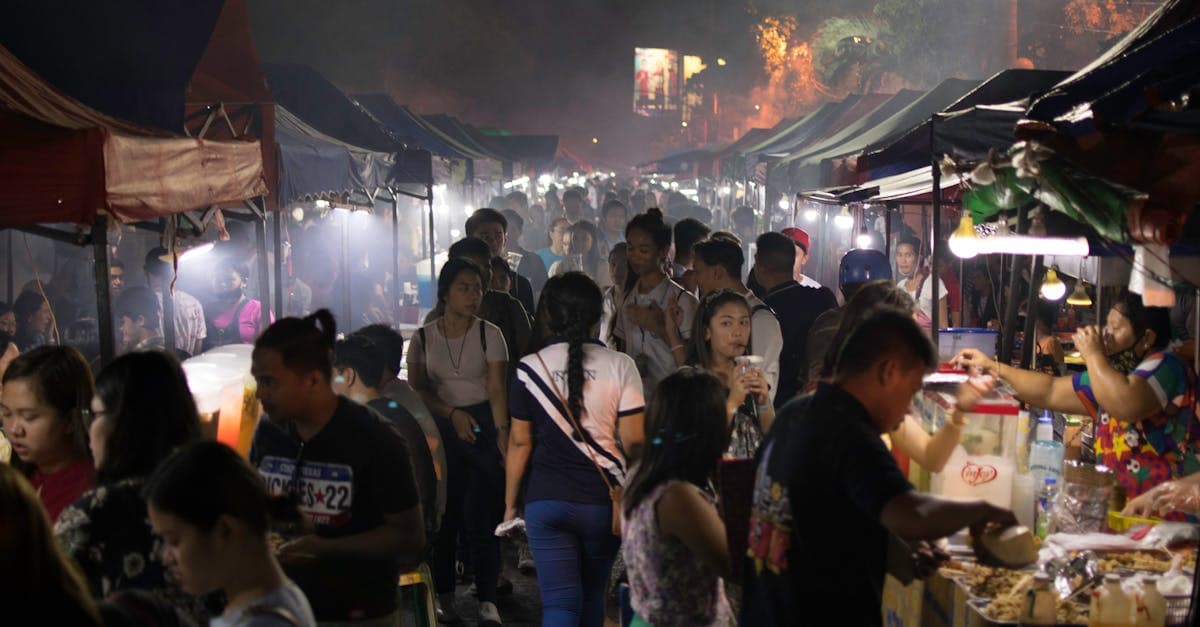
The hawker centre question every first-timer faces: where do you go first? Knowing what to eat in Singapore is partly a question of knowing which centre to visit. Seven centres cover most of what you need, each serving a different purpose.
Maxwell Food Centre (Tanjong Pagar MRT) is the easiest starting point. Tian Tian Chicken Rice (#01-10) and Ah Tai (#01-07) sit literally next to each other, making a direct comparison possible without moving. Open all day, central, and genuinely manageable for a first visit.
Old Airport Road Food Centre (Dakota MRT) is where locals actually eat. Nam Sing Hokkien Mee (#01-32) and Ah Chuan Oyster Omelette (#01-17) are the headline stalls, but almost every vendor here has operated for decades. Fewer tourists, shorter queues. For anyone who wants less tourist traffic around them, this beats Maxwell easily.
Chinatown Complex (Chinatown MRT) has more than 260 stalls across multiple floors. Go in the evening and head directly to Lian He Ben Ji Claypot Rice (#02-198). The queue runs 30 to 60 minutes and moves faster than it looks.
Lau Pa Sat (Raffles Place MRT) is a national monument building, well-suited for a CBD lunch. After 7pm, Satay Street along Boon Tat Street turns the surrounding block into a charcoal-grill corridor.
Newton Food Centre (Newton MRT) got famous through Crazy Rich Asians. Good for evening seafood, but confirm prices before you order. Tourist pricing is a known issue at several stalls here.
Tiong Bahru Market (Tiong Bahru MRT) rewards early risers. Jian Bo Shui Kueh (#02-06) draws queues before 9am for steamed radish cake priced well below the hawker average.
Tekka Centre (Farrer Park MRT) is the right call for roti prata, biryani, fish head curry, and teh tarik in an authentic Little India setting. Predominantly halal, predominantly Indian and Malay stalls throughout.
Around 12 to 15 percent of hawker stalls carry MUIS halal certification, issued by Majlis Ugama Islam Singapura. The green MUIS certificate should be visible at the front of the stall. If it isn't there, ask. Chinese stalls frequently cook with lard and pork-based broths, and there's no safe default assumption without checking.
Three centres make halal eating straightforward. Geylang Serai Market (Aljunied MRT) is the most complete option, particularly during Hari Raya season. Tekka Centre (Farrer Park MRT), covered above, is predominantly Indian and Malay halal stalls throughout. Adam Road Food Centre (Farrer Road MRT) is smaller and quieter, anchored by Selera Rasa.
The range of halal dishes across Singapore is genuinely wide: nasi lemak, mee goreng, satay (chicken and mutton), murtabak, biryani, roti prata, teh tarik, ayam penyet. Zam Zam at 697 North Bridge Road in the Arab Street area has been serving halal murtabak since 1908, making it one of Singapore's oldest continuously operating Muslim-owned restaurants and one that most visitors never bother finding. For trip planning, the HalalFinder Singapore app and the MUIS search at muis.gov.sg both let you verify certification by location before you arrive.
For vegetarians, Yong Tau Foo gives full ingredient control: choose only tofu and vegetables at the counter and you have a straightforwardly plant-based meal. Thunder Tea Rice, or Lei Cha, is a Hakka dish where pounded green tea is poured over rice, tofu, and seasonal vegetables. Completely plant-based and genuinely filling.
The vegan caveat is non-negotiable. Fish sauce and shrimp paste appear in dishes that look vegetarian, including char kway teow sambal, laksa broth, and nasi lemak sambal. When ordering, use the full phrase: "strictly vegetarian, no fish sauce, no oyster sauce, no shrimp paste."
Singapore is one of the few major cities where eating on a genuine shoestring still means eating well. The hawker price range covered at the top of this guide is the daily reality, but the budget arithmetic is worth mapping out properly.
A full hawker-only day costs around $12 SGD if you're keeping count. Kaya toast set with kopi for breakfast, economy rice with two vegetable dishes at lunch, wonton noodles in the evening. Three proper meals.
Spending around $20 SGD is the more comfortable pace. Nasi lemak to start, chicken rice and teh at $6.50 for lunch, char kway teow plus ice kachang to close. Nobody leaves a table hungry.
The under-$4.50 category is real, not a compromise. Economy rice with two veg, a small wonton noodle bowl, shui kueh at Tiong Bahru Market, a single roll of popiah. Singaporeans eat these dishes daily by choice, not necessity.
The premium end is a different world. Chilli crab at Jumbo Seafood runs $60 SGD and up per head. Sit-down bak kut teh restaurants start at $14 per person. Most visitors settle into a natural rhythm: two hawker meals a day and one restaurant splurge.
Drinks stay under $1.80 at any hawker stall. Fresh sugar cane juice or coconut water from market stalls costs $1.50 to $2.50 per cup.
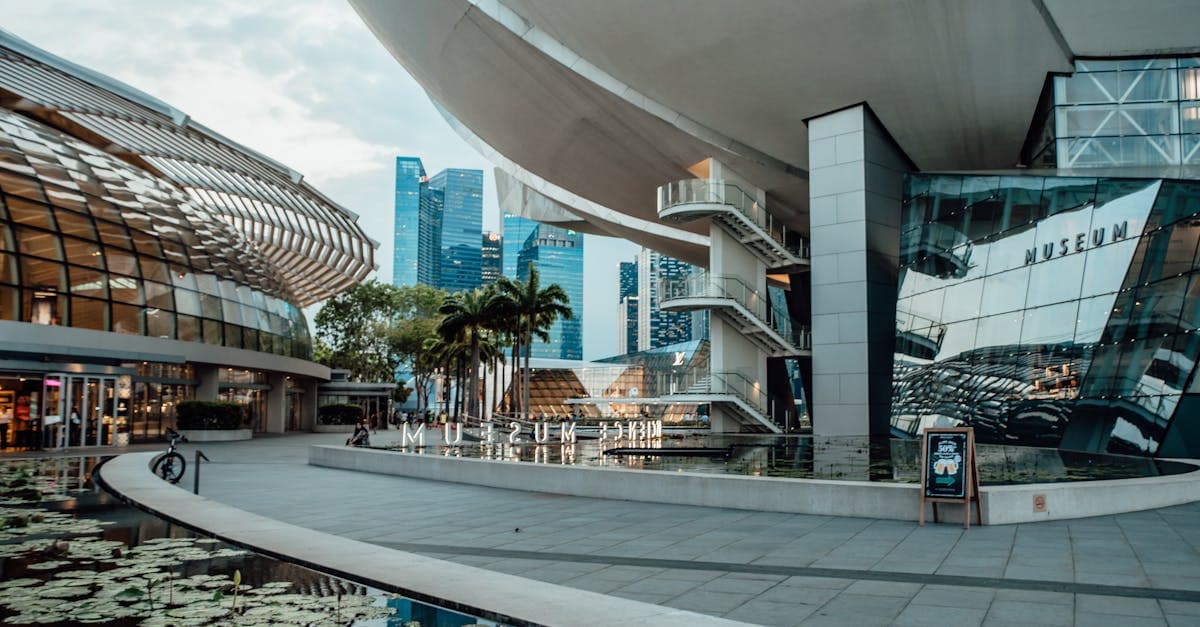
Singapore is the easiest country in Southeast Asia to stay connected without thinking about it. Wireless@SG, the national free Wi-Fi network, covers every hawker centre, MRT station, and major tourist site. Register once using a phone number to receive an OTP. Typical speeds are 5 to 30 Mbps: perfectly adequate for navigation, messaging, and menu lookups. Not for streaming video.
The cellular network goes further still. Singtel's 5G blankets over 90 percent of Singapore's land area as of 2025. Dead zones are not a practical concern anywhere on the island.
For a Singapore-only trip, tourist SIMs from Singtel and StarHub are on sale at Changi Airport's arrival halls and both include 20GB valid for seven days. No connectivity gap between landing and hotel check-in.
eSIM is the cleaner option for most international travellers. Hello Roam's Singapore eSIM starts at $4.92 for 3GB valid for seven days. Need coverage for a longer stay? The 5GB plan costs $7.04 and is valid for 30 days; most short-stay visitors won't exhaust it. For trips that extend beyond Singapore into Malaysia, Thailand, Indonesia, or elsewhere in the region, Hello Roam's Asia regional eSIM handles the whole itinerary on a single plan.
AT&T and Verizon charge double-digit daily rates for international roaming. On a week-long trip, that adds up to considerably more than most visitors spend on an entire day of food.

Singapore has UNESCO-recognized hawker culture, over 150 years of multicultural culinary exchange between Chinese, Malay, Indian, and Peranakan communities, and Michelin-quality meals available for under $8 SGD. The 2024/25 Michelin Guide lists over 50 Bib Gourmand entries, several awarded to hawker stalls. More than 40 percent of Singapore's annual international visitors name food as their primary reason for visiting.
A hawker centre is an open-air, government-owned or government-subsidised eating venue managed by the National Environment Agency (NEA). Over 135 hawker centres are spread across Singapore, hosting between 12,500 and 14,000 individual stalls. It differs from a food court (air-conditioned, commercial rents) and a kopitiam (traditional neighbourhood coffee shop, family-run with a handful of stalls).
A full meal at a hawker centre typically costs $3.50 to $8 SGD per person. Meals are affordable because government-subsidised stall rents run as low as $100 to $500 SGD per month. Kaya toast and soft-boiled egg sets fall at the lower end, while sit-down meals like bak kut teh at Song Fa can reach $15 SGD.
Choping is the local custom of reserving a seat by placing a tissue packet or umbrella on a chair before you queue for food. The word derives from the Hokkien word for reserve. The custom is universally understood and respected across Singapore. The correct sequence is: chope a seat first, then go order your food.
Payment in 2026 is mostly cashless or cash. PayNow QR (SGQR) is accepted at the majority of hawker stalls and scanning takes seconds. Keep small notes ($2, $5, $10) as a fallback since older stalls may not have QR set up. Credit cards are still limited at many stalls, so do not rely on tapping your card.
No. Tipping is not expected or customary at hawker stalls in Singapore. Leaving coins on the table can create confusion. This applies to hawker centres, kopitiams, and food courts alike.
Key dishes include chicken rice, char kway teow, bak chor mee, Hokkien mee, nasi lemak, roti prata, laksa, satay, kaya toast, and bak kut teh. Singapore's hawker food draws from Chinese, Malay, Indian, and Peranakan culinary traditions. Most of these dishes cost between $3.50 and $8 SGD at hawker centres.
Hill Street Tai Hwa Pork Noodle on Crawford Lane holds 1 Michelin Star in the 2024/25 Guide, making it arguably the world's most celebrated hawker stall. It serves bak chor mee — minced pork noodles in vinegar sauce — for under $10 SGD. Arriving before 9am is recommended for a manageable queue.
Katong-style laksa uses a rich coconut milk broth with thick beehoon noodles, cockles, and tofu puffs. Assam laksa replaces all of that with a tamarind fish broth, making it sour and lighter. Despite sharing the same name, they are completely different dishes with distinct flavour profiles.
Peranakan cuisine, also called Nonya cuisine, blends Chinese ingredients and techniques with Malay spices and aromatics, developed over 150 years of cultural exchange in Singapore. It produced some of Singapore's most distinctive dishes including laksa and rojak. The Peranakan kitchen draws from both Chinese and Malay culinary traditions, creating something entirely its own.
Around 12 to 15 percent of hawker stalls carry MUIS halal certification from Majlis Ugama Islam Singapura. The green MUIS certificate should be visible at the front of the stall. Chinese stalls frequently cook with lard and pork-based broths, so it is important not to assume without checking. Geylang Serai Market, Tekka Centre, and Adam Road Food Centre make halal eating straightforward.
Maxwell Food Centre near Tanjong Pagar MRT is the easiest starting point for first-timers. It hosts Tian Tian Chicken Rice (#01-10) and Ah Tai (#01-07) side by side, allowing a direct comparison. It is open all day, centrally located, and manageable for a first hawker centre visit. For a more local experience with fewer tourists, Old Airport Road Food Centre near Dakota MRT is the better choice.
Chicken rice is Singapore's most iconic dish: poached or roasted chicken served over pandan-scented stock rice with three dipping sauces — chilli, ginger, and sweet soy. It rarely costs more than $7 SGD at hawker centres. At Maxwell Food Centre, Tian Tian (#01-10) holds Bib Gourmand status; Ah Tai (#01-07) next door was started by a former Tian Tian chef with comparable quality and shorter queues.
Kaya toast is a traditional Singapore breakfast: charcoal-toasted bread spread with kaya (coconut-pandan jam) and cold butter, served alongside barely-set soft-boiled eggs and kopi (local coffee). It falls at the lower end of the hawker price range. Any Ya Kun outlet or neighbourhood kopitiam serves it well, and it is one of the most commonly repeated breakfast orders among visitors.
Char kway teow is flat rice noodles stir-fried with egg, Chinese sausage, cockles, and dark soy in a very hot wok that produces wok hei — a charred smokiness essential to the dish. Outram Park Fried Kway Teow at Hong Lim Food Centre (#02-17) holds Bib Gourmand recognition. The dish is one of Singapore's most popular Chinese hawker classics.
No. Hawker Chan (Liao Fan Hong Kong Soya Sauce Chicken) lost its Michelin Star in 2022. The Chinatown Complex outlet now holds Bib Gourmand status only. Any source describing it as a currently starred restaurant is out of date.
Most hawker stalls open from 7am to 10pm, with some running around the clock. Lau Pa Sat's Satay Street along Boon Tat Street in the CBD comes alive at 7pm and runs until midnight. Tiong Bahru Market rewards early risers, with stalls like Jian Bo Shui Kueh drawing queues before 9am.
Avoid Maxwell Food Centre and Chinatown Complex between 12pm and 2pm, when both fill up fast with office workers and tour groups. Arriving before 11:30am or after 2pm means shorter queues and available seats. At Chinatown Complex, evening visits are recommended for Lian He Ben Ji Claypot Rice, where the queue runs 30 to 60 minutes.
On 16 December 2020, Singapore's hawker culture was inscribed on UNESCO's Representative List of Intangible Cultural Heritage, becoming the first Southeast Asian entry on that list. The inscription formally recognises eating at a hawker centre as a genuine cultural act, not merely a casual meal. It reflects the role hawker centres play in Singapore's multicultural social fabric.
Geylang Serai Market (Aljunied MRT) is the most complete halal option, especially during Hari Raya season. Tekka Centre (Farrer Park MRT) is predominantly Indian and Malay halal stalls throughout, ideal for roti prata, biryani, and teh tarik. Zam Zam at 697 North Bridge Road has been serving halal murtabak since 1908 and is one of Singapore's oldest continuously operating Muslim-owned restaurants.
Best eSIM for Singapore in 2026: Plans, Setup, and 5G Coverage Explained
Cheap Flights From Singapore: the Complete 2026 Guide to Budget Travel

Singapore Packing List 2026: the Complete Guide to What to Bring, Skip, and Know
Things to Do in Seoul: the Complete 2026 Guide for Singaporeans
HelloRoam: your trusted travel eSIM that keeps you online across borders.
Explore Plans