Tokyo Travel Guide for Singaporeans 2026: Flights, Budgets, and Where to Stay

Written by: David Chen


14 min read
HelloRoam is a global eSIM provider offering instant mobile data in 170+ countries. Buy prepaid travel eSIM plans with no extra fees, no contracts, and instant activation on any eSIM-compatible device.
14 min read
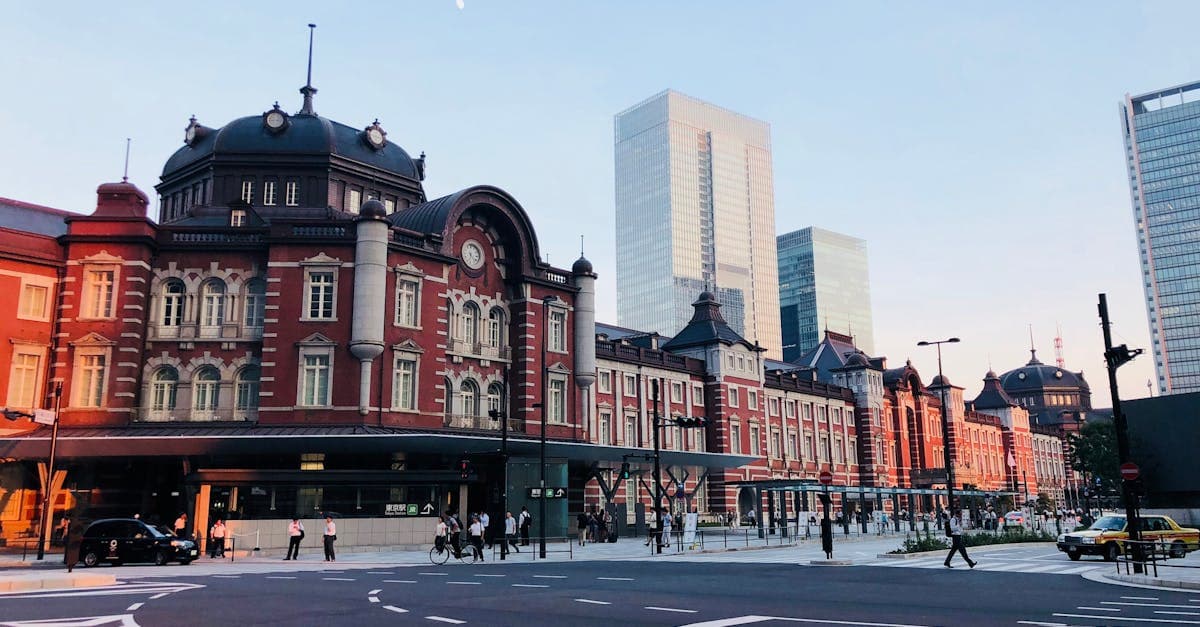
The exchange rate makes the case before anything else. At roughly 108 to 113 yen per Singapore dollar, Tokyo has shifted from aspirational to objectively affordable in 2026. A conveyor-belt sushi lunch runs S$8 to S$12. A 7-Eleven onigiri costs around S$1.20, and a single-leg metro fare comes in under S$2.
Tokyo's everyday costs look familiar compared to Singapore. Day-to-day spending at the convenience-store and public-transit level sits at broadly comparable price points to hawker centre meals and MRT rides at home, yet Tokyo's mid-range quality ceiling is dramatically higher. The city holds more Michelin stars than any other on earth, and a reliable bowl of ramen at a neighbourhood shop still costs under S$10 at current rates.
Singapore passport holders enter Japan visa-free for up to 90 days. No application, no supporting documents, no fee. Clear customs, tap through at the rail gate, and the city is immediately accessible.
Changi connects to both Narita and Haneda. SIA, Scoot, Jetstar, ANA, and JAL all run multiple daily services, with block time around seven hours. Pre-departure connectivity is worth settling before boarding: Hello Roam's(https://www.helloroam.com/en-SG/cities-esim) plans for Japan run around S$18 to S$25 for seven to ten days, well below what daily carrier roaming add-ons cost.
Cherry blossoms peak around late March to early April. Autumn foliage covers parks and temple grounds from October into November, and winter brings festive illuminations from December through January, with lower hotel rates and fewer international visitors than any other quarter.
Few destinations within seven hours of Changi combine visa-free entry, daily non-stop services, and a calendar that varies this meaningfully by season.
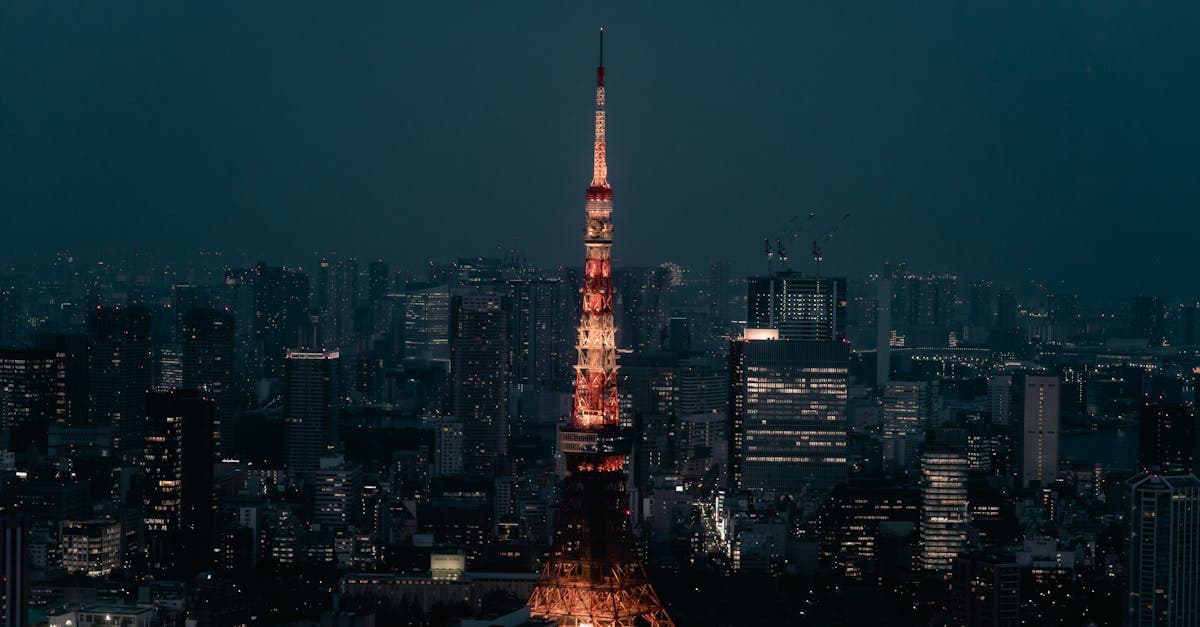
Autumn is the answer most experienced Tokyo visitors give. October and November bring cooler temperatures, foliage across parks and temple grounds, and noticeably thinner crowds than the spring rush. For Singaporeans accustomed to year-round heat, mid-autumn conditions around 15 to 20 degrees Celsius feel genuinely comfortable rather than cold.
Spring runs March to May, with cherry blossoms typically peaking around late March to early April. This is Tokyo's most crowded and most expensive travel window. Accommodation in Shinjuku and Asakusa sells out months in advance, airfares across all carriers climb, and popular spots like Shinjuku Gyoen are at effective capacity by 9am. Book flights and hotels by December if spring is the objective.
Winter (December to February) is underrated. Festive illuminations across Marunouchi, Shibuya, and Roppongi draw domestic visitors, but international numbers drop and hotel rates follow. Cold by Japanese standards; entirely manageable with layers.
Summer is Tokyo's weakest proposition for most Singaporean travellers. July and August bring humidity levels comparable to home, alongside a typhoon risk that extends from July into September. No compelling draw offsets this for the majority of visitors from the region.
Two calendar dates warrant specific avoidance. Golden Week, when Japanese public holidays cluster in late April and early May, triggers a national travel surge that pushes hotel prices sharply upward and packs major attractions beyond comfort. Obon in mid-August carries comparable domestic effects.
On fares, Scoot typically offers one-way tickets from around S$180 to S$250, with SIA ranging from approximately S$350 to S$600. The spread is significant, but SIA's direct routing to Haneda can justify a premium when total transfer time matters. Best prices generally appear two to four months before departure.
Tokyo is served by two airports: Narita (NRT), which handles a large share of long-haul international traffic, and Haneda (HND), which sits considerably closer to the city centre. The airport you arrive at shapes the first and final hours of any trip, so the choice is worth examining before confirming a booking.
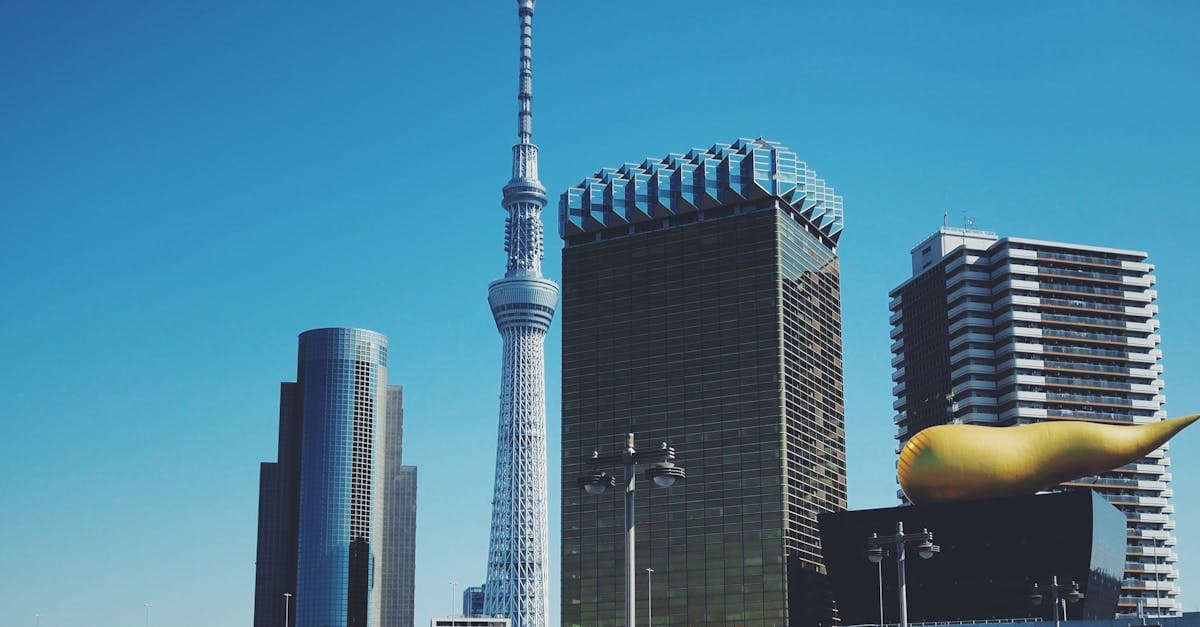
Haneda (HND) is the closer airport, reaching central Tokyo in 25 to 35 minutes compared to 60 to 90 minutes from Narita. The decision between the two airports comes down primarily to the airfare gap between available flights.
The Tokyo Monorail and Keikyu line both connect Haneda's international terminal to central Tokyo with transit costs in the S$5 to S$15 range. Operations run through the night, making early-morning departures viable without the added expense of a nearby hotel the previous evening.
Narita (NRT) sits roughly 65 kilometres from central Tokyo and serves as the principal gateway for long-haul international traffic. The Narita Express (N'EX) covers the journey to Shinjuku or Tokyo Station in 60 to 90 minutes, at approximately S$30 to S$40 one-way. The Limousine Bus is cheaper, but subject to expressway conditions; in poor traffic the journey can stretch well beyond two hours.
The practical calculation is straightforward. If a Haneda-serving flight costs within S$50 of the Narita equivalent, Haneda is the better choice. When Narita fares are significantly lower, factor in S$25 to S$50 in additional transfer costs plus up to an extra hour of travel each way when comparing total trip expenditure.
Both airports have clear English signage, IC card-compatible barriers at rail station gates, and 24-hour operations. Neither presents navigational difficulties for experienced regional travellers. The difference is time and money on the transfer, not comfort or ease of navigation.
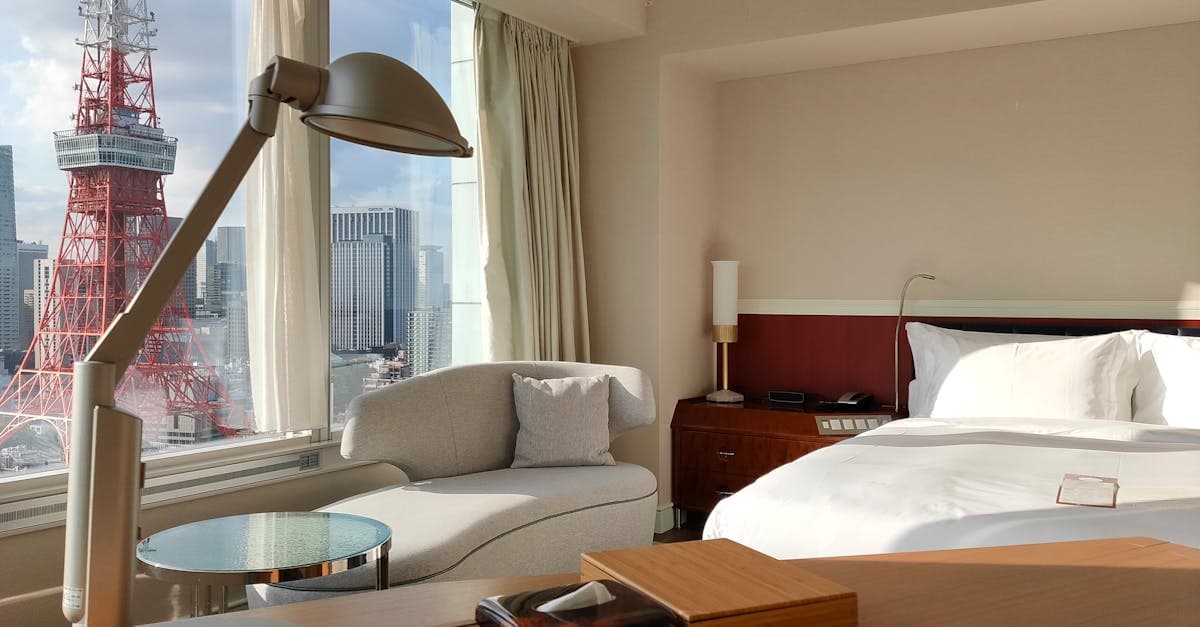
Neighbourhood choice in Tokyo shapes daily logistics more than atmosphere. A poorly located hotel adds 20 to 30 minutes to every commute; a well-positioned one reduces that friction across all five days.
Shinjuku is the standard recommendation for first-time visitors. Japan's busiest transport interchange gives direct rail access to virtually every line in the city, which means less time planning connections and more time moving. Mid-range hotels run S$130 to S$250 per night, covering business towers with city-facing views through to compact, functional properties near the east exit.
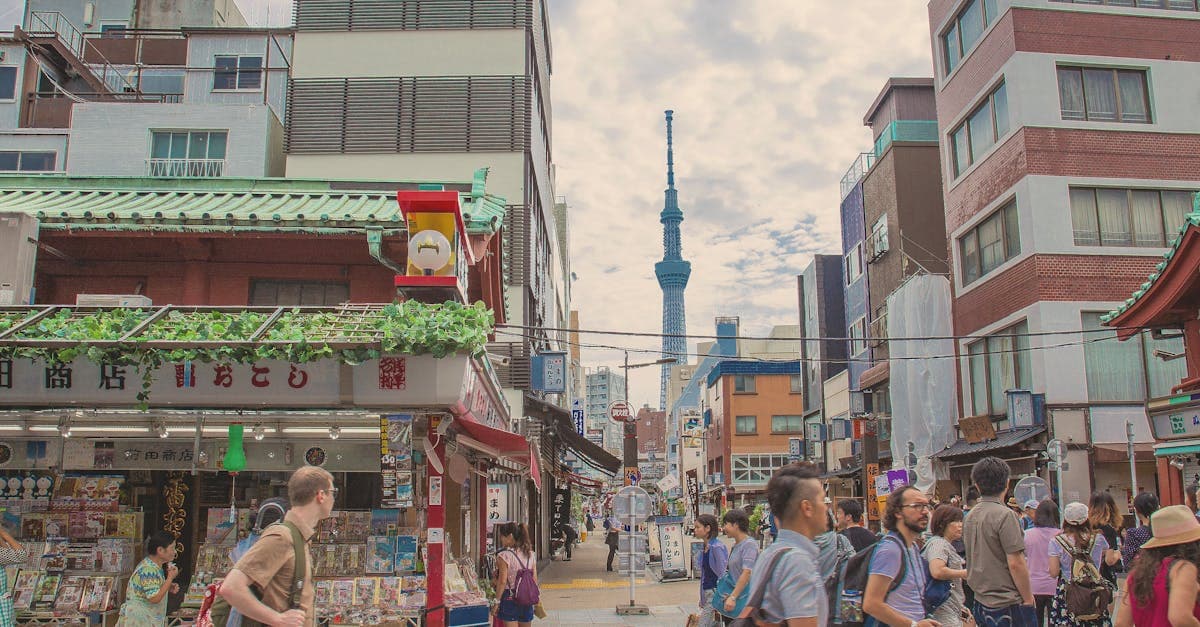
Asakusa offers older streetscapes, Senso-ji temple at its centre, and room rates from S$90 to S$200. The eastern location puts Akihabara and Ueno within easy reach without crossing the entire city. Slower in pace than Shinjuku, better suited to visitors who prioritise atmosphere over pure transport efficiency.
Shibuya centres on the famous scramble crossing and the Tokyu retail cluster, with hotels ranging from S$150 to S$280. The energy skews younger and considerably louder at night.
Ginza is Tokyo's premium commercial district. Accommodation runs from S$300 to S$700 and above, with strong restaurant access and a central location, though fewer direct rail line options than Shinjuku.
Harajuku and Omotesando offer fashion boutiques, design cafes, and quieter residential streets compared to the major hubs, with hotels running S$200 to S$350.
Capsule hotels merit consideration for solo travellers on a tighter budget. Private sleeping pods with shared bathrooms typically cost S$60 to S$100 per night and provide a distinctly Japanese lodging format that no international hotel chain replicates.
Shinjuku and Asakusa represent the most practical starting points for first-time visitors: well-connected, varied in budget range, and central enough to minimise daily transit time. Both fill months in advance during cherry blossom season and Golden Week, so begin searching by December for any March or April visit.
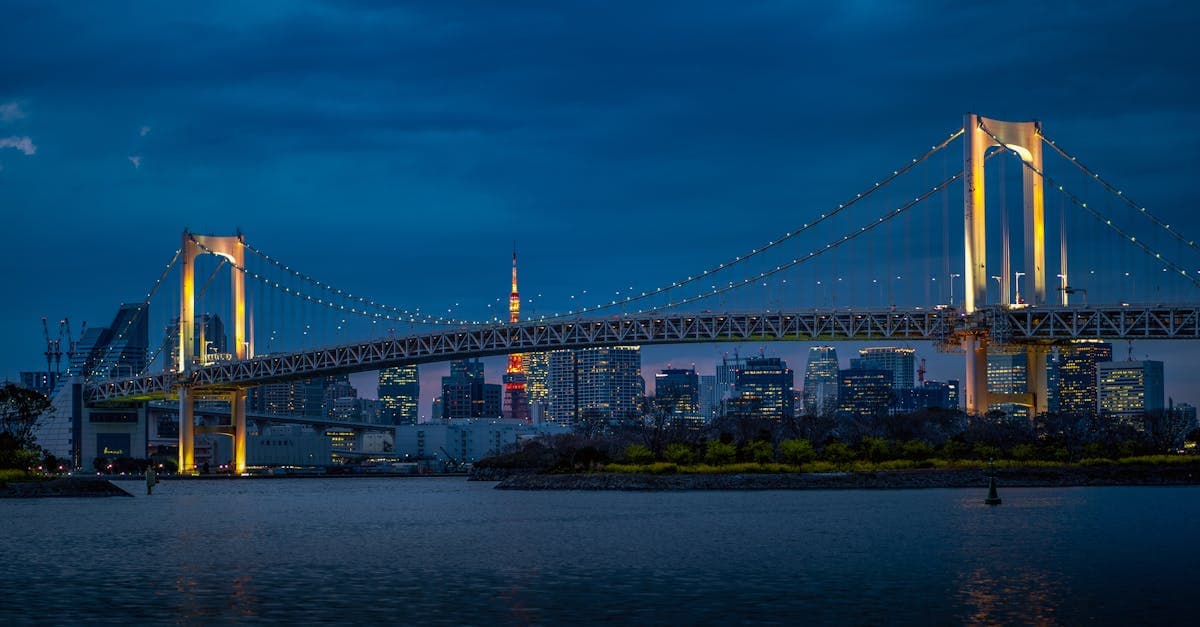
Free WiFi in Tokyo is genuinely widespread. It is also genuinely inadequate for a full day of active navigation.
Major JR stations (Shinjuku, Shibuya, Tokyo, and Ueno among them), all three major convenience store chains, and most tourist sites provide complimentary access. Connecting takes about two minutes: select the network, accept the English-language terms, and you are online. The limitation is session duration: most public networks cap individual connections at two to three hours, after which the link drops and re-registration is required.
That cycle is manageable for checking email over coffee. It becomes a genuine obstacle when Google Maps stalls between subway stations, when a dinner reservation confirmation is buried in an email you cannot load, or when a translation app freezes over a restaurant menu. Tokyo's metro runs substantially underground, and signal on older lines can be intermittent even with a dedicated data plan running. The 'Japan Free WiFi' network visible at tourist sites is similarly slow and requires registration in advance. Patching navigation together via fragmented public access in a city this map-dependent is workable until it is not.
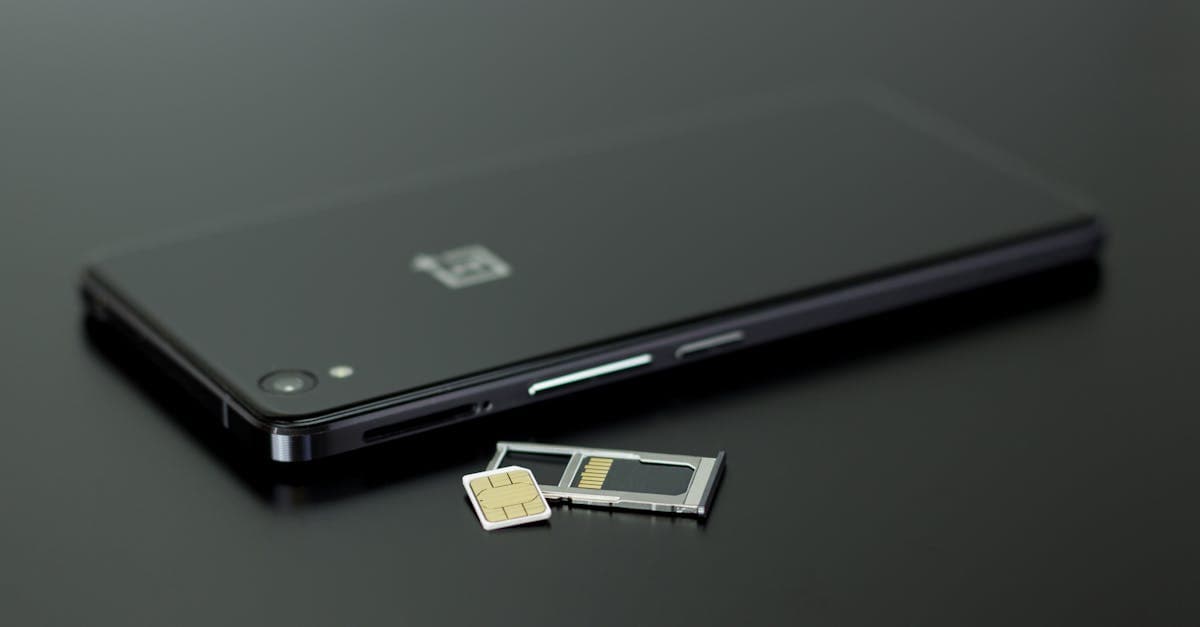
Dedicated mobile data is the sensible choice. For Singaporean travellers, an eSIM is the cleanest approach.
Purchase the plan before leaving Singapore, activate via QR code at Changi or during the seven-hour flight, and arrive in Tokyo with data already live on a Japanese network. No physical SIM swap, no queuing at airport counters after a long overnight flight, no relying on hotel lobby Wi-Fi to look up the evening's plans.
The dual SIM capability built into most modern flagship handphones adds a practical layer. An eSIM for Japan data runs simultaneously alongside the physical Singapore SIM, keeping the local number active for incoming calls and messages throughout the trip. Two numbers, one device, no compromise on either.
Hello Roam's Japan eSIM plans provide access to coverage on NTT Docomo, Softbank, and au, covering all three of Japan's main national networks. Pricing falls within the range noted in the opening section of this guide. Customer support operates from Singapore during SGT hours, a meaningful advantage when a connectivity issue surfaces at 11pm Tokyo time and most European or US-based providers have already closed for the day.
Local Japan SIM cards from IIJmio, Sakura Mobile, and DMM Mobile are available at arrival counters in Narita and Haneda. Three practical obstacles accompany them: queuing on landing when momentum matters, a physical SIM swap that deactivates the Singapore number for the trip's duration, and no advance purchase option from Singapore. The eSIM removes all three.
Device compatibility is broad but not universal. iPhone XS and later models support eSIM natively. Most Android flagship phones released from 2020 onwards are also compatible. Older or budget-tier handphones may not be; confirm before purchasing any plan.
The case for carrier day passes rests on trip length. Beyond three days, the numbers turn against them decisively.
Singtel's DataRoam Day Pass for Japan is marketed as unlimited. The fair-use policy qualifies that claim heavily: speeds throttle after 500MB to 1GB of usage, which in active Tokyo use (Google Maps navigating, Line messaging, occasional real-time translation on menus) can mean degraded service well before midday on a busy sightseeing day. StarHub and M1 offer day passes at a lower entry rate than Singtel, each with comparable throttling thresholds built into their terms.
Run five days on Singtel's pass and the total lands between S$75 and S$100 depending on the tier selected. Against an eSIM in the pricing range discussed in the previous section, the difference is material, not marginal. Throttled roaming data and full-speed local eSIM data are not equivalent experiences in a city where navigation decisions happen on a moving train.
GOMO, TPG, and most MVNOs operating in Singapore carry no structured Japan day pass. Standard per-megabyte rates apply by default. Activating roaming on these plans in Japan without a pre-arranged fixed-cost add-on can produce a bill that requires a second look on return. The straightforward guidance: do not activate standard roaming on any MVNO plan in Japan without first confirming a capped daily or weekly option exists.
For a two-to-three-day trip where the cost gap against an eSIM is modest and convenience is the priority, carrier day passes are defensible. For four days or more, an eSIM offers more consistent speeds and a clearly lower total cost.
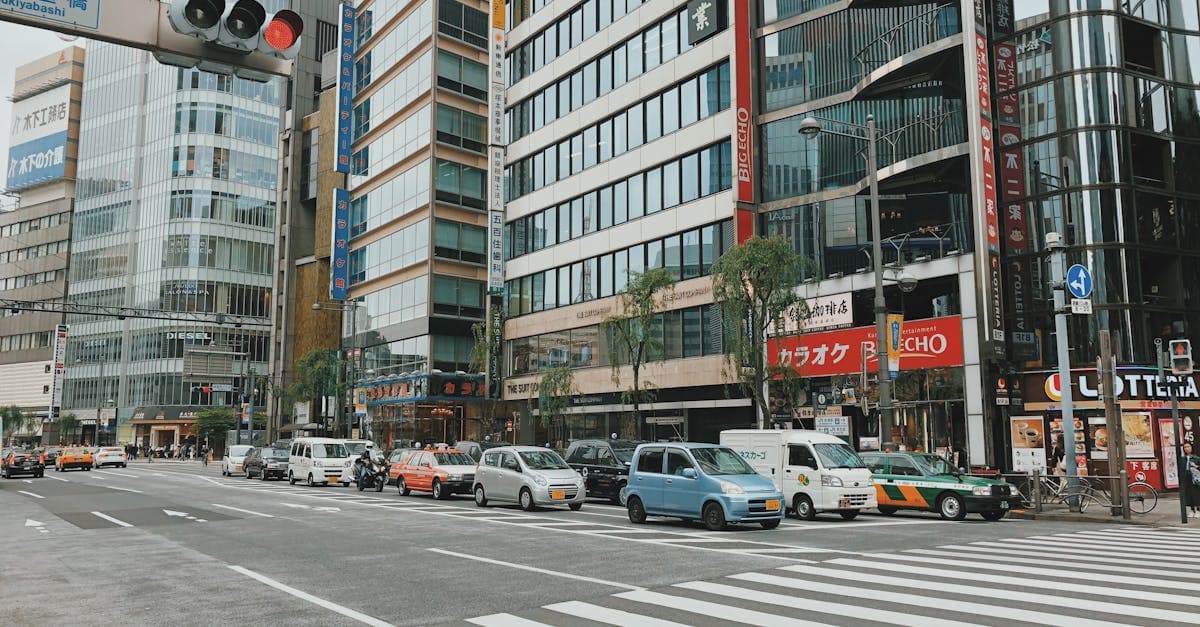
Thirteen subway lines. That is the Tokyo Metro and Toei Subway combined, before accounting for JR East surface routes, private rail operators, and a bus network that together cover virtually every neighbourhood in the city from around 5am until midnight. The scale looks formidable on a map; the logic becomes clear once the IC card system is understood.
Suica and Pasmo are the two interchangeable contactless IC cards that function as the universal transit token across Tokyo. Load credit onto either and it covers metro fares, JR trains, buses, taxis, and retail purchases at 7-Eleven, FamilyMart, and Lawson. Tap in at the entry barrier, tap out at exit, and the correct fare deducts automatically. No destination selection, no fare calculation required.
Top up at any station machine using cash. Credit card acceptance at top-up terminals varies across the network; carrying some yen notes specifically for IC card replenishment is advisable. Digital Suica via Apple Wallet or Google Pay is also available on compatible handphones, removing the physical card entirely. That process is covered in the section below.
For visitors covering multiple districts over several days, the Tokyo Metro Unlimited Pass merits calculation. The 24-hour option comes in at around S$5.50, the 48-hour at S$11, and the 72-hour at S$14. All three cover the nine Tokyo Metro lines and can be purchased in advance through Klook before departure from Singapore. Key limitation: the pass excludes Toei Subway lines, JR surface services, and private rail operators. Shinjuku, Harajuku, Shibuya, Ginza, and Ueno all sit on Tokyo Metro routes; Asakusa is served by both Metro and Toei lines. Map the itinerary against the Metro footprint before committing to the pass.
The seven-day JR Pass at approximately S$460 is not cost-effective for a Tokyo-only itinerary. Its value lies in shinkansen intercity travel: Tokyo to Kyoto, Osaka, Hiroshima. For stays confined to greater Tokyo, it does not pay off.
Taxis: the GO app, Japan's closest equivalent to Grab, covers central Tokyo with an English-language interface and metered fares starting at approximately S$4.50. Uber operates in limited zones. For short neighbourhood hops, walking is often faster than waiting for a cab. Late-night use after the last metro service, typically around midnight, is the scenario where taxis become the practical choice rather than the convenient one.
Google Maps operates reliably across Japan with real-time train timing, accurate metro routing, and English-language walking directions. The app handles exit-level navigation at complex interchanges like Shinjuku, where the correct exit can save several minutes of walking. Download the offline Tokyo map before departure, and screenshot key routes and station names in Japanese characters before heading underground, where signal on some older lines can intermittently drop.
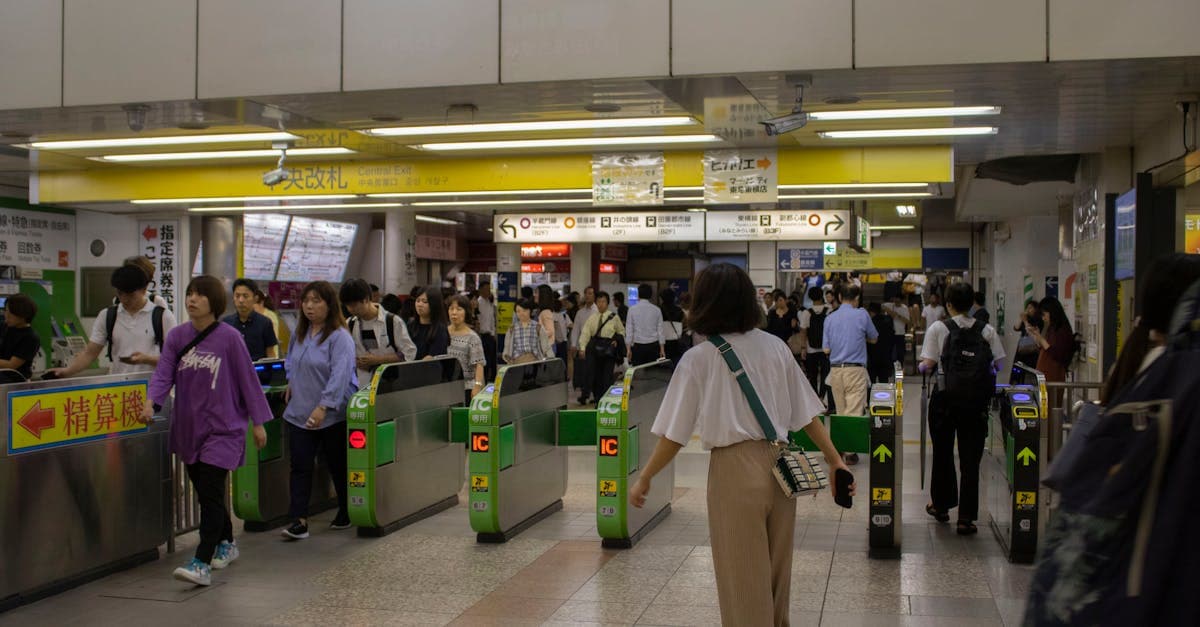
Yes, and the process is simpler than most travellers expect.
Digital Suica can be added to Apple Wallet using Visa and Mastercard credit or debit cards issued by DBS, OCBC, and UOB. Open the Wallet app on an iPhone, tap the plus icon, select Transit Card, choose Suica, and load an initial balance using a Singapore-issued card. Subsequent top-ups happen directly through the app at any point, including from the station platform when the balance runs low mid-journey.
Physical Suica card issuance for foreign tourists was suspended in 2023 due to a component shortage. Check JR East's official guidance before departure to confirm whether physical cards are again available in 2026. For travellers with a compatible iPhone or Android, the digital version is fully functional and removes the physical card entirely.
Android users can add digital Suica through Google Pay on compatible devices, or download the standalone Suica app from Google Play. Both approaches deliver equivalent transit and payment functionality.
The principal advantage over any physical card is eliminating ticket machine queuing. Loading, checking the balance, and topping up all happen on the handphone. For Singaporean travellers accustomed to PayNow and NETS contactless, the structure will be familiar in feel if not in interface.
One practical note: if a Singapore card is declined during the initial Suica setup, try a card from a different issuing bank. User reports on travel forums indicate Visa Debit cards from Singapore issuers tend to process the initial load more consistently than Mastercard Debit in the Wallet setup flow.
A five-day Tokyo trip costs roughly S$1,200 to S$1,500 at the budget tier, S$2,000 to S$3,000 at mid-range, and S$5,000 or more for luxury travel, including return flights from Singapore. The table below breaks down daily spending across these tiers, with connectivity based on a multi-day eSIM.
Budget travellers stay in capsule hotels, eat 7-Eleven sets and ramen counter meals, and ride the metro exclusively. Mid-range means a three-star hotel in a well-connected neighbourhood, sit-down meals for most days, and two to three paid attractions. At the luxury end, four-star or five-star properties in Ginza or Roppongi, omakase counter dining, and taxis throughout.
Cash is essential in Tokyo. Smaller izakayas, ramen counters, and neighbourhood market stalls do not accept cards. Carry the equivalent of S$90 to S$180 in yen at any given time. 7-Eleven ATMs accept most Singapore bank cards and apply reasonable fees, making them the most reliable cash point outside a bank branch. Larger hotels, department stores, and chain restaurants accept credit cards without difficulty.

No, Singapore passport holders can enter Japan visa-free for up to 90 days. There is no application, no supporting documents, and no fee required. You simply clear customs on arrival and the city is immediately accessible.
In 2026, the exchange rate sits at roughly 108 to 113 yen per Singapore dollar, making Tokyo significantly more affordable than in previous years. A conveyor-belt sushi lunch costs around S$8 to S$12, a 7-Eleven onigiri around S$1.20, and a single metro fare under S$2.
Autumn (October and November) is widely considered the best time, offering cooler temperatures of 15 to 20 degrees Celsius, colourful foliage, and thinner crowds than the spring cherry blossom season. Spring (late March to early April) is the most popular but also the most expensive and crowded period.
Cherry blossoms in Tokyo typically peak around late March to early April. This is the city's most crowded and expensive travel window, with accommodation in Shinjuku and Asakusa selling out months in advance. Book flights and hotels by December if you plan to visit during this period.
Haneda (HND) is significantly closer, reaching central Tokyo in 25 to 35 minutes via the Tokyo Monorail or Keikyu line at a cost of S$5 to S$15. Narita (NRT) sits 65 kilometres from the city centre and takes 60 to 90 minutes via the Narita Express at approximately S$30 to S$40 one-way.
The Narita Express (N'EX) is the most reliable option, covering the journey to Shinjuku or Tokyo Station in 60 to 90 minutes at around S$30 to S$40 one-way. The Limousine Bus is cheaper but subject to traffic conditions and can take well over two hours during peak hours.
Shinjuku is the standard recommendation due to its status as Japan's busiest transport interchange, giving direct rail access to virtually every line in the city. Mid-range hotels run S$130 to S$250 per night. Asakusa is a good alternative with a historic atmosphere and rates from S$90 to S$200.
Hotel prices vary significantly by neighbourhood. Budget capsule hotels for solo travellers cost S$60 to S$100 per night. Mid-range options in Shinjuku and Asakusa run S$90 to S$280, while premium Ginza properties range from S$300 to S$700 and above.
Free WiFi in Tokyo is widespread but limited in reliability for full-day navigation. Most public networks at JR stations and convenience stores cap sessions at two to three hours, requiring re-registration. Tokyo's metro runs substantially underground, and signal can be intermittent, making a dedicated data plan the practical choice.
For trips of four days or more, an eSIM offers more consistent speeds and a clearly lower total cost than carrier day passes. Singtel's DataRoam Day Pass, for example, throttles after 500MB to 1GB and costs S$75 to S$100 over five days, compared to around S$18 to S$25 for a seven-to-ten-day Japan eSIM plan.
Japan eSIM plans for Singaporean travellers, such as those offered by Hello Roam, are priced around S$18 to S$25 for seven to ten days of data. This is significantly cheaper than carrier roaming day passes, which can add up to S$75 to S$100 for a five-day trip.
Purchase the eSIM plan before leaving Singapore, then activate it via QR code at Changi Airport or during the flight. You will arrive in Tokyo with data already live on a Japanese network, with no physical SIM swap, no airport counter queuing, and no reliance on hotel Wi-Fi.
Japan eSIM plans from providers like Hello Roam provide access to NTT Docomo, Softbank, and au, covering all three of Japan's main national networks. This ensures broad coverage across the country including Tokyo's underground metro lines.
Yes. The dual SIM capability built into most modern flagship phones allows a Japan eSIM to run simultaneously alongside your physical Singapore SIM. This keeps your local Singapore number active for incoming calls and messages throughout the trip without any compromise on data.
iPhone XS and later models support eSIM natively. Most Android flagship phones released from 2020 onwards are also compatible. Older or budget-tier handphones may not support eSIM, so it is recommended to confirm compatibility before purchasing any plan.
Carrier day passes can be defensible for trips of two to three days where the cost gap against an eSIM is modest. For trips of four days or more, eSIM plans offer more consistent full speeds and a lower total cost. MVNO users on plans like GOMO or TPG should avoid activating standard roaming without a confirmed capped daily or weekly option, as per-megabyte rates can be very high.
Golden Week in late April to early May and Obon in mid-August both trigger national travel surges that push hotel prices sharply upward and pack major attractions. Summer (July and August) also brings humidity levels comparable to Singapore alongside typhoon risk, making it Tokyo's weakest proposition for most Singaporean travellers.
The block time from Singapore Changi to Tokyo is around seven hours. Multiple airlines including SIA, Scoot, Jetstar, ANA, and JAL run daily services to both Narita (NRT) and Haneda (HND). One-way fares on Scoot typically range from S$180 to S$250, while SIA ranges from approximately S$350 to S$600.
Tokyo has become objectively affordable for Singaporeans in 2026 due to the favourable exchange rate of 108 to 113 yen per Singapore dollar. Day-to-day spending at convenience stores and on public transit is broadly comparable to hawker centre meals and MRT rides in Singapore, yet the quality ceiling at mid-range restaurants is significantly higher.
Capsule hotels offer the most budget-friendly option, particularly for solo travellers. Private sleeping pods with shared bathrooms typically cost S$60 to S$100 per night and provide a distinctly Japanese lodging experience. Budget mid-range hotels in well-connected neighbourhoods like Asakusa start from around S$90 per night.
HelloRoam: your trusted travel eSIM that keeps you online across borders.
Explore Plans