Things to Do in Seoul: the Complete 2026 Guide for Singaporeans

Written by: David Chen


14 min read
HelloRoam is a global eSIM provider offering instant mobile data in 170+ countries. Buy prepaid travel eSIM plans with no extra fees, no contracts, and instant activation on any eSIM-compatible device.
14 min read
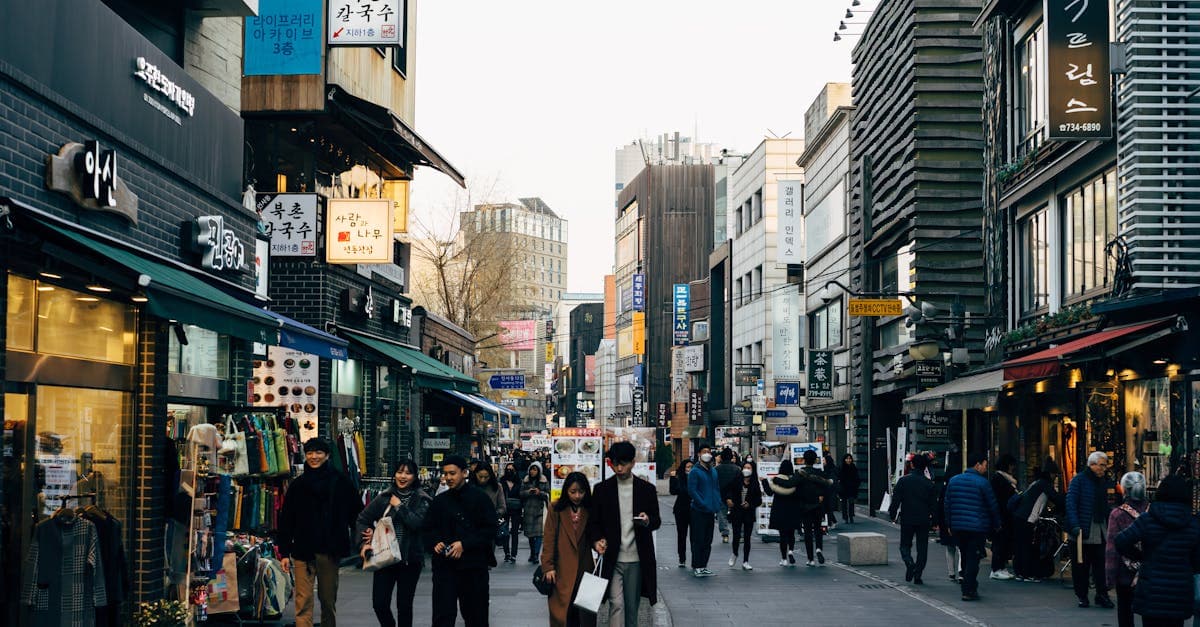
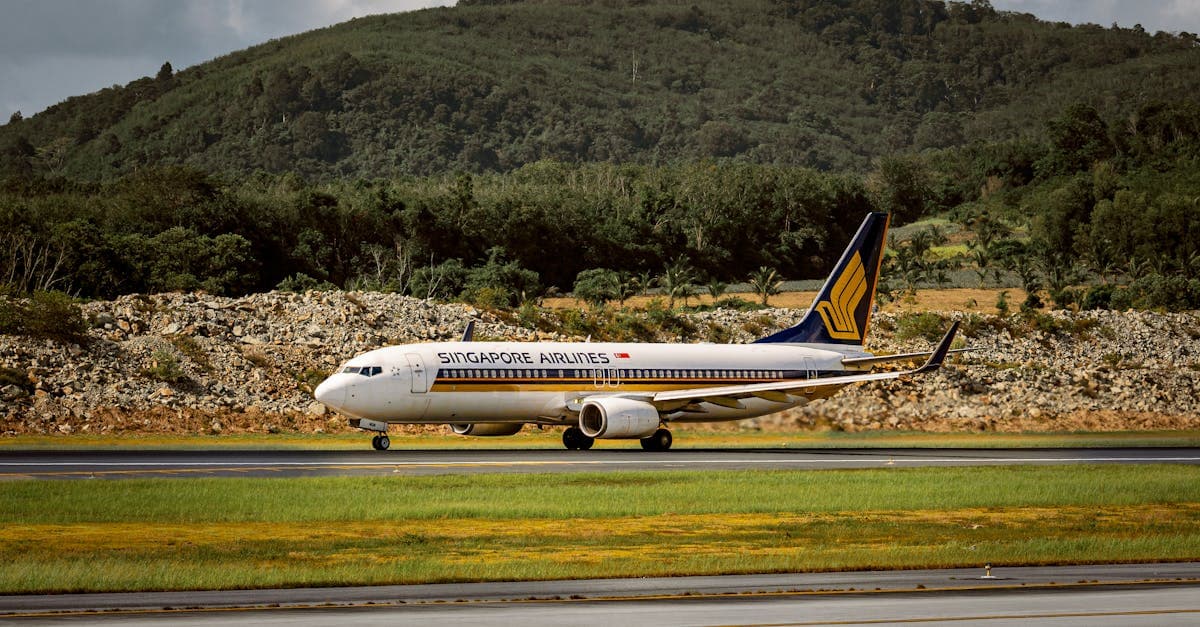
Direct flights from Singapore to Incheon Airport take around 6.5 hours, with Singapore Airlines, Scoot, Korean Air and Jeju Air all offering year-round routes. Short enough to land ready for dinner rather than recovery.
Singapore citizens can enter South Korea visa-free for stays up to 90 days. The K-ETA requirement has been suspended and reinstated several times, so check the Korean Embassy website before you book. It can reappear with limited notice.
Then there's the cost argument. Seoul runs around 30 to 40 percent cheaper than Tokyo for comparable experiences. Street meals cost SGD 3 to 8. Guesthouses in decent neighbourhoods start around SGD 50 per night. For a major city with this kind of energy and cultural density, that's a serious value proposition, and Singaporeans have noticed.
The time zone helps too. Seoul sits just one hour ahead of Singapore Standard Time. No grinding adjustment period, no lost morning trying to reorient. You clear customs at Incheon and you're functional.
K-pop, K-drama and K-beauty have handled the cultural familiarity in advance. Many Singaporeans arrive already knowing the neighbourhoods by name and the subway lines by colour. Around 500,000 to 600,000 Singaporeans travel to South Korea each year, and a meaningful share are returning visitors. New neighbourhoods keep emerging, seasonal events rotate, and Seoul never quite sits still.
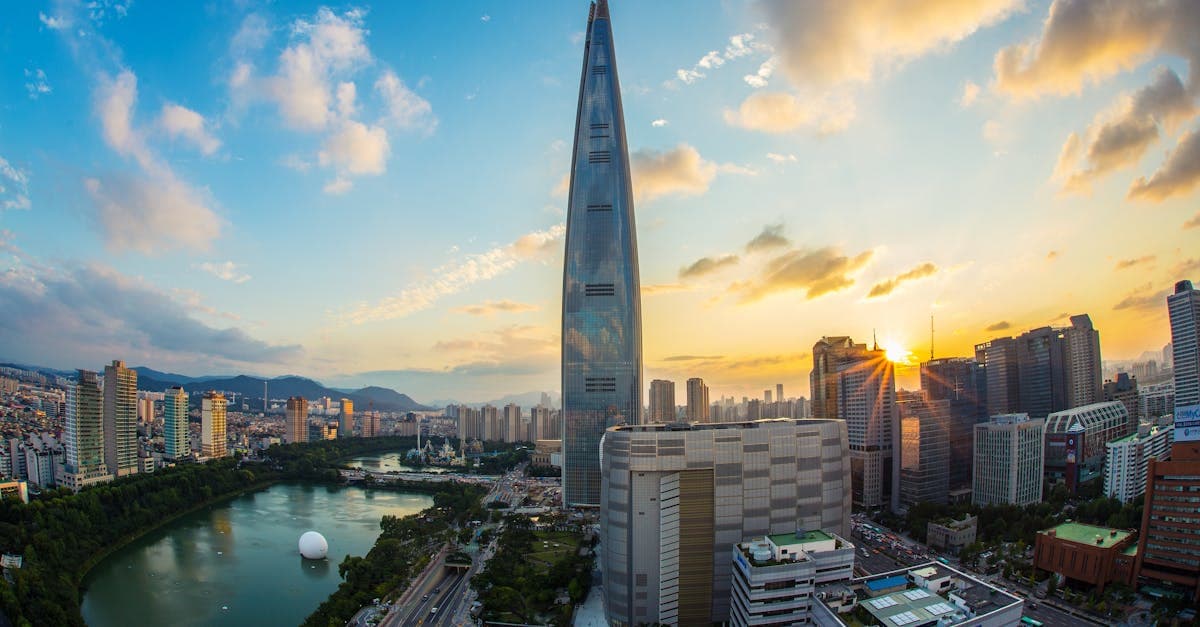
For a first visit, Seoul splits into two broad character zones. The historic core (palaces, Bukchon, Insadong) suits slow mornings and considered wandering. The modern belt (Hongdae, Seongsu, Gangnam) is where cafes, K-culture and late nights concentrate. Both reward dedicated time.
Seoul resists the scattered-sightseeing approach. The city works as a collection of distinct villages, each with its own crowd, price point and pace. Trying to tick off attractions spread across different ends of the map means spending your trip on escalators underground rather than actually seeing anything.
The smarter strategy: organise days around neighbourhoods. Pick one or two areas per day, walk them properly, eat where locals eat. You'll cover fewer kilometres but absorb far more.
Getting between areas is straightforward. Pick up a T-money card at Incheon Airport or any convenience store. The card itself costs KRW 3,000, and each subway or bus ride runs approximately SGD 0.80 to 1.50 depending on distance. It reloads at any subway ticketing machine, accepts top-ups in small increments and works on buses without any extra step.
Line 2 (the green circular line) forms the spine of Seoul's metro. Most major districts sit within 40 minutes of each other on this single line. Hongdae, Seongsu and Gangnam all connect through it, which makes day planning considerably less complicated than it looks on a full metro map.
Gyeongbokgung Palace earns its reputation. The scale of Gwanghwamun Gate stops first-time visitors in their tracks, and the main courtyard beyond it is genuinely vast. Arrive before 10am on weekdays to photograph it without tour groups occupying the foreground. On a weekend afternoon in spring, you're shooting through crowds regardless of what angle you try.
The Changing of the Royal Guard runs twice daily at Gwanghwamun Gate, lasts around 20 minutes and costs nothing. Soldiers in full Joseon Dynasty dress, percussion, formal ceremony. It's worth timing your morning around it.
Renting a hanbok (traditional Korean dress) near the palace district costs SGD 10 to 15 for two hours. That covers the rental and earns you free admission to Gyeongbokgung and several other royal palaces. Shops cluster around Gyeongbokgung Station and Anguk Station. Given the photos and the free entry, it's one of the better-value things to do in Seoul's historic core.
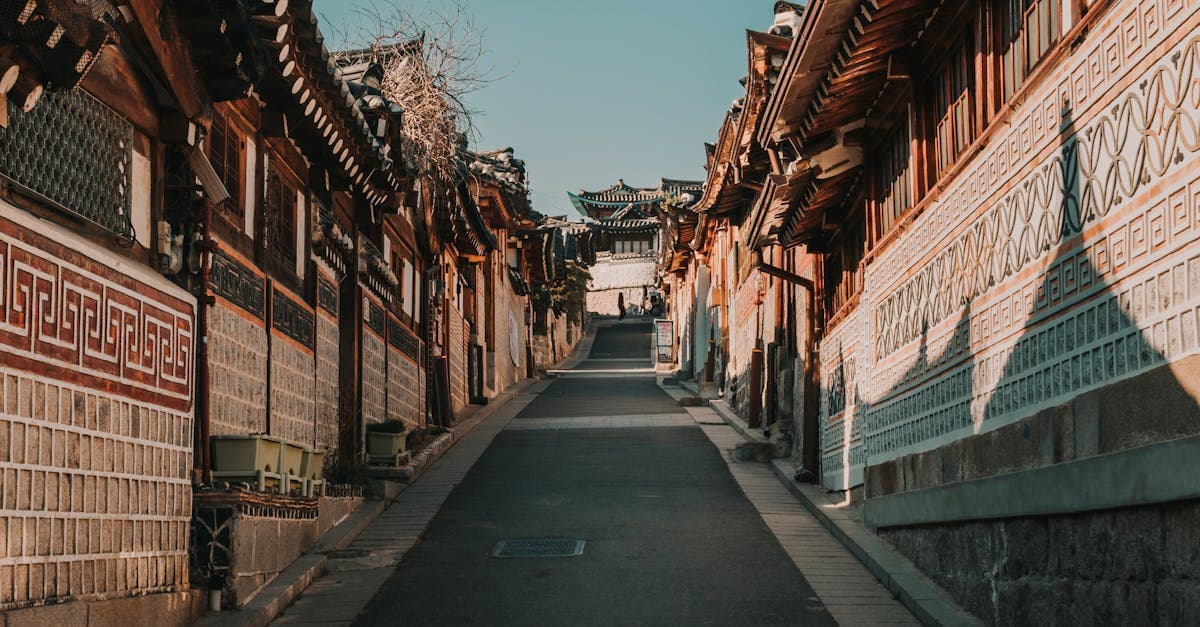
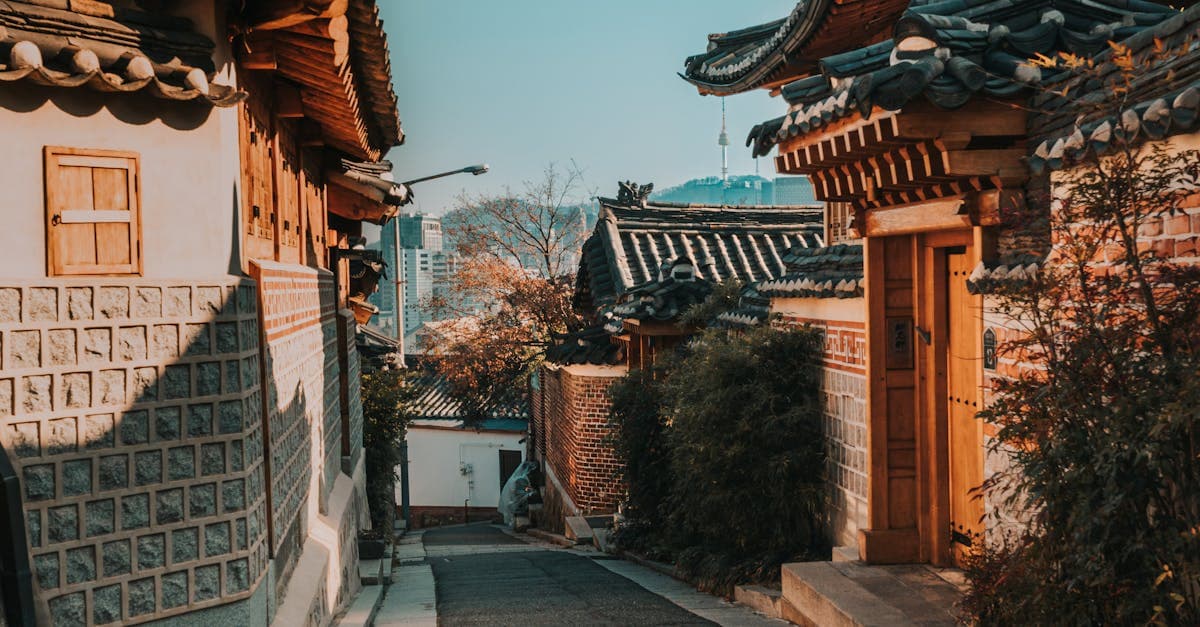
Bukchon Hanok Village is a working residential neighbourhood, not a replica. Around 600-year-old tile-roofed houses still have families living in them. Visit on a weekday morning. Signs ask visitors to keep noise down and walk quietly; take them at face value.
Insadong runs along a pedestrian street packed with hotteok (sweet filled pancakes), Korean craft shops and small independent bookshops. Ten minutes east by foot, Ikseon-dong occupies a restored alley of hanok buildings converted into cocktail bars and dessert cafes. Go after 6pm when the lanterns come on. The place transforms.
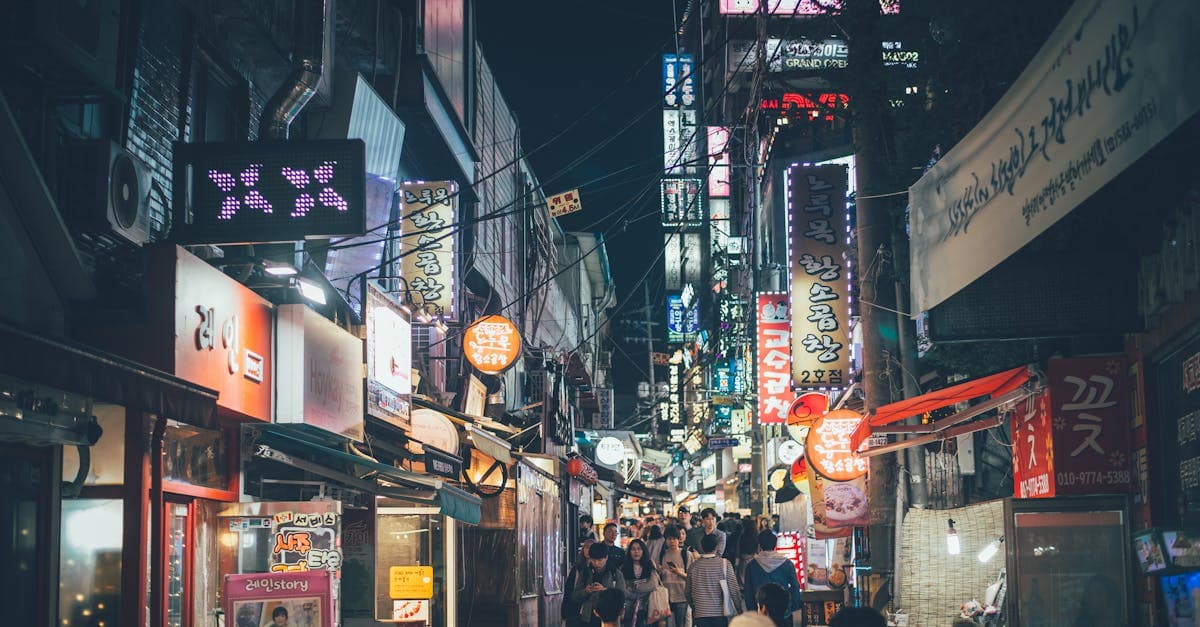
Hongdae doesn't come alive until late afternoon. The Hongik University area runs on K-pop street busking, affordable streetwear, vintage record stores and late-night tteokbokki (spicy rice cakes), with most of the action peaking after 5pm and running well past 2am. Plan dinner here, and don't plan an early night.
HYBE Insight museum in Yongsan offers immersive BTS exhibitions with interactive booths and exclusive merchandise. Book online at least two weeks ahead. Same-day entry is rarely available, and the demand doesn't thin out between weekdays and weekends.
Seongsu-dong is Seoul's fastest-evolving quarter. A former industrial zone, it's now thick with concept cafes inside repurposed factories, independent sneaker shops and rotating brand pop-ups. Specialty coffee here averages SGD 8 to 12 per drink, which sounds steep until you see the space. These are destinations, not pit stops.
The COEX complex in Gangnam packs a lot into one building. Starfield Library is free to enter and worth 20 minutes of your time on visual spectacle alone. The aquarium, a duty-free mall and SM Town Artium (K-pop merchandise and a dedicated fan cafe) round out the building. Set lunches in the broader Gangnam area run SGD 15 to 35 per person, solidly mid-range for what you get.
Travel logistics are uncomplicated. Hongdae to Seongsu takes around 30 minutes on Line 2. Seongsu to Gangnam is a 15-minute ride on the same line. You can cover all three districts in one full day if you start in Hongdae by early afternoon and work east.
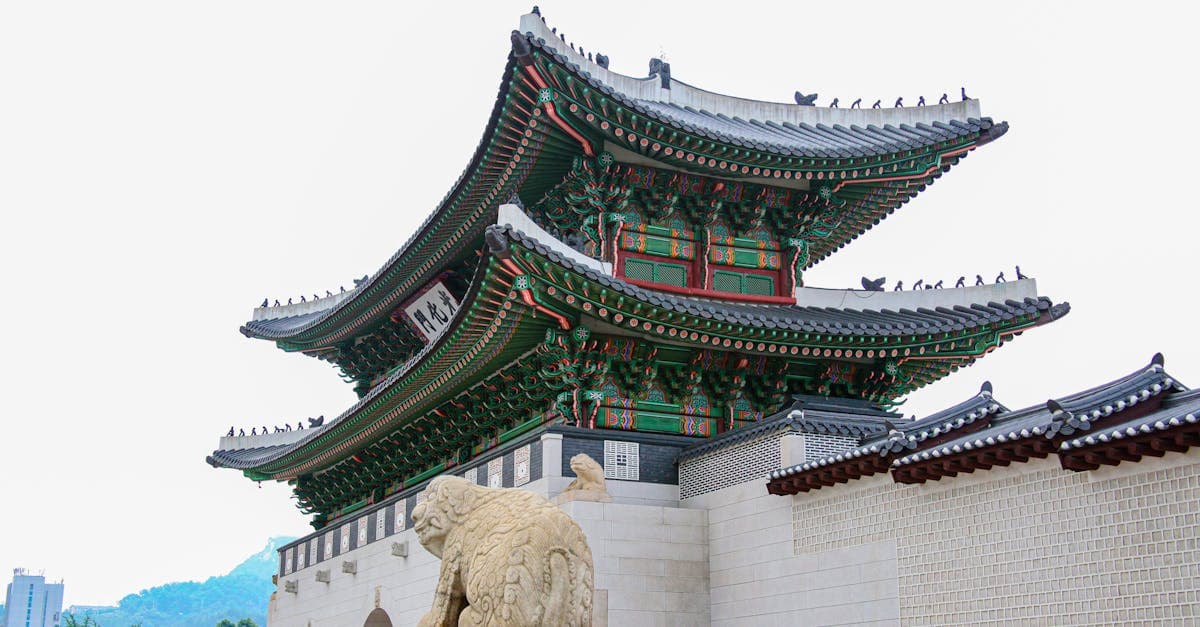
Seoul's unmissable experiences include Gyeongbokgung Palace, Cheonggyecheon Stream, the Namsan hillside and Han River parks (all free or low cost), plus paid outings to Lotte World, Everland and the DMZ. The best Seoul days have structure: one cultural site, one outdoor experience, one serious meal, one K-culture stop. That rhythm covers more ground than any scattered checklist.
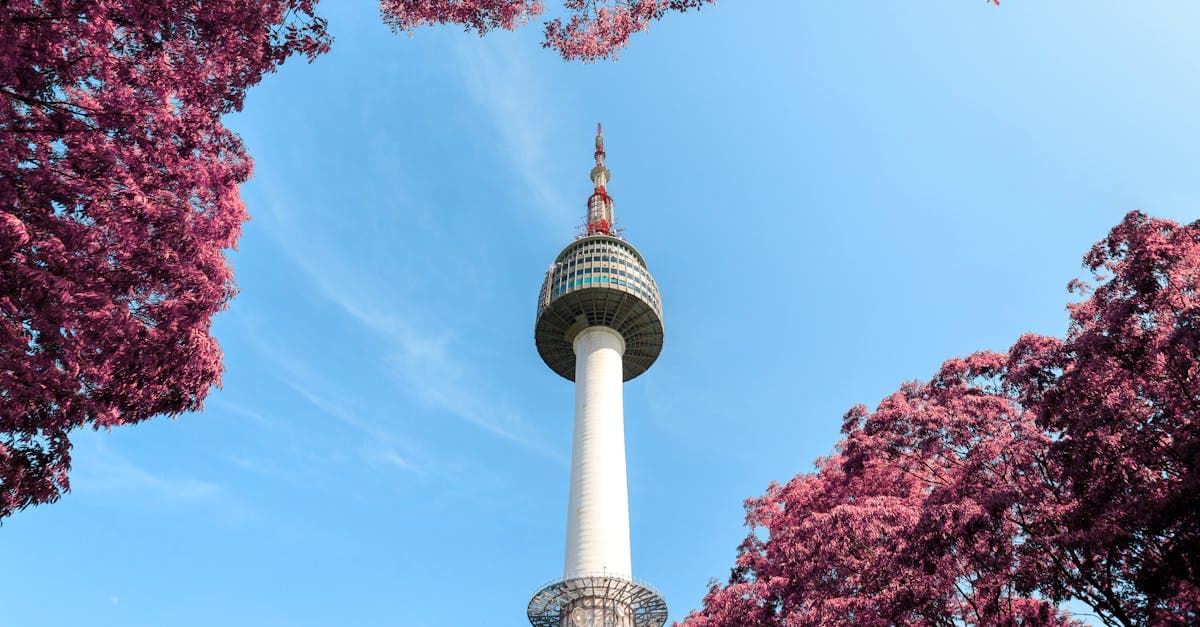
Free options carry a Seoul trip further than most first-timers expect. Gyeongbokgung admission is low on most days and free on certain dates (check the palace website before visiting). Cheonggyecheon Stream cuts through central Seoul at ground level, lit up in the evenings with local families walking alongside it: completely free. The Namsan hillside walk costs nothing and rewards you with views across the city basin. Han River parks are where Seoulites actually spend their weekends, and entry is zero.
Three paid experiences consistently earn their price. Lotte World in Jamsil runs an SGD 65 day pass, good for families or a rainy day when outdoor plans fall apart. Everland, roughly 40 minutes from central Seoul by shuttle, charges around SGD 70 and is the stronger choice for serious thrill rides. The DMZ tour (SGD 50 to 80) is a full-day commitment requiring a licensed operator by law, with no self-guided option, and delivers a perspective on the Korean peninsula unavailable anywhere else in the region.
Food culture, the outdoor rituals Seoul runs on, and K-entertainment pilgrimages each deserve more space than a bullet point. The next three sections cover all three.
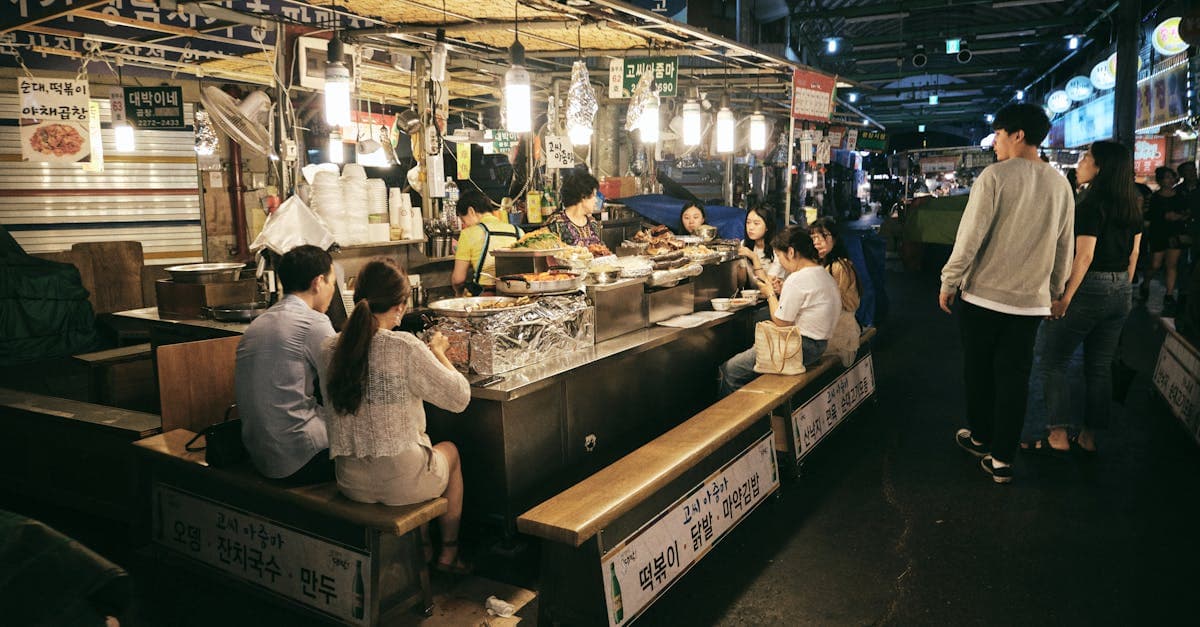
Korean BBQ is not just dinner in Seoul. It's a two-hour ritual.
It means samgyeopsal (pork belly) or galbi (short ribs), grilled at your table with eight to twelve banchan side dishes arriving throughout the meal. Restaurants in Mapo-gu serve locals rather than tourists, and price accordingly: budget SGD 15 to 25 per person for a full spread. Staff will grill the meat for you if you signal them, which is useful on a first visit when the choreography of the table isn't obvious.
Myeongdong street food alley runs from around 5pm every evening. Egg toast from SGD 2, rice-coated corn dogs from SGD 3 to 4, spicy tteokbokki from SGD 3 to 5. It's loud and chaotic, and that's exactly the point.
Jjimjilbang is what most first-timers skip and most repeat visitors make a priority. Dragon Hill Spa in Yongsan or Siloam Sauna near Seoul Station charges SGD 12 to 20 for an overnight stay, covering access to multiple heated rooms and communal sleeping areas. Bring a padlock for the locker. Many venues restrict entry for guests with visible tattoos, so check the specific venue policy before you go.
Han River evenings operate at a different register entirely. Pick up fried chicken and snacks from a GS25 or CU convenience store, head to Yeouido or Banpo Bridge, and catch the free Moonlight Rainbow Fountain show, which runs seasonally in the evenings. Muslim Singaporean travellers will find halal-certified restaurants concentrated around Itaewon near Seoul Central Mosque, and the Halal Korea app lists certified eateries by neighbourhood.
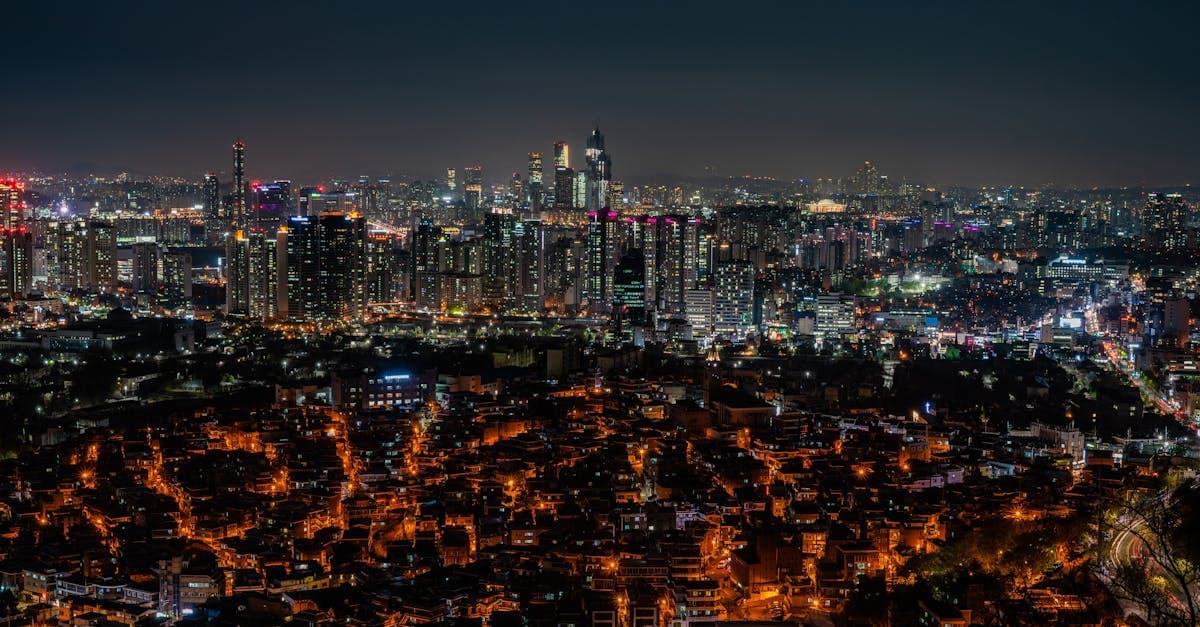
Singaporean visitors to Seoul can stay connected through three options: an eSIM activated before departure, a physical tourist SIM from Incheon Airport, or a daily roaming add-on from their existing Singapore carrier. South Korea ranks consistently among the world's fastest mobile markets, with SK Telecom, KT and LG U+ all operating 5G networks and signal holding through the subway system.
The roaming option is the most familiar and the most expensive. Singtel ReadyRoam, StarHub RoamEasy and M1 DataRoam each charge SGD 12 to 15 per day for Korea coverage. Across a five-day trip, that comes to SGD 60 to 75 for data that an eSIM covers at significantly lower cost.
Free public WiFi branded 'Seoul WiFi' runs at subway stations and most tourist sites. It's adequate for sending a message while you wait for a train. It's not reliable enough for Naver Maps turn-by-turn navigation, video calls, or the QR code menus that most Seoul cafes now use instead of printed cards.
A dedicated connection matters here more than in most cities. Kakao T is far more reliable for Seoul taxis than any alternative but requires live data throughout the ride. Naver Maps is considerably more accurate in Korea than Google Maps, but it needs a live connection to route correctly through subway transfers. The section below breaks down each option by cost, setup convenience and support quality.
Three options, one clear winner for five-day Singaporean itineraries.
Hello Roam's Korea eSIM activates before you board in Singapore. No SIM swap, no airport counter, no queue. It uses SK Telecom's network (ranked as the fastest in Seoul), keeps your Singapore number live via dual-SIM so family and colleagues still reach you on the same number, and carries no hidden daily throttle caps. Support is available in English around the clock. Check the Hello Roam website for current Korea plan pricing before your departure.
Physical tourist SIMs at Incheon's Arrival Hall reach the same network quality. KT, SKT and LG U+ all maintain counters in the Arrivals Hall. Plans range from SGD 15 to 30 for 10GB to unlimited data over 30 days. Budget 20 to 40 minutes in queue during peak arrivals: mid-morning flights from Singapore land alongside several other long-haul services, and the SIM counters absorb the crowd slowly.
Airalo is the budget eSIM pick, with Korea plans from SGD 6 to 20 depending on data volume. Fine for solo travellers comfortable managing their own setup. Community forums note that support response times slow when issues come up mid-trip, which is something to factor in before committing.
Changi Recommends SIM is familiar territory for Singapore travellers but typically runs 20 to 30 percent pricier than buying at Incheon or choosing a dedicated eSIM.
Carrier roaming only makes sense for one or two day trips. On a five-day itinerary, the eSIM options above save SGD 40 to 50 against the daily roaming costs noted in the previous section. One practical step before you land: open both Naver Maps and Kakao T and set location access to 'always on'. It prevents the navigation gaps that surface when you move through underground sections between subway stops.
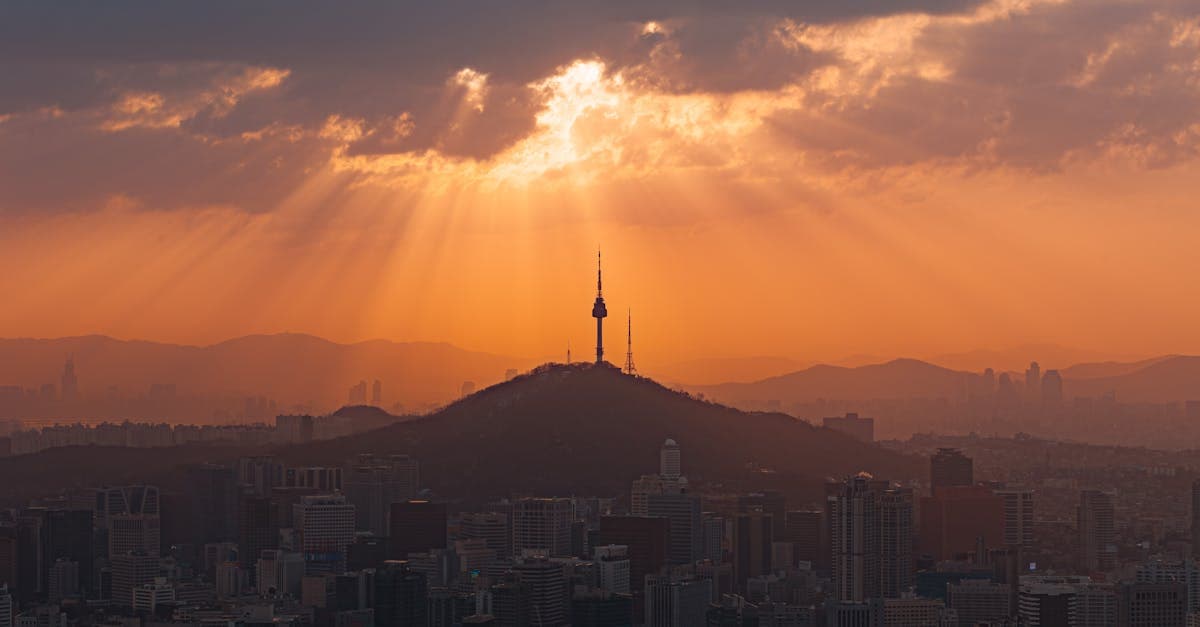
Five days maps neatly onto Seoul's geography if you plan by transport corridor.
Day 1: Arrival and Myeongdong. The AREX Airport Express from Incheon to Seoul Station takes 43 minutes flat, SGD 5.50. Check in, walk Myeongdong for skincare and street food, then take the cable car up to Namsan Tower at dusk (SGD 14 return).
Day 2: Palaces and Culture Quarter. Gyeongbokgung from 9am, Bukchon before 11am, hanbok rental for palace photos. Insadong for lunch and souvenirs. End with an evening walk along Cheonggyecheon Stream toward Gwanghwamun Square.
Day 3: Hongdae and Han River. The Hongdae flea market runs weekends only, so check the calendar first. HYBE Insight fills the afternoon if you've pre-booked tickets. Finish at Yeouido for a Han River evening picnic.
Day 4: Gangnam and Seongsu-dong. Starfield Library inside COEX is free and photogenic. SM Town Artium for merchandise, then cross to Seongsu-dong for concept cafes and a Korean set dinner.
Day 5: Day Trip and Departure. Nami Island by ferry and ITX train costs around SGD 25 to 30 return, roughly 2.5 hours each way, so leave early. A morning DMZ group tour (at the pricing noted earlier) is tighter on time but fits if you're efficient. The AREX gets you back to Incheon.
One shopping note: hold your Olive Young and cosmetics purchases until Day 4 or 5. Incheon Duty Free takes online pre-orders for collection on departure day, so you skip the terminal queue entirely.
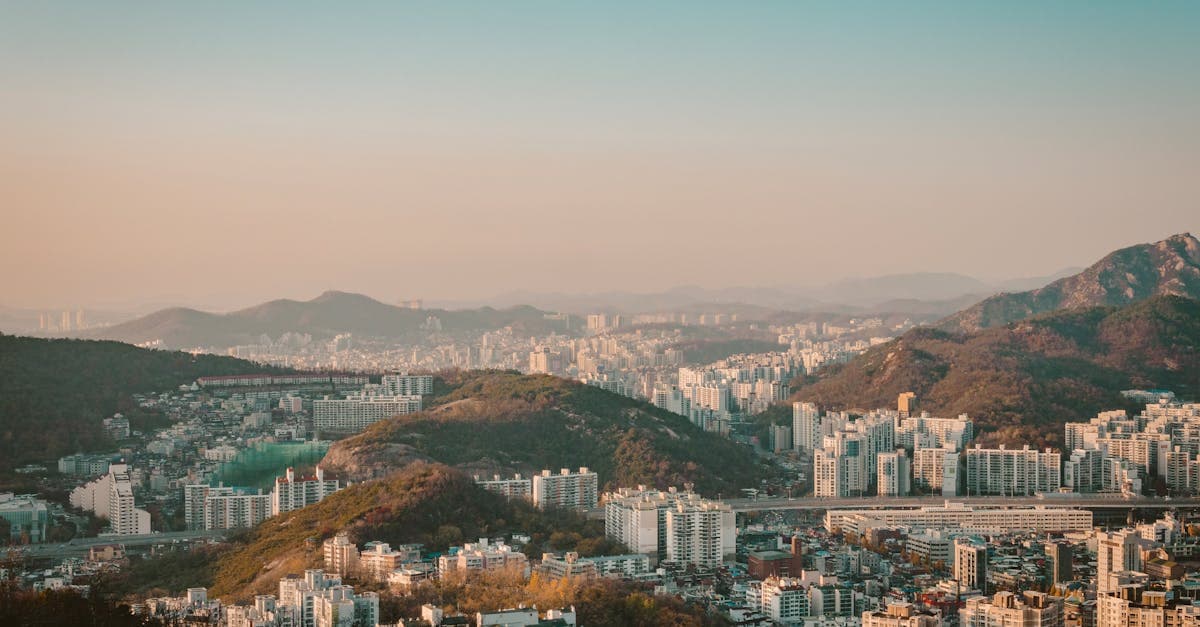
Spring (late March to early May) and autumn (October to early November) draw the most visitors to Seoul: spring for cherry blossoms aligned with Singapore school holidays, and autumn for foliage and thinner crowds. Seoul has four genuinely distinct seasons, and the right choice depends on your calendar and budget.
Spring (late March to early May): Cherry blossoms peak around the last week of March to the first week of April, which aligns with Singapore school holidays. Hotels in central Seoul run 20 to 30 percent above off-peak rates during this window. Book two to three months ahead.
Autumn (October to early November): Foliage at Bukhansan National Park and Namsan Hill turns red and gold, temperatures sit between 12 and 20°C, and crowds are noticeably thinner than in spring.
Winter (December to February): Ski resorts including Vivaldi Park, High1 and YONGPYONG are 90 to 120 minutes from Seoul by bus or train. Temperatures hit minus 5 to minus 10°C; pack thermal base layers. Christmas markets and light festivals run through December.
Summer (June to August): Temperatures reach 30 to 35°C with humidity comparable to Singapore, plus monsoon rain through July. Outdoor K-pop concerts and festivals are active, and hotel rates stay moderate.
Cheapest flight windows from Singapore: late January through February and late November. Avoid Lunar New Year week and the Chuseok harvest holiday if fares matter.
Singapore citizens are visa-exempt (the same terms noted at the start of this guide), but K-ETA requirements have been suspended and reintroduced more than once. Verify current status on the Visit Korea official website before confirming your booking.
The gap between budget and comfortable in Seoul is wider than you'd expect.
Budget tier (capsule hotel or guesthouse, convenience store and street food, free attractions): SGD 80 to 100 per day, flights excluded.
Mid-range (3-star hotel near Myeongdong or Hongdae, local restaurant meals, one paid attraction daily): SGD 150 to 220 per day, flights excluded.
Comfort tier (4-star hotel, cafes and sit-down restaurants, shopping allowance for beauty and fashion): SGD 300 or more per day, flights excluded.
Return flights from Singapore to Incheon run SGD 250 to 450 on budget carriers like Scoot and Jeju Air, and SGD 500 to 900 on full-service airlines including Singapore Airlines, Korean Air and Asiana.
Currency: Myeongdong street money changers consistently beat Changi Airport and bank counters on SGD to KRW rates. Carry cash for street food stalls and smaller vendors who don't take cards. For card payments, Wise, YouTrip and DBS Visa Debit charge low or zero foreign exchange fees and work across convenience stores, Olive Young and most restaurants.
South Korea has no tipping culture. Service charges aren't expected at restaurants, taxis or hotels. Offering a tip is commonly declined, so don't factor it in.

Singapore citizens can enter South Korea visa-free for stays up to 90 days. The K-ETA requirement has been suspended and reinstated several times, so check the Korean Embassy website before booking as it can reappear with limited notice.
Direct flights from Singapore to Incheon Airport take around 6.5 hours. Airlines offering year-round routes include Singapore Airlines, Scoot, Korean Air and Jeju Air.
Yes. Seoul runs around 30 to 40 percent cheaper than Tokyo for comparable experiences. Street meals cost SGD 3 to 8, and guesthouses in decent neighbourhoods start around SGD 50 per night.
The three main options are an eSIM activated before departure, a physical tourist SIM from Incheon Airport, or a daily roaming add-on from a Singapore carrier. For a five-day trip, eSIM options typically save SGD 40 to 50 compared to daily carrier roaming rates.
Singtel ReadyRoam, StarHub RoamEasy and M1 DataRoam each charge SGD 12 to 15 per day for Korea coverage. Across a five-day trip, that adds up to SGD 60 to 75, which is significantly more expensive than eSIM alternatives.
Yes. Hello Roam offers a Korea eSIM that activates before departure, uses SK Telecom's network (ranked the fastest in Seoul), and keeps your Singapore number live via dual-SIM. Airalo is a budget alternative with Korea plans from SGD 6 to 20 depending on data volume.
Yes. KT, SKT and LG U+ all maintain counters in the Arrivals Hall at Incheon Airport. Plans range from SGD 15 to 30 for 10GB to unlimited data over 30 days. Budget 20 to 40 minutes in queue during peak arrival times.
No. Free Seoul WiFi at subway stations and tourist sites is adequate for sending messages but not reliable enough for Naver Maps navigation, video calls or the QR code menus most Seoul cafes now use instead of printed cards. A dedicated data connection is recommended.
Naver Maps is considerably more accurate in Korea than Google Maps for routing subway transfers. Kakao T is the most reliable app for hailing taxis in Seoul. Both require a live data connection, so set location access to always on before landing.
Pick up a T-money card at Incheon Airport or any convenience store for KRW 3,000. Each subway or bus ride costs approximately SGD 0.80 to 1.50 depending on distance. The card reloads at any subway ticketing machine and works on buses without extra steps.
Line 2, the green circular line, forms the spine of Seoul's metro. Most major districts including Hongdae, Seongsu and Gangnam connect through it, and most areas sit within 40 minutes of each other on this single line.
Renting a hanbok (traditional Korean dress) near the palace district costs SGD 10 to 15 for two hours. The rental also earns you free admission to Gyeongbokgung Palace and several other royal palaces. Shops cluster around Gyeongbokgung Station and Anguk Station.
Arrive before 10am on weekdays to photograph the palace without tour groups. On weekend afternoons in spring, crowds are unavoidable regardless of angle. The free Changing of the Royal Guard ceremony runs twice daily at Gwanghwamun Gate and lasts around 20 minutes.
Restaurants in the Mapo-gu area serve locals and price accordingly at SGD 15 to 25 per person for a full spread including samgyeopsal or galbi with eight to twelve banchan side dishes. Staff will grill the meat for you if you signal them.
Jjimjilbang is a Korean bathhouse and communal sleeping venue. Dragon Hill Spa in Yongsan and Siloam Sauna near Seoul Station each charge SGD 12 to 20 for an overnight stay, covering access to multiple heated rooms. Some venues restrict entry for guests with visible tattoos, so check venue policy before visiting.
Yes. Halal-certified restaurants are concentrated around Itaewon near Seoul Central Mosque. The Halal Korea app lists certified eateries by neighbourhood throughout Seoul.
DMZ tours cost SGD 50 to 80 and are a full-day commitment. A licensed operator is required by law with no self-guided option available. The tour delivers a unique perspective on the Korean peninsula unavailable anywhere else in the region.
Lotte World in Jamsil runs an SGD 65 day pass, suitable for families or rainy days. Everland, roughly 40 minutes from central Seoul by shuttle, charges around SGD 70 and is the stronger choice for thrill rides.
Seoul broadly divides into a historic core (Gyeongbokgung, Bukchon Hanok Village, Insadong) suited to slow mornings, and a modern belt (Hongdae, Seongsu, Gangnam) for K-culture, cafes and nightlife. Organising days around one or two neighbourhoods rather than scattered attractions makes the most of each visit.
Around 500,000 to 600,000 Singaporeans travel to South Korea each year, and a meaningful share are returning visitors. Seoul's constantly evolving neighbourhoods and rotating seasonal events keep drawing repeat travellers.
HelloRoam: your trusted travel eSIM that keeps you online across borders.
Explore Plans