Solo Travel Japan: the Complete 2026 Guide for Singaporeans

Written by: David Chen


13 min read
HelloRoam is a global eSIM provider offering instant mobile data in 170+ countries. Buy prepaid travel eSIM plans with no extra fees, no contracts, and instant activation on any eSIM-compatible device.
13 min read
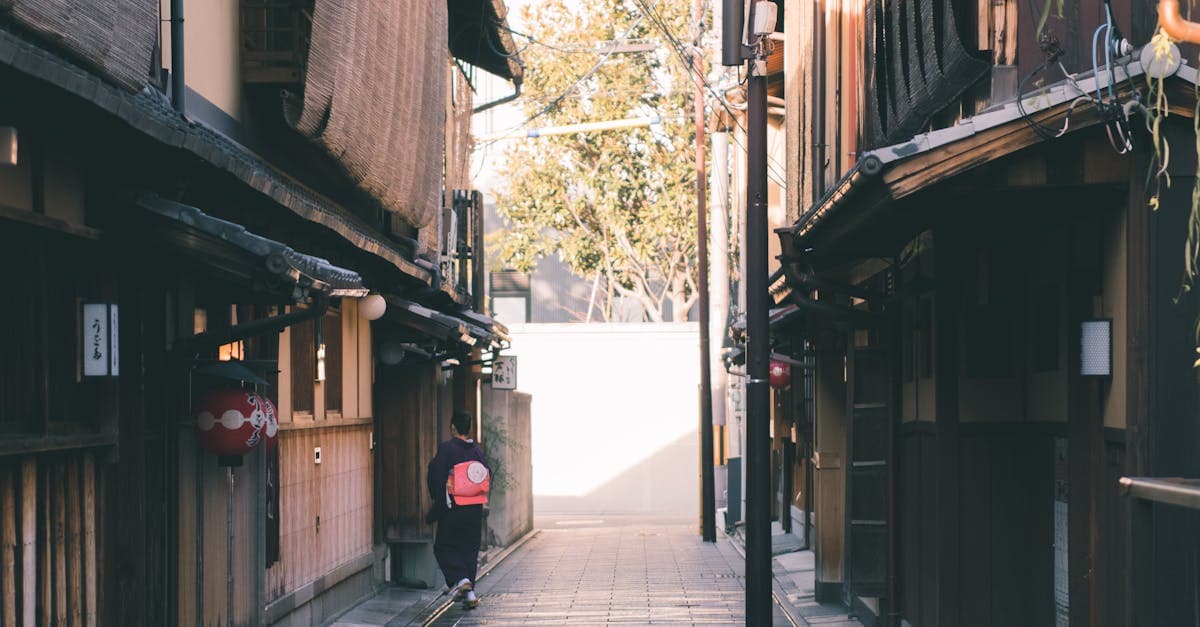
Japan ranks among the safest countries on earth for solo travellers. The Global Peace Index has consistently placed it in the upper tier, with petty crime and street harassment at levels that would embarrass most other major tourism destinations. For a Singaporean heading overseas alone for the first time, there is no simpler starting point.
Visa administration is not your problem. Singapore passport holders receive visa-free entry on arrival for stays of up to 90 days at Narita, Haneda, Kansai, and all major ports. The appointment-booking and document-gathering that affect travellers from most other markets simply do not apply.
Solo dining in Japan is not a compromise but a design philosophy. Ichiran Ramen engineered individual booths so diners face a bamboo screen rather than other customers. Tachigui standing eateries, sushi counters where you sit directly facing the chef, and kaiten conveyor belt sushi all normalise a solo seat in ways few other food cultures have formalised. Japan is arguably the best destination in the world for a meal eaten alone.
Convenience stores remove a layer of friction. Japan's 7-Eleven, Lawson, and FamilyMart branches function as supermarkets, pharmacies, hot food counters, and ATMs simultaneously, a combination any Singapore resident will recognise. The familiarity genuinely helps when navigating an unfamiliar city.
Train signage across Tokyo and Osaka appears in English alongside Japanese, with consistent colour-coded line maps and clear platform indicators. Smaller cities are less legible, but the main tourist circuits are manageable even without a word of Japanese.
The yen makes the financial case plainly. At roughly 110 to 115 JPY per SGD in early 2026, Japan costs 30 to 35 per cent less in SGD terms than it did in 2019. That shift is meaningful at every budget level.
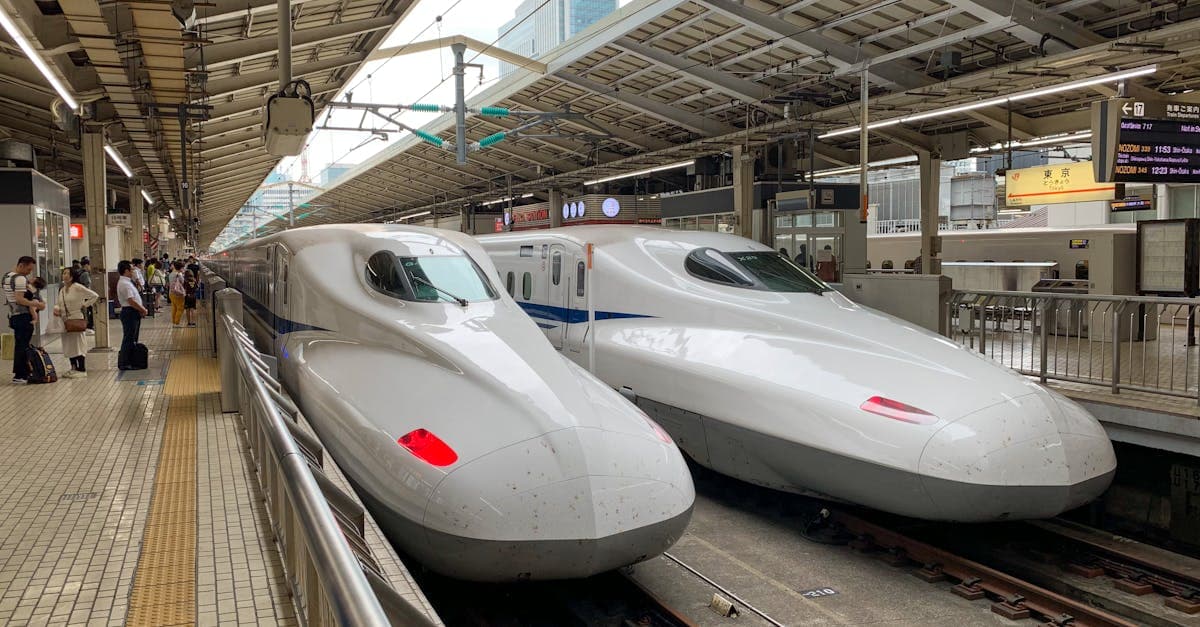
Timing determines the trip as much as destination. Cherry blossom season, which runs from late March into early April across Tokyo and Osaka, draws the largest crowds Japan sees in any calendar month. Autumn foliage in mid-November is equally congested. Both are genuinely worth experiencing; both inflate accommodation prices and require booking flights several months in advance.
Three windows to avoid: Golden Week in late April to early May, Obon in mid-August, and Silver Week in late September. These are peak Japanese domestic holiday periods. Hotels sell out, Shinkansen seat reservations fill rapidly, and popular restaurants run waiting lists.
January to February and June to July offer the best balance of lower fares and accessible sights. Both windows sit largely outside Singapore's school holiday periods, reducing competition from families travelling the same routes.
Singapore Airlines flies direct from Changi to Tokyo Narita and Osaka Kansai. Economy return fares to Tokyo range from roughly S$900 to S$1,400 depending on booking lead time. Scoot and Jetstar operate budget routes to both Narita and Osaka, with off-peak return fares from approximately S$420 to S$650.
Singapore passport holders need no pre-arranged visa. Entry for up to 90 days is granted on arrival at all major Japanese airports, removing the appointment-and-documentation step that complicates long-haul travel planning for most other Southeast Asian nationals.
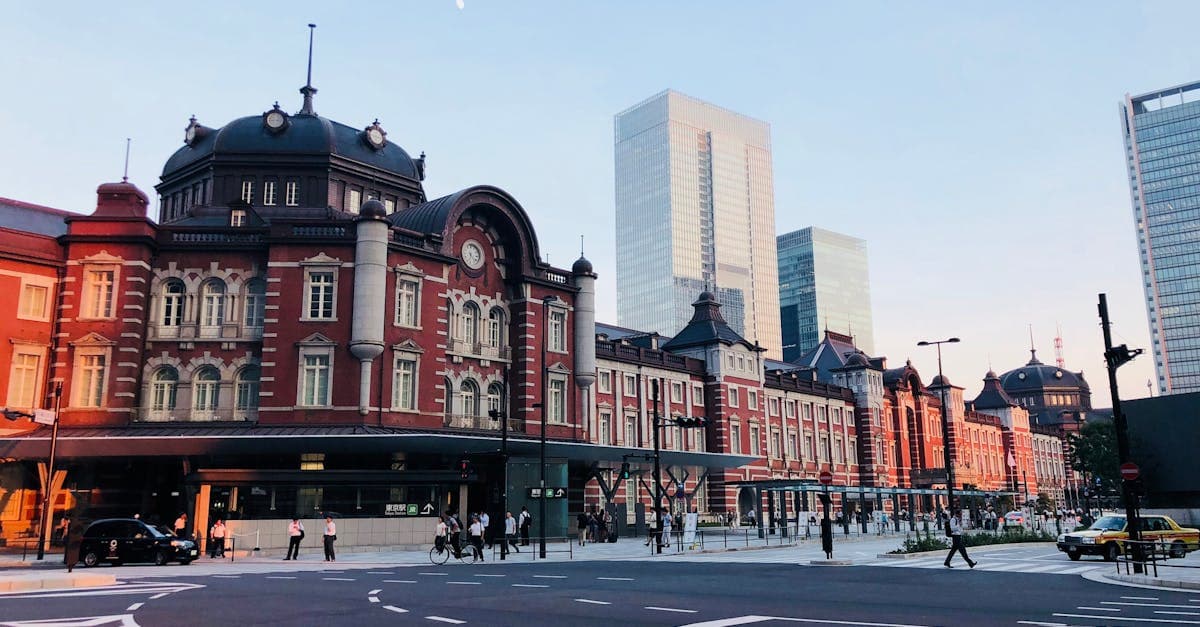
The 7-day JR Pass now costs roughly S$390. At around JPY 50,000 at current exchange rates, that represents approximately a 70 per cent increase from pre-October 2023 pricing. Do the sums before you buy.
The pass covers Shinkansen services on JR lines, excluding the Nozomi and Mizuho express services, plus JR local trains nationwide and selected JR ferry routes. Tokyo's Toei and Metro subway networks, most private rail lines, and regional subway systems in other cities fall outside its coverage.
Single-city itineraries rarely justify the cost. A Suica IC card loaded with S$80 to S$120 covers most urban rail in Tokyo or Osaka comfortably, with enough flexibility for day trips to surrounding stations.
The pass earns its cost on routes with significant Shinkansen mileage. A return journey between Tokyo and Hiroshima, or a Tokyo to Kyoto to Osaka loop, each exceed the pass price in individual point-to-point fares. Those itineraries make the arithmetic work.
Calculate your specific route on Hyperdia or Google Maps Rail before committing. Any guide recommending the JR Pass without qualification and published before October 2023 is working from outdated pricing.
Add Suica to Apple Wallet or Google Wallet before departure. Top up via a Singapore Visa or Mastercard, skip the airport counter entirely, and land with a working transit card already in your phone.

Budget travellers have room to manoeuvre. Staying in hostel dormitories, eating primarily from convenience stores, and prioritising free or low-cost sights, a 10-day solo Japan trip from Singapore, return flights included, comes in at approximately S$1,500 to S$2,100. Mid-range travel with a business hotel such as Toyoko Inn or APA Hotel, a mix of sit-down meals and combini runs, and paid attractions costs S$2,800 to S$4,200. Comfortable travel covering boutique hotels or ryokan with meals starts at S$4,500.
Accommodation is the clearest lever. Capsule hotels start from around S$30 per night, business hotels from roughly S$90, and ryokan with dinner and breakfast included from approximately S$200 per night. Prices rise 20 to 40 per cent during cherry blossom and autumn foliage seasons regardless of tier.
Food costs are predictable. A convenience store meal of onigiri, salad, and a drink runs JPY 600 to 900, or roughly S$6 to S$9. A sit-down ramen bowl or sushi set costs JPY 1,200 to 2,000, around S$11 to S$19.
Two new costs apply in 2026 that older guides will not flag. Kyoto charges entry fees on selected walking trails near popular visitor areas. Mt. Fuji's Yoshida trail imposes a JPY 2,000 climbing fee and caps daily entries at 4,000 climbers from Fujiyoshida; the fee slot must be arranged separately before you arrive.
For data connectivity,(https://www.helloroam.com/en-SG/local-esim) run approximately S$22 to S$30 for a 10-day trip, operating on Docomo and SoftBank networks. Singtel, StarHub, and M1 roaming add-ons for the equivalent period cost S$55 to S$100.
For cash and currency, a Wise card provides real-time mid-market exchange rates and is the most cost-efficient option for most travellers. DBS and Travelex counters at Changi are reliable alternatives for obtaining JPY before departure. Japan remains cash-dependent outside major city centres despite the broader shift toward IC cards and card payments.
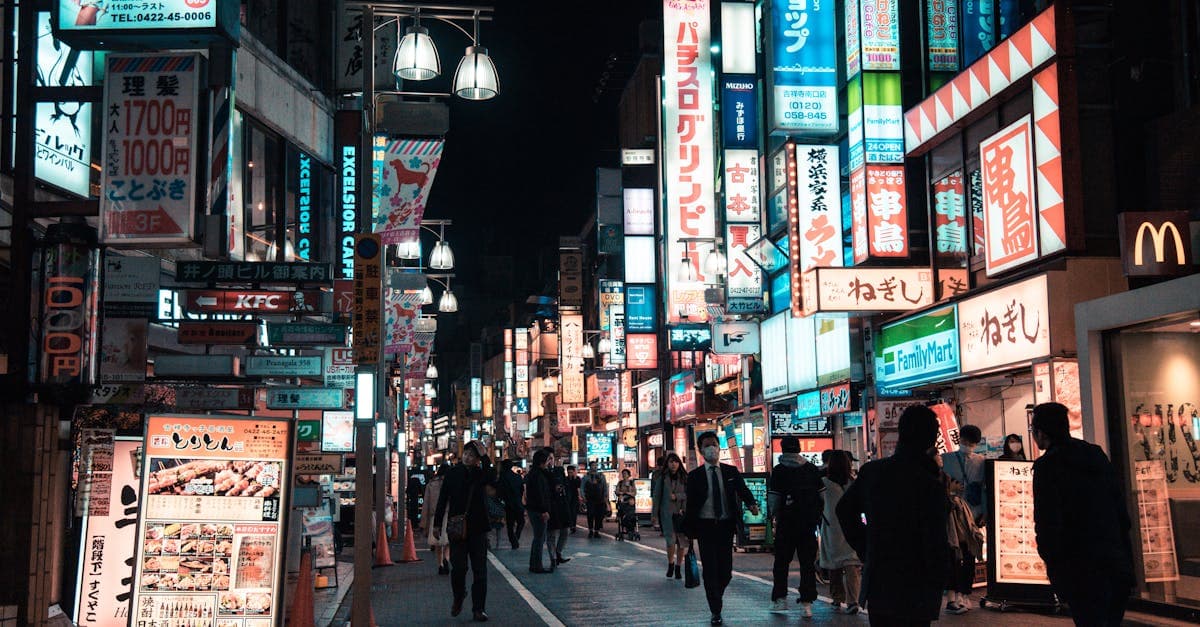
Staying connected in Japan: eSIM, SIM card, or pocket Wi-Fi
Google Maps is non-negotiable for solo travel in Japan. Navigating a multi-line rail interchange like Shinjuku or Osaka-Umeda without live data is an exercise in frustration; exits are numbered differently from platform levels, and the signage assumes you can read kanji. Add Google Translate's camera function for menus and signs, plus live Suica top-ups via Apple or Google Wallet, and reliable mobile data becomes operational rather than optional.
Public Wi-Fi fills gaps, not journeys. Most 7-Eleven, Lawson, and major station connections cap sessions at 30 to 60 minutes and require re-authentication each time; treat it as a supplement, not a primary connection.
Pocket Wi-Fi remains popular but carries friction that solo travellers do not need. Collect a device from an airport counter on arrival, carry it separately all day, keep it charged, and return it before departure. If the device dies mid-itinerary, navigation, translation, and Suica top-up all stop simultaneously.
A local airport SIM (IIJmio or a Docomo tourist SIM) solves the data problem but creates another: queue at the MVNO counter, perform a physical SIM swap, and your Singapore number goes offline for the duration. Banking OTPs and WhatsApp calls are unavailable until you swap back on return.
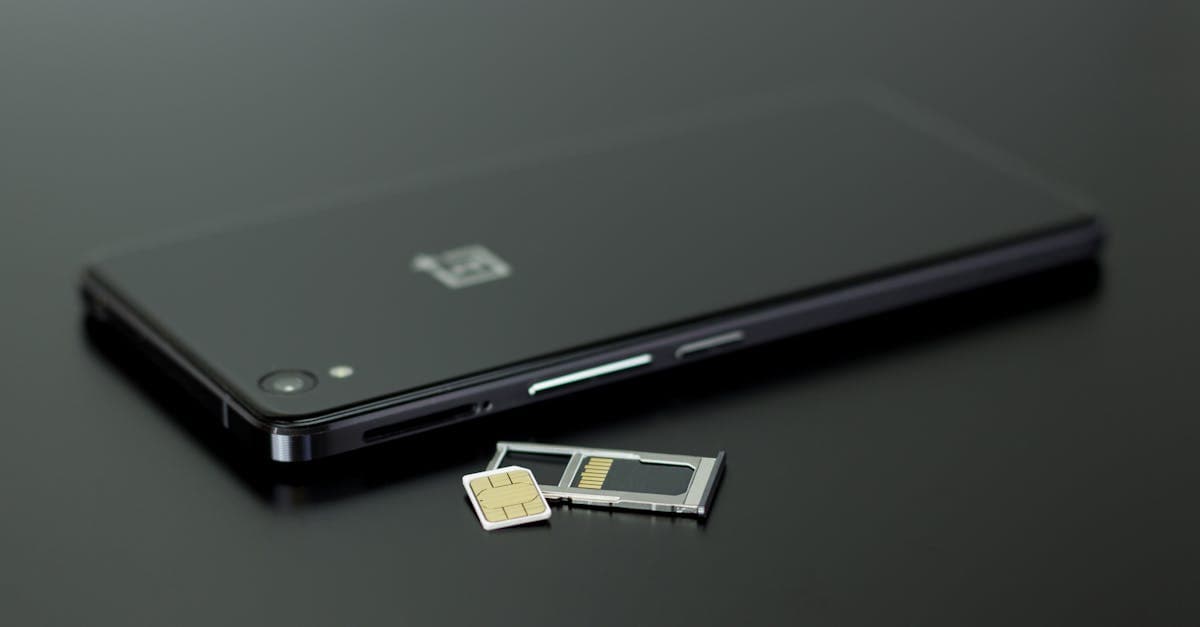
eSIM removes the queue entirely and keeps your Singapore number active on the physical SIM slot. Hello Roam's Japan plans, covering 10 to 20 GB on Docomo or SoftBank networks, are priced at approximately S$22 to S$30 for 10 days. Singtel's DataRoam Daily costs S$5.50 per day (S$55 over the same period), with speed throttling after the daily cap is reached. For a 10-day trip, the maths favours the eSIM; the one requirement is a compatible, carrier-unlocked device.
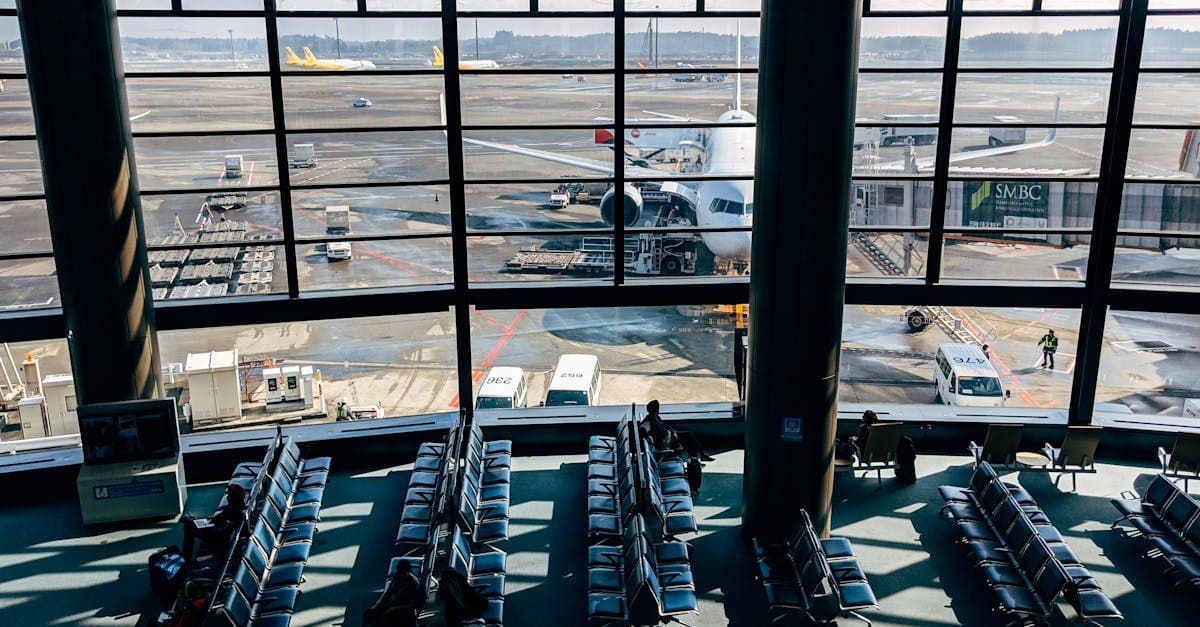
Setting up a Hello Roam eSIM before you board at Changi
Not every handphone supports eSIM. On iPhone, go to Settings, then Cellular, then Add eSIM; if the option appears, your device is compatible. iPhone XS (2018) and all later models support the technology, as do most Android flagships from 2020 onwards; confirming this on the manufacturer's specification sheet takes less than a minute and avoids an unpleasant discovery at Changi T2.
Carrier-locked handphones cannot install a third-party eSIM until unlocked. Some Singtel and StarHub prepaid devices fall into this category; request a carrier unlock from your telco before purchasing any eSIM plan, a process that typically takes one to three business days.
After purchasing a Hello Roam Japan plan, a QR code is delivered immediately by email. Scan it through Settings and the eSIM profile installs in under two minutes. Set the eSIM to activate automatically on arrival at a Japanese airport, or trigger it manually on descent into Narita, Haneda, or Kansai before the aircraft lands.
Keep your Singapore physical SIM active in the secondary slot throughout the trip. WhatsApp calls, banking OTPs, and Grab notifications all continue without interruption.
Before boarding, download offline Google Maps tile sets for Tokyo, Osaka, and Kyoto. The eSIM handles live navigation reliably above ground; offline tiles cover the gaps in underground station concourses where signal weakens regardless of carrier. This combination ensures navigation works even when data does not.

Is Japan safe for solo female travellers?
The Numbeo Safety Index and the Global Peace Index both place Japan in the top five countries globally for safety. Petty crime rates are low by any international comparison, and violent crime against tourists is rare. Women consistently report feeling comfortable walking alone at night in Tokyo, Osaka, and Kyoto.
Women-only train carriages operate during weekday morning rush hours (approximately 7am to 9am) on most major rail lines across all three cities. Look for the pink floor markings on the platform indicating the designated carriage; outside these hours, the carriages revert to general use.
Female-only accommodation is widely available and easy to filter for. Many capsule hotel brands, including Anshin Oyado and Nine Hours, offer female-only floors or entirely separate female facilities. Booking.com and Hostelworld both carry women-only search filters that narrow results quickly.
Most public onsen are gender-separated by default. Tattoo policies vary significantly between establishments; some prohibit tattooed guests regardless of size, so check the ryokan's policy before booking rather than on arrival.
In an emergency: 110 for police, 119 for ambulance. The Japan Visitor Hotline (050-3816-2787) operates 24 hours in English, covering non-emergency situations including lost property and medical queries. Save your accommodation address in Japanese characters on your phone before you leave; most booking confirmation emails include this automatically, and showing it to a taxi driver or using it for location sharing resolves most navigation difficulties quickly.
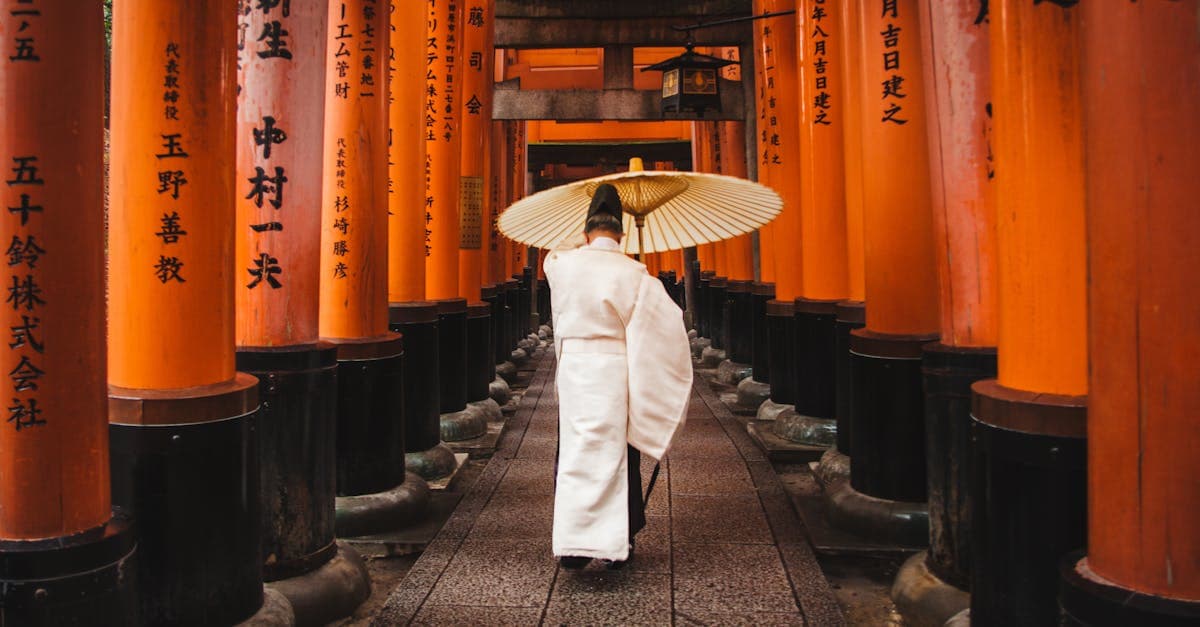
Hidden Japan: destinations worth adding beyond Tokyo and Kyoto
Kanazawa, Naoshima, Matsumoto, Hiroshima, Beppu, and Yufuin are the destinations most worth adding beyond the standard Tokyo-Kyoto route for solo travellers in 2026. Overtourism has moved from warning to reality: Gion in Kyoto operates with pedestrian restrictions during peak evening hours, the famous Lawson convenience store Mt. Fuji viewpoint in Fujikawaguchiko now has permanent crowd barriers, and popular hiking trails charge entry fees. The classic Golden Route still functions as an itinerary, but peak-season margins for a comfortable visit have narrowed considerably.
Kanazawa is approximately 2.5 hours from Tokyo on the Hokuriku Shinkansen. Japan's craft and contemporary art city, it is anchored by Kenroku-en garden, the Higashi Chaya geisha district, and Omicho Market for fresh Noto Peninsula seafood.
Naoshima is an art island in the Seto Inland Sea, accessible from Okayama or Takamatsu by ferry. The Chichu Art Museum houses a permanent Monet collection in underground concrete galleries, complemented by multiple site-specific outdoor installations across the island. A full day is the minimum; an overnight stay, booked well in advance, makes better use of the experience.
Matsumoto sits roughly two and a half hours from Shinjuku by limited express. A feudal castle city at the foot of the Japanese Alps, it is quieter than Nikko and a practical base for Kamikochi hiking in warmer months.
Hiroshima and Miyajima both appear on standard itineraries, but most visitors day-trip from Osaka rather than staying overnight. Miyajima at dawn or dusk, without the day-trip crowds, is a fundamentally different experience. Beppu and Yufuin in Oita Prefecture (reachable by Shinkansen to Kokura then limited express) are two distinct onsen resort towns within an hour of each other; Beppu's volcanic hot spring vents, the jigoku or 'hells', warrant a half-day visit for their visual strangeness alone.
Visiting any of these secondary cities in January, June, or September typically cuts accommodation costs by 20 to 40 per cent against peak cherry blossom and autumn foliage rates. For solo travellers watching the budget, that saving alone justifies the detour from the standard route.
Seven apps carry most of the weight for solo navigation in Japan. Download all of them before boarding, not after you land and discover the airport Wi-Fi queue.
Google Maps remains the most reliable transit routing tool in the country. It displays platform numbers, specific exit gates, transfer walking times, and pedestrian routes accurate to the building entrance, a level of granularity Google provides for Japan that it does not replicate consistently elsewhere.
Google Translate's camera function is indispensable outside tourist areas. Point it at Japanese text and an English overlay renders in real time. Handwritten menus at small izakaya, vending machine labels, and public notices outside major city centres become legible in seconds.
Suica on Apple Wallet or Google Wallet handles transit payments across JR lines, Tokyo Metro, Osaka Metro, and most bus routes. As noted in the JR Pass section above, load JPY before departure using a Singapore Visa or Mastercard.
For Shinkansen planning, Hyperdia or Navitime for Japan goes further than Google Maps: exact platform numbers, carriage position guides, and reserved seat availability on long-distance services. Both are worth consulting before boarding any intercity train.
Tabelog is Japan's most trusted restaurant review platform, with an English-language interface, real-time wait estimates, and reservation links for many listed restaurants.
Japan Official Travel App, published by JNTO, functions offline and provides disaster alerts, emergency contacts, and evacuation guidance in English. The offline capability is what makes it genuinely useful rather than decorative.
PayPay, Japan's dominant QR payment platform, registers with a foreign Visa or Mastercard without requiring a Japanese bank account. Acceptance has expanded at izakaya, mid-range restaurants, and some temple entry counters.

Singapore passport holders receive visa-free entry on arrival in Japan for stays of up to 90 days. This applies at all major airports including Narita, Haneda, and Kansai. No pre-arranged visa, appointment, or document gathering is required.
Japan consistently ranks in the top tier of the Global Peace Index, with petty crime and street harassment at very low levels. English signage on major train lines and the familiarity of convenience stores like 7-Eleven and Lawson reduce friction for first-time solo travellers.
The 7-day JR Pass costs roughly S$390 in 2026, around 70 per cent more than pre-October 2023 pricing. It is worth the cost only if your itinerary includes significant Shinkansen mileage, such as a Tokyo to Kyoto to Osaka loop or a return journey to Hiroshima. Single-city trips rarely justify the expense; a Suica IC card loaded with S$80 to S$120 is sufficient for urban travel.
A budget 10-day trip including return flights costs approximately S$1,500 to S$2,100 when staying in hostels and eating mostly from convenience stores. Mid-range travel with business hotels and sit-down meals runs S$2,800 to S$4,200. Comfortable travel with boutique hotels or ryokan starts at S$4,500.
January to February and June to July offer the best balance of lower airfares and accessible sights. Avoid Golden Week in late April to early May, Obon in mid-August, and Silver Week in late September, as these are peak Japanese domestic holiday periods when hotels and Shinkansen reservations fill rapidly.
Cherry blossom season runs from late March into early April in Tokyo and Osaka and is genuinely worth experiencing, though it draws the largest crowds of any calendar month. Flights and accommodation must be booked several months in advance, and prices rise 20 to 40 per cent compared to off-peak periods.
Singapore Airlines flies direct from Changi to Tokyo Narita and Osaka Kansai, with economy return fares to Tokyo ranging from roughly S$900 to S$1,400. Budget carriers Scoot and Jetstar also operate routes to both cities, with off-peak return fares from approximately S$420 to S$650.
An eSIM is the most convenient option for Singaporean travellers: no airport counter queue, no physical SIM swap, and your Singapore number stays active on the device's physical SIM slot throughout the trip. Pocket Wi-Fi requires collecting and returning a device and stops working if it runs out of battery. Local SIM cards disable your Singapore number while in use.
Hello Roam Japan eSIM plans covering 10 to 20 GB on Docomo or SoftBank networks cost approximately S$22 to S$30 for 10 days. Singtel's DataRoam Daily costs S$5.50 per day, totalling S$55 over the same period with speed throttling after the daily cap. Local airport SIM cards from providers like IIJmio are similarly priced but require a physical SIM swap.
After purchasing a Hello Roam Japan plan, a QR code is delivered immediately by email. Scan it through your phone's Settings to install the eSIM profile in under two minutes. Set it to activate automatically on arrival at a Japanese airport, or trigger it manually on descent. Your Singapore physical SIM remains active in the secondary slot throughout.
iPhone XS (2018) and all later iPhone models support eSIM. Most Android flagship devices from 2020 onwards are also compatible. To confirm, go to Settings, then Cellular, then Add eSIM on iPhone; if the option appears, your device is compatible. Carrier-locked handphones cannot install a third-party eSIM until unlocked by your telco, which typically takes one to three business days.
Suica is a contactless IC card used to pay for trains, buses, and convenience store purchases across Japan. You can add it to Apple Wallet or Google Wallet before departure and top it up using a Singapore Visa or Mastercard, skipping the airport counter entirely. A Suica loaded with S$80 to S$120 covers most urban rail travel in Tokyo or Osaka comfortably.
Japan ranks in the top five countries globally for safety on both the Numbeo Safety Index and the Global Peace Index. Women regularly report feeling comfortable walking alone at night in Tokyo, Osaka, and Kyoto. Women-only train carriages operate during weekday morning rush hours on most major lines, and female-only accommodation is widely available and easy to filter for on booking platforms.
Yes, women-only carriages operate during weekday morning rush hours, approximately 7am to 9am, on most major rail lines in Tokyo, Osaka, and Kyoto. Pink floor markings on the platform indicate the designated carriage. Outside these hours, the carriages revert to general use.
A convenience store meal of onigiri, salad, and a drink costs approximately JPY 600 to 900, or roughly S$6 to S$9. A sit-down ramen bowl or sushi set runs JPY 1,200 to 2,000, around S$11 to S$19. Japan's convenience stores, including 7-Eleven, Lawson, and FamilyMart, serve hot food and function as a practical daily meal option.
Yes. Kyoto now charges entry fees on selected walking trails near popular visitor areas. Mt. Fuji's Yoshida trail imposes a JPY 2,000 climbing fee and caps daily entries at 4,000 climbers; the fee slot must be arranged before you arrive. These costs are not reflected in guides published before 2026.
A Wise card provides real-time mid-market exchange rates and is the most cost-efficient option for most travellers. DBS and Travelex counters at Changi Airport are reliable alternatives for obtaining JPY before departure. Japan remains heavily cash-dependent outside major city centres despite the growing use of IC cards and card payments.
Kanazawa, Naoshima, Matsumoto, Hiroshima, Beppu, and Yufuin are the destinations most worth adding to a solo itinerary in 2026. Overtourism has become a practical issue in central Kyoto, with pedestrian restrictions in Gion during peak evening hours, making less-visited alternatives increasingly appealing.
Dial 110 for police and 119 for ambulance in Japan. The Japan Visitor Hotline at 050-3816-2787 operates 24 hours in English for non-emergency situations including lost property and medical queries. Save your accommodation address in Japanese characters on your phone before you leave, as most booking confirmation emails include this automatically.
Japan combines visa-free access for Singapore passport holders, consistently low crime rates, English-language train signage on major routes, and a food culture that actively normalises solo dining through individual ramen booths and sushi counters. The yen's weakness in 2026 also makes the country 30 to 35 per cent cheaper in SGD terms than in 2019.
HelloRoam: your trusted travel eSIM that keeps you online across borders.
Explore Plans