Cheap Flights From Singapore in 2026: Budget Airlines, Best Months and Booking Hacks

Written by: David Chen


12 min read

Table of content
Singapore's budget airline lineup: who flies where in 2026
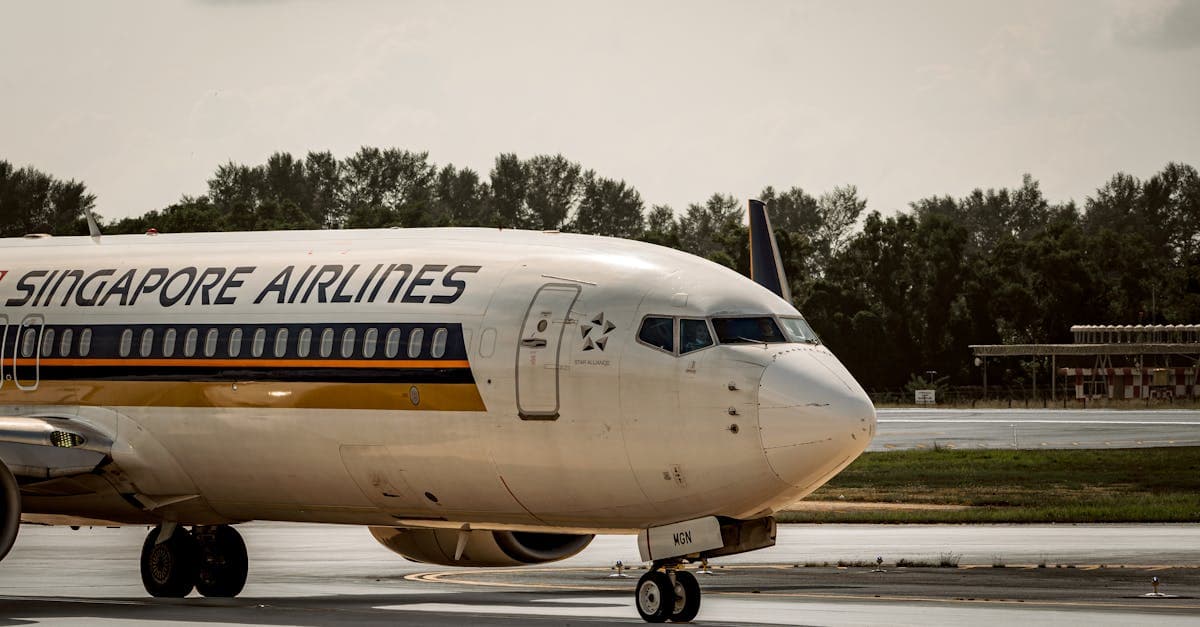
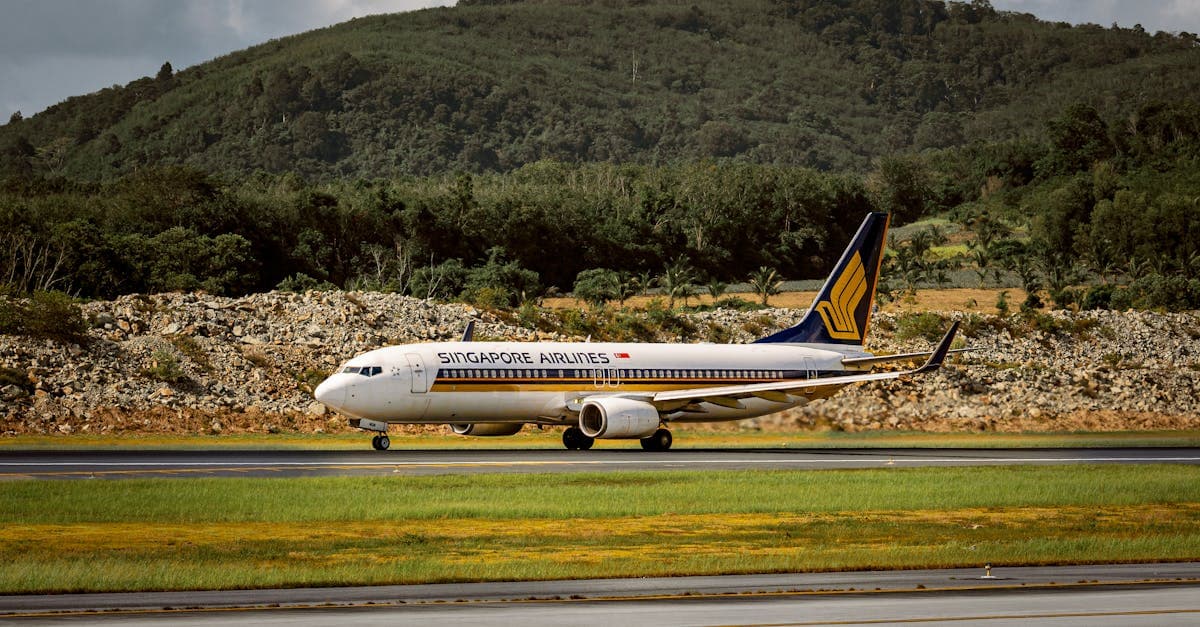
Three carriers operate out of Changi's Terminal 1, but they serve very different purposes.
Scoot, part of the Singapore Airlines group, is the dominant force on medium and long-haul budget routes, covering Japan, Australia, Greece, and select Pacific destinations. Jetstar Asia concentrates on shorter Southeast Asian corridors, with strong departure frequency to Manila, Ho Chi Minh City, and Phnom Penh. AirAsia's Singapore operation is leaner, focusing primarily on Malaysia and regional connections routed through its Kuala Lumpur hub.
All three use fully unbundled fares. The base ticket price excludes checked baggage, seat selection, and meals, which means the advertised figure is rarely the total price. Budget for add-ons before comparing fares across carriers, or the cheapest-looking option will stop looking cheap quickly.
Beyond the main three, secondary carriers fill specific route gaps. VietJet handles several Vietnam routes at competitive prices. Cebu Pacific covers Manila alongside Scoot. IndiGo serves Chennai and secondary Indian city pairs. Jeju Air has expanded its Singapore frequency on the Seoul corridor over the past two years.
Singapore's position as a regional aviation hub creates a genuine structural advantage for outbound travellers. The concentration of carriers competing on overlapping routes generates more fare pressure and deeper seat inventory than most Southeast Asian cities can offer. Understanding which airline actually dominates a given route is the first practical step to finding a fare that is genuinely low, rather than comparing across carriers that do not compete on the same path.
Scoot vs Jetstar Asia: the cost comparison that matters

On six routes from Changi, Scoot and Jetstar Asia compete directly. Bangkok, Bali, Tokyo, Osaka, Perth, and Sydney are served by both, making these corridors the most useful places for direct price comparison.
Fares on overlapping routes are broadly competitive. Neither airline consistently undercuts the other across all destinations, which means checking both at the point of purchase is practical rather than optional. What separates them is route reach and the ancillary structure around each ticket.
Scoot extends into territory Jetstar Asia does not touch. Its Athens service is the only direct budget option from Singapore into Europe, enabling onward connections via Aegean Airlines or Ryanair into the wider continent. On Japan and Australia routes, Scoot also tends to offer greater departure frequency and deeper seat inventory.
Jetstar Asia holds its ground in short-haul Southeast Asia. For Manila, Ho Chi Minh City, and Phnom Penh, it often provides more weekly departure options and, depending on the booking window, comparable base fares. Frequent intra-regional travellers benefit most from that scheduling depth.
Baggage add-ons cost roughly S$25 to S$60 for 20 kilograms on both carriers, varying by route distance and timing. Adding baggage at check-in rather than at initial booking consistently costs more.
Scoot's KrisFlyer miles integration is the clearest differentiator for Singapore Airlines loyalists. Earning miles on budget fares and applying them to future SIA or Scoot bookings represents a sustained saving over time that Jetstar Asia cannot replicate for this traveller segment.
For Japan and Europe, Scoot is the only relevant LCC from Changi. The productive comparison between the two carriers sits on Southeast Asian short-haul routes, where both genuinely compete on price and scheduling.
What cheap flights from Singapore actually cost: routes and true fares
Base fares are the entry point, not the final price.
RouteSingapore to Kuala Lumpur
Budget one-way fare (early 2026)S$20 to S$60
CarrierAirAsia
RouteSingapore to Bangkok
Budget one-way fare (early 2026)S$40 to S$100
CarrierAirAsia / Scoot
RouteSingapore to Bali
Budget one-way fare (early 2026)S$60 to S$130
CarrierScoot / Jetstar Asia
RouteSingapore to Manila
Budget one-way fare (early 2026)S$70 to S$150
CarrierScoot
RouteSingapore to Tokyo
Budget one-way fare (early 2026)S$129 to S$350
CarrierScoot
RouteSingapore to Seoul
Budget one-way fare (early 2026)S$180 to S$360
CarrierScoot / Jeju Air
RouteSingapore to Perth
Budget one-way fare (early 2026)S$169 to S$300
CarrierJetstar Asia / Scoot
RouteSingapore to Sydney
Budget one-way fare (early 2026)S$299 to S$500
CarrierScoot / Jetstar Asia
RouteSingapore to Athens
Budget one-way fare (early 2026)S$449 to S$600
CarrierScoot
These are entry-level prices on the cheapest available dates. Add a 20-kilogram checked bag and a pre-selected seat and the total cost typically rises by S$50 to S$120, depending on route distance and when the add-ons are purchased. On short-haul routes, that can approach double the advertised base fare.
School holiday windows are the most predictable cost driver. Chinese New Year, the June school holidays, the September break, and December push fares up by 30 to 60 per cent on most routes. Booking outside these windows, or well ahead of them, is the single most effective way to reduce the price paid.
Singapore-issued credit cards add a discount layer that most comparison platforms do not surface. DBS, OCBC, and Citi cards carry co-branded promotions offering 5 to 15 per cent off Scoot and Jetstar fares. Checking active card promotions before purchasing takes two minutes and is frequently worth more than the effort implies.
For travellers making four or more Kuala Lumpur trips per year, the AirAsia MOVE subscription costs around S$28 per month. The capped fare model reduces per-trip cost meaningfully on that specific corridor.
Scoot's Athens route is the cheapest available path from Singapore to Europe, and most travellers have not considered it. Connecting onward via Aegean Airlines or Ryanair cuts the total fare substantially against any full-service carrier option, at the cost of additional journey time.
Connectivity is a cost that follows every flight booking. Roaming charges from Singapore carriers run S$15 to S$30 per day, which across a seven-day trip can rival the budget flight price itself. Hello Roam's regional eSIM plans bundle multiple Southeast Asian destinations under a single data package, removing the need to activate separate roaming plans for each country on a multi-stop itinerary.
Midweek departures on Tuesday and Wednesday consistently track 10 to 20 per cent below Friday and Sunday fares on the same routes. The saving applies across most destinations and requires only flexibility on departure day.
How to search for cheap fares from Changi

Google Flights and Skyscanner do not always surface the same fares. Knowing which to use first changes the outcome.
Google Flights' date grid is the better starting point for flexible itineraries. The calendar view displays price variation across a full month, allowing identification of the cheapest departure date rather than anchoring to one fixed day.
Skyscanner captures LCC promotional pricing that Google sometimes misses. Scoot and Jetstar Asia seat sales do not always appear on Google's platform, making Skyscanner the more reliable tool for comprehensive budget carrier coverage. Running both before purchasing adds five minutes and frequently surfaces a price difference worth acting on.
Booking window guidance: 6 to 10 weeks ahead for Asia routes, and 3 to 5 months ahead for Europe and Australia, where long-haul LCC inventory fills significantly earlier.
Two free subscriptions catch deals that aggregators typically miss. Scoot's Telegram channel and Jetstar's email list announce time-limited seat sales, sometimes hours before comparison platforms register the promotion. Subscribing to both costs nothing; acting on the alerts requires readiness to book within 24 to 48 hours.
Google Flights' 'track prices' feature and Skyscanner's price alert function notify you when a specific route drops below a chosen threshold. Running alerts across two or three target routes simultaneously removes the need for daily manual searches, surfacing the relevant price movement only when a threshold is crossed.
Direct booking vs aggregator: which saves more?

Aggregators win the browsing stage. Airline booking pages win at checkout, more often than most travellers expect.
The core aggregator advantage is visibility: Skyscanner or Google Flights shows Scoot, Jetstar Asia, and any overlapping carriers on a single screen, making the cheapest option apparent without opening multiple tabs. That advantage ends at checkout. Several aggregators add booking fees of S$5 to S$15 per passenger, applied at the final payment step, and on a family booking, that fee can quietly erase much of the fare saving.
There is a subtler trap for carry-on-only travellers. Some aggregators display base fares without the included baggage allowance, which makes the airline's bundled price appear more expensive at first glance. Once checked luggage is added on the aggregator side, the airline's own site is often cheaper in total.
The recommended workflow: use an aggregator to identify the cheapest carrier and the optimal travel date, then open the airline's direct booking page to verify the all-in price before completing the purchase. Two extra minutes almost always pay off.
For travellers building multi-leg cheap flights from Singapore to Europe or beyond, Kayak's Hacker Fares occasionally combines two carriers to lower the total cost. The trade-off is reduced flexibility: separate tickets carry no automatic rebooking if a connection is missed. Worth knowing before you book.
Staying connected when you land: data options for Singapore travellers
Singtel, StarHub, and M1 each charge S$15 to S$30 per day for international data roaming. On a week-long trip, that cost compounds quickly, sitting on top of flights and accommodation before either has been paid.
eSIM is the practical workaround for most current devices. Roughly 70 per cent of new handphones sold in Singapore support eSIM natively, so no physical SIM swap is required. Setup takes under five minutes, with the process covered earlier in this guide, and data runs from the moment you land.
Timing matters at the purchasing stage. Buying an eSIM online before departure, rather than at Changi's Recommends kiosks or from carrier counters, avoids a 30 to 50 per cent price premium attached to airport sales.
Hello Roam offers destination-specific data bundles covering routes commonly taken by Singapore travellers, purchased online in advance with no physical SIM required. Plans are activated before departure, meaning connectivity is ready on landing without any airport queuing.
Destination conditions shape which option is actually needed. Japan has reliable coverage in its cities but connectivity thins on rural rail routes and outside major urban centres. Bali's resort Wi-Fi is inconsistent; independent mobile data is more reliable. In Europe, mobile coverage varies considerably by country, and urban café hotspots are less dependable than a dedicated data connection.
For Japan specifically, third-party eSIM providers price seven-day plans at approximately USD 4.50 to USD 13 (around S$6 to S$18) for 1 to 10 GB. Singtel and StarHub Japan roaming for the same week runs S$105 to S$180. The gap is significant, and it compounds across a two-week itinerary.
Book cheap flights from Singapore, pack carry-on only to avoid baggage fees, and purchase connectivity online before reaching the departure gate.
Which months are cheapest to fly from Singapore?

Book around the school breaks. Every major destination from Changi shows its highest fares during the four main Singapore school holidays, a pattern consistent enough to build a year's travel calendar around.
Japan is the clearest example. January through mid-March, outside the Chinese New Year period, offers the cheapest flights from Singapore to Japan at any point in the year. Demand builds again from late April through Golden Week and peaks in July and August, when both Singapore and Japanese domestic travellers drive fares upward simultaneously.
Southeast Asia short-haul routes follow a similar calendar. January and early February outside CNY are the cheapest windows for Bangkok, Bali, and Kuala Lumpur. June, September, and December bring the highest prices of the year on these routes.
Europe and Australia reward shoulder-season planning. For Europe, late September through October and February through March sit below peak demand; for Australia, April through May and September through October avoid the busiest periods for both Singapore and Australian school holiday calendars.
Tuesday and Wednesday flights from Singapore are 10 to 20 per cent cheaper than the equivalent Friday and Sunday seats on the same route. Across a family booking, that difference is material.
Is it cheaper to fly from Singapore or Johor Bahru?

For domestic Malaysia routes, Senai Airport in Johor Bahru makes a legitimate case. Sultan Ismail Petra Airport serves as an AirAsia hub with direct connections to Kota Kinabalu, Penang, and Langkawi at promotional fares that face no direct competition from Changi. Selected international services to Bangkok, Jakarta, and Bali also appear in the schedule, though with less frequency than the domestic network.
Getting there is the hidden cost that most comparisons omit. A bus from Kranji MRT or Larkin Halt, a border crossing that takes 30 to 90 minutes depending on the day and traffic, then a Grab or taxi for the remaining 30 kilometres to the airport, can add two to three hours to the total journey. On a tight connection, that margin is unworkable. Checkpoint congestion on a peak-hour Friday can extend the journey further still.
For the most-travelled international routes, including Japan, Bangkok, Sydney, and Europe, Changi fares are competitive once ground transport costs and journey time on both ends are accounted for. Reduced flexibility on a separately ticketed budget booking adds further exposure if a flight is delayed or missed.
The honest verdict: AirAsia's Kota Kinabalu and Penang promotional fares are the specific reason to consider crossing the Causeway. Beyond domestic Malaysia, the logistics of that crossing rarely justify the effort.
How far ahead should I book cheap flights from Singapore?

The booking window differs sharply by region. For Asia-Pacific routes including Japan, Thailand, Indonesia, the Philippines, and South Korea, the optimal advance purchase window was covered in the fare search section above. Prices within that range balance availability against timing flexibility well.
Long-haul routes to Europe and Australia require earlier action. Scoot operates fewer weekly departures on these corridors than on any short-haul Asia service, which means seat inventory is smaller. Both availability and price deteriorate faster than on high-frequency routes, making the longer lead time outlined earlier more critical here than on a Bangkok or Bali booking.
Last-minute fares are largely a myth on popular Singapore routes. LCC services to Asia fill consistently. In the final two weeks before departure, prices typically rise rather than fall. This contrasts with European aviation markets, where large blocks of unsold seats do create genuine distress pricing. From Changi, that pattern does not reliably apply.
The exception is flash sales. Scoot and Jetstar run periodic promotions, typically announced via Telegram channels and email newsletters, with sharp discounts available roughly 4 to 8 weeks before departure. These are promotional pricing events, not inventory clearance. Following both carriers on Telegram costs nothing and catches windows that do not appear on aggregators.
Set fare alerts on Google Flights or Skyscanner for the target route and book when the alert triggers below your threshold. Holding out for a further drop rarely pays off.

Travel writer and former digital nomad. 10 years exploring destinations across 6 continents. Specializes in budget travel, expat life, and off-the-beaten-path experiences for American travelers.
Read full bio→Frequently Asked Questions
The main budget carriers operating from Changi are Scoot, Jetstar Asia, and AirAsia. Secondary low-cost carriers include VietJet for Vietnam routes, Cebu Pacific for Manila, IndiGo for Indian city pairs, and Jeju Air on the Seoul corridor.
The Singapore to Kuala Lumpur route is consistently the cheapest, with AirAsia base fares starting from S$20 to S$60 one-way. Bangkok is the next cheapest option, with fares from S$40 to S$100 on AirAsia and Scoot.
Scoot one-way base fares from Singapore to Tokyo range from S$129 to S$350 in early 2026. Adding a 20-kilogram checked bag and a pre-selected seat typically raises the total by S$50 to S$120 depending on when add-ons are purchased.
Neither airline consistently undercuts the other across all destinations, so checking both at the point of purchase is recommended. On Japan and Europe routes Scoot is the only relevant option, while on short-haul Southeast Asian routes like Manila and Ho Chi Minh City both genuinely compete on price and scheduling.
Scoot's Athens service is the only direct budget option from Singapore into Europe, with fares ranging from S$449 to S$600 one-way. From Athens, onward connections via Aegean Airlines or Ryanair can reach the wider continent at a lower total cost than flying full-service.
January through mid-March outside Chinese New Year is one of the cheapest windows of the year for most destinations. School holiday periods in June, September, and December push fares up 30 to 60 per cent, so booking outside these windows or well ahead of them delivers the biggest savings.
Tuesday and Wednesday departures consistently track 10 to 20 per cent below Friday and Sunday fares on the same routes. This saving applies across most destinations and requires only flexibility on departure day.
Checked baggage add-ons cost roughly S$25 to S$60 for 20 kilograms on both Scoot and Jetstar Asia, varying by route distance and timing. Adding baggage at check-in rather than at initial booking consistently costs more.
Yes, Scoot integrates with the KrisFlyer frequent flyer programme, allowing travellers to earn miles on budget fares and apply them to future Singapore Airlines or Scoot bookings. This is the clearest differentiator for Singapore Airlines loyalists, as Jetstar Asia does not offer an equivalent programme for this traveller segment.
Google Flights' date grid is the better starting tool for flexible itineraries, showing price variation across a full month. Skyscanner is more reliable for capturing LCC promotional fares that Google sometimes misses, so running both before purchasing is recommended.
Aggregators are best for comparing prices across carriers, but several add booking fees of S$5 to S$15 per passenger at checkout. The recommended approach is to use an aggregator to identify the cheapest option and date, then verify the all-in price on the airline's direct booking page before completing the purchase.
For Asia routes, booking 6 to 10 weeks ahead is the general guidance. For Europe and Australia, booking 3 to 5 months in advance is advisable as long-haul LCC inventory fills significantly earlier.
DBS, OCBC, and Citi cards carry co-branded promotions offering 5 to 15 per cent off Scoot and Jetstar fares. Checking active card promotions before purchasing can frequently save more than the effort implies, and most comparison platforms do not surface these discounts automatically.
AirAsia MOVE is a subscription costing around S$28 per month that provides capped fares on AirAsia routes. For travellers making four or more Kuala Lumpur trips per year, the capped fare model reduces the per-trip cost meaningfully on that specific corridor.
Google Flights' track prices feature and Skyscanner's price alert function notify you when a specific route drops below a chosen threshold. For time-limited seat sales, subscribing to Scoot's Telegram channel and Jetstar's email list catches promotions that sometimes appear hours before aggregators register them.
Singtel, StarHub, and M1 each charge S$15 to S$30 per day for international data roaming. On a seven-day trip this cost can rival the budget flight price itself, making alternatives like travel eSIM plans worth considering before departure.
Purchasing a travel eSIM online before departure avoids the 30 to 50 per cent price premium attached to airport kiosk sales. For Japan, third-party eSIM providers price seven-day plans at approximately S$6 to S$18 for 1 to 10 GB, compared to S$105 to S$180 for equivalent Singapore carrier roaming.
January through mid-March outside the Chinese New Year period offers the cheapest fares from Singapore to Japan at any point in the year. Demand rises from late April through Golden Week and peaks in July and August when both Singapore and Japanese domestic travellers drive fares upward simultaneously.
Kayak's Hacker Fares combines two separate carriers to lower the total fare on multi-leg itineraries. The trade-off is reduced flexibility, as separate tickets carry no automatic rebooking if a connection is missed, which is an important consideration before booking.





Stay Connected with Travel Data
View all destinations

United States


United Kingdom