Best Travel SIM Card for Singapore 2026: Physical SIM and eSIM Compared

Written by: James Harrington


11 min read
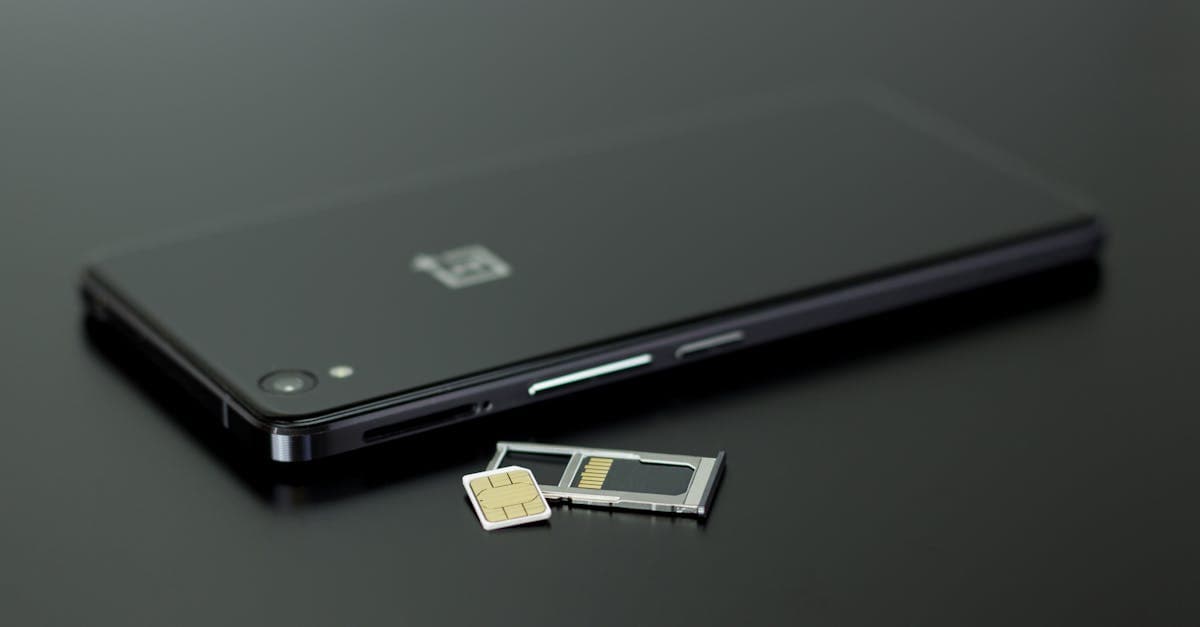
Table of content
Do you actually need a SIM card in Singapore?
For any stay of two days or more, a local SIM is the sensible default for any traveller who relies on their handphone for navigation, transport, and payments. Wireless@SGx is adequate for stationary use, but it is not a substitute for mobile data on the move.
Wireless@SGx spans more than 6,000 hotspots across Singapore. MRT stations, hawker centres, community libraries, CC atriums: on paper, the coverage map looks near-comprehensive. For a traveller moving through the city, the picture is considerably patchier.
MRT tunnels are the clearest gap. Connectivity drops the moment your train leaves the platform. On shorter hops, that's a brief inconvenience. On longer routes such as the East-West Line between Changi and Raffles Place, the dropout extends across multiple underground stations, leaving you without signal for a sustained stretch.
Street-level navigation is similarly unreliable. Wireless@SGx hotspots are fixed nodes, not a continuous blanket signal. Moving between them on foot creates dead zones, often at precisely the moment you need to check a turning.
Registration adds a friction point many visitors do not anticipate. The system requires SMS verification, and foreign mobile numbers, particularly those outside supported gateways, frequently fail the process. Users report repeated failures before abandoning the registration screen entirely.
The practical shortfalls compound quickly. Booking a Grab or Gojek requires a live connection at the point of sending the request. Turn-by-turn navigation cuts out once you step outside a hotspot's range. QR code entry at Sentosa attractions, contactless payment apps requiring a live server ping, real-time translation for a menu in Chinatown: none of these function reliably on a network built for stationary browsing.
Changi Airport's WiFi is fast and friction-free on arrival. Speeds of 50 to 100 Mbps are typical, with no registration step required. That reliability ends at the terminal boundary; board the MRT at Changi Airport station and you are on Wireless@SGx terms within minutes.
On costs: EU carriers charge roughly EUR 5 to 10 per day for roaming in Singapore. T-Mobile (US) prices LTE access at USD 5 per day. Australian carriers bill around AUD 5 to 10 on their roaming day packs. A local travel SIM card covers a full month for approximately the same outlay as two days on the cheapest international roaming option.
Best physical SIM cards for Singapore tourists in 2026

Singtel hi! Tourist SIM suits most arrivals, with StarHub Travel SIM the stronger pick for travellers expecting meaningful voice use. All three operators price their entry-level tourist card at S$15 for 30 GB, making the decision a question of what each plan delivers beyond the headline data figure.
Singapore tourist SIM comparison (2026)
ProviderSingtel hi! Tourist SIM
PriceS$15
Data30 GB
Validity30 days
Local calls30 min
HotspotYes
ProviderStarHub Travel SIM
PriceS$15
Data30 GB
Validity28 days
Local calls100 min
HotspotYes
ProviderM1 Tourist SIM
PriceS$15
Data30 GB
Validity30 days
Local callsCheck M1 site
HotspotYes
Singtel hi! Tourist SIM suits most arrivals well. The 24-hour counter presence at Changi, across all terminals, means a working SIM is available at 2am without a hunt around the arrival hall. Singtel also carries the widest retail footprint island-wide if you miss the airport counter.
StarHub Travel SIM is the stronger pick for travellers expecting meaningful voice use. The call allowance is considerably more generous than Singtel's, a practical buffer for anyone coordinating with hotels, tour operators, or local contacts. The two-day shorter validity window is unlikely to matter for most tourist itineraries.
M1's Tourist SIM matches on the data tier and is stocked at 7-Eleven locations across the island, a solid fallback if you are past the Changi counters when you land.
All three plans require passport presentation at the counter when purchasing. This is an IMDA regulatory requirement.
Travellers using eSIM-only handsets, including certain US-market iPhone 14 models and some flagship Android devices, cannot insert a physical SIM. They should purchase an eSIM before departure. For everyone else, pre-order through Klook or KKday with airport counter collection sidesteps the queue during peak travel periods when Changi counters get busy.
Does your tourist SIM include 5G?

Not every tourist SIM card on the market actually enables 5G access. Singapore's 5G standalone network is already extensive, covering the CBD, Orchard Road, the Jurong Innovation District, and all major tourist zones, with IMDA having mandated 95 per cent geographic coverage by the end of 2025.
Which plans include it is a separate question. Singtel's hi! Tourist SIM supports 5G on compatible handsets. StarHub and M1 tourist plans run primarily on 4G, with 5G band access where available but not guaranteed under the stated plan terms.
Whether 5G matters in practice depends on what you are doing. Singapore's 4G network delivers median download speeds of 85 to 110 Mbps, which ranks among the highest in Southeast Asia. For navigation, streaming, video calls, and Grab bookings, 4G handles everything comfortably.
5G becomes relevant in specific scenarios: tethering a laptop away from hotel WiFi, uploading large video files, or running multiple data-heavy applications simultaneously. For the typical tourist day, the distinction rarely surfaces.
For eSIM users, Airalo routes through Singtel's network in Singapore and inherits 5G access where prepaid tiers support it. Hello Roam, which offers regional packages covering multiple Southeast Asian destinations, provides access depending on its underlying Singapore carrier. For a primer on how the technology works before you commit to a plan,(https://www.helloroam.com/en-SG/what-is-an-esim) explains the mechanics clearly.
If 5G connectivity is a firm requirement for your trip, verify it before committing to a plan. Prepaid tier network access is not always identical to postpaid terms, and that distinction is worth checking regardless of which provider or SIM format you select.
Best eSIMs for Singapore in 2026
Four eSIM providers cover Singapore in 2026, each with a different proposition on pricing, carrier, and tethering policy. All activate via QR code before departure, as described in the earlier section.
Hello Roam suits travellers building Singapore into a wider Southeast Asia itinerary. Regional plans bundle Malaysia, Thailand, Indonesia, and Vietnam within a single activation, with transparent per-country data allocations rather than a pooled shared balance that depletes without warning.
Airalo runs its Singapore entry plan on the Singtel network. It is the world's largest eSIM marketplace by catalogue depth, and user feedback consistently rates Singapore speed performance as reliable. A logical starting point for a short stay requiring navigation and basic messaging.
Holafly targets high-bandwidth users with an unlimited data option on StarHub. The restriction is significant: hotspot tethering is explicitly prohibited on the unlimited tier. Travellers needing to connect a laptop or share a connection with a companion should note this before purchasing.
Nomad offers the lowest per-gigabyte price of the four providers on the M1/StarHub network. Fewer data tier choices than Airalo or Holafly, which suits a brief stopover more than an extended leisure stay.
ProviderHello Roam
Entry planRegional packages
Approx. S$Varies; see below
SG networkCheck Hello Roam site
HotspotCheck Hello Roam site
Multi-countryYes
ProviderAiralo
Entry planUSD 3.50 / 1 GB
Approx. S$~S$4.70
SG networkSingtel
HotspotCheck Airalo site
Multi-countryYes
ProviderHolafly
Entry planUSD 17 / 5 days unlimited
Approx. S$~S$23
SG networkStarHub
HotspotNo (unlimited tier)
Multi-countryYes
ProviderNomad
Entry planUSD 2.50 / 1 GB
Approx. S$~S$3.35
SG networkM1/StarHub
HotspotCheck Nomad site
Multi-countryYes
The dual SIM advantage is practical and frequently underutilised. Your home number remains active for calls and two-factor authentication while Singapore data runs simultaneously on the eSIM. No physical SIM swap, no interruption to existing service.
Device compatibility is a prerequisite, as covered in the earlier section. Confirm eSIM support before purchasing, particularly on handsets locked to a home carrier or older regional model variants.
Travelling beyond Singapore? The case for a regional eSIM

A regional eSIM removes that overhead. One purchase, one QR code, and data runs across multiple countries without manual switching between destinations.
Singapore sits within four hours of Bangkok, Kuala Lumpur, Bali, Ho Chi Minh City, and Manila by air. Budget carriers from Changi make multi-destination itineraries routine for Singaporean travellers. Each additional country has traditionally meant a separate SIM counter visit, a passport scan, and a top-up transaction in a different currency.
Hello Roam's Southeast Asia packages allocate data by country within a single plan, giving travellers a clear picture of what they have remaining in each market rather than depleting an opaque shared pool. The structure suits multi-stop itineraries of five days or more.
The cost difference is direct. Combining the entry-level Singapore SIM from the previous section with roaming packs or individual country SIMs for Malaysia and Thailand can reach S$40 to S$60 across a two-week multi-country trip. A regional eSIM covering all three countries typically falls between S$20 and S$35.
Three traveller profiles benefit most: those spending fewer than 10 days in Singapore before continuing to neighbouring countries; digital nomads on extended multi-country stays; and business travellers covering several ASEAN markets in a single trip. A traveller spending two full weeks in Singapore with no onward leg gains nothing from a regional plan over the physical SIM available at the arrivals counter.
Where to buy a SIM card in Singapore
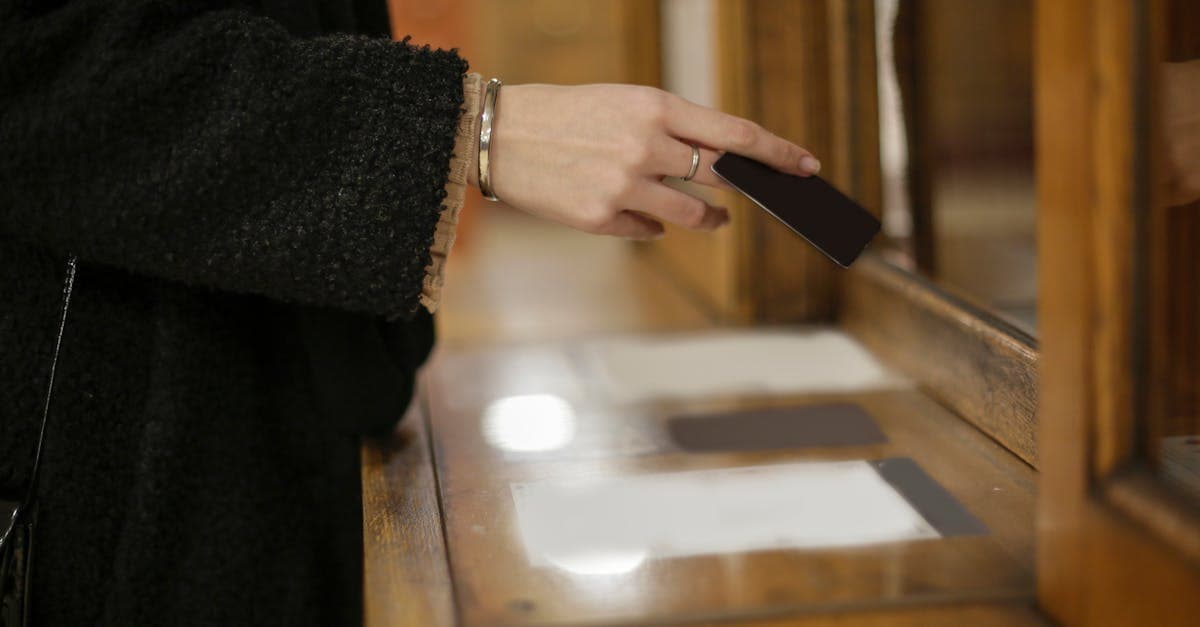
All four Changi Airport terminals and Jewel Changi have Singtel, StarHub, and M1 counters in the arrivals hall. Bring your passport: SIM registration in Singapore requires a valid travel document, scanned at the counter during purchase.
Terminal 2 is fully operational again. The post-renovation reopening completed in November 2024, and counter locations within T2 have shifted from the floor plans in most guides published before that date. Any article describing T2 SIM counter positions from before late 2024 should be treated as unreliable.
Operating hours are the key variable. Singtel counters at T1 and T3 run around the clock. StarHub and M1 airport counters typically close between 11pm and 7am, with variation by terminal. For any arrival after midnight, Singtel at T1 or T3 is the only reliably open option. 7-Eleven stores within certain terminals stock pre-packaged travel SIM card starter packs as a secondary fallback, though plan selection is limited to basic data options.
Beyond Changi. 7-Eleven operates approximately 800 locations across Singapore stocking Singtel and StarHub starter packs. Challenger electronics stores carry all three operators. Operator flagship stores are on Orchard Road, at Bugis Junction, and within major shopping malls including Vivocity and Jurong Point.
Pre-order and collect. iShopChangi, Klook, and KKday allow online SIM purchase with counter collection at Changi. Queue time is eliminated, which matters most during school holidays and Chinese New Year, when arrivals counters draw notably longer waits.
eSIM. No counter required. Purchase from providers including Airalo, Holafly, or Nomad and a QR activation code arrives by email within minutes, redeemable before boarding or after landing in Singapore. Passport registration does not apply to internationally purchased eSIMs.
Peak travel periods aside, any arrivals-hall counter across the four terminals has a working plan ready in under five minutes.
Can I use my Singapore tourist SIM for hotspot and tethering?

All three operators permit it. Singtel, StarHub, and M1 tourist SIMs include hotspot tethering from the standard data allowance, at no additional charge. Connect a laptop, tablet, or second handphone to your mobile data without adjusting your plan.
The position across eSIM providers is less consistent. Airalo and Nomad both permit hotspot on their Singapore plans, with no additional restrictions noted in their current terms.
Holafly explicitly restricts tethering on its unlimited data tier. This is a material gap: the unlimited option is positioned at high-bandwidth users, and tethering is precisely what that audience needs. A business traveller purchasing Holafly expecting to tether a work laptop will find that option unavailable.
Data consumption on a tethered device is heavier than most people anticipate. Light web browsing uses roughly 0.5 GB per hour; a Zoom or Teams call draws between 1.5 and 2.5 GB per hour.
A full working day with two or three meetings can total 3 to 6 GB. Tourists relying on maps and social media on their handphone alone typically need between 5 and 10 GB. Business travellers tethering for calls and documents should budget for at least 15 GB; digital nomads working full days should prioritise the highest-tier physical SIM options or a regional eSIM with hotspot access explicitly confirmed before purchase.
Check the tethering terms before completing any eSIM checkout. The restriction is not buried in fine print, but it is easy to overlook.
Do I need to show my passport to buy a SIM card in Singapore?
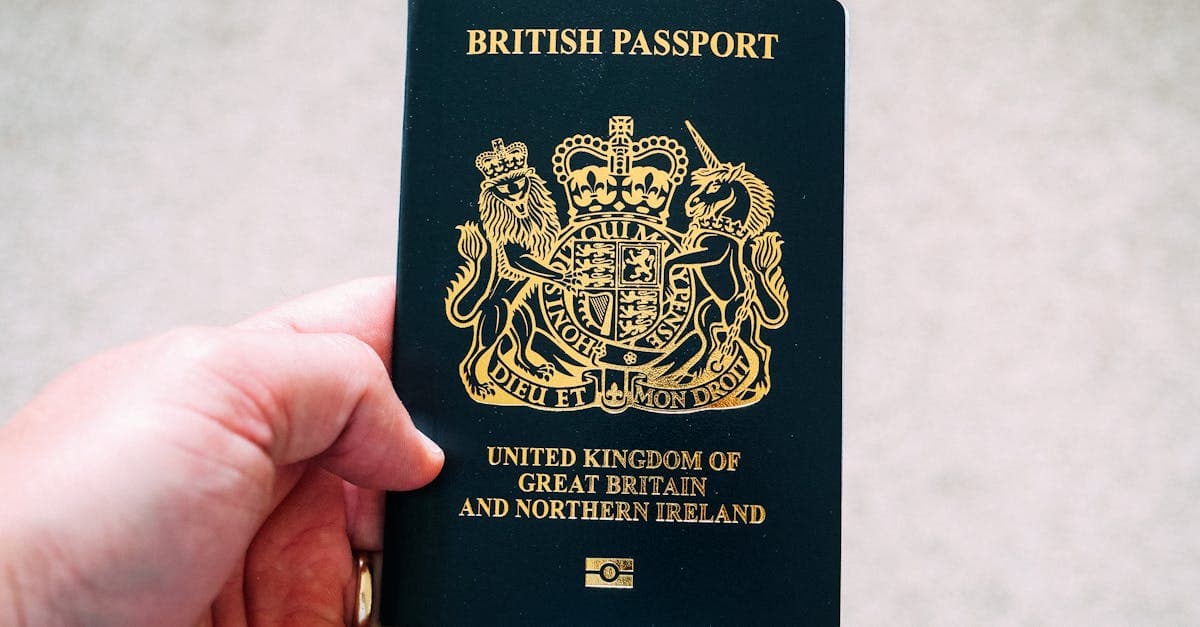
Every prepaid SIM sold in Singapore must be registered to a valid identity document. IMDA (the Infocomm Media Development Authority) mandates registration at the point of purchase, and counter staff complete the process on the spot.
Foreign visitors must present an international passport. Some operators also accept national identity cards issued by ASEAN member states as a valid alternative. There is no registration fee, and the whole process takes under two minutes.
Singapore's prepaid SIM rules are among the more stringent in the region. The framework exists to prevent anonymous SIM misuse, and the requirement applies consistently across all three operators, with no exceptions for tourist plans.
International eSIM providers, including Airalo, Holafly, and Nomad, operate under overseas MVNO (mobile virtual network operator) arrangements and are not subject to IMDA's point-of-sale registration requirement. Some platforms conduct their own identity verification at account level, such as requesting a passport photo or national ID scan during sign-up. This is separate from Singapore's regulatory obligations and varies by provider.
As covered earlier, Wireless@SGx requires SMS verification via mobile number during registration, and foreign numbers frequently fail to receive the one-time passcode depending on the originating network. That delivery failure is one practical reason to secure a local data connection before leaving the arrivals hall rather than relying on airport WiFi to bridge the gap.

London-based tech journalist with 9 years covering mobile connectivity, eSIM adoption, and roaming solutions across Europe and beyond for British travellers.
Read full bio→Frequently Asked Questions
For stays of two days or more, a local SIM card is the practical choice for travellers relying on their phone for navigation, transport, and payments. Singapore's free Wireless@SGx network covers over 6,000 hotspots but loses signal in MRT tunnels and creates dead zones between street-level nodes, making it unreliable on the move.
All three major operators — Singtel, StarHub, and M1 — price their entry-level tourist SIM at S$15, which includes 30 GB of data. This covers a full month for roughly the same cost as two days on most international roaming plans.
Singtel's hi! Tourist SIM suits most arrivals, offering 30 GB of data, 30 minutes of local calls, hotspot tethering, and 24-hour counter availability at all Changi Airport terminals. StarHub's Travel SIM is the stronger pick for voice use, including 100 minutes of local calls compared to Singtel's 30 minutes.
All four Changi Airport terminals and Jewel Changi have Singtel, StarHub, and M1 counters in the arrivals hall. Singtel counters at T1 and T3 operate around the clock, while StarHub and M1 counters typically close between 11pm and 7am, so late-night arrivals should head to Singtel at T1 or T3.
Yes, passport presentation is required when purchasing a tourist SIM card at any counter in Singapore. This is a regulatory requirement from IMDA and applies to all three major operators — Singtel, StarHub, and M1.
Yes, all three major operators — Singtel, StarHub, and M1 — include hotspot tethering on their tourist SIMs at no additional charge, drawn from the standard data allowance. You can connect a laptop, tablet, or second phone without any plan changes.
Singtel's hi! Tourist SIM supports 5G on compatible handsets, while StarHub and M1 tourist plans run primarily on 4G with 5G band access not guaranteed. Singapore's 4G network delivers median download speeds of 85 to 110 Mbps, which handles navigation, streaming, and video calls comfortably for most visitors.
The main eSIM providers for Singapore are Hello Roam, Airalo, Holafly, and Nomad. Airalo routes through Singtel's network from around USD 3.50 for 1 GB, Holafly offers unlimited data on StarHub but prohibits hotspot tethering, and Nomad offers the lowest per-gigabyte price on M1/StarHub from around USD 2.50 per GB.
No, Holafly explicitly prohibits hotspot tethering on its unlimited data tier for Singapore. Travellers who need to connect a laptop or share their connection should choose Airalo or Nomad instead, as both permit hotspot on their Singapore plans.
Wireless@SGx covers over 6,000 hotspots but loses signal in MRT tunnels and creates gaps between fixed street-level nodes. It also requires SMS verification that frequently fails for foreign mobile numbers, making it unreliable as a primary connectivity solution for tourists on the move.
7-Eleven operates around 800 locations across Singapore stocking Singtel and StarHub starter packs, and Challenger electronics stores carry all three operators. Operator flagship stores are also available on Orchard Road, at Bugis Junction, and in major malls including Vivocity and Jurong Point.
Yes, iShopChangi, Klook, and KKday allow online SIM purchase with counter collection at Changi Airport, eliminating queue time. This is especially useful during peak travel periods such as school holidays and Chinese New Year when arrivals counters see notably longer waits.
A regional eSIM offers better value for travellers visiting multiple Southeast Asian countries. Combining individual SIMs for Singapore, Malaysia, and Thailand can reach S$40 to S$60 for a two-week trip, while a regional eSIM covering all three typically falls between S$20 and S$35.
An eSIM lets you keep your home number active for calls and two-factor authentication while Singapore data runs simultaneously, with no physical SIM swap needed. It can be purchased and activated before departure via QR code, and no passport registration is required for internationally purchased eSIMs.
StarHub's Travel SIM offers 100 minutes of local calls, making it the strongest option for travellers coordinating with hotels, tour operators, or local contacts. Singtel's hi! Tourist SIM includes only 30 minutes of local calls by comparison.
Singapore's 4G network delivers median download speeds of 85 to 110 Mbps, ranking among the highest in Southeast Asia. This is sufficient for navigation, streaming, video calls, and app-based bookings such as Grab without requiring a 5G-enabled plan.
EU carriers charge roughly EUR 5 to 10 per day for roaming in Singapore, T-Mobile (US) prices LTE access at USD 5 per day, and Australian carriers bill around AUD 5 to 10 on roaming day packs. A local tourist SIM costs S$15 for a full month — roughly the same as two days on the cheapest roaming option.
Hello Roam suits travellers building Singapore into a wider Southeast Asia itinerary, with regional plans covering Malaysia, Thailand, Indonesia, and Vietnam under a single activation. Data is allocated per country rather than from a shared pool, giving a clear picture of what remains in each market.
Yes, eSIMs work in Singapore and are available from providers including Hello Roam, Airalo, Holafly, and Nomad. Activation is via QR code and can be completed before departure or after landing; no passport registration is required for internationally purchased eSIMs. Confirm your device supports eSIM before purchasing, as some handsets locked to home carriers may not be compatible.
Singtel counters at Terminal 1 and Terminal 3 operate around the clock, making them the only reliably open option for arrivals after midnight. StarHub and M1 airport counters typically close between 11pm and 7am, with some variation by terminal.

Stay Connected with Travel Data
View all destinations

United States


United Kingdom