Best Singapore Tourist SIM Card for 2026: Prices, Plans and Where to Buy

Written by: James Harrington


11 min read

HelloRoam is a global eSIM provider offering instant mobile data in 170+ countries. Buy prepaid travel eSIM plans with no extra fees, no contracts, and instant activation on any eSIM-compatible device.
11 min read
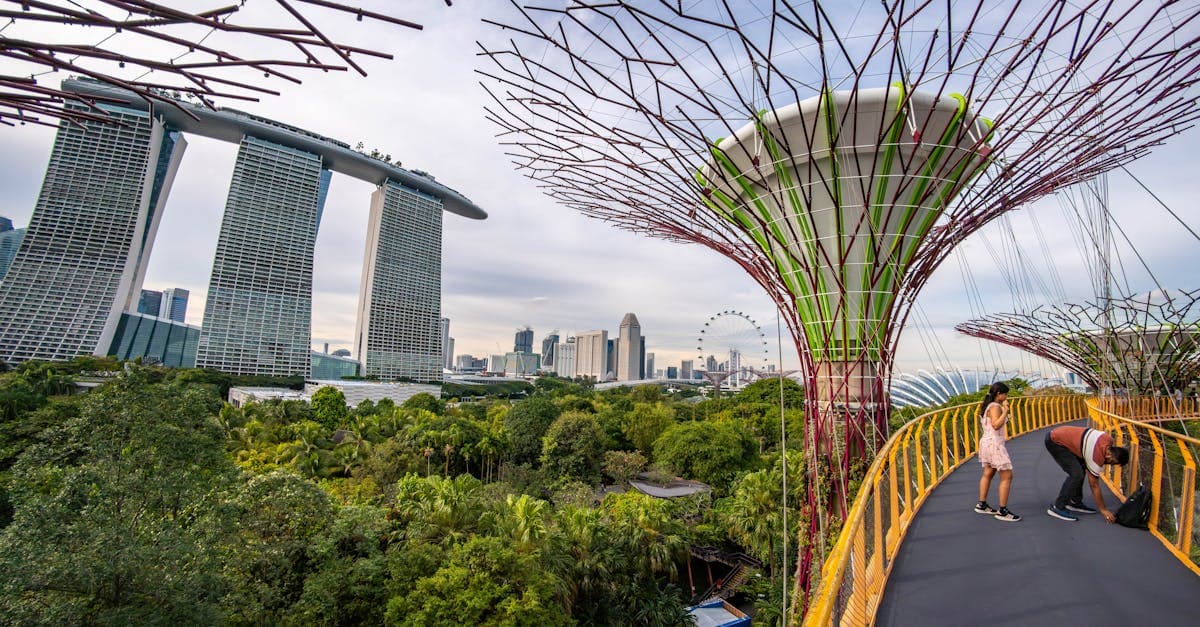
Singapore's mobile network is one of the best in the world for tourists. Three full operators cover 728 square kilometres with no dead zones, 4G reaches underground through every major MRT tunnel, and median speeds of 150 to 250 Mbps on 4G put Singapore in the global top 5 on the Ookla Speedtest Index. On 5G, those speeds climb to 300 to 700 Mbps. You're unlikely to notice you're on a visitor plan.
Your options split into two camps. Physical tourist SIMs from Singtel, StarHub and M1 start at SGD $15 for a 7-day plan. Each includes a local Singapore phone number, free incoming calls and a bundle of outgoing local minutes. International eSIM providers including Airalo, Holafly and Hello Roam offer data-only plans from around USD $4.50, activated on your existing device before you leave home. Only the physical SIM gives you a Singapore number, and that distinction has real consequences for a handful of apps popular with visitors.
Hello Roam runs on the Singtel and StarHub networks in Singapore, so the coverage and speeds match what you'd get buying a physical SIM at the airport.
For most visitors, two options lead on overall value. The Singtel hi! 7-day plan at SGD $15 is the strongest pick for all-round coverage, 5G access and airport availability. The Airalo 5 GB plan at USD $13 is the top eSIM choice for anyone who wants connectivity sorted before boarding. Both work well. The trade-off comes down to a single question: do you need a local Singapore phone number for your trip?
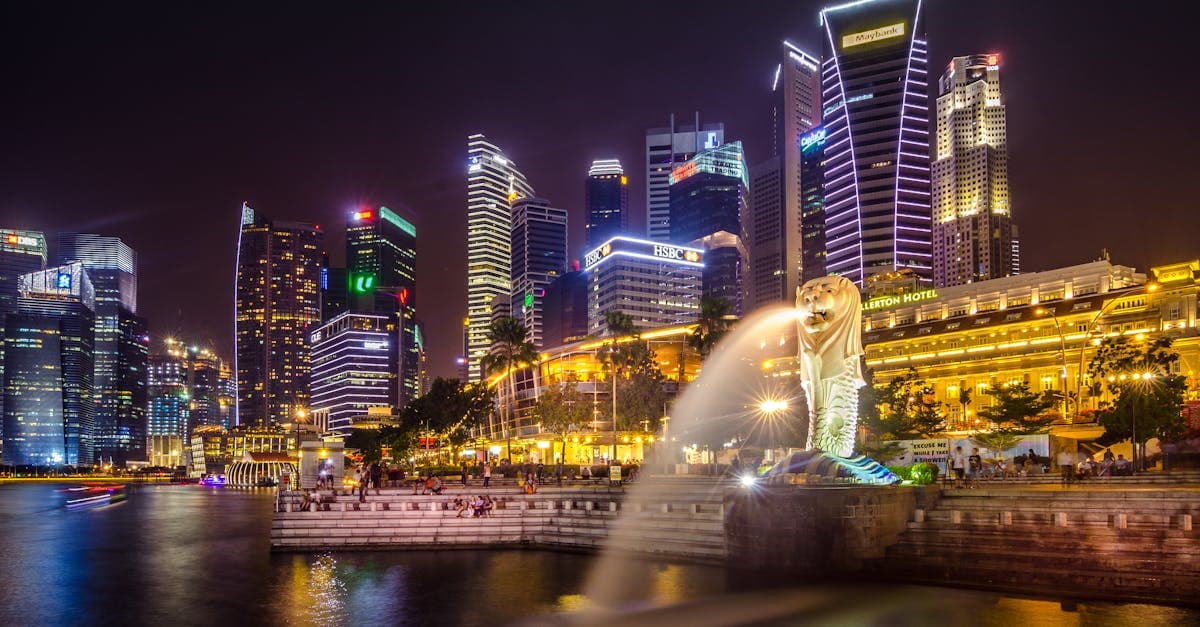
Singtel's tourist SIM is the market leader, and distribution is why. Vending machines at Terminals 1, 3 and 4 stock it 24/7, accept credit cards, and don't require passport presentation at the machine itself. Counter purchase does require a passport: IMDA mandates registration for all foreign nationals, and carriers handle this at point of sale. The Singtel hi! 7-day plan gives you 15 to 20 GB for SGD $15 to $18, the 14-day option covers 30 GB for SGD $22 to $25, and the 30-day plan runs 50 to 100 GB for SGD $30 to $38.
Hit the data cap and speeds drop to around 1 Mbps. That sounds worse than it is. WhatsApp calls, Google Maps navigation and basic email all work at that speed. It's throttled, not cut off. Singtel's tourist SIM is also 5G-capable on compatible devices and carries the strongest 4G track record inside MRT tunnels of the three carriers.
StarHub's 7-day plan gives you 15 GB at SGD $15 and leads on 5G standalone performance in the city centre. StarHub was Singapore's first 5G SA operator, and the gap is noticeable in dense tourist zones like Marina Bay and Orchard Road. Regional roaming add-ons are available for same-trip side visits to Malaysia or Indonesia.
M1's 14-day plan starts from SGD $20, undercutting Singtel's equivalent by a few dollars. Coverage in the CBD and Marina Bay corridor is strong. For a two-week stay, M1 offers genuine savings without a meaningful quality trade-off.
All Big Three plans include a local Singapore number, free incoming calls, 30 minutes of outgoing local calls and free SMS. IDD calls are billed separately across every carrier. For international calls, WhatsApp or FaceTime over data costs far less than the cellular rate.
Two budget alternatives round out the options. Circles.Life starts from around SGD $8 via its app only, with eSIM support available. TPG Mobile sits at SGD $5 to $8, though its 5G footprint is limited and coverage outside central Singapore can be patchy.
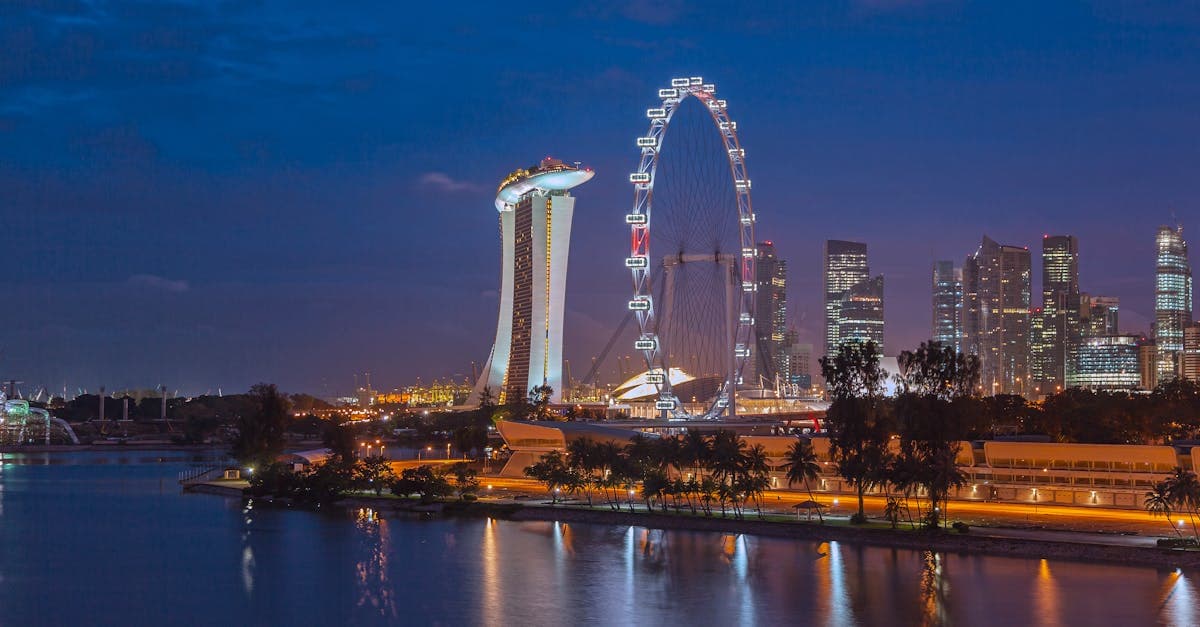
Airalo is the most widely used eSIM marketplace globally. Singapore plans run on the Singtel and StarHub networks, activation completes in under five minutes through the app, and there's no physical SIM to swap. For anyone who wants connectivity sorted before boarding, it's the natural starting point.
Holafly takes a different approach: unlimited data with a daily speed threshold. Good for heavy streamers or anyone who doesn't want to track usage. Just check that daily cap before buying.
Hello Roam's Singapore eSIMs also run on the Singtel and StarHub networks, with transparent pricing and 24/7 support. Plans start at $1.76 for 1 GB over 7 days, or $7.04 for 5 GB over 30 days. Heavy data user? Unlimited plans start at $20.35 for 7 days. For travellers who are new to eSIM and want to check device compatibility before committing to a plan, Hello Roam's(https://www.helloroam.com/en-SG/what-is-an-esim) page walks through how the technology works and what to check on your handset.
Nomad and Saily (from NordVPN) fill out the competitive field with polished app experiences and aggressive entry pricing on short plans.
Before buying any eSIM, confirm your phone supports dual-SIM: a physical nano SIM slot plus eSIM capability. Carrier-locked handsets may need unlocking first. Look up your IMEI on your carrier's eSIM compatibility page if you're unsure.
No eSIM on this list includes a local Singapore phone number, cellular voice calls or SMS.
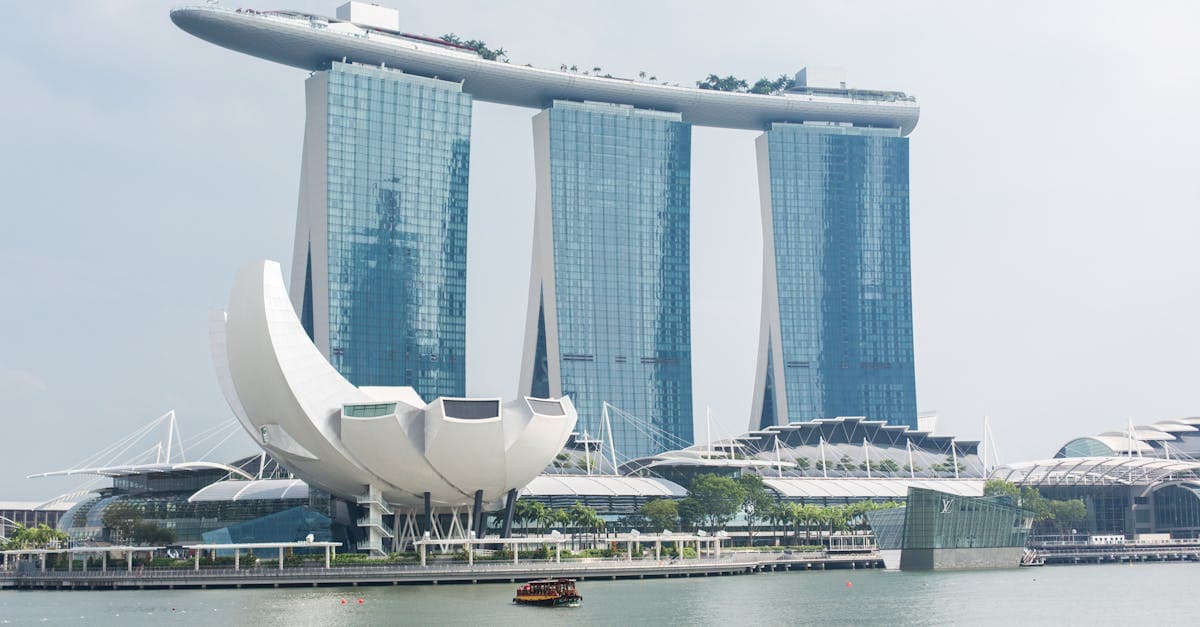
Data-only eSIMs cannot receive SMS verification codes, which blocks initial setup for Grab, PayNow and Singpass. The problem catches most visitors off guard: you arrive in Singapore, your eSIM connects instantly, and you open Grab to book a ride from Changi. The app requests SMS verification to a local or verified number. Your data-only plan has no Singapore number. Registration fails.
Grab, PayNow and Singpass all send one-time password codes via SMS during initial setup. A data-only eSIM can't receive those messages. Grab catches the most visitors off guard, since it's the default for taxis, food delivery and ride-sharing across the city.
Three practical fixes before you land:
This is the trade-off that most eSIM articles consistently underplay. For straightforward trips where you just need data, an eSIM is perfectly fine. But if Grab is your primary transport or PayNow is your default payment method, the OTP barrier is real. Sort out which camp your trip falls into before you pack.
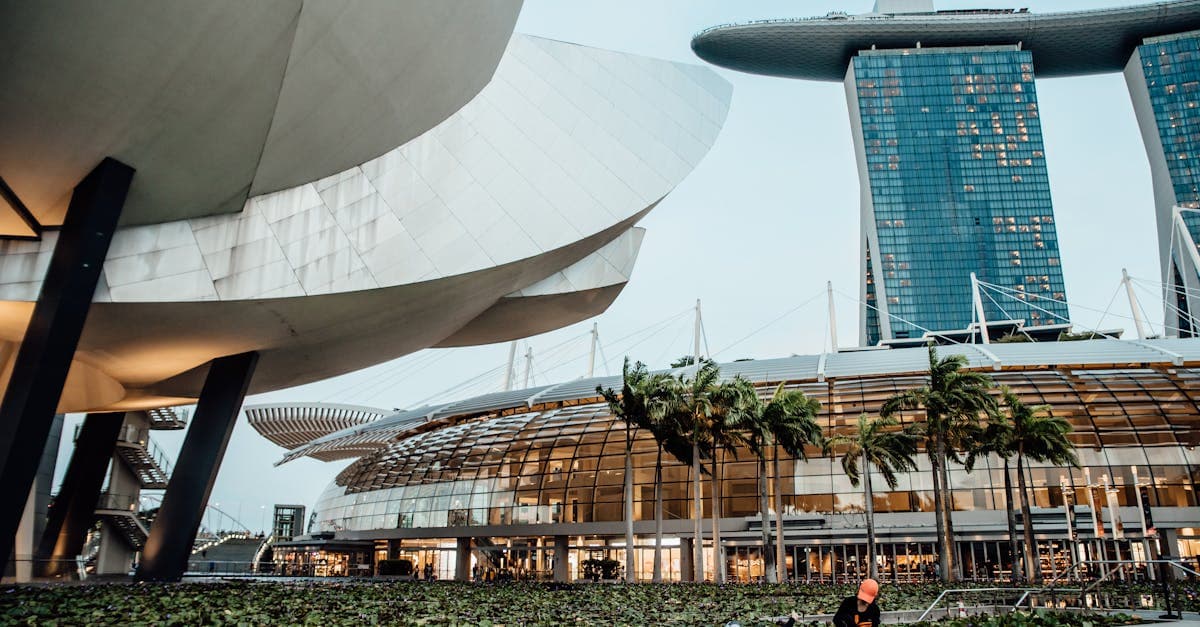
Singapore tourist SIM cards are available at Changi Airport 24/7, at convenience stores island-wide, and at electronics retailers across the city. Vending machines at multiple terminals run around the clock, so even a late-night arrival is covered. There are more purchase options than most guides suggest.
At the airport, all three carriers are present across arrivals halls in every terminal. Vending machines at multiple terminals run around the clock. Physical counters at most terminals also operate 24/7 during peak travel periods. Passport in hand, you're sorted within minutes.
In the city, 7-Eleven's 500+ stores island-wide stock pre-packaged Singtel hi! SIMs. Cheers convenience stores carry the same. Both are a solid fallback if you arrive without data and need to sort things out later. Challenger electronics stores at Funan, Bugis Junction and Jurong Point carry SIMs from all three carriers, with staff available to help with plan selection and setup.
SIM Lim Square in Little India has third-party resellers. Plans and prices vary considerably. Check the packaging carefully and verify the plan details before buying. You won't always find the same standardised tourist packages available at official carrier counters.
Arriving overland via Woodlands Checkpoint or Tuas? Options right at the border are limited. Causeway Point mall in Woodlands has Singtel and StarHub retail stores close to the crossing. Grab your SIM there rather than relying on border stalls.

T3 is the best terminal for buying a Singapore tourist SIM card, and it's not even close. All three carriers sit side-by-side on Level 1 Arrivals, so you can compare plans before committing. That kind of direct comparison isn't available anywhere else at Changi.
Here's the full terminal breakdown:
The practical difference between vending and counter is worth knowing. Vending machines are instant, card-only, and no passport is required at the machine itself. Counter purchase requires your passport, but staff can walk you through plan selection and handle the IMDA SIM registration on the spot.
A local Singapore tourist SIM costs five to ten times less than international roaming from major US, UK or Australian carriers. Your home carrier's international plan might look convenient, but the price difference is substantial on any trip budget.
AT&T International Day Pass runs around USD $12 per day, putting a 7-day trip at roughly USD $84. That's against the local Singtel tourist SIM price noted earlier in this guide. The maths isn't close. Verizon TravelPass is slightly cheaper at around USD $10 per day, but 7 days still reaches roughly USD $70, which is five to six times the cost of buying locally.
UK travellers face similar numbers. EE and Vodafone UK both charge roughly SGD 35 to SGD 42 for a 7-day roaming pass. A local Singtel tourist SIM covers the same duration for around SGD 9 at current exchange rates. That's a meaningful gap on any trip budget.
Australian carriers aren't kinder. Telstra and Optus both land at roughly AUD $70 for 7 days of international roaming. The local alternative costs around AUD $16. For a two-week stay, the difference compounds further.
The one genuine exception is T-Mobile's free international roaming on Magenta plans. You get unlimited data in Singapore, but capped at 256 kbps. That's fast enough for iMessage and Google Maps navigation, not much else. Video calls drop out. App downloads stall. Use it as a backup messaging connection, not as your primary data source.
Across US, UK and Australian carriers, a local tourist SIM or an international eSIM saves you five to ten times what you'd spend on home-carrier roaming.
Underground mobile coverage is patchy in most major cities. Singapore is the exception.
The island's 4G network covers more than 99% of Singapore's land area, and that includes every underground MRT tunnel section. You won't lose signal between Dhoby Ghaut and Bugis. For visitors relying on Google Maps and WhatsApp to navigate, that's a practical advantage that's easy to take for granted until you've experienced the alternative.
5G coverage is available on Singtel and StarHub tourist SIMs across Marina Bay, Orchard Road, Changi Airport, Sentosa and Jurong Lake District. You'll need a 5G-compatible device to access it, but the speeds across these zones are genuinely impressive. Underground 5G remains limited for now, with Singtel leading that rollout.
Singtel has the strongest track record for MRT underground cellular performance. If you're commuting heavily by rail (and in Singapore, most visitors do), that's the carrier worth picking.
What about Wireless@SGx, the free public wifi network? There are more than 5,000 hotspot locations covering MRT stations, hawker centres, Orchard Road and major malls. The catch: registration requires a mobile OTP, and foreign SIM numbers frequently fail to receive the verification SMS. Community forums confirm this consistently: registration friction outweighs the benefit for short stays.
Use your tourist SIM as your primary connection. Treat hotel and mall wifi as a convenient top-up when you're stationary, not a substitute.
Your Singtel, StarHub or M1 tourist SIM will connect to Malaysian networks the moment you cross the Causeway. That's the easy answer. The harder one: roaming charges apply, and they'll bite.
All three carriers bill Malaysia roaming either per-MB or as a daily pass. On a full day in Johor Bahru, those costs accumulate quickly. By the time you're back at Woodlands checkpoint, you could have spent more on roaming than the original SIM cost you at Changi. That wipes out the savings you made at the arrivals hall.
The cleaner approach for a JB day trip is a separate Malaysia eSIM. Airalo's Malaysia plans start at around USD $3.50 for 1 GB, which covers a day's worth of navigation, messaging and restaurant searches without touching your Singapore data allowance. Buy it before you leave, activate it on the bus.
If you'd prefer to stick with your Singapore carrier, Singtel and StarHub both offer Malaysia roaming day passes purchasable directly through their apps. Check the current rate in the app before crossing the Causeway; prices shift and the app always reflects the live figure.
One practical tip regardless of which route you take: download an offline Google Maps tile for Johor Bahru while you're still on Singapore data. It cuts your roaming dependency significantly and keeps the day cheaper than any plan will.

The Singtel hi! 7-day plan at SGD $15 is the strongest all-round pick for tourists, offering 15–20 GB of data, 5G access, and 24/7 availability at Changi Airport vending machines. For those who prefer to sort connectivity before departure, the Airalo 5 GB eSIM at USD $13 is the top data-only choice.
Physical tourist SIM cards from Singtel, StarHub and M1 start at SGD $15 for a 7-day plan. International eSIM providers like Airalo, Holafly and Hello Roam offer data-only plans from around USD $4.50. Budget options from Circles.Life and TPG Mobile start even lower, from around SGD $5–$8.
Yes, eSIMs from providers like Airalo, Holafly and Hello Roam work in Singapore on the Singtel and StarHub networks. Your device must support eSIM and dual-SIM, and carrier-locked handsets may need unlocking first. The main trade-off is that eSIMs are data-only and do not include a local Singapore phone number.
Yes, Grab requires SMS verification to a local or verified number during initial setup. A data-only eSIM cannot receive these one-time password codes. To avoid this issue, pre-register your Grab account at home using your home number before you travel, or purchase a physical tourist SIM that includes a Singapore number.
Initial PayNow setup requires SMS verification, which a data-only eSIM cannot receive. If you plan to use PayNow as your primary payment method in Singapore, a physical tourist SIM from Singtel, StarHub or M1 that includes a local number is the practical solution.
All three major carriers — Singtel, StarHub and M1 — are available across Changi Airport's terminals. Vending machines at Terminals 1, 3 and 4 operate 24/7 and accept credit cards without requiring passport presentation. Counter purchases are also available but require your passport for IMDA registration.
Terminal 3 is the best option, with Singtel, StarHub and M1 counters positioned side-by-side at Level 1 Arrivals and open 24/7. This is the only location at Changi where you can compare all three carriers in one place before choosing a plan.
A local Singapore tourist SIM costs five to ten times less than international roaming from major US, UK or Australian carriers. For example, AT&T's International Day Pass costs around USD $84 for 7 days, while a local Singtel tourist SIM covers the same duration for a fraction of that cost.
Yes, Singapore's 4G network covers more than 99% of the island including every underground MRT tunnel section. You will not lose signal between stations. Singtel has the strongest track record for MRT underground cellular performance among the three major carriers.
Yes, Singtel and StarHub tourist SIMs include 5G access on compatible devices. 5G coverage is available across Marina Bay, Orchard Road, Changi Airport, Sentosa and Jurong Lake District, with speeds of 300–700 Mbps. StarHub leads on 5G standalone performance in dense tourist zones.
Once you reach the data cap, speeds are throttled to around 1 Mbps rather than being cut off entirely. At that speed, WhatsApp calls, Google Maps navigation and basic email continue to function normally. The connection is limited, not terminated.
No, eSIMs from providers like Airalo, Holafly and Hello Roam are data-only and do not include a local Singapore phone number, cellular voice calls or SMS. If you need a Singapore number for apps like Grab, PayNow or Singpass, a physical tourist SIM from one of the Big Three carriers is required.
Most international eSIM providers including Hello Roam and Airalo run on the Singtel and StarHub networks in Singapore. This means the coverage and speeds are equivalent to buying a physical SIM from those carriers directly.
Yes, IMDA regulations require passport presentation when purchasing a SIM card at a carrier counter in Singapore. However, vending machines at Changi Airport Terminals 1, 3 and 4 do not require passport presentation at the machine itself, though the SIM is still registered to you.
In the city, SIM cards are available at 7-Eleven and Cheers convenience stores island-wide, and at Challenger electronics stores at Funan, Bugis Junction and Jurong Point. SIM Lim Square in Little India also has third-party resellers, though plan details vary and should be verified carefully before purchasing.
Pre-register your Grab account before you travel by linking a payment card and completing SMS verification using your home number. Arrive with the app already active. Alternatively, use contactless Visa or Mastercard for taxis and retail where Grab is not strictly necessary.
T-Mobile Magenta plans include free international roaming in Singapore with unlimited data, but speeds are capped at 256 kbps. This is sufficient for iMessage and Google Maps but not for video calls or app downloads. It works best as a backup messaging connection rather than a primary data source.
Singapore's Wireless@SGx public wifi network has more than 5,000 hotspot locations covering MRT stations, hawker centres, Orchard Road and major malls. Registration requires a mobile OTP, which presents the same barrier as other Singapore apps for visitors using data-only eSIMs without a local number.
Hello Roam eSIMs for Singapore run on the Singtel and StarHub networks, providing coverage and speeds equivalent to a physical tourist SIM. Plans start at $1.76 for 1 GB over 7 days, $7.04 for 5 GB over 30 days, and unlimited plans from $20.35 for 7 days. All plans are data-only with no local Singapore number included.
Budget options include Circles.Life from around SGD $8 via its app and TPG Mobile at SGD $5–$8. International eSIM providers like Hello Roam start at $1.76 for 1 GB. Note that TPG Mobile has a limited 5G footprint and coverage outside central Singapore can be patchy.
HelloRoam: your trusted travel eSIM that keeps you online across borders.
Explore Plans