Things to Do in Bali: the 2026 Guide for Kiwi Travellers

Written by: David Chen


14 min read

HelloRoam is a global eSIM provider offering instant mobile data in 170+ countries. Buy prepaid travel eSIM plans with no extra fees, no contracts, and instant activation on any eSIM-compatible device.
14 min read
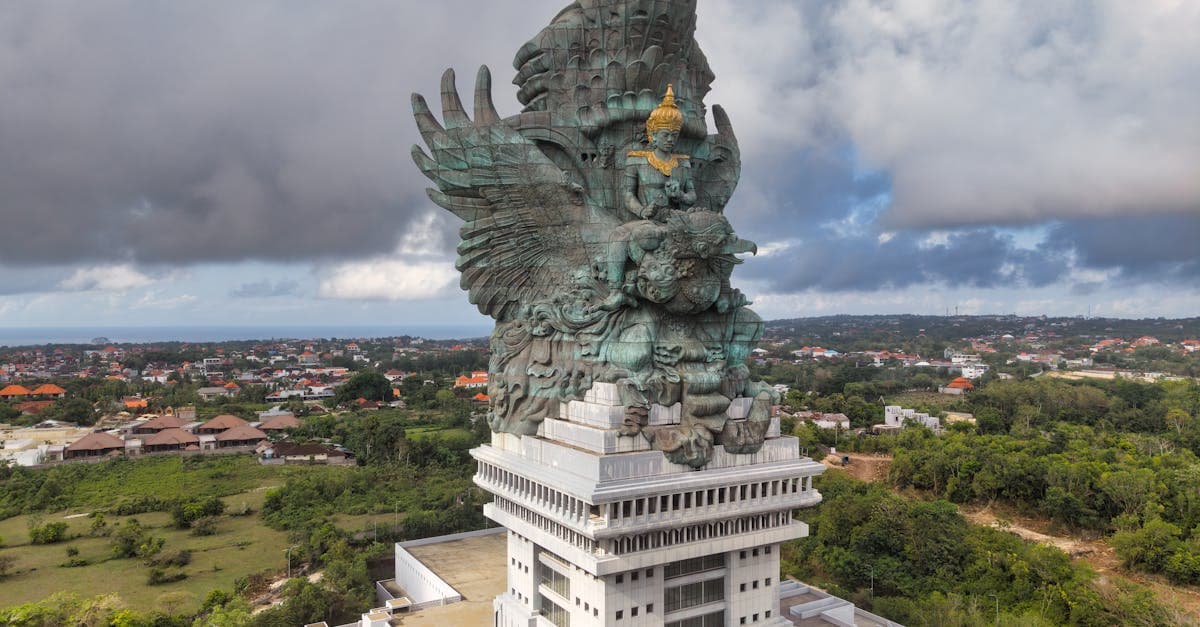
Bali is not the undiscovered gem it was in 2010. But for Kiwis weighing up where to spend a fortnight in 2026, it still makes a compelling case.
Direct flights from Auckland run roughly 8.5 hours on Air New Zealand, Jetstar, and Garuda Indonesia. No connecting flight, no second security queue to drag yourself through. You leave in the evening and arrive in Denpasar in time for breakfast.
The NZD is buying around 9,000 to 9,500 IDR in early 2026. A sit-down meal at a local warung costs a couple of dollars, and a private villa runs a fraction of what equivalent accommodation costs at home. Activity prices follow the same pattern. Sorting mobile data before you depart is similarly affordable: Hello Roam's regional eSIM plans, covering 4G LTE across Bali's main tourist areas, are priced in NZD and activate before you board in Auckland.
Bali introduced a mandatory IDR 150,000 tourist levy (~NZ$17) for international visitors in February 2024, paid through the Love Bali platform before or on arrival. It's still in place in 2026, and easy to sort in advance if you know it's coming.
Overtourism is real at Kuta Beach and parts of Ubud, but quieter pockets remain in East Bali, the Bukit peninsula, and North Bali for travellers willing to venture a little further. Regulations from 2025 carry fines for tourists who enter sacred areas without a sarong or photograph in prohibited zones. Enforcement has tightened.
Budget for two weeks at ~NZ$1,400 to ~NZ$2,400 per person, flights included. Few destinations at this flight distance from Auckland can match that.
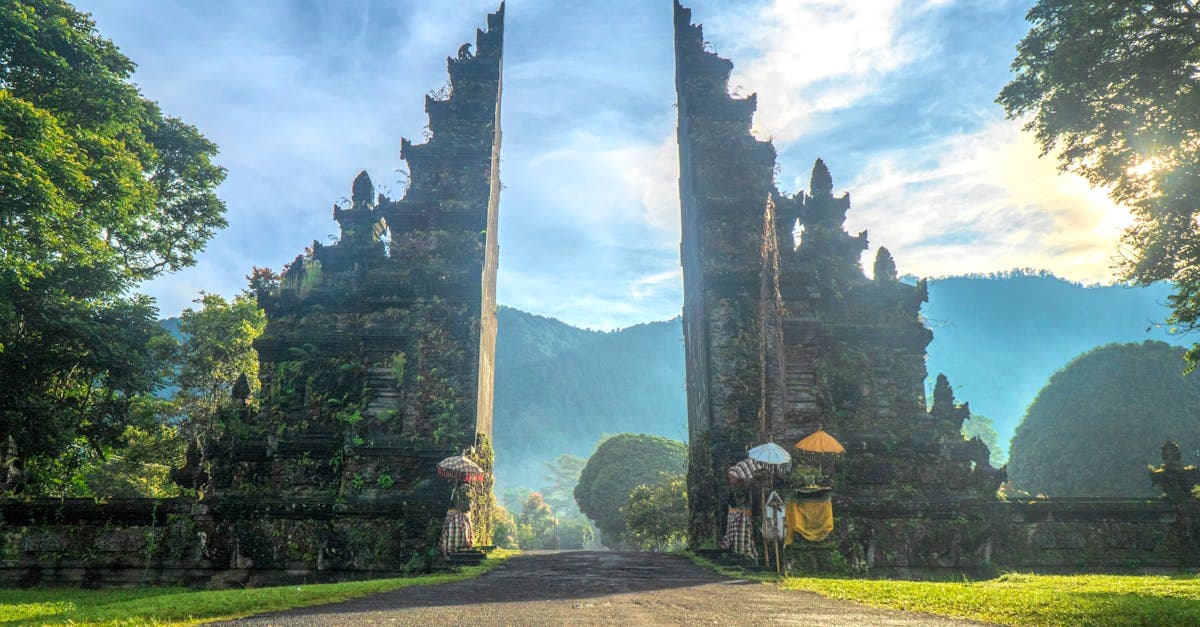
A structure that works well for first-time visitors: base yourself in or near Ubud for the inland cultural experience, move to the west coast (Canggu, Seminyak, or Kuta depending on your budget) for beaches and surf, then add one outer island day trip. Ten to 14 days is enough to cover all three without feeling rushed.
Most Kiwis land in Bali with an itinerary list longer than their trip. That's fine. That three-zone structure covers the main things to do in Bali without leaving you exhausted by the end of it.
The established highlights are popular for good reason. Uluwatu at sunset, the rice terraces, a cooking class in Ubud: these have earned their reputation. The sections below cover both the cultural and coastal sides of Bali, with honest notes on timing, pricing, and where the crowds concentrate.
Two practical notes before you start building your days. Nusa Penida deserves a full day, not a rushed afternoon boat trip that has you back before dark. Give it the time and you'll understand why people go back a second time. White-water rafting on the Ayung River works well as a morning activity on an Ubud base day, run before the afternoon heat settles in.
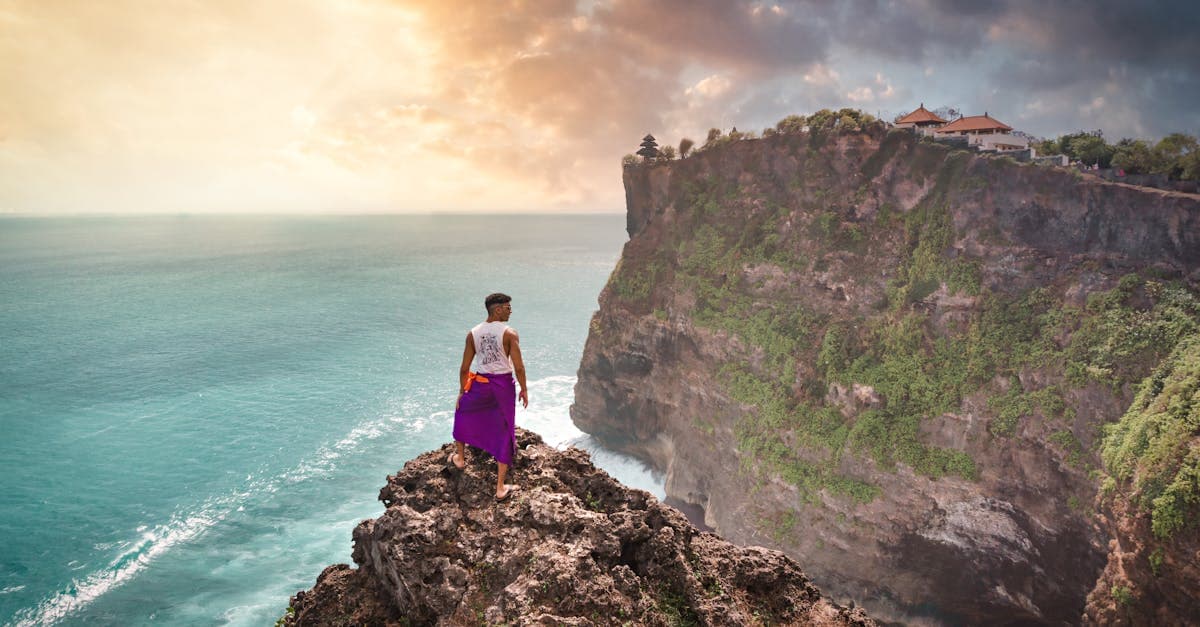
Uluwatu Temple sits 70 metres above the Indian Ocean on the Bukit peninsula, and the clifftop setting alone makes it one of the more compelling stops in Bali. The traditional Kecak fire dance performed there at sunset earns its reputation. Tickets cost around ~NZ$12 to ~NZ$18 depending on where you book, and in peak season (June to August) book ahead or accept standing room only.
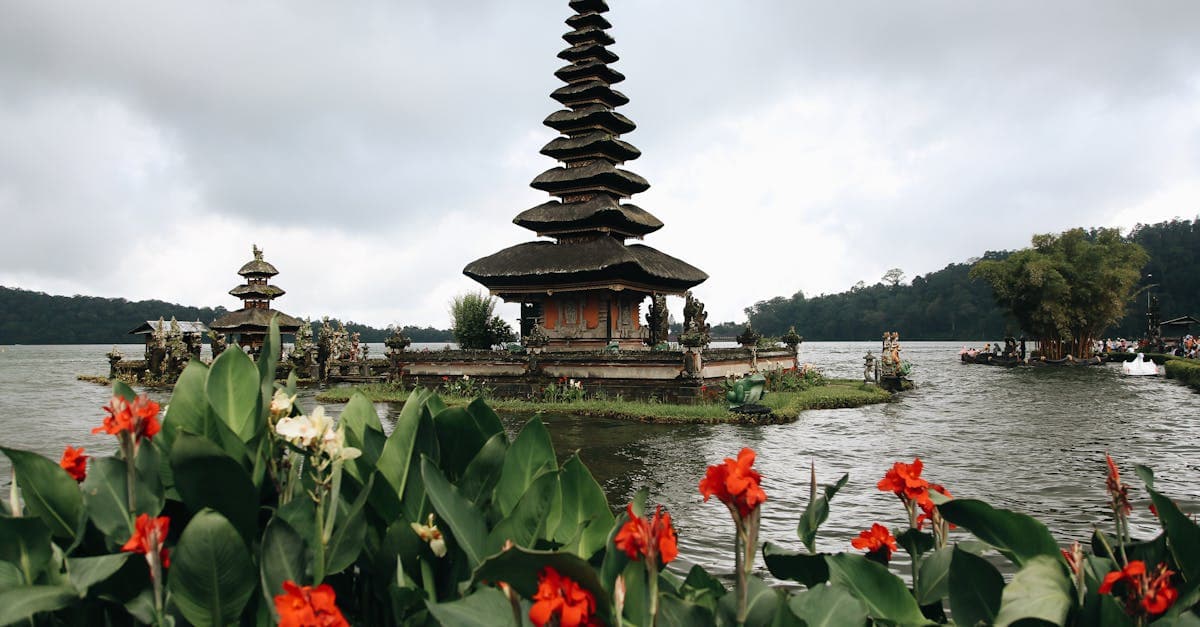
Tanah Lot is probably the most photographed temple in Bali. The offshore rock silhouette reads best at golden hour, and arriving before 4pm avoids the bulk of the midday coach traffic. Visit at low tide to access the causeway properly.
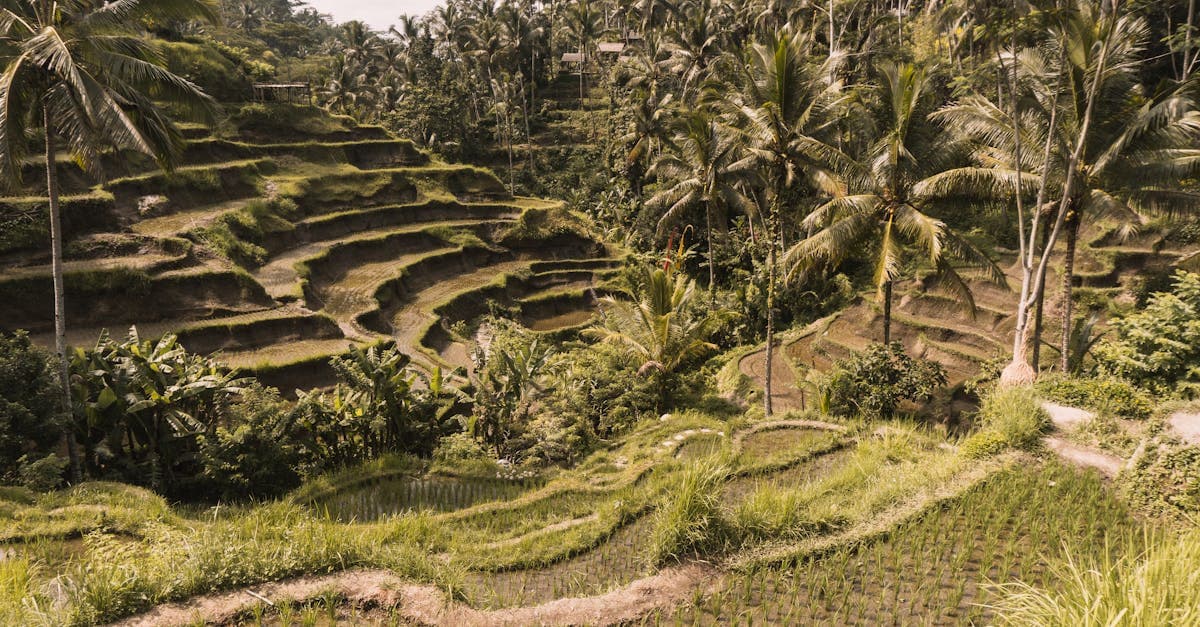
Tegallalang Rice Terraces charge IDR 50,000 (~NZ$5.50) to enter and fill up fast from 9am. An early arrival pays off. For genuinely fewer tourists, Jatiluwih in western Bali is UNESCO-listed with entry around ~NZ$3 and considerably less foot traffic.
The Sacred Monkey Forest Sanctuary in central Ubud costs around ~NZ$5. The macaques are largely unbothered by visitors, but keep bags zipped and avoid sustained eye contact with dominant males near the main path.
A full-day cooking class in Ubud, market-to-table format, runs around ~NZ$45 to ~NZ$60 per person. Good value, and you leave with recipes you'll actually use.
Mount Batur requires a 4am start. The summit crater rim is roughly two hours on foot, and sunrise over the caldera lake with Mount Agung in the background is the reason people bother. Most packages bundle the mandatory guide fee into a total of around ~NZ$50 to ~NZ$65 per person.
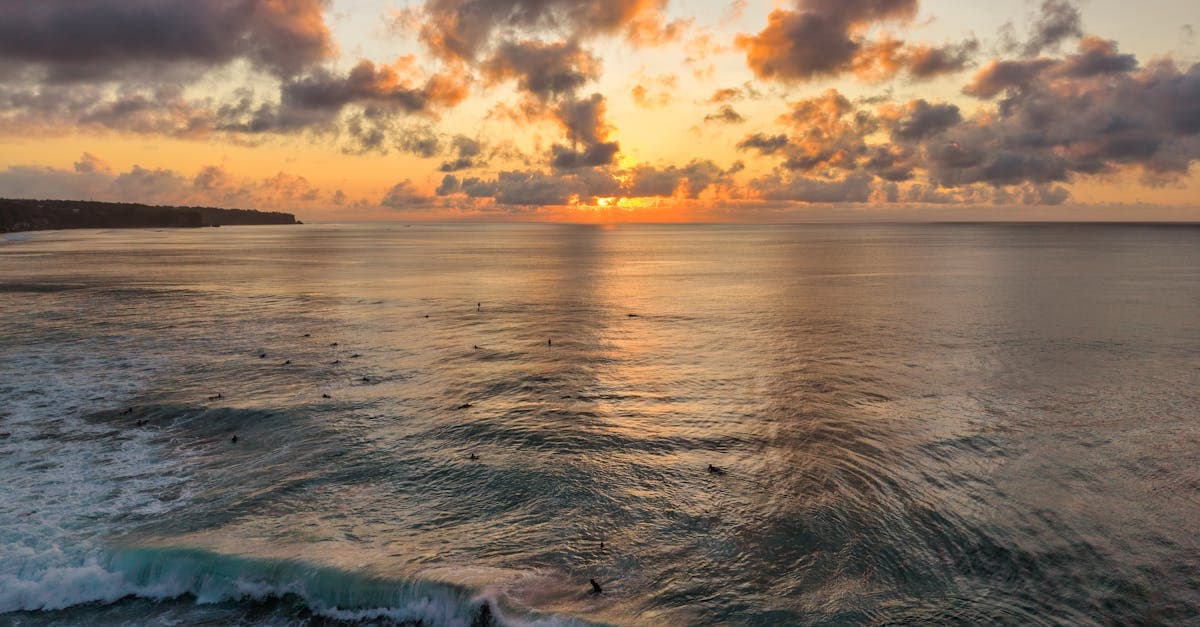
Surf lessons at Kuta Beach cost around ~NZ$20 to ~NZ$30 for two hours, board rental and basic instruction included. The beach is commercial and loud, and most return visitors skip it. But the gentle break is genuinely good for learning, and the lessons are what they're supposed to be.
Canggu runs at a different pace. The beach breaks are consistent, the cafe density is high, and the area suits the 25-to-40 crowd who want surf in the morning and good coffee after. It's become the default west coast base for younger Kiwi travellers, and that reputation holds.
Seminyak sits a notch above on the upmarket scale. Beach clubs like Ku De Ta and Potato Head charge around ~NZ$30 to ~NZ$60 per person and deliver on the poolside-and-ocean-view promise. Better restaurant options and boutique shopping make it the right choice for couples or anyone on a mid-range budget.
The Uluwatu surf breaks at Padang Padang and the main reef are not for beginners. Hollow, powerful waves reached by scooter down a winding cliff road from the temple. Experienced surfers rank them among the best in Asia.
Nusa Dua suits families: calm, protected swimming in an enclosed resort enclave on the south-east tip, with a quieter and more orderly atmosphere than the west coast.
Sunset along the Seminyak beachfront or from the Uluwatu clifftops costs nothing. Block out the evening for it.
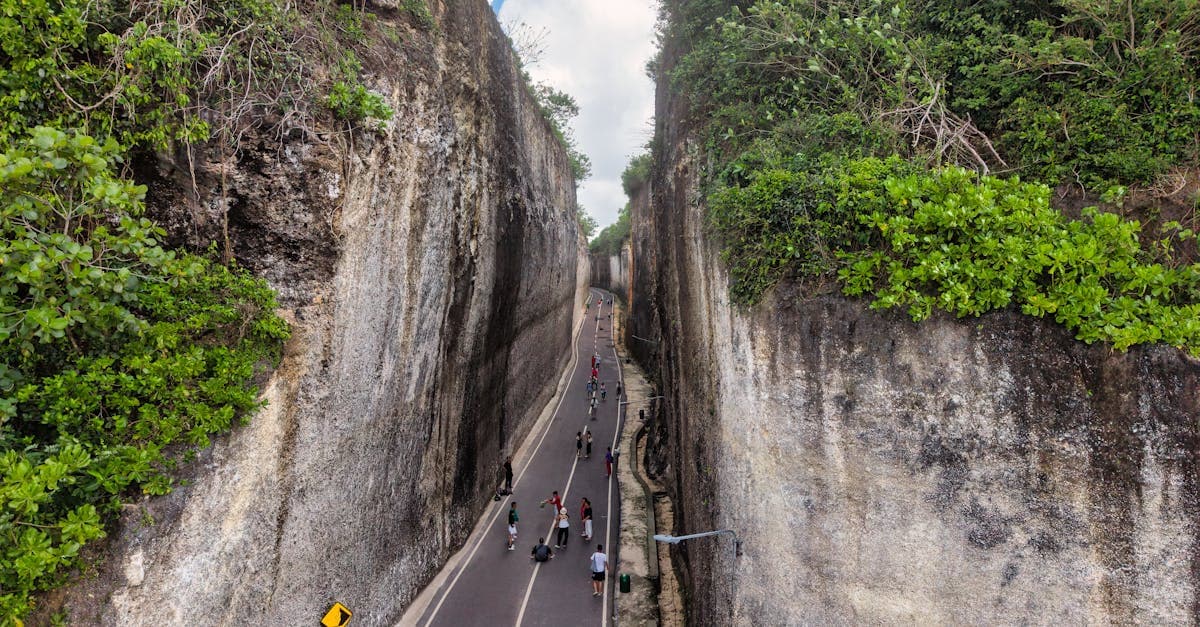
East Bali gets a fraction of the foot traffic that crowds Seminyak on any busy weekend. Amed, a string of fishing villages on the island's north-east coast, has the best shore diving in Bali, including a Japanese WWII shipwreck accessible directly from the beach without a boat charter. Guesthouses run around NZ$25 per night, and the main strip hasn't been flattened to accommodate a rooftop cocktail bar yet.
Tirta Gangga is a former royal water palace inland from the Amed coast, with ornamental pools, fountain statues and terraced gardens. Entry costs a couple of dollars and the place stays genuinely peaceful even during Bali's busier months. The Sidemen valley nearby offers rice terrace walks with Mount Agung filling the background, village homestays under NZ$30 per night, and almost no large tour groups in 2026.
Sekumpul Waterfalls in North Bali requires a two-hour drive from Ubud through forested highlands. Many travellers consider it the most powerful waterfall on the island. Guide and entry combined come to around NZ$15.
Pura Lempuyang, the source of that mirror-pool Gates of Heaven photograph you've probably seen, requires arriving before 6.30am to avoid a two-hour queue. The multi-tiered temple complex is genuinely worth the early start regardless of whether the photograph is the point.
One logistical reality: East Bali and most of these locations require a private driver or confident scooter riding. Grab does not operate outside the south Bali tourist corridor.
Mid-range travel (decent accommodation, a mix of warung and restaurant dining, two or three guided days) totals NZ$2,600 to NZ$4,600 for two weeks. Comfort travel with a private villa and Air New Zealand flights starts around NZ$4,500.
Flights from Auckland to Denpasar are the biggest variable in any Bali budget. Return fares on Jetstar and Garuda Indonesia run NZ$600 to NZ$900; Air New Zealand fares sit between NZ$900 and NZ$1,400. Book early for June to August travel: prices spike and the cheaper options sell out months ahead.
Accommodation per night: budget guesthouses and homestays sit at NZ$20 to NZ$40, a private pool villa at mid-range runs NZ$50 to NZ$100, and a well-staffed villa with daily service costs NZ$100 to NZ$250.
Daily food runs NZ$15 to NZ$25 eating at warungs and local restaurants. Canggu cafes and beach clubs push that to NZ$40 to NZ$70 per day. A Bintang beer adds around NZ$5 to NZ$8.
Activities: a full-day Nusa Penida boat trip costs NZ$55 to NZ$80 per person. Temple entry is typically NZ$2 to NZ$10. The Mount Batur summit trek and surf lesson costs sit at the rates covered in the activities sections above.
Fixed costs: visa on arrival runs roughly NZ$55 to NZ$60 per person, and the tourist levy noted in the opening section is payable on entry.
The gap between what NZD buys in Bali versus Sydney or Queenstown is the reason this island keeps filling departure gates at Auckland Airport every year.
For Bali, a travel eSIM or local Indonesian SIM card is the practical choice over NZ carrier roaming. Spark's Indonesia day packs run around NZ$15 per day for limited data, meaning two weeks costs upwards of NZ$210 in data before a single warung meal. One NZ and 2degrees run similar day-pack structures at comparable rates.
The two alternatives: buy an Indonesian SIM card at the Ngurah Rai arrivals hall, or activate a travel eSIM before boarding in Auckland. Both give access to Indonesian 4G data at a fraction of NZ carrier roaming costs.
WiFi in Bali is better than many travellers expect in certain areas and considerably worse in others. Canggu and Seminyak cafes typically deliver 10 to 50 Mbps, which holds up fine for remote work. Ubud's town centre is decent. Budget guesthouses are inconsistent, and WiFi is essentially absent at temples, on most day trips, throughout Nusa Penida, and across East Bali.
If those areas are on your itinerary, mobile data is not optional. A travel eSIM activated before departure is the simpler choice for most Kiwi travellers: no queue after landing, no paperwork, no airport kiosk stop. A local SIM costs less per gigabyte but requires a 15 to 30-minute stop at the Ngurah Rai arrivals hall with your passport ready.
Hello Roam's Indonesia data plans are priced in NZD and activated by scanning a QR code before you leave Auckland. No physical SIM card, no swapping. Data connects when your phone joins an Indonesian network on landing.
Coverage runs on Telkomsel and XL Axiata networks, giving 4G LTE across Seminyak, Canggu, Ubud, Kuta, Nusa Dua and the Bukit peninsula. More remote parts of East Bali and the mountain regions drop to 3G, which handles navigation and messaging without much trouble. Download speeds sit at 15 to 40 Mbps in Canggu and Seminyak, 5 to 15 Mbps in Ubud, and 2 to 8 Mbps in Nusa Penida and Amed.
Know this before you activate: eSIM plans don't include a local Indonesian phone number. WhatsApp and FaceTime both work well at Bali data speeds, covering most use cases for keeping in touch with family back home.
The Telkomsel tourist SIM at the airport arrivals kiosk runs around NZ$11 to NZ$17 for 10 to 20GB. More data, lower overall cost. The trade-off is queuing for up to half an hour after landing, passport registration, and needing a spare physical SIM slot in your handset.
Other travel eSIM services, including Airalo, Nomad and Holafly, cover Indonesia but price everything in USD and offer limited direct support for Kiwi travellers who encounter problems during the trip.

Canggu has better cafe WiFi than many New Zealand cities. The digital nomad scene drove that, and the result is reliable connections at the majority of coffee shops along the main strip, fast enough for video calls and a full day of remote work. Seminyak is similar, though more skewed towards restaurants than laptops.
Ubud town centre is workable. Most cafes and mid-range guesthouses offer enough speed for a video call home without embarrassing lag. Move out to the rice-field guesthouses on the outskirts and things drop off noticeably, so factor that into any booking advertising a scenic setting.
Budget accommodation throughout Bali is the wildcard. Listings claim WiFi as standard, and technically it exists. Relying on it for anything time-sensitive is a separate question. Test the connection on arrival, not an hour before you need it.
On any day trip, public WiFi is essentially absent. Temples, rice terraces and the Bukit peninsula do not have hotspots. Mobile data is what you will actually use, so have a plan active before leaving the hotel each morning. This matters most heading to Nusa Penida or East Bali, where public WiFi is sparse even in guesthouses.
Download offline maps for each region the night before. Storage costs nothing; getting stuck on a rural road in East Bali costs an afternoon.
Ngurah Rai airport runs fast, free WiFi throughout the terminal, useful for sorting your onward journey or making contact with home before you board.
Yes, with some qualifications. Bali ranks among the lower-risk destinations in Southeast Asia for Kiwi travellers, but that doesn't mean ignoring the basics. Before you book, check the current advisory at safetravel.govt.nz; MFAT updates it when local conditions change, and it's the most reliable source available to NZ travellers.
Petty theft is the most commonly reported problem. Pickpocketing at Kuta Beach, Monkey Forest Road and the Seminyak markets, plus bag snatching from passing scooters, covers the bulk of incidents involving New Zealanders. Front pocket for the phone, bag close in crowds.
Scooter accidents are more serious than they feel. Daily hire runs under NZ$10, which makes the risks seem negligible. They're not. Bali's roads account for the majority of serious tourist injuries. Wear a helmet on every trip, and don't ride unfamiliar routes after dark.
Bali's 2025 regulations introduced fines for tourists entering restricted ceremonial areas, wearing inappropriate clothing or photographing in prohibited zones at temples. A sarong in your bag handles most of this, and temple staff are usually clear about what's off-limits.
At the airport, the official taxi kiosk in arrivals charges fixed rates. Grab picks up from the departures level and generally costs less for the same journey, so a quick price check on the app before you join the taxi queue is worth the thirty seconds.
Tap water isn't safe to drink anywhere in Bali. Avoid ice at roadside warungs. Check your travel insurance explicitly covers trekking, diving, scooter riding and water sports before leaving New Zealand; standard policies exclude adventure activities more often than you'd expect.
The visa paperwork takes five minutes in the arrivals queue. NZ passport holders receive a 30-day visa on arrival at Ngurah Rai for IDR 500,000, which is around NZ$55 at current exchange rates. One extension is available at an immigration office in Bali, giving you a maximum of 60 days on a single entry if you need it.
The tourist levy covered in the opening section is easiest handled online before you fly, at lovebali.baliprov.go.id. Save the QR code receipt to your phone. There's a kiosk at the airport if you forget, but sorting it beforehand removes one queue from your arrival.
For timing, the dry season runs May to September. June through August is peak, with higher accommodation prices and fuller flights from Auckland. April and October are the practical choice: reliable weather without the school holiday premium on everything from flights to villa rates.
No vaccinations are legally required for Indonesia as of 2026. NZ travel health clinics typically recommend hepatitis A, typhoid and a tetanus check. See your GP at least four weeks before departure to allow time for any courses to take effect.
Carry a sarong throughout the trip. Major temples will lend you one, but having your own is faster and fits properly.
For a first visit, base yourself in Canggu, Seminyak or central Ubud rather than Kuta. There are better accommodation options at every price point, and the experiences that make Bali worth the flight from Auckland are considerably closer.

Yes. Direct flights from Auckland to Denpasar run roughly 8.5 hours on Air New Zealand, Jetstar, and Garuda Indonesia, with no connecting flight required. The NZD buys around 9,000 to 9,500 IDR in early 2026, making accommodation, food, and activities a fraction of the cost compared to New Zealand. A two-week trip including flights can be done for NZ$1,400 to NZ$2,400 per person.
Budget travel totals around NZ$1,400 to NZ$2,400 per person including flights. Mid-range travel with decent accommodation and a mix of dining runs NZ$2,600 to NZ$4,600 for two weeks. Comfort travel with a private villa and Air New Zealand flights starts around NZ$4,500. Visa on arrival costs roughly NZ$55 to NZ$60, and the mandatory tourist levy adds around NZ$17.
Return fares on Jetstar and Garuda Indonesia typically run NZ$600 to NZ$900. Air New Zealand fares sit between NZ$900 and NZ$1,400. For June to August travel, booking early is essential as prices spike and cheaper options sell out months in advance.
Bali introduced a mandatory IDR 150,000 tourist levy (approximately NZ$17) for international visitors in February 2024, paid through the Love Bali platform before or on arrival. It remains in place in 2026 and can be sorted in advance online.
New Zealand visitors to Bali require a visa on arrival, which costs roughly NZ$55 to NZ$60 per person. This is in addition to the mandatory IDR 150,000 tourist levy payable through the Love Bali platform.
A structure that works well for first-time visitors is to base yourself in or near Ubud for the inland cultural experience, move to the west coast (Canggu, Seminyak, or Kuta) for beaches and surf, then add one outer island day trip. Ten to 14 days covers all three zones without feeling rushed.
Uluwatu Temple sits 70 metres above the Indian Ocean and hosts a Kecak fire dance at sunset, with tickets around NZ$12 to NZ$18. Tanah Lot is Bali's most photographed temple and reads best at golden hour before 4pm. Pura Lempuyang, known for the Gates of Heaven mirror-pool photograph, requires arriving before 6.30am to avoid long queues.
Tegallalang Rice Terraces charge IDR 50,000 (approximately NZ$5.50) to enter and fill up quickly from 9am, so an early arrival is recommended. For fewer crowds, Jatiluwih in western Bali is a UNESCO-listed alternative with entry around NZ$3 and considerably less foot traffic.
Surf lessons at Kuta Beach cost around NZ$20 to NZ$30 for two hours, with board rental and basic instruction included. The gentle break at Kuta is well suited to beginners. Experienced surfers head to Padang Padang and the Uluwatu reef breaks on the Bukit peninsula, which are among the best surf spots in Asia.
The right area depends on your priorities. Canggu suits younger travellers who want surf, good coffee, and a relaxed pace. Seminyak offers upmarket beach clubs, better restaurants, and boutique shopping for couples and mid-range budgets. Ubud is the base for cultural and inland activities. Nusa Dua suits families with calm, protected swimming in a quieter resort enclave.
Yes. Amed on the north-east coast has the best shore diving in Bali, including a Japanese WWII shipwreck accessible directly from the beach, with guesthouses around NZ$25 per night. Tirta Gangga water palace and the Sidemen valley offer rice terrace walks, village homestays under NZ$30 per night, and far fewer tour groups than the main tourist areas. Most locations in East Bali require a private driver or scooter, as Grab does not operate outside the south Bali tourist corridor.
Eating at warungs and local restaurants costs around NZ$15 to NZ$25 per day. Dining at Canggu cafes and beach clubs pushes daily food spending to NZ$40 to NZ$70. A Bintang beer adds around NZ$5 to NZ$8.
Either a travel eSIM or a local Indonesian SIM card is far more cost-effective than using your New Zealand carrier's roaming in Bali. Spark, One NZ, and 2degrees day packs run around NZ$15 per day for limited data, costing upwards of NZ$210 for a two-week trip in data charges alone. A travel eSIM activated before departure or a local SIM bought at Ngurah Rai airport both give access to Indonesian 4G data at a fraction of that cost.
Hello Roam's Indonesia data plans are priced in NZD and activated by scanning a QR code before you leave Auckland. No physical SIM card or swapping is required. Data connects automatically when your phone joins an Indonesian network on landing, running on Telkomsel and XL Axiata networks with 4G LTE coverage across the main tourist areas.
Hello Roam covers Seminyak, Canggu, Ubud, Kuta, Nusa Dua, and the Bukit peninsula on 4G LTE. More remote parts of East Bali and the mountain regions drop to 3G, which handles navigation and messaging. Download speeds sit at 15 to 40 Mbps in Canggu and Seminyak, 5 to 15 Mbps in Ubud, and 2 to 8 Mbps in Nusa Penida and Amed.
No. eSIM plans for Bali, including Hello Roam's Indonesia plans, do not include a local Indonesian phone number. WhatsApp and FaceTime both work well at Bali data speeds, which covers most communication needs for travellers keeping in touch with family back home.
The Telkomsel tourist SIM at the airport arrivals kiosk runs around NZ$11 to NZ$17 for 10 to 20GB, offering more data at a lower overall cost than most travel eSIMs. The trade-off is queuing for up to half an hour after landing, passport registration, and needing a spare physical SIM slot in your handset. A travel eSIM like Hello Roam requires no queue, no paperwork, and activates before you board in Auckland.
WiFi quality varies significantly by location. Canggu cafes typically deliver 10 to 50 Mbps, fast enough for remote work and video calls. Ubud town centre is workable for most tasks. Budget guesthouses throughout Bali are inconsistent, and WiFi is essentially absent at temples, on most day trips, throughout Nusa Penida, and across East Bali, making mobile data important if those areas are on your itinerary.
Most Mount Batur packages bundle the mandatory guide fee into a total of around NZ$50 to NZ$65 per person. The trek requires a 4am start, with the summit crater rim reached in roughly two hours on foot. Sunrise over the caldera lake with Mount Agung in the background is the main draw.
Budget guesthouses and homestays run NZ$20 to NZ$40 per night. A private pool villa at the mid-range level costs NZ$50 to NZ$100 per night. A well-staffed villa with daily service runs NZ$100 to NZ$250 per night. In East Bali, budget guesthouses in Amed and homestays in the Sidemen valley can be found for under NZ$30 per night.
HelloRoam: your trusted travel eSIM that keeps you online across borders.
Explore Plans