New Zealand Packing List 2026: the Complete Guide for Every Trip Type

Written by: David Chen


9 min read

HelloRoam is a global eSIM provider offering instant mobile data in 170+ countries. Buy prepaid travel eSIM plans with no extra fees, no contracts, and instant activation on any eSIM-compatible device.
9 min read
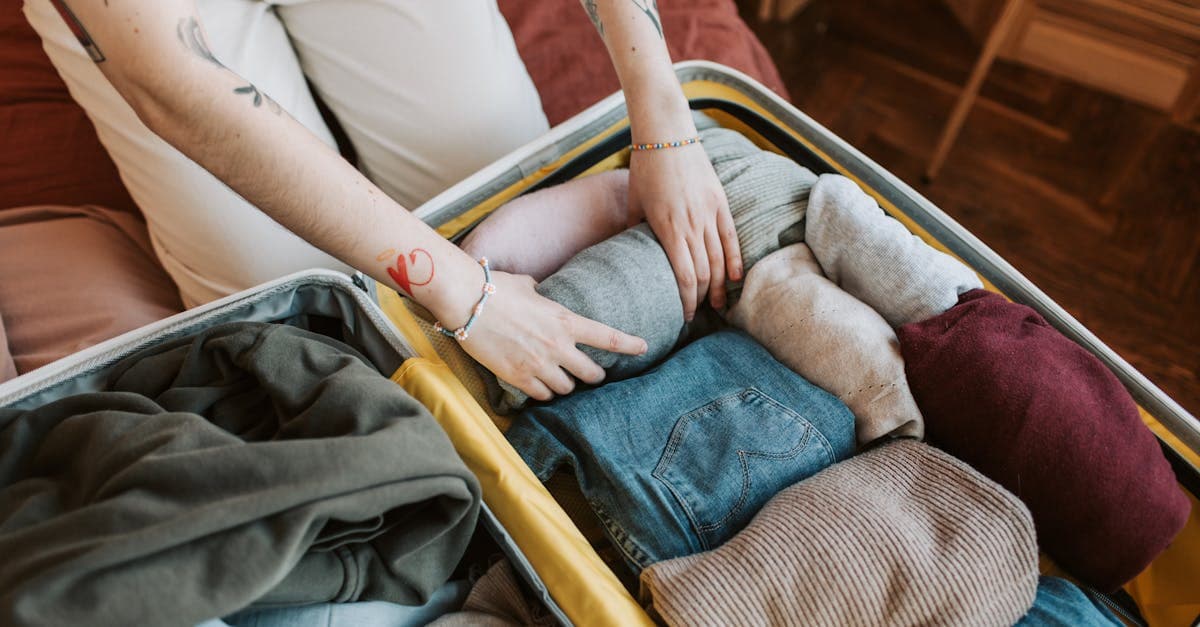
Getting your New Zealand travel packing list right requires accepting that the country does not run on a single climate. Milford Sound receives around 7,000mm of rain annually, Tongariro's summit plateau shifts from clear skies to dangerous cold in under an hour, and shoulder-season temperatures drop sharply at altitude even on clear mornings. Pack for a range, not a single weather type. The layering system below covers most of this variability. The decisions get more specific when Great Walk nights, backcountry routes, or alpine travel enters the itinerary.

Merino wool is your base. It regulates temperature across warm and cold conditions and resists odour across multiple days of wear, which matters both when you're moving between hostels and huts and when hut showers are a courtesy suggestion rather than a given. Two merino tops cover most NZ trips; if you're chaining multiple Great Walk nights, pack a third.
The mid layer is about insulation that doesn't eat your packing space. A lightweight fleece or down jacket compresses into a day pack when the sun appears, which in New Zealand it will, eventually, briefly.
Your outer shell is the most critical piece in the system. Look for taped seams, a hood large enough to fit over a beanie, and genuine waterproofing rather than water-resistance. A jacket that fails after an hour of Fiordland drizzle is the kind of mistake you remember; a hood that flaps loose in a Southland headwind is a specific kind of misery.
Footwear is a genuine decision, not a default. Trail runners handle the Tongariro Alpine Crossing and most NZ day hikes without issue, while waterproof hiking boots earn their place on the Milford Track and wet-season Great Walks. Wet footwear on day two of the Milford is a recognisable outcome for anyone who underestimated the conditions. One pair of trail runners and gaiters is a practical carry-on compromise; you do not need both.
Two merino bases and one mid layer cover most New Zealand conditions, and form the core of any New Zealand travel packing list before specialist gear enters the calculation. Adjust based on how many Great Walk nights are involved and whether laundry is accessible along the route.
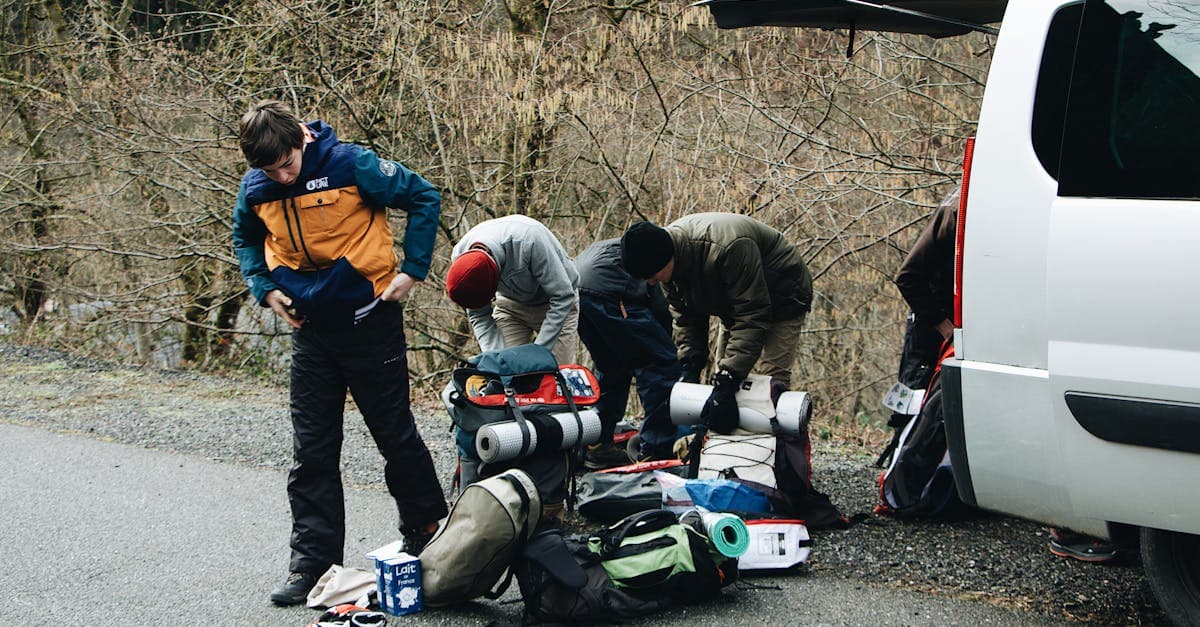
Book your DOC hut passes before you even look at a gear list. The Great Walk booking window opens 1 October NZT each year, and popular routes like the Milford Track and Routeburn sell out within minutes of opening. Confirm the booking first, then build your gear list around what each hut provides. Miss the window and your South Island itinerary needs rebuilding from scratch.
Great Walk huts have mattresses, flush toilets and gas cookers, so you need a sleeping bag but no tent. That removes the heaviest, bulkiest item from your kit and changes the volume calculation significantly when deciding on bag size. It also means the weight of your pack drops enough to make carry-on feasible for some Great Walk itineraries when combined with gear rental on arrival.
The Milford Sound question catches travellers every season. A day cruise needs light layers, a waterproof jacket and a rain cover for your camera. The Milford Track multi-day walk is an entirely different undertaking: rain pants, gaiters, a full alpine pack and warm insulation layers even in January. Many visitors treat them as the same type of trip; they are not.
Tongariro Alpine Crossing is 19.4 km with conditions that shift without warning, and fatal hypothermia cases have occurred on summer crossings. Gloves, a beanie and an extra warm layer are non-negotiable regardless of how the morning looks at the trailhead. The mountain does not care about the weather app on your phone.
Renting gear in New Zealand is a sensible option, particularly for carry-on travellers. Torpedo7, MacPac and DOC visitor centres in Queenstown and Christchurch hire sleeping bags, trekking poles and Personal Locator Beacons (PLBs). On any route that takes you beyond mobile coverage, a PLB is a genuine safety item rather than optional kit, and hiring one on arrival costs a fraction of what you'd pay to post it from home.
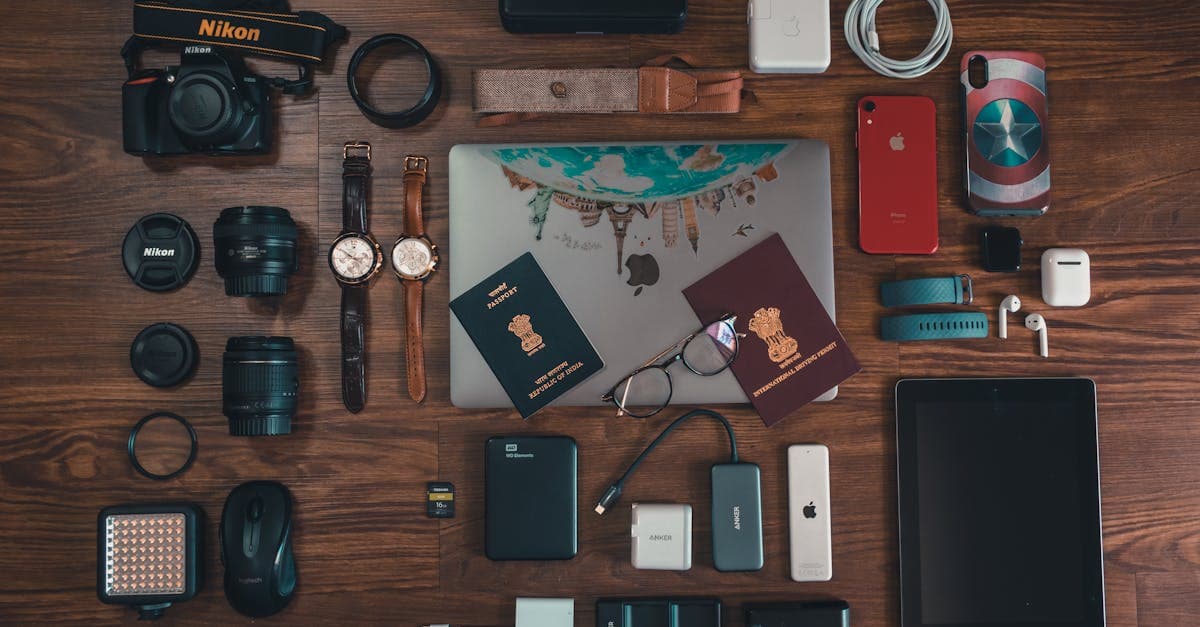
Spark, One NZ and 2degrees are the three networks you're working with. Spark covers around 98% of the population, which matters the moment you leave the main centres. One NZ (formerly Vodafone) competes hard in Auckland, Wellington and Christchurch. 2degrees is the budget option and holds up well in cities, less so once you're heading south toward Fiordland.
The honest coverage picture:
Roaming from the US typically runs around USD$100 to USD$140 for a two-week trip. UK carriers come in at roughly NZD 70 to NZD 100 for the same period. Both figures land on your bill after you've stopped thinking about them.
A physical Spark prepay SIM is sold at Auckland, Christchurch and Queenstown airports from around NZ$19, activated immediately on arrival. Hello Roam's NZ plans run on Spark's network, giving you the same rural coverage footprint with the added ability to keep your home number active via dual-SIM. That dual-SIM capability is genuinely useful for banking alerts and two-factor authentication texts while you're abroad.
Offline preparation is non-negotiable for any backcountry travel in New Zealand. Download Google Maps offline tiles for every region before you leave areas with signal — coverage gaps on the West Coast and SH94 are long enough that you will need them. NZ Topo50 maps, available free from Land Information New Zealand, cover tramping routes with proper topographic detail. Check NZ Transport Agency road closure updates before driving SH94 or the West Coast.

Set up your eSIM before you land, as covered above. With that settled, the practical decisions come down to two things: whether you need your home number to stay active, and whether your phone actually supports eSIM.
The dual-SIM setup is the strongest argument for eSIM over a local physical SIM. Running a travel data plan alongside your home SIM keeps your original number live for calls, banking texts and two-factor authentication codes. No swapping cards, no explaining to your bank why your number changed mid-trip, no missed verification messages while you're somewhere without signal.
Physical SIM is still the right call for older phones without eSIM support, or for travellers who prefer to buy and configure on arrival. A Spark prepay from Auckland, Christchurch or Queenstown airport connects you before you leave the terminal, no prep required at home.
Hello Roam's NZ plan runs on Spark, so it carries the same rural footprint across the South Island approaches where most travellers actually need data, at a fraction of what carrier roaming charges for the same period. Setup is straightforward via QR code before you fly.
Knowing where your signal ends matters more than which SIM you pick. The Milford Sound road, the Great Walk huts in Fiordland and most of the West Coast SH6 corridor have no coverage of any kind. Plan your offline downloads and your check-in calls around those blackout stretches before you leave Te Anau.
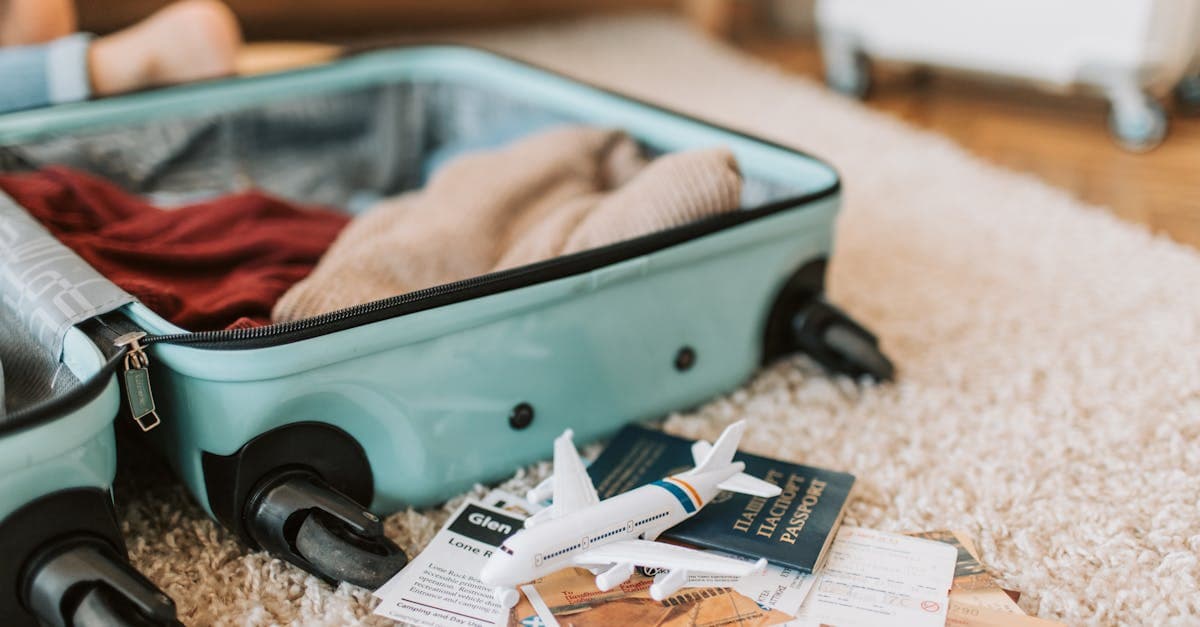
A North Island city itinerary is carry-on territory, no contest. Auckland, Rotorua and Wellington in a 40L pack is very achievable if you've applied the merino layering approach from the clothing section, and North Island temperatures are more consistent than the South.
South Island adventure adds real complexity. The sleeping bag is the sticking point. Instead of packing one from home, rent in Queenstown or Christchurch. Sleeping bags, trekking poles and personal locator beacons (PLBs, mandatory for most backcountry routes) are available through outdoor gear operators in both centres.
Five items that keep your New Zealand travel packing list carry-on viable:
For a mixed itinerary, say two days in Auckland plus four days in Queenstown with a Milford Sound day trip, 40L is workable if you rent heavier gear at destination. The 20L decision suits an urban-only trip through New Zealand, and not much else.

Yes, declare them. New Zealand runs one of the world's strictest biosecurity programmes, and used outdoor gear, including hiking boots with muddy lugs, is routinely inspected on arrival, particularly on flights from Australia and South America.
Declaring costs nothing and takes roughly two minutes. The fine for not declaring when you should is real. Border staff are not searching for reasons to confiscate your gear; they check because introducing pests or pathogens to native ecosystems is irreversible damage, not a recoverable situation.
Clean your boots thoroughly before you pack them. A stiff brush handles soil in the lugs; a damp cloth manages the uppers. If soil remains that you cannot remove, declare the boots at the border and let the inspection team assess. That is the process working as it should.
Items to clean, declare or leave at home:
New Zealand's kauri forests and kiwi habitat are protected by these controls, and the border staff take that responsibility seriously. Clean gear, clearly declared, gets through without difficulty.

Cities? Yes, reliably. Auckland, Wellington, Christchurch and Queenstown all have solid 4G and 5G coverage, and an eSIM runs just as smoothly as a physical card in any of them.
Outside the main centres, it depends on which network your eSIM uses. Providers running on Spark's network give the widest rural coverage, making them the practical choice for trips that include State Highway driving, regional stops, or time on the West Coast. Urban-focused plans on cheaper networks may struggle once you're past Hokitika.
The honest limit is Fiordland. No cellular network of any kind provides reliable coverage inside the national park, including all hut locations on the Milford Track and Routeburn Track.
Tongariro Alpine Crossing has intermittent signal near the summit, which sounds reassuring until you're standing in a whiteout trying to check conditions. The signal there isn't reliable enough for navigation or emergency communication. Treat it as no coverage for planning purposes.
Before you leave cellular range, sort your digital kit. Save DOC emergency contacts, check trail conditions reports, and get your maps cached before you go.

eSIM works reliably in Auckland, Wellington, Christchurch and Queenstown, where 4G and 5G coverage is strong. Outside main centres, coverage depends on which network your eSIM uses — providers running on Spark's network offer the widest rural footprint. Fiordland national park, including all hut locations on the Milford and Routeburn Tracks, has no cellular coverage of any kind.
Yes. New Zealand has one of the world's strictest biosecurity programmes, and used outdoor gear including hiking boots with soil in the lugs is routinely inspected on arrival. Declaring is free and takes about two minutes. Clean your boots thoroughly before packing them, and if soil remains, declare at the border and let inspection staff assess.
A North Island city itinerary is comfortably carry-on in a 40L pack, especially with merino base layers that stretch days between washes. The South Island adds complexity mainly because of the sleeping bag — renting one in Queenstown or Christchurch removes the bulkiest item from your kit. A mixed itinerary of Auckland and Queenstown with a Milford Sound day trip is workable at 40L if you rent heavier gear on arrival.
Spark offers the widest coverage at around 98% of the population, making it the practical choice for rural and South Island travel. A Spark prepay physical SIM is available at Auckland, Christchurch and Queenstown airports from around NZ$19. eSIM plans running on Spark's network, such as Hello Roam's NZ plan, offer the same rural footprint with the added benefit of keeping your home number active via dual-SIM.
New Zealand has three main networks: Spark, One NZ (formerly Vodafone) and 2degrees. Spark covers approximately 98% of the population and provides the best rural and South Island coverage. One NZ competes strongly in Auckland, Wellington and Christchurch. 2degrees performs well in cities but coverage drops off significantly toward Fiordland and the West Coast.
Coverage on State Highway 94 leading to Milford Sound is patchy to non-existent, and signal inside Fiordland national park is effectively absent. All Great Walk hut locations in Fiordland have no cellular coverage. Download offline maps and save emergency contacts before leaving Te Anau.
A three-layer system covers most New Zealand conditions: a merino wool base (two tops minimum), a lightweight fleece or down jacket as a mid layer, and a waterproof shell with taped seams and a hood large enough to fit over a beanie. New Zealand's weather shifts rapidly, particularly at altitude, so the system needs to handle warm conditions and cold, wet conditions on the same day.
The DOC Great Walk booking window opens 1 October NZT each year. Popular routes including the Milford Track and Routeburn Track sell out within minutes of opening. Book hut passes before finalising the rest of your South Island itinerary, as missing the window requires rebuilding your plans from scratch.
Great Walk huts in New Zealand provide mattresses, flush toilets and gas cookers. You need to bring a sleeping bag but no tent, which removes the heaviest and bulkiest item from your pack. This makes carry-on feasible for some Great Walk itineraries, particularly when combined with gear rental on arrival.
The Milford Track requires rain pants, gaiters, a full alpine pack, a sleeping bag and warm insulation layers even in January. It is a fundamentally different undertaking from a Milford Sound day cruise, which needs only light layers, a waterproof jacket and a rain cover for a camera. Waterproof hiking boots are strongly recommended, as wet footwear from day two onward is a common outcome for travellers who underestimate conditions.
The Tongariro Alpine Crossing is 19.4 km with conditions that can shift from clear to dangerous without warning, even in summer. Gloves, a beanie and an extra warm layer are non-negotiable regardless of morning weather. Fatal hypothermia cases have occurred on summer crossings, and mobile signal at the summit is intermittent and unreliable for navigation or emergency use.
eSIM is the stronger option for most travellers because it enables a dual-SIM setup, keeping your home number active for banking texts and two-factor authentication while using a local data plan. Physical SIM remains the right choice for older phones without eSIM support, or for travellers who prefer to buy and configure on arrival at the airport. Both options running on Spark's network provide equivalent rural coverage.
Roaming from the US typically costs around USD$100 to USD$140 for a two-week trip, while UK carriers come in at roughly NZD$70 to NZD$100 for the same period. A local Spark prepay SIM from the airport costs around NZ$19 and activates immediately. eSIM plans running on the same Spark network are available at a fraction of standard carrier roaming costs.
Yes. Torpedo7, MacPac and DOC visitor centres in Queenstown and Christchurch hire sleeping bags, trekking poles and Personal Locator Beacons (PLBs). Renting on arrival is particularly practical for carry-on travellers who want to avoid checking bulky gear. A PLB is a genuine safety item for any route beyond mobile coverage, and hiring one locally costs a fraction of international postage.
A PLB is a genuine safety requirement rather than optional kit on any route that takes you beyond mobile coverage, which includes most of Fiordland, the West Coast and backcountry routes throughout the South Island. PLBs can be rented from outdoor gear operators in Queenstown and Christchurch. Many backcountry routes in New Zealand have no cellular signal for emergency calls.
Items to declare include used hiking boots and trail runners with soil in the lugs, trekking poles with soil around the tips, tent pegs with soil or plant material attached, fresh fruit, vegetables, meat and honey, wooden carvings with bark, and seeds or dried plant material of any kind. New Zealand's biosecurity controls protect native ecosystems including kauri forests and kiwi habitat. Failing to declare when required carries a real fine.
Download Google Maps offline tiles for every region before leaving areas with signal, as coverage gaps on the West Coast and State Highway 94 are long enough to require them. NZ Topo50 maps are available free from Land Information New Zealand and cover tramping routes with full topographic detail. Check NZ Transport Agency road closure updates before driving SH94 or the West Coast.
Merino wool is the recommended base layer for New Zealand travel because it regulates temperature across warm and cold conditions and resists odour across multiple days of wear. Two merino tops cover most NZ trips, and three are advisable if chaining multiple Great Walk nights where hut showers are limited. The odour resistance is particularly practical when moving between hostels and huts without reliable laundry access.
HelloRoam: your trusted travel eSIM that keeps you online across borders.
Explore Plans