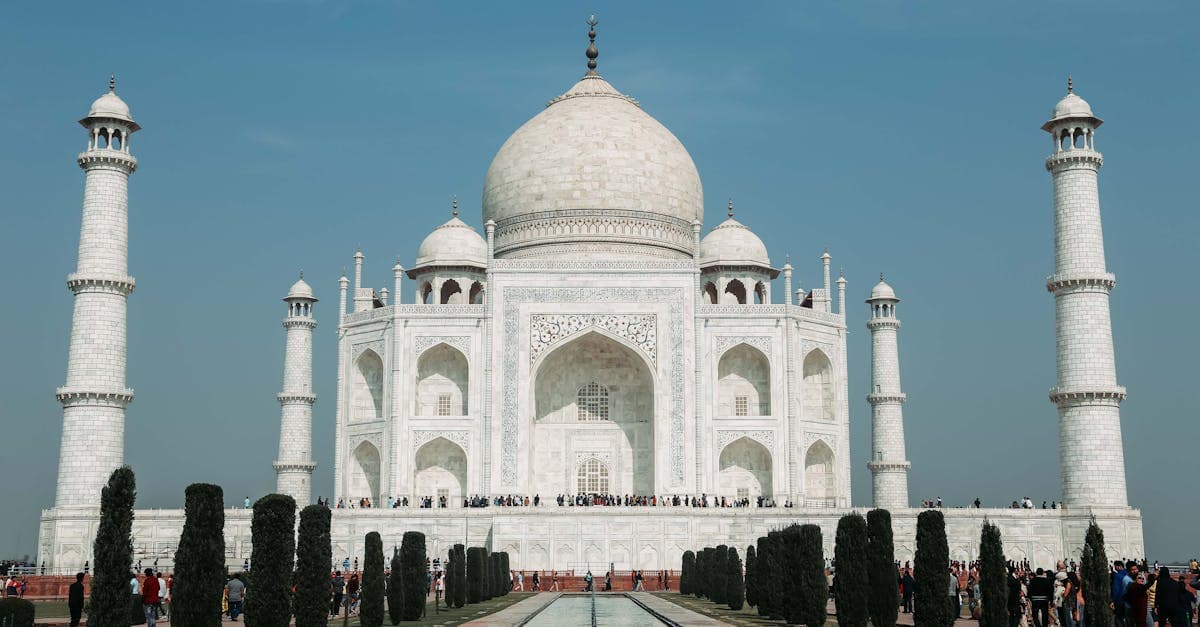
Traveling Alone Tips for India: the Complete 2026 Solo Travel Guide

Written by: David Chen


17 min read

HelloRoam is a global eSIM provider offering instant mobile data in 170+ countries. Buy prepaid travel eSIM plans with no extra fees, no contracts, and instant activation on any eSIM-compatible device.
17 min read
Pack light, sort your e-Visa online, and get your data connection active before the plane boards. Those three moves eliminate most of what goes wrong on a debut solo trip to India.
Traveling alone in India is genuinely manageable in 2026 if you prepare. The country rewards the organized traveler: trains run on fixed schedules you can book weeks ahead, rideshare apps work in every major city, and digital payments now accept foreign cards via UPI. What looks like chaos from the outside tends to have a clear internal logic once you're inside it.
Connectivity matters here more than almost anywhere else. You need maps, translation, ride-booking, and an emergency contact line all running from your phone. Hello Roam covers India with eSIM plans from $2.84 for 1GB over 7 days, meaning you can be online the moment you land without hunting for a SIM counter at the airport. The sections below break down everything else you need: documents, health prep, transport, and the app stack that replaces a tour guide. India rewards the prepared.
Solo travel searches for India on major booking platforms grew 55 to 65 percent from 2022 to 2024. That number reflects something specific: travelers who want full control over what they do and when they do it.
Group tours have their place. But India is one destination where going alone genuinely outperforms going with a group. You pivot spontaneously to a morning market you spotted from the train window. You spend three days in a village because the conversations are too good to leave. A group of twelve cannot do that.
Foreign tourist arrivals to India reached 9.2 million in 2024, with a government target of 20 million by 2030. The top source markets (USA, UK, Canada, Australia) represent exactly the demographic that tends to book solo: independent, experienced travelers seeking depth over highlights.
I was terrified before my first solo trip to India. Here's what I wish someone had told me: the country is complex, not dangerous. The difference matters. Dangerous means you shouldn't go. Complex means you need a system. Once you have the right toolkit, India is actually easier to navigate solo than in a group, because you're not coordinating twelve schedules, twelve preferences, and twelve different energy levels.
The chaos has a rhythm. You just need to learn it.
The difference between a trip that exhausts you and one that transforms you is almost always made in the weeks before departure.
Apply through the official Indian government portal. The 30-day tourist e-Visa costs $25 USD in 2026; the 1-year multiple-entry version is $40 USD. Approval typically arrives within 72 hours. Apply at least a week ahead and print a copy: Indian border officials sometimes request it at the gate.
Non-negotiable for India. Minimum coverage should include $100,000 USD for medical expenses, emergency evacuation, trip cancellation, and gear theft. World Nomads, SafetyWing, and Allianz are the main options worth comparing. Read the evacuation clause carefully, because many budget policies exclude helicopter evacuation from mountain regions, and that's exactly when you'd need it.
Book a travel clinic appointment 6 to 8 weeks before departure. Hepatitis A and typhoid are standard for India. If you're visiting rural areas or the Northeast, ask about malaria prophylaxis. Check your tetanus booster status at the same visit.
Pack these specifically:
Register on IRCTC (India's railway booking platform) before leaving home. The verification process requires a working phone number and takes 24 to 48 hours. Doing this from abroad saves significant frustration on arrival.
India records approximately 150,000 road deaths per year. Skip the motorcycle rental idea unless you have serious riding experience. Use Ola, Uber, or Rapido instead.
Save 112 (India's national emergency number) to your phone before boarding. Download the 112 India app and add your travel insurance's 24-hour hotline and nearest embassy number alongside it.
October to March covers most of India well: cooler temperatures, lower humidity, and reliable skies across the subcontinent. June to September is monsoon season for most regions; Ladakh and Spiti are exceptions, best visited July to September. Summer heat in Rajasthan exceeds 45 degrees Celsius.
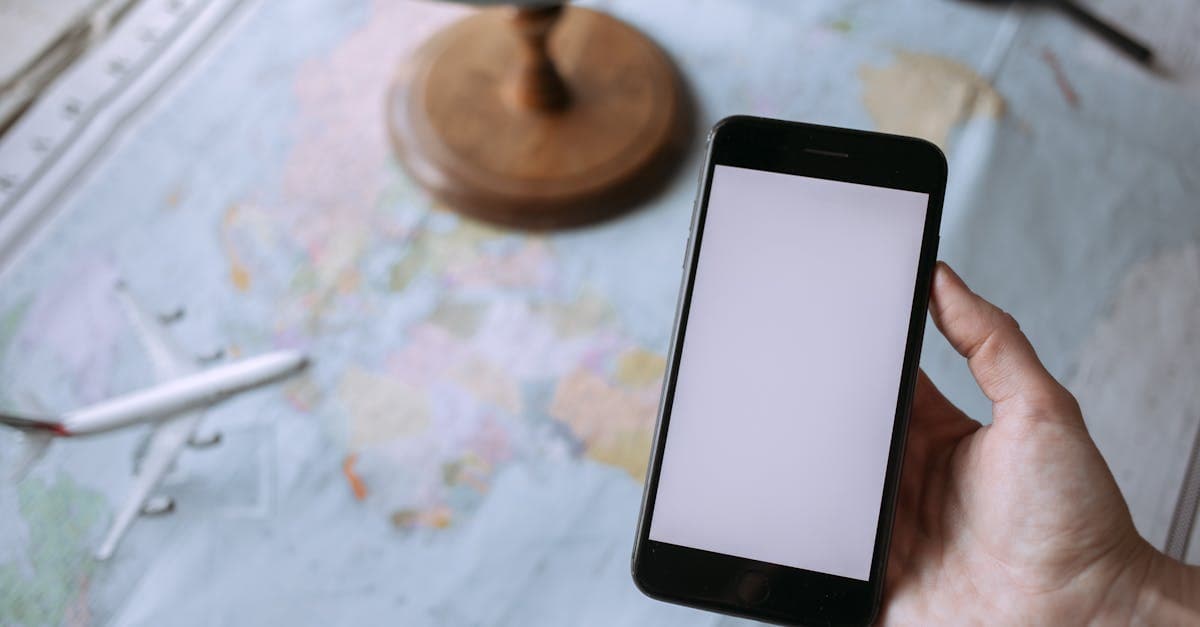
Your mobile data is your emergency line, your map, your translator, and your booking engine in India. Treat it like a utility, not an accessory.
You have three realistic options. Home carrier roaming with AT&T or Verizon costs around $10 per day, which adds up to roughly $210 over three weeks. A local SIM from Jio or Airtel runs $15 to $30 for a month of generous data allowances but requires a passport, an Indian address, and up to 72 hours to activate. An eSIM activates in under five minutes from your phone, before your trip even starts.
For first-time solo travelers, eSIM is the cleaner choice on day one. You hit the arrivals hall with data already running, which means you can book a ride rather than navigating the taxi scrum outside. What Is An eSIM explains the format if it's new to you. Hello Roam's unlimited India plan runs $36.45 for a week, with longer-stay options available for extended trips.
One practical upgrade since 2025: international travelers can now link Visa and Mastercard to UPI apps including Google Pay India. That unlocks cashless payments at markets, auto-rickshaws, and smaller restaurants that don't accept foreign cards.
WiFi quality tracks accommodation tier closely. Budget guesthouses average 1 to 5 Mbps (often shared and unreliable for navigation). Mid-range hotels typically deliver 10 to 50 Mbps. Coworking spaces like WeWork, Innov8, and 91springboard provide 100 to 500 Mbps at roughly 500 to 1,500 rupees per day. Jio and Airtel have pushed 5G to 50-plus cities as of late 2025; rural and mountain areas remain primarily on 4G.

The queue at Delhi's T3 arrivals can stretch 30 to 60 minutes after a packed international flight. That's the eSIM argument in one sentence.
An eSIM activates before your flight boards. The moment you land, your phone connects automatically. Navigation works. Ride-hailing apps load. You can message your accommodation while still walking through baggage claim, no counter visit required.
Local SIM cards flip the economics for longer stays. Jio delivers 1.5 to 3 GB of data per day at the monthly rates covered in the previous section, and their 5G footprint now reaches 50-plus cities. For trips beyond two weeks, the savings are hard to ignore.
Jio has one persistent weak spot: mountains. Himachal Pradesh, Uttarakhand, and most of Northeast India suit Airtel better. Signal in Manali or Tawang on Jio can drop enough to make navigation unreliable on winding roads.
Local SIM setup takes effort. You'll need a passport and proof of address, and activation typically runs 24 to 72 hours after purchase. Airport counters exist, but queues after packed international arrivals are long, and you'll be tired.
The practical split for most traveling-alone situations: activate an eSIM before departure for guaranteed connectivity in the first 48 to 72 hours, then pick up a local Jio SIM if your stay extends past two weeks. Most smartphones built after 2020 support dual SIM, so running both simultaneously is a practical option worth using.
India sits 116th out of 163 countries on the 2024 Global Peace Index. Moderate concern, not crisis. The primary threat to foreign solo travelers is scams and petty theft, not violent crime.
Four rules prevent most problems. According to artsy-traveler.com, book first-night accommodation before landing, so you have a confirmed address and an expected arrival time registered somewhere. Use app-based rides (Ola, Uber) instead of unmarked vehicles at stations and airports. Verify any price before agreeing to it. And when something feels wrong, leave without explanation, as artsy-traveler.com advises.
Scams follow predictable playbooks. Fake guides loitering at major monuments. Tours described as "official" that are neither official nor worth the money. Gem investment schemes targeting solo travelers with visible spending power. The closed-monument diversion: a stranger explains your destination is shut today, then steers you toward a shop that pays commission. Check r/solotravel before each new destination. Travelers post current alerts there.
Download the 112 India app before you board. It connects to all emergency services and automatically shares your GPS coordinates with first responders. Particularly valuable at night or in unfamiliar neighborhoods where reading street signs takes effort.
For accommodation: 24-hour reception matters more than the star rating, according to solotravelerworld.com. Read reviews that mention safety specifically, not just cleanliness or comfort. Avoid ground-floor rooms in budget guesthouses in areas you haven't yet explored.
Millions of women travel solo in India every year and report it as one of the most rewarding trips of their lives. Generic warnings won't get you far. Specific preparation will.
Dress varies by region, not by a single national rule. Conservative clothing (covered shoulders, below-knee length) reduces friction in smaller towns and at religious sites, as cntraveller.com notes. Coastal Goa and cities like Mumbai and Bengaluru operate on entirely different social norms. Read the context, destination by destination.
Accommodation selection makes a tangible difference. Guesthouses with predominantly female or family clientele are consistently flagged as safer by solo female travelers. Women-only dormitories are available at most major hostels across India, worth seeking out especially in your first week.
Transport choices give you real control. Long-distance trains have ladies' compartments on most major routes, bookable through IRCTC in advance. Ola and Rapido both offer women-only ride options in select cities. Use them when they're available, especially after dark.
The connectivity piece is direct: location sharing via Google Maps or WhatsApp requires an active data connection. A working SIM isn't optional for a female solo traveler. It's a core part of the safety infrastructure, not a convenience.
Community exists and it's active. Tripoto and Facebook groups dedicated to solo female travel in India collectively count more than 100,000 members. Real-time destination advice, companionship for specific legs of a trip, and support from people who've done exactly what you're planning.
Build in rest days, as beyourowndate.com emphasizes. India is intense. Slower days aren't wasted ones.

Indian Railways links virtually every destination with more than 13,000 trains. For solo travelers, it's the most affordable way to cover serious distances, with an unintended upside: you'll have conversations you'd never find on a tour bus.
Set up an IRCTC account before you land. Foreign cards work once the account is verified. The app is functional if not elegant. Sleeper class runs roughly $1.25 to $3.50 per journey and is the most social option: open berths, no air conditioning, a constant movement of food vendors and fellow passengers. 3AC is the comfort sweet spot, cooled and reasonably priced. 2AC adds privacy curtains. 1AC is the nearest thing to a private compartment.
Trains run late. Rail Radar and the NTES app both track positions live. Build 30 to 120 minutes of buffer into any connection, more during monsoon.
For cities: Ola has wider coverage in smaller cities than Uber, which is more consistent across the major metros. Rapido bike taxis are the fastest, cheapest option for short hops in heavy traffic.
Domestic flights earn their place for any journey over eight hours. IndiGo and Air India Express are the main budget carriers. Book three to six weeks ahead for routes between Bengaluru, Mumbai, Delhi, and Chennai.
One honest budget correction: the decade-old figure that backpacker forums still repeat is a relic. India inflation has run 10 to 20 percent since 2022. A realistic backpacker budget in 2026 is $20 to $35 per day covering accommodation, food, and local transport. India remains exceptional value by any global comparison. That old number just needs retiring.

Picking the wrong Indian destination for your travel style is the most common mistake first-timers make from home. India's geographic and cultural range is staggering. What works for a yoga-seeking solo traveler from Toronto looks nothing like what works for an adventure traveler from Berlin. Match your interests to the destination, not the other way around.
Spiritual travelers have the richest options. Varanasi is one of the oldest continuously inhabited cities on Earth; the Ganga aarti at Dashashwamedh Ghat after dark is genuinely unlike anything else you'll encounter. Rishikesh pairs real yoga ashrams with Ganges white-water rafting, in the same stretch of valley. Bodh Gaya draws Buddhist pilgrims from across Asia. Amritsar's Golden Temple runs a free langar (community kitchen) that feeds tens of thousands daily, open to everyone regardless of faith.
Adventure travelers should book Ladakh with significant lead time. The passes above Pangong Lake sit above 5,000 metres, and altitude acclimatization isn't negotiable. Hampi's boulder-strewn landscape suits the traveler who wants archaeology without Rajasthan's tourist numbers. Spiti Valley is genuinely off-grid Himalayan culture for those willing to arrange permits and accept variable transport. Coorg delivers coffee-country hiking at a fraction of the effort.
Beach and relaxation: North Goa's beaches (Anjuna, Vagator, Morjim) run considerably quieter than the Baga-Calangute strip to the south. Kerala's backwaters are bookable as solo houseboat hire, one of the best-value slow-travel experiences in the country. Varkala has cliff-top cafes with crowds that never quite reach Goa levels. The Andaman Islands require a domestic flight but deliver diving and snorkeling that's difficult to match anywhere else in India.
Culture and history: The Rajasthan circuit connecting Jaipur, Jodhpur, Udaipur, and Jaisalmer is the classic solo route for a reason. It's logistically forgiving, hostel infrastructure is strong, and each city earns its own full day. Mysore suits the slow traveler who wants architecture and cuisine without the crowds. Kolkata layers colonial history with some of India's most extraordinary street food.
Digital nomads: Bengaluru has India's most mature coworking ecosystem, anchored by spaces like 91springboard and Innov8. North Goa's long-stay community grows every season. Pondicherry offers French-colonial calm with cafe WiFi that holds up consistently for remote work.
The destination almost entirely absent from competitor content: Meghalaya. The living root bridges at Nongriat, the highland scenery around Cherrapunji (one of the wettest places on Earth), and an emerging trail network make it one of India's fastest-growing solo travel destinations. You'll find almost nothing on it in mainstream travel articles. For Arunachal Pradesh and parts of Nagaland, apply for Inner Line Permits well ahead of your trip. Some are issued within 24 hours online; others need a full week.
The same questions come up again and again in solo India traveler forums. Here are direct answers, not reassurances.
How do you travel alone successfully? According to cntraveller.com, share your itinerary with one trusted contact before you leave. A shared Google Doc or a WhatsApp message with your rough day plan takes five minutes and provides more peace of mind than any safety gadget. Carry around $100 to $200 USD in cash as a buffer: a last-minute accommodation upgrade when a place doesn't feel right, an unexpected medical visit, airport transport confusion on arrival. Hold your schedule loosely enough that a good conversation can become an unplanned afternoon, as cntraveller.com recommends.
How do you meet people when traveling alone? According to solotravelerworld.com, hostel common areas do the work automatically, if you show up. Sit in the kitchen. Eat at the shared table. Organized day tours are the fastest way to find companions without committing to a full group itinerary. Facebook's Solo Travelers India group has active threads for most destinations.
What about identity-specific travel, including Travelling While Black? India is diverse but not without bias. Research your specific destinations before you arrive, not after. Both r/solotravel and r/TravelersOfColor have current, first-person India threads from travelers who've been recently. Read destination-specific posts, not just the country-level overviews.
How do you actually enjoy being alone? As beyourowndate.com suggests, plan one thing each day you're genuinely looking forward to, not just ticking off a list. Eat where locals eat. Give yourself permission to change plans without explaining yourself to anyone.
The discomfort of day one in a new Indian city is almost always productive: you're stretching, which is the point, as beyourowndate.com notes. Feeling genuinely unsafe is a different signal entirely. Act on that one immediately, without rationalizing it away.
Prepare the logistics. Stay flexible on everything else. That's the whole formula, and India tests both halves equally.
For India specifically: book your first two nights before you land. Get your IRCTC account set up before you arrive. The registration process requires a working email and phone number, and some foreign numbers get rejected on the first attempt. Use the international booking option as a workaround if that happens. Download Google Maps offline for every region you plan to visit buzzfeed.com. Have working mobile data active from the moment you step off the plane, whether that's through an eSIM activated before departure (as covered earlier) or a local SIM picked up in arrivals.
First India trip? Start with the Golden Triangle: Delhi, Agra, and Jaipur. Delhi provides chaos training with strong tourist infrastructure as a safety net. Agra is a comfortable day trip. Jaipur rounds the circuit. Three cities, one logical route, and enough confidence to tackle something more remote on the next trip.
Four things every solo India traveler needs before departure: reliable mobile data active on arrival (not sourced from an airport queue), offline maps downloaded, a physical copy of your passport and visa, and a small first-aid kit with rehydration sachets. Stomach issues hit most first-timers. Being ready costs nothing.
Connecting with other solos: hostel common areas, organized walking tours, and groups like Solo Travelers India on Facebook all work reliably. You can find a day companion for Hampi or a week-long travel partner for Rajasthan without surrendering any of your independence.
The most memorable India moments almost always happen off-plan. Leave explicit buffer days in your itinerary, days with no bookings and no agenda. India will fill them.
Delhi or Mumbai. That's your entry point for a first solo India trip. Both airports have pre-paid taxi counters directly after customs, clear English signage, and established hostel infrastructure nearby. Chhatrapati Shivaji Maharaj International in Mumbai and Indira Gandhi International in Delhi are the most first-timer-friendly airports in the country. If you're heading south, Kochi is the calmer option: smaller airport, gentler city rhythm, good hostel stock.
According to artsy-traveler.com, plan your first 48 hours in detail. After that, let the structure breathe. Know where you're sleeping on nights one and two. Know how you're getting from the airport. Know where the nearest pharmacy is. Everything beyond that can flex.
According to cntraveller.com, tell someone your itinerary. A WhatsApp message with your rough day-by-day plan takes five minutes and removes a background anxiety for both you and your contact at home. Check in every couple of days, even just a location pin. Low effort, significant reassurance.
Keep the cash buffer from the previous section in your day bag, not your checked luggage, as artsy-traveler.com recommends. Unexpected costs on a first India trip tend to arrive together: airport transport pricing confusion, a spontaneous train upgrade, a quick accommodation switch when a place doesn't feel right.
The discomfort you feel in the first 24 hours is almost always the useful kind. You're stretching your comfort zone, which is the whole point of going. A genuine safety concern has a different quality to it. When that instinct fires, move.
Travelers who complete their first independent India trip consistently describe it as the experience that removed the ceiling on everywhere else they wanted to go, as solotravelerworld.com reports. The fear in the planning phase is almost never proportionate to what you actually encounter. Start prepared, build in room to adapt, and let India do the rest.

The best way to solo travel is to prepare systematically before departure: apply for visas online, sort travel insurance, book first-night accommodation in advance, and get your data connection active before you land. Use app-based transport like Uber or Ola instead of unmarked vehicles, and always verify prices before agreeing to them.
Traveling alone successfully means treating logistics as infrastructure: book trains and accommodation ahead, keep emergency numbers saved on your phone, and maintain a reliable data connection for maps, translation, and ride-hailing. Stay in accommodations with 24-hour reception and trust your instincts — leave any situation that feels wrong without explanation.
Successful solo travel comes down to having the right toolkit: a working SIM or eSIM for constant connectivity, pre-registered accounts on local transport apps like IRCTC and Ola, and a clear itinerary for at least the first 48 hours. Join communities like r/solotravel for real-time destination alerts and current scam warnings before each new stop.
For a first solo trip, focus on three priorities: apply for your e-Visa online before departure, secure comprehensive travel insurance covering at least $100,000 USD for medical emergencies, and activate an eSIM before your flight so you have data the moment you land. Arriving with navigation and ride-hailing apps already working eliminates most of the stress of a first solo arrival.
India ranks 116th out of 163 countries on the 2024 Global Peace Index — moderate concern, not a crisis. The primary risk for foreign solo travelers is scams and petty theft, not violent crime. Using app-based rides, verifying prices in advance, and checking community forums like r/solotravel for current local alerts significantly reduces exposure to common issues.
October to March is the best window for most of India, offering cooler temperatures, lower humidity, and reliable weather across the subcontinent. June to September is monsoon season for most regions. If you plan to visit Ladakh or Spiti, July to September is actually the optimal window. Summer heat in Rajasthan can exceed 45 degrees Celsius.
Most nationalities can apply for an Indian e-Visa online through the official government portal. The 30-day tourist e-Visa costs $25 USD in 2026, while the 1-year multiple-entry version costs $40 USD. Approval typically arrives within 72 hours, so apply at least a week ahead and print a copy as border officials may request it.
Minimum coverage for India should include $100,000 USD for medical expenses, emergency evacuation, trip cancellation, and gear theft. Read the evacuation clause carefully — many budget policies exclude helicopter evacuation from mountain regions, which is exactly when you would need it. World Nomads, SafetyWing, and Allianz are the main providers worth comparing.
For the first 48 to 72 hours, an eSIM is the better choice because it activates before your flight and connects automatically on landing — no airport queue required. For stays beyond two weeks, switching to a local Jio or Airtel SIM saves money significantly. Most smartphones built after 2020 support dual SIM, so running both simultaneously is a practical option.
Home carrier roaming with AT&T or Verizon costs around $10 per day, totaling roughly $210 over three weeks. A local SIM from Jio or Airtel runs $15 to $30 for a month of generous data. An eSIM from providers like Hello Roam starts at $2.84 for 1GB over 7 days, with unlimited week plans available at around $36.45.
Indian Railways is the most affordable option for long distances, with more than 13,000 trains connecting virtually every destination. Register on IRCTC before leaving home as verification takes 24 to 48 hours. For city transport, use app-based rides like Ola and Uber rather than unmarked vehicles. Avoid motorcycle rentals unless you have serious riding experience, as India records approximately 150,000 road deaths per year.
Essential apps include IRCTC for train bookings, Ola and Uber for city transport, Rail Radar or NTES for live train tracking, and the 112 India emergency app which automatically shares your GPS coordinates with first responders. Google Pay India now accepts international Visa and Mastercard via UPI, making cashless payments possible at markets and smaller restaurants.
Book a travel clinic appointment 6 to 8 weeks before departure. Hepatitis A and typhoid are standard recommendations for India. If you are visiting rural areas or the Northeast, ask your doctor about malaria prophylaxis. Also check your tetanus booster status at the same visit.
Common scams include fake guides near major monuments, tours described as official that are neither, and gem investment schemes targeting travelers with visible spending power. The closed-monument diversion is also widespread: a stranger claims your destination is shut and steers you to a commission-paying shop. Check r/solotravel before each destination for current local alerts.
Millions of women travel solo in India every year and report it as one of the most rewarding trips of their lives. Key practical steps include staying in guesthouses with female or family clientele, booking ladies' compartments on long-distance trains through IRCTC, using women-only ride options on Ola and Rapido where available, and maintaining an active data connection for continuous location sharing.
Health essentials are the highest priority: oral rehydration salts, Imodium, a prescribed broad-spectrum antibiotic, SPF 50 sunscreen, and basic wound care supplies. Also bring printed copies of your e-Visa, comprehensive travel insurance documentation, and ensure your phone is eSIM-compatible or carry an unlocked device for a local SIM. Packing light reduces friction throughout the trip.
3AC is the comfort sweet spot for most solo travelers — air-conditioned and reasonably priced. Sleeper class runs roughly $1.25 to $3.50 per journey and is the most social option with open berths and frequent interaction with fellow passengers. 2AC adds privacy curtains, while 1AC offers a near-private compartment experience. All classes are bookable through the IRCTC app.
Solo travel searches for India on major booking platforms grew 55 to 65 percent from 2022 to 2024. India rewards solo travelers specifically because you can pivot spontaneously — spending extra days somewhere unexpected or changing your route on the fly — in ways a group tour of twelve cannot. The country's fixed train schedules, app-based transport, and expanding digital payment infrastructure make independent navigation genuinely practical.
HelloRoam: your trusted travel eSIM that keeps you online across borders.
Explore Plans