Portable WiFi in India: the Complete Traveller Guide for 2026

Written by: James Harrington


16 min read
HelloRoam is a global eSIM provider offering instant mobile data in 170+ countries. Buy prepaid travel eSIM plans with no extra fees, no contracts, and instant activation on any eSIM-compatible device.
16 min read

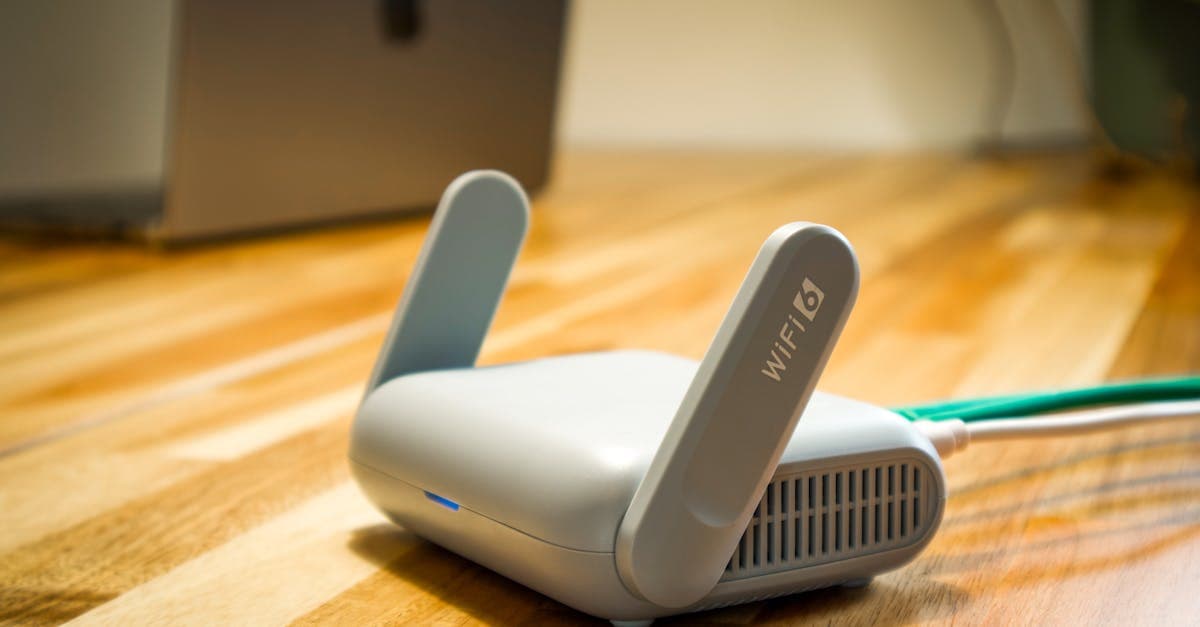
Portable WiFi is a pocket-sized router, usually called a MiFi device, that takes a mobile data SIM and broadcasts a personal WiFi hotspot. Your phone, laptop, and tablet all connect to it wirelessly. The device handles the cellular connection on their behalf.
This is different from tethering through your smartphone. When you tether, your phone simultaneously runs its own apps and acts as a mobile modem. Battery drain is fast, and most phones cap simultaneous connections at five or fewer. A dedicated MiFi sidesteps both problems: it runs on its own battery, leaves your phone fully charged, and handles more devices at once without performance hitting a wall.
In India, these devices connect to Jio or Airtel's 4G and 5G networks. Both carriers had 5G active in over 100 cities by early 2026, with 4G covering everywhere beyond those metro hubs. Speeds on a reliable 4G signal average 35 to 50 Mbps. In 5G zones across Mumbai, Delhi, and Bengaluru, that climbs to 80 to 200 Mbps.
The use cases are clear. Tourists landing without a local SIM get a working connection straight from the airport. Families and tour groups share a single data plan across everyone's devices. Digital nomads on extended stays in Goa or Pune need consistent speeds for video calls. Business travellers tethering laptops to sidestep unreliable hotel broadband complete the picture.
According to jio.com, JioFi, India's most widely available pocket router, supports up to 10 simultaneous device connections. HD video and audio conferencing both work reliably on a strong 4G or 5G signal. The practical ceiling is battery: expect 6 to 8 hours of continuous hotspot use before the device needs a recharge jio.com. A full day of sightseeing in India will almost certainly push past that limit.
Jio's scale is hard to overstate. Holding roughly 55% of India's 1.2 billion mobile subscribers, it runs the most extensive mobile network in the country, which is why JioFi is the default pocket router for most tourists. The 5G rollout extends across the cities noted in the opening section, with 4G handling the rest.
Airtel is the second practical option. With around 28% of the market, its 4G Hotspot device is considered the second most reliable choice for international visitors airtel.in. The core experience mirrors JioFi: insert the SIM, power on, connect. A third carrier, Vi (Vodafone-Idea), exists on paper, but its network has degraded noticeably and it's not worth the risk for a trip that depends on reliable connectivity myvi.in.
Coverage quality follows a clear hierarchy. Metro cities including Delhi, Mumbai, Bengaluru, Chennai, and Kolkata deliver consistent, fast data. Tier 2 cities are workable for most travel tasks. Rural stretches, trekking routes, and remote heritage sites are a different story: coverage is patchy or absent entirely. No device, Jio or Airtel, manufactures a signal where infrastructure doesn't reach.
According to jio.com, on peak LTE, JioFi supports theoretical downloads of up to 150 Mbps. Newer 5G-capable models push well past the speed benchmarks from the previous section in strong urban coverage zones. The battery runtime covered earlier applies equally to Airtel's equivalent hardware.
One part of the process that catches tourists off guard: KYC. Every SIM and portable WiFi activation in India requires a passport and a passport photo, presented at the counter. At a busy international terminal after a long-haul arrival, that process can stretch significantly longer than expected. Plan for it. Once the device is running, the JioFi companion app handles data monitoring, usage tracking, and remote device management from your phone jio.com.
Three realistic options exist for international tourists arriving in India in 2026: a local SIM, a portable WiFi device, or an eSIM. Here's how they compare on the criteria that actually affect your trip.
The local SIM is the cheapest row in that table. Catch: you need an unlocked phone, and the KYC process at Indian airport counters can absorb the better part of a day. Landing after a long-haul connection and finding out you'll be on throttled airport WiFi until morning is a genuine possibility, not a worst case.
Portable WiFi removes the SIM swap problem and spreads a single plan across multiple devices. You still queue at the same activation counter with your passport. And you're now managing an extra piece of hardware every single day, including finding somewhere to charge it overnight.
eSIM eliminates both friction points. Activate from home before you board. No counter, no queue, no waiting for a confirmation message. Hello Roam's India eSIM plans start at $2.84 for 1GB over 7 days, with the 3GB/30-day option priced as shown in the table for longer stays. If you've never set up an eSIM before, What Is An Esim explains exactly how the profile installs and activates on your device before you travel.
The compatibility cut-off is real. eSIM requires iPhone XS or newer, Samsung Galaxy S20 or newer, or Pixel 3 or newer. Older or SIM-locked handsets mean a physical SIM is the only path.
Carrier roaming from home remains the option worth avoiding. UK add-ons run £5 to £15 per day for India. Australian networks typically charge A$10 to A$15 per day. Two weeks of daily roaming fees dwarfs the cost of any local option in the table above.
One angle most comparisons skip entirely: security. A shared portable WiFi hotspot routes every connected device through a single point. A compromised device exposes every user on it to man-in-the-middle risk. An eSIM gives each traveller a private, independent cellular connection.
For solo travellers and short trips, eSIM is the cleaner choice by most measures. The case for portable WiFi comes down to group economics.

The group maths look compelling at first glance. One JioFi device shared across four or five people, using the device and plan costs from the comparison above, brings the per-person price well below what individual SIMs or eSIMs would cost for a short trip. For a family spending a week together at a beach resort in Goa, that calculation makes complete sense.
Everything depends on staying in range. Every device connecting through the hotspot needs to be within WiFi distance of whoever's carrying the router. One person splits off for a solo afternoon in a spice market and their connectivity goes with them. Everyone else is offline the moment they're out of range.
That single-device dependency matters more in rural India. In Rajasthan's desert towns, the Himalayan foothills, or the Kerala backwaters, coverage is already thinner than the metro experience suggests. If the portable WiFi device runs flat, gets left at the guesthouse, or is lost, every person in the group loses connectivity simultaneously. In remote areas without easy alternatives, that's a genuine problem rather than a minor inconvenience.
Battery is worth planning around specifically in group scenarios. Multiple devices pulling data heavily drains the router faster than the standard runtime, particularly on navigation-heavy days out.
Groups with a fixed base, say a family at a resort for a week, get real value from a shared hotspot: charge overnight, everyone connects in the morning, done. Groups with any degree of independent movement are a different case. When people are splitting off for separate day trips, different arrival times, or individual itineraries across the city, each person needs their own connection.
For that kind of travel, individual eSIMs give each person independent coverage with no shared battery risk and no dependency on one device's location. Hello Roam's India unlimited 30-day plan, at $139.24 per person, makes the per-person cost comparison against a group hotspot straightforward, and each traveller keeps their own connection regardless of where the group ends up.

JioFi owns this market. No other portable WiFi brand comes close in device availability, plan range, or network reach across India in 2026. You'll find JioFi counters at airport arrivals halls, highway fuel stops, and neighbourhood electronics stores where Airtel simply doesn't have a presence.
For most tourist routes, the standard 4G JioFi model handles everything you need. Jio's 5G-capable devices are worth considering if your trip stays within Delhi, Mumbai, Bengaluru, or Chennai, but 5G coverage thins sharply once you leave those city centres.
Airtel's 4G Hotspot and newer 5G models, including the Wi-Fi Router M2S, are stocked at Airtel stores and major online retailers airtel.in. Performance on Airtel's 5G network matches Jio's in overlapping urban zones. The practical choice between the two usually comes down to which network holds signal better on your specific route.
Airport kiosks at DEL, BOM, and BLR offer same-day portable WiFi rental at around $3 to $5 per day, with no purchase commitment and return at the terminal counter on departure.
Buy if you're staying ten days or longer. At those daily rental rates, the device cost recovers itself quickly. Higher-tier JioFi plans carry validity periods out to 84 days for extended stays, and fixed monthly billing removes any risk of surprise overage charges, a genuine advantage over carrier roaming add-ons that meter every megabyte.

How much does a JioFi cost, start to finish? The device runs between Rs999 and Rs1,499 at Jio stores jio.com, Amazon.in amazon.in, and airport counters across India. According to jio.com, three main plans cover most tourist stays:
Airtel's 4G Hotspot sits in the same device price range, with comparable plan pricing and a tiered data structure that mirrors Jio's. The meaningful difference between the two networks shows up in smaller cities and on long highway stretches, where Jio tends to hold signal longer.
Battery life is the real daily constraint: six to eight hours of continuous use before recharging. Any full-day excursion away from wall power demands a compact portable power bank. This applies equally to JioFi and Airtel devices, and it's the single most common complaint among travellers who use portable WiFi in India.
4G speeds match the network performance figures discussed in the earlier section, with newer 5G-capable JioFi models delivering higher throughput in metro 5G coverage zones. A strong signal (three or more bars) supports HD video and audio conferencing without buffering. The Jio companion app handles data monitoring, usage tracking, and remote device management directly from your phone.

Portable WiFi in India is available at Jio and Airtel airport counters, through online retailers for delivery to Indian hotels, and via rental kiosks at major terminals for short stays. Both networks operate at the international terminals of Delhi (DEL), Mumbai (BOM), Bengaluru (BLR), Chennai (MAA), and Kolkata (CCU), staffed during most major arrival windows. The process requires your passport plus one passport-sized photo.
That wait is the operational problem. As covered in the setup walkthrough above, activation can run anywhere from two hours to a full day after purchase, depending on arrival time, network load, and KYC processing. A 2am arrival ahead of an early morning connection leaves no margin for delays.
Online pre-order avoids the counter entirely. Both Jio and Airtel accept orders for delivery to a hotel address within India, typically reaching major city hotels within one to two business days. JioFi is also available through Amazon.in amazon.in with delivery to most urban areas, so ordering before check-in is realistic for most popular destinations.
For short stays, airport kiosk rental at the daily rate noted above removes the purchase commitment. Return is at the designated counter on departure. Multi-city itineraries can arrange courier returns, though the specific logistics depend on the rental provider.
The one reliable way to skip the KYC queue entirely is to activate an eSIM before you board. Load your plan before departure and you'll clear immigration with data already running, no counter visit required.

Portable WiFi works. But it also weighs something, drains something, and can be lifted from your bag in a crowded market. An eSIM can't be stolen.
An eSIM is a digital profile stored directly in your device: no physical chip, no hardware to charge or lose. Activation before boarding means you arrive in India with data already running, skipping the KYC counter entirely.
There's a security case worth making here. A shared portable WiFi hotspot puts every connected device on the same local network, creating shared bandwidth risk and a potential man-in-the-middle vulnerability. A private eSIM connection removes that exposure completely.
Compatibility covers most modern hardware: iPhone XS and newer, Samsung Galaxy S20 and newer, and Google Pixel 3 and newer. Over 15% of new devices sold in India are now eSIM-capable, and that share has grown sharply as flagship handsets drop physical SIM trays entirely.
Jio and Airtel both offer tourist eSIM activation at their airport counters, but both still require in-person KYC, which recreates the exact counter delay you're trying to avoid. Pre-departure international eSIM providers sidestep this entirely. Hello Roam's India plans include $7.56 for 3GB over seven days, sitting below the combined device-and-plan cost detailed above for any trip under a week, with unlimited data options for travellers who'd rather not track their usage at all.
No hardware to return, no activation queue, and no partially used device to dispose of at the airport. Activate Hello Roam's India eSIM before you board and land with full connectivity from the first step through immigration.

Portable wifi devices work reliably across the India that most tourists actually visit. Metro cities and major Tier 2 destinations (Delhi, Mumbai, Jaipur, Varanasi, Kochi, Goa) get consistent 4G and 5G service from both major networks. Streaming, video calls, and navigation hold up well in those areas.
Rural India is a different matter. Ladakh, Spiti Valley, and parts of Rajasthan and Odisha have limited or no mobile data coverage for any device, portable wifi included. No network can fix altitude or geography.
Battery is the other practical constraint. JioFi and Airtel hotspots run for around six to eight hours on a full charge jio.com, which covers a morning comfortably but runs short on a full-day temple circuit or overnight train. Carry a power bank; it's not optional.
The activation wait covered in an earlier section also applies here. A device bought on arrival may take several hours before it connects.
Once active and charged, both devices deliver consistent performance for streaming, navigation, and video calls across covered areas. Availability is not the problem: JioFi and Airtel hotspot devices are stocked at airport counters, brand stores in every major city, and on Amazon.in amazon.in.
Before any rural leg, download offline maps through Google Maps or Maps.me. Where coverage drops out, offline navigation is the only navigation that works.
Portable WiFi in India costs around $14 to $22 USD for the first month, covering both the device and a data plan. That initial outlay combines the hardware cost covered earlier with the cheapest useful data plan, and it's what catches most people out when budgeting.
From the second month onwards, costs drop sharply. You're paying for the plan alone. The plan options covered in the pricing section above range from a basic validity plan to a heavier daily data allocation, with ongoing monthly spend staying well under what international carriers charge.
Rental is the alternative, but the maths only work for very short stays. At the daily rates mentioned earlier, a full month of renting totals around $90 to $150 USD depending on the provider. That's far more expensive than buying a device and plan outright.
International carrier roaming compounds fast. The per-day charges noted in the comparison section above add up to serious money across two or three weeks, with nothing to show for it afterwards.
The clearest breakdown: stays of 30 days or longer, buying local wins on cost without question. Under two weeks, an eSIM sidesteps both the device cost and the activation wait, which is usually the smarter call for short visits.
5G pocket routers are available in India, and both Jio and Airtel sell compatible hardware. The devices are on shelves and active in the urban centres where the 5G rollout is concentrated.
The coverage footprint is the same one noted in earlier sections: well over a hundred cities, weighted heavily toward metro areas and large Tier 2 cities. In Delhi, Mumbai, Bengaluru, Hyderabad, and Pune, the speed advantage over 4G is real and noticeable for anyone doing regular video calls or transferring large files remotely.
All 5G portable wifi devices automatically fall back to 4G or 3G when 5G signal isn't available. A 5G device doesn't stop working outside Bengaluru city limits; it simply operates at the 4G baseline described earlier. For travellers on mixed itineraries covering cities and smaller towns, this automatic fallback is what makes 5G hardware practical rather than limiting.
Rural India hasn't changed. 5G is absent outside major urban centres, and that situation will take years to resolve at scale. Temple towns, trekking routes, and backwater regions run on 4G where available and weaker signals in more remote areas.
On pricing, 5G-capable JioFi models carry a modest premium over standard 4G hardware. Monthly data plan costs are identical regardless of which device you buy.
The eSIM alternative is worth considering for city-heavy itineraries. Both 5G eSIM and 5G portable wifi deliver comparable speeds in covered zones. The practical difference is hardware: eSIM has no battery to track, no device to charge, and nothing to lose on a crowded metro.
Travellers staying primarily in Delhi, Mumbai, Bengaluru, or Hyderabad will notice the 5G speed benefit. Mixed urban and rural itineraries gain more from broad 4G coverage reliability than from peak 5G performance that's only available in select areas.

Yes, portable WiFi devices work reliably in India. JioFi and Airtel hotspot devices connect to 4G and 5G networks, delivering average 4G speeds of 35 to 50 Mbps and 5G speeds of 80 to 200 Mbps in major cities like Mumbai, Delhi, and Bengaluru. Coverage is strong in metros and tier 2 cities, though it thins in rural areas and remote trekking routes.
A JioFi device costs Rs999 to Rs1,499 to purchase upfront. Monthly data plans start at Rs149 for 1GB over 28 days, with the most practical tourist option priced at Rs349 for 2GB per day plus unlimited calls over 28 days. An extended 84-day plan is available at Rs499 for long-stay travellers.
Yes, portable WiFi is widely available across India. JioFi and Airtel hotspot devices are sold at airport arrival counters, brand stores, and online retailers such as Amazon.in. Rental kiosks at major international airports including DEL, BOM, and BLR offer same-day devices at around $3 to $5 per day with no purchase commitment.
Yes, both Jio and Airtel offer 5G-capable portable WiFi devices in India. Jio's 5G-capable JioFi models and Airtel's Wi-Fi Router M2S support 5G connectivity in Delhi, Mumbai, Bengaluru, and Chennai. Outside these urban 5G zones, the devices fall back to 4G automatically.
A portable WiFi device, often called a MiFi, is a pocket-sized router that takes a mobile data SIM and broadcasts a personal WiFi hotspot. Your phone, laptop, and tablet connect to it wirelessly while the device handles the cellular connection. Unlike tethering through your smartphone, a MiFi runs on its own battery and supports more simultaneous connections without draining your phone.
JioFi supports up to 10 simultaneous device connections. HD video and audio conferencing both work reliably on a strong 4G or 5G signal when multiple devices are connected. Performance may degrade if all 10 slots are in heavy use at the same time.
Expect 6 to 8 hours of continuous hotspot use before the device needs recharging. This applies to both JioFi and Airtel hotspot devices. For full-day excursions away from wall power, carrying a compact portable power bank is strongly recommended, as battery drain is the most common complaint among travellers using portable WiFi in India.
Every SIM and portable WiFi activation in India requires a KYC process at the counter. You must present your passport and a passport photo. At busy international airport terminals after a long-haul arrival, this process can take significantly longer than expected, so it is worth planning extra time on arrival day.
Portable WiFi requires buying or renting a physical device and completing KYC at an Indian airport counter, but allows multiple devices to share one data plan. An eSIM is activated instantly before departure with no counter queues, no hardware to carry, and no SIM swap required, but covers only the one device it is installed on. eSIM also provides each traveller with a private, independent connection compared to the shared security exposure of a hotspot.
Portable WiFi devices in India primarily use Jio or Airtel networks. Jio holds roughly 55% of India's mobile subscribers and runs the most extensive network nationwide. Airtel holds around 28% of the market and is considered the second most reliable option for international visitors. A third carrier, Vi (Vodafone-Idea), exists but its network quality has degraded noticeably and is not recommended for travel-critical connectivity.
Renting at airport kiosks costs around $3 to $5 per day and suits stays of up to nine days with no commitment and easy return at departure. Buying is better value for stays of ten days or longer, as the device cost recovers quickly at daily rental rates. Higher-tier JioFi plans include validity periods up to 84 days for extended stays.
Portable WiFi can be cost-effective for groups staying together in one location, such as a family at a resort, as a single plan is shared across multiple devices. However, it becomes a liability when group members split up, since everyone loses connectivity if they move out of WiFi range of the device or if the battery runs out. Groups with independent itineraries are better served by individual SIMs or eSIMs.
Coverage quality varies significantly outside major cities. Metro areas deliver consistent, fast data, and tier 2 cities are workable for most travel tasks. Rural stretches, trekking routes, and remote heritage sites have patchy or absent coverage regardless of whether you use JioFi or Airtel. No device can create a signal where network infrastructure does not reach.
A local SIM is the cheapest connectivity option in India, with 28-day plans ranging from Rs299 to Rs399, compared to Rs149 to Rs499 for portable WiFi plans plus a Rs999 to Rs1,499 device cost. However, a local SIM requires an unlocked phone and the same KYC process at an airport counter, and it only connects one device at a time.
On a reliable 4G signal, speeds average 35 to 50 Mbps. In 5G coverage zones across Mumbai, Delhi, and Bengaluru, speeds climb to 80 to 200 Mbps. JioFi's peak theoretical LTE download speed is 150 Mbps. A strong signal with three or more bars supports HD video and audio conferencing without buffering.
Yes, Jio and Airtel operate activation counters at major international airport arrival halls including Delhi, Mumbai, and Bengaluru. Same-day rental kiosks are also available at these terminals. Note that the KYC activation process requires a passport and passport photo and can take longer than expected at busy arrival times.
HelloRoam: your trusted travel eSIM that keeps you online across borders.
Explore Plans