Portable WiFi in India: is It Worth It for Travellers in 2026?

Written by: James Harrington


14 min read

Table of content
What is a portable WiFi device and how does it work?
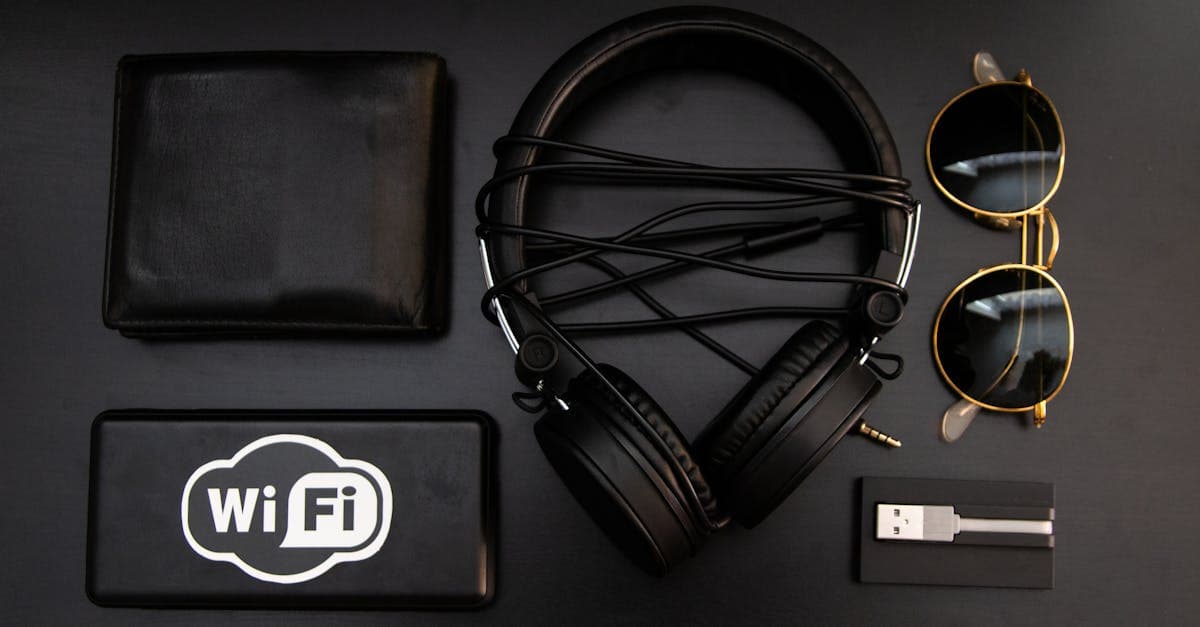
According to airtel.in, a portable WiFi device is a battery-powered mobile hotspot. It converts a 4G or 5G cellular signal into a local WiFi network, letting your phone, laptop, and tablet connect simultaneously without depleting any single device's battery. Most people know these as MiFi units or pocket routers. The practical distinction from your handset's built-in tethering is purely functional: dedicated hardware handles the radio work independently, keeping your phone available for calls and navigation while the router manages everything else.
Three form factors are relevant in India. JioFi from Reliance Jio is the most widely available, stocked at Jio stores, airport counters, and Amazon.in. Vi (Vodafone Idea) offers the Vi MiFi for both personal and business customers myvi.in. Imported units such as the Wi-Fi Router M2S black also circulate on e-commerce platforms, though warranty claims for these can be difficult to pursue.
According to jio.com, corporate JioFi deployments include an application suite with centralised SIM management, predictable monthly billing, and scalable data plan options suited to field teams running multiple devices. The hardware supports HD video and audio conferencing over 4G LTE (Long-Term Evolution, the technology behind India's fast mobile internet) and connects up to 10 devices at once.
Battery life is the practical ceiling. Six to eight hours of continuous use is the realistic range for most MiFi units. On a full-day train journey from Bengaluru to Hyderabad or a multi-day trek in Spiti, a power bank is necessary, not optional. Device purchase, in the range of Rs 999 to Rs 1,999, is a one-off hardware cost billed entirely separately from whichever data plan you activate.
JioFi and Vi MiFi: India's main portable WiFi devices

JioFi hardware retails for between Rs 999 and Rs 1,999 at Jio stores, airport kiosks at IGI, CSIA, KIA, and MAA, and on Amazon.in amazon.in. According to jio.com, the device connects up to 10 users on Jio's 4G and 5G network, which covers more than 600 Indian cities. The most useful tariff for travellers is Rs 399 for 28 days at 2.5 GB per day. There's no throttling when you reach the daily allocation; it resets automatically the following morning.
According to myvi.in, Vi MiFi plans begin at Rs 151 per month for light usage and extend to Rs 999 and above for heavier data requirements. Vi's footprint outside the major metros is noticeably thinner than Jio's, which matters once your itinerary moves into tier-2 cities or less-connected destinations.
The corporate JioFi case is distinct in kind. According to jio.com, enterprises deploying multiple units across field or sales teams can manage every device through a single portal and receive one consolidated monthly invoice. That predictability is difficult to replicate with individually managed prepaid plans, particularly for teams spread across multiple states.
International rental services operate at a substantially different price point. GlocalMe and Skyroam charge $8 to $15 per day for India connections, translating to roughly Rs 670 to Rs 1,260 per day. Buying JioFi hardware at airport kiosks carries a 15 to 20 per cent premium over Jio.com and Amazon.in pricing for identical devices. The convenience of immediate activation is occasionally worth the markup; for most travellers with 24 hours to spare before departure, ordering online is the sensible choice.
Portable WiFi vs SIM card vs eSIM in India: full cost comparison
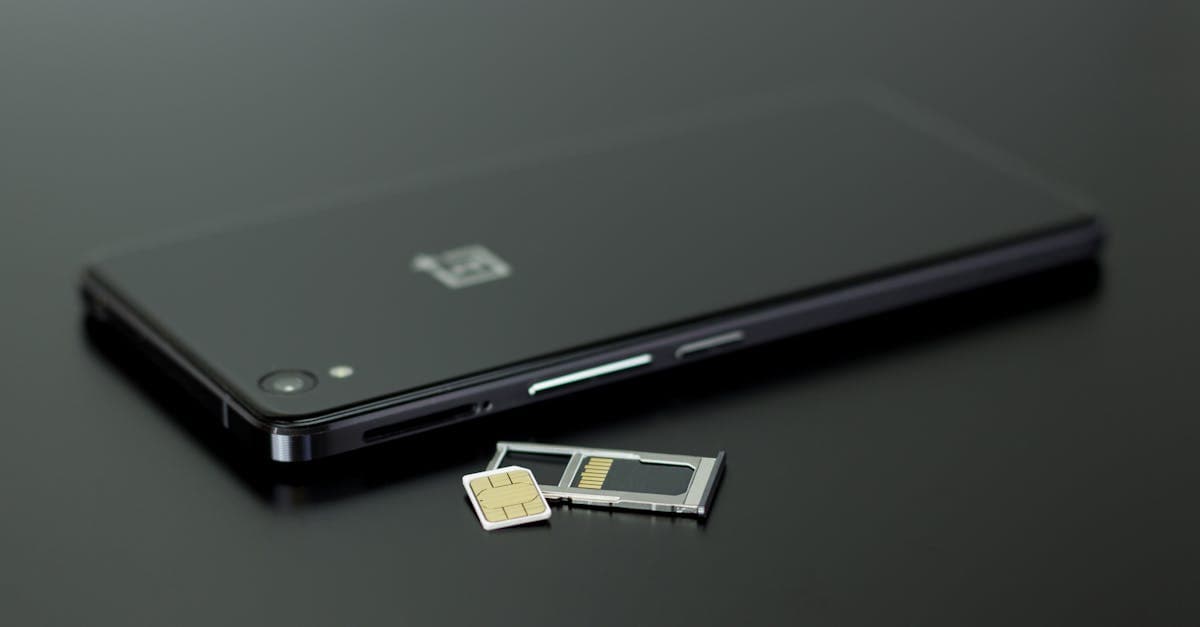
Portable WiFi earns its place when three to five people share one connection. Each handset's battery stays intact for navigation, calls, and maps while the MiFi unit absorbs the cellular load. Business travellers running a laptop alongside a phone and tablet will find the dedicated hardware genuinely practical.
A local Jio or Airtel SIM delivers the lowest data cost by a clear margin. The unavoidable requirement is in-person registration: India's regulations mandate a passport check and biometric fingerprint scan at an authorised dealer, typically a 20 to 30 minute process at an airport counter after a long-haul flight.
Travel eSIM sidesteps that entirely. An eSIM (Embedded SIM) is a SIM profile stored inside your phone's hardware and activated via QR code before departure. Services like Hello Roam activate remotely, providing access to Jio and Airtel's 4G and 5G networks with no registration visit needed. If the technology is unfamiliar, how eSIM works and whether your device is compatible is worth checking before you book. Hotspot mode on an eSIM-enabled phone replicates MiFi connectivity without purchasing additional hardware.
OptionJioFi (local purchase)
Daily cost (INR)~Rs 14/day (plan only)
Setup (mins)20 to 30 at counter
RegistrationYes, biometric
Max devices10
NetworkJio 4G/5G
OptionLocal Jio/Airtel SIM
Daily cost (INR)~Rs 14 to Rs 21
Setup (mins)20 to 30 at counter
RegistrationYes, biometric
Max devicesHotspot-dependent
NetworkJio or Airtel
OptionTravel eSIM
Daily cost (INR)~Rs 42 to Rs 70
Setup (mins)5 to 10 via QR code
RegistrationNo
Max devicesHotspot-dependent
NetworkJio or Airtel
OptionGlobal WiFi rental
Daily cost (INR)See section 2
Setup (mins)15 at kiosk
RegistrationPassport only
Max devicesUp to 10
NetworkVaries
A dedicated MiFi device pays off clearly when three or more people split one connection. Below that threshold, a local SIM or travel eSIM is simpler, cheaper, and one fewer item competing for power bank capacity at the end of the day.
Total cost for a 28-day India trip: option by option

Over a 28-day India trip, the cost gap between connectivity options becomes too large to dismiss.
Buying a JioFi unit at ~Rs 1,500 and adding the 28-day plan from section 2 totals roughly Rs 1,899, or about Rs 68 per day all-in. Three travellers splitting that figure each pay under Rs 650 for a month of shared connectivity across 10 devices.
A local Jio SIM runs on that same plan cost with no hardware expense. Activation can't be completed online: foreign nationals must present a passport and complete a biometric fingerprint scan in person at a Jio or Airtel store. There's no workaround for this step.
Travel eSIM plans for India from providers including Hello Roam, Airalo, and Holafly typically cost $15 to $25 for 15 GB over 30 days, roughly Rs 1,250 to Rs 2,100. Setup takes five to ten minutes via QR code before departure. No registration, no queuing, data active the moment you land.
Foreign carrier roaming (AT&T Passport, Verizon) costs $10 per day in India, equivalent to Rs 840 per day or Rs 23,520 for the full 28 days. Global WiFi rentals land at comparable daily rates, as covered in section 2. Both sit in a price bracket that's hard to justify when local options cost a fraction of the same amount.
Local SIM remains cheapest for anyone willing to complete in-person biometric registration. JioFi purchase makes clear sense for groups of three or more. Hello Roam's India plans activate before boarding with no airport counter visit required, making them the practical first choice for international visitors arriving at IGI or CSIA.
SIM registration requirements for foreign travellers in India

India's SIM activation rules have no online workaround for foreign nationals. Every tourist SIM, whether Jio, Airtel, or Vi, requires an in-person fingerprint scan alongside an original passport and a valid Indian visa or e-visa printout. Forget either document and the counter staff cannot proceed, regardless of queue wait.
Airport SIM counters operate at IGI Delhi Terminal 3, CSIA Mumbai Terminal 2, KIA Bengaluru Terminal 2, and Chennai International. Queues build quickly when multiple international flights land simultaneously. Arrivals during busy evening windows at Mumbai or Delhi can find the registration process absorbing the first hour of a trip, well before reaching the taxi queue.
BSNL is sometimes cited as the easier alternative. Its urban 4G coverage is limited, though, and for most inbound tourists with city-heavy itineraries it is not a practical network choice.
Jio eSIM and Airtel eSIM do not reduce this requirement for foreign nationals. Both formats require an in-store QR code activation visit after landing, meaning the digital SIM offers no reduction in registration friction for arriving tourists.
Travel eSIM providers from outside India, such as Airalo and Holafly, bypass the registration requirement entirely. Plans activate over the air before departure, and on landing the eSIM connects to local Jio or Airtel infrastructure without any counter visit. That convenience explains the growth in eSIM adoption among inbound tourists since 2024.
India's 4G and 5G network: what coverage actually looks like

Over 600 Indian cities have active 5G NR (New Radio, the international 5G standard) service via Jio and Airtel. Delhi, Mumbai, Bengaluru, Chennai, Hyderabad, Pune, Ahmedabad, and Kolkata lead the rollout. India's 4G network covers approximately 95% of populated areas, so cities outside the dense 5G footprint still deliver reliable connectivity for most uses.
Popular tourist routes show more variation. Goa's coastal belt has dependable 4G; move inland and signal becomes patchy. Kerala performs well in Kochi and Thiruvananthapuram, but the Kumarakom and Alleppey backwater networks have known gaps. In Rajasthan, Jaipur, Jodhpur, and Udaipur are solid; the deeper Thar Desert is not.
Portable WiFi devices and local SIMs face identical coverage constraints. Both draw from the same Jio and Airtel tower infrastructure. A MiFi unit carries no coverage advantage over a SIM at the same location, which rental services rarely state plainly.
India's average mobile data cost runs at roughly Rs 0.09 to Rs 0.15 per GB, placing it consistently among the lowest globally. That pricing reality reinforces the case for local options over global rental services.
5G and 4G coverage by city
CityDelhi
5G statusActive
Notes for travellersStrong across NCR districts
CityMumbai
5G statusActive
Notes for travellersExcellent in commercial areas; weaker in older suburbs
CityBengaluru
5G statusActive
Notes for travellersDense in tech corridor and city centre
CityChennai
5G statusActive
Notes for travellersReliable in central and coastal zones
CityHyderabad
5G statusActive
Notes for travellersStrong in Cyberabad; improving in older areas
CityPune
5G statusActive
Notes for travellersGood centrally; partial on outskirts
CityKolkata
5G statusActive
Notes for travellers4G primary in outer neighbourhoods
CityJaipur
5G statusExpanding
Notes for travellers4G solid citywide; 5G in select areas
CityLucknow
5G statusExpanding
Notes for travellers4G reliable; 5G rolling out
CityKochi
5G statusExpanding
Notes for travellers4G dependable; 5G limited to city centre
CityGoa (coastal)
5G status4G only
Notes for travellersReliable near coast; patchy further inland
CityAlleppey / Kumarakom
5G statusPatchy to none
Notes for travellersGaps across backwater networks
Remote India: where no connectivity solution is fully reliable

No connectivity solution is fully reliable in Ladakh, the outer Andaman islands, or northeast India's remote districts. In these zones, the problem is the absence of a tower to connect to, not the hardware in your bag. Portable WiFi, local SIM, and eSIM all face the same limitation: no device performs when no signal reaches it.
Ladakh is the most extreme case. Outside Leh town, Jio and Airtel coverage fades fast. BSNL operates in parts of Nubra Valley, around Pangong Tso, and near Hanle, but signal quality is inconsistent.
The Andaman and Nicobar Islands present a different pattern. South Andaman, including Port Blair, has functional 4G. Havelock and Neil islands, which draw the majority of beach tourists, have 2G signal or no coverage at all.
Northeast India adds complexity. Remote districts of Arunachal Pradesh, parts of Meghalaya away from Shillong, and stretches of Mizoram rely almost entirely on BSNL, with inconsistent results. The Sundarbans delta in West Bengal is effectively a blackout zone regardless of carrier.
High-altitude Himalayan passes above 3,500 metres see a sharp signal drop. Rohtang, Khardung La, and routes through Spiti Valley all fall into this category.
The practical response is preparation before you lose coverage. Download offline maps on Google Maps or Maps.me. Save hotel confirmations and emergency contacts directly to device storage. For serious trekking routes, a satellite communicator such as a Garmin inReach operates without mobile tower infrastructure.
Buying or renting portable WiFi at Indian airports

SIM and MiFi kiosks operate at all five major international terminals: IGI Delhi Terminal 3, CSIA Mumbai Terminal 2, KIA Bengaluru Terminal 2, Chennai International, and Hyderabad RGIA. Document requirements match any authorised dealer: original passport, valid Indian visa or e-visa printout, and an on-site biometric fingerprint scan. Missing any one of these stops activation entirely.
Airport hardware prices carry a 15 to 20 percent premium over Jio.com and Amazon.in pricing for identical JioFi and Airtel MiFi units amazon.in. That premium is worth factoring in, particularly for travellers buying a device for a single short trip.
The Airport Authority of India provides free WiFi at major terminals, capped at 30 to 45 minutes per session and running at 2 to 10 Mbps. Adequate for messaging and email; not sufficient for video calls or large transfers. RailWire's free WiFi at over 6,000 railway stations runs at 1 to 2 Mbps under typical congestion, useful for a quick map check and little else.
Pre-ordering a JioFi device on Jio.com or Amazon.in before arrival cuts out that airport pricing premium. Physical activation at a Jio point remains required after landing, so the device needs a delivery address in India: typically a hotel or a local contact.
For passengers who want data from the moment the aircraft doors open, a pre-activated travel eSIM removes the airport counter step entirely. Providers such as Airalo and Holafly offer India-specific plans that activate over the air before departure and connect automatically to Jio or Airtel on landing.
Do portable WiFi devices really work?

The short answer: yes, reliably across India's populated areas.
According to jio.com, JioFi's rated peak sits at 150 Mbps on 4G LTE, accommodating the number of simultaneous connections noted in the earlier hardware overview. Real-world speeds in Delhi, Mumbai, and Bengaluru typically land between 15 Mbps and 40 Mbps. Drop into a crowded market, a busy train platform, or a large conference venue, and that figure falls further.
Battery life is where the device shows its practical limits. Most JioFi units run for six to eight hours of continuous use on a single charge, enough for a morning out but not a full day in the field. A 10,000 mAh power bank extends coverage considerably; without one, you are hunting for a wall socket by mid-afternoon.
There is also the hardware overhead: one more unit to charge overnight, protect from monsoon humidity, and track through airport security. For solo travellers, a personal hotspot running off a local SIM or travel eSIM delivers the same result without the extra kit. A dedicated portable WiFi unit adds genuine value when three or more people need to share a single connection across phones, laptops, and tablets at the same time.
That is the scenario it was designed for, and within it, the technology holds up.
How much does portable WiFi cost per month in India?

A JioFi monthly plan at Rs 599 delivers 3 GB of data per day across 28 days, the practical ceiling for most group and remote-working use cases. Below that sit the entry and mid-range tiers described in the earlier cost sections. Enterprise accounts scale past those figures. For most travellers, one of the lower-tier plans noted previously is adequate.
Annual spend gives a cleaner picture. A JioFi subscriber paying plan-only costs spends between Rs 4,788 and Rs 7,188 over twelve months, before accounting for the one-time device purchase noted in the hardware overview.
Global portable WiFi rental services are expensive for India by comparison. At the daily rental rates covered in earlier sections, a 30-day rental totals roughly Rs 6,720 to Rs 12,600, between 15 and 30 times the cost of a locally purchased Jio plan. Any trip longer than a week makes that gap hard to justify.
For context, the standard 28-day JioFi plan costs roughly the same as a one-way sleeper berth on the Rajdhani Express from Delhi to Jaipur. That places Jio's data plans among the most affordable broadband-grade connectivity options globally. The fixed daily allowance structure keeps monthly billing predictable, with no overage charges and no mid-trip throttling, which is why corporate travel managers increasingly include JioFi in employee kit lists.
Is portable WiFi available everywhere in India?
Device availability is not the limiting factor. JioFi units and data plans are sold at Jio stores across every major city, at Airtel retail outlets, on Amazon.in amazon.in, Flipkart, Jio.com, and at airport kiosks in IGI Delhi, CSIA Mumbai, KIA Bengaluru, and Chennai International.
Signal is the actual constraint. A portable WiFi device connects to the same 4G and 5G towers as a local SIM or travel eSIM; the coverage picture is the same regardless of which form factor you choose. The network details from earlier sections apply equally here. In the remote zones already documented, including Ladakh, the outer Andaman islands, and high-altitude Himalayan passes, no device type performs reliably.
For urban India, covering Delhi, Mumbai, Bengaluru, Chennai, Hyderabad, Pune, and Jaipur, a JioFi unit works without issue and replacement hardware is available locally.
The more practical question for a traveller is not availability but fit. A solo traveller covering Indian cities for two weeks adds hardware without adding connectivity that a personal hotspot cannot already provide. A group of four sharing one connection across multiple devices makes the stronger case. A travel eSIM, activated before departure, offers hotspot functionality with no additional hardware to carry, charge, or leave behind at a security tray.





Stay Connected with Travel Data
View all destinations

United States


United Kingdom