India Packing List 2026: the Complete Guide for Every Season

Written by: David Chen


15 min read
HelloRoam is a global eSIM provider offering instant mobile data in 170+ countries. Buy prepaid travel eSIM plans with no extra fees, no contracts, and instant activation on any eSIM-compatible device.
15 min read
Seven items separate a smooth India trip from a chaotic one: your e-Visa approval letter, one modesty scarf, an N95 mask if Delhi is on the itinerary between October and February, a 20,000 mAh power bank, a stomach kit with oral rehydration salts, a universal travel adapter, and a working data connection before you board.
That last item carries more weight than most packing guides acknowledge. India's airport SIM counters process requests quickly in theory, but activation takes 24 to 48 hours. An eSIM loaded before departure is active the moment your flight touches down. Hello Roam offers data plans for India that you can activate before boarding, letting your Jio or Airtel number stay live for calls while the eSIM handles data. For a straightforward explanation of how the technology works, see Hello Roam's guide to what an eSIM is.
Weight is the remaining constraint. India's domestic carriers enforce a strict cabin baggage limit that consistently catches international arrivals off guard.
India is not a default-settings destination. Pack for a country where Delhi's air quality index hits 300 to 500 in winter, classified as Hazardous on every major international scale, where AC train coaches sit at 18 to 20 degrees Celsius regardless of outside temperature, and where modesty requirements apply at nearly every major religious site from Varanasi to Amritsar. A generic packing list for travel designed for Southeast Asia will leave you cold on the Rajdhani Express and underprepared at Fatehpur Sikri.
The single biggest constraint shaping every packing decision is the 7 kg single-bag cabin limit enforced by IndiGo and SpiceJet. More detail in the section below. Treat it as the frame around every other choice you make.
Dhobi laundry changes the arithmetic considerably. At roughly ~₹100 to 250 per kilogram with 24-hour turnaround available at most city guesthouses and mid-range hotels, doing laundry twice during a two-week trip costs less than adding a second bag. Seven shirts for two weeks is simply unnecessary.
India is also one of the cheapest places to buy clothing and basic gear. Kurtas run ~₹250 to 800, pashminas ~₹400 to 1,200, and rubber flip-flops ~₹150 to 400. Pack less; buy there.
One administrative requirement many visitors underestimate: the India e-Visa. Apply at indianvisaonline.gov.in at least five business days before travel. The fee is approximately ~₹2,100 (around $25 USD). Print the approval letter; border officers ask for the physical copy.
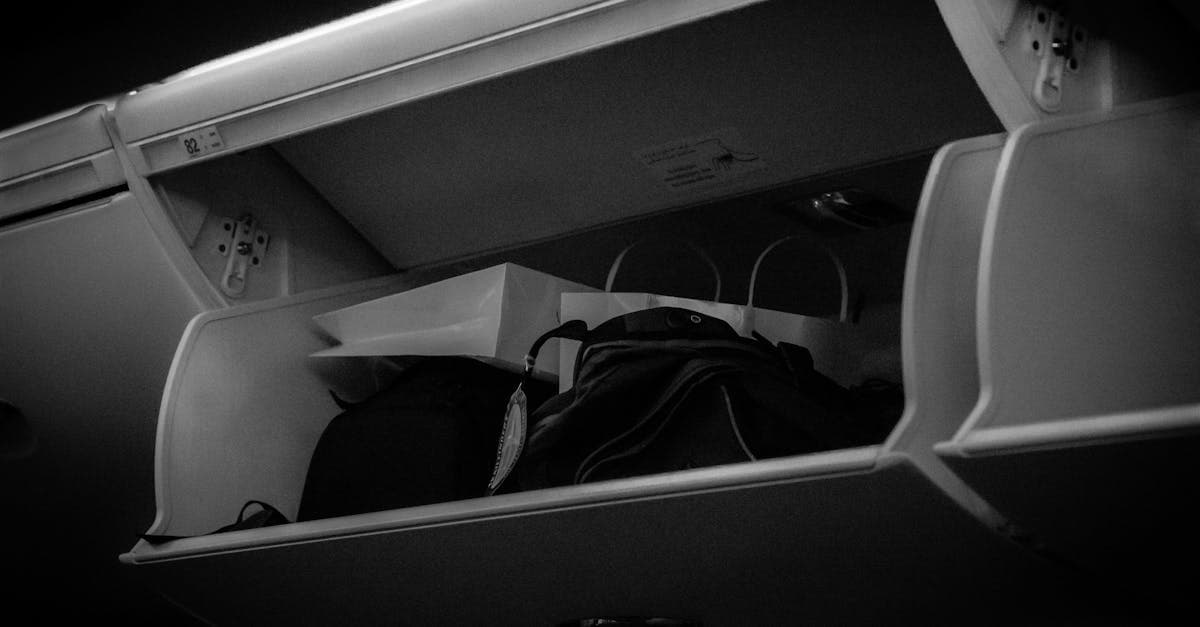
IndiGo and SpiceJet enforce the 7 kg single-bag cabin limit at the gate, not merely on the booking app. Air India allows 8 kg, a marginal but real advantage if you're flying that carrier. The overweight penalty runs ~₹1,200 to 2,500 per extra kilogram, payable on the spot. No negotiation happens once you reach the departure gate.
International arrivals with domestic connections face a separate complication. The 20 to 30 kg check-in allowance on your international leg does not carry over automatically. Luggage must be re-checked and re-weighed for the domestic sector. If your international carrier has an interline baggage agreement covering your onward connection, checking your bag through to the final destination avoids this friction entirely. Ask at the international check-in counter before you queue.
Target under 6 kg for cabin baggage to allow a buffer for gate weighing and any small in-terminal purchases.
Bag choice matters more than most travellers realise. A 40-litre soft-shell backpack fits overhead bins on every major Indian domestic carrier. Hard-shell trolley bags check in fine but add 2 to 3 kg of dead weight before you've packed a single item.
First items to cut: full-size toiletries (available at any Indian pharmacy on arrival), extra pairs of shoes, and heavy paperback books. A Kindle removes that last category entirely.
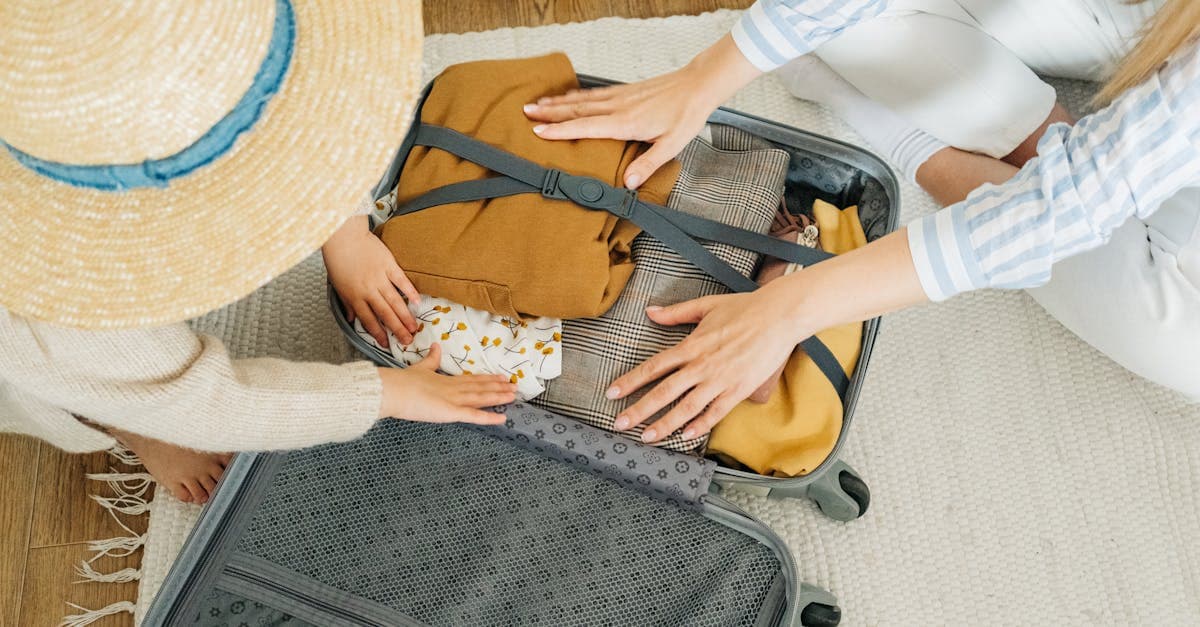
Pack the wrong bag for India and the country will correct you quickly. This list is organised by category, covering every item that earns its place in a pack built for the subcontinent rather than a generic trip abroad.
Documents - Passport: valid for at least 6 months beyond your return date - India e-Visa approval printout; keep a physical copy, as digital proof is occasionally rejected at certain ports of entry - Travel insurance policy, including emergency medical evacuation cover - International driving permit, if you intend to self-drive
Money - A mix of INR cash and a Visa or Mastercard; Tier 2 and Tier 3 cities run largely on cash - ATMs are available in most towns but occasionally run out of notes in smaller locations
Clothing - One scarf or pashmina: it works as a temple modesty cover, sun shield on open-air sites, blanket on freezing AC trains, and dust filter on motorbike rides; buy a second in India, where prices are a fraction of what you'd pay at home wanderlustandlipstick.com - Slip-on sandals or shoes: shoe removal is mandatory at nearly every major religious site - Sturdy walking trainers or trekking sandals for mixed terrain
Practical gear - Padlock: needed for hostel dormitory lockers and for securing bags on overnight trains via the under-seat chain hook - Earplugs and eye mask: Indian cities, trains, and guesthouses are loud; these are not optional for anyone expecting restful sleep - Power bank, minimum 20,000 mAh: power cuts outside Mumbai and Bengaluru can last 30 to 90 minutes at a stretch - Universal travel adapter with USB-A and USB-C ports; India uses Type C, D, and M plugs, and the Type D three-round-pin socket is most common in city hotels

Oral rehydration salts belong at the top of the health kit. Pack ORS sachets, loperamide (sold as Eldoper or generically across Indian pharmacies), a probiotic capsule, and antacids as a matched set. Delhi belly affects a significant proportion of first-time visitors regardless of how carefully they eat skyscanner.co.in.
Tap water is unsafe everywhere in India. Bottled water costs roughly ₹20-30 per litre; a SteriPen UV purifier or a LifeStraw filter bottle is more practical for any trip longer than a few days, and generates considerably less plastic waste.
The N95 mask requirement for October to February has been established above. Bring at least eight to ten masks per week of North India travel in the hazardous-air season, not two as a token precaution. DEET repellent at 30 percent concentration covers most situations year-round; increase to 50 percent for monsoon travel or any visit to jungle reserves and tea plantation areas.
SPF 50 sunscreen is significantly more expensive in rural areas and often unavailable; bring sufficient quantity from home culture-explorer.co.uk.
Modesty clothing is practical rather than ceremonial: loose cotton trousers and a long-sleeved shirt cover both genders for temples, mosques, and gurudwaras wanderlustandlipstick.com. Tampons are scarce outside Mumbai, Delhi, and Bengaluru pharmacies wanderlustandlipstick.com. A 100 ml hand sanitiser earns its place in the kit across the whole country.
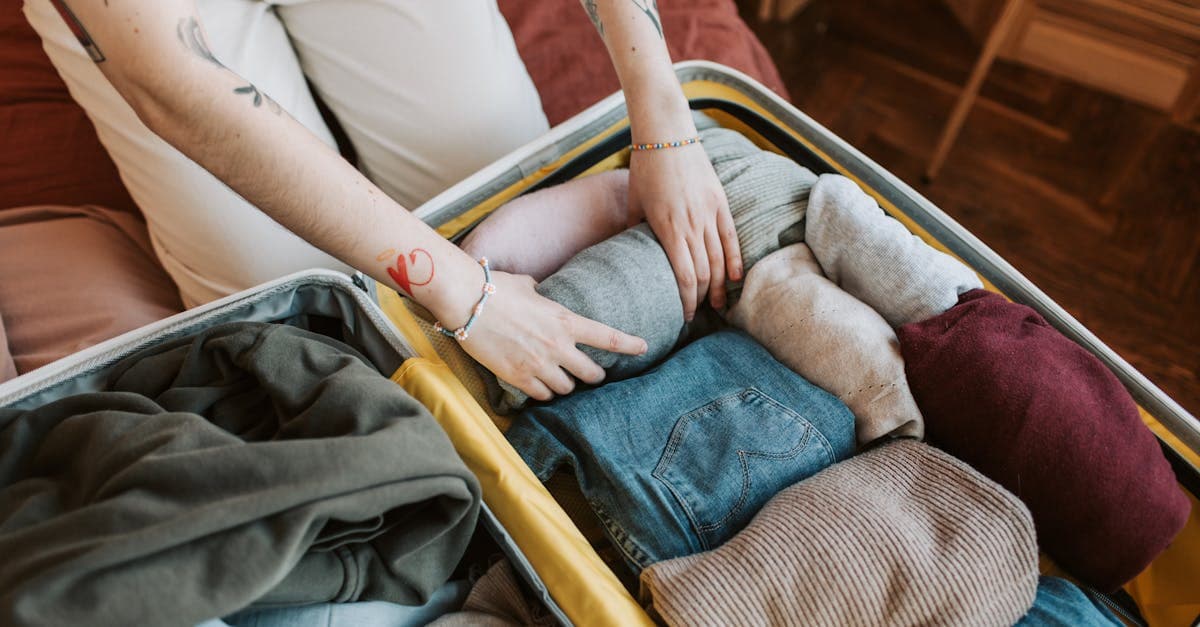
A July trip through Kerala and a December trip through Rajasthan need different bags entirely. Most India packing guides treat the country as a single climate. It is not. A gear list built for one season fails another completely.
Two variables drive most of the difference. The monsoon (June to September) brings sustained humidity, regular urban flooding, and sharply elevated mosquito density. The North India winter (October to February) brings hazardous air quality in Delhi and Varanasi, and night-time temperatures well below what most first-time visitors expect from a destination that markets itself on heat and colour.
South India behaves differently. Chennai, Kerala, and coastal Karnataka stay warm and dry through December and January. Travellers whose itineraries stay south of Nagpur can skip the cold-weather layering discussion entirely.
The hot season (March to May) pushes temperatures to 42-45 degrees Celsius across Rajasthan and the central plains. Hydration, UV protection, and breathable fabrics are the sole priorities. No cold-weather layers needed.
Peak tourist season falls between November and February, when most first-time visitors arrive. These are also the months that generate the most packing regret. The next two sections detail exactly what each season requires.
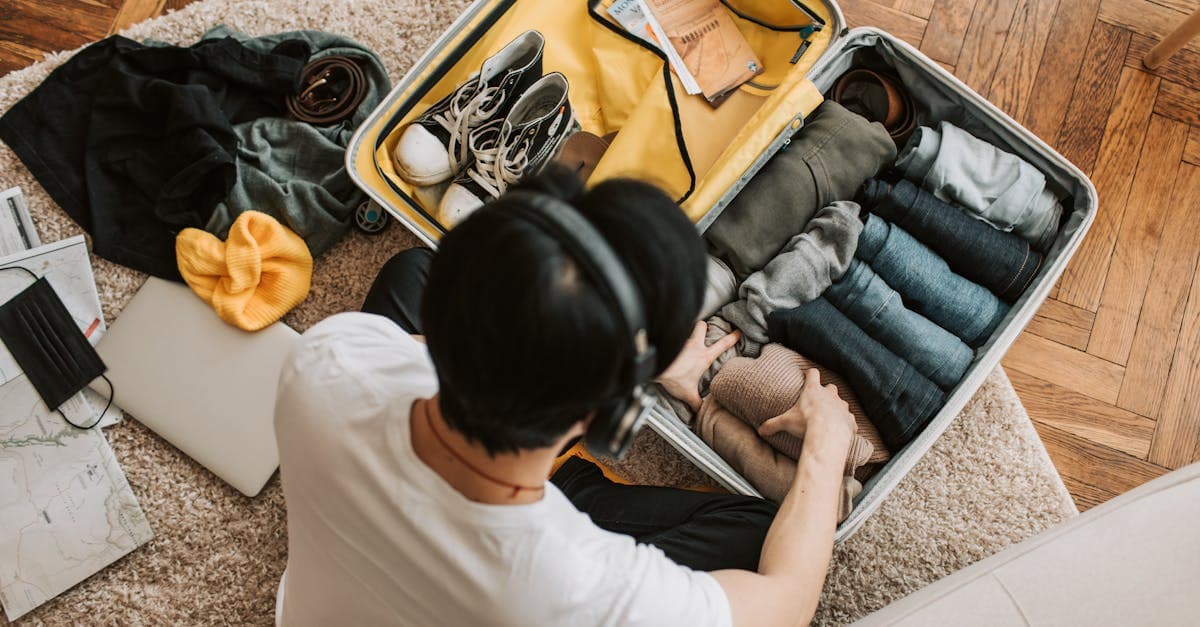
Monsoon streets flood ankle-deep in Mumbai and Delhi within an hour of heavy rain. A compact umbrella inverts in strong gusts; a packable rain poncho covers both you and your daypack. That single swap protects a bag full of electronics.
Waterproof sandals (Teva or Keen are the common choices) solve the flooded-street problem that fabric trainers cannot. A waterproof dry bag or rain cover for your main backpack protects documents and devices. Quick-dry synthetic fabrics are non-negotiable: cotton holds moisture for hours at 80-90 percent humidity and becomes heavy within a morning's wear smartertravel.com.
Anti-fungal powder (Candid is widely available in Indian pharmacies) addresses the rapid skin infections that constant humidity causes, particularly between toes. Increase your DEET to 50 percent concentration for monsoon travel; mosquito density rises significantly, and with it dengue risk in urban areas.
Download offline maps before departure. For data connectivity, Hello Roam's India plans start from around ₹700, activate before you board, and keep your home number active alongside the data eSIM for calls and two-factor authentication. A local SIM is the alternative, though airport-counter activation typically runs 24-48 hours from arrival. Connectivity matters more in monsoon than in any other season: Uber and Ola bookings, flood alerts, and emergency contacts all depend on a working line.
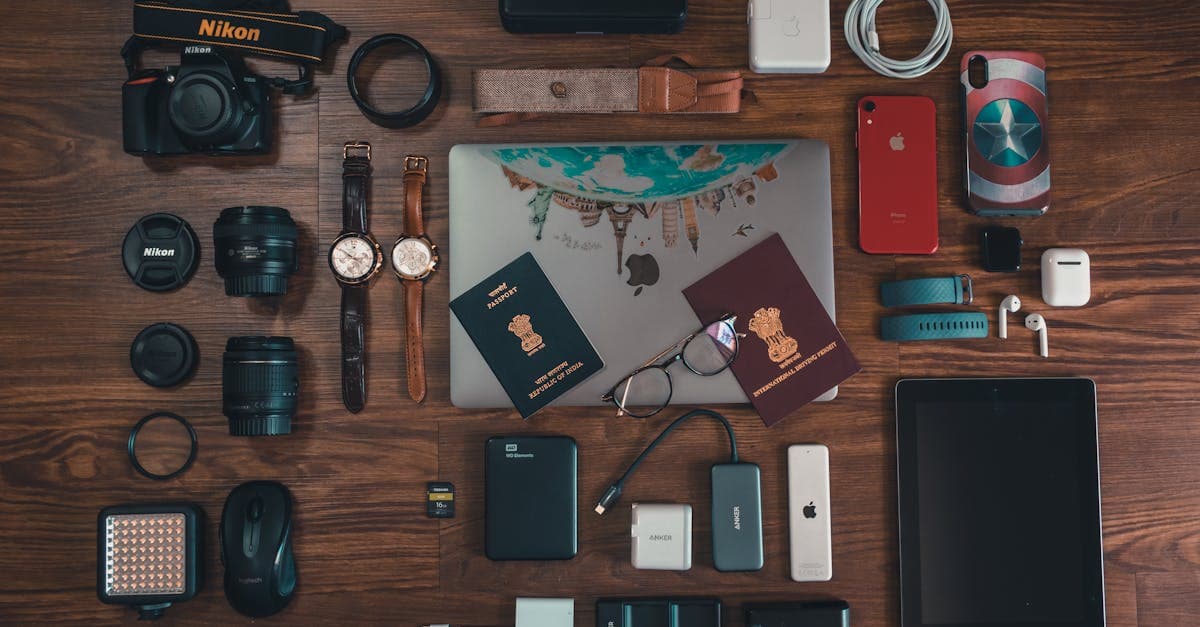
Rajasthan in January is cold. Desert temperatures drop to 4-6 degrees Celsius after sunset; Delhi nights range between 5 and 15 degrees through December and January. Himachal Pradesh and Uttarakhand fall below freezing. Most first-time visitors arrive without a proper jacket and discover this on their first evening.
A packable down jacket is the single most commonly missed item for this season. It compresses to the size of a fist and handles every cold scenario from Delhi evenings to Himalayan foothills. Build the rest of the system around it: thermal base layer, fleece mid-layer, windproof outer. Thermal inners are available cheaply at Delhi's Sarojini Nagar market, which makes it worth skipping them from home. Pashminas from Delhi street markets cost a fraction of equivalent products sold at home or in airport shops.
Pack a scarf and thin gloves. Rajasthan desert camps and rooftop restaurants in Jaipur drop to uncomfortable temperatures after 8pm in December and January.
Indian Railways AC coaches run at the cold temperatures noted in the earlier section; carry a light fleece regardless of your destination or the season.
Delhi's air quality through this window is severe. Download the AQI India app and check it daily. On days when the reading crosses 400, switch to indoor sightseeing.

Mobile data in India is infrastructure, not a comfort. Uber and Ola have effectively displaced auto-rickshaws as the default transport across Delhi, Mumbai, Bengaluru, and Hyderabad; neither app functions without a live data connection. Google Maps is equally non-negotiable, since Indian street addresses are unreliable outside formal residential colonies and navigation relies on landmarks you can only interpret on a screen.
Hotel WiFi compounds the problem. A five-star property delivers 20-100 Mbps reliably. Budget guesthouses typically manage 1-5 Mbps, and desert camps in Rajasthan or island resorts in the Andamans often have nothing at all. Jio and Airtel 4G together deliver 15-40 Mbps in Indian cities, making mobile data your primary connection rather than a backup.
Three options cover a two-week stay. An eSIM activated before departure costs approximately ₹1,500-2,700 ($18-32 USD). The Airtel Tourist SIM, available at dedicated counters in Delhi, Mumbai, and Bengaluru airports, costs ₹699 and requires on-site activation. International roaming on AT&T or Verizon without a day pass can reach $280-420 USD over fourteen days, making it the most expensive option by a considerable margin.
The cost arithmetic favours an eSIM for any trip beyond three days. Jio (460 million subscribers, 5G operational in 50-plus cities) and Airtel (370 million) together provide the underlying infrastructure; the major eSIM providers route through one or both networks.
The practical difference between an eSIM and the Airtel Tourist SIM is timing. An eSIM activates in minutes from home, before you board. The airport counter SIM takes 24-48 hours after purchase, which means arriving in India without data at precisely the moment you most need Uber, Maps, and a hotel confirmation.
Paperwork is the other obstacle. Local SIMs require a passport copy, a photograph, and proof of address (typically a hotel booking confirmation). An eSIM requires only a QR code scan.
Airalo's India eSIMs range from ₹375 to ₹2,650 ($4.50-32 USD) for 1-20 GB across 7-30 days, routing through Jio or Airtel. The lower tiers suit travellers with a clear data estimate; the larger plans cover a month of Maps, email, and occasional video calls. Holafly's unlimited plan runs ₹2,900-3,750 ($35-45 USD) for 30 days. The fair-use clause is the critical detail: speeds throttle after approximately 1-2 GB per day in practice, adequate for browsing and messaging but not consistent video.
Keeping your home number active on a second SIM slot matters when UK or US banks send two-factor authentication SMS codes mid-trip. An eSIM carries data while your primary SIM slot stays live for calls and messages.
Check device compatibility before booking. iPhone XS or later supports eSIM; flagship Android devices from 2020 onwards generally do too. The device must be carrier-unlocked. Verify via Settings > Mobile Data > Add eSIM on iPhone, or SIM manager on Android.
Most essential packing lists are interchangeable across destinations. India's version is not. Several items below matter here in a way they simply do not on a standard European or Southeast Asian trip.
According to eaglecreek.com, the rule breaks down as five sets of socks and underwear, four tops, three bottoms, two pairs of shoes, one jacket. Designed to keep a packing list lean enough for carry-on travel on most airlines, it needs a few India-specific adjustments to work here.
Four tops for India should be loose, light-coloured cotton or linen. Synthetic fabrics become unwearable in monsoon humidity, dark colours absorb heat in summer, and fitted silhouettes create unnecessary difficulty at temple entrances where modesty is expected regardless of the weather.
Three bottoms: one pair of long trousers (mandatory for temples, useful on cool North India evenings), one pair of lightweight shorts, and a convertible option such as zip-off hiking trousers. Avoid denim entirely. It is heavy, slow to dry, and offers no advantage over lighter fabrics in any Indian climate.
The two-shoes allowance works cleanly as one pair of walking sandals and one pair of trainers. Pack no flip-flops from home: they are available for under ₹500 at any Indian market. Carry the weight elsewhere.
One jacket covers a light rain layer and a cool-evening layer for most of India in the right season. North India in winter requires upgrading to a packable down jacket, as covered in the earlier winter section.
Applied correctly, this system puts clothing at approximately 3-4 kg, leaving 3-4 kg of the 7 kg domestic cabin limit for electronics, a stomach kit, toiletries, and documents. The related 3-5-7 rule (three pairs of shoes, five tops, seven bottoms) suits trips over three weeks with check-in luggage. For domestic flying on IndiGo or SpiceJet, the 5-4-3-2-1 approach fits the weight constraint; the 3-5-7 version does not.
At security checkpoints, the 3-3-3 rule means one thing: containers of 100 ml or less, all inside a single transparent resealable 1-litre bag, one bag per passenger skyscanner.co.in. This ICAO-aligned standard applies at all Indian airports, international and domestic alike.
The practical implication for any India packing list: sunscreen, insect repellent, hand sanitiser, and antiseptic cream are all essentials, all typically sold in containers well above the limit. Decant into travel-sized bottles before departure, or buy full-size versions at an Apollo or Nykaa outlet after clearing customs. Both chains stock these items airside at IGI Delhi, CSIA Mumbai, and Kempegowda Bengaluru.
IndiGo and SpiceJet enforce the same rule at domestic security lanes. Smaller regional airports can be less consistent, but pack to the standard regardless.
A separate interpretation appears on travel forums: a jet-lag adjustment approach involving 3 days of adaptation, a 3-hour schedule shift on the first day, and eating 3 meals at local time. India sits at UTC+5:30, placing it roughly 5 to 10 hours ahead of most European and North American departure cities. Treating local mealtimes as the anchor point on arrival day helps reset the body clock more reliably than fighting through exhaustion.
For India domestic travel, aim for a personal 6 kg target rather than pressing to the full threshold. That buffer matters when a laptop, camera body, or a last-minute airport purchase tips the scales unexpectedly at gate weighing.

The 5 4 3 2 1 packing rule is a minimalist packing framework that guides how many items of each clothing type to pack. For India, the principle pairs well with the 7 kg cabin limit enforced by IndiGo and SpiceJet, encouraging travellers to pack fewer items and rely on cheap local laundry services instead.
For an India trip, the 10 essentials are: your e-Visa approval letter, a modesty scarf, an N95 mask for North India in winter, a 20,000 mAh power bank, oral rehydration salts, a universal travel adapter, an eSIM or working data connection, slip-on sandals, a padlock for train and hostel security, and earplugs and an eye mask for overnight trains.
The 3 5 7 rule is a packing guideline that limits the number of clothing items across categories to keep luggage light. Applying this to India is particularly useful given that domestic carriers IndiGo and SpiceJet enforce a strict 7 kg single-bag cabin limit at the gate, with overweight penalties of around 1,200 to 2,500 rupees per extra kilogram.
The 3 3 3 rule for flights typically refers to liquid restrictions and carry-on limits applied at airport security. For travellers flying domestic sectors in India, the more pressing constraint is the 7 kg single-bag cabin limit enforced by IndiGo and SpiceJet, which is stricter than many international standards.
IndiGo and SpiceJet enforce a 7 kg single-bag cabin limit, checked at the gate rather than just online. Air India allows 8 kg. Overweight penalties run approximately 1,200 to 2,500 rupees per extra kilogram, with no negotiation once you reach the departure gate. Targeting under 6 kg gives you a buffer for gate weighing.
Yes. Border officers ask for a physical copy of your e-Visa approval letter, and digital proof is occasionally rejected at certain ports of entry. Apply at indianvisaonline.gov.in at least five business days before travel. The fee is approximately 2,100 rupees, around 25 USD.
An eSIM activated before departure is live the moment your flight lands, bypassing the 24 to 48 hour activation wait at airport SIM counters. Hello Roam offers India data plans starting from around 700 rupees that activate before boarding and keep your home number active for calls and two-factor authentication alongside the data eSIM.
N95 masks are recommended for North India travel between October and February, when Delhi's air quality index regularly reaches 300 to 500, classified as Hazardous. Pack at least eight to ten masks per week of travel during this period, not just a token two. Downloading the AQI India app lets you track conditions daily.
No. Tap water is unsafe throughout India. Bottled water costs roughly 20 to 30 rupees per litre, but a SteriPen UV purifier or LifeStraw filter bottle is more practical for trips longer than a few days and generates considerably less plastic waste.
For the June to September monsoon, pack a packable rain poncho rather than a compact umbrella, which inverts in strong gusts. Waterproof sandals handle flooded streets, quick-dry synthetic fabrics manage 80 to 90 percent humidity, and a waterproof dry bag protects documents and electronics. Anti-fungal powder and 50 percent DEET repellent are also essential.
Rajasthan desert temperatures drop to 4 to 6 degrees Celsius after sunset in January. Delhi nights range between 5 and 15 degrees through December and January, and Himachal Pradesh and Uttarakhand fall below freezing. A packable down jacket is the most commonly missed item for first-time winter visitors to North India.
Yes. Loose cotton trousers and a long-sleeved shirt are required for entry at temples, mosques, and gurudwaras across the country, applying to all genders. A scarf or pashmina doubles as a modesty cover, sun shield, blanket on cold AC trains, and dust filter on motorbike rides. Buying a second scarf in India costs a fraction of home prices.
Yes. Dhobi laundry is widely available at guesthouses and mid-range hotels at roughly 100 to 250 rupees per kilogram, often with 24-hour turnaround. Doing laundry twice during a two-week trip costs less than adding a second bag, making it unnecessary to pack seven shirts for two weeks.
Pack oral rehydration salts, loperamide, a probiotic capsule, and antacids as a matched set. Delhi belly affects a significant proportion of first-time visitors. Also include DEET repellent at 30 percent concentration for general travel, 50 percent for monsoon or jungle areas, and SPF 50 sunscreen, which is expensive and scarce in rural areas.
India primarily uses Type D three-round-pin sockets in city hotels, alongside Type C and Type M plugs. Pack a universal travel adapter with both USB-A and USB-C ports. Power cuts outside Mumbai and Bengaluru can last 30 to 90 minutes, making a 20,000 mAh power bank equally important.
A 40-litre soft-shell backpack fits overhead bins on every major Indian domestic carrier. Hard-shell trolley bags check in fine but add 2 to 3 kg of dead weight before you have packed anything. A soft backpack also makes it easier to stay under the 7 kg cabin limit enforced by IndiGo and SpiceJet.
Yes. India is one of the cheapest places to buy clothing and basic gear. Kurtas cost roughly 250 to 800 rupees, pashminas 400 to 1,200 rupees, and rubber flip-flops 150 to 400 rupees. Thermal inners are available cheaply at Delhi's Sarojini Nagar market. Full-size toiletries are available at any Indian pharmacy on arrival.
Yes. Mobile data in India is infrastructure rather than a comfort. Uber and Ola have displaced auto-rickshaws as the default transport across Delhi, Mumbai, Bengaluru, and Hyderabad, and neither app functions without a live data connection. During monsoon season, connectivity is also needed for flood alerts and emergency contacts.
HelloRoam: your trusted travel eSIM that keeps you online across borders.
Explore Plans