Best Time to Visit Japan From India: Month-by-month Guide 2026

Written by: David Chen


17 min read
HelloRoam is a global eSIM provider offering instant mobile data in 170+ countries. Buy prepaid travel eSIM plans with no extra fees, no contracts, and instant activation on any eSIM-compatible device.
17 min read
Spring or autumn. That's the honest short answer to the best time to visit Japan.
Late March to early April brings cherry blossoms to Tokyo and Kyoto. October and November deliver koyo (Japan's autumn foliage), with fewer foreign crowds and more competitive hotel rates than sakura season. Both windows are genuinely spectacular. Neither is cheap.
Two logistics need early attention: the visa and your data plan. Indian passport holders can't get a Japanese eVisa; a consulate appointment is required. Build in 3 to 4 weeks from first contact to visa-in-hand. For connectivity, airport SIM queues at Narita can consume an hour of your first morning in Japan. Hello Roam's Japan eSIM starts at ~$2.10 for 1GB over 7 days and activates before you board, no queue required. New to the technology? This guide covers how eSIMs work for international travel.
Spring accommodation in Kyoto and Tokyo sells out months ahead. If sakura season is your target, search for rooms now.
According to audleytravel.com, Japan's seasonal calendar offers Indian travellers two windows worth building a trip around: spring (March to May) and autumn (September to November). Both justify the flight. The difference is in the trade-offs.
Late March to early April is sakura time in Tokyo and Kyoto. Ueno Park and Maruyama Park fill up fast. Osaka peaks in the same window. Hokkaido holds its blossoms until late April into early May, a quieter option once the Honshu crowds thin.
Autumn is less competitive for tourists than spring, especially October. November is when koyo peaks across Nikko and Kyoto. Hotel rates outside November's peak are significantly more affordable than anything available during cherry blossom season.
Sort out your visa before finalising dates. Indian passport holders have no eVisa option for Japan. A consulate appointment is required, and processing takes around 5 business days after document submission. Securing that appointment, though, can take longer. The full process from first contact to visa-in-hand can run a month or more for spring trips. Most travel articles mention this briefly; it's actually the step most likely to derail a trip booked in January or February.
One spring window to avoid: Golden Week. Late April to early May is Japan's busiest domestic travel period. Hotel prices climb 2 to 3 times above normal rates, bullet trains sell out weeks in advance, and queues at major attractions double. Unless you're booking at least 6 months ahead, build your itinerary around Golden Week rather than through it.
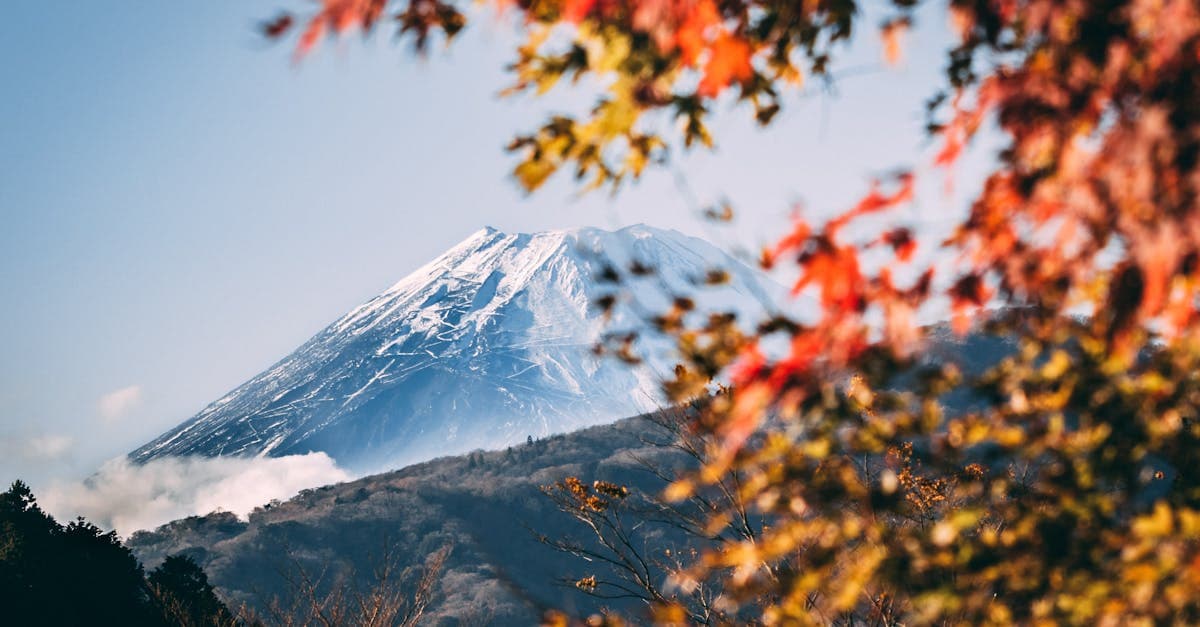
Japan's seasons divide into six distinct windows, each with different weather, crowd levels, and costs, as summarised in the table below. Japan also operates on precision: arriving 5 minutes early for trains and appointments is standard etiquette, not politeness. Shinkansen departure times aren't flexible. Reliable data connectivity for real-time navigation and translation apps isn't optional when you're operating at this pace.
Here's the seasonal picture at a glance:
The Indian festival calendar aligns with Japan's seasons: Holi breaks in mid-March catch early sakura in Kyushu, Dussehra and Diwali in October land at the start of koyo, and December school holidays fall in Japan's quietest month.
Each season has an activity anchor. Hokkaido skiing runs December through March, hanami picnics define spring, and summer matsuri festivals peak in July and August with Gion Matsuri on July 17. Tokyo Disneyland runs year-round, with autumn and winter weekdays the least congested.
Budget is the simplest planning filter: winter months and December offer the lowest baseline costs. Cherry blossom April and November koyo are the most expensive months to book.
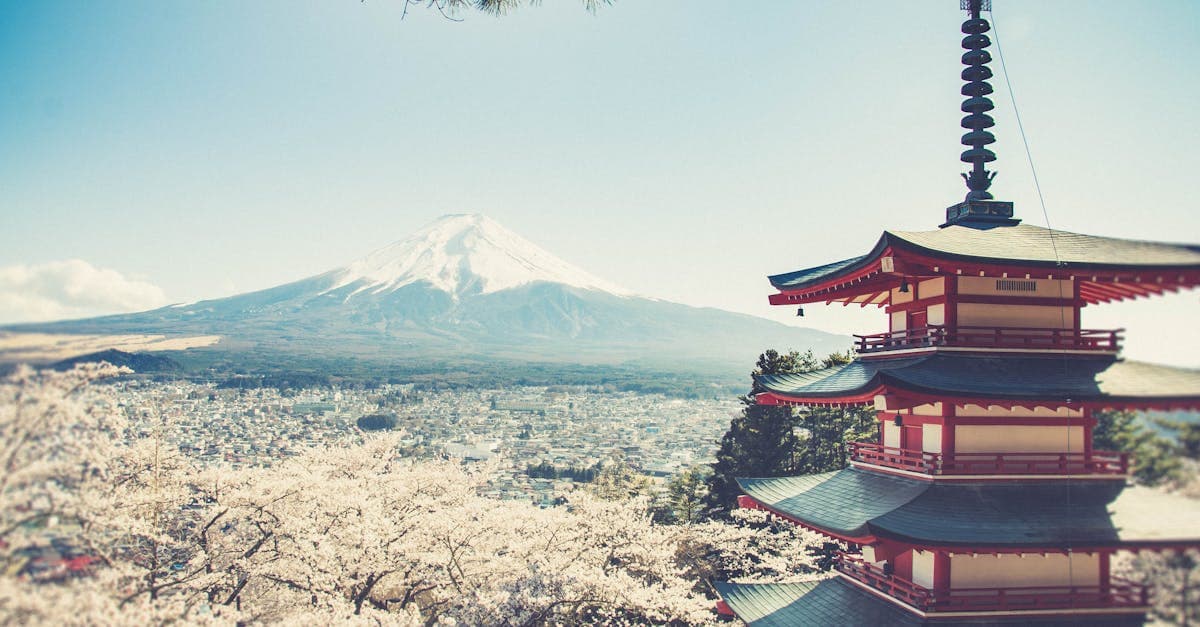
According to japanhighlights.com, cherry blossoms don't arrive on a fixed date. The sakura front tracks northward each year, with Tokyo and Kyoto typically peaking late March to early April, Osaka around the same window, and Hokkaido holding on until late April into early May. What shapes the planning decision for Indian travellers isn't just the blossoms: it's Golden Week.
Spring temperatures across Honshu run around 15 to 22 degrees Celsius during peak season. Mild, dry, walkable. April is genuinely pleasant for the walking-heavy itineraries most Japan first-timers plan.
According to japanhighlights.com, Golden Week (late April to early May) is Japan's busiest domestic travel period. Hotels across major cities hit seasonal price ceilings. Bullet trains run at capacity weeks before departure. Theme park wait times extend well beyond anything you'd tolerate on a quieter day. If Golden Week is unavoidable, treat it like a sold-out concert: book the moment availability opens, or plan your trip around it entirely.
The practical spring windows are late March to mid-April for cherry blossoms, or from May 7 onward once Golden Week ends and prices normalise quickly. Tokyo Disneyland on weekday mornings in early April, before Golden Week begins, sits at its least congested point of the entire spring calendar.
Indian travellers have a useful Holi school break alignment: mid-March breaks can catch early sakura in Kyushu before the front reaches Honshu. Consulate visa appointments for spring trips fill in February. Apply by early January for any sakura-season travel. Think of Kyoto during cherry blossom season like Rajasthan in peak October: extraordinary, but the infrastructure handles the foot traffic considerably better.
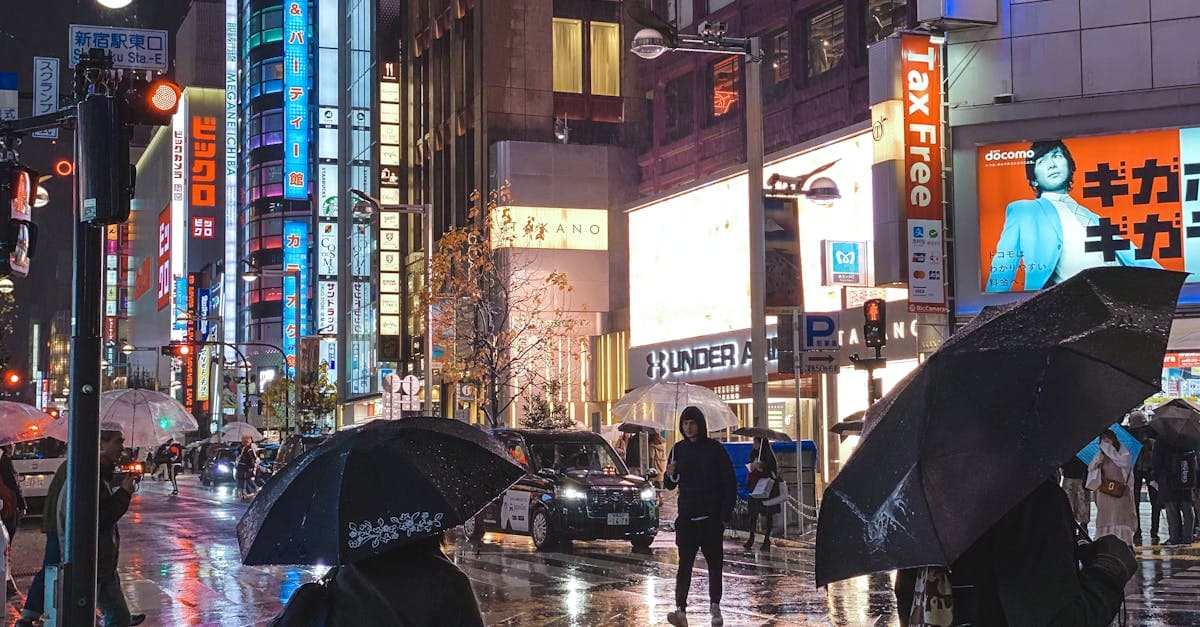
June is when most travel guides tell you to avoid Japan. They're not wrong, but they're not giving you the full picture.
Tsuyu, Japan's rainy season, runs from mid-June to mid-July across Honshu. Expect frequent showers and humidity that stays stubbornly above 70 percent for weeks on end. Not occasional afternoon monsoon drizzle. A sustained, damp heat that clings to clothing, temple steps, and every underground station concourse. By July and August, temperatures push to 33 to 36 degrees Celsius japanhighlights.com. That range will feel familiar to anyone from Delhi or Chennai, but Japan's coastal humidity amplifies it. A 34-degree Tokyo afternoon in August lands closer to Kolkata's pre-monsoon air than anything off the Deccan plateau. Itineraries built around long walks between shrines and neighbourhoods, which most Japan trips are, take on a different character in these conditions. Summer is genuinely the worst time to visit Japan for weather comfort, and it's better to say that plainly than soften it into a caveat.
The budget case, though, is real. June hotel rates outside festival weekends sit at their annual lowest. For cost-focused travellers who can tolerate heat and humidity, June is viable.
Two events justify the effort: Gion Matsuri in Kyoto, with its main float procession on July 17, and the Sumida River Fireworks in Tokyo in late July. Both are spectacular. Both require arriving hours early and booking accommodation months ahead.
Obon (August 13 to 16) reshapes Japan's crowd geography. Rural towns and ancestral hometowns fill with Japanese families returning home. Tokyo, meanwhile, becomes notably quieter and cheaper for foreign tourists during those four days. A budget room in Shinjuku is genuinely easier to find than at almost any other point in the year.
Summer suits travellers who prioritise festivals and low accommodation costs over comfort. As a first Japan trip from India, it's the season to skip.
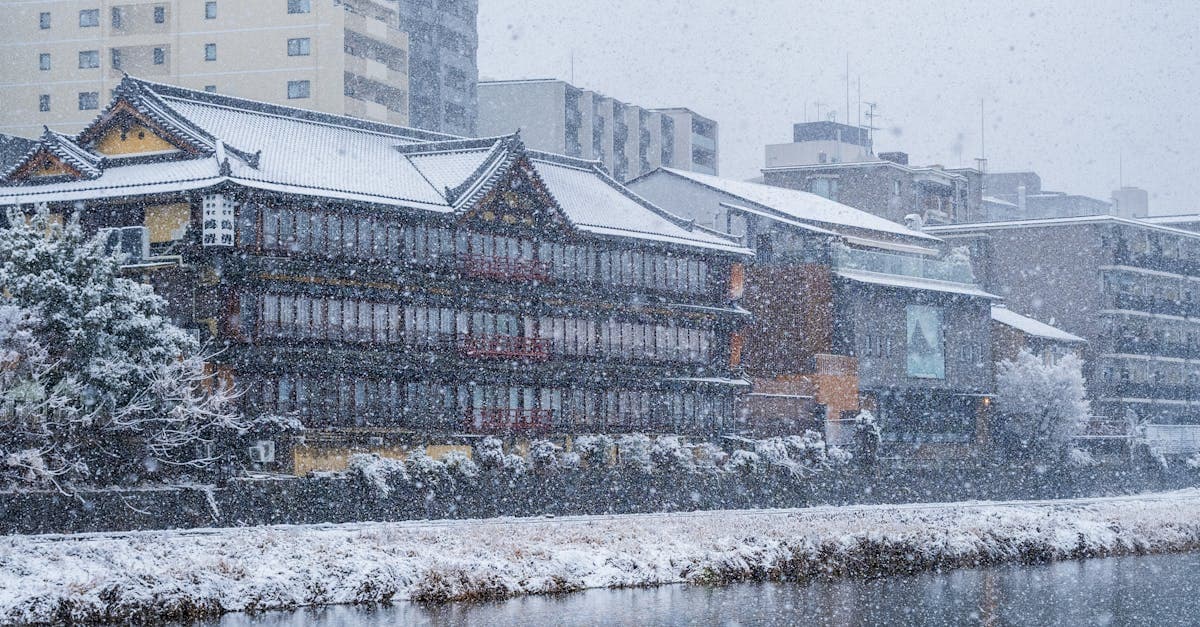
Hokkaido's forests turn red before Tokyo has even started thinking about autumn.
Koyo, Japan's foliage season, travels from north to south across a six-week window. Hokkaido peaks in late September to mid-October. Nikko follows in late October to early November. Tokyo hits peak colour in mid-November, and Kyoto in mid to late November japanhighlights.com. The practical upshot: pick your target region first, then set your travel dates around it.
September and October form Japan's closest equivalent to a perfect shoulder season. Daytime temperatures across Honshu sit between 18 and 25 degrees Celsius, comfortable for full walking days without the heat tax of summer. Foreign tourist numbers are noticeably thinner than in spring. Hotel rates outside Kyoto remain moderate, well below the peaks of cherry blossom season.
For Indian travellers, October is the single most practical departure month of the year. The Dussehra and Diwali travel windows land directly in Japan's shoulder season, meaning you're travelling at a time Japan is genuinely less crowded and more affordable. That alignment doesn't happen by accident; it's one of the most compelling structural reasons to target autumn over spring for a first trip.
November is where this calculus shifts. Kyoto during peak koyo is among the most photographed landscapes in Asia, and demand reflects that. Hotel rates in Kyoto during mid to late November approach cherry blossom season levels. Three to four months advance booking is the minimum.
December brings something most visitors don't anticipate: winter illumination season. Light festivals run across Tokyo, Osaka, and Kobe, and Nabana no Sato near Nagoya runs illuminations from October through March.
According to cntraveler.com, January and February are Japan's quietest and cheapest months. Tokyo daytime temperatures of 8 to 12 degrees Celsius are cold but manageable with layering, closer to a mild Delhi winter than anything severe. For travellers who prioritise value and uncrowded sightseeing, these months are consistently underrated.
The ski resorts at Niseko in Hokkaido and Hakuba in Nagano run from January to March. Both have developed strong reputations among Indian travellers looking for a snow holiday alternative to Europe, and Niseko's powder record has built a genuine following. January to February is the sweet spot before March's domestic spring holiday crowds arrive.
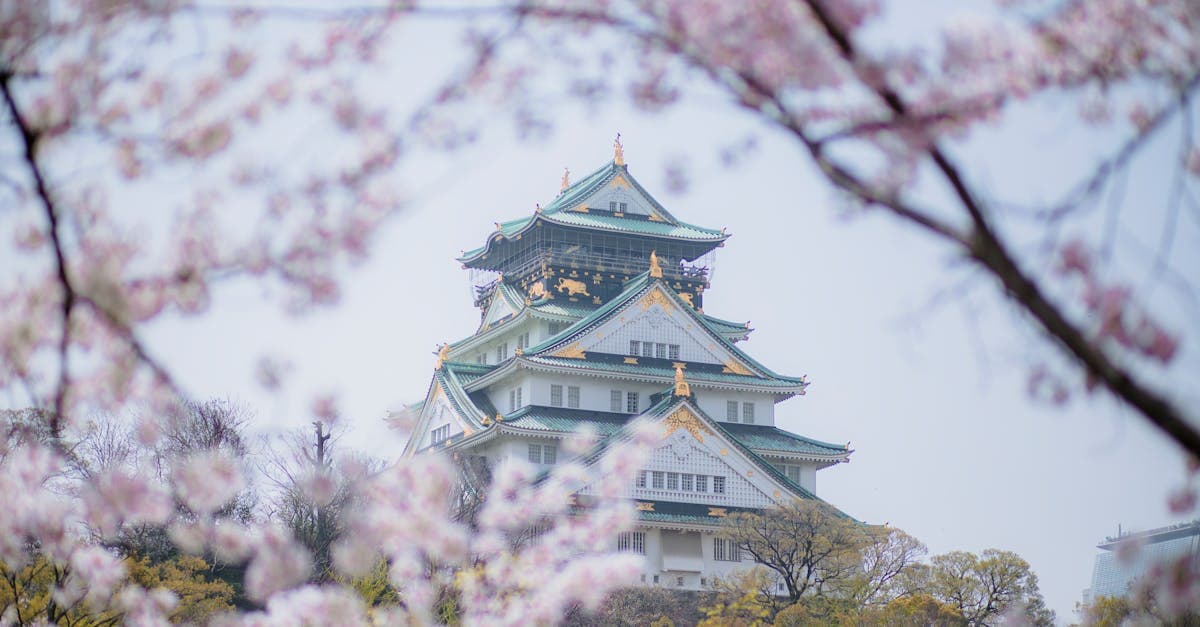
Choosing between spring and autumn is the one question every first-time Japan visitor eventually asks, once they've moved past the seasonal overview.
For cherry blossoms, the approximate 2026 peak windows by city are: Tokyo and Kyoto in late March to early April, Osaka in late March, Hiroshima in late March, and Hokkaido in late April to early May. Exact dates shift three to seven days year to year depending on winter temperatures, so treat these as planning anchors, not fixed dates. Japan Meteorological Corporation releases updated forecasts from January, and that's the most reliable source to check as your trip approaches.
For autumn foliage: Hokkaido in late September to mid-October, Nikko in late October to early November, Tokyo in mid-November, and Kyoto in mid to late November.
Here's a side-by-side for Indian first-timers:
Spring has one thing autumn genuinely doesn't: hanami culture. Hundreds of people picnicking under flowering trees in Shinjuku Gyoen or along Kyoto's Philosopher's Path isn't just a photo backdrop, it's participatory in a way that no other season replicates.
But for a first trip from India, autumn wins on practical grounds. October pricing is lower, hotel availability is broader, the visa lead time required fits better with a shorter advance planning window, and the Diwali school break creates a predictable departure month. The core Japan itinerary works in both seasons: a seven-day Tokyo to Kyoto to Osaka trail covers the main sights whether you're chasing sakura or koyo. For a Hokkaido-focused five-day route, late September is the call for foliage, and January is the better choice for skiing.
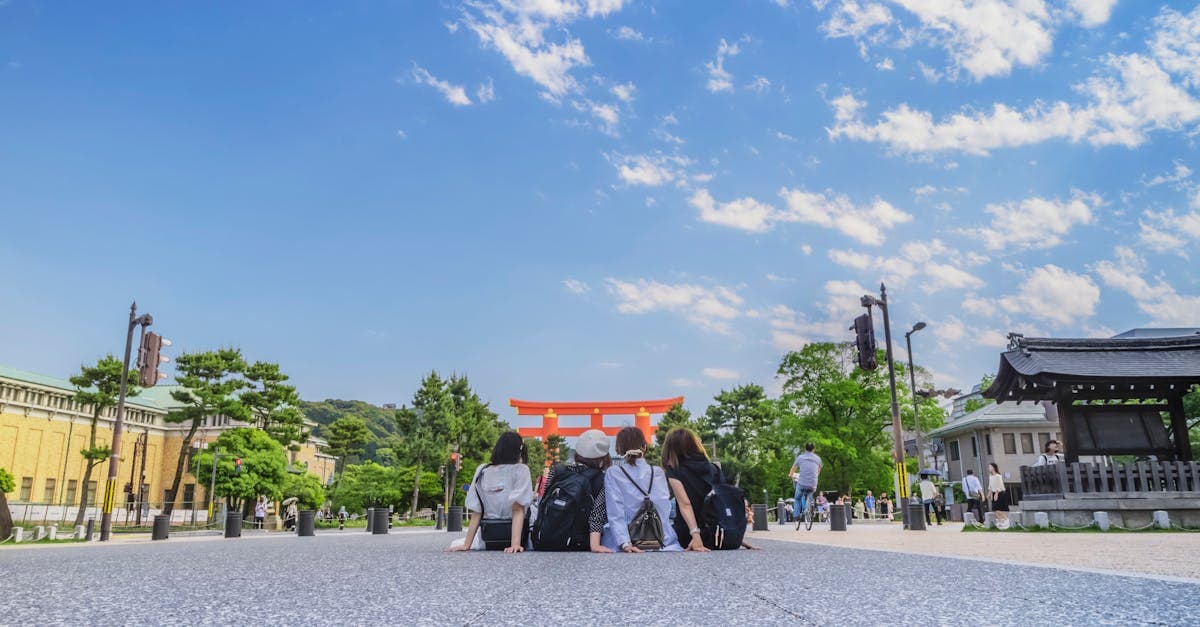
Every Japan planning conversation for Indian travellers eventually hits the same wall: the visa requirement.
Indian passport holders are not eligible for Japan's visa-free entry program. This applies regardless of how many Schengen visas you hold, how frequently you travel internationally, or whether you're transiting via a third country. Citizens of the EU, USA, Australia, and most Southeast Asian countries arrive without a visa. Indian citizens do not.
Applications go to the Japanese Embassy in New Delhi or the Japanese Consulate General in Mumbai, Chennai, Kolkata, or Bengaluru. Most cities require submission through an authorised visa application centre, so check the specific process for your nearest consulate before booking anything.
The documents required for a standard tourist visa:
Processing takes five business days from submission. The realistic total lead time is three to four weeks, which accounts for consulate appointment availability during peak booking months (March to April and September to October especially). There is no eVisa or online application system available for Indian citizens as of 2026.
A practical step that saves significant stress: book flexible or refundable hotel reservations before you apply. Consulates require accommodation proof, but paying in full before your visa is confirmed creates unnecessary financial risk. Most major booking platforms offer free cancellation up to 24 to 48 hours before check-in, which covers this window cleanly.
For salaried applicants with three months of consistent salary credits and a clean bank statement, Japan's tourist visa process is more straightforward than Schengen for most Indian applicants. Self-employed applicants and freelancers should include ITR documents from the last two financial years alongside the standard checklist. The consulate's central concern is financial stability and a clear reason to return home, criteria that are consistent across major tourist visa categories.
Japan trip costs from India range from around INR 1.2 lakh for a Tokyo-only week in winter to around INR 2.5 lakh for a four-city spring itinerary, with season being the biggest variable. The exchange rate to note: ten thousand yen works out to roughly INR 5,600 at early 2026 rates. The seasonal spread in accommodation is wide: a mid-range hotel room in Kyoto during cherry blossom season runs INR 10,000 to 18,000 per night, dropping to INR 6,000 to 10,000 in October and INR 4,000 to 7,000 in January.
Flights add the other major variable. Air India flies direct from Delhi to Tokyo Narita; IndiGo connects through codeshare arrangements via regional hubs. Return fares range from INR 45,000 to 90,000 depending on airline, season, and booking lead time. Spring departures need at least three months' advance booking for reasonable fares. January and June departures are more forgiving, typically sitting toward the lower end of that range with six weeks' notice.
Daily ground spending across two restaurant meals, IC card transit, and one paid attraction runs INR 4,000 to 8,000 per person. A 7-day JR Pass becomes worthwhile once your itinerary crosses two or more cities, since individual bullet train tickets compound fast.
Full per-person estimates for 7 nights including flights, accommodation, and moderate daily spending:
October shoulder pricing makes the multi-city itinerary substantially more accessible than the same trip in late March or April.
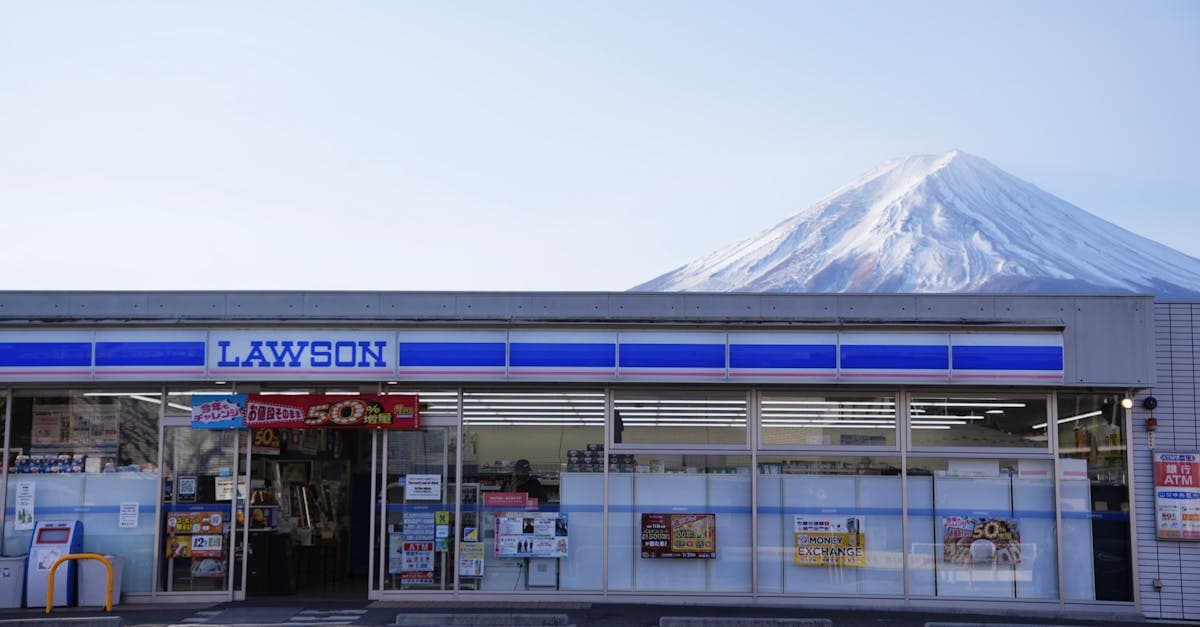
Solid 4G covers every major Japanese city and the Shinkansen corridors connecting them. Five minutes into rural Hakone or the winding roads up to Nikko, you'll notice the signal thinning. For Tokyo-Kyoto-Osaka itineraries the picture is reliable. Remote onsen towns and alpine resort roads are the genuine exception.
Why does reliable data matter more in Japan than most destinations? Navigation is the clearest reason. Japan's transit network is intricate enough that offline maps fall short of what live Google Maps provides when trains are delayed or platforms switch. Google Translate's camera mode is the second reason. Pointing your phone at a restaurant menu or a kanji-only station sign gives an instant translation. That's a practical necessity here, not a nice-to-have.
Indian travellers arriving in Japan have three real options: international roaming from Jio or Airtel (familiar but expensive for trips over three days), an airport tourist SIM from Docomo or SoftBank arrivals desks (solid coverage, data-only, requires queue time and a registration form), or an eSIM activated before departure (no queue, no paperwork, setup handled before you board, as covered earlier in this article).
Device compatibility is worth verifying before you pack. The 71 percent eSIM compatibility figure among Japan-visiting Indian travellers reflects that most post-2020 flagship phones support the format: iPhone 12 and later, Samsung S21 and later, OnePlus 9 and later. Pre-2020 handsets need a physical SIM or a pocket WiFi rental instead.
One point applies equally across every connectivity option: Shinkansen tunnels briefly interrupt signal for all SIM and eSIM types. Download offline maps before boarding any bullet train.
Cost comparison makes the decision straightforward. Indian carrier roaming packs from Jio or Airtel cost INR 999 to 2,799 for one to five day bundles. A 7-day Japan trip using these packs compounds to INR 5,000 or more, placing it among the most expensive ways to stay connected for anything beyond a short break.
Japan airport tourist SIMs from Docomo or SoftBank arrivals counters run 3,000 to 5,000 yen for a 15-day data-only plan, roughly INR 1,680 to 2,800 at current rates. Coverage is good. The friction is the process: arrivals queues at Narita and Haneda during cherry blossom season and Golden Week can stretch considerably, and the registration forms are in Japanese.
Pocket WiFi rentals cost 350 to 600 yen per day (roughly INR 196 to 336 per day). The daily rate looks reasonable until you account for the logistics: a second device to carry, a nightly charge, and a mandatory airport return on departure. A delayed or cancelled flight means the rental clock keeps running regardless.
Hello Roam's Japan eSIM removes all three friction points. Activation happens before you board from India, with no arrivals queue and no Japanese-language registration form. Your Indian number stays active throughout for WhatsApp calls and incoming messages. Hello Roam provides coverage via local Japanese carrier networks, with city-grade reliability across all major tourist routes. The Japan plan starts from the rate noted at the top of this article, making it cost-effective for stays of five days or longer relative to compounding Indian carrier roaming costs.
Device compatibility is the only prerequisite, as outlined in the previous section. If you're on a pre-2020 handset, the airport tourist SIM is a more practical fallback than pocket WiFi for longer stays.
According to cntraveler.com, January is the honest answer. Flights from Delhi to Tokyo during January and February sit at the low end of the annual fare range, and hotel rates across Tokyo, Kyoto, and Osaka drop to their cheapest baseline. Japanese New Year adds genuine atmosphere in the first week before tourist volumes build.
June and early July run close behind. Tsuyu keeps foreign visitor numbers thin, and accommodation rates ease outside major festival weekends. Tokyo in late June is entirely navigable with decent rain gear and some indoor flexibility in the daily plan.
The savings are real. Flights and hotels combined in January run 30 to 40 percent less than the equivalent cherry blossom season trip. That gap translates directly into budget room for a longer stay, a better accommodation tier, or both.
Late March to early May is the most expensive period of the year, combining peak sakura demand with Golden Week domestic travel. September occupies a different position: not the cheapest, but arguably the best balance of comfortable temperatures, reasonable pricing, and early autumn colour beginning in Hokkaido. It's underrated as a budget-conscious choice for a first Japan trip.
One underused timing move for Tokyo specifically: book accommodation during Obon week (August 13 to 16). Japanese domestic tourists leave the capital during this period, releasing hotel inventory in central Tokyo even as rural onsen towns and theme parks fill to capacity.
The consistent cost-savers across any season are a Japan Rail Pass for multi-city itineraries running seven days or more, business hotels in central locations rather than tourist-area boutiques, and convenience store meals. A 7-Eleven onigiri or bento costs 300 to 600 yen and is genuinely good food, not a compromise.

The best months to visit Japan are late March to early April for cherry blossoms, and October to November for autumn foliage. Tokyo and Kyoto peak for sakura in late March to early April, while October offers comfortable temperatures and fewer foreign crowds than spring. Both windows are spectacular but neither is cheap.
Japan operates on a culture of precision where arriving 5 minutes early for trains and appointments is standard etiquette, not just politeness. Shinkansen departure times are not flexible, and punctuality is treated as a basic expectation throughout the country.
January and February are Japan's quietest and cheapest months, with Tokyo daytime temperatures of 8 to 12 degrees Celsius that are manageable with layering. June hotel rates outside festival weekends are also at their annual lowest, and December is another budget-friendly period with low crowd levels.
April during cherry blossom season and November during peak koyo in Kyoto are the most expensive months to visit Japan. Golden Week (late April to early May) sees hotel prices climb 2 to 3 times above normal rates, with bullet trains selling out weeks in advance.
Golden Week is Japan's busiest domestic travel period, running from late April to early May. Hotels hit seasonal price ceilings, bullet trains run at capacity, and theme park wait times extend significantly. Unless you book at least 6 months ahead, it is better to build your itinerary around Golden Week rather than through it.
Yes, Indian passport holders cannot get a Japanese eVisa and must book a consulate appointment for a visa. Processing takes around 5 business days after document submission, but securing the appointment can take longer, making the full process from first contact to visa-in-hand a month or more for spring trips.
You should apply by early January for any sakura-season (spring) travel, allowing 3 to 4 weeks from first contact to visa-in-hand. Consulate visa appointments for spring trips fill up in February, so early action is essential to avoid derailing your trip.
Koyo is Japan's autumn foliage season, when forests turn vivid shades of red, orange, and yellow. It travels from north to south over a six-week window, with Hokkaido peaking in late September to mid-October, Nikko in late October to early November, and Kyoto reaching peak colour in mid to late November.
Hanami is Japan's cherry blossom viewing culture, where hundreds of people gather to picnic under flowering trees in parks such as Shinjuku Gyoen or along Kyoto's Philosopher's Path. It is a participatory cultural experience, not just a photo opportunity, and is unique to the spring season.
Tsuyu is Japan's rainy season, running from mid-June to mid-July across Honshu, bringing frequent showers and humidity that stays above 70 percent for weeks. Combined with July and August temperatures of 33 to 36 degrees Celsius, summer is considered the worst time to visit Japan for weather comfort.
Obon (August 13 to 16) is a Japanese holiday when families return to ancestral hometowns, making rural towns busy while Tokyo becomes notably quieter and cheaper for foreign tourists. Budget accommodation in areas like Shinjuku is genuinely easier to find during those four days than at almost any other point in the year.
October is considered the single most practical departure month for Indian travellers, as the Dussehra and Diwali travel windows land directly in Japan's shoulder season when it is less crowded and more affordable. The Holi school break in mid-March can also catch early sakura in Kyushu before the front reaches Honshu.
January to February is the best time for skiing in Japan, with resorts at Niseko in Hokkaido and Hakuba in Nagano operating from January to March. Both have built strong reputations among international travellers, with Niseko particularly known for its powder snow record.
Spring accommodation in Kyoto and Tokyo sells out months ahead, and you should search for rooms as early as possible. Consulate visa appointments for spring trips fill in February, and for any sakura-season travel, the entire process should begin no later than early January.
An eSIM is the most convenient option, as airport SIM queues at Narita can consume an hour of your first morning in Japan. Hello Roam's Japan eSIM starts at around $2.10 for 1GB over 7 days and can be activated before you board, with no queue required on arrival.
Approximate 2026 peak windows are late March to early April for Tokyo and Kyoto, late March for Osaka and Hiroshima, and late April to early May for Hokkaido. Exact dates shift 3 to 7 days year to year; the Japan Meteorological Corporation releases updated forecasts from January each year.
Both are excellent, but autumn offers lower costs (outside November Kyoto), fewer foreign crowds, and a reliable alignment with Indian Dussehra and Diwali holiday windows in October. Spring has the unique advantage of hanami picnic culture but comes with higher prices, very limited hotel availability, and the Golden Week complication.
Spring temperatures across Honshu run around 15 to 22 degrees Celsius during peak season, making it mild, dry, and ideal for the walking-heavy itineraries most first-time Japan visitors plan. April is considered particularly pleasant before the heat and humidity of summer arrive.
HelloRoam: your trusted travel eSIM that keeps you online across borders.
Explore Plans