Best Time to Visit Bali From India: Month-by-month Guide for 2026

Written by: David Chen


15 min read

HelloRoam is a global eSIM provider offering instant mobile data in 170+ countries. Buy prepaid travel eSIM plans with no extra fees, no contracts, and instant activation on any eSIM-compatible device.
15 min read

April to May is the best time to visit Bali. Dry weather, thinner crowds than the July peak, and flight prices that haven't climbed to their annual ceiling. September to October runs a close second.
If you're planning from India, you've got two sweet spots that line up reasonably well with school holiday windows without demanding peak-season budgets. June to August works too, but you're competing with the entire world for decent villas and uncrowded beach chairs.
One angle most travel guides skip entirely: staying connected once you land. Indonesia eSIM plans from Hello Roam start from $2.28 for 1 GB over 7 days, and you can learn how eSIM works before you go so there's no queuing at Ngurah Rai airport counters while jet-lagged.
However you plan to sort your connectivity, get it arranged before you fly. There's nothing worse than landing exhausted and hunting for a SIM card.
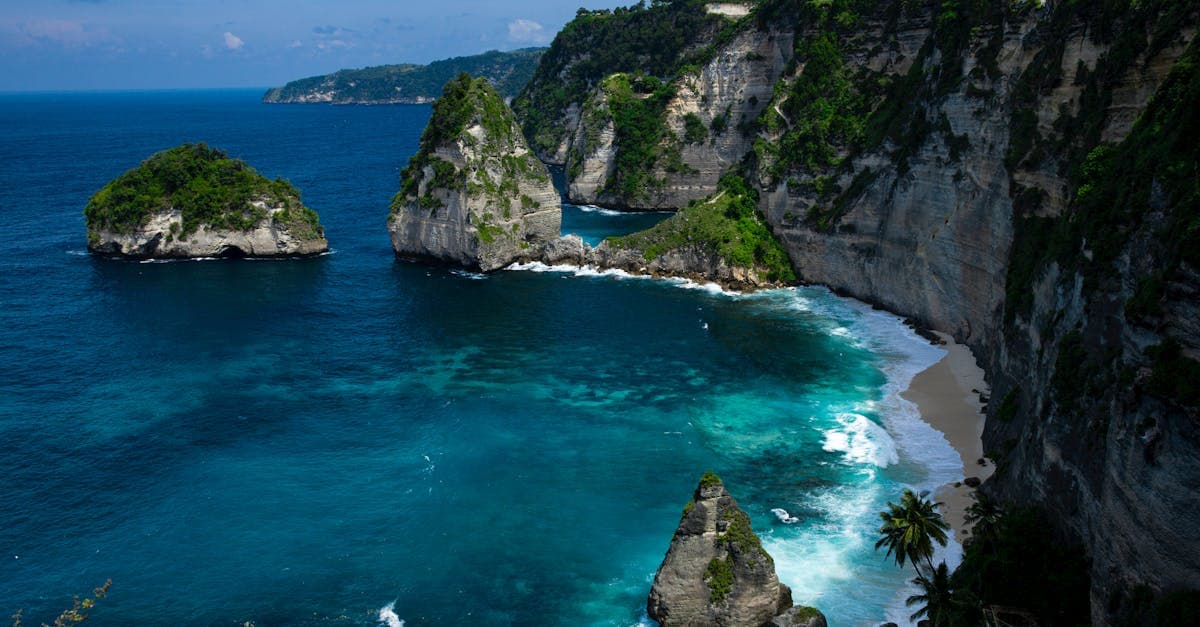
Two seasons define Bali: dry (April through October) and wet (November through March). According to bali.com, temperatures stay consistent at 26 to 32 degrees Celsius year-round. What actually shifts is rainfall, humidity, crowd levels, and the price of almost everything.
For most Indian travellers, April to May and September to October represent the sweet spots for the best time to visit Bali. Dry-season conditions, lower pressure on accommodation availability, and flight prices that haven't peaked yet. These windows also sit outside the December and January festive surge when everything gets expensive simultaneously.
Both seasons suit different types of trips. Beach-focused holidays belong in the dry months. Spa retreats, budget honeymooners, and deeper cultural exploration all work perfectly well in the wet season, as we'll come to shortly.
A constant that catches plenty of first-timers off guard: the UV index across Bali sits at 9 to 11 year-round, registering as extreme on the WHO scale. That applies whether clouds are rolling in from the south or the sky is cloudless blue. Sunscreen isn't a seasonal consideration; it belongs in your day bag every single month.
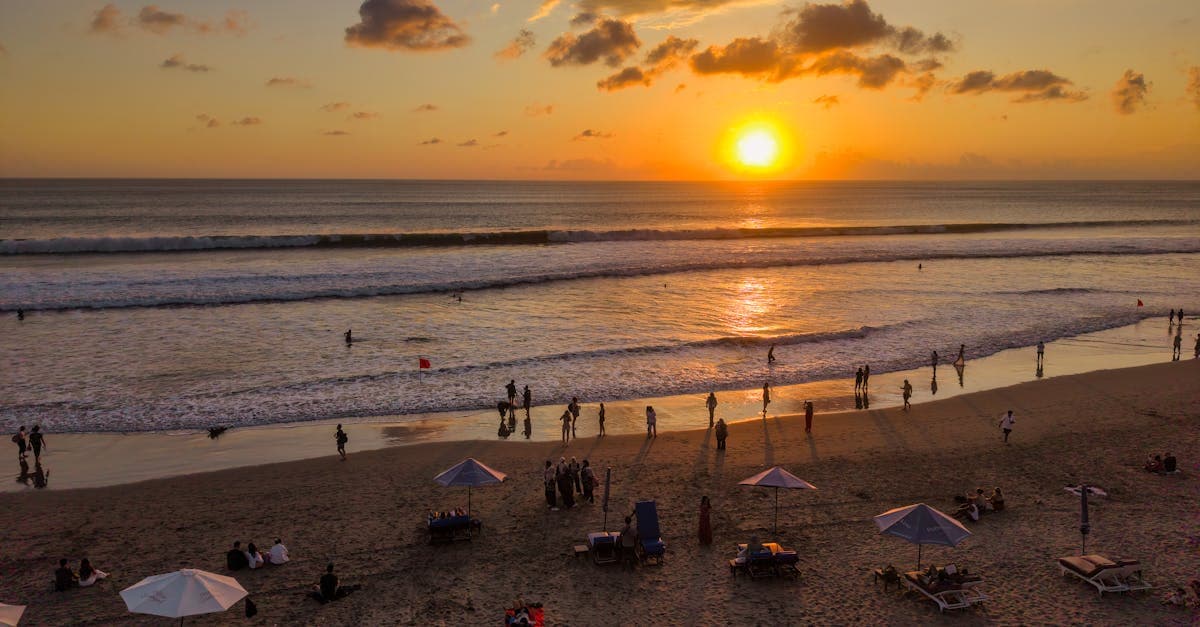
According to lonelyplanet.com, Bali's dry season is the most enjoyable period for outdoor activities, including beach holidays, hiking, surfing, sailing, and diving. June to August looks flawless on paper: under 50 mm of rainfall per month, humidity sitting between 70 and 75 percent, consistent sunshine across the island. The fuller picture includes peak global season pricing, villa rates in Seminyak running 30 to 50 percent above shoulder levels, and the most sought-after properties booked out months in advance.
Seminyak, Ubud and Nusa Dua are all fully accessible throughout the dry season. Roads are in their best condition. Outdoor day trips, cycling routes through rice terraces, and sunrise hikes all become straightforward logistics.
Surf conditions at Uluwatu and Kuta peak from May through September, driven by Indian Ocean swells lonelyplanet.com. Non-negotiable if waves are the point of the trip.
April to May and September to October deliver dry-season quality without the July price tag. Flights from Indian gateways cost noticeably less. Boutique hotels still have availability. For Indian travellers working around summer school holidays, early April is the window that gets ahead of the crowd build before it properly hits.
The savvier visitors already know this. The question is whether you book before they do.

According to bali.com, Bali's wet season runs November through March, with January and February seeing the heaviest rainfall at up to 300 mm per month. Rain typically arrives in the afternoon or evening in sharp tropical downpours that clear within the hour. Mornings are often clear, making temple visits, breakfast by the pool, and cultural tours through Ubud's market viable throughout the season.
The financial case is hard to argue with. Flights and accommodation run 20 to 30 percent cheaper compared to peak season intrepidtravel.com. Budget honeymooners, solo travellers on extended itineraries, spa-focused retreats, and surfers hunting east-facing breaks at Padang Padang all find the wet months genuinely suit them.
One date to build your travel around: Nyepi, the Balinese New Year and Day of Silence, falls on March 20 in 2026. The entire island shuts down for 24 hours, including Ngurah Rai airport. No flights in or out, no street traffic, no noise whatsoever. Visitors regularly describe it as a once-a-year cultural experience unlike anything else in Southeast Asia, but your flight schedule needs to account for it. Next Nyepi falls in March 2027.
For the right kind of traveller, the wet season is quietly some of the best value Bali has to offer.
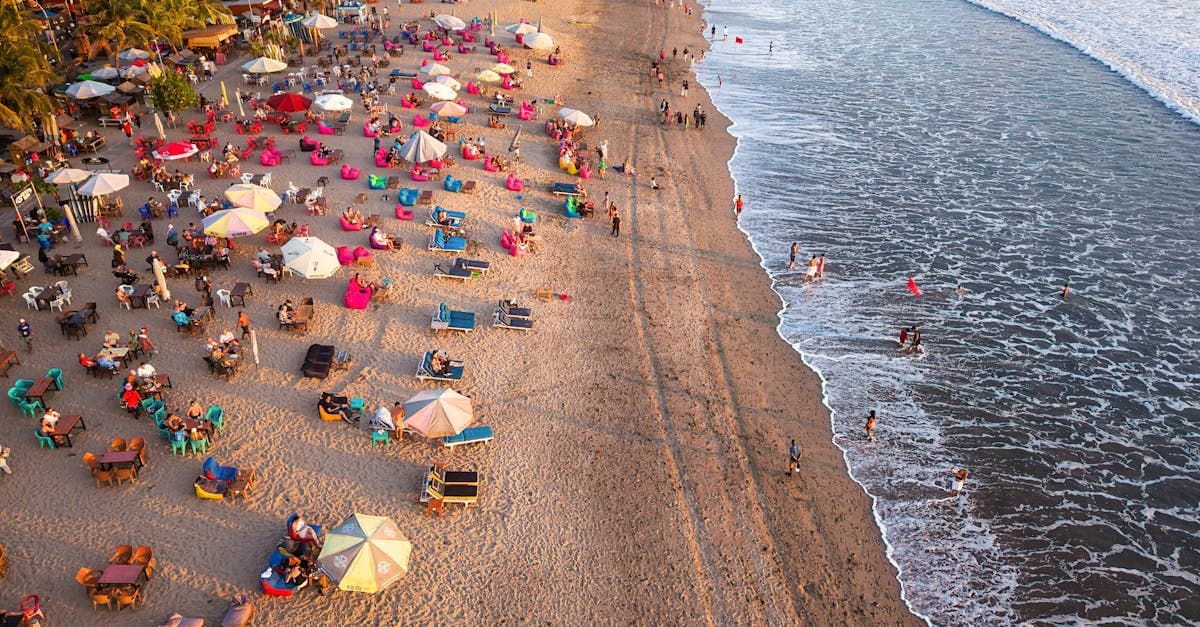
Each month in Bali carries distinct conditions for weather, crowds, and pricing. The date you pick matters beyond weather alone, as Bali's calendar includes events that directly affect flight schedules and accommodation costs. Nyepi 2026 fell on 20 March, closing Ngurah Rai Airport for a full 24 hours and cancelling all flights in or out.
January and February deliver the lowest prices island-wide. International tourist numbers are minimal. Afternoon rain is frequent, but mornings are often clear. Ubud's retreat centres and hillside spas cost a fraction of their June price, and temples aren't crowded. Good for budget-focused travellers who don't mind trading sunshine guarantees for quiet.
March is a transition month as rain eases toward April. Nyepi sits in this window in 2026. The Ogoh-Ogoh parade, giant demon effigies carried through the streets, happens the evening before Nyepi and is worth planning around if you're already on the island.
April and May are the top recommendation for Indian travellers flying out during summer break. According to makemytrip.com, April and May are among the best months to visit Bali, with dry season conditions and accommodation running 15 to 25 percent below June peak pricing. Galungan in April lines every road with bamboo penjor poles. It's genuinely hard to argue against this window.
June to August is the global peak. Flights and villas cost 30 to 50 percent more than shoulder months. The Bali Arts Festival runs through June and July at Taman Werdi Budaya in Denpasar. Come with expectations calibrated to both the crowds and the bill.
September and October offer reliable dry weather with none of July's premium pricing. Galungan returns in October on the 210-day Pawukon calendar. Indian travellers timing a Dussehra or Diwali break land in excellent conditions.
November brings the Ubud Writers and Readers Festival alongside the early return of afternoon rain. Prices drop noticeably through the month.
December spikes hard. Christmas and New Year push hotel rates in Seminyak and Canggu to two to three times their off-peak levels. Book at least three to four months in advance.
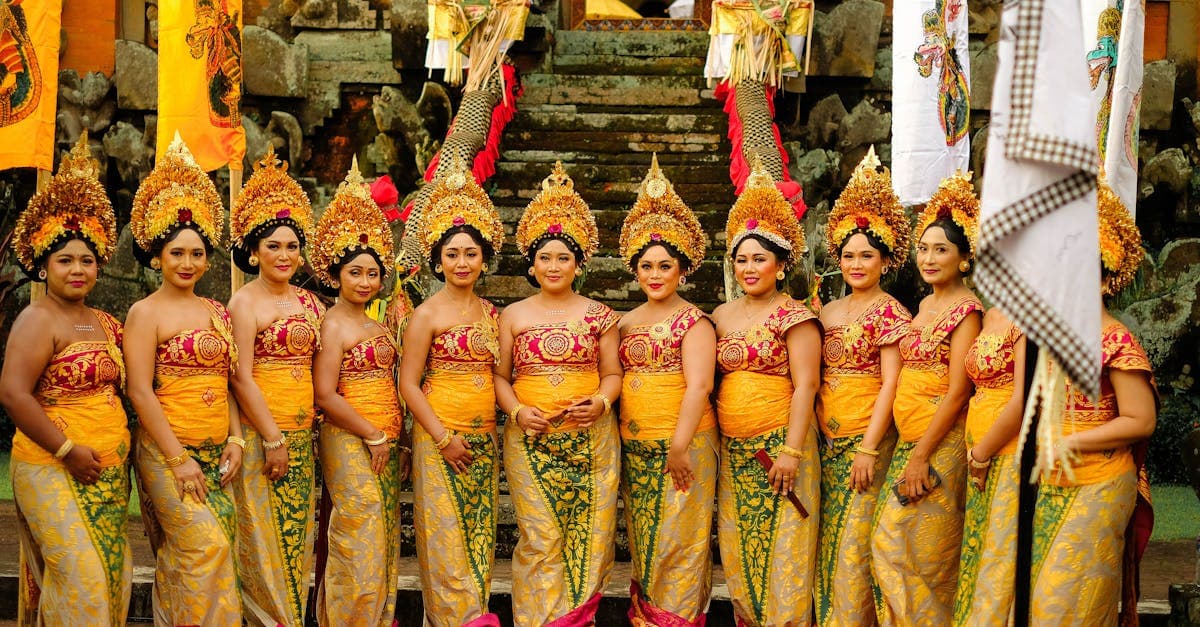
April to May and October are the strongest windows for Indian travellers to visit Bali, aligning school holidays and festive breaks with shoulder-season pricing and reliable weather. October is arguably the most underused booking window: accommodation runs 15 to 20 percent below June to August levels, Galungan falls in October 2026 with bamboo penjor poles on every road and temple ceremonies at full cultural intensity, and the weather is still reliably dry.
April to May remains the strongest strategic pick overall. Bali's shoulder season aligns almost exactly with Indian school summer break. You get dry-season conditions, manageable crowds, and real savings over peak pricing. Galungan in April adds cultural depth without the July mark-up.
June to August is where most Indian families end up. The issue is that India's summer school holidays overlap with Bali's global peak season simultaneously. You're competing for villas and flights with travellers from Australia, Europe and the US. The Bali Arts Festival in Denpasar is a genuine reason to be there during this window, but don't go expecting quiet beaches.
December is the most expensive month of the year. Christmas and New Year demand pushes Seminyak and Canggu hotel rates to the levels flagged in the month-by-month breakdown above. Book early; the best villas in both areas disappear well before Christmas week.
Balinese festivals worth timing your trip around in 2026:
Indian passport holders get 30 days on arrival, extendable once for a further 30 days. No advance application, no embassy visit required.
Local SIM, eSIM, or your Indian carrier's international roaming pack. The cost gap between these three options is significant enough to affect your total trip budget, and one of them is clearly wrong for stays of more than a few days.
Local physical SIM (Telkomsel or XL Axiata). Telkomsel gives you better reach including rural areas and northern Bali. XL Axiata holds up well across the main tourist corridors: Seminyak, Kuta, Ubud and Uluwatu. Tourist SIMs run approximately ₹250 to ₹800 for 5 to 30 GB, valid 7 to 30 days. Passport required. Pick one up at carrier counters in DPS arrivals or at Circle K and Indomaret stores across the island.
eSIM. The no-queue option for travellers with compatible devices. Hello Roam's Indonesia eSIM activates before you leave India, so you land with data already running and no SIM card to swap. Your Indian number stays live for OTPs and calls home. Works with most modern iPhones and Android devices.
Indian carrier roaming. Airtel and Jio international packs for Indonesia cost 60 to 80 percent more than a local SIM or eSIM for trips of five or more days. Fine for a 48-hour business stopover. Poor value for a week's holiday.
One thing unique to Bali: mobile networks and internet shut down island-wide during Nyepi, every year, for 24 hours without exception. Save offline maps before that day arrives.
WiFi varies sharply by location. Cafes and co-working spaces in Seminyak and Canggu typically deliver 15 to 50 Mbps. Ubud is reliable at hubs like Outpost and Dojo. Nusa Penida and the Gili Islands are noticeably weaker; a dedicated data plan is sensible rather than optional if you're heading to either.
Three apps to have loaded on arrival: Google Maps with offline Bali maps downloaded, Gojek or Grab for transport, and Google Translate for interactions beyond the tourist corridors.

The single biggest variable in a Bali budget isn't the accommodation category. It's when you fly.
Return flights from Mumbai, Delhi or Bangalore run ₹25,000 to ₹40,000 in shoulder season on carriers like IndiGo via Singapore or Kuala Lumpur. Book the same route for July to August or the December festive window and you're looking at ₹55,000 to ₹90,000.
Accommodation tracks the same curve. Budget guesthouses and homestays cost ₹2,000 to ₹5,000 per night in low season, rising to ₹4,000 to ₹9,000 during peak months. Private villa rentals, the defining appeal of Bali over most comparable beach destinations, run ₹11,000 to ₹35,000 per night in shoulder season. Peak season pushes comparable properties above ₹55,000.
Day-to-day spending is more predictable. Local warungs, Gojek rides and standard activities work out to roughly ₹1,500 to ₹3,500 per person per day. Hire a private driver for day trips and that nudges up; stick to scooter hire and street food and it stays low.
A 7-day budget trip in shoulder season comes to approximately ₹60,000 to ₹90,000 all-in. A mid-range peak-season trip, decent villa, comfortable flights, a few nicer dinners, lands around ₹1,40,000 to ₹2,50,000.
January and February give you the lowest absolute prices on the island. September is the smarter pick if you want dry-season conditions at post-peak prices.
The question most first-timers actually ask isn't about weather. It's "can I really pull this off?" Here are direct answers to the queries that keep coming up.
Are 4 days enough for Bali? Barely, if you commit to one base. Four days works well for Canggu (surf and beach cafes), Ubud (culture and rice terraces), or Seminyak (restaurants and nightlife). Attempting all three in four days means spending roughly half your trip in traffic. Seven to ten days gives you enough time to cover two areas properly and actually absorb them rather than rush through.
Is Bali safe to visit during the rainy season? Yes, for most activities. The concern is disruption, not danger. Flooding occasionally closes roads in lower-lying parts of Canggu and Kuta after heavy downpours. Boat crossings to Nusa Penida get cancelled more frequently when swell builds. North Bali and Ubud drain better than the tourist south.
How does Bali compare to Thailand for a first-time international trip from India? Different experiences, not direct competitors. Bali leads on villa culture, Hindu-Balinese spirituality, and visual scenery. Thailand offers more street food variety and stronger nightlife. Bali's manageable geographic size makes navigation less daunting if international solo or family travel is new territory.
Is April crowded in Bali? Less than you'd expect. Seminyak and Canggu get busier during Western Easter weekend, but outside that short window April is notably quieter. Beach clubs have breathing room and accommodation prices haven't shifted into peak territory yet.
May. That's the single best month for most Indian travellers balancing weather, cost, and crowd levels.
It sits right at the start of dry season, before global peak pricing kicks in through June. Indian school summer break overlaps cleanly with late April and May, making it the most practical window for families tied to term dates. Accommodation is priced below the June ceiling. According to lonelyplanet.com, surfing is among the prime dry-season activities, and surf builds at Uluwatu by May. Mornings are reliably clear.
September comes close for those with schedule flexibility. The European and Australian crowds that fill Bali from June through August clear out by late September, but dry skies stay. Hotels in Canggu and Seminyak quietly return to shoulder pricing. If you can travel outside Indian school holidays, September delivers real value.
June through August brings the most guaranteed sunshine, but the trade-offs are significant. Seminyak villas book out weeks in advance. Ubud's Monkey Forest reaches peak congestion. The Bali Arts Festival runs through June and July at Taman Werdi Budaya in Denpasar, which is genuinely worth attending, but factor in accommodation availability and cost before committing.
October is the least appreciated window on the Indian travel calendar. Bali slides into shoulder-season pricing right as Dussehra and Diwali push Indian holiday demand to its peak. Good weather, quieter beaches, and Galungan sometimes falls in October, lining every road across the island with tall penjor bamboo poles.
The April-to-May window remains the strongest call for anyone working around an Indian school calendar.
January and February are the cheapest months, full stop. Flights from India and accommodation across the island hit their floor during these two months. The trade-off is predictable: these are the wettest months, and afternoon rain arrives most days.
Within the dry season, September is the smarter budget pick. Peak-season demand clears by late August but the weather stays excellent. Dry skies, fewer tourists, and hotels running pre-holiday rates make September the value sweet spot inside the dry half of the year.
Avoid July and August for budget travel. European summer holidays and Australian school breaks combine with Indian summer demand to push Bali into its highest global pricing window. Flights cost more, villas fill faster, and last-minute availability is thin.
December 20 to around January 5 is the single most expensive stretch of the year. Flights from major Indian cities spike sharply during the festive period, and hotel rates in Seminyak and Canggu reach the peaks described in the budget section above.
One practical move: book shoulder-season trips two to three months ahead. That lead time consistently unlocks the best available rates. The price gap versus last-minute peak-season bookings is significant and entirely avoidable with early planning.
One category that doesn't fluctuate with the calendar: connectivity costs. Whether you activate an eSIM before departure or pick up a physical SIM on arrival at Ngurah Rai, data pricing in Bali is unaffected by tourist seasons. Budget a fixed amount regardless of when you travel.
According to intrepidtravel.com, Bali's rainy season runs from November through to late March. January and February carry the heaviest rainfall, as covered in the weather section above. March transitions noticeably: rain frequency drops and the island edges toward dry-season conditions.
The phrase "rainy season" overstates the disruption. Rain during this period typically arrives in the afternoon or evening, in short heavy bursts rather than sustained grey drizzle. Most mornings are clear. Temple visits, Ubud market runs, and sunrise treks to Mount Batur are entirely viable in January or February.
What the rain doesn't touch: cooking classes, spa retreats in Seminyak, museum visits in Denpasar, and cultural performances including the Kecak fire dance. What it does disrupt: boat crossings to Nusa Penida get cancelled more often when swell builds, and unpaved roads flood after heavy downpours.
Surfing actually shifts in favour of east-facing breaks during this period. Padang Padang and Keramas pick up better swell from October through February, while Kuta and Uluwatu on the west coast quieten considerably.
March carries its own distinct character. Nyepi, the Balinese Day of Silence, falls in March each year. Ngurah Rai International Airport closes completely for one full day, the island goes dark, all street traffic halts, and even beach activity stops. For culturally curious travellers it's one of the most remarkable single days Bali offers anywhere on the calendar. Nyepi 2026 already passed on 20 March. Travellers planning for 2027 should watch for the date announcement, typically released several months in advance.

April and May are the best months to visit Bali. You get dry-season conditions with accommodation running 15 to 25 percent below June peak pricing, thinner crowds than the July global peak, and Galungan in April lines every road with bamboo penjor poles adding genuine cultural depth to the trip.
January and February are the cheapest months to visit Bali, with the lowest prices island-wide and minimal international tourist numbers. Across the wet season broadly, flights and accommodation run 20 to 30 percent cheaper compared to peak season, making it strong value for budget-focused travellers.
Bali's rainy season runs from November through March, with January and February seeing the heaviest rainfall at up to 300 mm per month. Rain typically arrives as sharp tropical downpours in the afternoon or evening that clear within the hour, leaving mornings often clear for temple visits and outdoor activities.
Four days gives you enough time to explore one main area of Bali such as Ubud or the southern beach corridor around Seminyak and Kuta, but the island is large enough that a full week allows you to cover highlights like Uluwatu, Nusa Penida, and the rice terraces without rushing. Most accommodation and eSIM or SIM card plans are designed for stays of seven days or more.
Bali's global peak season runs from June to August, when the island is most crowded and prices are at their highest. Villa rates in Seminyak run 30 to 50 percent above shoulder-season levels, and the most sought-after properties book out months in advance. The December festive window is similarly expensive, with Christmas and New Year pushing hotel rates in Seminyak and Canggu to two to three times their off-peak levels.
September and October offer reliable dry weather in Bali with none of the premium pricing that comes with July's global peak. These months sit in the shoulder season, meaning accommodation and flights are noticeably cheaper while conditions remain suitable for outdoor activities, beach holidays, and hiking. Galungan also falls in October 2026, adding a major cultural festival to the visit.
Nyepi is the Balinese New Year and Day of Silence, during which the entire island shuts down for 24 hours including Ngurah Rai airport, meaning no flights depart or arrive. In 2026, Nyepi falls on 20 March, and the next occurrence is in March 2027. Travellers must plan flight schedules around this date carefully, as it is a complete island-wide closure.
Indian passport holders receive 30 days visa-on-arrival for Indonesia, extendable once for a further 30 days. No advance application and no embassy visit is required, making Bali straightforward to enter for Indian travellers.
Surf conditions at Uluwatu and Kuta peak from May through September, driven by Indian Ocean swells. This window is considered non-negotiable for travellers whose primary reason to visit is surfing. Surfers seeking east-facing breaks at Padang Padang can also find suitable conditions during the wet season months.
Return flights from Mumbai, Delhi, or Bangalore to Bali run approximately 25,000 to 40,000 Indian rupees during shoulder season on carriers like IndiGo via Singapore or Kuala Lumpur. Booking the same route for July to August or the December festive window pushes prices to 55,000 to 90,000 rupees.
Budget guesthouses and homestays in Bali cost around 2,000 to 5,000 rupees per night in low season, rising to 4,000 to 9,000 rupees during peak months. Private villa rentals run 11,000 to 35,000 rupees per night in shoulder season, with peak season pushing comparable properties above 55,000 rupees per night.
Indian travellers have three main options in Bali: a local physical SIM from Telkomsel or XL Axiata costing around 250 to 800 rupees for 5 to 30 GB, an eSIM that activates before departure so you land with data already running, or Indian carrier international roaming packs which cost 60 to 80 percent more than local options for trips of five or more days. An eSIM is the most convenient option as it requires no SIM swap and keeps your Indian number active for OTPs.
Mobile networks and internet shut down island-wide during Nyepi every year for 24 hours without exception. Travellers are advised to download offline maps before Nyepi day arrives to navigate without connectivity during the shutdown.
The wet season from November to March is better than its reputation and offers strong value for the right traveller. Flights and accommodation run 20 to 30 percent cheaper than peak season, mornings are often clear for sightseeing, and rain typically arrives in short afternoon or evening downpours that clear within the hour. Budget honeymooners, spa retreats, solo travellers on extended itineraries, and surfers seeking east-facing breaks all find the wet months suit them well.
The UV index across Bali sits at 9 to 11 year-round, registering as extreme on the WHO scale regardless of cloud cover or season. Sunscreen is not a seasonal consideration in Bali and belongs in your day bag every single month, whether skies are overcast or clear.
Key Balinese festivals to plan around include Galungan in April and October, a 10-day Hindu celebration with tall bamboo penjor poles on every road; the Bali Arts Festival from June to July in Denpasar; Kuta Carnival in August; and the Ubud Writers and Readers Festival in November. Nyepi in March also warrants planning as it closes the airport for 24 hours.
WiFi quality varies significantly by location in Bali. Cafes and co-working spaces in Seminyak and Canggu typically deliver 15 to 50 Mbps, and Ubud is reliable at hubs like Outpost and Dojo. Nusa Penida and the Gili Islands have noticeably weaker connectivity, making a dedicated mobile data plan sensible rather than optional if you are heading to either location.
April to May aligns almost exactly with Indian school summer break and coincides with Bali's shoulder season, giving you dry-season conditions, manageable crowds, and real savings over peak pricing. October is another underused window, with accommodation running 15 to 20 percent below June to August levels and Galungan adding cultural intensity. June to August works but places Indian families in competition for villas and flights with travellers from Australia, Europe, and the US.
HelloRoam: your trusted travel eSIM that keeps you online across borders.
Explore Plans