15 Cheapest Countries to Visit in 2026: a Complete Guide for Indian Travellers

Written by: David Chen


15 min read
HelloRoam is a global eSIM provider offering instant mobile data in 170+ countries. Buy prepaid travel eSIM plans with no extra fees, no contracts, and instant activation on any eSIM-compatible device.
15 min read
According to sotc.in, Nepal, Vietnam, Cambodia, and Georgia are the cheapest countries to visit for Indian travellers in 2026. Nepal is the most accessible: no visa, Indian rupees accepted at roughly 1.6x the Nepali rupee rate, and a 7-day trip from Delhi fits within ₹15,000-28,000 all-in. Vietnam and Cambodia deliver $25-40 per day on the ground backpackerswanderlust.com. Georgia stretches further on flight costs but offers 365-day visa-free access for Indian passport holders.
Mobile data is a budget line most travel guides skip entirely. Jio's international roaming pack costs ₹575 per day; Airtel charges ₹699. Hello Roam's local eSIM plans cover the destinations in this guide at substantially lower rates than Indian carrier roaming. Seven days on Jio's international pack runs to ₹4,025. A local eSIM for the same period typically costs ₹670-1,250, a gap large enough to fund two nights at a Kathmandu guesthouse.
According to indietraveller.co, four destinations consistently clear every test for value: Nepal, Vietnam, Cambodia, and Georgia. Each qualifies on a 7-day all-in budget under ₹50,000 from major Indian cities, flights included. Georgia is the borderline case at ₹50,000-80,000 from Mumbai, but earns its place through an unusually generous visa-free policy for Indian passport holders.
The selection criteria used throughout this guide: daily on-ground budget in INR, visa status for Indians in 2026, return flight cost from Delhi, Mumbai, and Chennai, food compatibility for vegetarian travellers, and internet connectivity quality.
2026 updates that shift the value calculus
Thailand extended visa-free entry for Indian citizens to 60 days, making longer itineraries financially viable without a visa application cost. Albania is now visa-free for Indian passport holders for 90 days, offering beaches and old-town architecture at roughly a third of Croatia's prices. IndiGo and Air India have added frequency on Southeast Asian routes, with Delhi-Hanoi and Mumbai-Bangkok fares down compared to 2024.
The under-₹1-lakh benchmark is the standard yardstick in Indian traveller communities on Reddit's r/SoloTravel_India and Quora. Vietnam for 10 days, Nepal for 10 days, and Sri Lanka for 10 days all qualify at current prices sotc.in. Thailand for 10 days is borderline, depending on whether you base yourself in Chiang Mai or Phuket.
Nepal's INR advantage is structural, not contingent on exchange rate movements. Indian rupees are accepted at approximately 1.6x the Nepali rupee rate (₹100 buys roughly 160 NPR), cutting accommodation and restaurant costs directly. Vietnam and Cambodia have low domestic wage-price structures that strongly favour rupee holders, even though INR is not directly accepted there.
Estimated 7-day trip costs including flights from Mumbai
The cheapest departure point varies by destination. For Nepal, Delhi has the lowest fares; for Sri Lanka, Chennai typically leads.
Geography sets the budget before you've made a single booking. South Asia (Nepal, Sri Lanka) wins on flight costs: short sectors, multiple daily departures from Indian airports, minimal visa friction. Southeast Asia (Vietnam, Cambodia, Thailand, Indonesia) delivers the best daily value per rupee once the flight cost is absorbed, according to weareglobaltravellers.com. Europe and the Middle East (Albania, Georgia, Egypt, Morocco) can be cheap on the ground, but Schengen countries add ₹8,000-12,000 in visa fees and four to six weeks of paperwork, narrowing the advantage considerably.
The Americas are a different maths problem. Ground costs in Colombia or Bolivia are low. The return flight from India, typically ₹60,000-1,20,000, absorbs those savings for most Indian travellers on a 10-day trip.
Visa access varies sharply across these regions. Nepal has an open border for Indian citizens, requiring no documentation at all. Georgia allows 365-day visa-free entry, the most generous policy in this guide. Albania and Morocco are visa-free for 90 days. Schengen countries require advance applications with employer letters, bank statements, and travel insurance proof, processed at embassies in Delhi, Mumbai, or Chennai.
Vegetarian food compatibility is a practical filter for roughly 40 per cent of Indian travellers. Nepal leads without qualification: dal bhat is the national staple and fish sauce is absent from the cuisine. Georgia has solid vegetarian options in its native dishes. Vietnam uses fish sauce widely; tourist restaurants will omit it on request but not always reliably. Indonesia and Malaysia are workable in urban areas.
UPI acceptance in 2026 is functional in Nepal at a meaningful share of Kathmandu and Pokhara merchants. Sri Lanka is expanding coverage in Colombo and Kandy. For most other destinations in this guide, a multi-currency card or cash remains the more dependable choice.
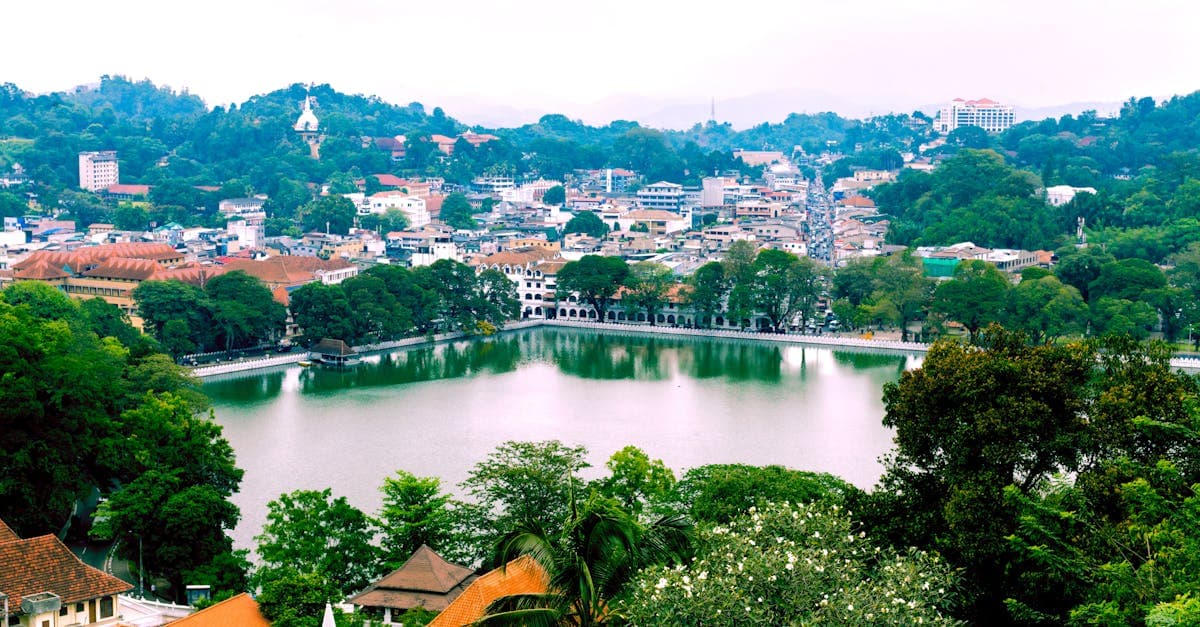
According to holidify.com, Nepal sits at the bottom of the price table, and nothing in this guide displaces it. No visa required, no consulate appointment. Indian rupees are accepted directly across hotels, restaurants, and transport at roughly the 1.6x rate noted in the overview above, which means your money goes meaningfully further here than at any other internationally accessible destination.
Return flights from Delhi to Kathmandu start at ₹4,000-9,000; from Mumbai, ₹6,000-12,000. A 7-day trip from Delhi stays well within the range shown in the overview table, the cheapest international benchmark available to any Indian traveller. No comparable destination comes close.
Dal bhat with unlimited refills costs ₹200-400 at a local restaurant. For vegetarians uncomfortable with fish-sauce-heavy Southeast Asian cooking, that's a genuine structural advantage over Vietnam or Cambodia, not just a matter of preference.
Sri Lanka sits just above Nepal on the cost ladder. The e-Visa costs $35-50; the cheapest return flights are from Chennai, at ₹4,000-9,000. Daily costs run $30-50 on the ground. The post-2022 economic crisis recovery is now largely complete: tourist infrastructure is restored and prices have stabilised at competitive levels.
UPI acceptance is expanding in Colombo and Kandy in 2026, and growing at Kathmandu and Pokhara merchants. Travellers who prefer to minimise cash handling will find both destinations more accommodating than they were two years ago.
A connectivity caveat applies specifically to Nepal. WiFi in Kathmandu and Pokhara is reliable; outside those two cities, coverage becomes patchy and variable. eSIM support in Nepal is also more limited than in Southeast Asian destinations, so a physical SIM purchased on arrival at Tribhuvan International Airport is the more dependable option for anyone planning to travel beyond the main tourist circuit.
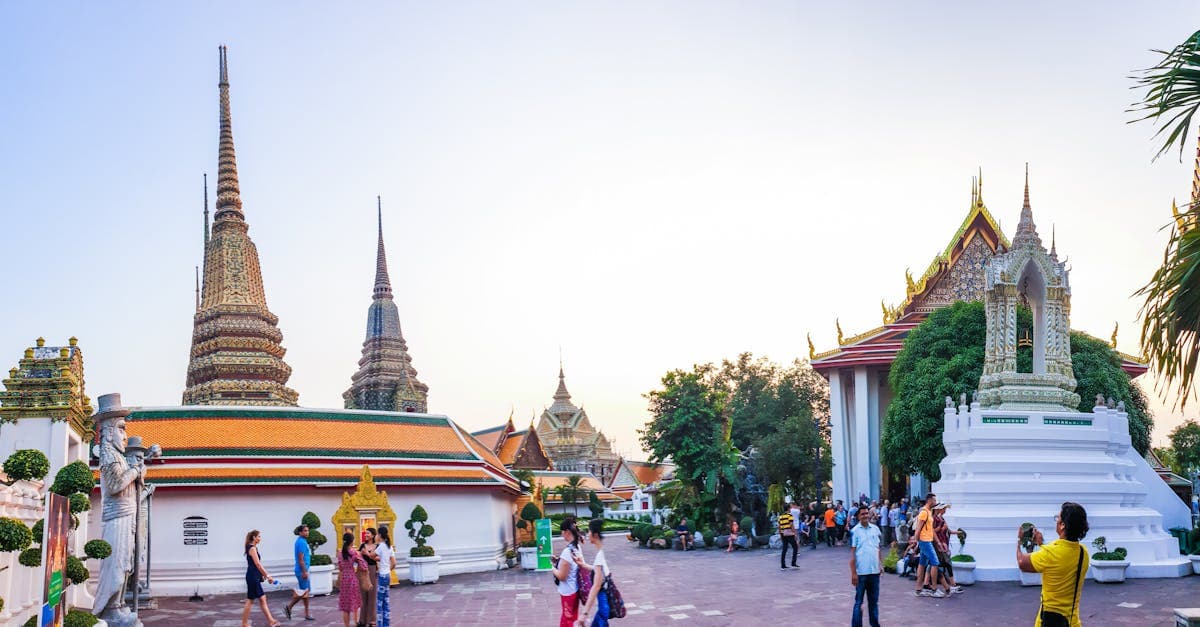
Wise carry zero forex markup. Set one up before departure.
For Egypt and Cambodia, carry some US dollars. Both economies circulate USD alongside local currency for many tourist transactions. Airport money-change counters typically run 8-15 per cent worse than city exchange offices or ATMs; use the latter.
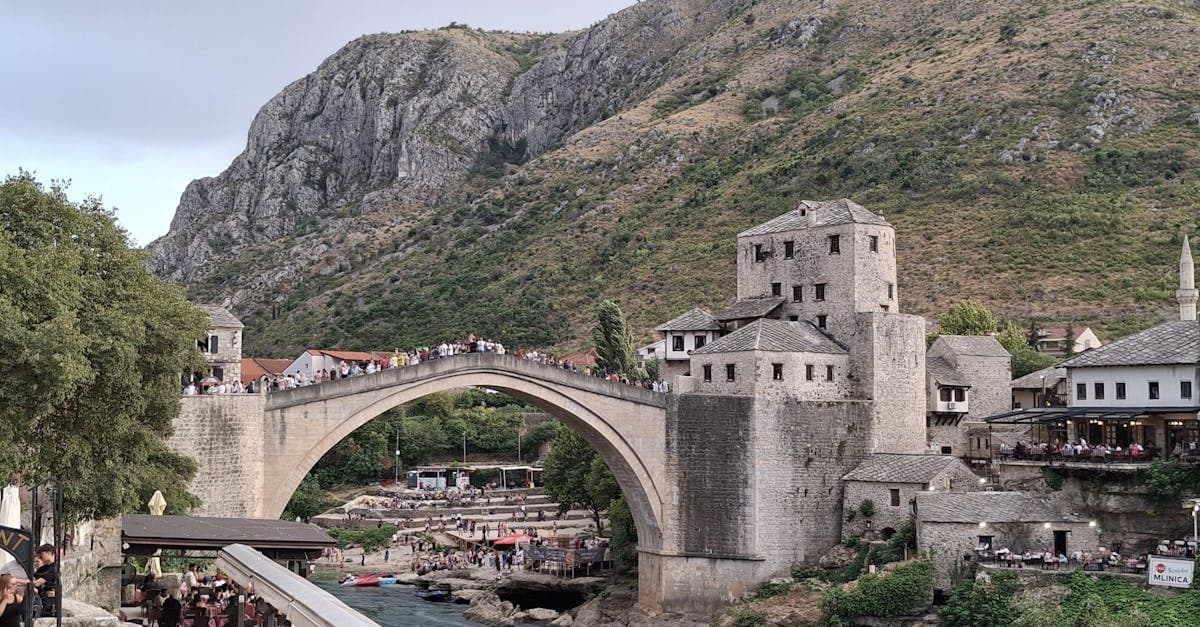
Five countries. Four of them visa-free or nearly so for Indian passport holders.
Georgia is the headline case. No other European nation grants Indian citizens 365 days visa-free, and daily costs in Tbilisi stay well under $55. Khinkali dumplings cost ₹25-40 per piece at a local restaurant; a bottle of local wine runs from around ₹250. Return flights from Mumbai range from ₹20,000 to ₹38,000.
Albania joined the visa-free list for Indians in 2025-2026, allowing 90-day stays. Daily budgets run $40-60. The Albanian Riviera costs roughly one-third of comparable Croatian resorts, and Tirana is a genuine food-and-nightlife city at prices that feel like Europe a decade ago.
Bulgaria requires a Schengen visa for Indians, adding roughly ₹12,000 in application fees. On the ground, Sofia and Plovdiv rank among Europe's cheapest capitals at $40-65 a day.
Bosnia-Herzegovina is visa-free for Indian passport holders for stays under 30 days. Sarajevo's food culture, anchored in cevapi, burek and baklava, is among the most distinctive in the Balkans, at prices well below any Western European equivalent.
Transylvania's key cities, Brasov and Cluj-Napoca, connect via budget airlines from Tbilisi or Belgrade, making Romania a practical add-on for travellers already in the Caucasus. Budget $45-65 a day on the ground.
Georgia pairs naturally with Armenia (also visa-free for Indians) for a 10-14 day Caucasus itinerary that spreads the long-haul flight cost across two countries.

The daily rates look good on paper. What Indian travellers often discover is that the flights absorb whatever savings the ground costs promised.
Egypt runs roughly ₹2,500-4,200 per day. A bowl of street koshari costs ₹40-80; Giza entry sits around ₹1,260-1,680. IndiGo connects Delhi to Cairo via Dubai or Muscat, with return fares from around ₹28,000 at the cheaper end. Morocco is visa-free for 90 days on an Indian passport, with Marrakech medina street food at ₹150-400 per meal. Travellers who already hold a Schengen visa can sensibly extend the trip into Portugal or Spain.
Bolivia is the cheapest country in South America, at around ₹2,100-3,350 per day, with the Uyuni salt flats as the draw. Getting there is the problem. Connecting flights from India via Europe or US hubs push airfare to ₹40,000-80,000 return. Colombia runs a comparable daily rate, and Medellin has quietly become a hub for Indian remote workers; flights via Europe add heavily either way. Mexico requires an e-Visa and, for most Indian travellers, a US transit visa on top.
That flight bill substantially narrows the per-day savings against Nepal or Vietnam.
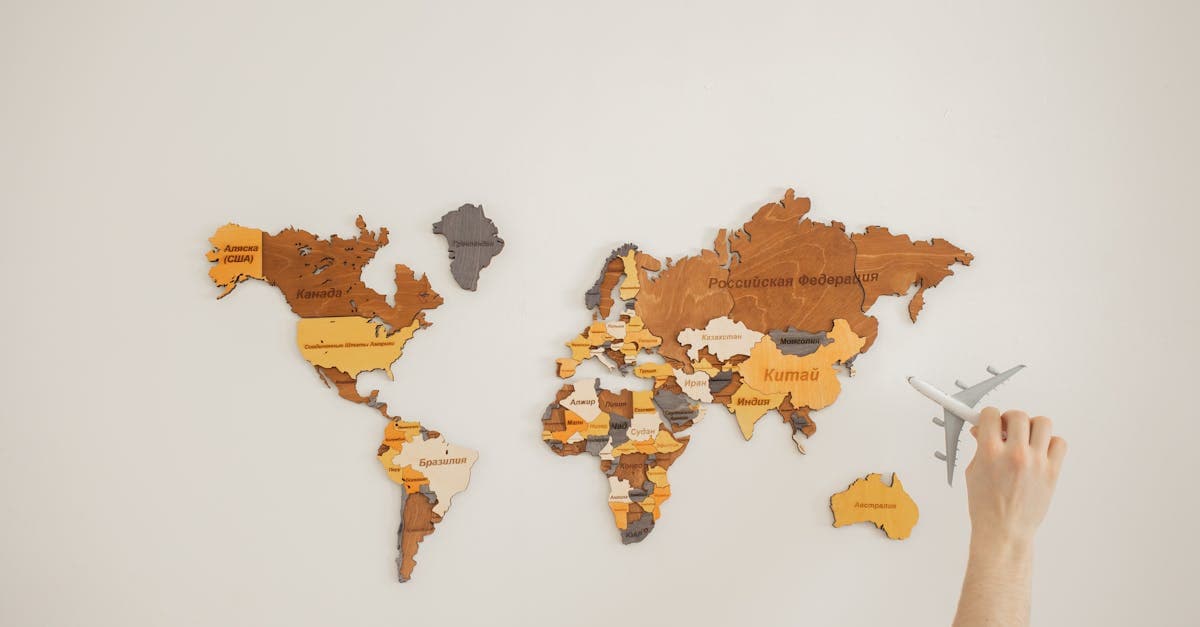
Price alerts do more work than daily searches. Set them on Skyscanner, Ixigo, and Google Flights, then leave the platforms alone until the notification lands.
Booking window matters. Southeast Asia routes price down when you book 6 to 8 weeks out; Europe and the Americas need 8 to 12 weeks because fewer carriers compete on those corridors.
Your departure city changes the equation more than most travellers account for. Delhi has the lowest fares to Kathmandu, Chennai wins on Colombo routes, and Mumbai tends to undercut on Bali and Kuala Lumpur. Before confirming anything, compare fares across the nearest three hub airports.
Accommodation runs 400 to 1,200 INR per night for dormitory beds in Southeast Asia and Georgia on Hostelworld. Private rooms through Booking.com or Agoda drop 20 to 40 per cent during shoulder season, roughly April to May and September to October. Both windows carry monsoon risk in Thailand and Vietnam, so verify the specific rain pattern before committing.
Card fees are a quiet drain. Niyo Global and Wise carry zero forex markup; standard Indian debit or credit cards add 2 to 4 per cent plus 300 to 500 INR per swipe. Across 10 transactions on a 10-day trip, that is 3,000 to 5,000 INR in avoidable losses.
Airport money-change counters run 8 to 15 per cent worse than city exchange offices. Carry some USD for destinations such as Egypt and Cambodia, where the dollar circulates alongside local currency, and exchange in town.

An eSIM is a digital SIM embedded in your phone, requiring no physical card swap. It eliminates the need to hunt for a SIM vendor outside Suvarnabhumi arrivals or Tribhuvan airport's exit gates, and avoids Indian carrier roaming charges that run ₹575-699 per day. Connectivity is the line item most travel budgets omit entirely.
At the daily Jio roaming rate cited in the opening section, a 10-day trip adds roughly as much to your bill as a budget one-way airfare across Southeast Asia; Airtel's equivalent daily rate runs even higher. Both are worth keeping as genuine emergency backups. Neither is sensible as a primary data line for a fortnight away.
Hello Roam's 7-day plans for Thailand, Vietnam, Malaysia, Indonesia, Georgia and Sri Lanka start below ₹1,000, which compares favourably against the 7-day carrier roaming totals noted in the introduction to this article. That saving covers at least one extra hostel night in Tbilisi or Hanoi.
There is a dependency specific to Indian travellers: UPI transactions, net banking OTPs, and Aadhaar-linked verifications all require the Indian mobile number to remain reachable. A data-only eSIM with WhatsApp calling resolves this cleanly. Keep the Jio or Airtel number active for incoming OTPs; let the eSIM carry the data load. No roaming charges accumulate.
Device compatibility: most iPhones sold in India from 2022 onwards support eSIM, as do Samsung Galaxy S and A series handsets. Lower-priced Xiaomi and Realme models typically do not. Verify under Settings before departure, not at the boarding gate.
For Nepal and Georgia, download offline maps before boarding. Maps.me handles trekking trails and rural roads in both countries more reliably than Google Maps where mobile signal is intermittent. Plan for roughly 500 MB to 1 GB per day for navigation, ride-hailing, and booking confirmations.
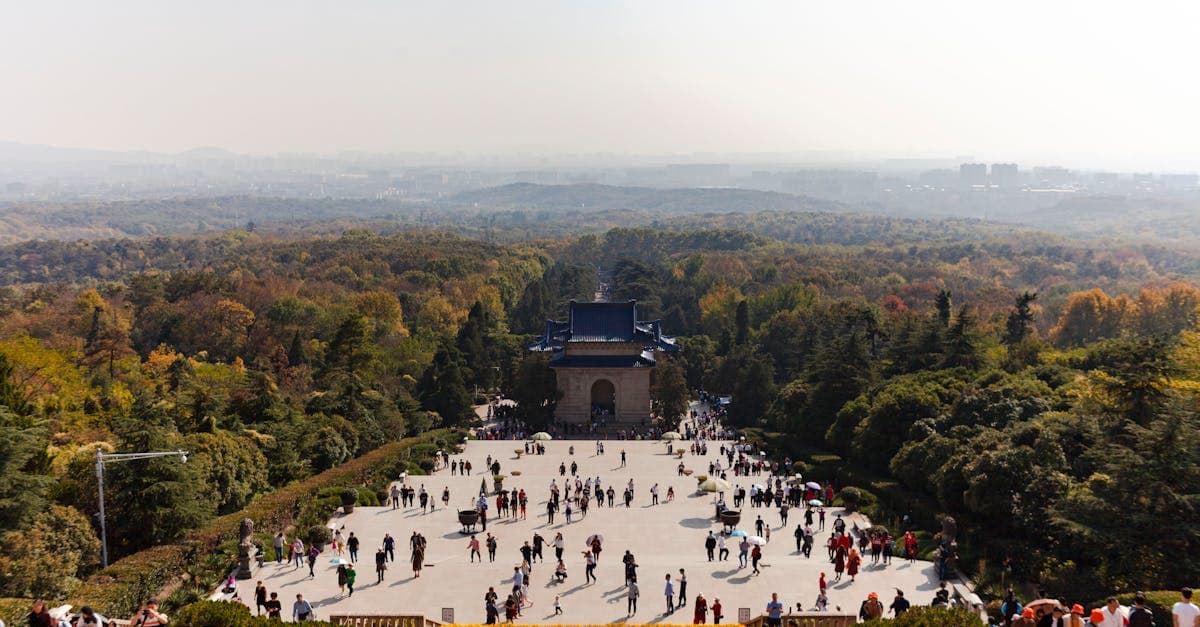
For Indian travellers, the answer is Nepal sotc.in. The proximity advantage is concrete. A European or American traveller spends 800-1,200 USD in flights alone to reach Kathmandu. An Indian traveller from Delhi spends under roughly 6,700 INR for the same journey. That structural gap is not something on-ground budget comparisons can offset.
For travellers outside India, Vietnam and Cambodia consistently occupy the global top two spots, according to fearlessfemaletravels.com. Both run daily budgets in the range covered in the Southeast Asia section, with functional infrastructure from city centres to rural areas.
A 10-day Nepal trip from Delhi, covering flights, guesthouses, local meals and basic trekking activities, rarely exceeds 35,000 INR in full-season pricing. Indian travel communities use 1 lakh as the reference ceiling for an international trip's all-in cost. Nepal clears that benchmark with substantial margin.
Vietnam is the logical step up for travellers willing to absorb a higher flight cost. The terrain is more varied, from Hanoi's Old Quarter to Ha Long Bay and the Mekong Delta, and the daily on-ground rate is comparable to Nepal's. The airfare differential is essentially the only trade-off.
Ranked by total trip cost from Indian hub airports, not daily budget alone. Proximity and visa friction count as much as on-ground spending.
Bolivia and Colombia rank highly on daily on-ground spend globally but fall back in the India-specific list because of long-haul flight costs noted in the South America section.
Bulgaria and Bosnia-Herzegovina belong on this list for travellers already holding a Schengen visa. Both extend an Eastern European itinerary at below-average cost without requiring a separate application or fee.
Yes, for Eastern Europe, and with room to spare. For Western Europe, 10 lakh covers a 10-day trip in hostels but falls short for anything approaching mid-range accommodation in London, Paris, or Amsterdam.
Western Europe is expensive by any measure. Daily costs run 80-120 USD per person, and return flights from India to London or Paris typically run 55,000-90,000 INR. A 10-day trip with mid-range accommodation totals 1.5-2.5 lakh all-in. The 10-lakh budget covers it, but leaves almost no contingency.
Eastern Europe resets the calculation entirely. Georgia, Albania, Bulgaria and Romania run at the daily costs detailed in the earlier destination sections of this article. Return flights to Tbilisi or Tirana via Istanbul or Dubai start from around 30,000 INR. A 14-day Eastern Europe itinerary using hostels fits in 80,000-1.2 lakh, leaving significant headroom within the budget.
Schengen visa costs, as noted in the Europe section, apply to Bulgaria but not to Georgia or Albania. Starting with visa-free destinations keeps upfront expenses down and is the smarter entry point for a first Europe trip on a fixed ceiling.
A Georgia to Albania to Bosnia-Herzegovina route over two weeks covers mountain scenery, Adriatic coastline, and Ottoman-era architecture at an estimated 65,000-90,000 INR all-in from Delhi. That leaves 10,000-35,000 INR unspent, which most travellers redirect to an upgraded flight class or a few additional nights on the ground.
According to backpackerswanderlust.com, the Southeast Asia route, Bangkok through Chiang Mai, Luang Prabang in Laos, Hanoi, Hoi An and Ho Chi Minh City, spans three to four weeks. Budget carefully from Delhi and the all-in cost, return flight included, stays within a single lakh. Hostel infrastructure is mature, overnight train connections are reliable, and food is plentiful, though vegetarians need to stay selective.
For first-timers, the South Asia loop is a lower ask. Kathmandu, Pokhara and a crossing back into Darjeeling or Varanasi sits comfortably within 30,000 INR from Delhi. No visa, no unfamiliar currency, North Indian staples throughout.
The Caucasus-Balkans circuit is gaining traction among Indian solo travellers who want less-trodden ground. Tbilisi, Yerevan (visa-free for Indians) and Tirana over three weeks costs under 2 lakh from Mumbai including flights. North Africa divides into two trips: Cairo to Luxor and Aswan, or Casablanca to Marrakech and the Atlas mountains.
On solo female safety, Indian traveller communities rate Vietnam, Thailand and Georgia most positively. Egypt and Morocco warrant greater awareness outside tourist zones.
Grab and Gojek cover rides across Southeast Asia, Bolt is the default in Georgia and Albania, and Hostelworld handles dorm bookings across all four regions. Only the South Asia loop needs no visa prep on arrival.

Nepal is consistently the cheapest country to visit, especially for Indian tourists. A 7-day trip from Delhi fits within ₹15,000-28,000 all-in, with no visa required for Indian citizens and rupees accepted directly at roughly 1.6x the Nepali rupee rate. Vietnam and Cambodia are close runners-up at $25-40 per day on the ground.
₹10 lakh is generous for a European trip if you choose visa-free or low-cost destinations. Georgia offers 365-day visa-free entry for Indians with daily costs under $55 and flights from Mumbai at ₹20,000-38,000. Schengen countries add ₹8,000-12,000 in visa fees alone, but Albania and Bosnia-Herzegovina are visa-free and significantly cheaper than Western Europe at $40-60 per day.
The top cheapest countries for Indian travelers in 2026 include Nepal, Sri Lanka, Vietnam, Cambodia, Thailand, Georgia, Albania, Bosnia-Herzegovina, Egypt, and Morocco. Nepal tops the list at $15-25 per day with no visa required. Southeast Asian destinations like Vietnam and Cambodia offer $25-40 per day, while European options like Georgia and Albania range from $40-60 per day.
The best backpacking destinations in 2026 are Nepal, Vietnam, Cambodia, Georgia, and Albania. Nepal requires no visa for Indian citizens and costs $15-25 per day. Vietnam and Cambodia deliver excellent value at $25-40 per day, while Georgia and Albania offer European experiences at $40-60 per day with visa-free entry for Indian passport holders.
No, Indian citizens do not need a visa to visit Nepal. There is an open border between the two countries requiring no documentation at all. Indian rupees are accepted directly at approximately 1.6x the Nepali rupee rate, making Nepal the most cost-effective international destination for Indian travelers.
A 7-day trip to Nepal from Delhi costs approximately ₹15,000-28,000 all-in, including return flights. Return flights from Delhi to Kathmandu start at ₹4,000-9,000, and daily on-ground costs run $15-25. Dal bhat with unlimited refills costs ₹200-400 at a local restaurant, making it especially affordable for vegetarian travelers.
Yes, Georgia is visa-free for Indian passport holders for up to 365 days, the most generous visa-free policy among European destinations. Daily costs in Tbilisi stay well under $55 and return flights from Mumbai range from ₹20,000 to ₹38,000. Georgia pairs naturally with Armenia, which is also visa-free for Indians, for a 10-14 day Caucasus itinerary.
Vietnam costs approximately $25-40 per day on the ground for Indian travelers, with a 7-day trip including return flights from Mumbai fitting within ₹35,000-55,000. An e-Visa costs around $25. Travelers should note that fish sauce is widely used in Vietnamese cooking, though tourist restaurants will usually omit it on request.
Yes, Sri Lanka is affordable with daily on-ground costs of $30-50 and return flights from Chennai starting at ₹4,000-9,000. The e-Visa costs $35-50, and a 7-day all-in trip runs ₹25,000-45,000. The post-2022 economic crisis recovery is largely complete, with tourist infrastructure restored and prices stabilized at competitive levels.
Georgia (365 days), Albania (90 days), Bosnia-Herzegovina (under 30 days), and Morocco (90 days) are all visa-free for Indian passport holders. Schengen countries such as Bulgaria require advance visa applications with fees of approximately ₹8,000-12,000. Armenia is also visa-free for Indians and pairs well with a Georgia visit.
A local eSIM is substantially cheaper than Indian carrier roaming packs. Jio's international roaming costs ₹575 per day (₹4,025 for 7 days) and Airtel charges ₹699 per day, while a local eSIM for the same period typically costs ₹670-1,250 total. The saving is large enough to cover two nights at a Kathmandu guesthouse.
Nepal is excellent for vegetarian Indian travelers. Dal bhat is the national staple and fish sauce is entirely absent from the cuisine, unlike Vietnam or Cambodia where it is widely used. This makes Nepal a structural advantage for the roughly 40 per cent of Indian travelers who are vegetarian, beyond just its price advantage.
WiFi in Kathmandu and Pokhara is reliable, but coverage becomes patchy outside these two cities. eSIM support in Nepal is more limited than in Southeast Asian destinations, so a physical SIM purchased on arrival at Tribhuvan International Airport is the more dependable option for anyone planning to travel beyond the main tourist circuit.
Albania is a strong budget option, now visa-free for Indian passport holders for 90-day stays following its 2025-2026 policy change. Daily costs run $40-60, and the Albanian Riviera costs roughly one-third of comparable Croatian resorts. Tirana offers food and nightlife at prices that feel like Europe a decade ago.
UPI acceptance is functional in Nepal at a meaningful share of Kathmandu and Pokhara merchants in 2026, and Sri Lanka is expanding coverage in Colombo and Kandy. For most other international destinations in this guide, a multi-currency card such as Niyo Global or Wise, or cash, remains the more dependable choice.
Southeast Asia routes price down when booked 6 to 8 weeks in advance, while Europe and the Americas require 8 to 12 weeks due to fewer competing carriers. Setting price alerts on Skyscanner, Ixigo, and Google Flights is more effective than daily manual searches. Your departure city matters significantly: Delhi has the lowest fares to Kathmandu, Chennai wins on Colombo routes, and Mumbai tends to undercut on Bali and Kuala Lumpur.
Using Niyo Global or Wise cards eliminates forex markup, whereas standard Indian debit or credit cards add 2-4 per cent plus ₹300-500 per transaction. Across 10 transactions on a 10-day trip, that amounts to ₹3,000-5,000 in avoidable losses. For Egypt and Cambodia, carrying some US dollars is also advisable as both economies use USD alongside local currency for tourist transactions.
South American countries like Bolivia and Colombia have low daily costs of approximately ₹2,100-3,350 per day, but connecting flights from India via Europe or US hubs push airfare to ₹40,000-80,000 return. This substantially narrows per-day savings against closer destinations like Nepal or Vietnam for Indian travelers on a 10-day trip.
HelloRoam: your trusted travel eSIM that keeps you online across borders.
Explore Plans