10 Cheapest Countries to Visit From India in 2026: Full Budget Guide in INR

Written by: David Chen


13 min read
HelloRoam is a global eSIM provider offering instant mobile data in 170+ countries. Buy prepaid travel eSIM plans with no extra fees, no contracts, and instant activation on any eSIM-compatible device.
13 min read
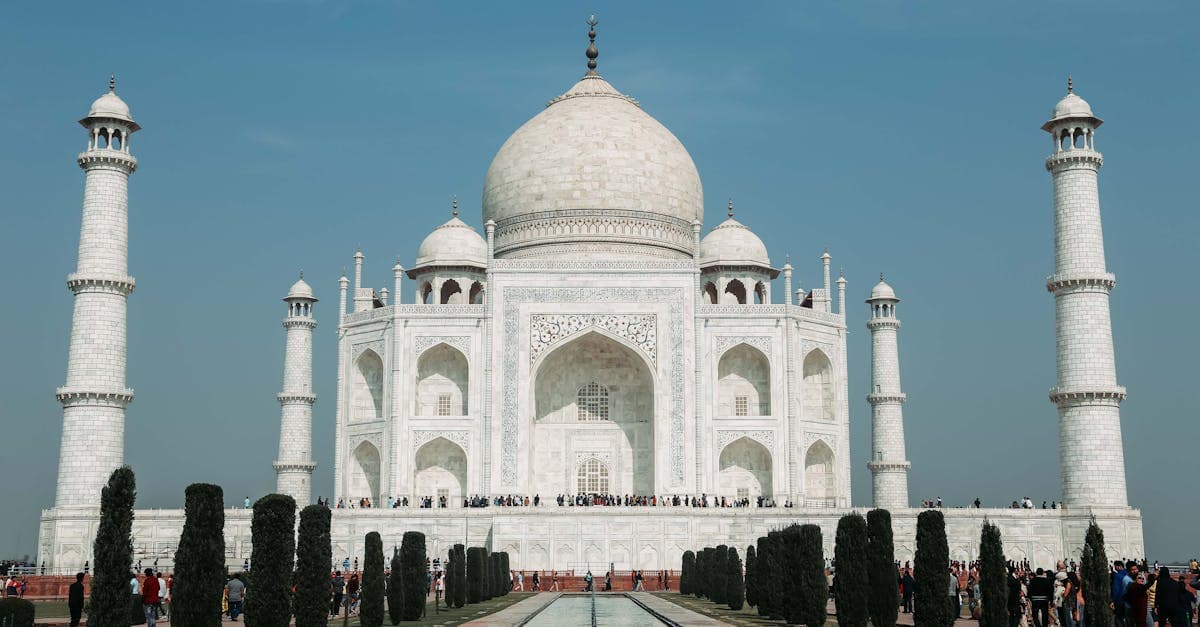
The 10 cheapest countries to visit from India in 2026 are Nepal, Bhutan, Maldives, Sri Lanka, Thailand, Vietnam, Malaysia, Cambodia, Laos, and Bali tataaig.com. A peak-season weekend in Goa now costs more than a full week in Nepal. That's not a travel hack. That's just arithmetic.
Most cheap-travel lists rank destinations by accommodation price alone. That misses the point entirely. The figure that actually matters is total trip cost: return flights, accommodation, food, visa fees, and mobile data while you're there. A cheap-looking guesthouse in Bangkok means little if your carrier charges Rs 999 per day for roaming and budget airlines spike fares during Indian school holidays.
Here's what's shifted the math in 2026. Goa peak-season rooms start at Rs 8,000 per night. A clean guesthouse in Hanoi, Vientiane, or Phnom Penh runs Rs 500 to Rs 1,200 per night. Street food in Vietnam and Cambodia costs Rs 80 to Rs 150 per meal. INR's purchasing power across Southeast and South Asia makes flying international genuinely cheaper, in several cases, than a domestic peak-season alternative for Indian travelers holidify.com.
The visa landscape for Indian passport holders in 2026 looks like this:
Thailand's permanent visa-free status for Indians, locked in during 2025 after an extended trial, still drives substantial search volume skyscanner.co.in. It removed the last friction point from Southeast Asia's most visited destination.
Bhutan needs a clarification upfront. The Sustainable Development Fee of ~USD 100 per day, which most foreign visitors pay, is fully waived for Indian citizens. No visa is required either. That makes Bhutan the cheapest high-altitude international destination for Indian passport holders, with no daily levy and no entry bureaucracy whatsoever.
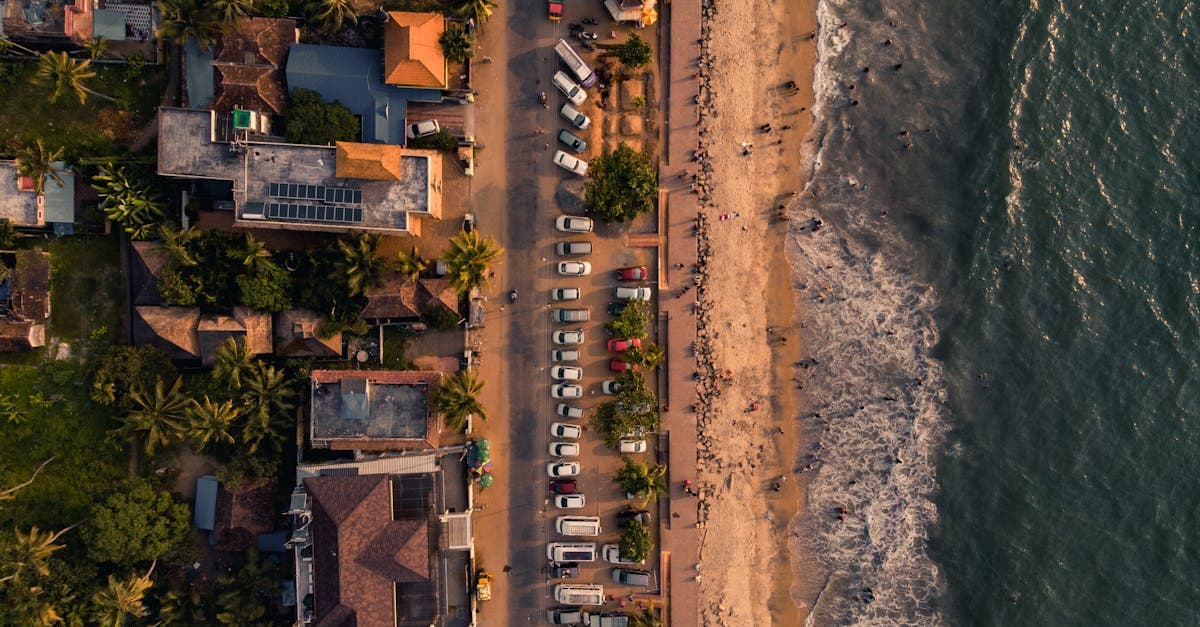
No visa application. No consulate appointment. No rejection anxiety. These three destinations give Indian travelers genuine international trips without any pre-trip paperwork.
Nepal is the most accessible international option available. A 7-day all-in trip, covering return flights, accommodation, food, and local transport, runs Rs 15,000 to Rs 25,000 sotc.in. Indian rupees are partially accepted in Nepal's border towns, removing urgency around currency exchange on arrival tataaig.com. Return flights from Delhi or Mumbai start at Rs 6,000 to Rs 12,000.
Bhutan consistently surprises first-time researchers. The Sustainable Development Fee outlined in the overview above is entirely waived for Indian passport holders. No visa is required either. It's the only high-altitude option in this guide where Indian travelers face no daily levy and no entry process of any kind.
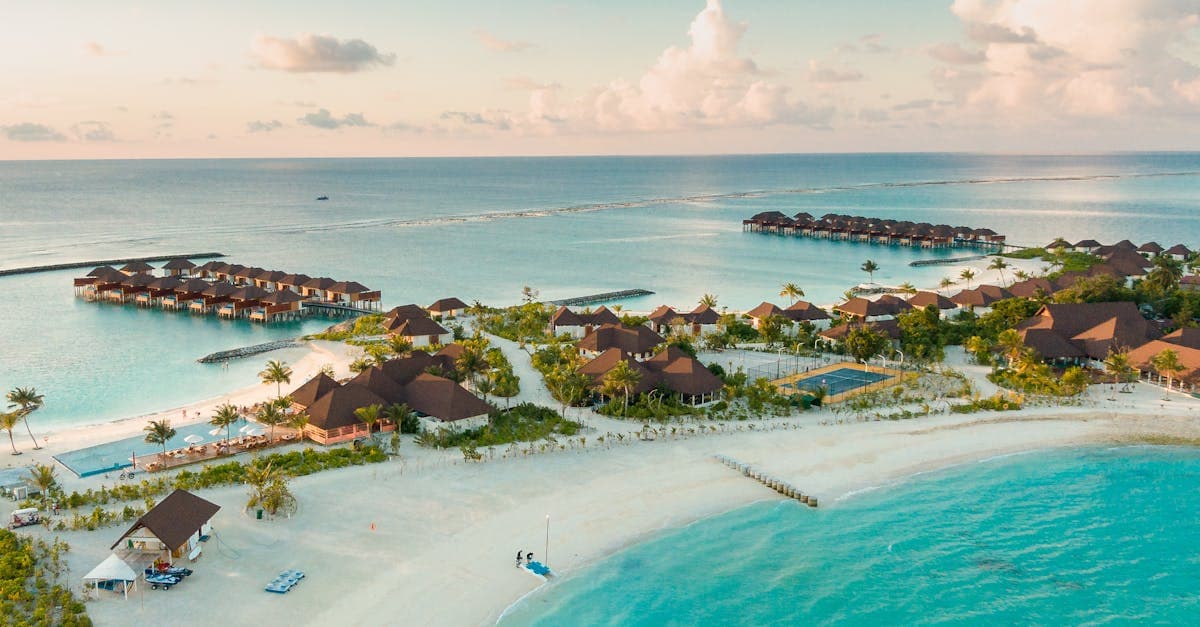
Maldives looks prohibitively expensive until you discover local islands. Resort accommodation runs Rs 30,000 or more per night. Guesthouses on non-resort atolls like Maafushi or Dhigurah run Rs 3,000 to Rs 5,000 per night, beach access frequently included. Indians receive visa-free entry on arrival, as the opening section confirms. Return flights from southern Indian hubs like Chennai start at Rs 7,000 to Rs 15,000.
The real advantage all three share isn't just cost. It's friction, specifically the absence of it. No tracking application portals, no consulate fees buried in the fine print, no waiting periods that force you to book accommodation before your visa's confirmed. Just book and go.
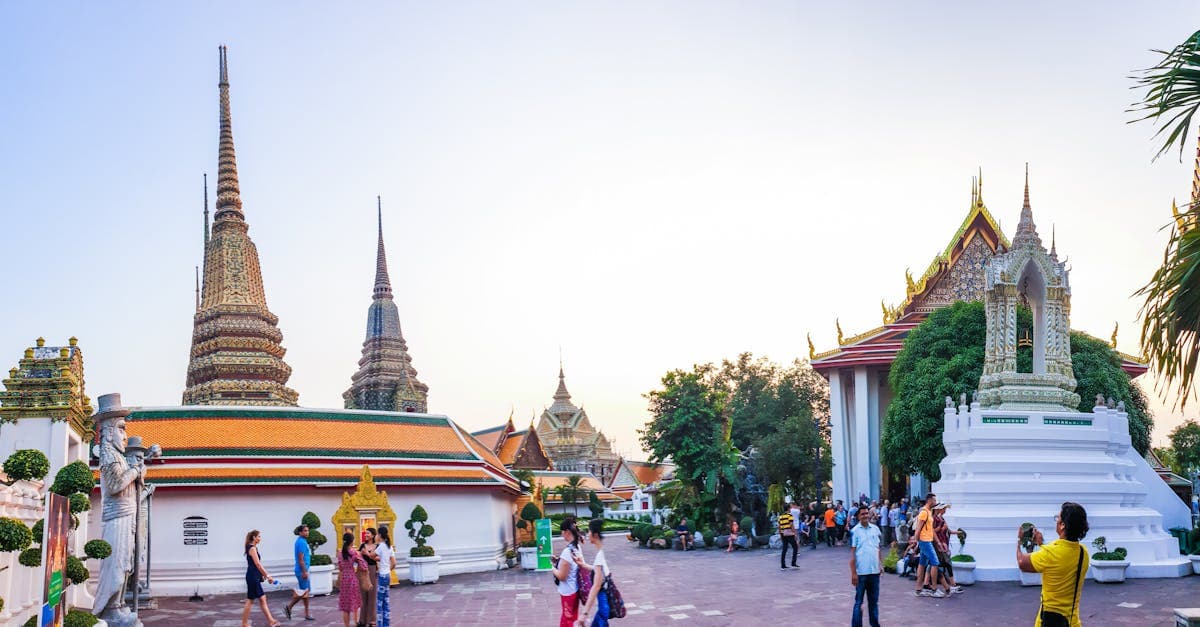
Southeast Asia is where Indian travel budgets genuinely stretch. Five countries, five different visa processes, and collectively some of the cheapest countries to visit from India in 2026.
Thailand locked in permanent visa-free status for Indians in 2025, with 60-day stays permitted skyscanner.co.in. A 7-night all-in trip runs Rs 40,000 to Rs 60,000. Hawker stalls and night market meals come in under Rs 200. 4G coverage across Bangkok, Chiang Mai, and the major islands is reliable throughout.
Vietnam delivers exceptional INR purchasing power. Guesthouse rooms in Hanoi or Ho Chi Minh City start below Rs 700 per night indietraveller.co. A 7-night trip runs Rs 35,000 to Rs 55,000. Entry requires an e-visa at the rate noted in the overview.
Malaysia extended visa-free access for Indians through end of 2026. A 7-night trip runs Rs 40,000 to Rs 65,000. The practical upside is combination travel: Kuala Lumpur, Penang, and Langkawi are all reachable within one itinerary, three distinct experiences at one airfare.
Cambodia accepts USD broadly, which simplifies day-to-day budgeting. Angkor Wat fits into any itinerary. A 7-night trip runs Rs 30,000 to Rs 50,000. Visa on arrival is available at major entry points, at the rate covered in the visa overview above.
Laos is the most underrated destination on this list. Luang Prabang guesthouses start under Rs 600 per night indietraveller.co. A 7-night trip runs Rs 25,000 to Rs 40,000. Visa on arrival applies at the same rate as Cambodia, and total trip costs consistently hit the bottom of the Southeast Asia range.
Timing is a real variable. Traveling in June or July drops Southeast Asia accommodation and flight prices by 30 to 40 percent, and it aligns directly with Indian school and college holiday schedules.
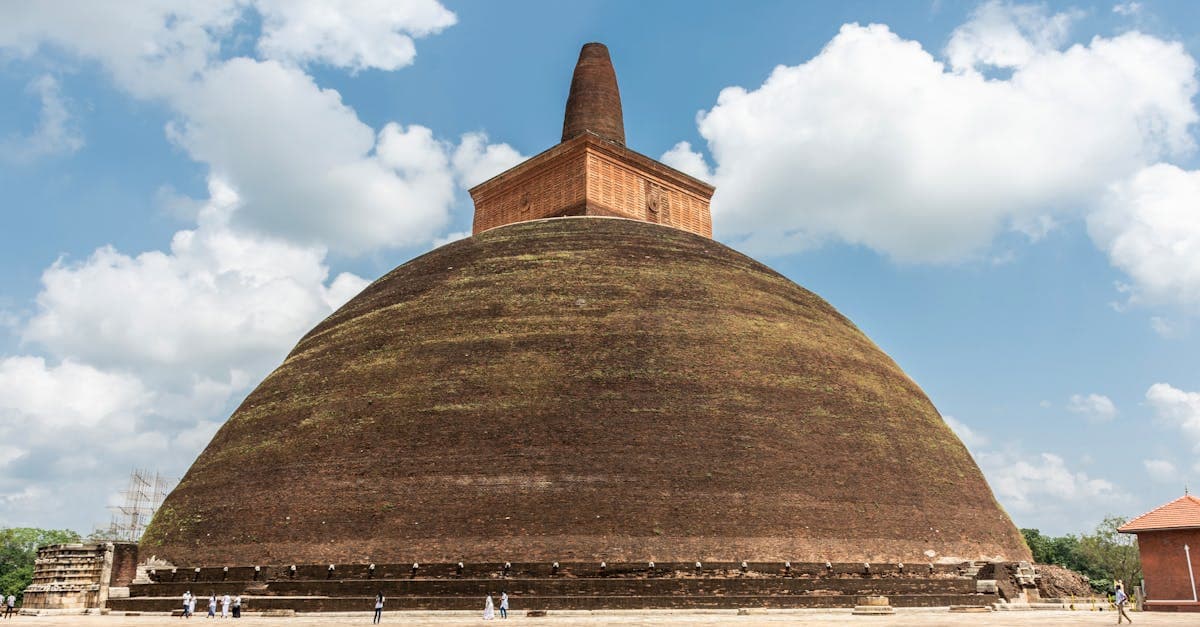
Raise the ceiling slightly and five more destinations come into range, each with a distinct profile that sets it apart from the Nepal or Southeast Asia tier.
Sri Lanka benefits from a favorable LKR exchange rate, currently around Rs 0.28 per Sri Lankan rupee tataaig.com. Local transport, food, and guesthouses cost a fraction of equivalent options in India. An eTA is required at the fee outlined in the opening section. A 7-night all-in trip runs Rs 30,000 to Rs 45,000.
Bali stays affordable if you choose Canggu or Ubud over Seminyak's resort strip. Visa on arrival applies (fee listed earlier). A 7-night trip runs Rs 45,000 to Rs 70,000, with accommodation choices accounting for most of the variation.
UAE rewards early planning. A solo traveler booking 60 to 90 days out can put together 5 nights in Dubai, including the return flight, for under Rs 70,000. Transit visa arrangements add further flexibility for stopover-style visits.
Singapore is visa-free for Indian passport holders with a standard tourist stay permitted. The base cost of living is higher than anywhere else on this list, but Gardens by the Bay, Marina Barrage, and Jewel Changi all cost nothing to enter, meaningfully offsetting daily spending.
Oman has visa on arrival, costs noticeably lower than the UAE, and far less tourist density than comparable Gulf destinations. For travelers wanting the Gulf in 2026 without Dubai's crowds or peak-season prices, it's a genuinely uncrowded alternative.

A 7-day budget international trip from India ranges from Rs 15,000 for Nepal to Rs 70,000 for Bali, with cost breakdowns by destination in the table below. The ticket price alone is never the real number.
Three costs consistently blindside travelers. Bali charges a tourism fund levy of USD 10 per person (around Rs 835) on arrival, billed separately from the visa. Cambodia's major tourist sites, including Angkor Wat, price admission in USD, so carry small dollar notes. Airport departure taxes are embedded in ticket prices on some routes and added at checkout on others. Always check the full fare breakdown before confirming a booking.
Currency exchange is worth getting right because getting it wrong costs 3 to 5 percent of your total trip budget. Airport counters are the most expensive option you'll find. A city-centre forex bureau beats them. The Wise app delivers mid-market rates that no airport kiosk will match. Vietnamese dong and Cambodian riel have the worst airport exchange rates among all destinations on this list.
On flights: book 60 to 90 days ahead and compare IndiGo and AirAsia India for short-haul Southeast Asia routes. Google Flights price-tracking alerts flag fare drops without any monitoring effort on your part. Traveling in a group of four or more? IndiGo and Vistara both offer group fares on certain routes that run 10 to 15 percent below standard individual prices. It's not automatic. You'll need to ask.
Mobile data roaming is the most overlooked line item on any international trip from India. Factor it in before you leave.
Jio and Airtel's international roaming packs cost Rs 699 to Rs 999 per day. A 7-night trip on roaming alone adds Rs 5,000 to Rs 7,000 to your total before a single activity or meal. Most people only clock this when they review their postpaid statement on the flight home.
Most travelers pick between three approaches: their Indian carrier's roaming pack, a local SIM bought on arrival, or an eSIM activated before boarding.
Local SIMs are genuinely affordable. In Nepal, Ncell and NTC tourist packages run Rs 300 to Rs 500 with solid data allowances. Vietnam's Viettel and Vinaphone cost Rs 300 to Rs 600. Smart and Cellcard in Cambodia sit at Rs 300 to Rs 500. In Laos, Unitel or LTC start at Rs 250 to Rs 450, though coverage drops sharply beyond Vientiane and Luang Prabang.
The cost isn't the problem. The process is. Arrival SIM kiosks at Ho Chi Minh City and Bangkok run long queues on peak travel days. Every registration needs your passport details, and staff at smaller kiosks don't always work in English. A physical local SIM also means your Indian number stops receiving calls, which matters if you're juggling any work during the trip.
Coverage quality separates the destinations on this list. Thailand and Malaysia run reliable 4G and 5G networks throughout, including smaller cities. Vietnam delivers strong coverage in urban areas. Laos and Bhutan both drop to 3G or weaker signal outside their main towns.
Hello Roam covers all 10 destinations in this guide, Laos and Bhutan included, where local eSIM availability is very limited. Multi-country plans activate through the Hello Roam app before you board, so a single plan covers Thailand, Malaysia, and Cambodia on a combined trip without any SIM swaps. For current plans and data allowances by destination, check the Hello Roam website.
Resort WiFi on Maldives local islands runs Rs 1,500 to Rs 3,000 per day. Arriving with a data plan already active avoids that charge entirely and keeps you clear of resort WiFi pricing altogether.
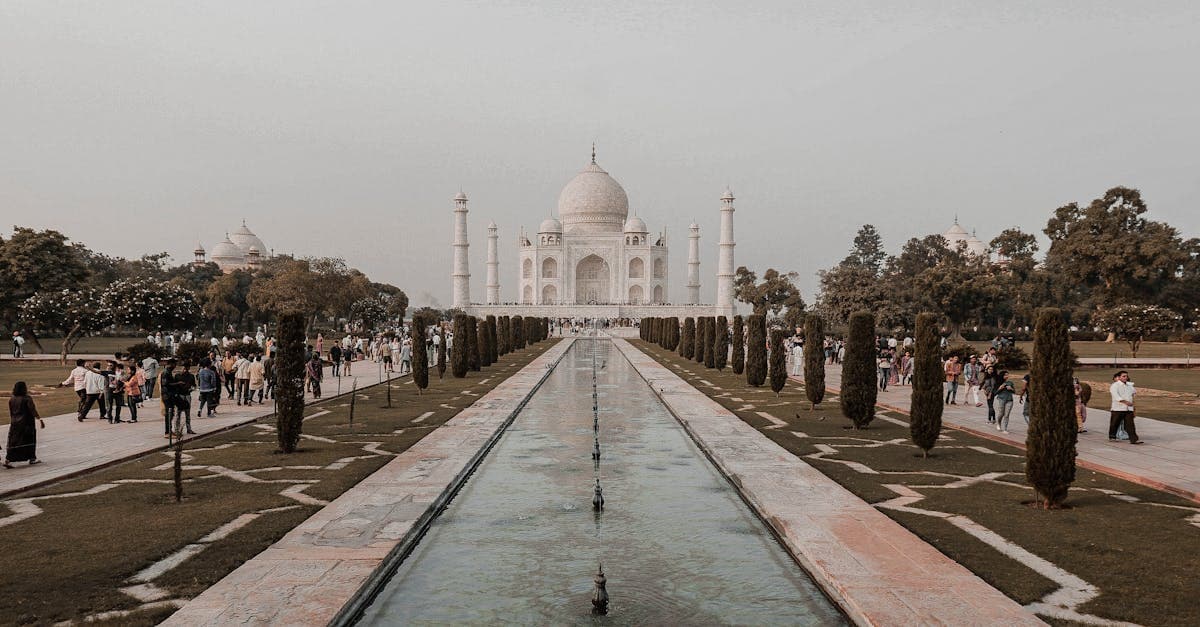
Nepal is the cheapest country to visit from India sotc.in. A complete 7-day solo trip comes in at the range covered earlier in this guide, with no visa required and Indian rupees accepted at border crossings. No other destination on this list matches that combination of low cost and zero administrative friction.
Second cheapest is Laos, at the range shown in the comparison table above. Cambodia and Sri Lanka follow close behind, both achievable for a solo traveler on a 7-day budget under Rs 50,000, with the final number depending on flight timing and how early you book accommodation.
Vietnam and Thailand offer something the three cheapest destinations don't: consistently high travel quality at low daily spend. Strong transport infrastructure, reliable connectivity, English widely spoken in tourist areas, and food that's genuinely excellent. You get more experiential value per rupee in Hanoi or Bangkok than almost anywhere else on this list.
For first-time international travelers from India, Nepal or Sri Lanka make the clearest case. Both have straightforward entry (no visa for Nepal, a quick eTA for Sri Lanka), short flight times from major Indian cities, and cultural reference points that won't feel completely foreign.
The full ranking from cheapest to most expensive for Indian passport holders: Nepal, Laos, Sri Lanka, Cambodia, Vietnam, Thailand, Malaysia, Bali, Maldives local islands, UAE and Singapore at the higher end.
The gap from one end of that ranking to the other is real, but every destination on the list is reachable on an Indian travel budget with the right planning.
Yes, and with room to spare on most of the destinations in this guide.
Nepal, Laos, Sri Lanka, Vietnam, and Cambodia all land well under Rs 50,000 for a solo 7-day trip when flights are secured in advance. The tightest total is Nepal, as covered above. The most versatile sub-50K pick for a first-time solo traveler is Vietnam.
Here's what a Rs 50,000 week in Vietnam actually looks like: Rs 13,000 return flight from Mumbai to Ho Chi Minh City, the e-visa fee noted earlier, Rs 25,000 covering 7 nights at guesthouses plus street food and meals, Rs 5,000 for local transport and entry fees, Rs 4,910 left for contingency and data connectivity. That's a real itinerary, not an optimistic one.
Couples traveling together get better unit economics. Nepal, Sri Lanka, or Vietnam are all realistic on a combined Rs 1,00,000 budget when guesthouse double rooms are booked directly rather than through booking platforms that add service fees on top.
Some moves consistently deliver savings. The monsoon shoulder window, June through July, drops accommodation and flight prices by 30 to 40 percent across Southeast Asia. Fares booked on Tuesday or Wednesday tend to come in lowest. Budget hostel dorm beds in Kathmandu or Hanoi start from Rs 500 per night and are often better maintained than private budget guesthouses at double the price.
The most expensive mistake is booking through a traditional Indian package tour operator. Markup on a comparable DIY itinerary typically runs 40 to 60 percent.
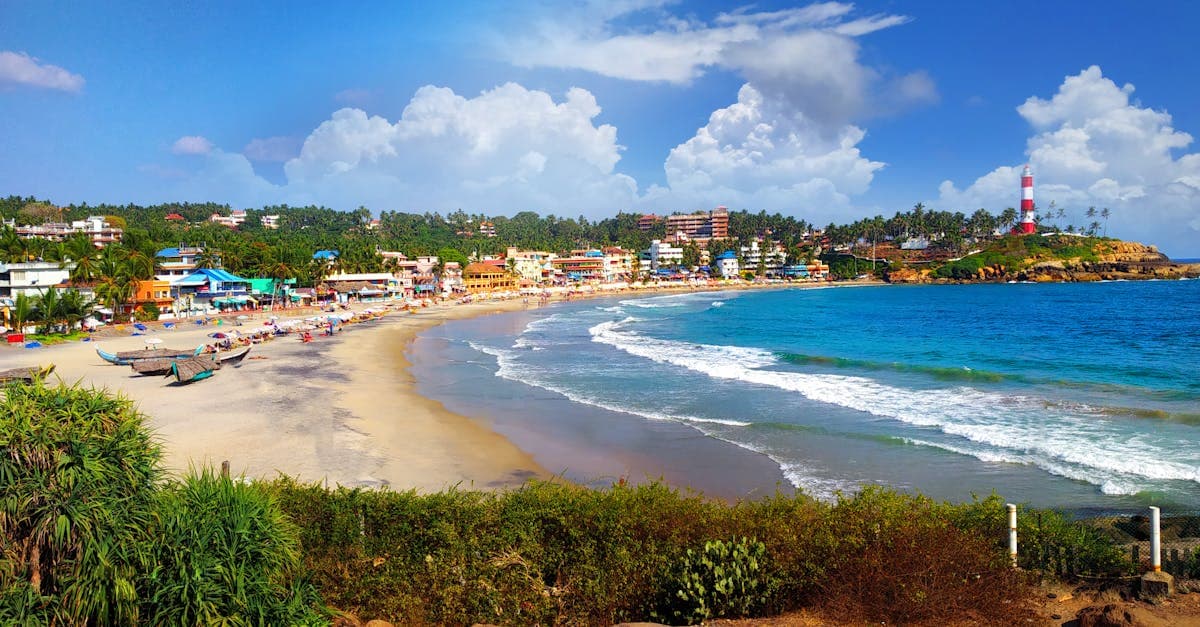
Rs 1,00,000 covers solo travel to eight of the 10 destinations in this guide, including Thailand, Bali, Malaysia, and Vietnam. At that budget, the choice shifts from which countries you can afford to which experiences you want within them.
Solo travelers have the most flexibility. Thailand opens up for 7 to 10 days, with room for island day trips beyond Bangkok. Bali at Rs 1 lakh means you stay in Ubud, do a sunrise Uluwatu visit, and eat well without tracking every rupee. Malaysia covers Kuala Lumpur plus Langkawi or Penang in one 7-day trip, comfortably.
Couples traveling together get the biggest advantage. Nepal becomes a 10-day trekking trip with a licensed guide covering the Annapurna foothills. Sri Lanka for two covers Colombo, Galle Fort, and a train ride through Ella. Vietnam for two can include an overnight cruise in Halong Bay, the kind of trip that stops feeling like budget travel.
The strongest solo option is a Thailand-plus-Malaysia combination, five nights each. A multi-country Hello Roam eSIM covers both on one data plan with no SIM swap needed.
Budget split that works across all these trips: roughly 40 percent on flights, 30 percent on accommodation, 15 percent on food and drink, 10 percent on activities and local transport, 5 percent on data and travel insurance. Data and travel insurance is what most travelers forget until they're at the airport.
Eight of the 10 destinations in this guide are reachable on Rs 1 lakh for a solo traveler. That's a genuine international travel budget, with room for upgrades if you want them.

Nepal is the cheapest country for Indians to visit, with a 7-day all-in trip costing Rs 15,000 to Rs 25,000. No visa is required, Indian rupees are partially accepted in border towns, and return flights from Delhi or Mumbai start at Rs 6,000 to Rs 12,000.
Several countries fit within a Rs 50,000 budget for a 7-night trip, including Nepal (Rs 15,000 to Rs 25,000), Laos (Rs 25,000 to Rs 40,000), Cambodia (Rs 30,000 to Rs 50,000), Sri Lanka (Rs 30,000 to Rs 45,000), and Vietnam (Rs 35,000 to Rs 55,000). Final cost depends on accommodation choices and travel timing.
The 10 cheapest countries to visit from India in 2026 are Nepal, Bhutan, Maldives, Sri Lanka, Thailand, Vietnam, Malaysia, Cambodia, Laos, and Bali. These destinations offer affordable accommodation and food, low visa costs, and favorable INR exchange rates for Indian passport holders.
With Rs 1,00,000, Indian travelers can comfortably visit Thailand, Malaysia, Vietnam, or Cambodia, or combine two Southeast Asian destinations on a single trip. Even Bali and Singapore are within reach at this budget with advance bookings and careful planning.
Yes, the Sustainable Development Fee of approximately USD 100 per day, which most foreign visitors pay, is fully waived for Indian passport holders. No visa is required either, making Bhutan the cheapest high-altitude international destination available to Indians.
No, Thailand offers permanent visa-free status for Indian citizens as of 2025, with stays of up to 60 days permitted. This applies to all major entry points including Bangkok's Suvarnabhumi Airport.
A 7-day all-in trip to Nepal covering return flights, accommodation, food, and local transport costs Rs 15,000 to Rs 25,000. Return flights from Delhi or Mumbai start at Rs 6,000 to Rs 12,000, and Indian rupees are partially accepted in Nepal's border towns.
The Maldives is affordable if you stay on local islands rather than resort islands. Guesthouses on atolls like Maafushi or Dhigurah cost Rs 3,000 to Rs 5,000 per night with beach access, compared to resort accommodation at Rs 30,000 or more. Indians receive visa-free entry on arrival.
A 7-night all-in trip to Vietnam costs Rs 35,000 to Rs 55,000. Guesthouses in Hanoi or Ho Chi Minh City start below Rs 700 per night, street food costs Rs 80 to Rs 150 per meal, and entry requires an e-visa of approximately USD 25.
Traveling in June or July drops Southeast Asia accommodation and flight prices by 30 to 40 percent. This timing also aligns with Indian school and college holiday schedules, making it practical for families and students.
A 7-night trip to Bali costs Rs 45,000 to Rs 70,000, with accommodation choices accounting for most of the variation. Visa on arrival costs approximately USD 35 (around Rs 2,920), and Bali charges a separate tourism fund levy of USD 10 per person on arrival.
Yes, Cambodia is one of the cheapest countries to visit from India, with a 7-night trip costing Rs 30,000 to Rs 50,000 and daily budgets of Rs 1,200 to Rs 2,000. Visa on arrival is available at major entry points for approximately USD 30. Major tourist sites like Angkor Wat are priced in USD, so carrying small dollar notes is advisable.
Yes, Malaysia extended visa-free access for Indian passport holders through the end of 2026. A 7-night trip costs Rs 40,000 to Rs 65,000 and allows combination travel across Kuala Lumpur, Penang, and Langkawi within a single itinerary.
Laos is the most affordable Southeast Asian destination on this list, with a 7-night trip costing Rs 25,000 to Rs 40,000. Guesthouses in Luang Prabang start under Rs 600 per night, and visa on arrival costs approximately USD 30. Coverage drops to 3G or weaker outside the main towns.
Indian carriers like Jio and Airtel charge Rs 699 to Rs 999 per day for international roaming, adding Rs 5,000 to Rs 7,000 to the cost of a 7-night trip. Travelers can avoid this by purchasing a local SIM on arrival or activating a travel eSIM before departure, with local SIMs in Nepal, Vietnam, and Cambodia costing Rs 250 to Rs 600.
Book 60 to 90 days in advance and compare IndiGo and AirAsia India for short-haul Southeast Asia routes. Google Flights price-tracking alerts flag fare drops automatically, and groups of four or more can ask IndiGo or Vistara about group fares that run 10 to 15 percent below standard prices on certain routes.
Three costs consistently catch travelers off guard: Bali's tourism fund levy of USD 10 per person billed separately from the visa, Cambodia's major tourist sites priced in USD including Angkor Wat, and airport departure taxes that are sometimes added at checkout rather than included in the advertised fare. Airport currency exchange counters also charge 3 to 5 percent more than city-centre forex bureaus.
Vietnam requires an e-visa at approximately USD 25, Sri Lanka requires an electronic travel authorisation at approximately USD 20, Cambodia and Laos offer visa on arrival at approximately USD 30, and Bali (Indonesia) has visa on arrival at approximately USD 35. Nepal, Bhutan, Maldives, Thailand, Malaysia, and Singapore are visa-free for Indians.
HelloRoam: your trusted travel eSIM that keeps you online across borders.
Explore Plans