What to Eat in Spain: the Complete Food Guide for Irish Travellers

Written by: David Chen


15 min read
HelloRoam is a global eSIM provider offering instant mobile data in 170+ countries. Buy prepaid travel eSIM plans with no extra fees, no contracts, and instant activation on any eSIM-compatible device.
15 min read
Spain's food rewards curiosity. The fundamentals: jamón Ibérico, tortilla española, proper paella from Valencia, coastal seafood, and the tapas ritual that structures every evening.
Most Irish visitors already know the broad strokes. Spain accounts for roughly 20 percent of all Irish trips abroad, so few people arrive entirely cold. The surprise is how much regional variety sits beneath the surface: the Basque Country is a culinary world of its own, and Galician food bears no resemblance to anything you'd find on a plate in Seville.
Most Irish mobile plans cover Spain under EU roaming at no extra cost. If your data allowance is tight, Hello Roam offers eSIM plans for Spain. Knowing what an eSIM is before you fly avoids confusion at the airport. Non-touristy restaurants rarely carry English menus, and a translation app earns its keep quickly.
According to solaga.co.uk, Spain is internationally known for olive oil, jamón Ibérico, paella, tapas, gazpacho, and churros, each rooted in a distinct regional tradition rather than a single national cuisine. The olive oil alone tells you something. Forty to forty-five percent of the world's supply comes from Spain, almost all of it pressed in Andalusia, and it arrives on the table not as a finishing drizzle but as cooking base, dipping bowl, and condiment all at once. This is a cuisine built on fat, acid, and patience.
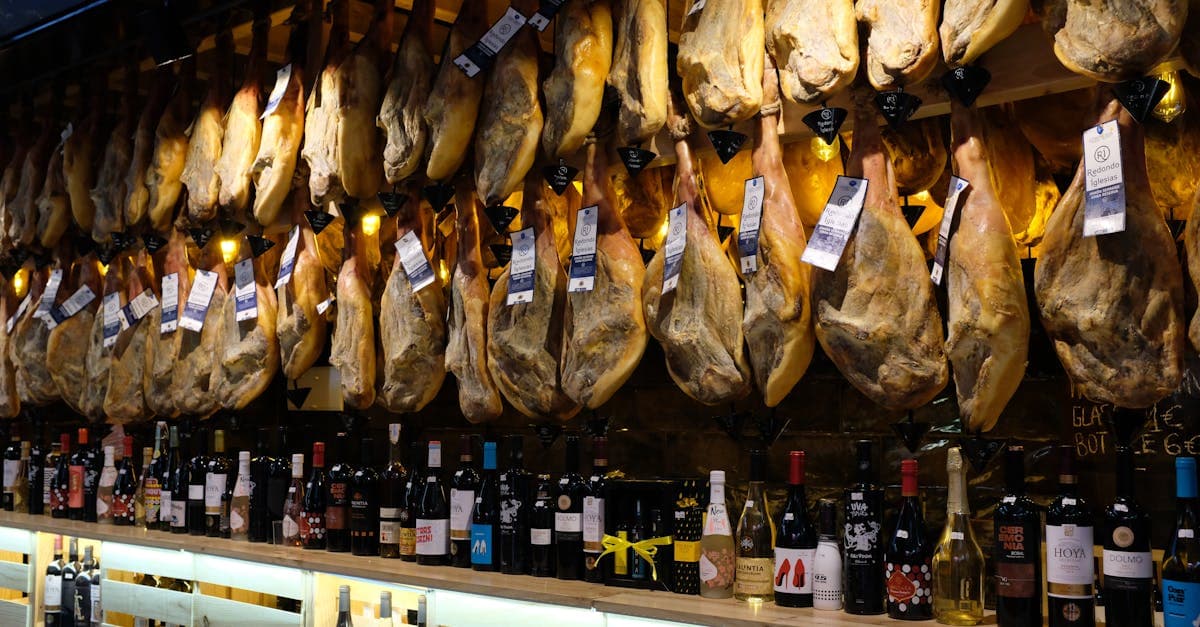
Jamón Ibérico is the other national obsession. Spain has more pigs than people: roughly 50 to 55 million pigs for a population of around 47 million humans. The apex of the cured meat world is jamón Ibérico de Bellota, from black-footed Ibérico pigs grazed on acorns in the dehesa woodlands of Extremadura and Huelva. A leg runs from €150 to well over €1,500. Expensive is one way of putting it.
Spain is Ireland's most popular overseas holiday destination by some margin, so most readers have either been before or have a trip booked. The familiar names are paella, tapas, gazpacho, and churros, all genuine dishes and all worth eating properly. The trouble is that none of them, taken from the wrong restaurant at the wrong time, tells you much about what Spain actually eats.
San Sebastian makes the point sharply. A Basque city of 186,000 people, it holds around 16 to 20 Michelin-starred restaurants, more per capita than almost anywhere on earth. Add what is happening in Galicia's fish markets, Valencia's rice fields, and Seville's tapas bars, and the picture starts to fill in. Spanish food is not a single cuisine: it is a collection of distinct regional kitchens, and the most interesting plates rarely appear on menus written in English.
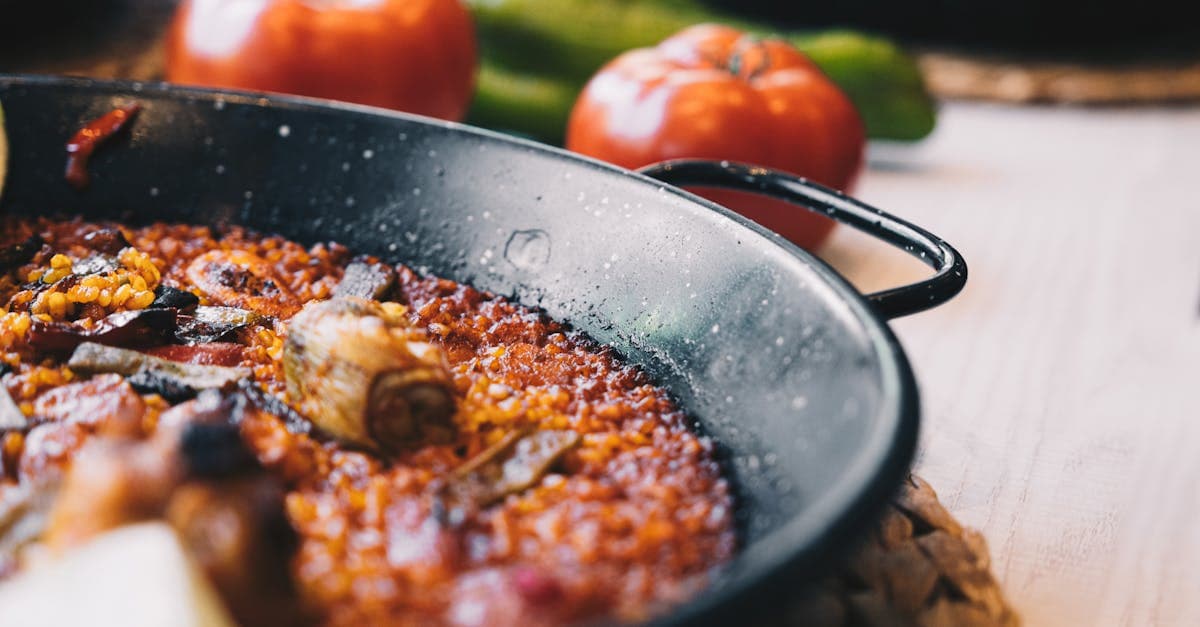
As postcardsfromtheworld.com documents, Spain's essential dishes include paella, jamón Ibérico, tortilla española, gazpacho, croquetas, and pulpo a la gallega, spanning the rice fields of Valencia, the cured meat traditions of Extremadura, and the fish markets of Galicia. Most visitors arrive with the same shortlist: paella and sangria. Paella is at least a real dish. Sangria, ordered from a tourist menu, is usually a jug of warm red wine with a few ice cubes and a slice of orange that has seen better days.
This is a country that has been eating seriously for a very long time, and the real depth of that eating is stubbornly local. The dishes that define daily life in Bilbao, Valencia, or Córdoba don't travel well to tourist strips, and they rarely come with English translations. Some of what follows will be familiar from Spanish restaurants at home. Some of it you'll only find by walking into the right bar in the right neighbourhood.
Two threads run through Spanish bar culture. The first covers the cold, bright food of the south and coasts: dishes built around tomatoes, peppers, olive oil, and very little cooking time. The second is the world of cured meats, fried small plates, and bar snacks that defines daily eating and drinking from Madrid to Bilbao. Both are worth understanding before you order.
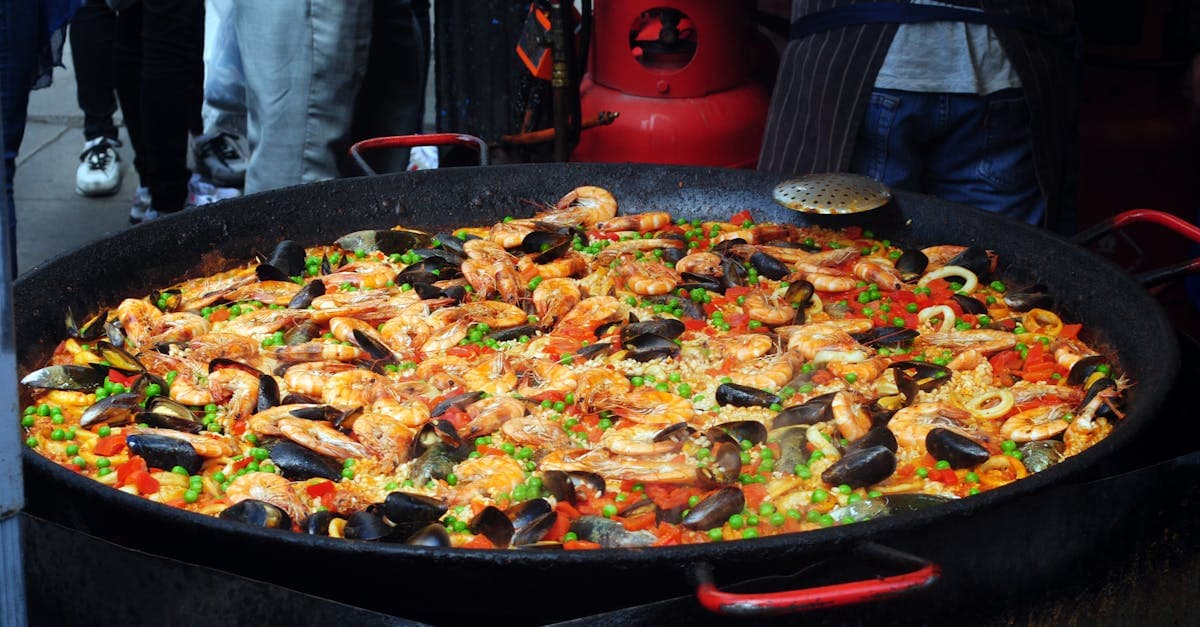
According to letygoeson.it, proper Valencian paella contains rabbit and chicken. Not seafood. The coastal seafood version is a later adaptation, popular along the Mediterranean but not what Valencians are defending at Sunday lunch. What they care about is the socarrat: the caramelised, slightly crispy rice that forms at the bottom of a correctly made pan. A good socarrat signals a cook who understood what they were doing. A burnt one means they left at the wrong moment.
Arroz negro, rice cooked in squid ink, runs from Valencia north to Barcelona along the coast: darker, brinier, and considerably harder to photograph.
Gazpacho is cold blended tomato and vegetable soup from Andalusia, served year-round and particularly welcome in July. Salmorejo from Córdoba is its thicker and richer relation: blended with bread, finished with chopped egg and a scatter of jamón. Salmorejo is what gazpacho becomes with more time and confidence.
Pulpo a la gallega, Galician octopus, arrives on a wooden board with smoked paprika, olive oil, and coarse salt, as intrepidtravel.com describes. A genuine revelation for most first-timers, tender and smoky in a way that has nothing in common with the rubbery version served at tourist grills.
As intrepidtravel.com notes, churros are not a daily breakfast. They're a weekend and late-night ritual: long fried dough sticks eaten with thick hot chocolate (chocolate con churros), consumed after midnight or at the tail end of a Sunday market.
The four grades of jamón Ibérico are not a marketing exercise. They reflect genuine differences in breed purity and diet, from entry-level Ibérico up through Cebo de Campo and Bellota varieties to Ibérico de Bellota 100%: free-range black-footed pigs that spend their final months eating acorns in the dehesa woodlands of Extremadura and Andalusia. A single leg commands the price range noted earlier in this article, and the butchers who slice it by hand treat the process as a craft in its own right.
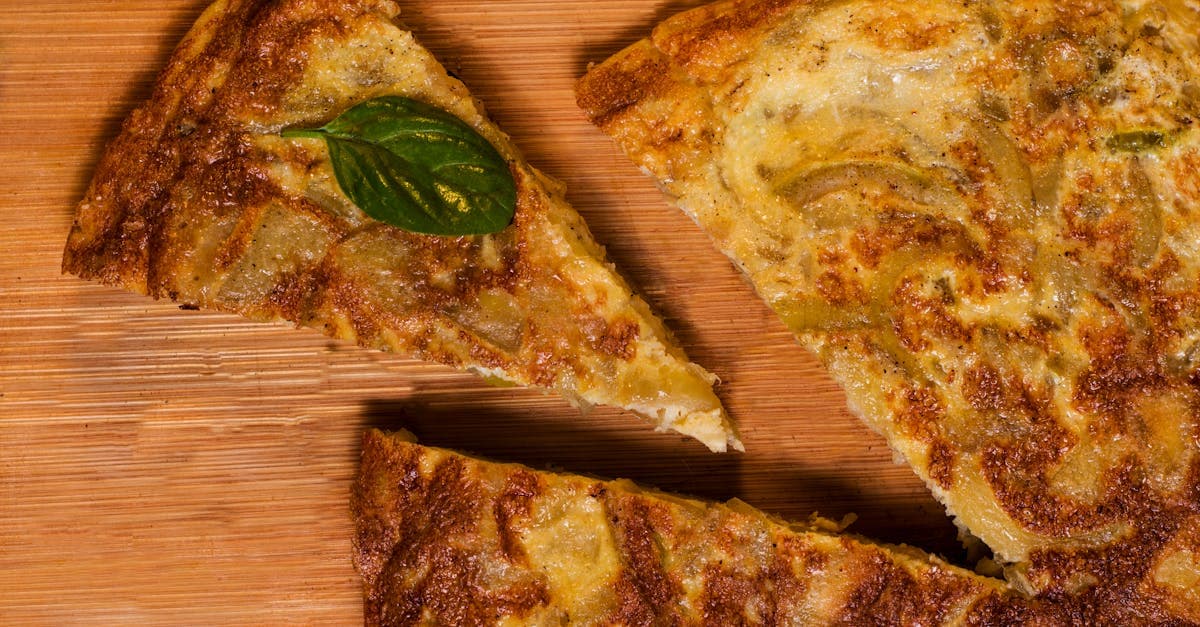
Tortilla española is a different proposition. Thick egg-and-potato omelette, served warm or cold, found on every bar counter in Spain, as intrepidtravel.com confirms. Bar Nestor in San Sebastián makes exactly two per day; they're gone before noon, and the queue forms before the kitchen properly opens.
Croquetas are a reliable kitchen indicator. Made with a béchamel base and filled with jamón, bacalao (salt cod), or spinach and cheese, a good croqueta should be crisp outside and barely set within, as intrepidtravel.com notes. A greasy, mealy version tells you something useful about everything else on the menu.
Patatas bravas are Spain's version of chips: fried potatoes with spicy tomato sauce and aioli, done well almost everywhere, as solaga.co.uk notes.
Bacalao al pil-pil is a Basque speciality that requires patience. Salt cod slowly coaxed in olive oil until the fish's own gelatin forms a thick, trembling emulsion. The technique demands a repetitive wrist motion at the stove and considerable time. The result repays both.
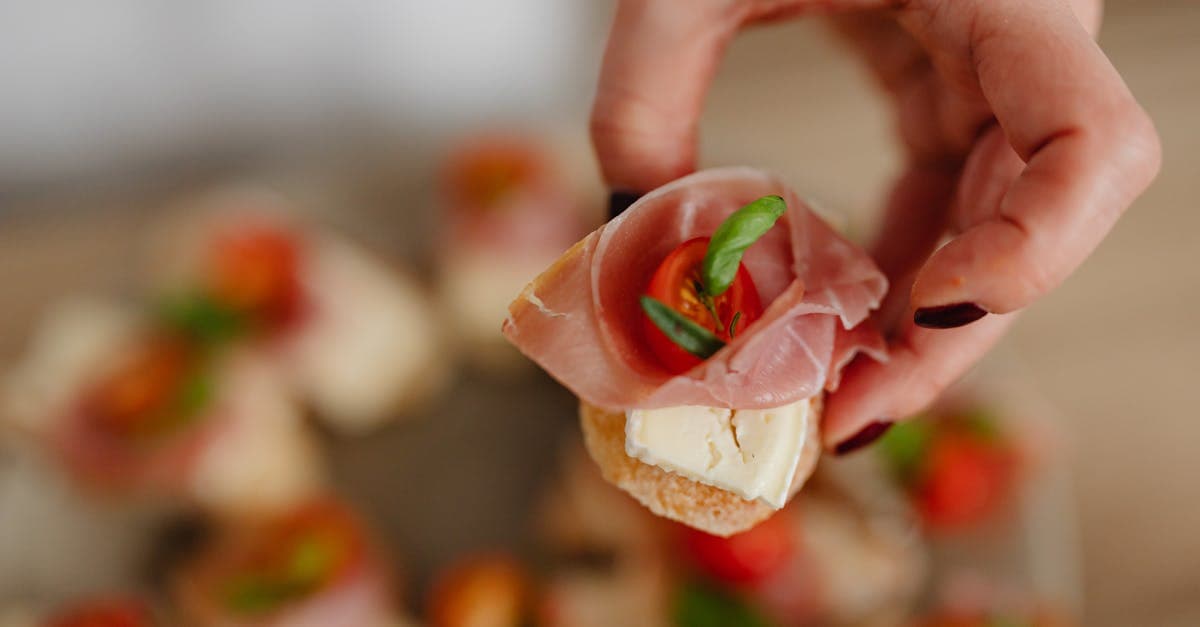
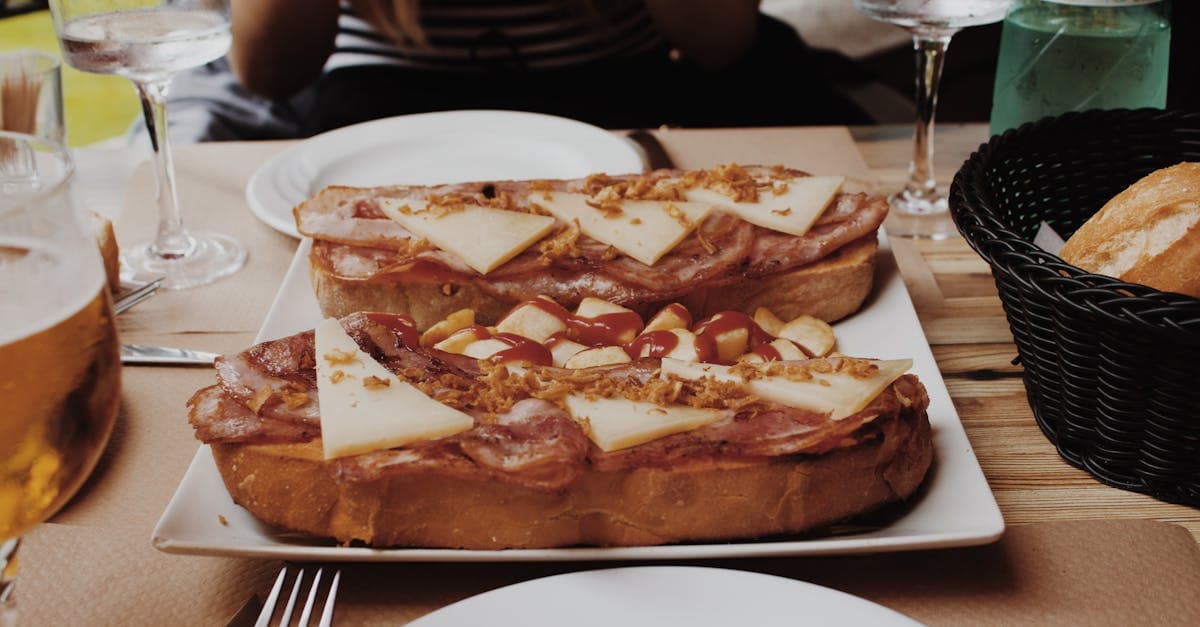
Tapas are small plates served throughout Spain; pintxos are the Basque equivalent, assembled on bread and held in place with a toothpick. The pronunciation catches most people first. Pintxos is 'peen-chos', from the Basque word for spike or skewer. Getting it right won't transform the experience, but getting it wrong is a reliable marker of someone who landed this morning.
As intrepidtravel.com explains, tapas is the broader Spanish tradition: small plates ordered throughout the day, available in every region, the word coming from 'tapa' (cover or lid), a reference to the old practice of placing a small bite on top of a drink to keep flies off. The modern version is considerably more elaborate and considerably better.
Pintxos are the Basque interpretation. Typically assembled on bread and skewered with a toothpick, they sit on the bar counter and you take what you want. At the end, the barman counts your toothpicks and calculates the bill. Refreshingly straightforward.
The pintxos crawl in San Sebastián has its own name: txikiteo (roughly 'chick-ih-tay-oh'). Move bar to bar through the Parte Vieja, the old town, two or three pintxos per stop with a glass of txakoli, the local young white wine. Stand at the counter. Sitting down and waiting for table service misses the point, and costs more.
One practical note on pricing: plates ordered while standing at the bar are consistently cheaper than the same plates ordered at a table. This holds across Spain, not only in Basque bars.
Granada operates on an entirely different system. Order any drink and a free tapa arrives with it, often a substantial plate of meat or bread. The tradition continues across Granada, Almería and parts of Castile. Most Irish visitors who fly directly to Málaga or the Canary Islands never discover it, which is a genuine shame.

According to intrepidtravel.com, Spanish breakfast does not linger. A café con leche and a slice of pan tostado consumed standing at a bar counter in ten minutes is the national morning ritual. Pan tostado is bread rubbed with fresh tomato and drizzled with olive oil; in Mallorca, it might arrive with a smear of sobrasada, a spreadable cured sausage. There is no cooked breakfast tradition and no cultural obligation to sit down.
Coffee orders follow a clear logic. Café con leche is espresso with hot milk, the standard morning choice. A cortado, espresso with just a splash of milk, tends to appear mid-morning. Café solo is straight espresso for the committed. Ordering a flat white will draw a polite blank outside tourist-facing cafés in central Madrid or Barcelona.
Churros con chocolate deserve a correction. They are a weekend treat or very late-night recovery food after a long evening out, not a daily breakfast. The version appearing at resort hotel buffets every morning is a commercial adaptation aimed specifically at British and Irish package tourists, which is one way of putting it.
Breakfast timing runs from about 7am on weekdays, later at weekends. Many workers stop mid-morning for a second coffee and something small. There is no brunch culture in Spain in the Irish sense: no bottomless drinks service, no eggs Benedict, no table booked the previous fortnight.
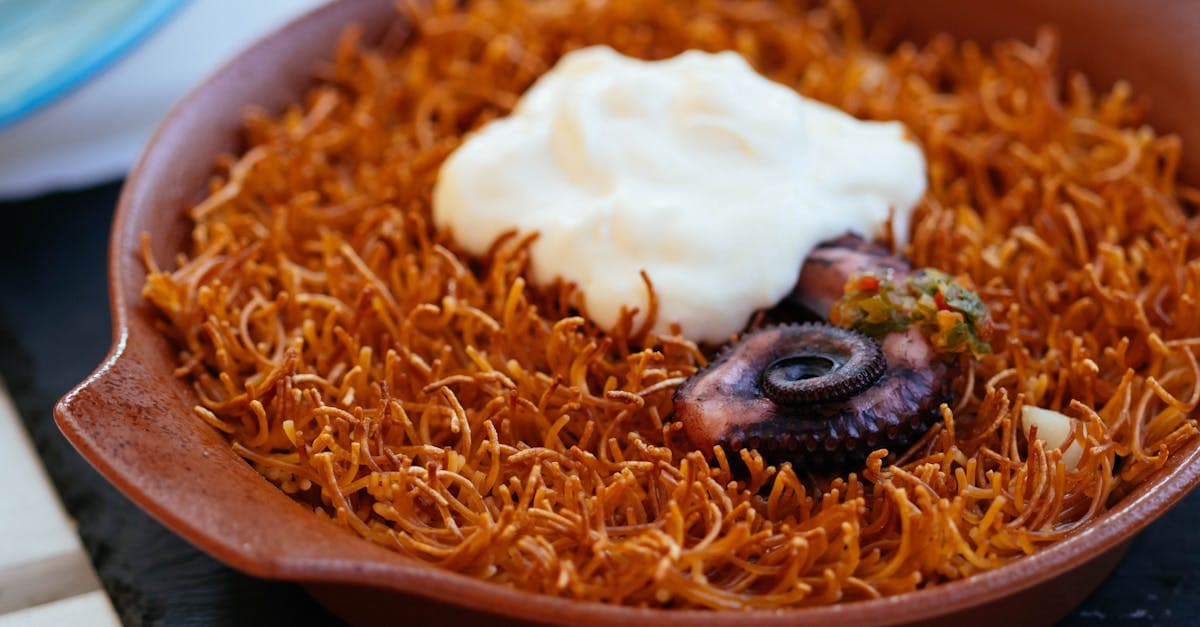
Arrive expecting Irish meal times and you will spend significant portions of the trip confused. La comida, lunch, is the main meal of the day: three courses, bread included, wine or water on the table, eaten between 2pm and 4pm without rushing. The menú del día packages this as a fixed-price offer available in nearly every restaurant from Monday to Friday, covering starter, main course and dessert for €10 to €18. Nothing comparable exists in Irish restaurant culture at that price point.
Dinner is lighter and later than most visitors anticipate. Restaurants open for evening service from around 9pm, sometimes 8:30pm in tourist areas. Arriving at 7pm is the fastest route to a near-empty room, a mildly puzzled welcome, and a kitchen that has not properly wound up yet.
The gap between roughly 4pm and 9pm catches people every year. Most restaurants close after lunch service and do not reopen until evening. A traveller who is hungry at 6pm has limited options: a bar serving tapas, a tourist-facing establishment that never closes, or a supermarket.
Typical dinner is lighter than lunch: croquetas, some jamón, a shared tortilla, bread, a glass of wine. The evening meal is sociable first and substantial second. The structure assumes a proper midday meal was eaten.
The single most useful adjustment for an Irish visitor is to shift the main meal to lunchtime. Eat the menú del día at 2pm, spend the afternoon doing what you came to Spain to do, and approach dinner without the expectation of a full sitting. The country's food rhythm makes complete sense almost immediately after that.
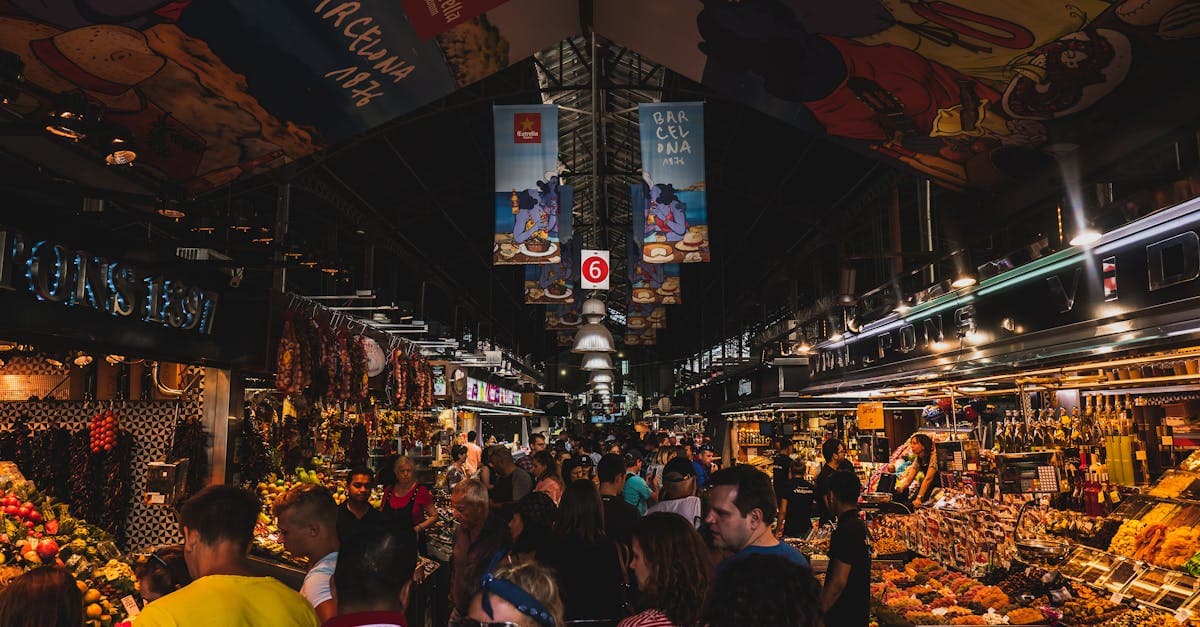
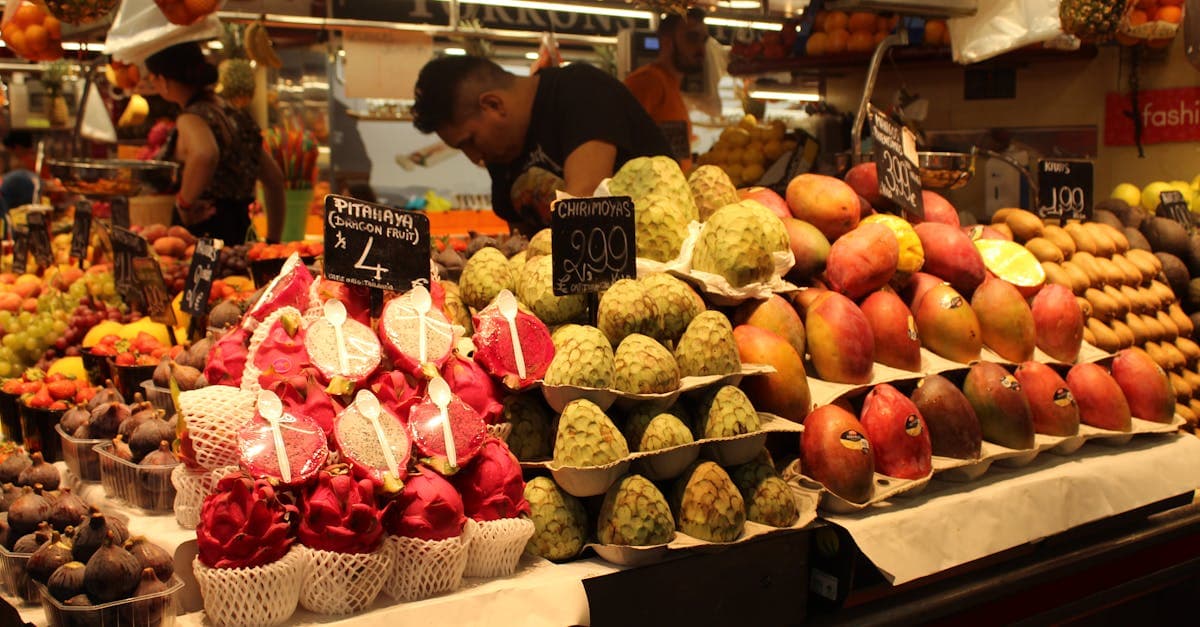
Eating like a local in Spain means choosing neighbourhood bars over tourist-facing restaurants, ordering the menú del día at lunch, and going to the market the residents actually use rather than the one in the guidebook. La Boqueria draws somewhere between 45,000 and 50,000 visitors a day. That figure is not a compliment. The stalls have priced accordingly, and anyone who actually lives in Barcelona moved to a different market years ago.
Mercado de Santa Caterina, about a kilometre east in the same city, is the alternative that rarely makes the guidebooks. It serves the neighbourhood rather than the tourist stream, the prices reflect the difference, and a small café counter inside does a reasonable lunch for people who actually work nearby.
The other reliable misstep: any restaurant displaying photographs of the dishes outside. No local chooses a restaurant that way. If the menu runs to four languages and paella leads every section, keep walking.
One practical caution for those avoiding meat. Jamón appears in stocks, soups and stews without making it onto the English-language menu translation; lard turns up in some traditional pastry doughs, particularly across Andalusia. Neither is typically flagged unless you ask.
'Sin carne' means without meat but does not automatically cover fish or animal fats. Look for 'apto para veganos' on the menu itself. Barcelona and Madrid have proper plant-based scenes; smaller towns in Andalusia are harder work.
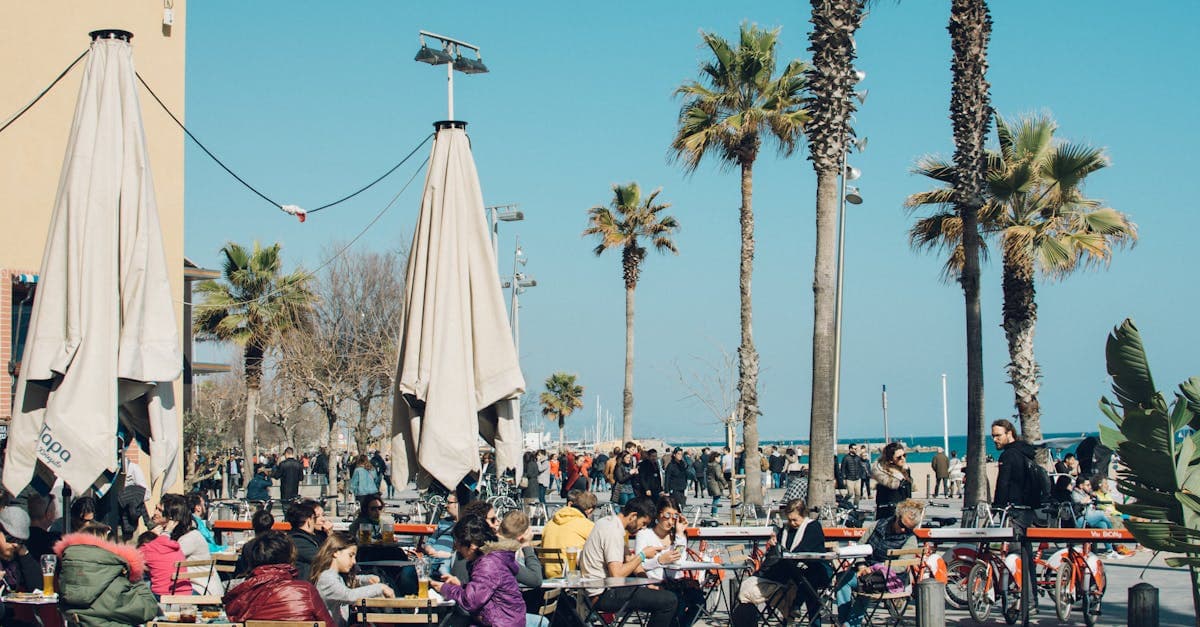
The menú del día is a fixed-price weekday lunch deal available at most Spanish restaurants, covering a starter, main course, dessert, bread, and a drink for a single set price. Order at the chalkboard by the door, not the laminated card inside. The menú del día rarely appears on the printed menu; it is handwritten on a board outside, changes daily, and disappears the moment lunch service ends.
The deal covers a starter, main course, dessert, bread and a drink, typically wine or water, for a single fixed price. No side orders calculated separately, no surprises on the bill. Service runs from roughly 1pm to 3:30pm, sometimes 4pm in a family-run place, and not a minute later.
Pricing depends on city and neighbourhood. Madrid and Barcelona sit higher; in Seville and Granada it frequently comes in around €12, sometimes less. To put that in context: a similar spread in an Irish restaurant costs considerably more at dinner, and does not include wine.
Finding one is simple once you know what to look for. 'Menú del Día' or 'Menú de la Semana' written by hand on a board outside the door is the signal. If it only appears in English inside, the kitchen has already made a calculation about who it is trying to feed. Ask 'tienen menú del día?' anywhere you cannot see it from the street.
Spanish tap water is safe to drink in all major cities and tourist areas. Ask for 'agua del grifo' and it arrives at no charge. A bottle of still water placed on the table before you have said a word will appear on the bill; asking for tap water specifically is the simplest saving you will make.
Bread works on a similar logic. A small basket arrives without being ordered, costs between €0.50 and €1.50 per person, and is charged whether it is eaten or not. You can decline it on arrival; removing it mid-meal is more awkward. Better to know it is coming.
Tipping follows different rules here. Nobody expects a percentage. Rounding up to the nearest euro is standard; a small collection of coins is equally normal; 10 percent is considered generous. At a tapas bar where you order at the counter, there is no expectation at all.
Getting the bill requires a specific request. 'La cuenta, por favor' is the phrase. A card reader will not appear unbidden, which surprises Irish visitors used to being efficiently moved along. Some tourist-facing restaurants in Barcelona and Madrid now add a service charge to the bill; check before leaving anything extra.
Most Irish travellers are already covered. Three, Vodafone, Eir, 48 and Tesco Mobile all include EU Roam Like at Home, meaning your existing data allowance works in Spain at no extra cost. The regulation runs to 2032. Check your monthly data cap before flying; anything under 10GB is worth topping up before departure.
Mobile data has a specific value for food travel. Google Translate's camera function reads Spanish menus in real time, useful the moment you are past the tourist zone and into somewhere that only operates in Spanish. Finding a genuinely local restaurant rather than the nearest TripAdvisor result requires a stable connection. Booking a specific spot, such as Bar Nestor in San Sebastián, whose two daily tortillas sell out well before noon, can only be done online.
Spain's network holds up well. 4G covers more than 99 percent of the population, 5G is live in all major cities, and the Madrid Metro has free WiFi at all 302 stations. Hotel WiFi tends to be fast, which reflects Spain's position as the EU's most fibred country at around 95 percent FTTH household coverage.
A travel eSIM makes most sense for heavy data users, those on plans with low fair-use caps, or anyone combining Spain with Morocco or the UK on the same trip, where EU roaming does not apply. Hello Roam's data plans cover Spain and are worth considering for Irish travellers who need more than their home plan's roaming allowance provides. Airalo offers 20GB for around $19 to $25; Holafly's unlimited 30-day Spain plan runs around €49.

Spain is internationally known for olive oil, jamón Ibérico, paella, tapas, gazpacho, and churros, each rooted in a distinct regional tradition rather than a single national cuisine. Spain produces 40 to 45 percent of the world's olive oil supply, almost all of it pressed in Andalusia. The country is also home to more pigs than people, with roughly 50 to 55 million pigs, making cured meats a defining part of Spanish food culture.
A typical Spanish breakfast is quick and simple: a café con leche and a slice of pan tostado eaten standing at a bar counter in about ten minutes. Pan tostado is bread rubbed with fresh tomato and drizzled with olive oil. There is no cooked breakfast tradition in Spain, and churros with chocolate are a weekend treat or late-night food, not a daily morning meal.
Dinner in Spain is lighter than lunch and eaten much later than in most other countries, with restaurants opening for evening service from around 9pm. A typical dinner might include croquetas, jamón, a shared tortilla española, bread, and a glass of wine. The evening meal is sociable first and substantial second, as the structure assumes a proper midday meal was already eaten.
Lunch, called la comida, is the main meal of the day in Spain, consisting of three courses with bread, wine or water, eaten between 2pm and 4pm without rushing. Most restaurants offer a menú del día from Monday to Friday, which packages a starter, main course, and dessert for around €10 to €18. Restaurants close after lunch service and generally do not reopen until the evening.
Tapas are small plates served throughout Spain, while pintxos are the Basque equivalent, assembled on bread and held in place with a toothpick. The word tapas comes from the old practice of placing a small bite on top of a drink to keep flies off. Pintxos are pronounced 'peen-chos' and are typically taken from the bar counter; at the end, the barman counts your toothpicks to calculate the bill.
Paella is a rice dish originating from Valencia, where the traditional version contains rabbit and chicken, not seafood. The coastal seafood version is a later adaptation popular along the Mediterranean. A key indicator of a well-made paella is the socarrat, the caramelised, slightly crispy rice that forms at the bottom of a correctly made pan.
Jamón Ibérico is Spain's prized cured ham, made from Ibérico pigs and sold in four grades that reflect breed purity and diet. The highest grade, jamón Ibérico de Bellota 100%, comes from free-range black-footed pigs that spend their final months eating acorns in the dehesa woodlands of Extremadura and Andalusia. A single leg can cost from €150 to well over €1,500.
Tortilla española is a thick egg-and-potato omelette served warm or cold, found on bar counters throughout Spain. It is one of the most widely eaten dishes in the country, available at almost any hour. Bar Nestor in San Sebastián makes exactly two per day and they sell out before noon, with queues forming before the kitchen properly opens.
Gazpacho is a cold blended tomato and vegetable soup from Andalusia, served year-round and particularly welcome in summer. A thicker and richer relation from Córdoba, called salmorejo, is blended with bread and finished with chopped egg and jamón. Salmorejo is broadly what gazpacho becomes with more bread and longer preparation.
Croquetas are fried snacks made with a béchamel base and filled with jamón, bacalao (salt cod), or spinach and cheese. A good croqueta should be crisp on the outside and barely set within. The quality of a restaurant's croquetas is widely considered a reliable indicator of the kitchen's overall standards.
Pulpo a la gallega is Galician octopus, served on a wooden board with smoked paprika, olive oil, and coarse salt. It is a speciality of Galicia in northwest Spain, known for its fish markets and seafood traditions. First-timers often find it tender and smoky in a way that bears no resemblance to the rubbery versions found at tourist grills.
A txikiteo is the pintxos bar crawl in San Sebastián, moving from bar to bar through the Parte Vieja (old town), with two or three pintxos per stop and a glass of txakoli, the local young white wine. The custom is to stand at the counter rather than sit at a table, which is both the correct social approach and the cheaper one. Sitting down and waiting for table service both misses the point and costs more.
The menú del día is a fixed-price lunch menu available in nearly every Spanish restaurant from Monday to Friday, covering a starter, main course, and dessert for €10 to €18. It represents the best-value way to eat a full Spanish lunch and is used by locals as much as visitors. Bread and a drink are typically included.
Churros are long fried dough sticks eaten with thick hot chocolate, known as chocolate con churros, and consumed as a weekend treat or late-night ritual rather than a daily breakfast. The version served at resort hotel buffets every morning is a commercial adaptation aimed at package tourists. Churros are a genuine Spanish tradition, but their context and timing differ from how they are typically presented to visitors.
Bacalao al pil-pil is a Basque speciality made from salt cod slowly cooked in olive oil until the fish's own gelatin forms a thick emulsion. The technique requires a repetitive wrist motion at the stove and considerable time. It is one of the defining dishes of Basque cuisine and distinct from anything found elsewhere in Spain.
Most restaurants in Spain close after lunch service and do not reopen for dinner until around 9pm, sometimes 8:30pm in tourist areas. Arriving at 7pm typically means a near-empty room and a kitchen that has not properly started yet. Travellers who are hungry between roughly 4pm and 9pm are best served by bars offering tapas or a supermarket.
In Granada, ordering any drink at a bar results in a free tapa arriving with it, often a substantial plate of meat or bread. This tradition continues across Granada, Almería, and parts of Castile. Many visitors who fly to Málaga or the Canary Islands never discover it because it does not extend to the main resort regions.
Spanish food is not a single cuisine but a collection of distinct regional kitchens. Galician food, centred on seafood and fish markets, bears no resemblance to the tapas culture of Seville, and the Basque Country has a culinary tradition largely its own. San Sebastián alone, a city of 186,000 people, holds around 16 to 20 Michelin-starred restaurants, more per capita than almost anywhere else on earth.

Cheapest Holiday Destinations From Ireland in 2026: Sun Breaks, City Trips and Real Prices
Best Countries for Digital Nomads in 2026: is Ireland Worth the Premium?
eSIM Spain: the Complete Guide for Irish Travellers in 2026
Best Time to Visit Tenerife: an Irish Traveller's Complete 2026 Guide
HelloRoam: your trusted travel eSIM that keeps you online across borders.
Explore Plans