Things to Do in Lanzarote: the Complete 2026 Guide for Irish Visitors

Written by: David Chen


16 min read

HelloRoam is a global eSIM provider offering instant mobile data in 170+ countries. Buy prepaid travel eSIM plans with no extra fees, no contracts, and instant activation on any eSIM-compatible device.
16 min read

Lanzarote is best known for its volcanic landscapes, the public artworks of César Manrique, and its UNESCO Biosphere Reserve status, held since 1993. The island is part of Spain, sitting in the Atlantic off the west coast of Africa as the westernmost of the Canary Islands, which means EU membership rules, the euro, and no visa requirement for Irish passport holders all apply.
That designation shaped how the island developed. No high-rise hotel towers line the coastline. The influence of César Manrique, the Lanzaroteño artist who spent decades shaping the island's built environment before his death in 1992, is still visible everywhere: cave concert halls, volcanic-bubble homes converted into museums, a restaurant inside a national park that cooks using geothermal heat.
According to snaphappytravel.com, around 3 million tourists visit annually, with Irish visitors making up a notably high proportion. Flights from Dublin run roughly 3 hours 15 minutes direct on Ryanair or Aer Lingus year-round, with Cork adding around 15 minutes. For a country that averages approximately 150 sunny days a year, Lanzarote's 300 is rather more than a selling point.
The capital is Arrecife. The main resort areas are Puerto del Carmen on the east coast, Playa Blanca in the south, and Costa Teguise to the north. The Irish Department of Foreign Affairs lists no travel restrictions as of March 2026. Normal precautions apply.
The must-see sites in Lanzarote, according to rachelirl.com and getyourguide.com, are the Jameos del Agua cave system, Timanfaya National Park, Cueva de los Verdes, Jardín de Cactus, and the César Manrique Foundation, with El Golfo and La Geria offering equally memorable experiences at no cost. Most Irish visitors book all-inclusive packages, but every major attraction is within easy day-trip range, and hiring a car for a couple of days covers all of them.
César Manrique is the name to know. The Lanzaroteño artist left a portfolio of public works that makes this island unlike anywhere else in Spain. Jameos del Agua is the standout, according to getyourguide.com: a coastal cave system with an underground lagoon housing a species of albino blind crab found nowhere else on earth, plus a concert hall carved into the rock above it.
Adults pay ~€12 for Jameos del Agua. Cueva de los Verdes, a 2km guided walk through a volcanic lava tube listed among the top attractions on tripadvisor.ie, costs ~€10. Jardín de Cactus, a former quarry converted into a garden of 1,500 cactus species, is ~€7. The César Manrique Foundation at Taro de Tahíche, the artist's home built inside volcanic bubbles, is ~€13. Mirador del Río, the clifftop lookout over La Graciosa island, is ~€5; a combined three-site pass is available at lanzaroteparks.es.
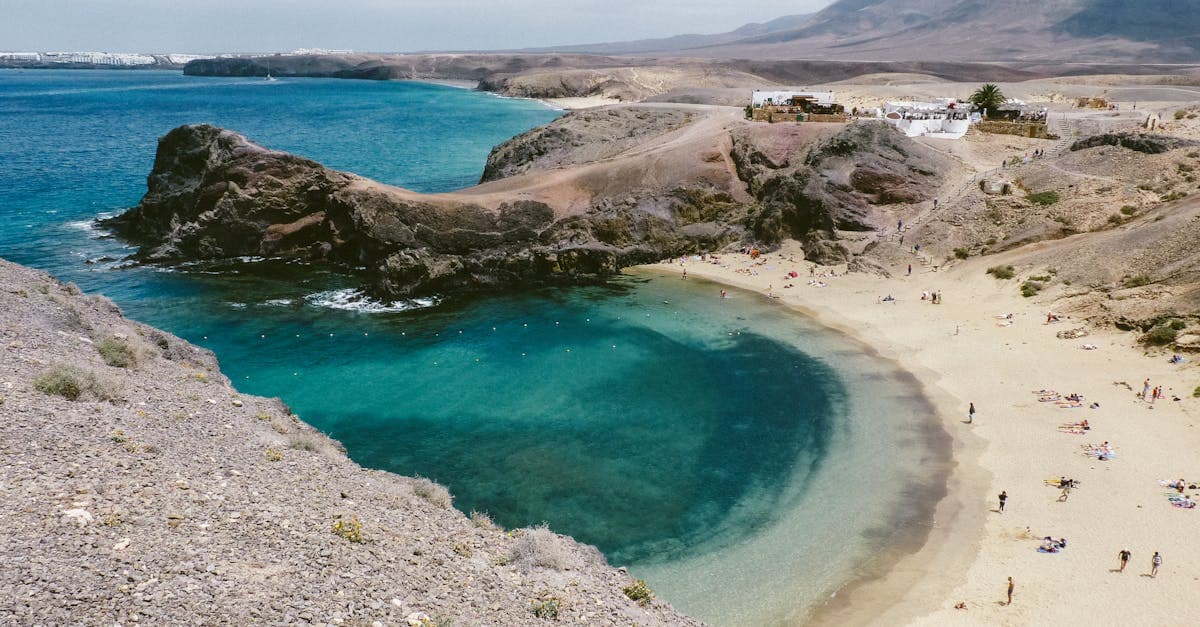
El Golfo, a volcanic green lagoon on the west coast, is free. La Geria, the wine region where vines grow in lava-ash depressions called zocos, is free to drive or cycle through. The Papagayo coves at the southern tip are among the finest beaches on the island, according to rachelirl.com, with vehicle access at around ~€3.
Set aside a separate day for Timanfaya National Park, covered below. Folding it into a Manrique circuit leaves insufficient time for either.
Timanfaya National Park is a 50 km² protected volcanic landscape in western Lanzarote, created by eruptions that began in 1730 and continued for six years. The solidified lava fields and cinder cones remain largely unchanged, making it one of the most striking geological sites on the island. Very little grows there, and arriving for the first time tends to stop people mid-sentence.
The park is open daily from 9:00am to 5:45pm, with last entry at 5:00pm. It can close at short notice if wind conditions are hazardous. Admission is ~€12.50 for adults and ~€6.25 for children; book in advance at reservasparquesnacionales.es. During Easter week and throughout July and August, the park sells out days ahead.
The only access to the interior is the official bus tour, which runs for around 40 minutes through the cinder cones. Independent hiking inside the park boundaries is not permitted. At Las Montañas del Fuego, rangers demonstrate the geothermal conditions by pouring water into a bore hole, which erupts immediately as steam. Ground temperature at 10cm depth is 600°C.
El Diablo restaurant inside the park, designed by Manrique, uses geothermal heat to cook. It needs a separate booking. The food is secondary to the novelty, but the novelty is sufficient.
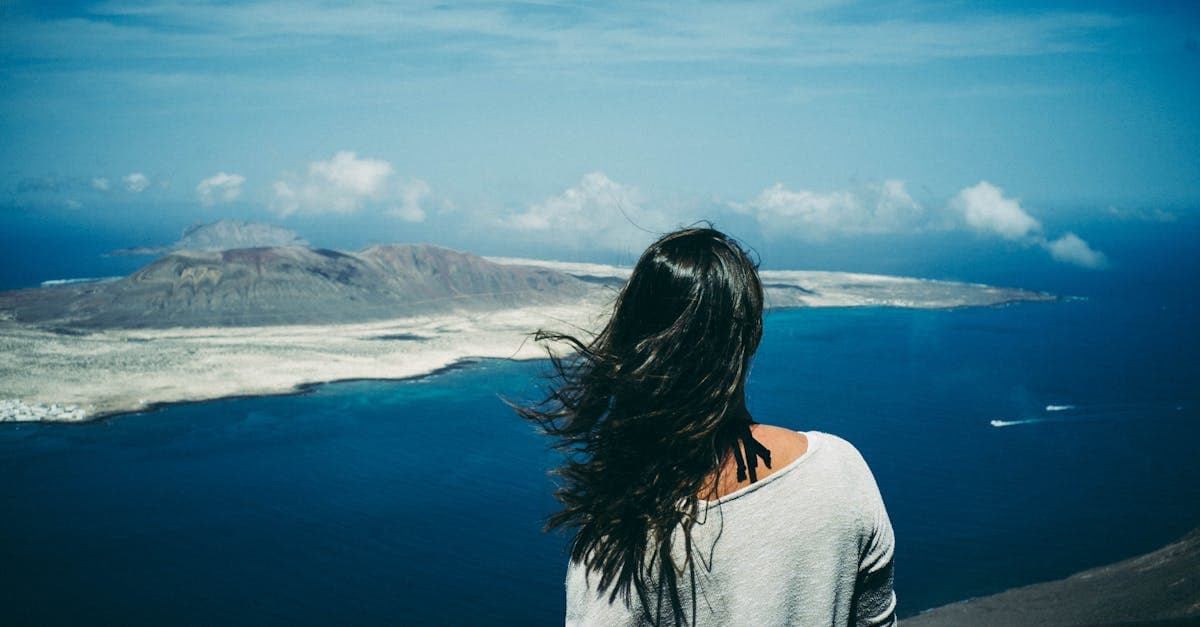
According to wanderingnomada.com, the best free things to do in Lanzarote include El Golfo volcanic lagoon, Los Hervideros lava coast, the Caldera de Los Cuervos crater trail, and the La Geria wine region. These sites take more initiative to reach than the ticketed attractions, but most are accessible by car within a single day, and most package holiday visitors never find them.
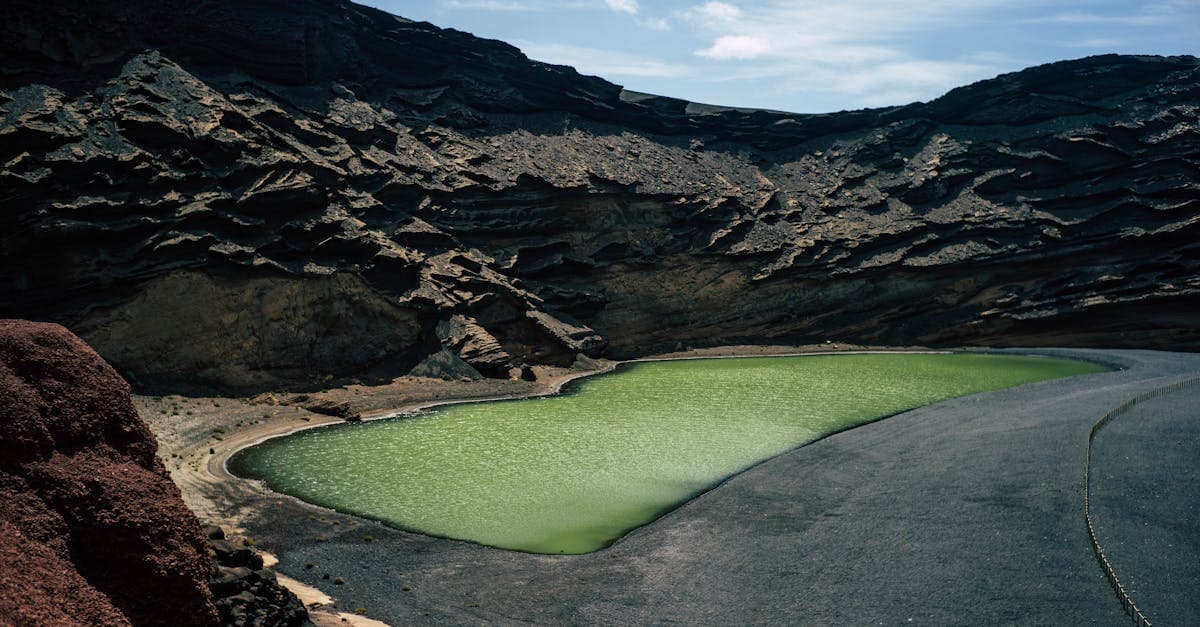
El Golfo sits on the west coast: a volcanic lagoon coloured green by algae, a short walk from free parking and with no entry charge. Los Hervideros, a few kilometres south, is a stretch of coastal lava rock where the Atlantic forces through narrow channels under pressure. Free access from the roadside; in any swell, the spray and the noise are both considerable.
Caldera de Los Cuervos is one of the most approachable volcanic craters on the island, with a well-marked loop trail and no entry fee. La Geria takes around an hour to drive through at a relaxed pace; several wineries along the route offer tastings at modest cost.
Papagayo beach charges ~€3 for vehicle access, but the Sendero Papagayo footpath is free for anyone arriving on foot. There's no WiFi at the beach or along the path, so mobile data is what you're relying on for navigation and maps. Most Irish plans cover Lanzarote under standard EU roaming; for a dedicated data allowance that doesn't eat into your monthly cap, Hello Roam's Cities eSIM plan activates before you board and works across EU destinations including Spain.
Mirador de Guinate in the north offers clifftop views towards La Graciosa, generally accessible from the roadside at no charge. The tourist offices in Puerto del Carmen and Arrecife hand out free island maps with walking routes and zero-cost sites marked, which is easily the most useful thing they do.
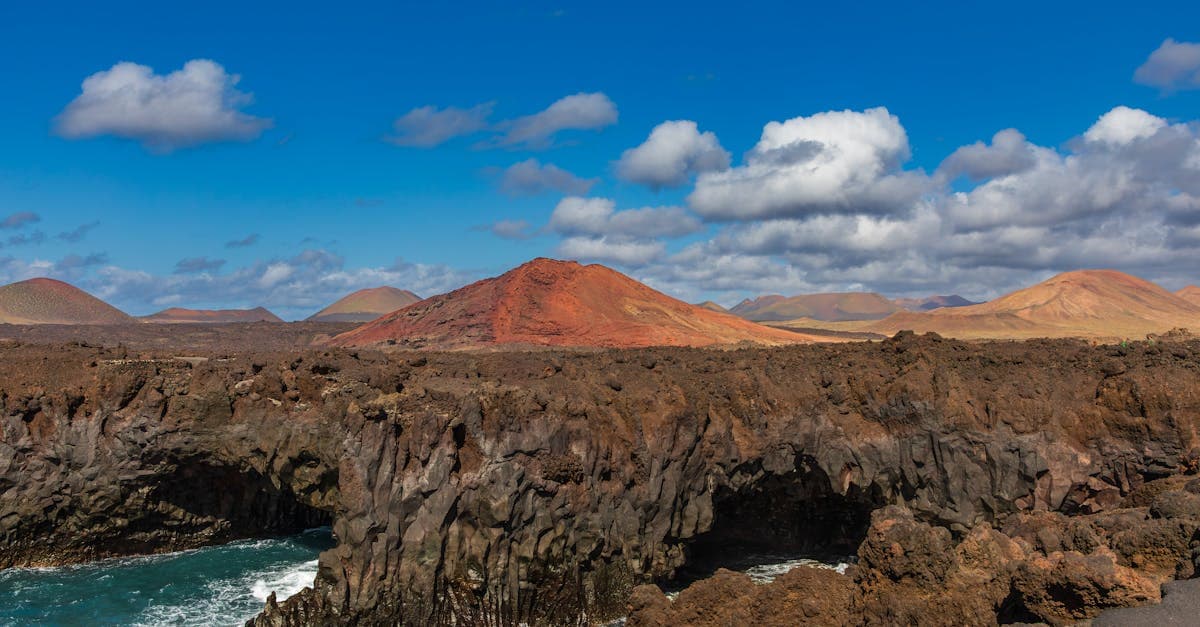
Volcán La Corona and Caldera Blanca are two of the best free hiking routes in Lanzarote, each with a marked trail, no entry fee, and distinct volcanic scenery. Volcán La Corona, in the north, surprises most visitors: in a landscape defined by black lava and ochre cinder, the volcano is genuinely green, its slopes thick with scrub and lichen, suggesting somewhere considerably further from the Sahara than the geography implies. The marked trail takes two to three hours.
Caldera Blanca is harder to reach but considered the finest free viewpoint on the island. The circular trail runs approximately 4.5km, starting from the LZ-30 road, and takes two to three hours at an unhurried pace. The crater walls are pale and vast, a bleached contrast against the surrounding lava fields that is difficult to describe and easy to photograph. No facilities, no café, no shade.
First-time hikers and families with children should start with Caldera de Los Cuervos. The signed loop is 1.5km, manageable in well under two hours, and the reddish-orange crater walls provide striking contrast against the black lava around them. The visual reward is immediate and disproportionate to the effort involved.
On all three routes, carry at least two litres of water per person. There are no facilities anywhere on these trails. High-factor sun protection is non-negotiable, and the middle of the day in July and August should be avoided outright. Download AllTrails or Maps.me before setting off. Mobile signal on exposed crater rims can drop without warning, and neither app requires a connection once the route is saved offline.
Lanzarote's natural pools at Punta Mujeres, the lava tube terrain near Arrieta and Jameos del Agua, and the Papagayo coves in the south are three of the island's best natural sites, all free or low-cost to access. Punta Mujeres offers natural seawater pools cut directly into the lava rock, providing calm, sheltered swimming well-suited to families and less confident swimmers. Avoid the area during heavy Atlantic swell, when the same rock formations that make the pools appealing can make them hazardous.
Getting to the Papagayo beaches on foot costs nothing. The Sendero Papagayo, a marked coastal footpath from near Playa Blanca, follows the coastline to the coves in roughly 30 to 40 minutes each way, bypassing the vehicle entry charge entirely. No sun loungers are available at Papagayo. The coves sit within a protected natural park and are kept deliberately wild. Bring something for shade.
The lava tube landscape around Arrieta and Jameos del Agua extends well beyond the ticketed interiors. Exploring the volcanic terrain on foot, above ground, costs nothing. The guided tours at Jameos del Agua and Cueva de los Verdes are the paid experiences, noted earlier in this guide.
Los Hervideros, the wave-carved lava tunnels on the west coast covered in the previous section, combines naturally with El Golfo for a free afternoon on the island's western side. Punta Mujeres pools fill up quickly at weekends. Arriving before 10am gives you a noticeably quieter experience.
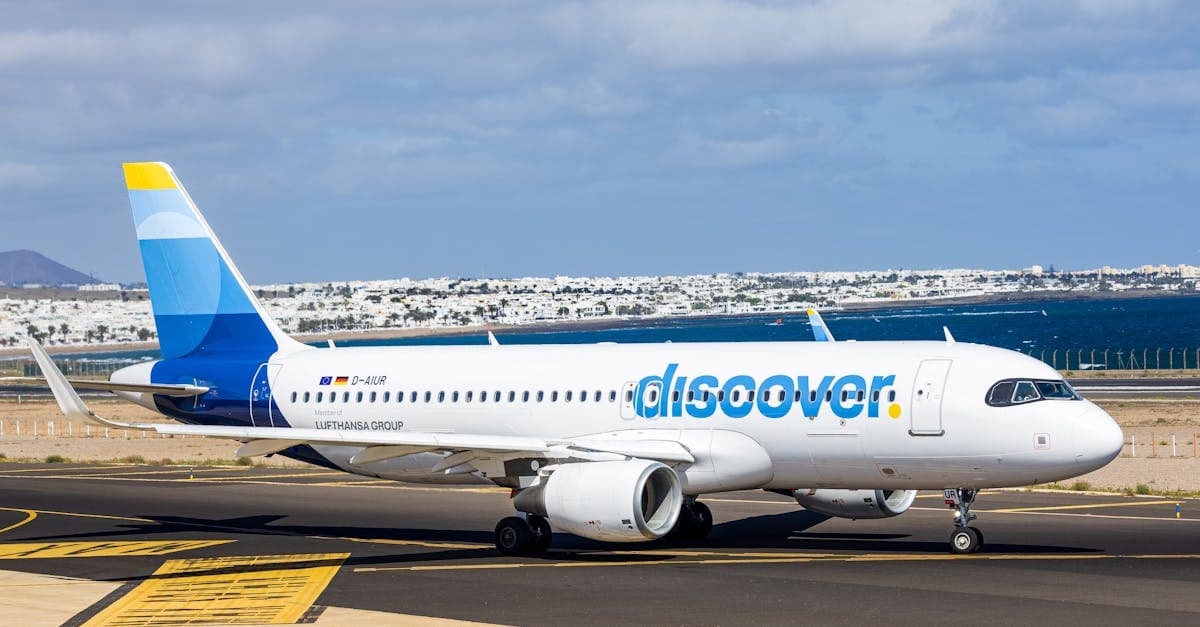
César Manrique Lanzarote Airport (IATA: ACE) sits 4km from Arrecife and 8km from Puerto del Carmen. It's one of the smaller airports in the Spanish network, which is a genuine advantage: arrivals are quick and the walk from gate to taxi rarely takes more than fifteen minutes. Ryanair and Aer Lingus both operate direct routes from Dublin year-round, approximately three hours and fifteen minutes in the air. Cork runs roughly fifteen minutes longer.
Package holidays are available through TUI Ireland, Ryanair Holidays, and Aer Lingus Holidays. Prices vary considerably with season and booking lead time. A separate flight-and-accommodation booking sometimes works out comparable in cost while giving more control over where you stay and how long you stay there.
From the airport, a taxi to Puerto del Carmen costs approximately €15 to €18. The Arrecife en Bus shuttle costs around €1.40 but runs on a limited timetable and is less practical for groups or anyone carrying luggage.
Car hire is the realistic choice for anyone planning to visit Timanfaya, Papagayo, La Geria, or the north of the island. An Irish driving licence is fully valid throughout Spain, including the Canary Islands. Daily rates run from approximately €30 to €60 depending on season and how early you book. The bus network connects the main resort towns adequately but thins out quickly beyond them. Organised day tours departing from Puerto del Carmen, Playa Blanca, and Costa Teguise are a sensible alternative for Timanfaya if you'd prefer not to drive.
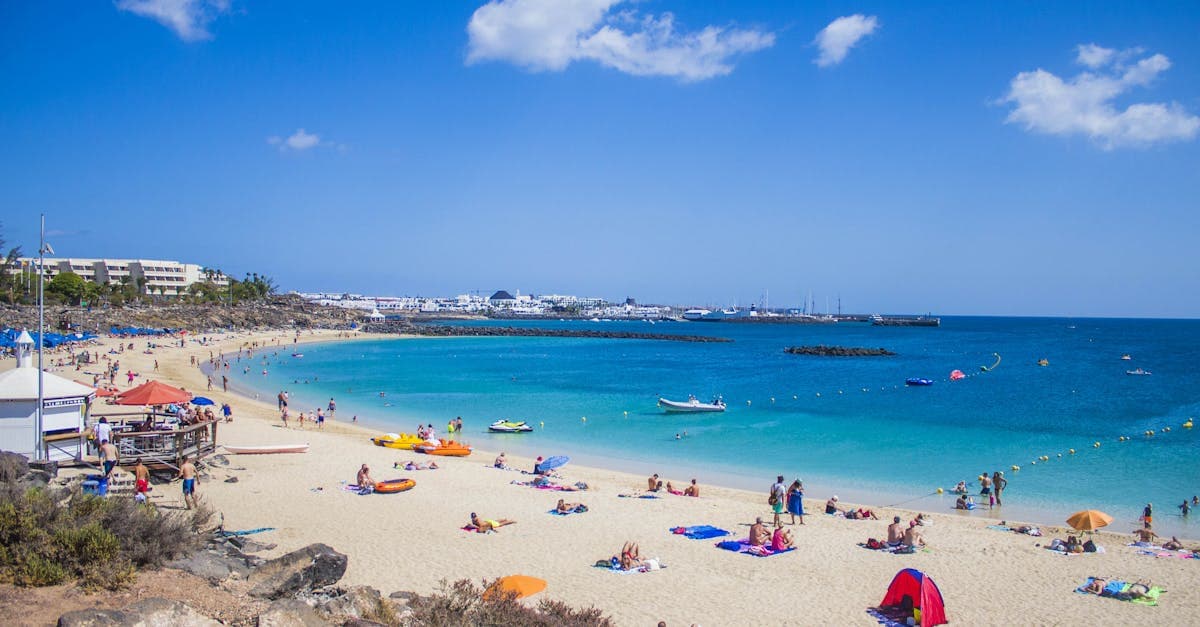
The best time to visit Lanzarote from Ireland is March to April or late October to November, when temperatures are warm, crowds are manageable, and flights cost less than the summer peak. With temperatures ranging from around 18 degrees Celsius in January to around 28 in August, there is no genuinely hostile month on the island. What varies is price and crowds, and those two things move in lockstep.
July and August are peak months: highest fares, longest queues at Timanfaya, the Papagayo coves at their most crowded, and heat that Irish visitors, in particular, tend to underestimate. If the school summer break leaves no alternative, book Timanfaya tickets and car hire early.
For families tied to the school calendar, Easter 2026 (approximately 6 to 14 April) is the natural target, along with the October mid-term break. March and April offer the most balanced conditions: warm enough for the beach, comfortable for walking, and without the summer premium on flights and accommodation. Late October and November are close behind, with the added advantage of quieter resorts and emptier pools.
Lanzarote receives around 100 to 150mm of rain annually. Dublin receives roughly 700mm. Rain is, in practice, something many visitors never experience at all during a week's stay.
The calima is worth knowing about. This is Saharan dust carried on the wind, typically arriving several times a year in late winter and late summer. Visibility drops for a day or two and occasionally longer. It rarely derails a trip in any meaningful way, and the filtered amber light it casts at sunset is, if anything, worth seeing. March, late October, and November remain the clearest windows for Irish visitors who want warmth without the peak-season price tag.
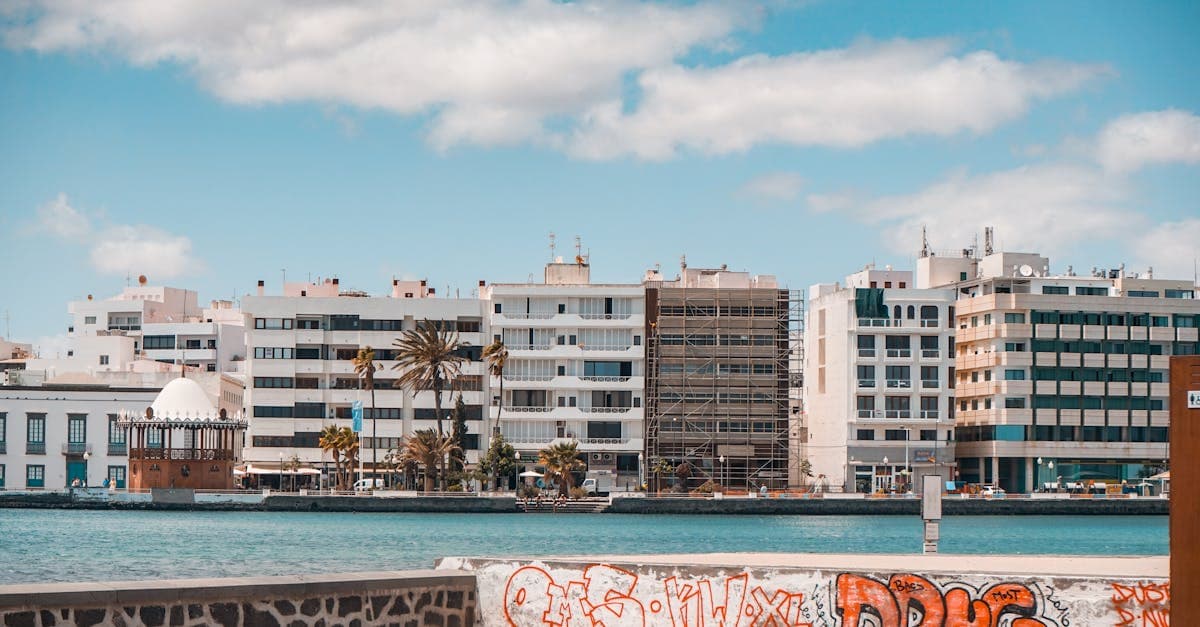
Your Irish plan works here. Lanzarote is Spanish territory, fully inside the EU, which means every roaming rule that applies in Madrid or Barcelona applies identically on this island. There's no special exception for island territories.
Hotel WiFi is generally available in lobbies and common areas. Older room blocks, particularly in properties that haven't seen significant renovation, can be unreliable further from the router.
Timanfaya National Park, the Papagayo coast, and most volcanic hiking trails have no WiFi coverage, so mobile data is what you'll rely on for navigation out there. Download offline maps before leaving the resort: it saves a significant headache on the far side of the island.
Lanzarote Airport offers free WiFi on arrival. Sessions run to 30 minutes and can be renewed, which covers most of what you'll need while waiting at baggage reclaim.
For those who'd prefer a local SIM, Movistar, Orange, and Vodafone ES cards are available at the terminal and in larger supermarkets around Arrecife and Puerto del Carmen. Tourist SIMs typically provide between 10 and 15 gigabytes of data; you'll need your passport to register one, and you'll need to physically swap your existing card out.
An eSIM skips that process entirely. Activate via a QR code scan before departure, keep your Irish number running on the other SIM slot, and you have data ready when the wheels touch down. Hello Roam offers EU data plans covering all the Canary Islands, suited to heavy users or travellers on older contracts without EU roaming already included.
Most Irish travellers on current plans will be covered without any additional spend. Those on older prepay contracts, or travelling with several devices on separate plans, are the realistic case for a dedicated data add-on.
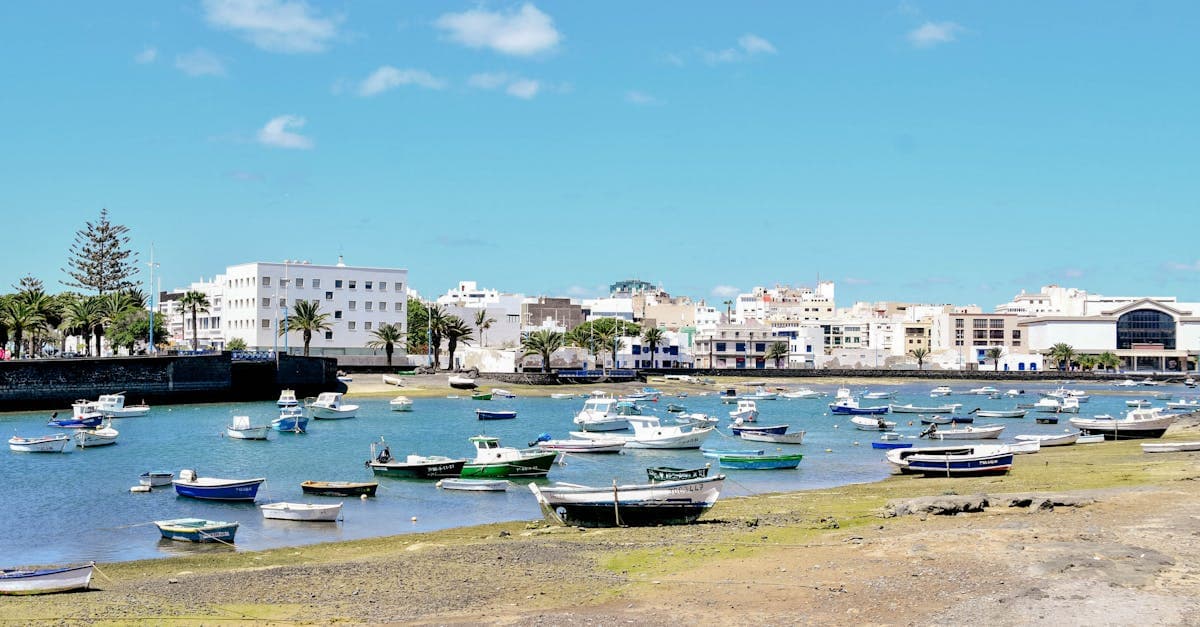
Yes, and the confusion is understandable. The islands sit geographically off the coast of West Africa, which makes them feel remote from the EU, but they're legally an autonomous community of Spain and therefore fully inside EU roaming territory. Roaming in Lanzarote is treated identically to roaming in Seville or Bilbao.
The main Irish carriers are covered straightforwardly. Three Ireland's Go Roam includes full EU roaming with a fair use cap of up to 35 gigabytes per month at home speeds. Vodafone Ireland includes EU roaming on all current plans, with fair use limits typically running between 17 and 30 gigabytes depending on your specific contract. Eir includes EU roaming on most plans; check individual plan terms before you travel, particularly on older or prepay arrangements.
MVNOs including 48 and Virgin Media Mobile generally include EU roaming as well, but caps and speeds vary more noticeably between plans. Your provider's app will show the data abroad allowance before departure.
The practical limit of EU roaming is less about coverage than consumption. Streaming video in the evenings, running GPS navigation across Timanfaya, and uploading a week of photos can drain a monthly roaming allowance considerably faster than casual day-to-day browsing suggests. Offline maps handle most of the navigation load, as mentioned above, and downloading audio before you board removes one more data drain on arrival.
An eSIM provides a dedicated data budget running in parallel with your existing Irish plan, useful for heavy users or families with multiple devices on separate contracts.
Visa first: Irish citizens need no advance application to travel to Lanzarote. Spain and the Canary Islands fall under standard EU free movement rules, which an Irish passport covers automatically.
How much does a meal cost in Lanzarote?
A main course at a local cafe or tapas bar, away from the resort strips, runs around €10 to €15. Tourist restaurants charge more. In Puerto del Carmen and Playa Blanca, expect €15 to €25 per main, with a three-course dinner and house wine settling around €25 to €40 per person. The standout value is the menú del día, a set weekday lunch of two or three courses usually priced at €10 to €14 including a drink. It's what most locals eat at midday.
Is tap water safe to drink?
Safe, but it comes largely from desalination plants and the mineral taste is noticeably different from Irish tap water. Bottled water is inexpensive and widely available.
What's the drinking age?
Eighteen, same as mainland Spain.
Is Lanzarote safe?
Generally very safe. Don't leave valuables visible in hired cars, a consistent target throughout the Canary Islands. Stay alert with bags in busy beach areas and in crowded resort evening spots. Nothing about Lanzarote requires unusual vigilance by the standards of a popular Spanish holiday destination.
The Department of Foreign Affairs advises normal precautions only for the Canary Islands, a rating that has remained stable. No travel restrictions apply as of March 2026. Check dfa.ie before departure, since advice can change at any time independently of how well-established a destination is.
The 'no-go list' question traces to pandemic-era restrictions, when certain EU territories were periodically categorised differently based on infection rates. Those rules have been lifted, and the Canary Islands haven't featured on any DFA restriction notice since.
Health cover is worth confirming before travel. The European Health Insurance Card (EHIC), or the newer Global Health Insurance Card (GHIC) for more recent applicants, is valid in Lanzarote and covers emergency medical treatment in public hospitals. Carry it alongside travel insurance, which covers a considerably broader range of situations than emergency treatment alone.
Famara beach looks extraordinary. Strong Atlantic currents make it genuinely unsuitable for swimming, even when conditions look calm from the shore. Sun protection is the most significant practical risk for most Irish visitors: factor 50 for the first few days is a sensible baseline. The UV index in Lanzarote runs considerably higher than anything you'd encounter at home, even in a decent Irish summer.

Lanzarote is best known for its volcanic landscapes, the public artworks of César Manrique, and its UNESCO Biosphere Reserve status, held since 1993. The island is part of Spain and the EU, with no high-rise hotel towers on the coastline. Manrique's influence is visible everywhere, from cave concert halls and volcanic-bubble museums to a restaurant inside a national park that cooks using geothermal heat.
The must-see sites in Lanzarote are Jameos del Agua, Timanfaya National Park, Cueva de los Verdes, Jardín de Cactus, and the César Manrique Foundation. El Golfo volcanic lagoon and La Geria wine region are equally memorable and free to visit. Most major attractions are within easy day-trip range and accessible by hire car.
No. The Irish Department of Foreign Affairs lists no travel restrictions for Lanzarote as of March 2026. Lanzarote is part of Spain and the EU, so Irish passport holders require no visa to visit. Normal precautions apply.
The article does not detail average meal prices in Lanzarote specifically. The island uses the euro as its currency. For context, admission to major attractions ranges from approximately €5 to €13, which reflects the island's general pricing level. Package holidays through TUI Ireland, Ryanair Holidays, and Aer Lingus Holidays are available and may include meal costs.
Admission to Timanfaya National Park is approximately €12.50 for adults and €6.25 for children. Tickets should be booked in advance at reservasparquesnacionales.es. The park sells out days ahead during Easter week and throughout July and August, so early booking is essential.
Jameos del Agua is a coastal cave system in Lanzarote featuring an underground lagoon that houses a species of albino blind crab found nowhere else on earth, plus a concert hall carved into the rock above it. Designed by César Manrique, it is widely considered the island's standout attraction. Adult admission costs approximately €12.
The best time to visit Lanzarote from Ireland is March to April or late October to November, when temperatures are warm, crowds are manageable, and flights are cheaper than the summer peak. Temperatures range from around 18°C in January to around 28°C in August. July and August bring the highest fares, longest queues, and the most crowded beaches.
Direct flights from Dublin to Lanzarote take approximately 3 hours and 15 minutes, with Ryanair and Aer Lingus both operating year-round routes. Flights from Cork take roughly 15 minutes longer. The airport is César Manrique Lanzarote Airport, 4km from Arrecife and 8km from Puerto del Carmen.
Independent hiking inside Timanfaya National Park is not permitted. The only access to the interior is the official 40-minute bus tour through the cinder cones. The park is open daily from 9:00am to 5:45pm with last entry at 5:00pm, and can close at short notice if wind conditions are hazardous.
The best free sites in Lanzarote include El Golfo volcanic lagoon, Los Hervideros lava coast, the Caldera de Los Cuervos crater trail, and the La Geria wine region. The Papagayo beaches are also accessible on foot via the Sendero Papagayo coastal footpath at no charge, bypassing the vehicle entry fee of approximately €3.
Yes, an Irish driving licence is fully valid throughout Spain, including the Canary Islands and Lanzarote. Daily car hire rates run from approximately €30 to €60 depending on season and booking lead time. Hiring a car is strongly recommended for visiting Timanfaya, Papagayo, La Geria, and the north of the island.
La Geria is Lanzarote's wine region, where vines grow in lava-ash depressions called zocos. It is free to drive or cycle through and takes around an hour at a relaxed pace. Several wineries along the route offer tastings at modest cost.
The Papagayo coves at the southern tip of Lanzarote are among the finest beaches on the island, sitting within a protected natural park and kept deliberately wild with no sun loungers available. Vehicle access costs approximately €3, but the Sendero Papagayo coastal footpath offers free access on foot in roughly 30 to 40 minutes from near Playa Blanca.
Lanzarote has several free marked hiking routes, including Volcán La Corona in the north (2 to 3 hours), Caldera Blanca, a circular 4.5km trail considered the finest free viewpoint on the island (2 to 3 hours), and the beginner-friendly Caldera de Los Cuervos loop of 1.5km. There are no facilities on any of these trails, so carrying at least two litres of water per person and downloading offline maps before setting out is essential.
The César Manrique Foundation at Taro de Tahíche is the artist's former home, built inside volcanic bubbles and converted into a museum. Admission costs approximately €13. Manrique was a Lanzaroteño artist who spent decades shaping the island's built environment, and his influence is visible across Lanzarote in cave concert halls, volcanic-bubble museums, and a geothermally heated restaurant inside Timanfaya.
César Manrique Lanzarote Airport sits 4km from Arrecife and 8km from Puerto del Carmen. A taxi to Puerto del Carmen costs approximately €15 to €18. The Arrecife en Bus shuttle costs around €1.40 but runs on a limited timetable and is less practical for groups or anyone carrying luggage.
Lanzarote is one of the most popular destinations for Irish visitors, with around 3 million tourists visiting annually and Irish visitors making up a notably high proportion. Flights from Dublin take approximately 3 hours and 15 minutes direct, EU rules apply including no visa requirement for Irish passport holders, and the island's 300 sunny days a year makes it a strong draw from Ireland.
The main resort areas in Lanzarote are Puerto del Carmen on the east coast, Playa Blanca in the south, and Costa Teguise to the north. The capital is Arrecife. Organised day tours to Timanfaya and other major attractions depart from all three resort towns.
Cheapest Holiday Destinations From Ireland in 2026: Sun Breaks, City Trips and Real Prices
Best Countries for Digital Nomads in 2026: is Ireland Worth the Premium?
eSIM Spain: the Complete Guide for Irish Travellers in 2026

What to Eat in Spain: the Complete Food Guide for Irish Travellers
HelloRoam: your trusted travel eSIM that keeps you online across borders.
Explore Plans