Ireland Packing List 2026: What You Actually Need (complete Guide)

Written by: David Chen


15 min read
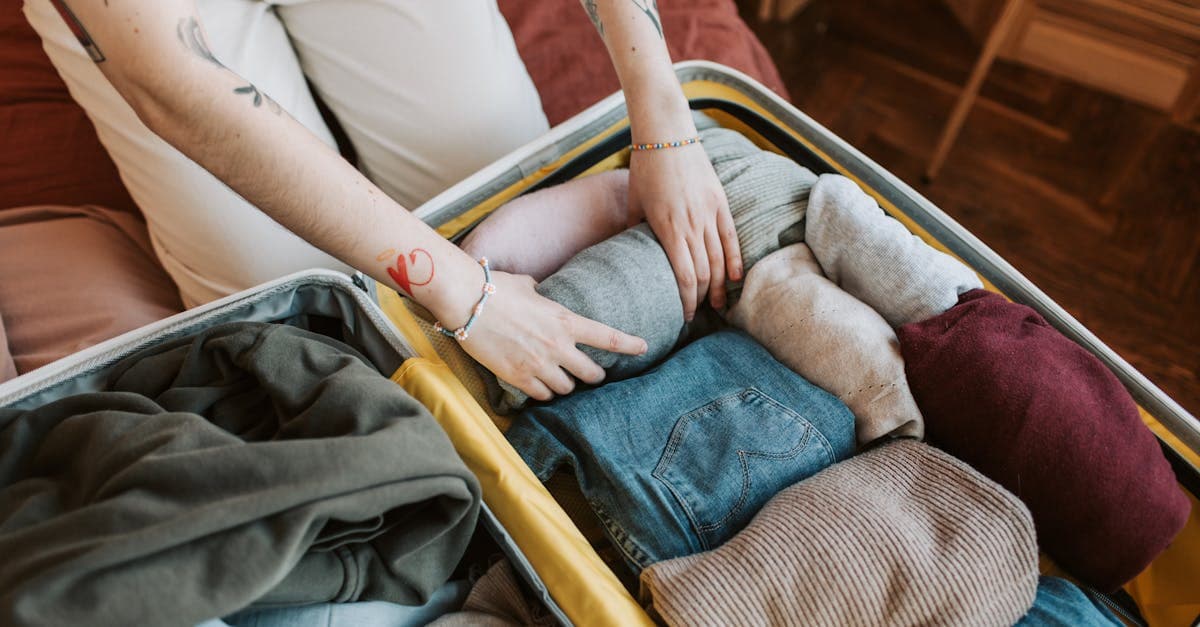
Table of content
Quick Answer: packing list
Sealed-seam waterproof jacket, merino base layers, Type G adapter. Those three items resolve the core of any Ireland packing list before you have even considered socks.
Add your travel documents, a pair of walking shoes with grip on wet surfaces, and sorted mobile data, and you are ready for what the island is likely to deliver. Ireland's west receives between 1,000 and 1,400mm of rainfall annually, temperatures range from a few degrees in winter to occasional warmth in summer, and the weather can reverse entirely in the time it takes to drive from Galway to Clifden.
For mobile data, Hello Roam's regional eSIM plans can be activated before you board, which matters particularly if you are arriving into Knock or Donegal Airport, where SIM retail simply does not exist. Sort the waterproof jacket and the data beforehand. The rest, in a pinch, you can buy on arrival.
What should be in a packing list for Ireland?
According to infiniteireland.com, your waterproof jacket is the single non-negotiable. Get this wrong and no other item compensates; sealed seams are not an upgrade but a baseline requirement, particularly for anywhere west of the Shannon. A standard high-street 'shower-proof' jacket will fail within minutes on an Atlantic headland.
The remaining core categories are outerwear layers, merino base layers, appropriate footwear, tech and adapters, travel documents, toiletries, and a mobile data arrangement sorted before you fly. As intrepidtravel.com notes, merino wool earns its place in variable wet conditions because it wicks moisture, resists odour between washes, and dries quickly enough to be useful in a guesthouse bathroom without tumble-drying facilities. Two merino shirts will outperform five cotton ones on any trip longer than a weekend.
Documents: passport or EU national identity card, travel insurance certificate, EHIC or GHIC card for EU and UK visitors, and a driving licence if you plan to hire a car. Ireland's sockets are Type G, the three-pin 230V standard shared with the United Kingdom, which catches continental European, North American, and Australian visitors off guard every time infiniteireland.com. Pre-arranging mobile data before arrival saves both time and considerable expense; US visitors paying day-rate charges with their home carrier can expect $10 to $15 per day, and on a two-week trip that arithmetic becomes painful.
Why Ireland's weather should drive your packing decisions
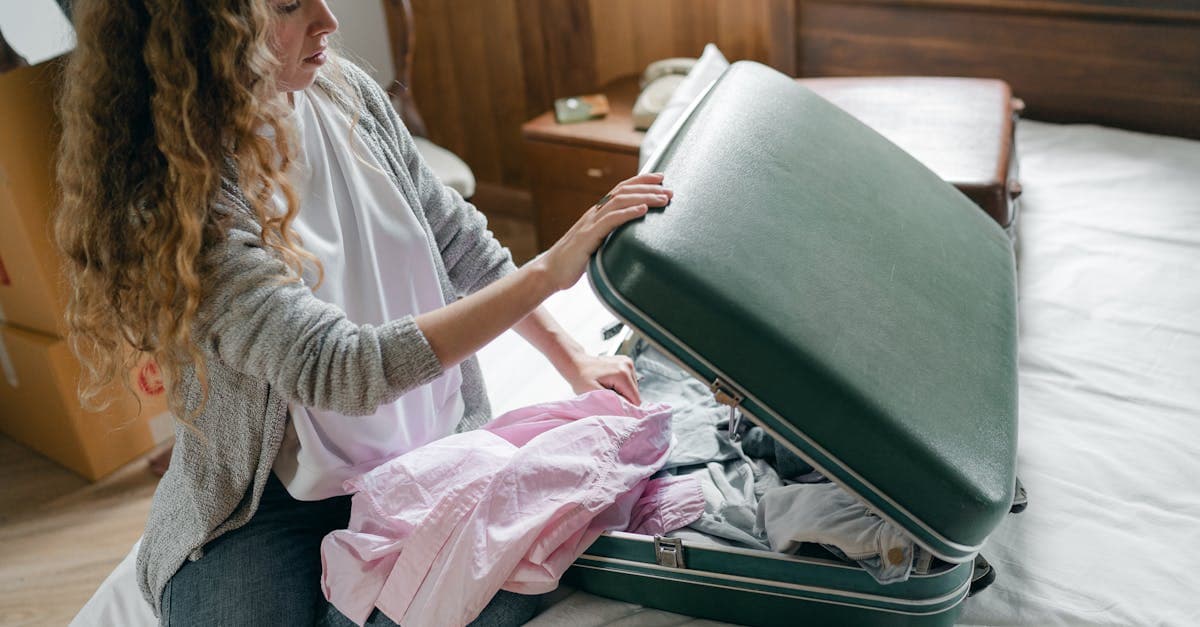
Ireland's climate classification is Cfb: oceanic, mild, wet, and windy every month of the year, with no true dry season. The temperature range is narrow by European standards, rarely freezing hard in winter and rarely delivering genuine heat in summer. What the island lacks in extremes, it compensates for in relentless variability.
'Four seasons in one day' is not tourism copywriting. It reflects genuine meteorological reality: average daily sunshine in December runs to 1.4 hours, climbing to around 5 to 6 hours in May and June. A clear morning on the Cliffs of Moher can deteriorate into driving rain before you have walked back to the car park. The sky here moves fast.
The particular challenge for packing is the Atlantic west. In Connaught and Munster, rain frequently does not fall vertically; it arrives horizontally, driven in by the prevailing south-westerly winds off the ocean. A standard shower jacket with taped but unsealed seams will fail on an exposed headland inside twenty minutes. Generic packing lists produced outside Ireland consistently underestimate this, listing 'a raincoat' without distinguishing between sealed-seam technical gear and a high-street cagoule. On the Dingle Peninsula or the Sligo coast, that distinction is the whole argument.
Summer: rain, midges and unexpected UV
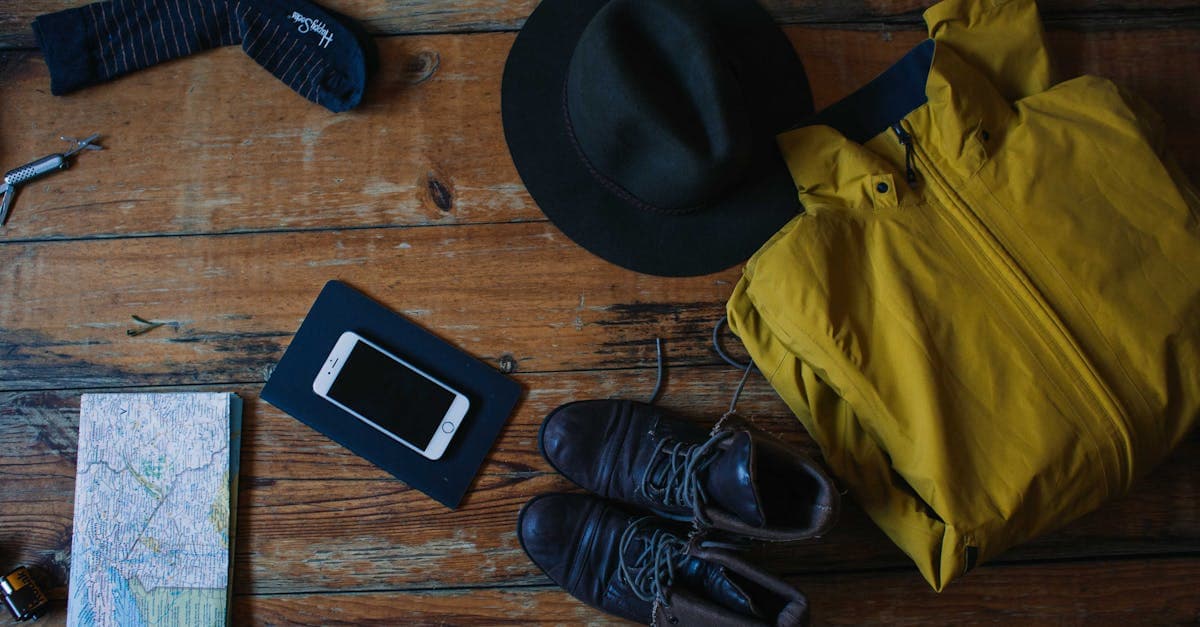
June in Connemara can deliver sunshine, midges, and a UV burn within the same afternoon. Summer temperatures typically land in the mid-teens Celsius, cool enough that sunscreen seems unnecessary until the UV index data suggests otherwise: it reaches 7 to 8 in June and July despite regular cloud cover. SPF 30 is the sensible minimum; SPF 50 is the more careful choice, particularly for fair-skinned visitors.
Lighter merino base layers are appropriate for June to August, but the waterproof jacket stays in the bag every day regardless. Atlantic wind makes standard umbrellas close to useless on exposed coastlines; the hood on a well-fitted jacket is consistently more practical and considerably more packable.
Midge season runs June to August in rural and western areas infiniteireland.com. Connemara, Co. Kerry and the Donegal headlands are the primary zones, and anyone walking coastal paths or staying near boggy ground in the west during these months should carry DEET-based insect repellent. This particular detail is absent from most competitor packing guides, presumably because none of them was written after a morning walk at Keem Bay in late June.
A packable shell jacket folds to the size of a water bottle. Do not leave it behind in the name of travelling light.
Winter and shoulder season: storms and short days

By 4:30pm on a December afternoon, daylight is completely gone. Plan driving routes and walking itineraries around that window from the start of your trip, not around what the guidebook written in July suggests.
Atlantic storm season runs from October through February. Before any rural drive or coastal walk, check Met Éireann weather warnings. In winter they are not advisory noise but genuine safety information: 'Status Orange' means rethink your itinerary, and 'Status Red' means cancel it and find the nearest pub.
The core packing list needs additions in winter. Beyond the sealed-seam jacket and merino layers, add a thermal base layer, wool hat, gloves and waterproof trousers for any walking outside town centres. A packable down jacket adds substantial warmth at minimal weight and bulk. Fleece mid-layers that barely earn their place in August become genuinely important from October onwards.
November to February brings fewer tourists, quieter attraction queues and noticeably lower accommodation costs. Rural heritage sites keep shortened hours in this period, and some close entirely. Pubs and restaurants do not. They provide warmth, cover and reliable free WiFi in equal measure, and in the off-season you won't need a reservation at either. As shelter from an Atlantic low-pressure system, they are difficult to improve upon.
The Ireland packing list: clothing, footwear and essentials
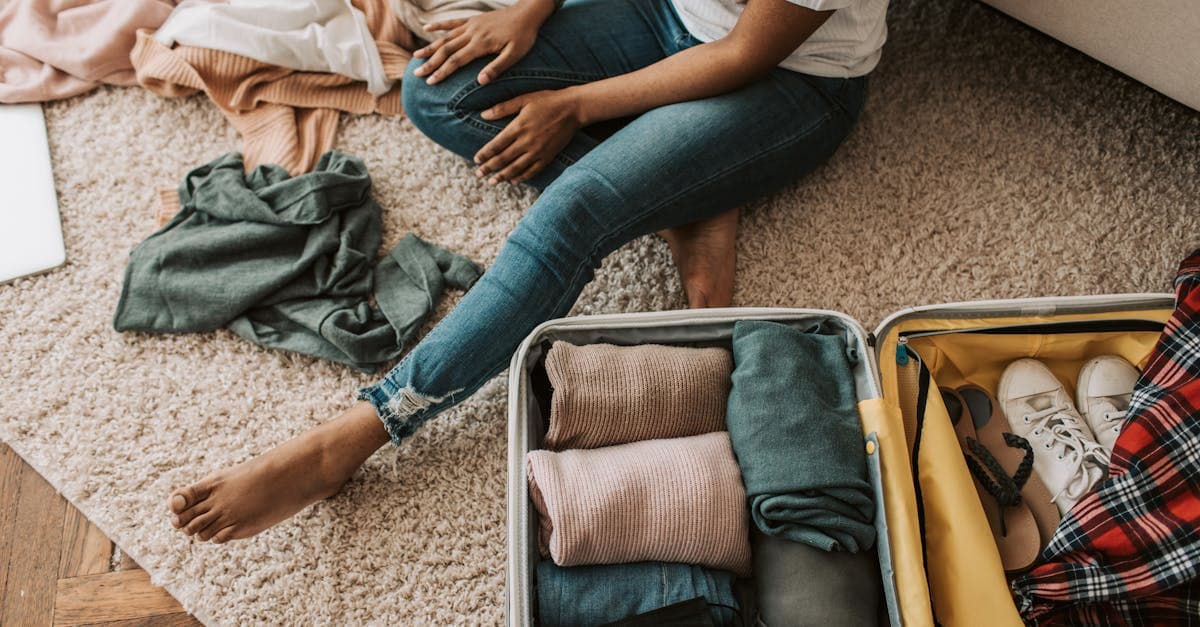
According to eaglecreek.com, two merino wool tops beat five cotton shirts, every time. Merino manages moisture, resists odour through repeated wearing, and dries overnight hanging from the towel rail or the radiator that every Irish B&B inexplicably runs at full blast. Cotton stays damp for hours after a wet afternoon, and by day three it makes its presence felt.
The core clothing list: a waterproof jacket with sealed seams and a minimum hydrostatic head rating of 10,000mm; two merino tops; a fleece mid-layer; waterproof trousers or overpants; and one smart-casual outfit for evenings in Dublin or Kilkenny. That is five categories. Most Ireland trips need nothing beyond them.
Tech: smartphone, portable charger (power bank), a Type G adapter (the same three-pin plug format as the UK, rated 230V) and earphones.
Documents: passport or EU national identity card, travel insurance certificate, EHIC or GHIC card if applicable, accommodation confirmations and a driving licence if renting. Photograph everything and email copies to yourself before you leave home.
Ireland charges between €0.22 and €0.70 per plastic bag at checkout. A folded reusable tote weighs almost nothing and pays for itself by day two of shopping.
Toiletries do not need to travel from home. Boots, Dunnes Stores, SuperValu and Penneys carry everything, nationwide and at reasonable prices.
The layering system and the cobblestone footwear rule

According to eaglecreek.com, pack for four seasons, wear three layers. Conditions on a western headland can shift three times between breakfast and dinner, and a fixed outfit tied to one type of weather loses every time. The system: moisture-wicking base (merino preferred), insulating mid-layer (fleece or light down jacket), weatherproof outer shell. Strip one back in a warm restaurant, add one at the clifftop.
Merino regulates temperature across a wider range than synthetics, staying comfortable from 8 to 18 degrees Celsius with straightforward layer adjustments. Below that bracket, the thermal base layer from the winter additions covers the gap.
The outer shell should meet the 10,000mm hydrostatic head rating cited in the previous section. The less obvious point: cheaper waterproofs lose their DWR (durable water repellent) coating within hours of sustained Atlantic rain if seams are not sealed or taped. Seam construction matters more than ticket price.
Footwear. Wet cobblestones in Galway's Latin Quarter, Kilkenny city centre and Dublin's Temple Bar are a genuine slip hazard in smooth-soled shoes. Most packing guides suggest 'comfortable shoes' and leave it there, which is less than helpful when you're on a medieval street in horizontal rain.
Women: ankle boots with a textured rubber sole, or waterproof walking shoes, handle cobblestones and drizzle without issue. Chelsea boots, ballet flats and heeled options belong in a different city.
Men: waterproof trail runners or low hiking boots cover city walking and light countryside trails without compromise. One versatile pair is enough; a second smarter pair is optional.
Packing by trip type: city, coast and countryside
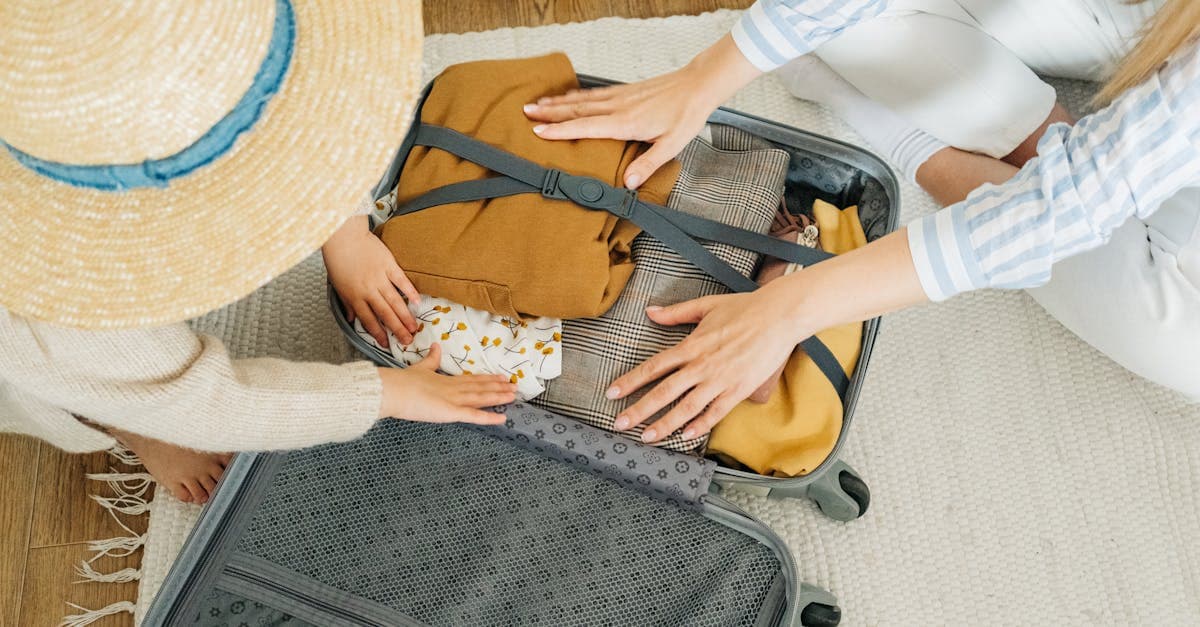
The kit overlaps across every Ireland trip, but the emphasis shifts depending on where you're going intrepidtravel.com.
A Dublin city weekend requires the core layers and waterproof walking shoes. Smart-casual clothes matter more here than anywhere else on the island; one decent evening outfit covers dinner, a show, or a late visit somewhere like Mulligan's on Poolbeg Street. Hiking gear stays home.
Wild Atlantic Way road trips need the full kit, including waterproof trousers. Download offline maps before leaving Galway or Sligo; signal drops sharply on headlands and mountain passes, and parts of the Connemara coast are consistent dead zones across all networks. Hello Roam's eSIM activates before you leave home, which is particularly practical at smaller regional airports like Knock and Donegal where no physical SIM retail exists.
Trips of seven to fourteen days: plan laundry every four to five days rather than packing for the full duration. Most B&Bs and Airbnbs have a washing machine, and most towns have a laundrette within walkable distance.
Activity specifics worth noting before you pack: cyclists need a hi-vis jacket and padded shorts. Golf courses typically require a collared shirt, and waterproof trousers are not optional on exposed links courses. Surf schools at Lahinch and Bundoran provide wetsuits.
Northern Ireland uses sterling. Euro is often accepted at businesses near Newry and Enniskillen, but carry EUR once you cross the border.
How to stay connected in Ireland

Three dominates Ireland's national 4G and 5G network. Vodafone performs well in Dublin, Cork and other urban centres, and Eir has improved its rural reach since 2024, particularly across Connacht and parts of the midlands.
5G coverage exists in Dublin, Cork, Galway and Limerick city centres. Everywhere else, 4G is the working standard, and for navigation, streaming and calls it is perfectly adequate.
WiFi is not something you'll need to hunt for. Hotels, B&Bs, pubs and cafes offer it free as a matter of course, and Dublin Airport provides fast, no-login WiFi on arrival. Most travellers use mobile data to fill the gaps between WiFi-connected buildings rather than rely on it continuously.
Rural dead zones are a different matter. Connemara valleys, the Aran Islands (Inis Mór in particular) and stretches of the Donegal coast lose signal from all carriers. Download offline maps before leaving Galway, Sligo or whichever city begins your rural leg. Google Maps and Maps.me both support offline coverage for Irish counties and will navigate mountain roads without any signal whatsoever.
Pre-activating mobile data before departure makes practical sense beyond the cities. Ireland West Airport (Knock) and Donegal Airport have no SIM retail counters, and arriving without connectivity sorted is an avoidable inconvenience that belongs on the same mental packing list as the waterproof jacket.
Local SIM cards, eSIM options and roaming costs in 2026
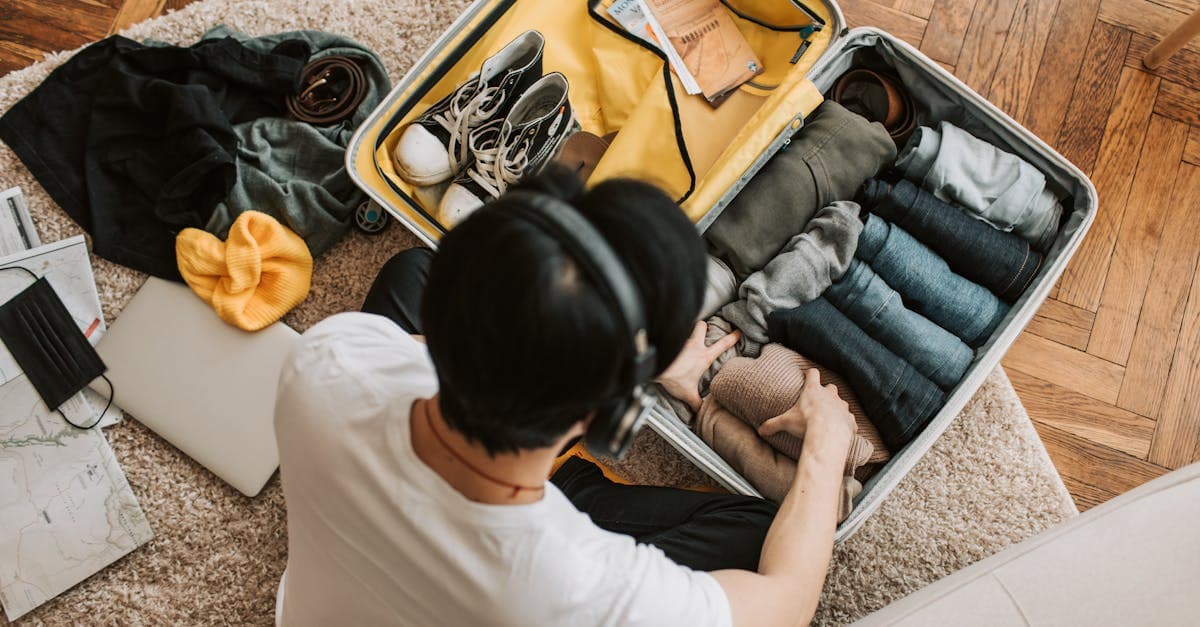
The Three Ireland Tourist SIM is the clearest value option for visits of five days or more: €10 for 100GB over 30 days, sold at Dublin, Shannon and Cork airports and at convenience stores including Centra and Spar.
For shorter trips, an eSIM skips the airport queue entirely. Airalo carries Three Ireland coverage at roughly €4 to €20 for between 1 and 10GB, covering most city-focused stays without fuss. Holafly's unlimited eSIM runs from around €27 for seven days to approximately €57 for a month, a tier that suits remote workers and heavy data users but is genuinely excessive for a long weekend in Dublin.
EU and EEA visitors have no arithmetic to do. Roam Like at Home regulations mean no additional charge on a home SIM, making it the simplest and lowest-cost option for this group.
UK visitors on Three UK benefit from Go Roam, which covers Ireland at no extra cost. EE, O2 and Vodafone UK charge between €2 and €3 per day, which means a local SIM or eSIM pays for itself on any trip beyond four days.
American and Australian visitors face carrier roaming at the daily rates noted earlier. An eSIM or a local Tourist SIM represents a meaningful saving on any trip of a week or more, with no practical downside on a modern unlocked handset.
Pack light: the carry-on only approach for Ireland
According to smartertravel.com, seven days in Ireland is workable from a carry-on alone, provided you plan one laundry stop around day three or four. B&Bs and Airbnbs typically have a washing machine available, and laundrettes are easy to find in any reasonably sized town.
Airline allowances vary by carrier and fare class. Ryanair's overhead carry-on measures 55 by 40 by 20cm and requires priority boarding. Standard boarding limits you to a 40 by 20 by 25cm personal item that goes under the seat in front. Both are enforced strictly at peak travel periods, and the metal bag gauge at the gate is not subject to negotiation.
Aer Lingus allows 55 by 40 by 24cm at a maximum of 10kg. EasyJet's standard fare restricts passengers to a 45 by 36 by 20cm under-seat bag only, which rules out most cabin rollers unless you pay to upgrade to a seat with overhead bin access.
The seven-day capsule: two merino tops, one fleece, one waterproof jacket, two pairs of trousers or jeans, three changes of underwear and socks, one smart-casual outfit. A 40-litre daypack handles this with room to spare.
Leave the umbrella at home. Penneys sells them for around €5 at every major town, and abandoning one at the end of the trip costs nothing. A reusable tote takes up no space and saves you the plastic bag levy on every supermarket and shop visit along the way.
What is the 5 4 3 2 1 rule for packing?
Five sets of socks and underwear, four tops, three bottoms, two pairs of shoes, one jacket. That is the 5-4-3-2-1 rule, a carry-on packing framework built to cover a week of travel from a single bag, using interchangeable pieces with no item serving only one purpose eaglecreek.com.
For Ireland, the 'one jacket' allocation does more work than in most packing guides. It needs to be a sealed-seam waterproof rated to at least 10,000mm hydrostatic head, which gives it the combined function of a rain jacket, a windproof outer layer and a cold-weather shell. One item doing three jobs is feasible, but only if the jacket is genuinely rated for sustained Atlantic rain.
The related 3-5-7 rule approaches the problem differently: three outfit formulas (casual, smart-casual, active) built from five tops to cover seven days eaglecreek.com. The goal is fewer items and more cross-pairing between them rather than a strict item count. Neither system is a rigid prescription.
Merino wool makes either framework more practical. Two merino tops, washed and dried overnight on a hotel radiator, can stand in for four of the four-top allocation across a week's itinerary.
Both rules converge on the same principle: versatile pieces only, and no room in the bag for items that do just one thing.
What to pack for 9 days in Ireland?
Nine days gives you room for Dublin, the Atlantic coast, and a midlands or midland-south loop in between. The packing logic shifts accordingly: you're covering multiple activity types and weather windows, so versatility matters more than volume.
Clothing: Three merino tops (or two merino and one quick-dry synthetic), two pairs of versatile trousers, your sealed-seam waterproof jacket, a fleece mid-layer, five sets of socks and underwear, and one smarter outfit for evenings out. Plan a laundry stop around day five.
Footwear: One pair of waterproof walking shoes handles the vast majority of situations across nine days. A smarter option is worth adding only if city restaurants or a theatre booking are on the schedule.
Tech and documents: Smartphone with offline maps downloaded before departure, portable charger, Type G adapter, driving licence if hiring a car, passport, and travel insurance certificate.
Toiletries: Basics only. SuperValu, Dunnes Stores, and Boots stock everything else. Carrying full-size bottles from home for nine days is unnecessary weight.
Mobile data: EU visitors need nothing extra. Others should arrange data before travel; the Three Ireland Tourist SIM rate noted earlier represents solid value for a nine-day stay.
Summer additions (June to August): Insect repellent for western and rural areas, sunscreen SPF 30 or higher even on overcast days.
Winter additions (November to February): Thermal base layer, wool hat, gloves, waterproof trousers for outdoor walking beyond town centres.
Tap water is safe throughout the country. A reusable bottle saves the accumulated cost of buying bottled water at cafes and visitor sites across an entire week.

David Chen
Travel writer and former digital nomad. 10 years exploring destinations across 6 continents. Specializes in budget travel, expat life, and off-the-beaten-path experiences for American travelers.
Read full bio→Frequently Asked Questions
The 5-4-3-2-1 packing rule is a minimalist framework that limits clothing to a fixed count per category to keep luggage light. For Ireland, the article recommends adapting any such rule by prioritising merino wool over cotton, as two merino tops outperform five cotton shirts on any trip longer than a weekend because merino wicks moisture, resists odour and dries overnight without tumble-drying facilities.
A complete Ireland packing list includes a sealed-seam waterproof jacket, two merino wool tops, a fleece mid-layer, waterproof trousers, walking shoes with grip on wet surfaces, a Type G adapter, and travel documents including passport, travel insurance certificate, EHIC or GHIC card, and driving licence if hiring a car. Mobile data should be arranged before departure, and toiletries can be bought on arrival at nationwide stores like Boots, Dunnes Stores, SuperValu and Penneys.
The 3-5-7 packing rule is a framework that caps clothing items per category to minimise luggage. For Ireland, a similarly lean approach works well: focus on a waterproof jacket, merino base layers and a fleece mid-layer as your core three categories, then plan laundry every four to five days on trips of seven to fourteen days rather than packing for the full duration.
For a nine-day Ireland trip, pack a sealed-seam waterproof jacket, two merino tops, a fleece mid-layer, waterproof trousers, one smart-casual evening outfit and waterproof walking shoes or ankle boots with a textured rubber sole. Bring a Type G adapter, portable charger, travel documents and a mobile data plan activated before departure, and plan one laundry session around day four or five to keep luggage manageable.
Yes, a waterproof jacket is the single non-negotiable item on any Ireland packing list. Standard shower-proof jackets fail quickly on Atlantic headlands; the jacket must have sealed seams and a minimum hydrostatic head rating of 10,000mm, particularly for travel west of the Shannon where rain frequently arrives horizontally driven by south-westerly winds.
Ireland uses Type G sockets, the three-pin 230V standard shared with the United Kingdom. This catches continental European, North American and Australian visitors off guard every time, so carrying a Type G adapter before departure is essential.
Merino wool is highly recommended for Ireland travel. Two merino tops outperform five cotton shirts on any trip longer than a weekend because merino wicks moisture, resists odour between washes and dries quickly overnight hanging from a towel rail, which is practical in guesthouses without tumble-drying facilities.
Walking shoes with grip on wet surfaces are essential, as wet cobblestones in Galway, Kilkenny and Dublin are a genuine slip hazard in smooth-soled footwear. Women should choose ankle boots with a textured rubber sole or waterproof walking shoes; men should consider waterproof trail runners or low hiking boots that cover both city walking and light countryside trails in one pair.
Required documents include a passport or EU national identity card, a travel insurance certificate, an EHIC or GHIC card for EU and UK visitors, and a driving licence if planning to hire a car. It is recommended to photograph all documents and email copies to yourself before departure as a backup.
Three dominates Ireland's national 4G and 5G network, with Vodafone strong in urban centres and Eir improving rural coverage across Connacht. An eSIM activated before boarding avoids the problem entirely and is particularly practical at smaller regional airports like Knock and Donegal where no physical SIM retail exists; US visitors paying day-rate roaming charges can otherwise expect $10 to $15 per day.
DEET-based insect repellent is recommended during midge season, which runs from June to August in rural and western areas. The primary midge zones are Connemara, County Kerry and the Donegal headlands, particularly for anyone walking coastal paths or staying near boggy ground during those months.
Yes, sunscreen is recommended in summer despite regular cloud cover. The UV index reaches 7 to 8 in June and July, making SPF 30 a sensible minimum and SPF 50 a better choice for fair-skinned visitors, particularly during full afternoons outdoors.
Beyond the core waterproof jacket and merino layers, winter travel in Ireland requires a thermal base layer, wool hat, gloves, waterproof trousers and a packable down jacket for substantial warmth at minimal bulk. Check Met Eireann weather warnings before any rural drive or coastal walk; Status Orange means rethinking your itinerary and Status Red means cancelling outdoor plans entirely.
Northern Ireland uses sterling, not euro. Euro is often accepted at businesses near Newry and Enniskillen close to the border, but travellers should carry pounds sterling once they cross into Northern Ireland.
Toiletries do not need to travel from home. Boots, Dunnes Stores, SuperValu and Penneys carry everything nationwide at reasonable prices, saving luggage space and avoiding airport liquid restrictions.
The Wild Atlantic Way requires the full kit: sealed-seam waterproof jacket, merino layers, waterproof trousers and walking shoes with grip. Download offline maps before leaving Galway or Sligo, as signal drops sharply on headlands and mountain passes, and activate an eSIM before departure since some smaller regional airports in the area have no physical SIM retail.
The recommended layering system is three layers: a moisture-wicking merino base layer, an insulating mid-layer such as a fleece or light down jacket, and a weatherproof outer shell with sealed seams. This system handles conditions on a western headland that can shift three times between breakfast and dinner, allowing individual layers to be added or removed as conditions change.
Sources
- The Ultimate Packing List — smartertravel.com
- Our ultimate packing list — intrepidtravel.com
- infiniteireland.com — infiniteireland.com
- The Ultimate Travel Packing List: How to Pack for Any Vacation — eaglecreek.com
Recent articles
Cheapest Holiday Destinations From Ireland in 2026: Sun Breaks, City Trips and Real Prices

Best Countries for Digital Nomads in 2026: is Ireland Worth the Premium?

eSIM Spain: the Complete Guide for Irish Travellers in 2026
What to Eat in Spain: the Complete Food Guide for Irish Travellers
Stay Connected with Travel Data
View all destinations

United States

United Kingdom