Best Time to Visit Tenerife: an Irish Traveller's Complete 2026 Guide

Written by: David Chen


15 min read
Table of content
Quick Answer: best time to visit tenerife
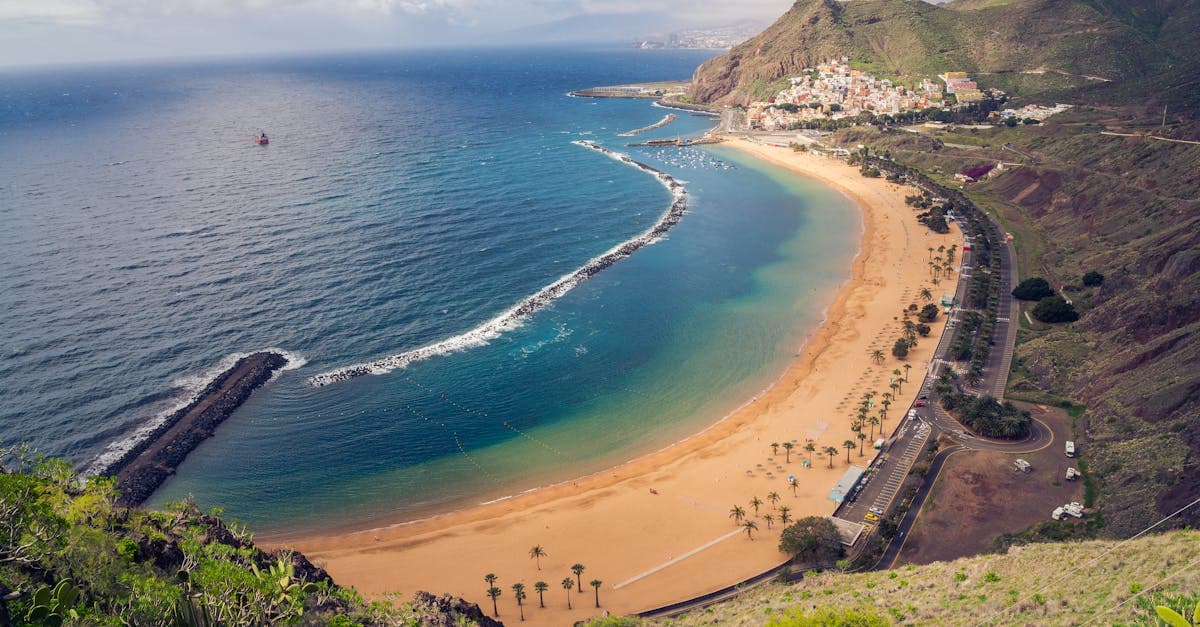
September and October. That is the short answer for most Irish travellers seeking the best time to visit Tenerife. Sea temperatures are at their annual peak, crowds are noticeably thinner than in July and August, and return flights from Dublin are considerably cheaper than in peak summer.
According to thomascook.com, Tenerife's subtropical climate means it works in any month, which most European beach destinations cannot match. In January, the island sits at 18 to 21 degrees Celsius while Ireland manages 6 to 8 degrees. February brings Carnival, widely considered the second-largest in the world after Rio de Janeiro.
Tenerife is part of Spain, so EU roaming applies on Irish SIMs, but most carriers impose fair use caps on roaming data. Hello Roam's Spain eSIM provides dedicated data allocation and local network priority without touching your home plan's allowance. Getting connectivity sorted before departure saves the usual scramble at arrivals. An eSIM activates in minutes.
The best time to visit Tenerife: a quick answer for Irish travellers

September and October lead the field for most Irish visitors to Tenerife. According to onthebeach.ie, sea temperatures reach 24 to 25 degrees Celsius, the highest of the year, while flights from Dublin fall well below the July and August peak. Crowd numbers drop too, giving a combination of warmth, value and breathing room that is hard to improve on.
Roughly 3,000 sunshine hours per year put Tenerife in a different category from almost every other beach destination within reach of Dublin tenerifetraveltips.com. The Algarve gets overcast in January, the Greek islands wind down entirely, and Tenerife simply carries on.
The Irish winter framing matters. Tenerife in November or January sits at 20 to 22 degrees Celsius. Ireland in those months averages 5 to 8 degrees with persistent grey damp. The contrast lands differently when you have lived through a January in Rathmines.
February has its own case. Tenerife Carnival 2026 runs approximately 30 January to 14 February, centred on Santa Cruz de Tenerife, and is considered the second-largest carnival in the world after Rio de Janeiro. Book early if February is your target month.
Two factors shape any timing advice. The south (Playa de las Americas, Los Cristianos, Costa Adeje) is consistently dry and sunny year-round. The north, including Puerto de la Cruz, is affected by the 'Panza de Burro' cloud belt driven by northeast trade winds: greener, but cloudier. Where you base yourself changes what the monthly figures mean in practice.
Month-by-month detail, budget flight windows from Irish airports, specific trip types, and connectivity notes follow.
How hot is it in Tenerife by month?
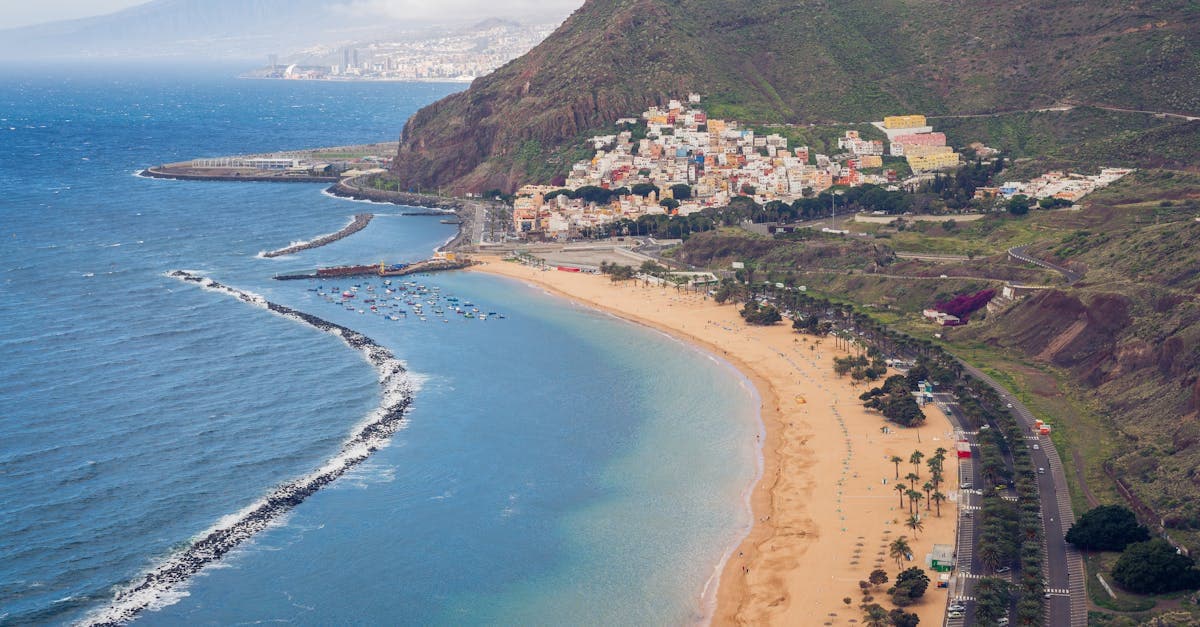
According to thomascook.com, Tenerife's south (Playa de las Americas, Los Cristianos, Costa Adeje) ranges from 18 to 21 degrees Celsius in winter to 26 to 30 degrees in peak summer, with sea temperatures between 19 and 25 degrees throughout the year. The region averages fewer than 80 millimetres of rain annually tenerifetraveltips.com: desert-level rainfall that keeps the monthly figures in the table below reliable across all seasons.
MonthJanuary
Tenerife air (°C)18-21
Sea (°C)19
Dublin air (°C)6-8
Flights from IrelandCheapest
Standout eventsThree Kings (6 Jan)
MonthFebruary
Tenerife air (°C)18-21
Sea (°C)19
Dublin air (°C)6-8
Flights from IrelandLow-moderate
Standout eventsCarnival
MonthMarch
Tenerife air (°C)20-23
Sea (°C)19-20
Dublin air (°C)7-9
Flights from IrelandModerate
Standout eventsSemana Santa
MonthApril
Tenerife air (°C)21-23
Sea (°C)20-21
Dublin air (°C)9-11
Flights from IrelandModerate-high
Standout eventsEaster
MonthMay
Tenerife air (°C)22-25
Sea (°C)21-22
Dublin air (°C)11-13
Flights from IrelandModerate
Standout events-
MonthJune
Tenerife air (°C)24-27
Sea (°C)22-23
Dublin air (°C)14-16
Flights from IrelandHigh
Standout eventsCorpus Christi
MonthJuly
Tenerife air (°C)26-30
Sea (°C)23-24
Dublin air (°C)16-18
Flights from IrelandVery high
Standout events-
MonthAugust
Tenerife air (°C)26-30
Sea (°C)23-24
Dublin air (°C)16-18
Flights from IrelandHighest
Standout events-
MonthSeptember
Tenerife air (°C)25-28
Sea (°C)24-25
Dublin air (°C)14-16
Flights from IrelandModerate
Standout events-
MonthOctober
Tenerife air (°C)22-25
Sea (°C)23-24
Dublin air (°C)11-14
Flights from IrelandModerate
Standout events-
MonthNovember
Tenerife air (°C)20-23
Sea (°C)21-22
Dublin air (°C)7-10
Flights from IrelandLow
Standout eventsWhale watching
MonthDecember
Tenerife air (°C)19-22
Sea (°C)20-21
Dublin air (°C)6-8
Flights from IrelandLow-moderate
Standout eventsChristmas
The north is a different story. Puerto de la Cruz sits beneath the 'Panza de Burro', a cloud belt that forms along northeast trade winds and settles on the northern slopes with regularity. You can have clear skies across the south and cloud cover in the north on the same afternoon in winter.
The UV index catches Irish visitors off guard more reliably than almost anything else about the island. Even in December and January, it reaches 4 to 6: moderate to high by European standards. Irish skin acclimatises to low UV exposure over the winter. Sunscreen in Tenerife in February is not optional.
January to May: from winter calm to spring shoulder season

January arrives quietly. After Three Kings on 6 January, the post-Christmas demand collapse pushes flights from Dublin to their cheapest level of the year. Air temperatures sit at 18 to 21 degrees Celsius, visitor numbers are at their lowest, and the trails around Teide National Park feel like they belong to you. For walking holidays, birdwatching and exploring quieter towns in the interior, January is close to ideal.
February brings Carnival. Tenerife Carnival 2026 runs approximately 30 January to 14 February, with the main parades, costumes and live music centred on Santa Cruz de Tenerife. Sea temperature hovers around 19 degrees Celsius, so beach swimming is brisk, but Carnival is not a beach holiday. Hotel rooms in Santa Cruz book out five to six months ahead for Carnival dates. Confirm exact dates with the Cabildo of Tenerife's official calendar before making any reservations.
March and April bring air temperatures of 20 to 23 degrees Celsius and spring wildflowers on the slopes of Teide onthebeach.ie. Semana Santa draws some domestic Spanish visitors but remains manageable. Beaches are quieter than at any point from June onwards.
May is arguably the strongest single shoulder month for Irish travellers. Temperatures reach 22 to 25 degrees Celsius, the south enjoys reliable sunshine, and Anaga Rural Park is at its greenest. Crowd numbers sit well below peak.
One practical note for families: Easter mid-term, falling in March or April depending on the year, causes a short price spike on departures from Dublin, Cork and Shannon. Tenerife itself doesn't become significantly busier during this window.
June to December: peak heat, post-summer value and the winter sun return

June sits in a comfortable pre-rush window. Air temperatures across the south reach 23 to 25 degrees Celsius, the Atlantic has warmed enough for reliable swimming, and the resort towns are lively without being overwhelmed. The Corpus Christi flower carpet festivals in La Orotava typically fall in late May or June: locals construct elaborate floral mosaics across the town's cobbled plazas, a tradition with no real equivalent elsewhere in the Canary Islands and worth factoring into an itinerary if you have flexibility on dates.
July and August are peak season in every sense that matters to your wallet. Air temperatures push to 26 to 30 degrees Celsius, the sea reaches 23 to 24 degrees, and flights from Dublin cost €100 to €250 or more each way during Irish school summer holidays. Beaches at Playa de las Américas and Los Cristianos fill by mid-morning. The experience is spectacular. So is the bill.
September is where experienced travellers tend to migrate. Schools are back in Ireland, prices fall toward mid-range, and the Atlantic holds the warmest sea temperatures of the year (the figures for this period were given in an earlier section). Crowds thin noticeably after mid-August, and flights become available at reasonable fares again. It is the most consistent value proposition in the calendar, which is why September dominates 'best time to visit' recommendations from seasoned Irish travellers.
November offers low crowds and peak conditions in the Teno-Rasca marine corridor, where resident pilot whales and sperm whales are most active between November and March. Cheapest flights alongside January. A practical window for Irish visitors who need to escape a wet October without spending a fortune on getting there.
December brings festive decorations to Santa Cruz and the main resort towns, with temperatures comfortable for both beach days and sightseeing. Christmas week prices rise sharply. The weeks either side remain manageable.
What is the cheapest time of year to go to Tenerife?
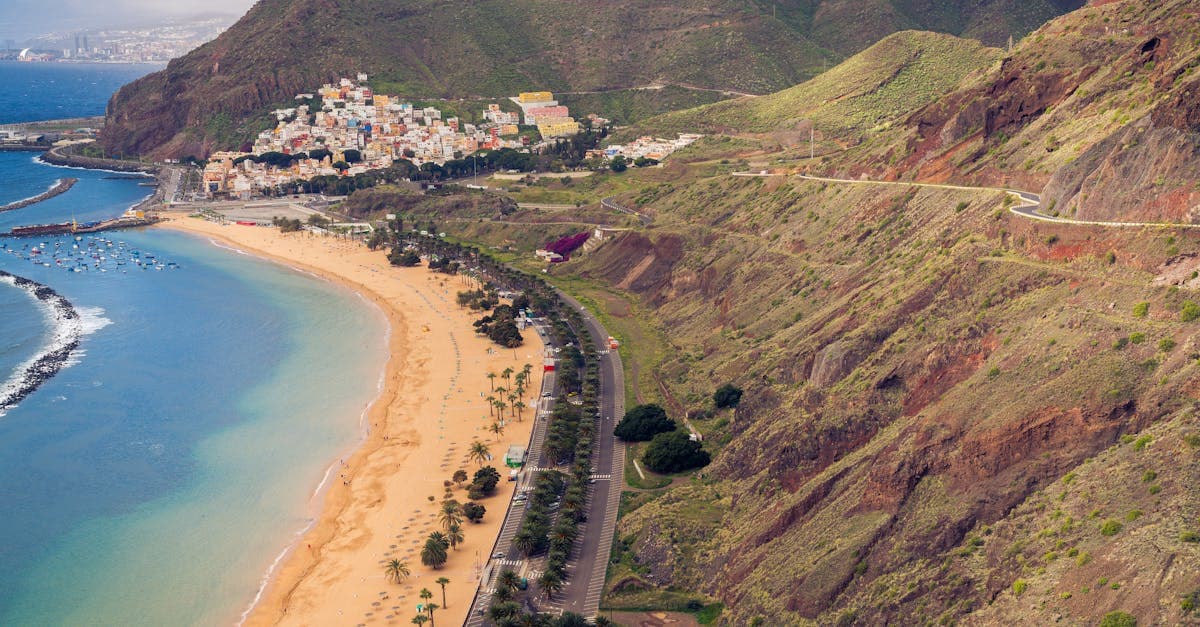
Late January and early February are, consistently, the cheapest window from Ireland. Once the post-Christmas demand collapses, Ryanair fares from Dublin to Tenerife South can drop to €30 to €60 each way on advance purchase. You are not making a serious weather compromise: the island is mild, uncrowded, and fully operational outside the Carnival weekend cluster in Santa Cruz.
The second-cheapest window runs from mid-September through to early November. Once Irish schools return after summer, airlines reduce fares to fill capacity. Accommodation in Costa Adeje and Los Cristianos in October and November can cost 30 to 40 percent less than the same rooms in August. For a week-long trip, that differential adds up to a meaningful saving.
Most expensive are July and August (Irish school summer holidays) and Christmas week. Return fares from Dublin to TFS during these windows regularly reach €200 to €500 per person. Accommodation tracks the same curve.
One exception to the January rule: Carnival creates a localised hotel price spike in Santa Cruz de Tenerife specifically. If you are travelling for Carnival, budget for elevated costs in the capital and book at least five months ahead. Hotels in the south stay comparatively cheaper during Carnival week, since the parade action is centred in Santa Cruz rather than the resort corridor.
MonthJanuary
WeatherGood
CrowdsLow
Flights from IEBudget
EventsThree Kings
VerdictBest budget pick
MonthFebruary
WeatherGood
CrowdsModerate
Flights from IEBudget (outside Carnival)
EventsCarnival
VerdictBest cultural pick
MonthMarch
WeatherGood
CrowdsLow
Flights from IEAffordable
EventsSemana Santa
VerdictHidden gem
MonthApril
WeatherGood
CrowdsModerate
Flights from IEMid-range
EventsEaster
VerdictSolid shoulder
MonthMay
WeatherExcellent
CrowdsLow
Flights from IEAffordable
EventsCorpus Christi (possible)
VerdictSweet spot
MonthJune
WeatherExcellent
CrowdsModerate
Flights from IEMid-range
EventsCorpus Christi (possible)
VerdictGood pre-peak
MonthJuly
WeatherExcellent
CrowdsVery high
Flights from IEPremium
EventsNone
VerdictPeak sun, peak price
MonthAugust
WeatherExcellent
CrowdsVery high
Flights from IEMost expensive
EventsNone
VerdictAvoid if budget matters
MonthSeptember
WeatherExcellent
CrowdsModerate
Flights from IEMid-range
EventsNone
VerdictTop pick overall
MonthOctober
WeatherVery good
CrowdsModerate
Flights from IEAffordable
EventsNone
VerdictExcellent value
MonthNovember
WeatherGood
CrowdsLow
Flights from IEBudget
EventsWhale watching peak
VerdictBest Irish escape
MonthDecember
WeatherGood
CrowdsModerate
Flights from IERises at Christmas
EventsChristmas
VerdictWarm and festive
Flights from Ireland to Tenerife: when to book and which airports to use
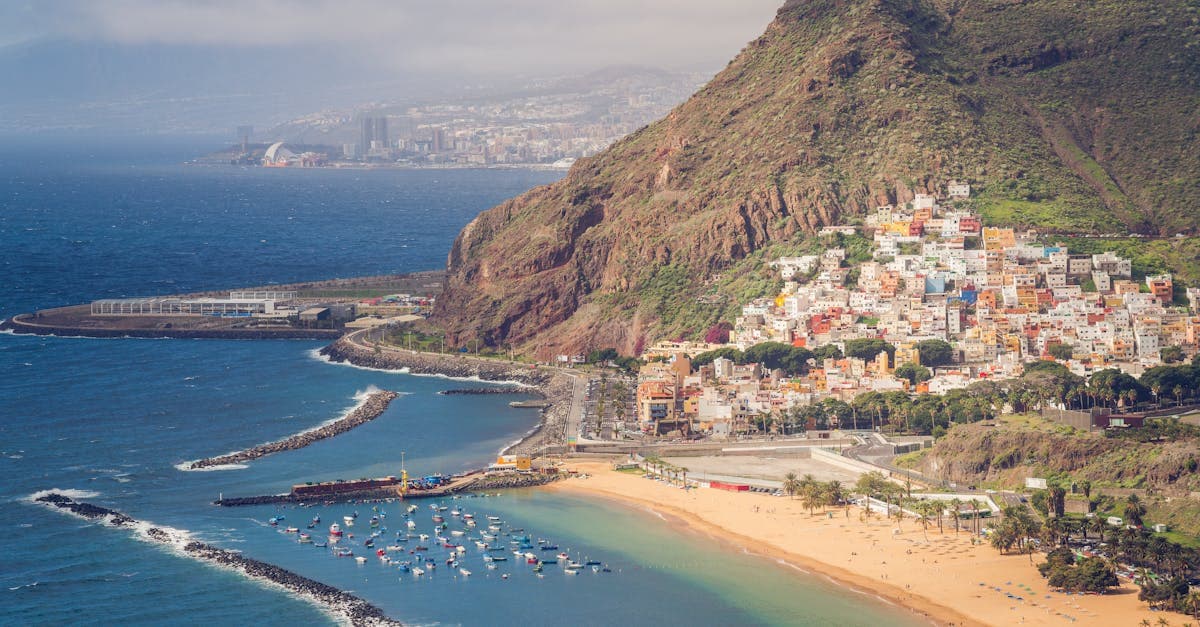
Dublin Airport is the main starting point. Both Ryanair and Aer Lingus operate the Dublin to Tenerife South (TFS) route throughout the year, with a flight time of around 3 hours 45 minutes. It is one of the more reliable direct connections from Ireland to the Canary Islands.
Cork Airport and Shannon Airport both have seasonal Ryanair services to TFS, typically running October through to April to cover winter sun demand. Routes change annually, so verify current availability directly rather than assuming last season's timetable is still in place.
When to book depends on when you plan to travel. For late January or February, the best fares come from booking in October or November of the prior year. For September or October travel, book in June or July. Carnival in February is a special case: book flights and accommodation simultaneously in August or September of the preceding year, since Santa Cruz hotels fill well ahead of the festival.
Lead times by season: shoulder months (May, June, September, October) generally reward booking 8 to 12 weeks ahead. Peak summer and Christmas week are worth securing 4 to 6 months in advance to avoid the late-surge premium.
Tenerife North Airport (TFN) handles some regional and charter traffic, but the vast majority of Irish routes arrive into TFS in the south, which sits close to the main resort corridor. Arriving at TFN and transferring south adds unnecessary travel time to the start of a trip.
Set a fare alert on Google Flights or Skyscanner for the Dublin to TFS route rather than checking manually. Price drops on these routes can be short-lived, and a passive alert catches them without the effort of daily searches.
What is the rainy season in Tenerife?

Tenerife does not have a rainy season in any conventional sense. The south of the island averages around 80mm of rainfall per year, roughly equivalent to a single wet week in Dublin. For visitors staying in Costa Adeje, Los Cristianos, or anywhere along the southern resort strip, rain simply is not a planning variable at any time of year.
The north is a different calculation altogether. Puerto de la Cruz and La Orotava average around 350mm per year tenerifetraveltips.com, most of it arriving between November and January as brief, passing showers rather than sustained downpours. The Panza de Burro cloud belt described in an earlier section settles on the northern slopes, carried by the northeast trade winds, and rarely crosses to the south. Two distinct microclimates, separated by a central ridge.
Even in winter, rain in the north clears quickly. The sky typically reasserts itself within the hour. A damp morning in Puerto de la Cruz in January is still considerably warmer and brighter than a routine day in Cork in November.
Calima events deserve a separate mention: Saharan dust clouds blow in from North Africa, most commonly in late summer, reducing visibility and giving the sky a hazy amber cast. Not rain, but worth knowing about for anyone with respiratory sensitivities or who plans heavy outdoor activity.
If you are staying in the south, rainfall plays no role in trip planning at any point of the year. If you are basing yourself in the north to explore La Orotava, the Anaga Rural Park, or the lush interior, factor in slightly more cloud cover from November through to February.
Best time to visit Tenerife depending on your trip
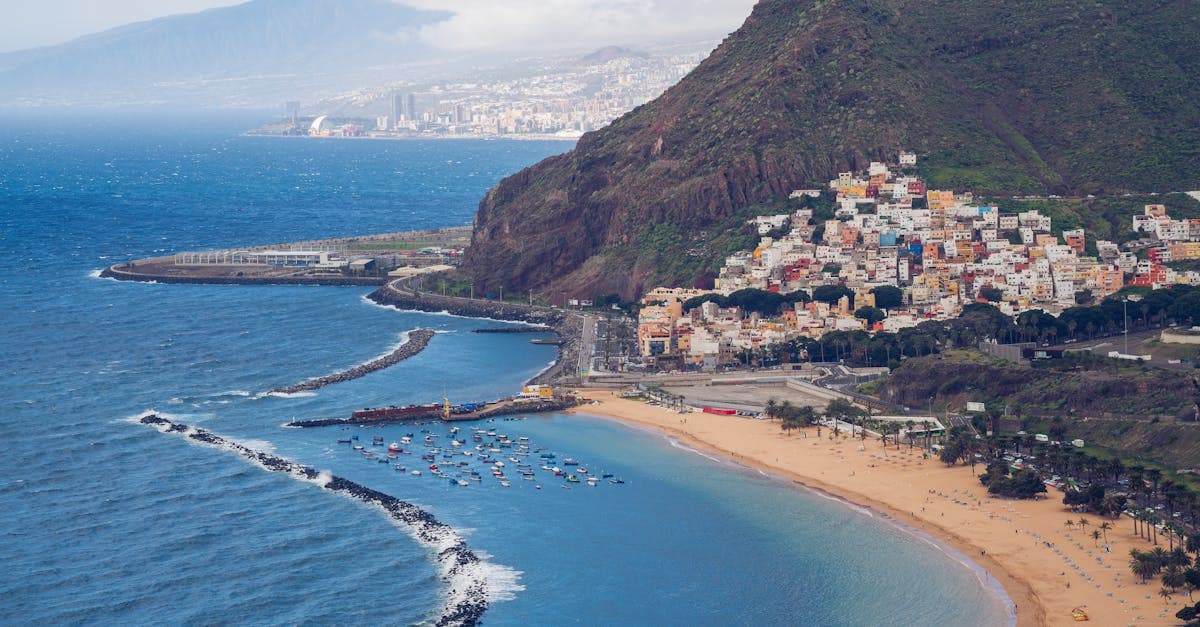
Beach trips and walking holidays have different calendars in Tenerife. Picking the right window matters more here than at most European sun destinations, because altitude and varied geography create real seasonal differences beyond a simple temperature line.
For sun and swimming, May to June or September to October are the strongest windows tui.co.uk. Warm water, manageable beaches, and fares well below the peak-summer ceiling. August delivers maximum heat and fully operational facilities, but the prices and the crowds are part of the package.
Hikers should target March to May, when air temperatures at altitude are cooler and spring wildflowers cover the Teide slopes. Summer heat above 2,000 metres is a genuine risk for walkers who haven't acclimatised.
Whale and dolphin watching peaks November to March in the Teno-Rasca corridor on the island's southwest coast. Pilot whales and bottlenose dolphins are year-round residents here, making encounters possible outside peak season too. Tenerife is, quietly, one of Europe's more reliable whale-watching destinations, which tends to surprise people expecting only beaches and sun loungers.
Families balancing school calendars: October mid-term is the sharper call, with lower fares and still-warm seas. If a summer window is fixed, July is marginally less pressured than August.
First-timers do best in September. Cultural travellers should prioritise February, when Carnival transforms Santa Cruz into something genuinely unlike anywhere else in Europe that month. Budget travellers heading out after 6 January or in November will find the lowest hotel rates of the year alongside weather no Irish month can match.
Staying connected in Tenerife: Wi-Fi, SIM cards and eSIMs

Tenerife is Spanish soil and a full EU member state. That means the 'Roam Like At Home' regulation applies: your Three, Vodafone, Eir, GoMo, or 48 SIM works here on the same domestic allowance, with no additional roaming charges in principle.
The caveat most people don't read until too late: virtually every Irish carrier applies a fair use data cap on EU roaming. Three Ireland caps roaming data at around 12GB even on unlimited domestic plans. Some Vodafone Ireland plans cap at 25GB, and a fortnight of active map use and streaming can exhaust that cap faster than you'd expect.
Roaming traffic is also deprioritised by Spanish network operators during peak demand. That translates to slower speeds in crowded resort areas, and Carnival week in Santa Cruz is the most notable example.
Coverage across the south coast tourist strip is strong. 4G and LTE are consistent throughout Costa Adeje, Los Cristianos, and Playa de las Américas, with 5G available in Santa Cruz and along the main resort corridors. Signal in Teide National Park above 2,000 metres is unreliable regardless of carrier: download offline maps before leaving the resort.
For travellers who'd rather not erode their home plan's roaming allocation, Hello Roam offers a Spain eSIM that activates via QR code before departure and runs on local network priority. It's compatible with iPhone XS and later, and most current flagship Android devices.
The on-the-ground alternative is a tourist SIM from Movistar or Orange kiosks at Tenerife South arrivals, typically €15 to €25 for 20 to 50GB valid for 30 days. A passport is required for registration. Hotel Wi-Fi is generally solid in four-star and above properties across Costa Adeje and Los Cristianos; budget accommodation in the north can be patchy.
What is the quietest month in Tenerife?
January is the quietest month in Tenerife. After the Three Kings holiday on 6 January, visitor numbers drop to their annual low, resort areas feel unhurried, and the pace across the island is noticeably different from the summer crush.
Among warmer months, May takes the title. Irish and continental European school holidays haven't started, the summer crowd hasn't arrived, and prices sit solidly in the mid-range. Beaches are uncrowded and boat trips run without the overbooking that frustrates families in July.
Irish visitors should know that 'quiet' in the main resort strip means something quite different from a village in Connemara in February. Restaurants are open, lifeguards are on duty, excursion boats depart daily, and bars run full hours.
For genuine quietness combined with local character, the north is consistently less busy than the south throughout the year. Puerto de la Cruz, La Orotava, and Garachico offer a different version of Tenerife, one that most Irish package tourists never encounter. It's also cooler and cloudier than the south, which matters if a beach is the priority.
January and November align with the most affordable flight windows from Ireland, as covered earlier. For cost-conscious travellers with flexible dates, the overlap makes them doubly attractive.
The numbers are straightforward. January in the south brings around 20 degrees Celsius with reliable sunshine. Dublin in January averages 6 degrees Celsius and roughly 18 days of rain: Los Cristianos in January may be quieter than August, but the comparison with home needs no elaboration.

David Chen
Travel writer and former digital nomad. 10 years exploring destinations across 6 continents. Specializes in budget travel, expat life, and off-the-beaten-path experiences for American travelers.
Read full bio→Frequently Asked Questions
There is no true rainy season in Tenerife's south, which includes Playa de las Americas, Los Cristianos and Costa Adeje, where the region averages fewer than 80 millimetres of rain annually, described as desert-level rainfall. This makes the south reliably sunny across every month of the year. The north of the island, including Puerto de la Cruz, is cloudier due to the northeast trade wind-driven cloud belt known as the Panza de Burro, though prolonged rain is still uncommon.
Tenerife's south ranges from 18 to 21 degrees Celsius in January and February, rising to 26 to 30 degrees in July and August, with sea temperatures between 19 and 25 degrees throughout the year. September and October see air temperatures of 22 to 28 degrees with sea temperatures at their annual peak of 23 to 25 degrees. The island's subtropical climate means temperatures remain mild even in the coldest winter months.
Late January and early February are consistently the cheapest window from Ireland, with Ryanair fares from Dublin to Tenerife South dropping to as low as 30 to 60 euros each way on advance purchase. The second-cheapest window runs from mid-September through to early November, when accommodation in Costa Adeje and Los Cristianos can cost 30 to 40 percent less than in August. July, August and Christmas week are the most expensive periods, with return fares regularly reaching 200 to 500 euros per person.
January has the lowest visitor numbers of the year, making it the quietest month in Tenerife. After Three Kings on 6 January, the post-Christmas demand collapse reduces crowds and flight prices to their lowest levels, and trails around Teide National Park feel uncrowded. November is also very quiet, with low crowd numbers and budget-friendly flights, making it another excellent choice for a peaceful trip.
September and October are the best overall months for most Irish travellers, combining the warmest sea temperatures of the year at 24 to 25 degrees Celsius, noticeably thinner crowds compared to July and August, and significantly lower flight prices from Dublin. January and February also offer excellent value and mild weather, with January being the cheapest month and February hosting Tenerife's famous Carnival.
Tenerife Carnival 2026 runs approximately 30 January to 14 February, centred on Santa Cruz de Tenerife, and is considered the second-largest carnival in the world after Rio de Janeiro. Hotels in Santa Cruz book out five to six months ahead for Carnival dates, so early booking is essential. Confirm exact dates with the Cabildo of Tenerife's official calendar before making any reservations.
Yes, Tenerife is an excellent winter destination, with air temperatures of 18 to 22 degrees Celsius in January and February compared to 5 to 8 degrees in Ireland during the same months. The south of the island remains reliably sunny year-round, and January sees the lowest visitor numbers and cheapest flights of the year. Tenerife's subtropical climate means it remains fully operational as a beach and sightseeing destination throughout the winter.
The vast majority of Irish routes arrive into Tenerife South Airport (TFS), which sits close to the main resort corridor including Playa de las Americas, Los Cristianos and Costa Adeje. Tenerife North Airport (TFN) handles some regional and charter traffic, but arriving there and transferring south adds unnecessary travel time to the start of a trip. Both Ryanair and Aer Lingus operate direct flights from Dublin to TFS throughout the year.
Both Ryanair and Aer Lingus operate direct flights from Dublin Airport to Tenerife South throughout the year, with a flight time of around 3 hours 45 minutes. Cork Airport and Shannon Airport both have seasonal Ryanair services to Tenerife South, typically running October through to April to cover winter sun demand. Routes change annually, so it is worth verifying current availability directly before booking.
For shoulder months such as May, June, September and October, booking 8 to 12 weeks ahead generally secures good fares. Peak summer and Christmas week are worth securing 4 to 6 months in advance to avoid the late-surge premium. For Carnival in February, book flights and accommodation simultaneously in August or September of the preceding year, as Santa Cruz hotels fill well ahead of the festival.
November through to March is the peak season for whale watching in the Teno-Rasca marine corridor, where resident pilot whales and sperm whales are most active. November in particular combines peak whale watching conditions with low crowds and budget-friendly flights from Ireland. This makes it an excellent choice for travellers who want to combine wildlife experiences with strong value for money.
The Panza de Burro is a cloud belt driven by northeast trade winds that settles on the northern slopes of Tenerife with regularity, affecting areas such as Puerto de la Cruz. It means the north can be cloudy while the south remains clear and sunny on the same afternoon, particularly in winter. Travellers who want guaranteed sunshine should base themselves in the south, in areas such as Playa de las Americas, Los Cristianos or Costa Adeje.
September is considered the top pick overall for experienced Irish travellers. Irish schools are back in session so prices fall toward mid-range, the Atlantic holds its warmest sea temperatures of the year at 24 to 25 degrees Celsius, and crowds thin noticeably after mid-August. Flights from Dublin become available at reasonable fares again, making September the most consistent value proposition in the calendar.
Tenerife is part of Spain, so EU roaming applies on Irish SIMs, but most carriers impose fair use caps on roaming data. A dedicated Spain eSIM provides a separate data allocation and local network priority without touching your home plan's allowance. An eSIM activates in minutes and can be set up before departure, avoiding the usual scramble at arrivals.
The south of Tenerife, including Playa de las Americas, Los Cristianos and Costa Adeje, is consistently dry and sunny year-round and averages fewer than 80 millimetres of rain annually. The north, including Puerto de la Cruz, is affected by the Panza de Burro cloud belt and is noticeably cloudier, particularly in winter. For reliable sunshine in any month, basing yourself in the south is the safer choice.
January is ideal for walking holidays, birdwatching and exploring quieter towns in the interior, with the trails around Teide National Park feeling uncrowded. Air temperatures sit at 18 to 21 degrees Celsius, visitor numbers are at their lowest, and flights from Dublin are at their cheapest level of the year. Three Kings celebrations take place on 6 January, after which the island settles into its quietest and most affordable period.
Sources
- Best time to visit Tenerife — tui.co.uk
- tenerifetraveltips.com — tenerifetraveltips.com
- Weather in Tenerife — thomascook.com
- When is the best time to visit Tenerife — tuiholidays.ie
- Tenerife weather | When is the best time to visit ... — onthebeach.ie
Recent articles
Cheapest Holiday Destinations From Ireland in 2026: Sun Breaks, City Trips and Real Prices

Best Countries for Digital Nomads in 2026: is Ireland Worth the Premium?

eSIM Spain: the Complete Guide for Irish Travellers in 2026

What to Eat in Spain: the Complete Food Guide for Irish Travellers
Stay Connected with Travel Data
View all destinations

United States

United Kingdom