eSIM Europe: the Complete Guide for Canadian Travellers in 2026

Written by: Ryan Bouchard


12 min read

HelloRoam is a global eSIM provider offering instant mobile data in 175+ countries. Buy prepaid travel eSIM plans with no extra fees, no contracts, and instant activation on any eSIM-compatible device.
12 min read
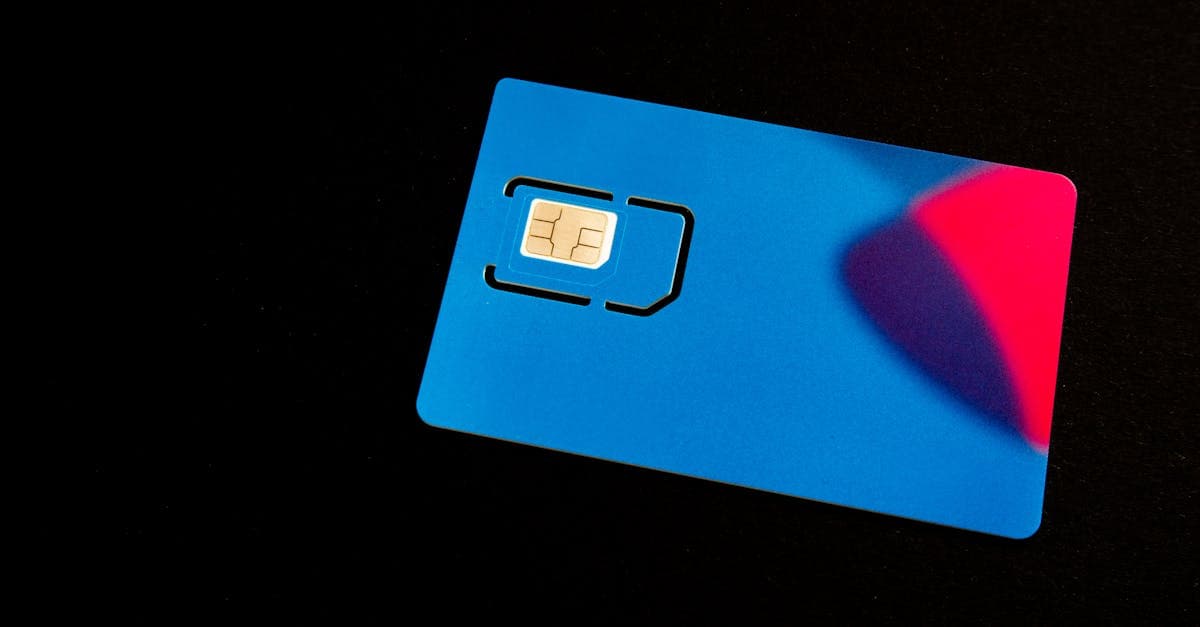
An eSIM (embedded SIM) is a digital SIM card built directly into your phone's hardware. Instead of swapping a plastic card at the airport, you download a carrier profile via QR code or app, and your phone connects to a local European network. The whole setup takes under five minutes from purchase to active connection.
Under CRTC regulations, Canadian phones sold after December 2017 must be carrier-unlocked. Most can activate a foreign eSIM without calling Rogers, Bell, or Telus first. Check Settings > About Phone: if it reads "Network: Unlocked," you're cleared to proceed. Two terms are worth knowing upfront: an "eSIM profile" refers to the carrier credentials your phone downloads and stores on its embedded chip; your "IMEI" is the device identifier some providers request to verify compatibility before confirming a purchase.
Device support is broad but not universal. iPhones from the XS onward, Google Pixel 3 and later, and most Samsung Galaxy phones from the S20 series all support eSIM. Phones purchased before 2019 may not. A quick search for your model number alongside "eSIM compatible" confirms it in under a minute.
The detail worth knowing: dual-SIM capability is what makes an eSIM for Europe genuinely useful rather than just marginally cheaper. Keeping your Canadian number active for Interac e-Transfer alerts and bank notifications while routing all mobile data through a local European eSIM is the setup most Canadian frequent travellers settle on after one trip. The physical SIM handles calls and texts; the eSIM handles data. You don't have to choose. The technology is dependable and well-sorted: the more pressing question is whether it actually saves money compared to what the Big Three charge for a European trip.

Yes. For most Canadians travelling to Europe for five or more days, an eSIM is worth it on cost savings alone. Canadian carrier roaming add-ons in Europe run roughly $12 to $16 CAD per day. Over two weeks, that number accumulates into a bill most travellers weren't expecting.
Rogers charges approximately $14 CAD per day for Roam Like Home coverage in Europe. Fine for a long weekend in London. Stretch that to two weeks across France, Italy, and Spain and you've spent roughly $196 CAD on data before accounting for any overages. A comparable regional eSIM plan covers that same window for one flat charge of $20 to $45 CAD.
Convenience adds to the argument. Purchase from the departure lounge at YYZ, YVR, or YUL, activate before clearing customs, and land in Europe already connected. No SIM kiosk queue. No hunting for a phone shop while jet-lagged after a nine-hour red-eye from Toronto Pearson.
The fine print changes that calculation only in specific circumstances. A two-night stay in one city with dependable hotel Wi-Fi may not justify the switch, particularly if your carrier already offers a reasonable Europe roaming allowance in your monthly plan. The break-even point is typically around three to four days of daily roaming charges versus a flat eSIM rate. Run that comparison honestly before committing either way.
The calculation shifts clearly toward eSIM for multi-city itineraries of five or more days, remote workers who need consistent LTE throughout, and anyone crossing three or more countries in a single trip. At that point, the daily roaming math stops working in your favour.
Pricing as of March 2026. Carriers adjust rates regularly, so confirm your current plan terms before departure. For a long weekend in a single city, roaming may still make sense; for anything longer or spanning multiple countries, the flat-rate case is hard to argue with.

The best Europe eSIM plan for Canadians covers every country on the actual itinerary, delivers consistent LTE throughout, and comes from a provider with live support when something fails mid-trip. Three criteria, applied in that order.
Coverage breadth sounds obvious until you read the fine print. A headline count of "36 European destinations" can still exclude Kosovo, Andorra, or parts of the western Balkans. Cross-reference your specific itinerary against the provider's country list before purchasing. Marketing copy says "across Europe." The country list tells the truth.
Data allowance requires some honest math. Standard tourist use, built around Google Maps, WhatsApp, and light social media, runs roughly 700 MB per day. Over a fortnight, that points clearly toward a mid-range plan. Flip that for remote workers or anyone on regular video calls: size up significantly, ideally into an unlimited-ish tier with a generous fair-use cap.
Speed tiers matter more than the advertising suggests. Some plans throttle to 3G speeds after a fair-use cap, typically somewhere between one and three GB of use. Throttled 3G makes navigation lag and video calls choppy. Check whether the plan guarantees LTE throughout, or only up to a usage threshold, before committing.
Hotspot capability is non-negotiable for travellers carrying a laptop or tablet. Not all plans permit tethering, and those that do may apply a lower data cap to hotspot use than to on-device data. Confirm this in the plan details, not the summary page.
Validity terms carry a small but meaningful distinction: some plans start on activation date, others on first network use. Activate at YYZ on a Thursday evening, land in Europe Friday afternoon, and a plan that starts on activation already has a day off the clock. Read the start-date terms before checking out.
Support quality is where tiers genuinely diverge. Email-only support with a 48-hour response window is not workable when your eSIM fails to connect at Charles de Gaulle at midnight. Providers like Hello Roam offer 24/7 multilingual assistance: Hello Roam's regional eSIM plans for Europe cover 190-plus destinations with round-the-clock support included. For any multi-country itinerary, support accessibility belongs on the checklist alongside coverage and price.
With those criteria mapped out, the next step is identifying which specific plans hold up in practice for Canadian travellers, and how the field compares once you move past the marketing.

Four criteria separate a functional Europe eSIM from a genuinely useful one: country coverage across 40 or more European nations, consistent LTE throughout, hotspot permission, and customer support reachable when something goes sideways at 11 pm in a Heathrow arrivals hall.
Two travellers board the same Air Canada flight out of Toronto Pearson. One activates an eSIM at the Maple Leaf Lounge before the boarding door closes. The other plans to sort a SIM card at Heathrow. Both land at the same terminal. One has a working connection from the jetway. The other joins the kiosk queue. Same coverage eventually, very different start to the trip.
Budget plans from various eSIM apps can drop to roughly $0.30 CAD per gigabyte on single-country options, according to mobimatter.com. The fine print changes that calculation. Most exclude hotspot use, throttle to 3G after the first gigabyte, and offer support that amounts to an FAQ page. Adequate for a short, single-country visit. Inadequate for most European itineraries.
Mid-tier plans from competing services typically include LTE and hotspot at a higher per-gigabyte cost, but support often routes through chatbot-first systems rather than live agents.
Hello Roam's Europe options extend to destinations frequently absent from cheaper-tier lists: Albania, North Macedonia, and Kosovo among them. The other sharp distinction is disclosure. Data caps, speed thresholds, and tethering conditions appear in the plan details before purchase, which is not standard across the market. That level of transparency matters; discovering a tethering restriction after landing is a specific, preventable frustration. Quebec travellers should also know the app activates in French, simplifying setup for those more comfortable working through the process in their first language.
When an eSIM fails to activate late at night in an overseas arrivals hall, the gap between a live agent and a support ticket queue matters. A great deal.
Mid-range Android devices from 2020 to 2022 sometimes cannot run a Canadian physical SIM and an eSIM data profile simultaneously. Current iPhones and flagship Android models handle this without issue. Confirm your device model before committing to any plan.
Choosing the right plan is half the task. Activating it, it turns out, is the simpler half.

Activation takes under five minutes on a supported device, and the process is nearly identical on iPhone and Android. The prerequisites are straightforward: a Wi-Fi connection and a carrier-unlocked phone.
Step 1: Confirm eSIM compatibility. On iPhone, navigate to Settings, then General, then About, and look for an "Available SIM" entry. On Android, go to Settings, then Connections, then SIM Manager. If neither path surfaces an eSIM option, your handset does not support the technology.
Step 2: Verify your phone is carrier-unlocked. As covered in the earlier compatibility section, Canadian phones sold after December 2017 must be unlocked by law. If you are unsure, call your carrier before purchasing a plan.
Step 3: Buy your eSIM plan 24 to 48 hours before departure. Purchasing in advance gives you time to resolve any QR code or activation issues without a boarding call adding pressure.
Step 4: Scan the QR code your provider sends. On iPhone: Settings, then Cellular, then Add Cellular Plan. On Android: Settings, then Connections, then SIM Manager, then Add eSIM. Once the code is in frame, the profile downloads in well under 60 seconds.
Step 5: Label the plan and set your defaults. Name the eSIM something clean, like "Europe Data." Set your Canadian SIM as the default for calls and texts. Set the eSIM as the default for mobile data.
Step 6: Enable data roaming on the eSIM profile after landing. Some plans require this toggle switched on in-country before data activates. Check it before leaving the arrivals hall.
If the QR code fails to scan, use the manual entry code your provider supplies instead. Avoid deleting the eSIM profile and reinstalling; iPhones store up to eight profiles, but deleted ones cannot always be recovered.
Boarding call in 15 minutes. The eSIM activates in under two. That leaves time to grab a double-double before you fly.
The setup is dead-simple on paper and in practice. Where the technology has limits is worth knowing before you travel.

eSIMs have real limitations that cluster around four areas: device compatibility, finite profile storage, activation requirements, and a handful of use-case gaps. For most Canadians with a phone from 2020 or newer, none are dealbreakers, but they are worth knowing before you commit.
Device age is the first filter. Phones from 2018 or earlier generally do not support eSIM, with the cutoff sitting roughly at the iPhone XS and 2019 Android flagships. If your handset predates those models, a physical SIM card remains the reliable option for European travel.
Profile storage is finite. iPhones hold up to eight stored eSIM profiles with only two active simultaneously. Android support varies by manufacturer. Frequent travellers who cycle through regional plans across multiple trips can approach those device limits faster than expected.
Activation requires Wi-Fi. You need a working connection to download the eSIM profile via QR code. In-flight activation works only on airlines whose cabin Wi-Fi supports QR scanning. Airport Wi-Fi at peak arrival times is patchy enough that you should not count on it.
The part most guides skip: there is no SIM card to hand over. If a travel companion urgently needs data and their phone is not eSIM-compatible, there is nothing to share. A physical plan allows that flexibility; an eSIM does not.
Coverage descriptions can mislead. A plan marketed across a given number of European countries may still exclude micro-states like Andorra or Liechtenstein. Cross-reference the full country list against your actual route, as noted earlier in this guide.
Running dual SIM, a Canadian physical card alongside an active eSIM, can modestly increase battery drain in areas with patchy signal. A battery pack is sensible on long travel days.
For most Canadians with a post-2020 phone, these trade-offs are manageable relative to the cost savings and convenience. The broader European connectivity picture, including a few scenarios where an eSIM alone is not the complete answer, rounds out what to know before departure.

Western Europe's LTE coverage is solid in city centres and along major rail and road corridors. The gaps emerge off those routes: rural areas in the Balkans and Eastern Europe can be patchy, and long-distance trains pass through tunnels where signal drops entirely.
Download offline maps before boarding any long-distance train. Full stop.
Public Wi-Fi is available across most European cities, but unencrypted hotspots carry real security exposure. Use a VPN before opening banking apps or email on a cafe or airport network. Hotel connections are inconsistent: a boutique property in rural Provence or a hillside village in Greece may offer only a slow, fiddly captive portal as the alternative. A mobile eSIM plan is the dependable fallback for travellers who need reliable data throughout the day, with providers offering affordable rates and no roaming charges across European destinations mobimatter.com.
Two weeks of navigation, messaging, and light social media typically consumes between 8 and 12 GB. Remote workers with regular video calls should plan for more, consistent with the higher range discussed earlier in this guide.
The part most guides skip: most eSIM plans for Europe are structured around Schengen zone countries. Romania, Bulgaria, and Croatia are EU members but outside Schengen as of early 2026. Cross-reference your plan's country list against your actual itinerary before purchase, not after you land in Bucharest.
Post-Brexit, UK coverage is frequently sold separately from continental European plans. If your itinerary includes Britain, confirm it is listed. A connecting flight through Newark or Chicago also exposes you to US roaming during a layover. A North American eSIM covering both sides of the border prevents that charge from appearing on your bill.

The best Europe eSIM covers every country on your itinerary, delivers consistent LTE throughout, permits hotspot use, and includes live customer support. Plans covering 40 or more European nations with 24/7 support and transparent data caps are the most reliable choice for multi-country trips. Budget plans may work for short single-country visits but often throttle speeds and lack tethering.
For Canadians, the strongest Europe eSIM plans cover 40-plus countries including less common destinations like Albania, Kosovo, and North Macedonia, offer consistent LTE, hotspot access, and round-the-clock customer support. Regional eSIM plans with transparent data caps and live support are especially useful for multi-city itineraries. Budget options from various eSIM apps can cost as little as $0.30 CAD per gigabyte but typically exclude hotspot use and throttle speeds early.
The main limitations of eSIM are device age restrictions, finite profile storage, and activation requiring a Wi-Fi connection. Phones from 2018 or earlier generally do not support eSIM, iPhones store up to eight profiles with only two active at once, and you cannot share an eSIM with a travel companion the way you can hand over a physical SIM card. Some plan coverage descriptions can also mislead, excluding micro-states or specific regions despite broad marketing claims.
Yes, for most Canadians travelling to Europe for five or more days, an eSIM is worth it based on cost savings alone. Canadian carrier roaming add-ons in Europe run roughly $12 to $16 CAD per day, while a comparable regional eSIM plan for the same two-week trip typically costs a flat $20 to $45 CAD. The break-even point is usually around three to four days of roaming charges versus a flat eSIM rate.
An eSIM is a digital SIM card built into your phone's hardware that lets you download a carrier profile via QR code instead of swapping a physical card. For European travel, you purchase a plan online, scan the QR code on your device, and connect to a local European network in under five minutes. Dual-SIM capability allows you to keep your Canadian number active for calls and texts while using the eSIM exclusively for data.
Purchase your eSIM plan 24 to 48 hours before departure, then scan the QR code provided by your carrier under Settings > Cellular > Add Cellular Plan on iPhone, or Settings > Connections > SIM Manager on Android. Label the eSIM and set your Canadian SIM as the default for calls while the eSIM handles data. After landing, enable data roaming on the eSIM profile before leaving the arrivals hall.
Canadian carriers charge approximately $12 to $16 CAD per day for European roaming, adding up to roughly $196 CAD for a two-week trip. A regional eSIM plan covering the same period typically costs a flat $20 to $45 CAD. Budget eSIM plans run approximately $4 to $8 CAD per gigabyte, mid-range plans $8 to $15 CAD per gigabyte, and unlimited-style plans around $40 to $70 CAD flat for 30 days.
Standard tourist use covering Google Maps, WhatsApp, and light social media runs roughly 700 MB per day, pointing toward a mid-range plan of 10 to 15 GB for a two-week trip. Remote workers or anyone making regular video calls should size up significantly, ideally to a plan with a generous fair-use cap in the 20 to 30 GB range. Confirm whether the plan guarantees LTE throughout or only up to a usage threshold.
Not all Europe eSIM plans permit hotspot use, and those that do may apply a lower data cap to tethered devices than to on-device data. Budget plans rarely include tethering, while mid-range and unlimited plans more often include it. Confirm hotspot permissions in the plan details before purchasing, particularly if you are travelling with a laptop or tablet.
Under CRTC regulations, Canadian phones sold after December 2017 must be carrier-unlocked, so most Canadians can activate a foreign eSIM without contacting their carrier first. You can verify your phone's status by checking Settings > About Phone for a network status reading of Unlocked. If you are unsure, contact your carrier to confirm before purchasing a plan.
iPhones from the XS onward, Google Pixel 3 and later, and most Samsung Galaxy phones from the S20 series all support eSIM. Phones purchased before 2019 may not be compatible. A quick search for your specific model number alongside the term eSIM compatible will confirm support in under a minute.
Purchase your eSIM plan 24 to 48 hours before departure to leave time for resolving any activation issues without time pressure. You can activate the profile before you fly, but keep in mind some plans start their validity period on activation date rather than first network use, so read the start-date terms carefully before checking out.
Coverage varies by tier: budget plans typically cover up to 20 countries, mid-range plans 30 to 40, and premium plans 40 or more. A headline country count can still exclude destinations like Kosovo, Andorra, or parts of the western Balkans, so cross-referencing your specific itinerary against the provider's full country list before purchasing is essential.
Yes. Dual-SIM capability allows you to keep your Canadian physical SIM active for calls, texts, and banking notifications while routing all mobile data through a Europe eSIM. The physical SIM handles calls and texts; the eSIM handles data. This setup is common among Canadian frequent travellers and eliminates the need to choose between your home number and local data access.
Most mid-range and premium Europe eSIM plans deliver consistent LTE speeds throughout the validity period. Budget plans often throttle to 3G speeds after a fair-use cap, typically between one and three GB of use, which can cause navigation lag and choppy video calls. Check whether the plan guarantees LTE throughout or only up to a usage threshold before committing.

Best Time to Visit Bali: a Month-by-Month Guide for Canadian Travellers

Cheap Vacation Destinations for Canadians: 26 Budget Picks for 2026

Korean Street Food: a Complete Guide for Canadian Travellers in 2026

Costa Rica Weather Guide for Canadian Travellers: Month-by-Month and Region-by-Region
HelloRoam: your trusted travel eSIM that keeps you online across borders.
Explore Plans