Cheap Vacation Destinations for Canadians: 26 Budget Picks for 2026

Written by: Meera Patel


13 min read

HelloRoam is a global eSIM provider offering instant mobile data in 175+ countries. Buy prepaid travel eSIM plans with no extra fees, no contracts, and instant activation on any eSIM-compatible device.
13 min read
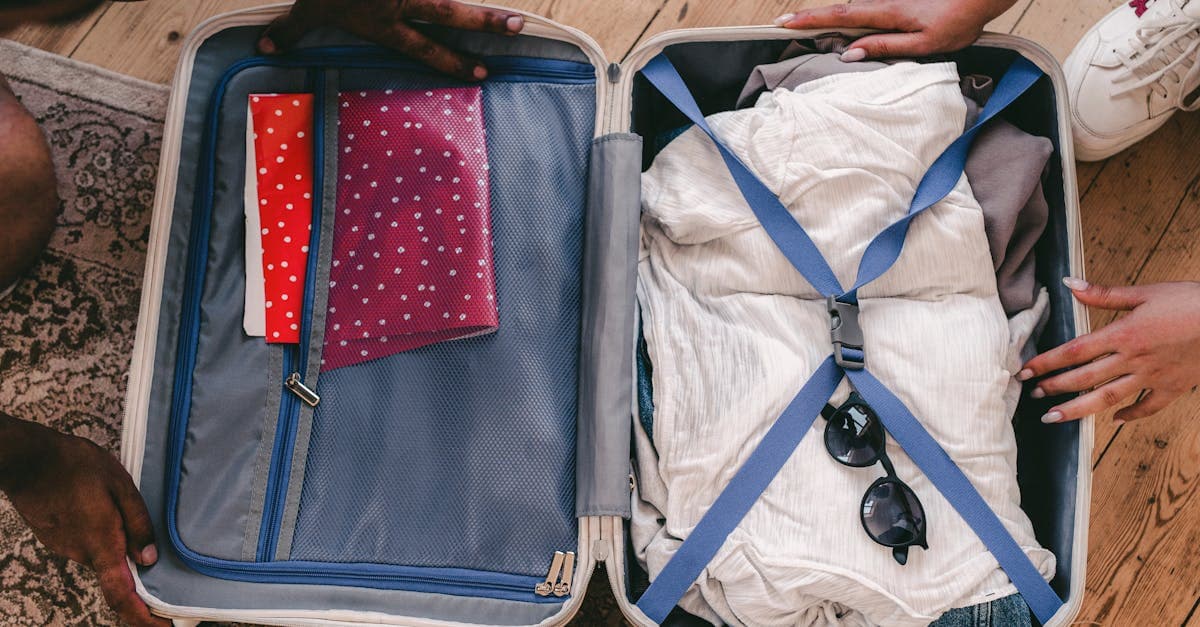
The cheapest vacation destinations from Canada in 2026 are Vietnam, Guatemala, Mexico outside the resort corridor, and Albania, when return flights, accommodation, and daily costs are tallied together weareglobaltravellers.com. A solo two-week trip to Vietnam, including return airfare from YYZ or YVR, typically runs ~$2,500 to ~$3,500 CAD. That figure surprises travellers who assume Southeast Asia is reserved for bigger travel budgets.
Three variables determine whether a destination is genuinely affordable for you specifically: flight distance from your departure city, the local cost-of-living index once you land, and the Canadian dollar's strength against that country's currency at the time of travel. The CAD has strengthened against several Southeast Asian and Latin American currencies over the past 18 months, translating directly into better purchasing power on the ground.
Eastern Europe (Albania, Georgia, North Macedonia) offers genuinely lean daily costs. The part most guides skip: getting there from Canada requires a transatlantic flight plus at least one European connection, and that base cost reshapes the all-in total considerably compared to a direct hop to Mexico or a charter package to the Caribbean.
Distance matters more than daily rates alone.
All-inclusive charter packages from Canadian airports can legitimately undercut DIY beach travel on total price, particularly for families. Flights, hotel, and meals bundled together often come in below what four people would spend booking each component separately.
The short version: cheap vacation destinations exist across every continent, but which ones best fit a Canadian itinerary given flight routes and airfare realities? The next section breaks the top picks down by region.

The top cheap vacation destinations for Canadians in 2026 are Vietnam, the Philippines, Thailand, Colombia, Mexico (independent travel), Guatemala, and Caribbean all-inclusive packages. According to expedia.ca, Thailand and Vietnam stand out as particularly strong budget options, with low-cost accommodations available across both countries. Flight routing from Canadian hubs creates two different cost calculations. Southeast Asia offers lower daily costs but demands a long-haul journey with at least one connection. Latin America runs slightly higher on daily spending in some countries, while offering considerably shorter flights and direct service on several routes.
The destination with the cheapest daily rate is not always the cheapest trip. Guatemala offers some of the lowest per-day costs anywhere, yet connecting from Toronto or Vancouver requires routing through a US gateway, adding both time and meaningful fare variation depending on the carrier.
Timing matters as much as destination.
Shoulder-season booking (broadly May or November for most of these regions) reduces airfare by roughly 20 to 40 percent compared to peak-season pricing. All prices in the table are in CAD.
Southeast Asia and Latin America dominate the list, but for different reasons and different traveller profiles. Here is what each region actually costs.
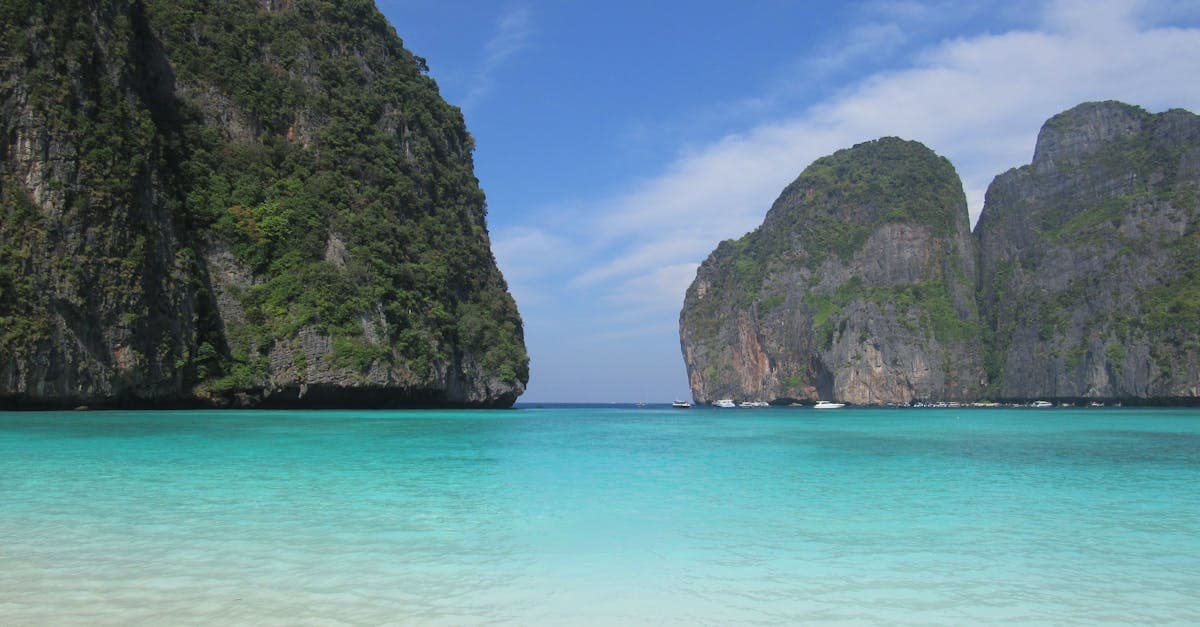
According to expedia.ca, Vietnam lands at the lean end of the regional daily range for a reason. Hanoi and Hoi An run roughly 25 percent cheaper than Ho Chi Minh City for comparable guesthouses and meals, so city routing within the country meaningfully shifts the daily total. Thailand follows the same logic: Chiang Mai costs approximately 30 percent less than Bangkok for mid-range accommodation, and travellers who sequence the cheaper city first extend their budget noticeably before heading south.
The Philippines competes well for beach-focused itineraries weareglobaltravellers.com. Cebu and the Visayas regions deliver on the daily estimate above, with domestic inter-island flights averaging roughly ~$25 to ~$40 CAD per leg.
Island-hopping adds up fast.
Flights from YVR typically run ~$900 to ~$1,300 CAD return with one stop. From YYZ, budget ~$1,100 to ~$1,500 CAD via Tokyo, Seoul, or Hong Kong. As of early 2026, those ranges hold best during shoulder season. Peak December and January departures from YYZ push toward the upper end.
Mobile data across the region is easy to arrange before departure. Regional eSIM plans start at roughly ~$10 to ~$18 CAD for 5 GB. Hello Roam covers 190-plus destinations, including Vietnam, Thailand, and the Philippines: browse Hello Roam's [eSIM plans for](https://www.helloroam.com/en-CA/esim-budget-travel) Southeast Asia to compare options by data volume and validity period. For reference, 5 GB across 14 days works out to roughly 350 MB per day, solid for navigation and messaging but tight if video calls are frequent.
Latin America offers a shorter journey for many Canadians, with daily costs that rival Southeast Asia in several countries and no 14-hour travel day to contend with.
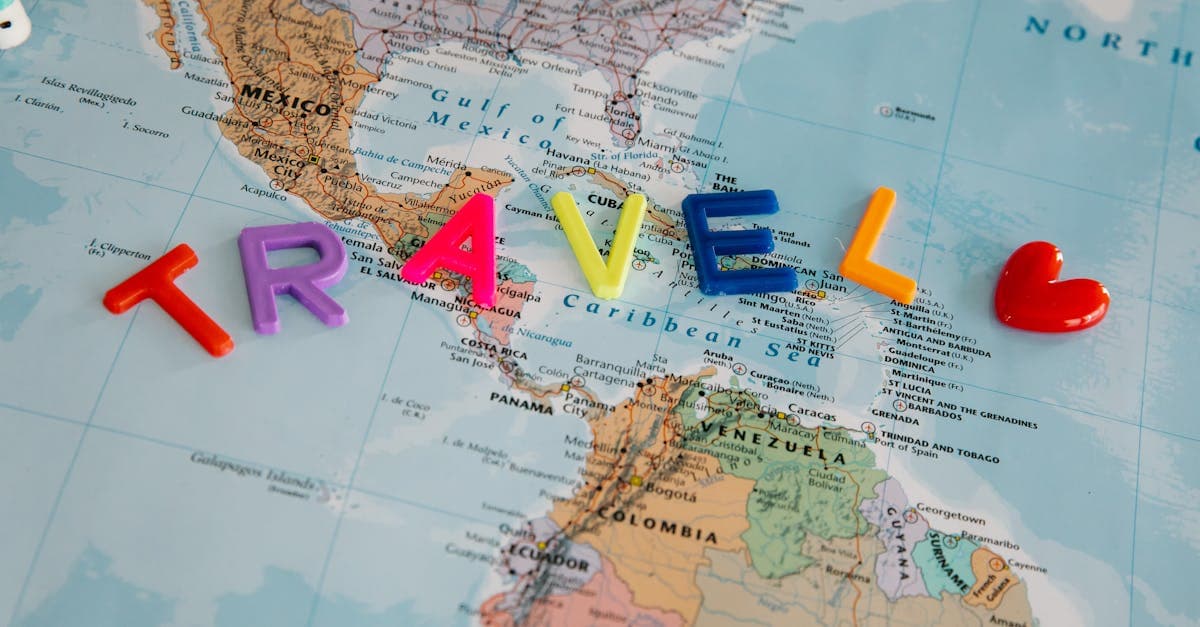
Guatemala's daily budget sits at the bottom of this comparison, and so does the ease of getting there. Antigua and Lake Atitlan are the main draws, and the shuttle network connecting them is solid. For first-time international travellers from Canada, onward connections beyond those two hubs are patchy, and English-language support thins out considerably outside the main tourist zones.
Mexico outside the Riviera Maya delivers on the rates in the table above. Oaxaca and Merida benefit from strong local food cultures where eating well and eating affordably are largely the same thing. The infrastructure in both cities is dependable for independent travel, with direct connections from YYZ and YVR making the routing straightforward.
Colombia changes the calculation with direct flights. Medellin and Cartagena sit within the mid-range of the Latin American daily cost band noted above, and direct YYZ service on both scheduled and charter carriers keeps total trip costs competitive against longer-haul alternatives.
Currency note: both the Colombian peso and Guatemalan quetzal have remained favourable against the CAD over the past two years. Real purchasing power in both countries stretches beyond what the headline exchange rate suggests, a consistent advantage for Canadian travellers.
Caribbean all-inclusive packages represent a distinct category of value. The per-person pricing shown in the table is difficult to replicate independently, especially for families, and the charter infrastructure operating out of YYZ, YUL, and YHZ is well-established and reliable sunwing.ca. Guatemala and Mexico offer cultural depth and flexibility that no bundled resort package replicates.
Understanding where Canadians are actually booking adds another layer, particularly for finding competitive airfares and proven travel infrastructure.

The United States, Mexico, the Dominican Republic, Cuba, and Jamaica remain the five most popular international destinations for Canadians, according to Statistics Canada travel data. Sun-destination all-inclusives continue to dominate booking volumes, driven by competitive charter pricing and CAD-denominated packages that bundle flights, accommodation, and meals into a predictable total.
Europe is gaining ground. Portugal and Greece have both seen rising Canadian arrivals since transatlantic airfares settled from their 2023 peaks, attracting travellers who want history and coastal scenery alongside beach time. A growing segment, particularly those who have already cycled through the Caribbean circuit a few times, is turning toward Colombia, Vietnam, and Albania as cheap vacation destinations offering more local texture for less daily spend. Online travel communities reflect strong interest in Southeast Asia and Eastern Europe from Canadian travellers aged 25 to 40, especially those looking past the familiar picks.
The detail most booking tools bury: departure city shapes your options as much as destination does.
Montreal-Trudeau (YUL) carries a denser direct European route network than Toronto Pearson (YYZ), which frequently translates to lower base fares on transatlantic routes. Vancouver International (YVR) offers stronger routing to Asia and the South Pacific, often undercutting equivalent YYZ connections by a meaningful margin on base price.
Quebec travellers show distinct preferences: France, Morocco, Martinique, and Guadeloupe draw consistent interest, and destinations with established French-speaking communities rank higher in Quebec booking data than they do nationally. For bilingual families or mixed groups, that shapes the shortlist from the start.
Destination trends tell you where others are booking. The more practical question for families, in particular, is which destination delivers the best value per CAD spent once flights, accommodation, and kids' needs are factored in.

For Canadian families, Mexico's Riviera Maya and the Dominican Republic offer the strongest combination of flight cost, accommodation, food, and child-friendly amenities available from Canada in 2026. A family of four (two adults, two children) can find seven-night all-inclusive packages to Cancún or Punta Cana from roughly $4,500 CAD, including return flights from major Canadian airports, in shoulder season redtag.ca. Peak January pricing pushes that figure to $6,500 CAD and above.
DIY family travel in Portugal or Croatia runs $250 to $350 CAD per day for a family of four, plus transatlantic flights averaging $3,200 to $4,800 CAD return. That places a self-guided European trip in roughly the same total range as a higher-tier all-inclusive, sometimes more once you factor in restaurant meals, local transport, and the logistical overhead of planning with children.
Southeast Asia is pocket-friendly on a per-day basis. For families with younger children, though, flight lengths of 14 to 20 hours with a connection, combined with recommended health precautions for certain destinations, shift the practical calculus considerably. It is a better fit once kids are older and more adaptable to long-haul travel.
Cuba remains one of the cheapest all-inclusive options from Canada sunwing.ca. Amenity and food quality vary sharply between resort tiers. Check recent reviews carefully rather than relying on category pricing alone.
Shoulder season cuts all-inclusive package prices by 20 to 35 percent from peak January and February rates. Late April, May, and early November are the sweet spots: prices drop sharply while weather holds in most sun destinations.
A sensible approach: match destination to your family's primary priority (beach, culture, adventure) and your children's ages before filtering by price. Starting from cheapest and working backward tends to produce compromises that satisfy nobody.
The family value equation is specific to age, interests, and departure city. The broader question of which country stretches a Canadian dollar furthest applies to every type of traveller.
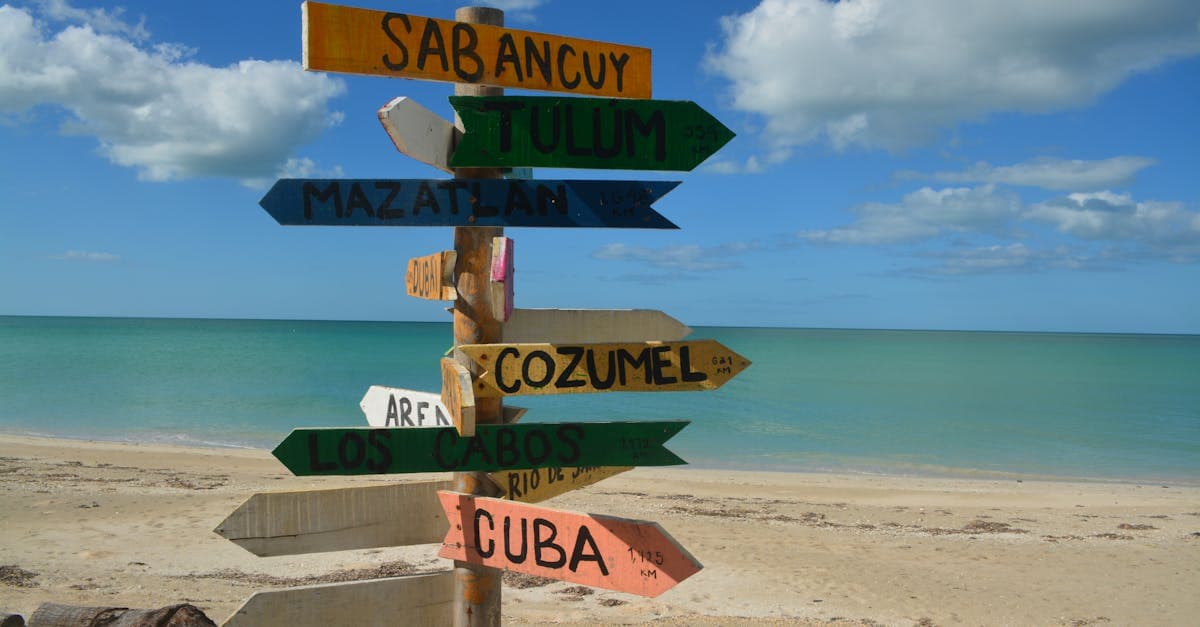
According to indietraveller.co, Vietnam, Albania, Georgia (in the Caucasus), Guatemala, and Indonesia outside Bali consistently turn up as the strongest options for low-budget travel in 2026, measured by all-in daily spend in CAD.
Albania is the entry that surprises most Canadians. At $60 to $70 CAD per day, you get Adriatic beaches, well-preserved Ottoman-era towns like Berat and Gjirokastër, and tourist crowds that are thin by comparison with neighbouring Croatia, which now commands significantly higher prices. A NATO member with growing hospitality infrastructure, it delivers a genuinely European trip at a fraction of what the western Balkans used to cost.
Vietnam's daily costs, covered in the Southeast Asia section above, place it near the top of the global value list. Georgia (Tbilisi, Kutaisi, the Kakheti wine region) runs $45 to $60 CAD per day. Direct connections from Canada are limited, but budget hub connections through Istanbul or Vienna keep total costs manageable, and the food culture and distinct architecture make the extra planning worthwhile. Indonesia outside Bali, specifically Lombok and Java, offers diving and hiking infrastructure that rivals Bali, at daily costs closer to Guatemala's per-day range noted earlier.
Lowest-per-day and lowest-total-trip are not the same number.
That distinction matters. The cheapest destinations by daily rate typically require longer flights and additional connections, adding $800 to $1,500 CAD in airfare compared with Caribbean alternatives. Run both calculations before booking. They tell different stories.
The genuine trade-off for each destination: exceptional value and lower tourist density against longer travel times, more logistical planning, and variable health infrastructure in rural areas. No budget destination comes without a compromise somewhere.
Picking the right destination is only half the equation. Once you land, absorbing roaming charges from Rogers, Bell, or Telus can quietly add hundreds of dollars to a trip budget.

At most cheap vacation destinations, a local eSIM or physical SIM card runs $5 to $20 CAD for a week or more of workable data. Compare that with Big Three roaming add-ons, which start at $12 to $16 CAD per day in popular destinations.
Run the full calculation. Rogers Roam Like Home, Bell Roam Better, and Telus Easy Roam all fall in that $12 to $16 CAD daily range. Over a 14-day trip, that totals $168 to $224 CAD for data alone, before any overages. A destination eSIM for the same trip typically costs a fraction of that figure.
Most Canadian phones sold after 2019 are unlocked by CRTC regulation. Confirm by checking Settings > About Phone. If it reads "Network: Unlocked," any eSIM or local SIM installs without a call to your carrier first.
Vietnam, Thailand, Mexico, Colombia, Guatemala, Albania, and Georgia are all well-covered by travel eSIM plans, typically priced at $1 to $3 CAD per GB. Budget eSIM plans for Southeast Asia run roughly $8 to $15 CAD for up to 10 GB of data. Providers like Hello Roam let you activate before clearing customs, so your connection is running from the arrivals hall rather than from the moment you eventually locate a SIM kiosk.
Download offline maps for your destination before your flight. Coverage in rural Guatemala, northern Vietnam, and the mountain regions of Georgia can be inconsistent, and offline maps cost nothing to set up at home.
For Quebec travellers, look for eSIM providers that support French-language activation and account management. Troubleshooting in French is meaningfully faster when something goes sideways far from home.
Keeping your Canadian number active for Interac e-Transfer notifications while routing data through a local eSIM is the setup most Canadian frequent travellers land on. It works reliably on any dual-SIM capable phone, and it means banking notifications reach you without paying roaming rates for the privilege.

Five destinations get overlooked in Canada's budget travel conversation: Albania, Georgia (the Caucasus republic), North Macedonia, Colombia's Eje Cafetero, and the Philippines' outer islands. All five track at or below the daily budgets covered earlier in this guide for Vietnam and Guatemala indietraveller.co. The surprise is not the price. It's what that price actually delivers.
"Underrated" has become shorthand for roughing it. That assumption does not hold.
Albania has a working backpacker circuit, guesthouses in Saranda, and UNESCO-listed Gjirokaster two hours inland. Canadian passports enter visa-free. Georgia's Tbilisi tops out around $65 CAD per day for mid-range comfort, with a restaurant scene that punches well above its price tier and a wine tradition predating most of Europe's by thousands of years. North Macedonia runs leaner still. According to thewanderfulme.com, affordable and underrated destinations like these consistently deliver outsized experiences relative to their daily costs.
The part most guides skip: Colombia's Eje Cafetero costs meaningfully less than Cartagena, which has grown expensive as international arrivals have climbed. Wax palm valleys, Andean hiking, and coffee farm stays are all on offer. Infrastructure has improved markedly since 2022.
Siargao and Camiguin in the Philippines deliver reef diving and surf at a fraction of Palawan's tourist-zone pricing, with far fewer crowds.
All five have reliable mobile coverage in their main tourist corridors. Local SIM cards remain the practical choice, at the costs covered in the previous section.

The cheapest vacation destinations from Canada in 2026 are Vietnam, Guatemala, Mexico outside the resort corridor, and Albania when return flights, accommodation, and daily costs are tallied together. A solo two-week trip to Vietnam including return airfare typically runs around $2,500 to $3,500 CAD. Three key variables determine true affordability: flight distance from your departure city, local cost-of-living once you land, and the Canadian dollar's strength against that country's currency.
For most Canadians, Mexico's Riviera Maya and the Dominican Republic offer the strongest combination of flight cost, accommodation, food, and amenities. A family of four can find seven-night all-inclusive packages to Cancun or Punta Cana from roughly $4,500 CAD including return flights during shoulder season. Solo and couple travellers will find Vietnam and Guatemala offer some of the lowest daily costs globally, ranging from $30 to $55 CAD per day.
The United States, Mexico, the Dominican Republic, Cuba, and Jamaica remain the five most popular international destinations for Canadians according to Statistics Canada travel data. Europe is gaining ground, with Portugal and Greece seeing rising Canadian arrivals. A growing segment is turning toward Colombia, Vietnam, and Albania for more local texture at lower daily costs.
Vietnam, Albania, Georgia, Guatemala, and Indonesia outside Bali consistently rank as the strongest options for low-budget travel in 2026 measured by all-in daily spend in CAD. Vietnam offers daily costs of roughly $35 to $55 CAD, while Guatemala sits even lower at $30 to $50 CAD per day. Albania surprises many Canadians with Adriatic beaches and strong value at around $60 to $70 CAD per day.
Vietnam, Thailand, and the Philippines are the top budget-friendly Southeast Asia destinations for Canadians. Vietnam's daily costs range from $35 to $55 CAD, Thailand from $50 to $80 CAD, and the Philippines from $40 to $65 CAD. Return flights from YVR typically run $900 to $1,300 CAD, while YYZ departures average $1,100 to $1,500 CAD with one stop.
Yes, Latin America offers strong value for Canadians with shorter flight times than Southeast Asia. Guatemala's daily budget sits at $30 to $50 CAD, Colombia ranges from $50 to $70 CAD, and independent travel in Mexico runs $55 to $75 CAD per day. Both the Colombian peso and Guatemalan quetzal have remained favourable against the CAD, stretching purchasing power further than the headline exchange rate suggests.
Shoulder season, broadly May or November for most popular destinations, reduces airfare by roughly 20 to 40 percent compared to peak-season pricing. For all-inclusive packages, late April, May, and early November offer the sharpest price drops while weather holds in most sun destinations. These windows cut all-inclusive package prices by 20 to 35 percent from peak January and February rates.
For families, all-inclusive packages often undercut DIY beach travel on total price. A family of four can find seven-night all-inclusive packages to the Caribbean from roughly $4,500 CAD including return flights in shoulder season. DIY family travel in Europe runs $250 to $350 CAD per day plus transatlantic flights, placing it in roughly the same total range as a higher-tier all-inclusive.
Departure city shapes your options as much as destination does. Montreal-Trudeau carries a denser direct European route network than Toronto Pearson, which frequently translates to lower base fares on transatlantic routes. Vancouver International offers stronger routing to Asia and the South Pacific, often undercutting equivalent Toronto connections by a meaningful margin on base price.
Eastern Europe, including Albania, Georgia, and North Macedonia, offers genuinely lean daily costs. However, getting there from Canada requires a transatlantic flight plus at least one European connection, and that base flight cost reshapes the all-in total considerably compared to a direct hop to Mexico or a charter to the Caribbean. Albania at around $60 to $70 CAD per day offers Adriatic beaches at strong value once you account for the full journey cost.
A solo two-week trip to Vietnam including return airfare from Toronto or Vancouver typically runs approximately $2,500 to $3,500 CAD. Daily costs on the ground range from $35 to $55 CAD, with Hanoi and Hoi An running roughly 25 percent cheaper than Ho Chi Minh City for comparable guesthouses and meals. The best travel window is February to April, with one-stop flights available from both YVR and YYZ.
Cuba remains one of the cheapest all-inclusive options from Canada, though amenity and food quality vary sharply between resort tiers. Caribbean packages broadly range from $1,200 to $2,000 CAD per person for seven nights including flights, available on charter services from Toronto, Montreal, and Halifax airports. Shoulder season booking in May or November delivers the lowest pricing within this category.
Regional eSIM plans for Southeast Asia start at roughly $10 to $18 CAD for 5 GB of data. Budget eSIM plans covering destinations like Vietnam, Thailand, and the Philippines are widely available from travel eSIM providers covering 190-plus destinations. As a usage reference, 5 GB across 14 days works out to roughly 350 MB per day, sufficient for navigation and messaging but tight if video calls are frequent.
Yes, independent travel in Mexico outside the resort corridor offers strong value at $55 to $75 CAD per day. Cities like Oaxaca and Merida benefit from strong local food cultures where eating well and affordably largely overlap, and infrastructure in both cities is dependable for independent travel. Direct flights are available from both Toronto and Vancouver, making routing straightforward and keeping total trip costs competitive.
Quebec travellers show distinct preferences toward France, Morocco, Martinique, and Guadeloupe, with destinations offering established French-speaking communities ranking higher in Quebec booking data than nationally. Montreal-Trudeau also carries a denser direct European route network, which can translate to lower base fares on transatlantic routes for Quebec-based travellers. For bilingual families or mixed groups, this shapes the destination shortlist from the start.

Best Time to Visit Bali: a Month-by-Month Guide for Canadian Travellers

eSIM Europe: the Complete Guide for Canadian Travellers in 2026

Korean Street Food: a Complete Guide for Canadian Travellers in 2026
Costa Rica Weather Guide for Canadian Travellers: Month-by-Month and Region-by-Region
HelloRoam: your trusted travel eSIM that keeps you online across borders.
Explore Plans