Street Food Thailand: the Complete Australian Traveller's Guide for 2026

Written by: Sophie Callahan


17 min read
HelloRoam is a global eSIM provider offering instant mobile data in 175+ countries. Buy prepaid travel eSIM plans with no extra fees, no contracts, and instant activation on any eSIM-compatible device.
17 min read
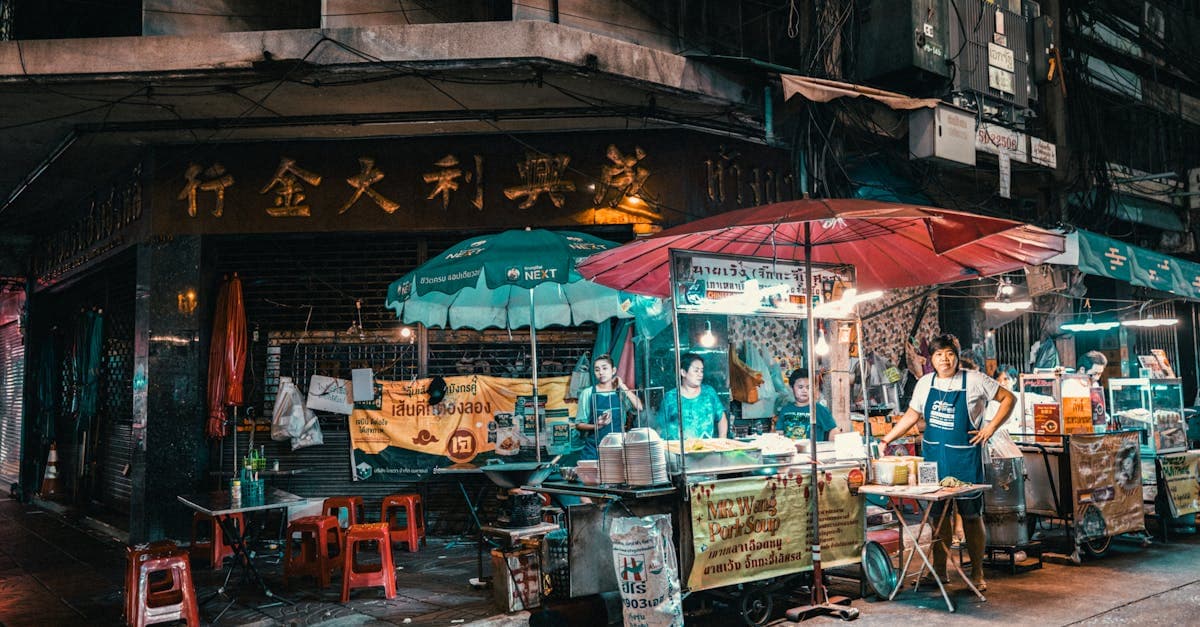
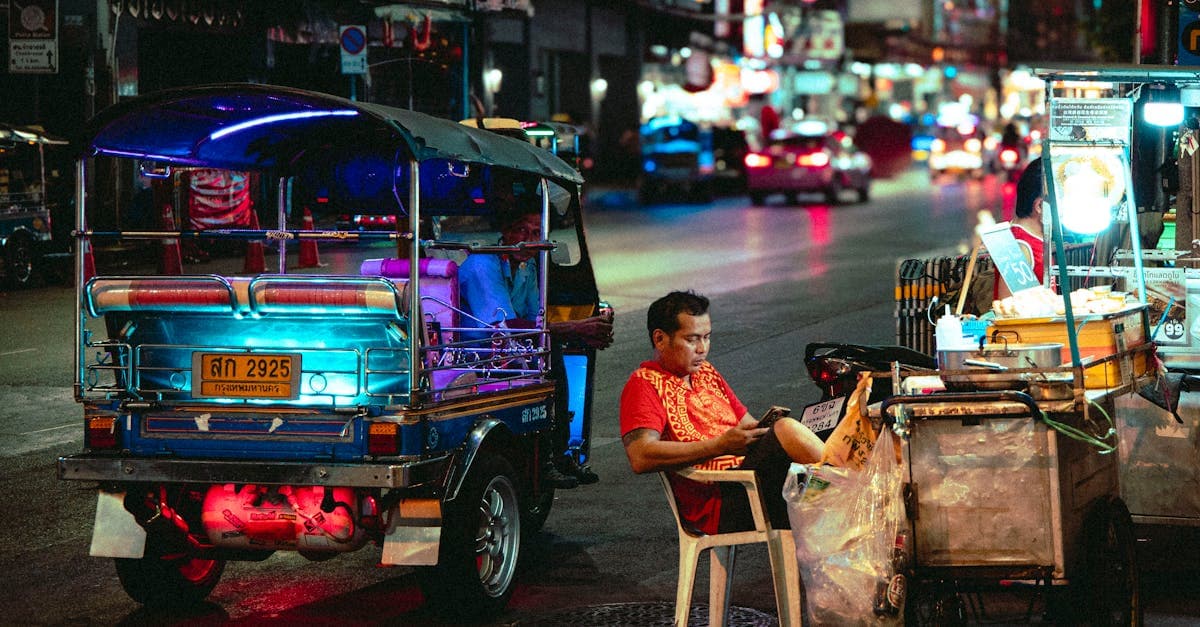
Thailand's street food scene typically runs between 30 and 80 baht a dish, cooked fresh at stalls and carts operating from before dawn until well past midnight. It covers four distinct regional cuisines, each built on different flavour logic, base ingredients, and signature dishes.
The regional differences matter. Bangkok serves the widest variety, Chiang Mai runs a northern style heavy on dried spices, and Isaan's sticky-rice-and-larb culture is its own world entirely. The version most Australians know from Thai restaurants at home represents just one of those four: the central plains.
Getting around markets and reading stall signs means your phone works hard across the trip. Hello Roam covers 190+ destinations with 24/7 multilingual support, including Thailand city coverage. Check eSIM plans for Thailand cities before departure to avoid arriving offline.
Start with the regional cooking styles. They determine which cities are worth your time.
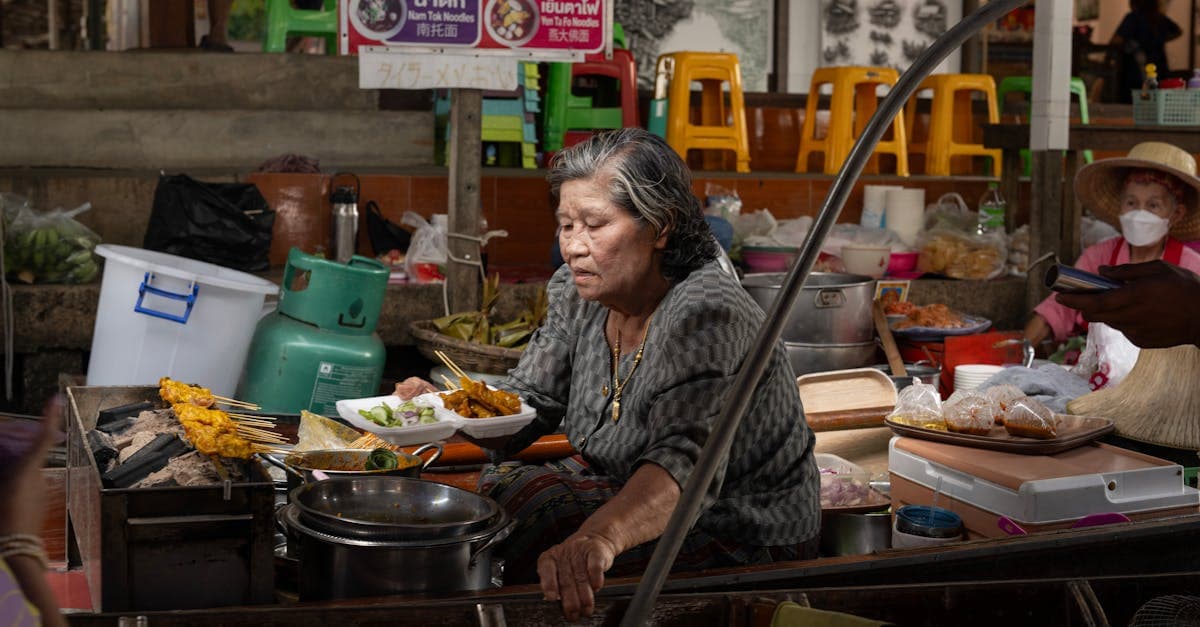
Thai street food refers to freshly prepared dishes sold from carts, open-front shophouses, and market stalls across Thailand, priced for daily eating rather than special occasions. It spans four distinct regional cooking traditions that differ more sharply than most first-timers expect.
Pad thai, som tum, khao man gai: familiar names to most Australians, but just one regional slice of what Thai street food actually covers. Street food has been central to Thai daily life for centuries. This is not an experience curated for travellers: it's a functioning food system that visitors happen to access. The vendor at a Bangkok corner stall at 7 am is working through regulars, and the food is calibrated to their tastes, not to tourist expectations.
According to bucketlistly.blog, the core dishes most Australians recognise include pad thai, som tum (green papaya salad), khao man gai (poached chicken rice), moo ping (grilled pork skewers), and a rotating cast of noodle soups that shift by region. Fish sauce, palm sugar, lime, and chilli do most of the heavy lifting.
Balance is the point.
Thai cooking runs in four directions at once: sour, sweet, salty, spicy. Most vendors will adjust to order. Knowing 'pet nit noi' (a little spicy) before you arrive saves some pain at the more enthusiastic stalls.
Most dishes are gluten-light, built on rice, fresh herbs, and protein. But fish sauce and shrimp paste are near-universal, including in dishes that look vegetarian. Asking at each stall is practical, not paranoid. For travellers managing blood sugar, grilled proteins and som tum ordered without added sugar are cleaner choices: pad thai typically carries a significant sugar load from palm sugar and tamarind in the sauce.
The flavour profiles shift sharply once you leave the central plains. That's the detail most quick guides skip entirely.
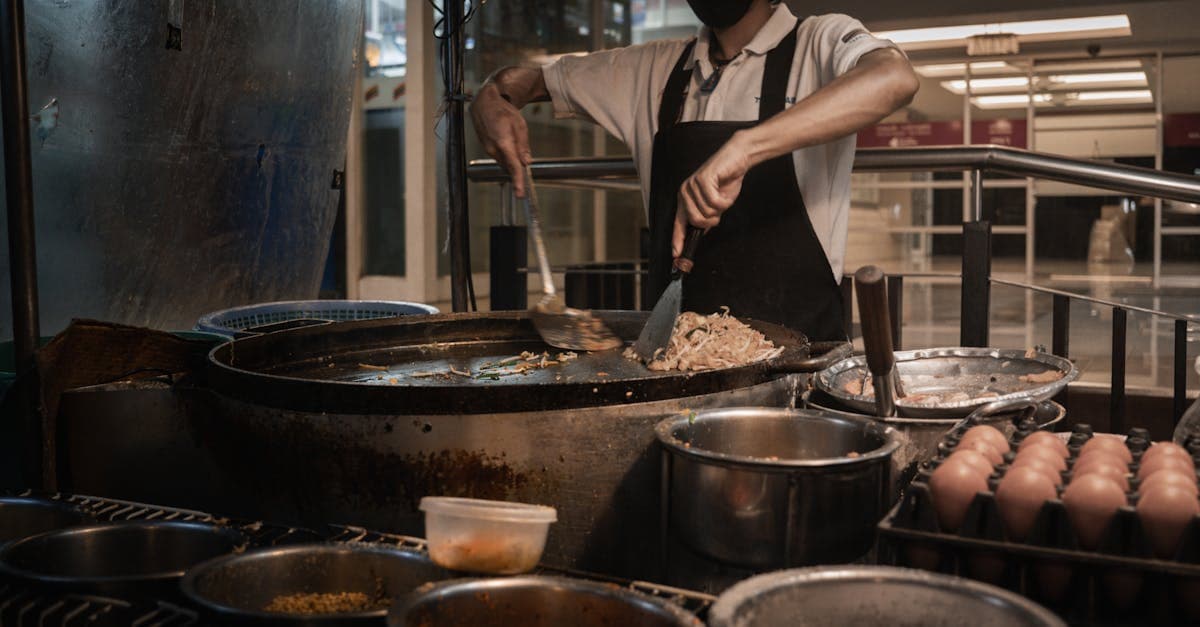
Thailand's street food divides into four distinct regional styles: northern (centred on Chiang Mai), southern, central plains, and northeastern Isaan. Each region uses different base ingredients, cooking methods, and flavour logic, with differences larger between regions than most first-timers expect from a single country.
Northern food, centred on Chiang Mai, uses dried spices far more than coconut milk and runs milder on chilli than the south or northeast. Khao soi, a rich curry noodle soup served with crispy noodles and pickled mustard greens, is the standout dish. Sai oua, a herbed pork sausage fragrant with galangal and kaffir lime, appears at every market worth visiting.
Southern food runs properly hot. Turmeric, shrimp paste, and fresh seafood dominate, and dishes like gaeng tai pla (fish kidney curry) sit at the fiercer end of any heat scale you care to apply. If the south is on your itinerary, calibrate expectations before you order.
Central plains cooking is the template most Australians carry from Thai restaurants back home: pad thai, green curry, massaman, stir-fries over jasmine rice. Familiar, accessible, and the dominant export version of Thai cuisine for good reason.
Isaan, the northeast, deserves its own category. According to migrationology.com, Isan-style sticky rice (khao neow) and som tam are defining features of the region, alongside larb (minced meat with toasted rice powder and fresh herbs), gai yang (grilled chicken), and a more fermented, funky style of som tum. It's the least-exported regional style and genuinely distinct from what Bangkok restaurants serve under similar names.
Fish sauce and shrimp paste anchor all four regions. Vegetarians need to ask at every stall, not assume.
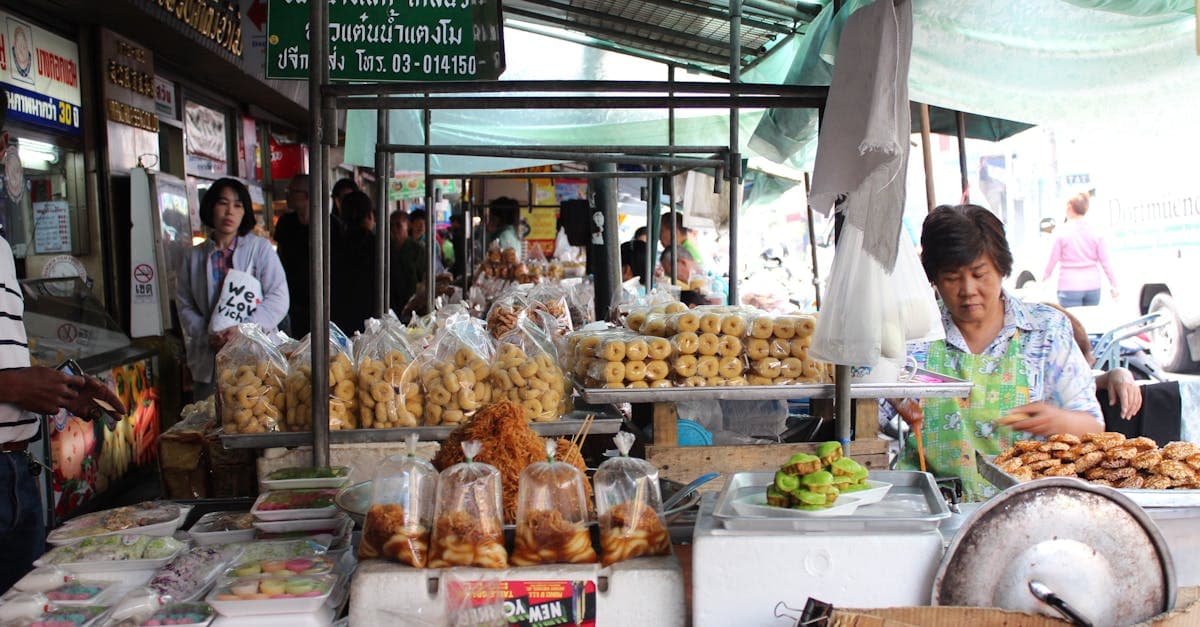
According to willflyforfood.net, Bangkok is arguably the best street food city in the world, with Yaowarat (Chinatown) and the alleys around Or Tor Kor Market setting a benchmark for street food concentration that few cities anywhere match. The city runs at every price point, around the clock.
The short version: Bangkok for range, Chiang Mai for regional depth, the northeast for the dishes most Australian travellers have never encountered.
Chiang Mai's Saturday and Sunday Walking Streets and Warorot Market are the practical picks for northern Thai food at local prices. Khao soi and sai oua taste sharper here than any Bangkok version. That's geography and supply chain, not opinion. If northern food is a priority, spending time in Chiang Mai rather than hunting it down in Bangkok is the smarter call.
Phuket Town's Sunday Walking Street on Thalang Road is genuinely underrated. The island's Chinese-Malay (Peranakan) heritage shows clearly in the cooking: dishes drawing from Thai, Chinese, and Malay traditions, with kueh-style sweets and Hokkien-influenced noodles sitting alongside the standard Thai repertoire. A different crowd from the beach-resort seafood circuit.
Ayutthaya is a solid, overlooked food stop. River prawns and boat noodles are the standouts, tourist numbers are a fraction of Bangkok, and prices reflect it.
For Isaan food at its source, Khon Kaen and Udon Thani in the northeast are the picks. Som tum and larb carry a fermented depth that Bangkok restaurants spend years trying to reproduce. Most Australian travellers haven't made it this far northeast, which makes the experience genuinely surprising.
One week in Thailand? Plant yourself in Bangkok first. Two weeks opens a real case for combining Bangkok with Chiang Mai, or a coastal stop worth building the itinerary around.
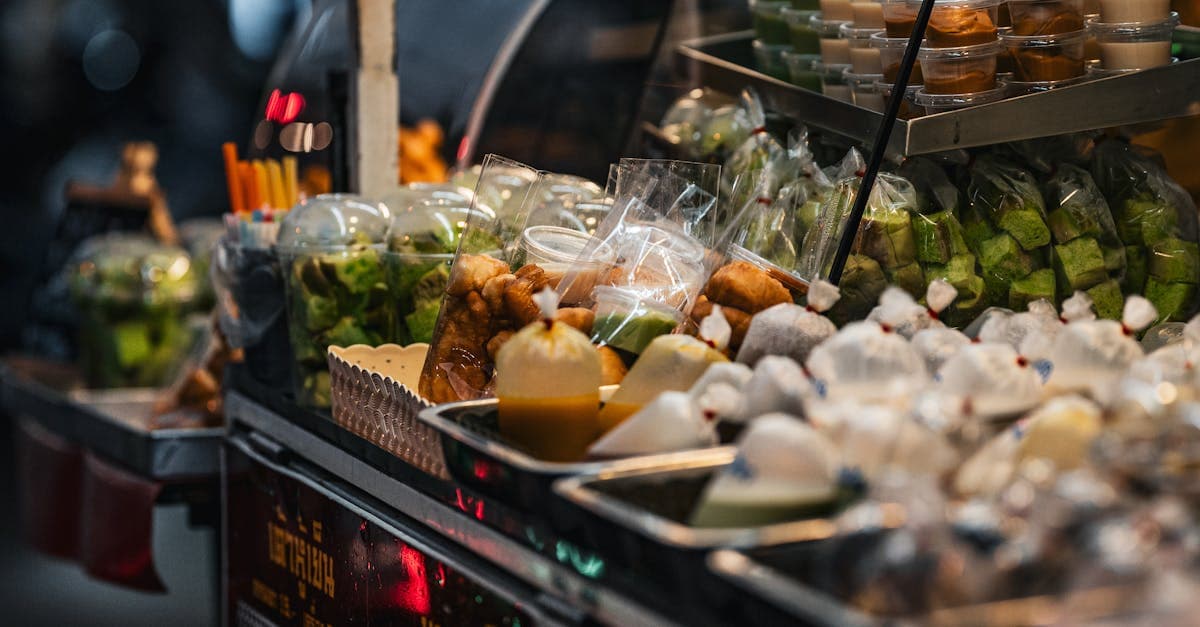
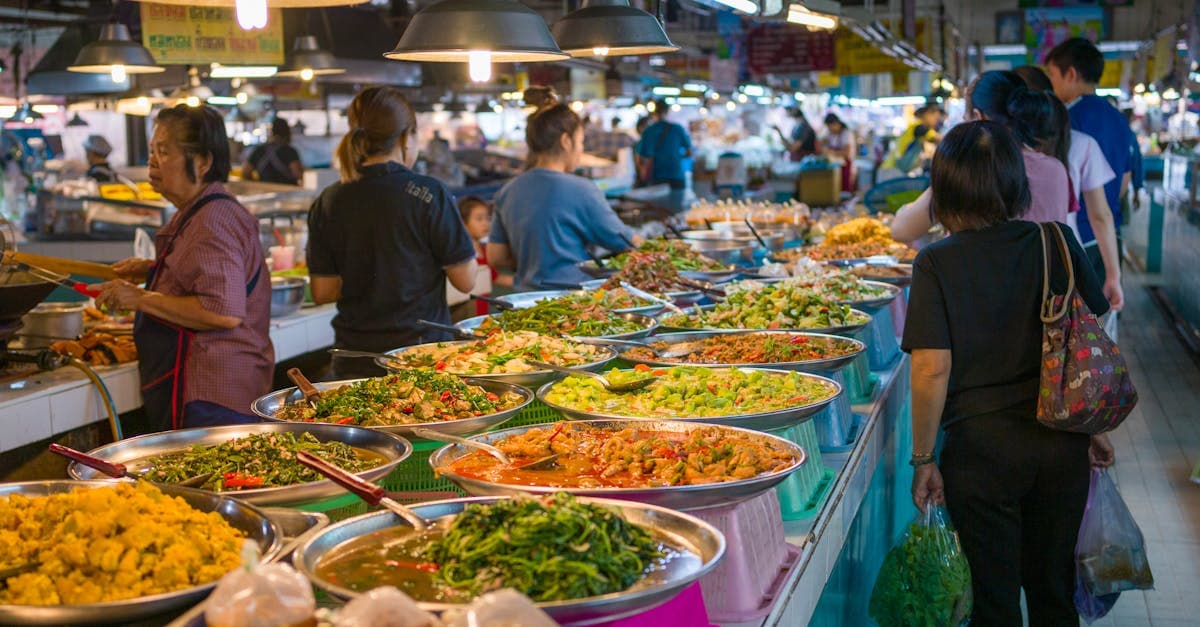
Thailand's essential street foods include pad thai, som tum (green papaya salad), moo ping (grilled pork skewers), khao man gai (poached chicken rice), boat noodles, pad kra pao, tom yum goong, larb, khao soi, and mango sticky rice, a selection consistent with must-try lists compiled by willflyforfood.net and bucketlistly.blog. Most dishes cost 30 to 80 baht, with a full street food meal and a drink typically running A$5 to A$8.
Pad thai is the entry point, not the destination. It calibrates everything that follows. Once you've had one done properly, at high heat with visible char on the noodles and bean sprouts still carrying crunch, the takeaway version back home never quite measures up.
Work through the list roughly in this order.
Breakfast and early eating
Moo ping (charcoal-grilled pork skewers marinated in coconut milk and palm sugar) sells from breakfast carts across the whole country. Two skewers with a bag of sticky rice and you're sorted. Khao man gai, poached chicken over fragrant broth-cooked rice with ginger-soy dipping sauce, is the mild, dependable pick for your first morning in-country. Fifty to sixty baht. Grilled bananas (kluay ping) cost almost nothing and handle the snacking between meals. Cha yen (Thai iced tea) is the essential drink from day one.
The dishes worth tracking down
Boat noodles (kuay teow reua) come in small bowls at fifteen to twenty baht each. Order four or five. One is not enough. Som tum, shredded green papaya with chilli, fish sauce, lime, and tomato, is non-negotiable but order 'pet nit noi' unless you genuinely enjoy sweating through lunch. Pad kra pao, minced pork or chicken with holy basil and a fried egg over rice, is available at virtually every Bangkok stall and stays consistently good. Tom yum goong (hot and sour prawn soup with lemongrass, galangal, and kaffir lime) is better from a street cart than most restaurants. Larb, spiced minced meat with fish sauce, dried chilli, and toasted rice powder, is the Isaan dish that converts travellers who arrived expecting pad thai and nothing else.
Satay with peanut sauce and cucumber relish is a solid night market pick. Hoy tod, the crispy oyster omelette served with sriracha, is a Yaowarat specialty worth a dedicated Chinatown trip willflyforfood.net. Roti (flaky flatbread served sweet with banana and condensed milk, or savoury alongside curry) started in the south and has spread to night markets everywhere.
Desserts and the overlooked picks
Khao niao mamuang (mango sticky rice with salted coconut cream) is one of the genuinely great desserts of Southeast Asia. Khanom buang, crispy rice-flour crepes filled with meringue and coconut cream, are a Bangkok footpath classic that rarely makes the mainstream guides. Nam tok, waterfall pork salad with grilled pork, toasted rice, and fresh herbs, is the dish most tourists skip entirely. They're wrong to.
Grilled corn (khao phot ping) brushed with salted butter or coconut milk is at almost every market entrance. Poh pia sod (fresh spring rolls) offer a lighter option when the heat gets serious. Lon, a coconut cream dip served with fresh vegetables, is the pick for something completely different.
Most individual dishes run around A$1.50 to A$4. A full street food meal with a drink typically costs A$5 to A$8. That is a lot of eating for the price of a Sydney café lunch.
Knowing what to order is half the equation. The other half is finding where these dishes are prepared at their best. Nowhere in Thailand concentrates serious street food options like Bangkok.
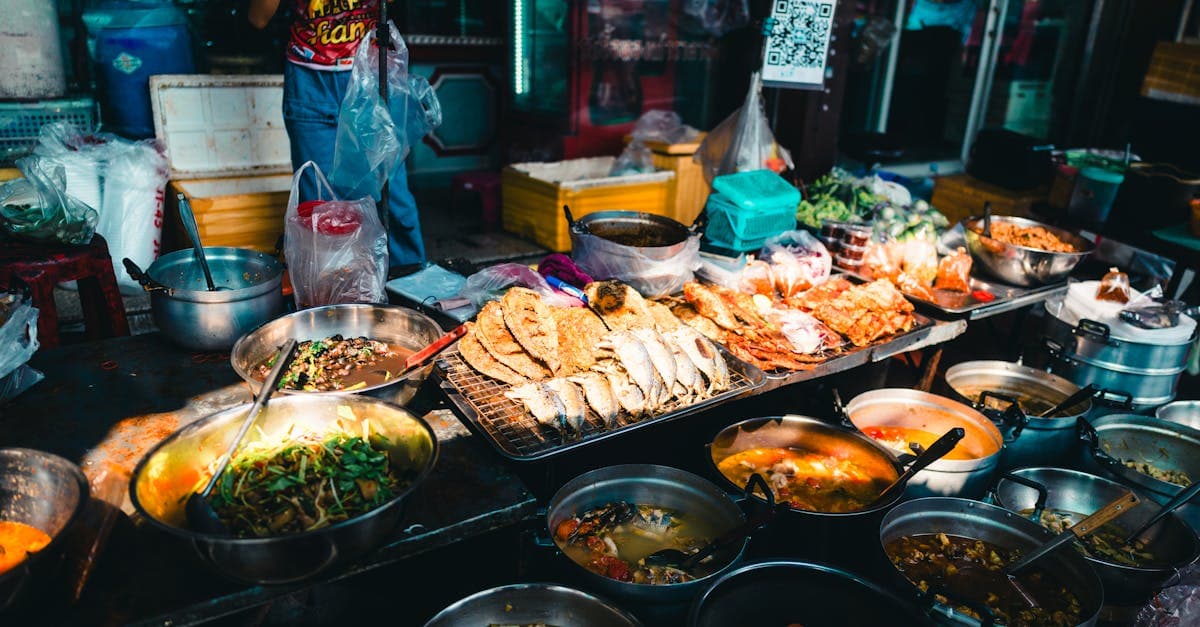
Bangkok's best street food precincts include Yaowarat (Chinatown), Or Tor Kor Market near Chatuchak, Silom Soi 20, Wang Lang Market, and Victory Monument migrationology.com. The city has a food option for every hour, from all-day fresh markets and lunchtime office worker lanes to back-alley operations running past 2 am.
Bangkok runs on food. The challenge is not finding street food; it's knowing which precincts are cooking for the people who live there and which are cooking for visitors passing through. Get that wrong early and you'll pay tourist prices for versions of dishes that are much better elsewhere.
Start in Yaowarat. Chinatown's main road gets the headlines but the serious eating happens in the back lanes. Seafood stalls, hoy tod vendors, and barbecue carts pack the pavement from late afternoon until well past midnight. The alleys off the main drag are less hectic, better priced, and the cooking is sharper willflyforfood.net.
Or Tor Kor Market near Chatuchak is where Bangkok's food professionals shop. The prepared food counters alongside the fresh produce section make it worth the BTS ride out. Consistently high quality, noticeably less tourist pressure than Yaowarat, and the produce standard is arguably the best in the city.
For a proper lunchtime calibration, try Silom Soi 20. It's a working street food lane serving local office workers, with competitive pricing driven by repeat custom. That dynamic produces better food at lower prices than almost any tourist-oriented precinct.
Wang Lang Market, across the Chao Phraya from the Grand Palace, is a short hop on the Chao Phraya Express ferry. Prices there are what Bangkok street food actually costs before tourist-zone markup enters the picture. Go early in your trip; it resets your expectations fast.
The bit most guides skip: Victory Monument. A working-class Bangkok institution with boat noodles, fried rice, and grilled meats at genuine local prices to local crowds. Consistently delivers across a wider range of dishes than its profile suggests.
Bangkok traffic between 5 pm and 8 pm is genuinely brutal. Build your street food itinerary around BTS Skytrain and MRT stops, or you will lose two hours per evening to gridlock.
Khao San Road's tourist reputation is earned but overstated. The pad thai and mango sticky rice vendors there have been running their operations for decades and know their craft. The Bang Rak district around Soi Nana has a growing evening food scene for travellers looking outside the standard circuit.
Bangkok is the headline act. But some of the most memorable street food eating in Thailand happens in cities that rarely make the tourist shortlist.
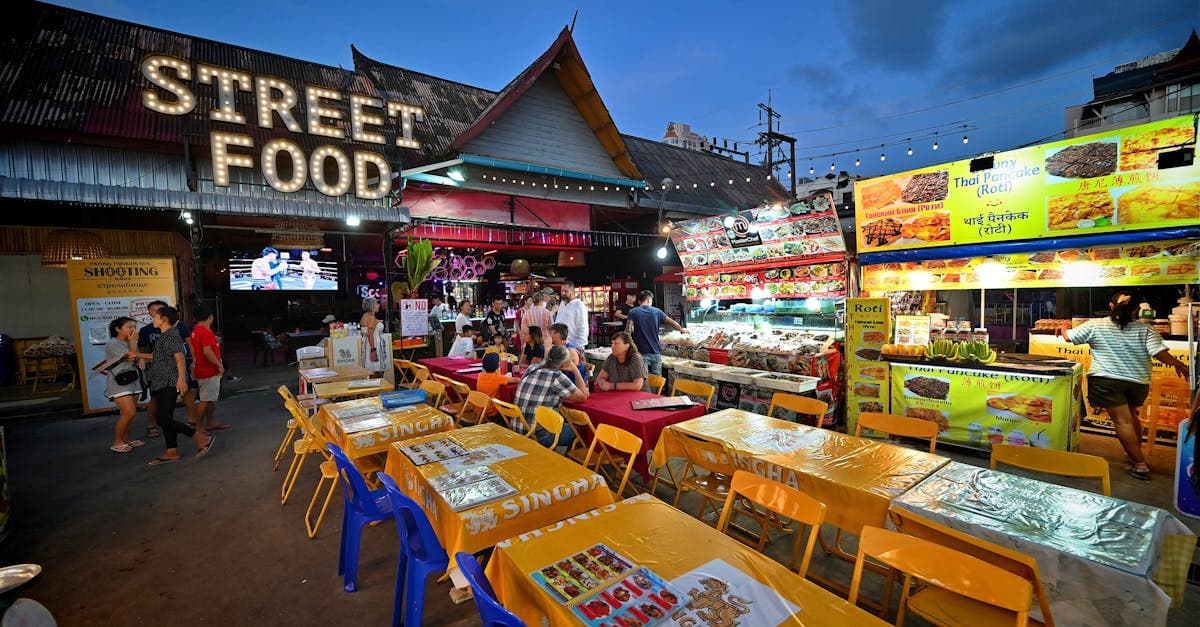
Phuket Town's Sunday Walking Street on Thalang Road serves some of the most distinctive food in Thailand, and most visitors to the island never make it there. The Peranakan influence from the island's Chinese-Malay heritage shows up in dishes like mee sua (yellow noodles with pork) and o-tao (taro and oyster cake) that simply don't exist in Bangkok. Compact precinct, worth a Sunday evening.
Chiang Mai's Saturday Walking Street on Wualai Road and the Sunday version in the Nimman area draw locals and tourists in roughly equal measure. Northern Thai dishes dominate: khao soi, sai oua, nam prik ong (pork and tomato chilli dip), sticky rice in woven bamboo containers. These vendors have been doing exactly this one dish, and nothing else, for years. It shows.
Flip that for the northeast. Korat (Nakhon Ratchasima) and Khon Kaen serve the most authentic Isaan food at prices that make Bangkok look expensive. Worth the bus or train ride if your itinerary allows. Hat Yai in the deep south is an underrated street food city with excellent grilled chicken and night markets running busy until the early hours.
The detail most travellers only discover at the end of their trip: every Thai town of any size runs a morning market (talad yen) and a night market (talad rot fai). The morning market is where locals actually eat breakfast. The food is generally better and cheaper than anything near the tourist accommodation.
Locations noted and dishes memorised. The question most Australian travellers ask before committing to street food in Thailand is a fair one: is it actually safe to eat?
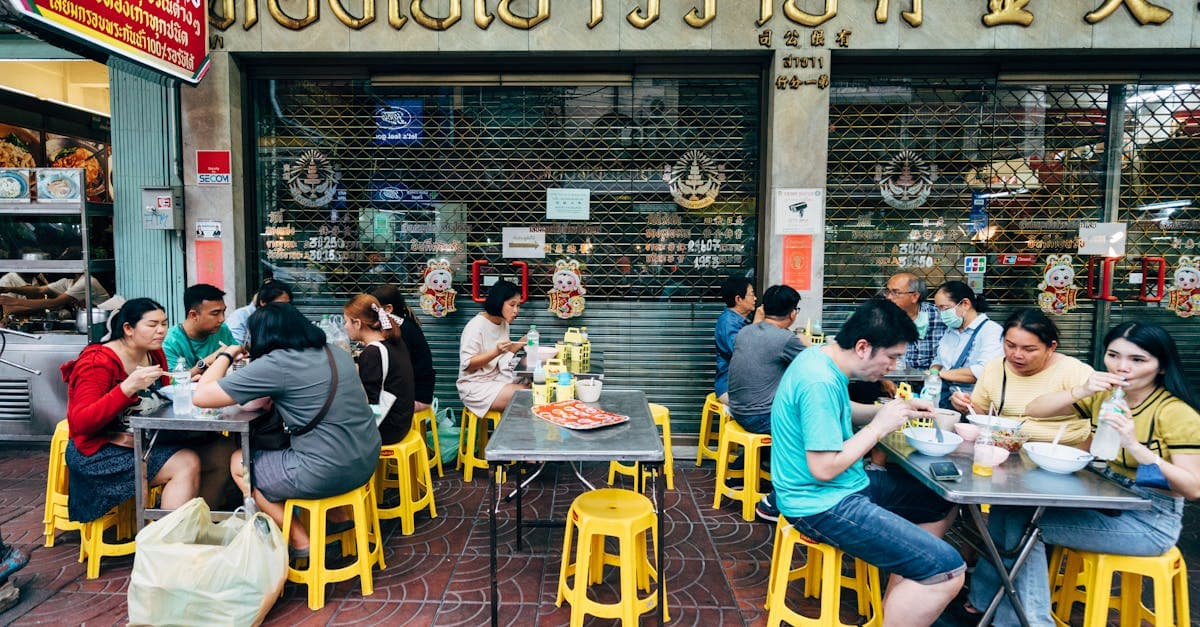
Yes. Eating street food in Thailand is generally safe for healthy adults. Millions of Thai residents and tourists eat from street stalls daily without incident. The risk is real but manageable, and the approach is straightforward once you understand how street food kitchens actually work.
The most reliable safety indicator is turnover. A vendor with a queue of locals has fresh ingredients cycling through constantly. Food sitting under a heat lamp for two hours is the one to avoid.
Low-risk cooking methods: anything wok-fried at high heat, grilled over charcoal, deep-fried, or simmering in actively boiling broth. Heat deals with most bacteria. That covers the vast majority of street food you'll encounter in Thailand.
Higher-risk scenarios are specific: raw shellfish from stalls without visible refrigeration, pre-cut fruit left in open air at temperatures above 35 degrees Celsius, and uncooked salads from vendors with low turnover. These are the exceptions, not the rule.
Tap water in Thailand is not safe to drink. Stick to bottled water, sealed commercial drinks, or anything made with boiled water: coffee, tea, soup broth. Ice at established market stalls is typically from commercial production and is generally safe, contrary to what a lot of travellers assume.
The myth worth busting: a clean shopfront means safe food, a street cart means risky food. The opposite is often true. A cart doing high volume before noon has fresher ingredients than a restaurant with four tables and a laminated menu.
Travellers with sensitive stomachs should start with hot cooked dishes and build toward more adventurous options over the first few days. Give your system time to adjust before going hard on the raw papaya salads and uncooked shellfish. Check that your travel insurance covers food-related illness before departure. Most comprehensive Australian policies do, but the fine print varies between providers.
Safety managed. For travellers dealing with specific health conditions, particularly blood sugar management, the question of what to eat in Thailand goes a bit deeper than just steering clear of dodgy stalls.
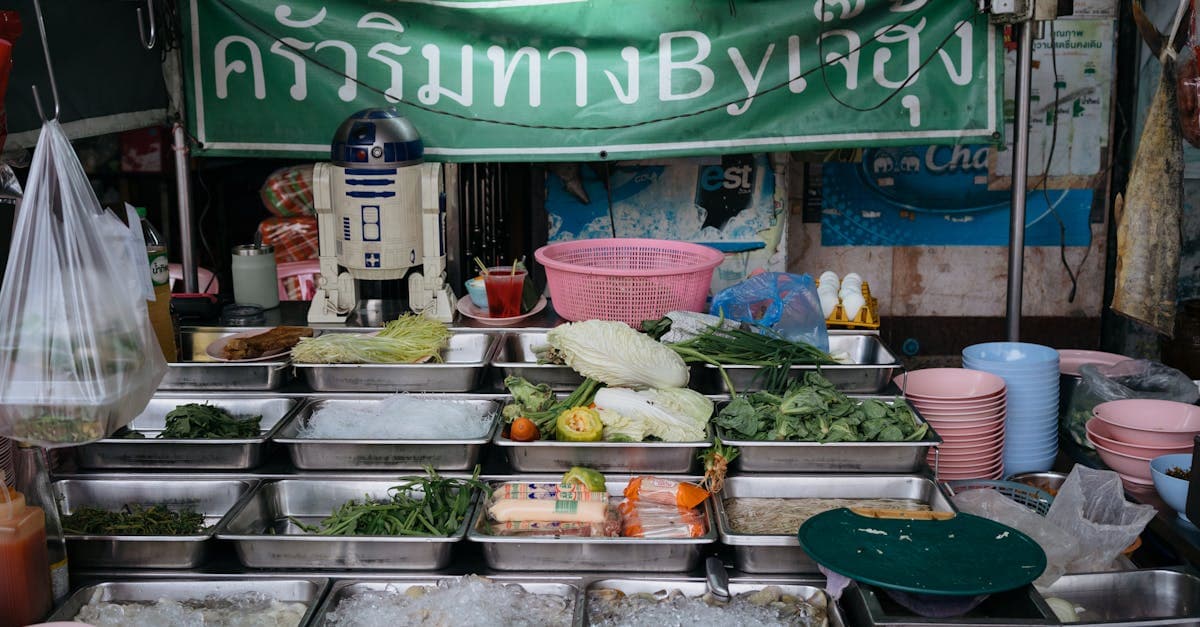
Several Thai street food dishes suit people monitoring blood sugar, and the workable range is wider than most travellers expect. The trickier truth: palm sugar and sweetened sauces turn up in more Thai dishes than menus let on. Two words change most of that. 'Mai wan', meaning not sweet, prompts most vendors to reduce or skip the sugar in dressings and sauces. Works across savoury dishes as well as the obvious desserts.
Fish sauce and lime-based preparations run lower on the glycaemic scale than coconut-milk curries served over white rice. That distinction is more practically useful than it first sounds when you are standing at an unfamiliar market stall.
Lower-carbohydrate options worth seeking:
Items worth moderating include pad thai (sweetened rice noodles), khao man gai (rice-heavy by design), mango sticky rice, and roti with condensed milk.
A reliable default at most markets: gai yang (grilled chicken) without rice, paired with a light som tum. Solid protein, decent fibre from the green papaya, and filling enough to carry you through a long evening circuit without a blood sugar spike.
Carry glucose tablets or a reliable snack when exploring rural markets or quieter island areas. Meal timing gets unpredictable when food stalls thin out past the main circuits.
General dietary guidance only, not medical advice. Consult a healthcare professional for personalised recommendations before travelling.
Navigating a sprawling night market without a reliable data connection is a different challenge entirely, and it is one that a bit of preparation before departure solves cleanly.
Hello Roam provides eSIM coverage for Thailand with 24/7 multilingual support across 190+ destinations, letting Australian travellers activate data before departure and arrive connected. Three essential apps for street food navigation are Google Maps (for locating specific stalls), Google Translate's camera function (for reading Thai-script menus in real time), and Wongnai (Thailand's primary local food review platform, with ratings from Thai diners rather than international tourists). Those three tools alone justify solid mobile data from the moment you land.
The detail worth knowing: Wongnai is used by Thai locals, not foreign visitors. The vendors it rates most highly look nothing like the lists in English-language travel guides.
Thailand has strong 4G coverage across Bangkok, Chiang Mai, Phuket, and the main tourist corridors. Signal thins in rural areas, on some islands, and in parts of the northern mountains. Factor that in before heading to a remote market run in the hills outside Chiang Rai.
Australian travellers have three realistic options. Carrier roaming on an Aussie plan typically runs A$5 to A$15 per day, depending on the add-on tier. A local Thai SIM from operators including AIS or DTAC (available at Suvarnabhumi and Don Mueang airports, plus 7-Eleven stores countrywide) generally offers 15 to 30 GB for A$15 to A$25 over a two-week trip. An eSIM activated before leaving Australia skips the airport SIM queue entirely and starts pulling data on landing.
A short Bangkok weekend? Your Aussie carrier's roaming add-on is probably adequate. Stretch to a fortnight across multiple regions and those daily charges add up to something you will notice on the credit card statement.
For trips combining Thailand with Vietnam, Cambodia, or Malaysia, a multi-country Southeast Asia eSIM typically undercuts buying individual SIMs at each border crossing. Hello Roam offers Southeast Asia plans across multiple countries with 24/7 support and transparent pricing, which sidesteps the risk of a billing surprise mid-trip.
Download offline Google Maps for Bangkok, Chiang Mai, and your travel region before relying on live data. It preserves your allowance and keeps navigation running when signal drops at a quiet rural market.
Most current iPhones and Android flagships support dual SIM without additional configuration. Keep your Australian number live for bank OTPs while routing data through a local or eSIM plan, and you arrive in Thailand sorted before the luggage carousel starts moving.

Typical Thai street food includes freshly prepared dishes sold from carts, shophouses, and market stalls, priced for daily eating. Common dishes include pad thai, som tum (green papaya salad), khao man gai (poached chicken rice), moo ping (grilled pork skewers), and various regional noodle soups. Fish sauce, palm sugar, lime, and chilli are the dominant flavour foundations across most dishes.
Grilled proteins and som tum ordered without added sugar are cleaner choices for travellers managing blood sugar. Pad thai is less suitable as it typically carries a significant sugar load from palm sugar and tamarind in the sauce. Dishes built around rice, fresh herbs, and grilled meats tend to have lower added sugar content than sauced noodle dishes.
Yes, eating street food in Thailand is a normal part of daily life for locals and visitors alike. The food is cooked fresh at stalls and carts and is a functioning food system rather than a tourist experience. Vegetarians and those with dietary needs should ask at each stall about fish sauce and shrimp paste, which are near-universal ingredients even in dishes that appear vegetarian.
Bangkok is widely considered the best street food city in the world, with precincts like Yaowarat (Chinatown) and areas around Or Tor Kor Market offering an unmatched concentration of options around the clock. Chiang Mai is the top pick for northern Thai regional food, while cities like Khon Kaen and Udon Thani in the northeast are best for authentic Isaan cuisine. Phuket Town is underrated for its unique Peranakan-influenced dishes.
Most individual street food dishes cost between 30 and 80 baht. A full street food meal with a drink typically runs the equivalent of A$5 to A$8. Boat noodles are among the cheapest options at around 15 to 20 baht per small bowl.
Thailand's street food divides into four distinct regional cuisines: northern (centred on Chiang Mai, featuring dried spices and dishes like khao soi), southern (featuring turmeric, shrimp paste, and fresh seafood with intense heat), central plains (the most familiar style internationally, including pad thai and green curry), and northeastern Isaan (featuring sticky rice, larb, and fermented flavours). Each region uses different base ingredients and cooking methods.
Bangkok's essential street foods include pad thai, som tum, khao man gai, boat noodles, pad kra pao (minced meat with holy basil and egg over rice), tom yum goong, hoy tod (crispy oyster omelette), and mango sticky rice. Moo ping (grilled pork skewers) is a popular breakfast option, and khanom buang (crispy rice-flour crepes) is a classic Bangkok footpath dessert.
Bangkok's top street food precincts include Yaowarat (Chinatown) for late-night seafood and barbecue, Or Tor Kor Market near Chatuchak for high-quality prepared food, Silom Soi 20 for affordable lunchtime eating among local office workers, Wang Lang Market for genuine local prices, and Victory Monument for boat noodles and grilled meats at working-class Bangkok prices.
Khao soi is a rich curry noodle soup served with crispy noodles and pickled mustard greens, and it is the standout dish of northern Thai cuisine. It is best experienced in Chiang Mai, where the flavour is sharper than Bangkok versions due to local supply chains and regional cooking tradition. It is available at Chiang Mai's Saturday and Sunday Walking Street markets and at Warorot Market.
Isaan food is the northeastern regional cuisine of Thailand, centred on sticky rice (khao neow), larb (minced meat with toasted rice powder and fresh herbs), gai yang (grilled chicken), and a fermented, funky style of som tum. It is the least-exported regional Thai style and is best experienced in cities like Khon Kaen and Udon Thani in the northeast. Bangkok restaurants attempt to replicate it but the depth of fermented flavour is difficult to reproduce away from the source.
Many Thai street food dishes appear vegetarian but contain fish sauce or shrimp paste as base ingredients. This applies across all four regional cuisines. Vegetarians should ask at each individual stall rather than assuming a dish is meat-free based on its visible ingredients.
Chiang Mai is the strongest pick for northern Thai food, with its Saturday and Sunday Walking Streets and Warorot Market offering khao soi and sai oua (herbed pork sausage) at their regional best. Phuket Town's Sunday Walking Street on Thalang Road is underrated for its unique Peranakan-influenced dishes blending Thai, Chinese, and Malay traditions. For Isaan food at its most authentic, Khon Kaen and Udon Thani in the northeast are the top choices.
Thai street food stalls operate across a wide range of hours, from before dawn through to well past midnight depending on the location. Morning markets (talad yen) serve locals from early morning and are generally cheaper and less tourist-oriented. Night markets and precincts like Bangkok's Yaowarat run until past 2 am.
Heat levels vary significantly by region and dish. Southern Thai food is the hottest, with dishes like gaeng tai pla at the intense end of any heat scale. Northern food runs milder. Most vendors will adjust spice levels on request. Knowing the phrase 'pet nit noi' (a little spicy) before visiting markets helps manage heat at more enthusiastic stalls.
Mango sticky rice (khao niao mamuang) is a Thai dessert made with glutinous rice and salted coconut cream served alongside fresh mango. It is considered one of the great desserts of Southeast Asia and is widely available at street stalls and night markets across Thailand. It is a staple at Bangkok markets and is found throughout the country.
Popular Thai street food breakfast options include moo ping (charcoal-grilled pork skewers with sticky rice), khao man gai (poached chicken over broth-cooked rice), and grilled bananas (kluay ping). Cha yen (Thai iced tea) is the standard accompanying drink. Morning markets in any Thai town of reasonable size are where locals eat breakfast and offer the best prices of the day.
HelloRoam: your trusted travel eSIM that keeps you online across borders.
Explore Plans