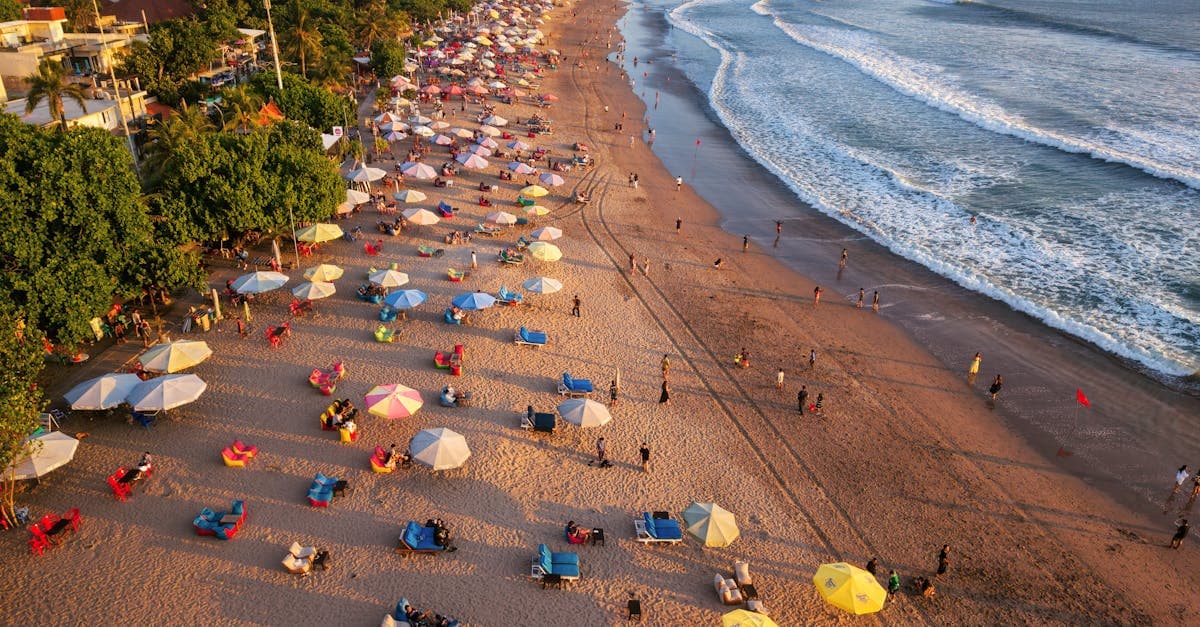
Best Places to Visit in Thailand in 2026: the Australian Traveller's Guide

Written by: Sophie Callahan


14 min read

HelloRoam is a global eSIM provider offering instant mobile data in 175+ countries. Buy prepaid travel eSIM plans with no extra fees, no contracts, and instant activation on any eSIM-compatible device.
14 min read

Bangkok, Chiang Mai, Phuket, Koh Samui, Koh Tao, Krabi, Kanchanaburi, and Pai cover most Aussie itineraries in Thailand bucketlistbums.com. Direct flights from Sydney and Melbourne land at Bangkok's Suvarnabhumi Airport in roughly nine to ten hours. Budget domestic carriers and high-speed ferries handle the rest.
The country divides into four regions: Central (Bangkok), North (Chiang Mai), South (Andaman and Gulf coasts), and Northeast (Isan). Each runs at a different tempo and suits a different kind of traveller. Getting that match right is most of the planning done.
For staying connected across all of them, Hello Roam offers prepaid Thailand eSIM plans with no lock-in contracts and coverage on Thailand's major networks. Browse Hello Roam's Thailand eSIM options before you fly.
Timing matters too. The South's two coastlines run on opposite wet seasons, and that detail alone can make or break an itinerary.
Thailand's places to visit divide into four distinctly different regions: Central Thailand anchored by Bangkok, the North centred on Chiang Mai and the highland towns, the South covering the Andaman and Gulf coasts, and the Northeast (Isan), which most Aussie itineraries skip and probably shouldn't.
You know the planning session. Browser tabs open for a Phuket resort, a Chiang Mai cooking class bookmarked six months ago, a Bangkok street food video you've watched twice already. The problem isn't quality: these are all legitimate options. The problem is that they're wildly different experiences, and trying to cram all four regions into a fortnight usually means doing none of them justice.
Thailand welcomed over 35 million international visitors in 2024, with Australians consistently among the top ten source markets by arrivals. That volume drives solid infrastructure: English is functional across most visitor areas, the airport transfer market is well-developed, and the price gap between budget travel and proper resort comfort is genuinely wide.
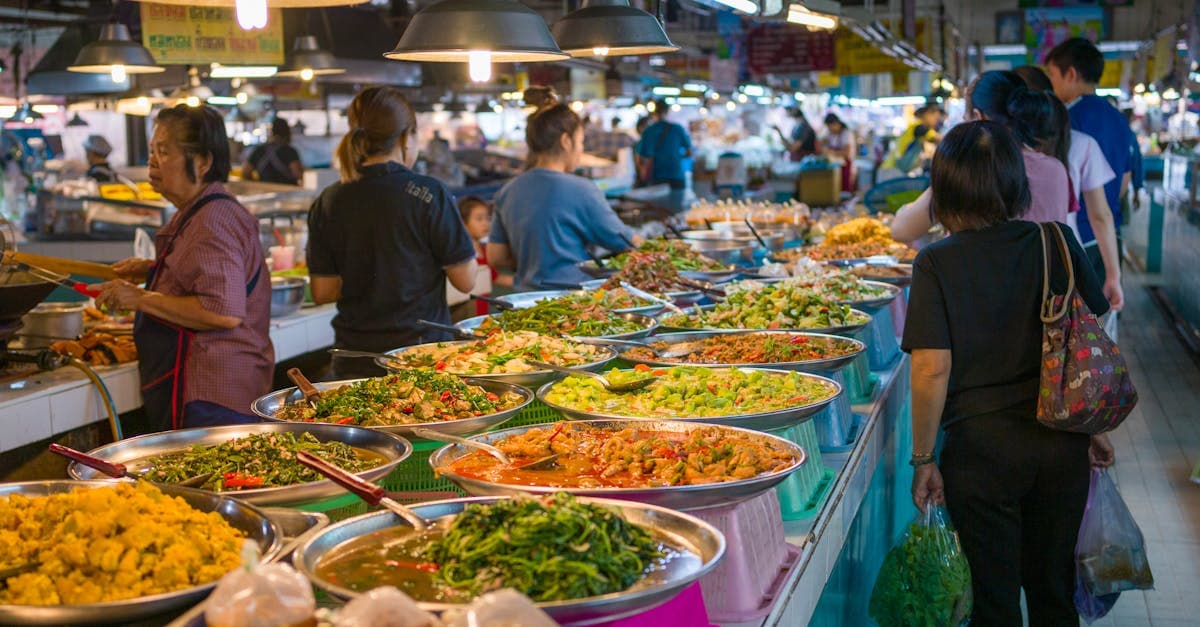
Bangkok suits any first visit. The Grand Palace and Wat Pho are worth the tourist queues travellikeanna.com. Chinatown's Yaowarat Road rewards a late night. The food scene runs from A$2 street-side pad kra pao to Michelin-recognised restaurants that cost roughly a third of equivalent Sydney dining.
The detail worth knowing: Isan, Thailand's northeast, offers a far less crowded version of Thai temple culture, with Khmer ruins at Phimai that rival major Cambodian sites in scale at a fraction of the foot traffic. Prices across the region sit lower than anywhere else in the country. It's not on most first-timer itineraries. It should be on more.
Flights from Sydney reach Suvarnabhumi in roughly 9.5 hours; Melbourne runs around nine hours. Don Mueang, Bangkok's second airport, handles most budget domestic connections. Worth confirming which terminal your onward flight uses before you land.
Thailand has four very different faces. Which one suits your trip depends on what you're actually after, not just what the highlight reels show.

Phuket is the most flight-connected Thai island and the right base if you want resort infrastructure with day trips sorted without much effort. Phi Phi Islands and Phang Nga Bay sit within an hour by boat. Koh Lanta and Koh Yao Noi are quieter alternatives on the same Andaman coastline, for those who find Phuket a touch full-on.
The bit most guides skip: Patong Beach is loud and developed by design. That's what it is. But Kata Noi and Freedom Beach are 20 minutes south by road and a genuinely different character, with cleaner water and noticeably fewer touts.
The Gulf of Thailand islands (Koh Samui, Koh Phangan, Koh Tao) operate on a separate weather pattern from the Andaman coast bucketlistbums.com. When the Andaman gets the southwest monsoon from May through October, the Gulf side is largely dry. From January through September, Koh Samui and Koh Tao are the sensible call.
Koh Tao is worth the ferry ride if you dive or want to learn. PADI open-water certifications run roughly A$250 to A$350, a fraction of what Australian dive schools charge. Sites around Chumphon Pinnacle and Sail Rock work for beginners and hold real interest for experienced divers bucketlistbums.com.
No domestic flight required for island hopping. Koh Samui to Koh Tao runs via the Lomprayah high-speed catamaran, with Koh Phangan a natural stop between the two.
Pull the map north and the Thailand on offer is almost the opposite of the islands.
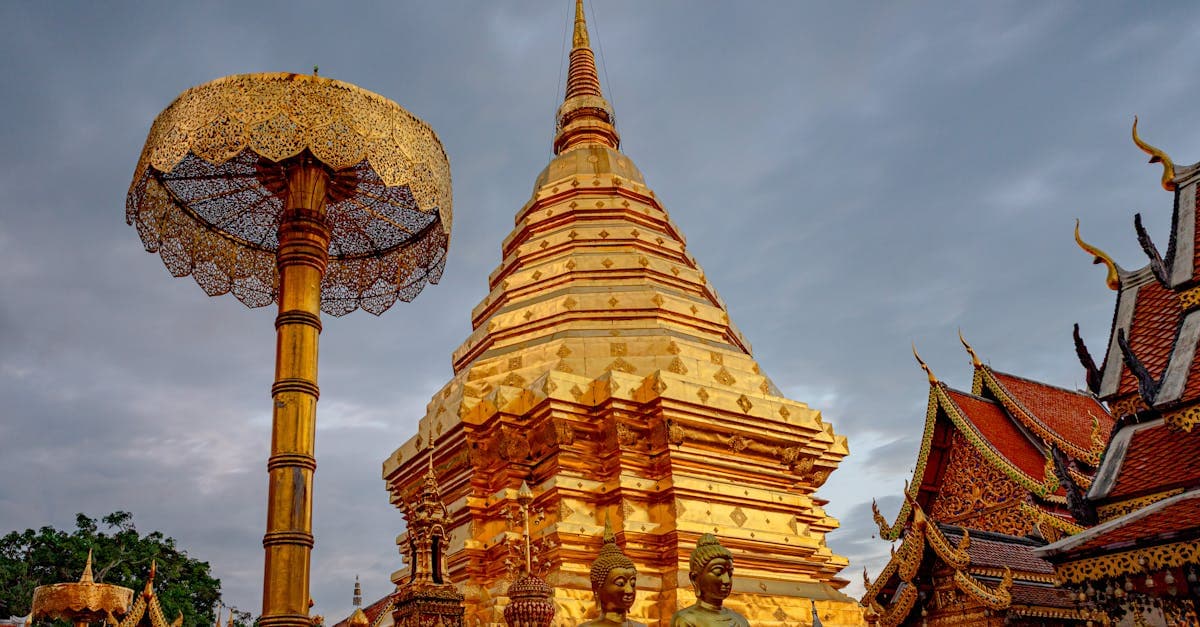
Chiang Mai's Old City sits behind a moat and ancient walls, with dozens of working temple complexes within easy walking distance jordanandemily.com.au. It's a city that rewards an extra night or two. The night market scene serves actual food rather than tourist decoration, and the pace is a different proposition entirely from Bangkok.
Thai AirAsia and Thai Lion Air connect Bangkok's Don Mueang to Chiang Mai in under an hour. Booked in advance, one-way fares run A$30 to A$60. A no-fuss internal leg for anyone building a north-then-south loop.
Pai sits three hours northwest of Chiang Mai by minivan, through 762 curves of mountain road. That drive sorts out who's committed. The payoff is real: hot springs, waterfalls, temperatures dipping to around 15 degrees Celsius in January, and a main street running at a pace most travellers don't expect from Thailand jordanandemily.com.au.
Chiang Rai province adds border-region history, Mekong River slow travel, and Wat Rong Khun (the White Temple), which photographs well but looks even better in person bucketlistbums.com. Two to three nights handles it comfortably.
November to February is the clear window for the North. Dry season, daytime temperatures around 20 to 25 degrees Celsius, and smoke haze from agricultural burning not yet a factor. By March it starts creeping in; April in Chiang Mai can be rough going for anyone sensitive to air quality.
The North handles the 'what style of travel' question well. The bigger question most Aussies ask next is simpler: which part of Thailand is actually the best?

Bangkok is the right answer for first-time visitors. Not always the most comfortable one, but the most practical. The BTS Skytrain removes the traffic question from your day. Street food is world-class without the tourist markup that creeps into the islands. Day trips to Ayutthaya and Kanchanaburi run from central rail stations, which means you can cover significant historical ground without relocating your base allianz.com.au.
The beach question splits cleanly by season. From November to April, the Andaman coast (Krabi, Koh Lanta, Phuket) is the call: dry skies, calm water, reliable conditions for diving and snorkelling bucketlistbums.com. The Gulf coast (Koh Samui, Koh Tao) runs on an opposite weather cycle, staying solid from January through September. The bit most guides skip: there's always a workable beach option in Thailand regardless of when you fly, provided you pick the right coastline.
Return trips change the calculation. Chiang Mai from November to February is consistently favoured by returning Australian travellers as the most liveable Thai city for a week-plus stay: cooler air, walkable Old City, good access to national parks and none of the resort-town pricing of the south travellikeanna.com.
The practical decision framework:
For families, destinations including Bangkok, Chiang Mai, Phuket and Krabi offer a strong range of family-friendly resorts and activities global-gallivanting.com.
There's no single best part of Thailand. There's a best fit for your priorities.
The prettiest place question, on the other hand, is a different argument altogether.

Phang Nga Bay is the strongest visual case Thailand makes for itself: limestone karsts rising from jade-green water, sea caves, and the rock formation system that put it on the map via a certain 1970s Bond film bucketlistbums.com. Accessible by longtail or kayak from Phuket or Krabi. Photographs genuinely underrepresent how dramatic the scale is.
The Phuket assumption is widespread. It doesn't hold up. Patong and the main Phuket beaches are perfectly serviceable, but 'serviceable' is about right. Koh Yao Noi, Koh Lanta and the Similan Islands sit measurably above Phuket for water clarity and scenery. Phuket's genuine strength is as a transport hub, not a visual destination in its own right.
Koh Lipe in the far south, near the Malaysian border, draws consistent comparisons to the Maldives for water clarity bucketlistbums.com. Snorkelling directly off the beach, no charter required. The ferry logistics from Pak Bara keep visitor numbers manageable, which is increasingly part of the appeal.
In the North, Doi Inthanon National Park reaches 2,565 metres. Misty highland scenery, twin royal chedis set in cloud forest, temperatures that require an actual jacket: a sharp contrast to the standard Thailand postcard. Thailand is known for exactly this kind of landscape diversity, from rain forests and mountains to waterfalls and beaches greeneyedtraveller.com.
Bangkok almost never features on 'prettiest' lists. That's a significant miss. Wat Arun lit at sunset, viewed from a boat on the Chao Phraya, rivals any religious site in the region. The city rewards looking up.
The prettiest spots are well-documented. The parts of Thailand most travellers never reach are where a second or third trip earns its real value.

Isan is Thailand's northeast region and the least-visited area among international arrivals. Khao Yai National Park holds UNESCO World Heritage status. Phimai contains Khmer ruins that predate Angkor Wat. Street food is priced for local salaries, not tourist budgets. Most international itineraries skip it entirely. They shouldn't.
Accommodation and food across Isan runs roughly 30 to 40 per cent cheaper than equivalent quality in Bangkok or Chiang Mai. For Australians stretching a longer trip, that gap is material across two to three weeks.
Koh Kood and Koh Mak offer the uncrowded coastline that Koh Chang traded for resort development a decade ago. Clear water. No markup.
Nan province, near the Laos border, combines rice terraces, hill tribe villages and the mural paintings of Wat Phumin, considered among the finest examples of traditional Buddhist art in Thailand. Almost no foreign foot traffic. That's a feature, not an oversight.
Knowing where to go is the enjoyable part of the planning. Knowing what the trip will genuinely cost from Australia is where the planning gets real.

Return flights from Sydney or Melbourne to Bangkok typically range from A$700 to A$1,400. Shoulder season (May to June or September to October) consistently yields better fares. Budget carriers routing via Kuala Lumpur or Singapore sit at the lower end of that range.
Daily spend breaks into three honest tiers:
A two-week mid-range trip runs roughly A$3,000 to A$5,000 all in. At that daily rate, A$30,000 covers 15 to 20 weeks including flights: more than enough for a thorough circuit of the country, with budget to spare for island-hopping.
Thai Baht (THB) is the currency. As of early 2026, A$1 converts to roughly 22 to 23 THB. In practical terms, 100,000 THB (around A$4,350 to A$4,500) covers roughly eight weeks at budget pace or three to four weeks mid-range. Airport exchange kiosks carry poor rates. ATMs at Bangkok Bank or Kasikorn are the practical alternative, and a Wise or Revolut card trims conversion costs across a longer stay.
For mobile data, budget A$15 to A$40 for 30 days of coverage. Local SIMs at Suvarnabhumi arrivals are competitive on price and easy to set up on arrival.
The headline numbers help set expectations. Two questions Aussie travellers ask more often than any other go a step further.

A$30,000 is more than enough. At mid-range pace, that budget covers three months in Thailand and leaves several thousand untouched.
The maths is reassuring. Return flights from Sydney or Melbourne run around A$1,200 in shoulder season. Ninety nights of mid-range accommodation (boutique guesthouses, clean city hotels) costs A$9,000 to A$12,000. Food, activities and local transport over that period adds A$5,000 to A$8,000. Travel insurance for a 90-day trip: A$600 to A$1,200. Total: A$16,000 to A$23,000, leaving A$7,000 to A$14,000 of that A$30,000 sitting in your account.
The fine print changes that. Luxury resort nights in Koh Samui and Phuket, Six Senses and Aman-tier properties, run A$600 to A$1,500 per night. Add a business-class return airfare and a few private speedboat charters and A$30,000 evaporates quickly.
For most Aussie travellers, two to three weeks is the standard Thailand run. As the budget breakdown above shows, that lands well inside A$30,000. The A$30,000 figure is a comfortable multi-month travel fund or a generous annual Southeast Asia budget, not a single-trip requirement. Most travellers will spend considerably less.
The A$100,000 question takes the budget conversation to a different level entirely.

A$100,000 lasts anywhere from seven months to more than six years in Thailand. How wide that gap is depends entirely on how you travel.
At a genuine budget pace: a clean private room, three street-food meals and tuk-tuk fares around A$45 per day. A$100,000 at that rate lasts approximately six years of continuous in-country travel.
That is not a typo. Six years.
Step up to comfortable mid-range, boutique hotels and restaurant meals at around A$180 per day, and A$100,000 covers roughly 18 months to two years. Push spending toward the luxury tier, premium resorts and private tours across multiple islands, and that figure compresses to around seven months.
Thailand's daily costs explain the maths. A sit-down restaurant meal in Bangkok runs A$4 to A$10. A clean private room in a guesthouse costs A$20 to A$50 per night. Neither involves any real compromise on quality at those prices.
Sounds simple. In practice, one rule rewrites all three timelines: Thailand's tourist visa covers 60 days, extendable by 30 days at a local immigration office. Most long-term visitors use border runs or apply for a Non-Immigrant O visa to extend legally. A healthy bank balance does not automatically buy unlimited time in-country.
These figures cover in-country spend only. Return flights and travel insurance are additional. Get the budget clear and one practical detail catches many Aussie travellers off guard: staying connected from the moment you land.
Hello Roam offers prepaid Thailand eSIM plans with no lock-in contracts, coverage on Thailand's major networks, and activation before you board. Plans run A$15 to A$40 for 30 days. Thailand's mobile coverage in cities and tourist areas is solid. AIS and True Move H (which absorbed DTAC in 2023) cover most of the country on 4G LTE, with 5G running across central Bangkok as of early 2026. Signal drops off in rural Isan and on the outer islands, but anywhere with a guesthouse will have usable data.
Tourist SIM cards are available in the Suvarnabhumi Airport arrivals hall from all major carriers. A 30-day SIM with 30 GB typically costs 300 to 500 THB (roughly A$13 to A$22). Slot one in and you are sorted before you reach the taxi rank.
The detail worth knowing: keeping your Australian number active matters for bank OTPs and Optus or Telstra authentication texts. An eSIM on a dual-SIM compatible phone handles this cleanly. Activate a Thailand data eSIM before you board, keep the home SIM running in the background for banking verification, and route all data through the local plan.
Wi-Fi in Bangkok and Chiang Mai is generally reliable at hotels and cafes. On the outer islands and through rural Isan, it is hit-and-miss. Do not rely on it as your sole navigation tool.
Carrier roaming from Australian providers runs A$10 to A$15 per day. For a long weekend in Bangkok, that is passable. Stretch beyond five days and a local SIM or eSIM undercuts that daily rate by enough to notice.
One practical habit: download the offline Thailand map in Google Maps over hotel Wi-Fi before heading out each day. It holds up in weak signal zones and saves your data allowance for when a live connection actually counts.

Bangkok is the best starting point for first-time visitors, offering world-class street food, efficient public transport, and easy day trips to historical sites. The beach region depends on season: the Andaman coast (Krabi, Koh Lanta, Phuket) is best from November to April, while the Gulf coast (Koh Samui, Koh Tao) is reliable from January through September. For culture, Chiang Mai from November to February is consistently favoured for its cooler temperatures and walkable Old City.
Phang Nga Bay is widely considered the most dramatic natural landscape in Thailand, with limestone karsts rising from jade-green water and accessible sea caves reachable by longtail boat or kayak from Phuket or Krabi. Koh Lipe in the far south draws consistent comparisons to the Maldives for water clarity. In the North, Doi Inthanon National Park offers misty highland scenery at 2,565 metres, a sharp contrast to the coastal postcards. Bangkok's Wat Arun, lit at sunset from the Chao Phraya River, rivals any religious site in the region.
Thailand is significantly more affordable than Australia, with street food available from around A$2 and Michelin-recognised restaurants costing roughly a third of equivalent Sydney dining. Budget destinations like Isan and Chiang Mai run 30 to 40 per cent cheaper than Bangkok or the southern islands. A$30,000 is a substantial travel budget for Thailand and would comfortably cover an extended multi-region trip including flights, accommodation, activities, and dining across all travel styles.
Thailand's low cost of living relative to Australia means A$100,000 stretches considerably further than at home. With food from A$2 on the street, budget domestic flights from A$30 to A$60, and accommodation and food in Isan and Chiang Mai running 30 to 40 per cent cheaper than Bangkok, daily expenses for comfortable independent travel are a fraction of Australian costs. For long-stay travellers or digital nomads, A$100,000 could sustain comfortable living in Thailand for several years depending on lifestyle and location.
Thailand divides into four distinct regions: Central Thailand anchored by Bangkok, the North centred on Chiang Mai and highland towns like Pai and Chiang Rai, the South covering both the Andaman coast and the Gulf of Thailand coastline, and the Northeast known as Isan. Each region runs at a different pace and suits a different kind of traveller, so matching your itinerary to the right region is most of the planning work done.
The best time depends on which region you visit. The Andaman coast, including Krabi and Phuket, is best from November to April during dry season. The Gulf coast islands like Koh Samui and Koh Tao are reliable from January through September. The North, including Chiang Mai and Pai, is best from November to February before agricultural smoke haze begins in March and April. There is always a workable destination in Thailand regardless of when you fly, provided you choose the right coastline or region.
Direct flights from Sydney to Bangkok's Suvarnabhumi Airport take roughly 9.5 hours, while flights from Melbourne run around nine hours. Bangkok has two airports: Suvarnabhumi handles most international arrivals, while Don Mueang handles the majority of budget domestic connections. It is worth confirming which airport your onward domestic flight uses before arriving.
Budget domestic carriers including Thai AirAsia and Thai Lion Air connect Bangkok's Don Mueang Airport to Chiang Mai in under an hour. Booked in advance, one-way fares typically run from around A$30 to A$60, making it a straightforward and affordable internal leg for anyone building a north-then-south itinerary.
Koh Tao is Thailand's leading destination for scuba diving, offering PADI open-water certifications at a fraction of what Australian dive schools charge, typically around A$250 to A$350. Dive sites such as Chumphon Pinnacle and Sail Rock suit both beginners and experienced divers. The island is accessible by high-speed catamaran from Koh Samui, with Koh Phangan a natural stop along the way.
Isan is Thailand's northeast region and the least-visited area among international travellers. It contains Khao Yai National Park, which holds UNESCO World Heritage status, and Phimai, which features Khmer ruins that predate Angkor Wat. Street food and accommodation run roughly 30 to 40 per cent cheaper than equivalent quality in Bangkok or Chiang Mai. Most first-timer itineraries skip it, but it offers a far less crowded version of Thai temple culture.
Phuket is best understood as a transport hub with reliable resort infrastructure and easy access to day trips to Phi Phi Islands and Phang Nga Bay. For water clarity and scenery, nearby islands like Koh Yao Noi and Koh Lanta sit measurably above Phuket. Even within Phuket, quieter beaches like Kata Noi and Freedom Beach offer cleaner water and fewer crowds than the main Patong Beach, located just 20 minutes south by road.
Phang Nga Bay is renowned for its dramatic limestone karsts rising from jade-green water, sea caves, and a rock formation system that gained international recognition through film. It is accessible by longtail boat or kayak from both Phuket and Krabi. Photographs significantly underrepresent the scale and drama of the landscape in person.
Pai is a small highland town located three hours northwest of Chiang Mai by minivan through 762 curves of mountain road. It offers hot springs, waterfalls, and temperatures dipping to around 15 degrees Celsius in January. The pace is markedly slower than most Thai destinations, and the surrounding scenery is a highlight of any northern itinerary.
Nan province near the Laos border offers Lao-influenced temple murals and rice terraces with almost no international tourist traffic. Koh Kood in Trat province provides undeveloped beaches and lower prices compared to more developed Gulf islands. Phimai in Nakhon Ratchasima features Khmer architecture predating Angkor Wat without the tour group crowds. Lampang offers Burmese-influenced temples and an intact old town character as an alternative to Chiang Mai.
The Grand Palace and Wat Pho are consistently rated worth the tourist queues. Chinatown's Yaowarat Road rewards a late-night visit for street food. The BTS Skytrain removes traffic as a daily concern, and day trips to Ayutthaya and Kanchanaburi run from central rail stations without requiring you to change accommodation base. The food scene ranges from A$2 street-side dishes to Michelin-recognised restaurants priced at roughly a third of equivalent Sydney dining.
Prepaid eSIM plans are a practical option for staying connected across all of Thailand's regions, offering coverage on major Thai networks without lock-in contracts. Activating an eSIM before departure means you arrive connected, which is useful for navigation, transfers, and accommodation check-ins from the moment you land at Suvarnabhumi.
HelloRoam: your trusted travel eSIM that keeps you online across borders.
Explore Plans