Bali Weather Guide: Best Time to Visit for Australian Travellers

Written by: Sophie Callahan


13 min read
HelloRoam is a global eSIM provider offering instant mobile data in 175+ countries. Buy prepaid travel eSIM plans with no extra fees, no contracts, and instant activation on any eSIM-compatible device.
13 min read

According to finnsbeachclub.com, Bali runs on two distinct seasons: a dry season from May through October and a wet season from November through April, shaped by the Indonesian monsoon cycle. Those labels are useful shorthand. What they don't capture is how significantly the experience shifts between seasons, and between specific months within them.
The sun sets at around 6.30 pm in Bali throughout the year, regardless of whether you're visiting in July or January. Sitting roughly 8 degrees south of the equator, the island has no meaningful variation in day length across the calendar travelonline.com. Pack for heat, not for seasons.
According to bali.com, coastal temperatures stay between 26°C and 33°C year-round. There's no cold season, no need for anything warmer than a light layer for an evening out. What does shift significantly is humidity, and the change between wet and dry is considerable.
Denpasar records around 1,700mm of rain annually, but that total is distributed very unevenly. The wet months account for the overwhelming bulk of it. Dry season months can slip under 60mm for the entire month: not damp, genuinely arid by comparison.
Geography adds a layer that catches most visitors unprepared.
Ubud, sitting at around 300 metres above sea level in Bali's central highlands, receives considerably more rainfall than coastal Kuta or Seminyak across every month of the year. The same afternoon that delivers blue skies at Seminyak Beach can produce a proper downpour across the rice terraces 45 minutes inland. Bali weather isn't a uniform climate. It's several, layered by altitude, and that difference is real enough to affect daily planning.
For Australians on a five-hour flight from Sydney or Melbourne, the season you land in shapes the whole trip: beach conditions, crowd volumes, accommodation pricing, surf quality. The month matters more than the broad label.
The two-season structure is the foundation. How each individual month within those seasons plays out on the ground is where the useful planning detail actually lives.

The monthly breakdown of Bali weather gives Australian travellers something more useful than broad seasonal labels: specific planning benchmarks for each window of the year.
February is the anomaly most travellers don't anticipate. It delivers the highest monthly rainfall totals of the entire year, humidity is firmly elevated, and yet accommodation prices soften noticeably and crowds thin to their lowest point on the annual calendar. The island operates at a lower intensity during this period, and for some travellers that is genuinely the appeal.
January sits just behind February in rainfall terms, carrying the same crowd and price characteristics. December is busier, sitting in the middle: elevated rainfall, but the holiday travel season keeps visitor numbers higher than January.
March and April operate differently. Rainfall tapers week by week, conditions improve steadily, and prices haven't caught up to the better weather yet. Transition months don't get the credit they deserve.
May signals the seasonal shift. By June the dry season has settled in properly, humidity drops, and visitor numbers start climbing. July and August are peak in every respect: best conditions, highest prices, maximum crowds, and the sharpest window of overlap with Australian school winter holidays. September holds the dry season quality without the school holiday density. October edges back toward the wet season, with afternoon showers returning toward month's end before November opens the cycle again.
The wet and dry halves of the Bali calendar each carry their own character. Here is how the months within each season actually stack up.
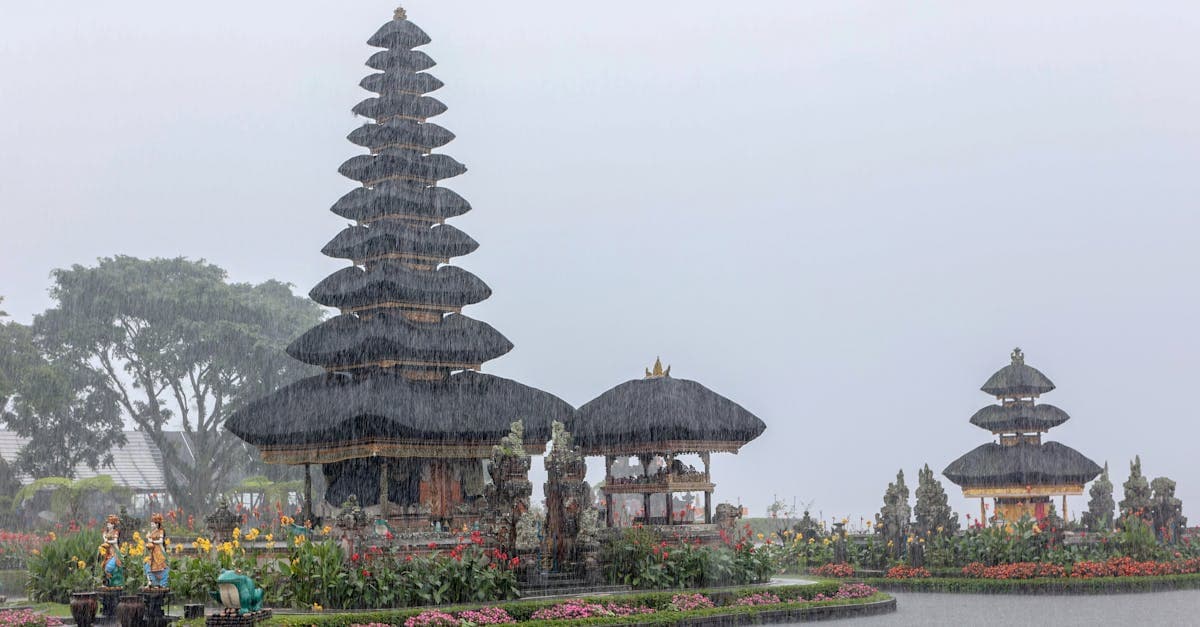
The wet season runs from November through April. Rainfall builds through December and January, with February bringing the heaviest monthly totals of the Bali year.
Showers in wet season clear within an hour on most days. Most Australians expect sustained grey skies and persistent drizzle. The reality is considerably more manageable: intense bursts, often in the afternoon, followed by clearing and sunshine. Full-day overcast is less common than the season's reputation suggests.
Temperatures through the peak wet months hold between 27 and 31°C, with humidity sitting at 80 to 85 percent timeanddate.com. You're not cold. You're just sticky.
The surf picture catches many beach-focused travellers off guard. West coast breaks at Kuta and Seminyak actually improve during the wet season, driven by offshore trade winds producing cleaner swells. Surfers who know this time their trips around it deliberately.
March and April are proper shoulder months. Rainfall eases off noticeably, prices stay softer than dry season peak, and the overall picture brightens considerably by April.
Switch to the dry half of the calendar and the conditions, the crowds, and the prices all shift considerably.
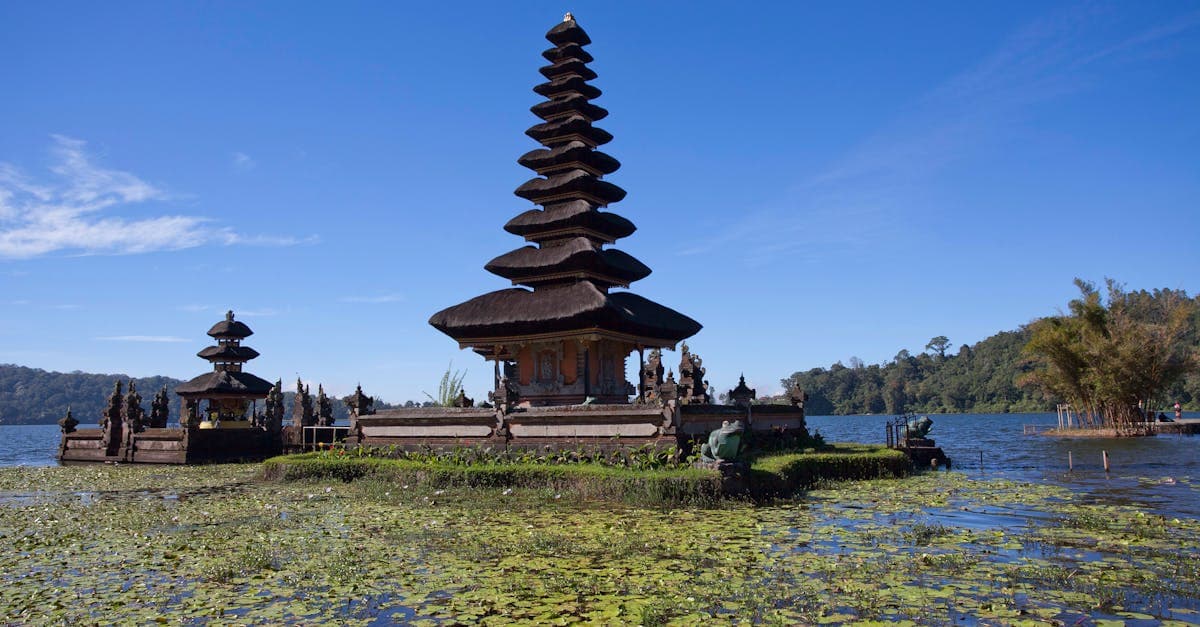
The dry season delivers. From May through October, humidity sits between 60 and 70 percent, monthly rainfall is minimal, and sunshine is reliable across most days. As bali.com notes, humidity levels are noticeably lower than during the wet season.
The east and southeast trade winds driving the season are worth understanding. They push cleaner, drier air across the island from the southeast, which is why dry season skies look and feel noticeably different from the wet months. Temperatures range from 24°C at night into the low thirties by day: the most comfortable spread on the Bali calendar for outdoor activities, trekking up toward the Batur caldera, cycling through the highlands, or simply spending full days at the beach without retreating inside by midday.
East coast breaks tell a different story during dry season. Sanur and the surf around Nusa Dua come into their own from May onwards, producing more consistent conditions than the wet months deliver on that coastline, while the west coast breaks step back during this period.
July and August hit maximum intensity. Best weather, highest accommodation rates, and the biggest crowds of the year. Australian families travelling on school winter holidays fill up Seminyak and Canggu faster than any other period on the calendar. Popular villas book out early, often months in advance.
Sorting trip logistics ahead of time pays off during this window. Airport queues at Ngurah Rai in peak season are real, including at the SIM card counter in arrivals. Hello Roam's eSIM plans covering Bali and the broader region activate before you board, skipping that queue entirely.
Book accommodation three to four months ahead if July or August dates are fixed. September keeps the dry season quality without the school holiday intensity.
Knowing which season to target is a solid start. Pinning down the specific month within it is the sharper question, and the answer surprises most travellers.

June or September. For most Australian travellers weighing up Bali weather against cost and crowd levels, those two months sit comfortably clear of the rest.
June delivers reliable sunshine, humidity noticeably lower than May, and accommodation rates running 15 to 25 percent below the July peak before the crowds properly arrive. The shoulder-season window is real and it is underused. Book a week in Seminyak in mid-June and you will share the beach with a fraction of the July crowd, at substantially better nightly rates.
September works differently but reaches the same outcome. The August surge clears out, dry conditions hold across Ubud and the Bukit Peninsula, and pricing eases back from its peak. Temples are quieter. The good warungs have spare tables.
The priorities split depending on what you are here for.
Surfers targeting west coast swells should look at February and March rather than the dry season months: swell is strong, conditions are legitimately good, and pricing is off-peak. Budget travellers comfortable managing around afternoon showers can find solid value in late March and April, with conditions improving week by week and tourist numbers well down on peak season.
Families with children in Australian state schools are effectively locked into July and August. The weather is dry and dependable. The prices and pool queues reflect that. Not a complaint, just a fact.
The bit most guides skip: June and July have nearly identical weather across the south of the island. The difference is price and crowd density, both of which tilt clearly in June's favour.
Most travellers want the best month sorted. Understanding which month is genuinely the most difficult is equally useful planning information.
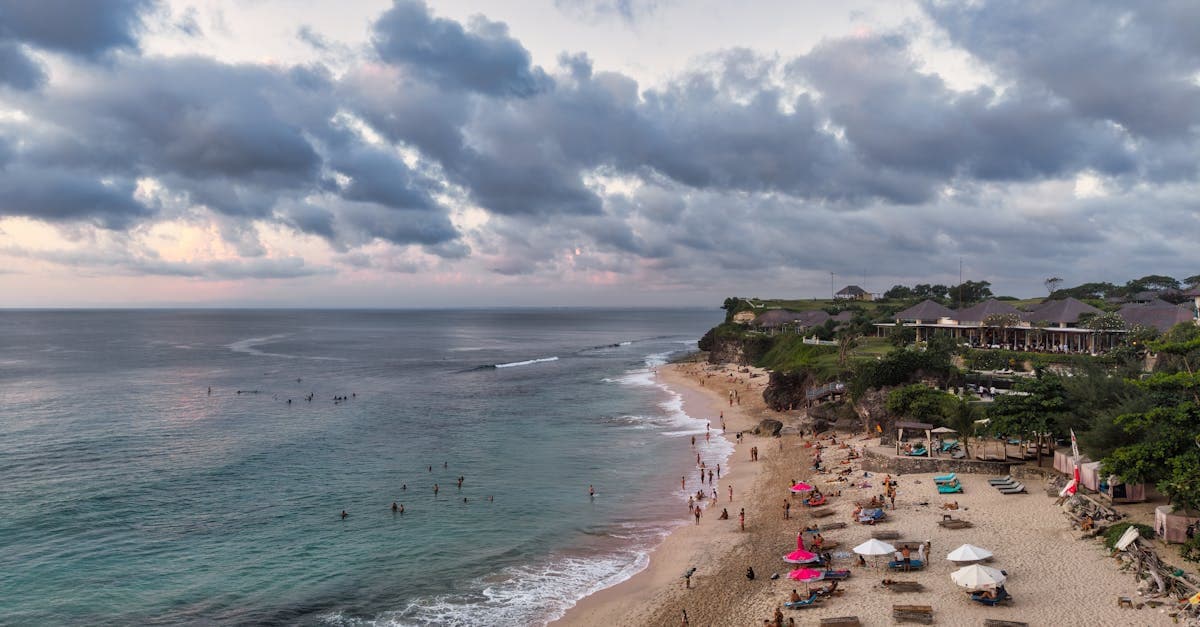
January is Bali's wettest month, averaging 300 to 350mm of rainfall across the island, with February not far behind. But the assumption that Bali is effectively rained out in January is worth pushing back on.
The rain in January rarely arrives as a week-long grey drizzle. It comes as afternoon downpours, typically lasting one to two hours, that clear to leave evenings largely dry. Mornings are often fine. If your itinerary is built around beach time from 10 am to 3 pm, January is a genuine challenge. Cooking classes, temple visits, and rice terrace walks carry on without much disruption.
Not all of Bali gets the same January rainfall.
Ubud and the highland interior receive considerably more rain than the southern coastal strip across every wet month, with totals in January often reaching 400mm or more. Low-lying areas around Kuta and Legian carry a separate concern: localised flooding during particularly heavy storms. That is a legitimate factor when choosing accommodation, not just when choosing travel dates.
For Australian travellers, the late January period around Australia Day falls squarely in the peak wet stretch. Crowds remain despite the conditions, because the holiday timing is fixed regardless of what the sky is doing. The result is that you get the disadvantages of peak season and wet season running simultaneously.
The practical read on January: it depends entirely on what you are doing. A flexible itinerary handles it well. A rigid, beach-heavy one does not.
The rainiest month and the worst month to visit are not the same thing. That distinction belongs to a different part of the calendar entirely.
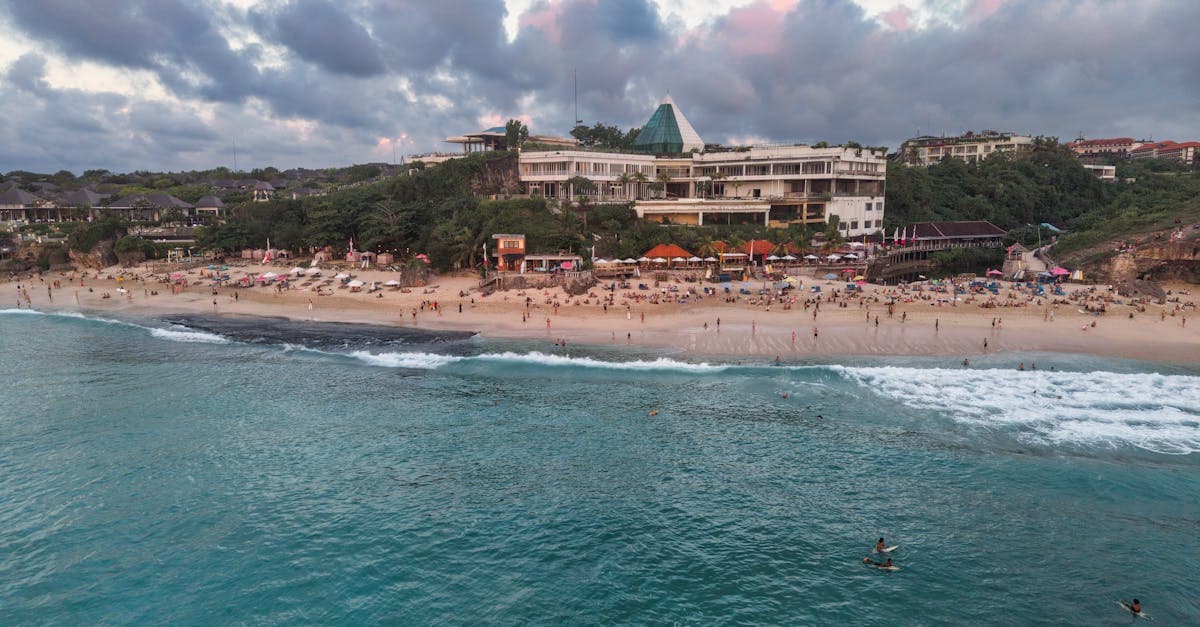
December. Peak wet season rainfall coincides with peak tourist season around Christmas and New Year, and the combination is punishing for anyone hoping to dodge either.
Accommodation prices during Christmas and New Year week match or exceed the July and August peaks, despite the rain and humidity running at near-maximum. You pay high-season rates for conditions that are demonstrably harder to work around. For travellers with any flexibility in their timing, December is the easy call to cross off.
February presents a different kind of problem. Maximum rainfall, maximum humidity, and limited off-season pricing relief because the wet season holds firm through the entire month. The value proposition that late March and April begin to offer does not apply in February.
One date that catches travellers completely off guard: Nyepi.
Bali's Day of Silence falls in March each year. In 2026 it lands on 28 March, and the entire island shuts down for 24 hours, including Ngurah Rai Airport. No flights in or out, no movement on the streets, hotels confined to their own grounds. If any March itinerary involves a flight connection or a check-in on that date, it will not happen. Check the Nyepi date before you book any March travel.
That said, 'worst' is relative. For surfers chasing west coast swells, December and January are standout months with swell running at its strongest. For budget travellers who accept the rain as part of the deal, February delivers the lowest accommodation pricing of the year.
The full seasonal picture is now in hand. The real-time question for travellers planning around current conditions is a simpler one.
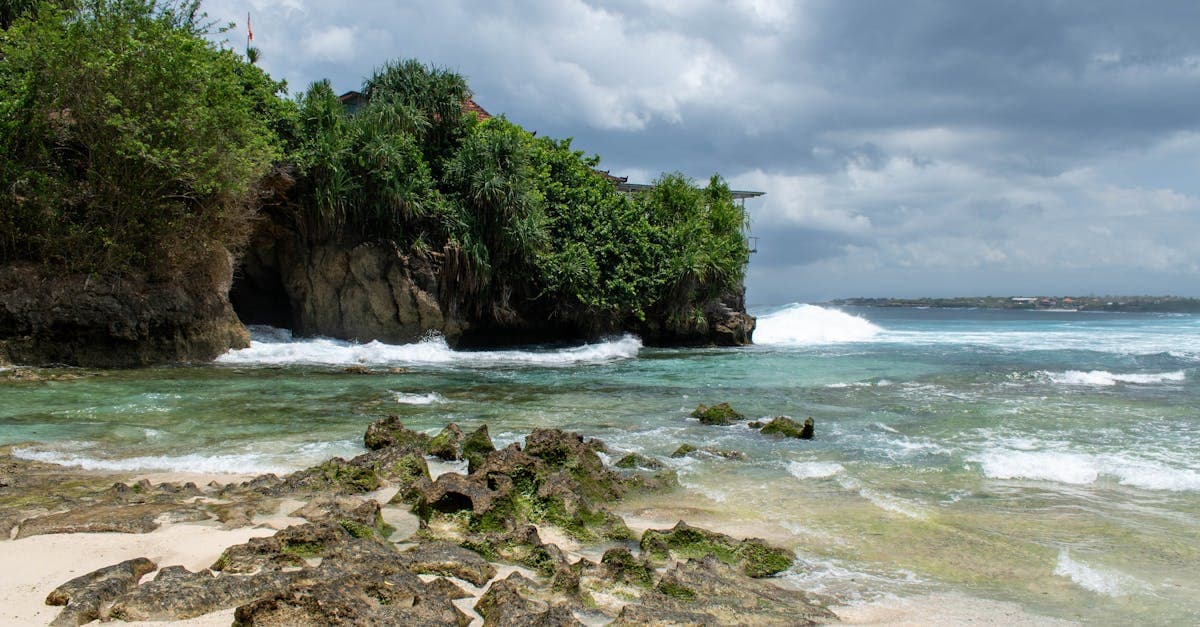
As of late March 2026, yes, technically, but barely. Rainfall is tapering from the January and February peak, and conditions are shifting week by week toward the dry season pattern that settles in properly through May.
Late March and April are genuine transition months. Expect sunny mornings more often than not, occasional afternoon showers that clear before dinner, and humidity beginning to ease from its wet season high. According to accuweather.com, current temperatures in Denpasar sit around 27 to 31°C, with humidity tracking around 78 to 82 percent. Noticeable, but considerably more workable than conditions two months ago. Current forecasts from yr.no show late March bringing morning rain and afternoon showers clearing to partly cloudy evenings across the island, consistent with the transition pattern.
For real-time forecasts, the Indonesian Meteorological, Climatological and Geophysical Agency (BMKG) publishes reliable 7 to 14-day Bali forecasts and is the most authoritative local source. International weather services also carry accurate extended Denpasar forecasts for trip planning.
The catch with transition months: day-to-day predictability is lower than either peak season delivers. A week in April can produce six clear days and one heavy downpour, or three rainy afternoons back to back. Pack a light rain layer and avoid locking in a fully outdoor-only itinerary with no give in it.
Travellers booking a trip in the next four to eight weeks will arrive into early dry season conditions that are noticeably more settled than what late March brings. The improvement from mid-April onward is real and relatively quick once it takes hold.
Timing sorted. The last practical piece before booking is knowing how to stay connected once you land.

Coverage across Bali's main tourist corridors is solid. Kuta, Seminyak, Canggu, Ubud, and Sanur all have reliable 4G from Indonesian carriers, and most hotels, cafes, and restaurants carry free wifi. For a short trip with light data needs, you can get by on cafe wifi alone. For anything longer, or if you're moving between areas regularly, sorting a dedicated data connection before departure is the smarter play.
The bit most guides skip: public wifi in tourist areas carries the usual security risks. Fine for a quick photo upload, less ideal for anything touching your banking app or work email.
Three practical options, in rough order of hassle:
Local SIM at Ngurah Rai Airport. Cheap by Australian standards and genuinely good value for data. The catch is the counter queues on busy arrival afternoons. If your flight lands alongside a few other Australian services, budget extra time for it.
Australian carrier roaming add-ons. Convenient if you're already set up, but the daily rate accumulates quickly across a longer trip. Workable for a long weekend in Seminyak. Stretch it to two weeks and the numbers shift against you fairly fast.
An eSIM activated before departure. Scan the QR code at the gate in Sydney, land at Denpasar with data already running, bypass the queue entirely. Hello Roam offers Indonesia eSIM plans with clear pricing and 24/7 support, which is legitimately useful when something goes sideways mid-trip and you're not near a counter.
Most regular Bali visitors settle on a dual-SIM setup: Aussie number active for bank OTPs and calls home, data routing through a local eSIM. Once you've done the trip a couple of times, it's the no-fuss default.
Pack the right layers for the season, check the BMKG forecast the week before you fly, and sort your data before you leave the gate.

Bali's wet season runs from November through April, with the heaviest rainfall occurring in January and February. The dry season spans May through October, with minimal rainfall and lower humidity. Whether it is currently rainy season depends on the month you are visiting.
June and September are considered the best months to visit Bali for most travellers. June offers reliable sunshine and humidity noticeably lower than May, with accommodation rates running 15 to 25 percent below the July peak. September maintains dry season quality after the August crowds clear, with easier access to temples and restaurants.
January is Bali's wettest month, averaging 300 to 350mm of rainfall across the island, with February close behind. Rain typically arrives as afternoon downpours lasting one to two hours rather than sustained all-day grey weather. Ubud and the highland interior receive considerably more rain than the southern coastal strip, sometimes reaching 400mm or more in January.
December is widely considered the worst month for most travellers, as peak wet season rainfall coincides with the Christmas and New Year tourist peak, pushing accommodation prices to match or exceed July and August highs despite difficult weather conditions. February is also challenging due to maximum rainfall, maximum humidity, and limited budget relief. Travellers should also note that Nyepi, Bali's Day of Silence, closes the airport for 24 hours each March.
Bali has a dry season from May through October and a wet season from November through April, shaped by the Indonesian monsoon cycle. Coastal temperatures remain between 26°C and 33°C year-round regardless of season. The key difference between seasons is humidity and rainfall rather than temperature.
July and August represent peak dry season in Bali, with humidity between 60 and 70 percent, minimal rainfall, and reliable sunshine. These months also bring the highest accommodation prices and largest crowds of the year, particularly from Australian families travelling during school winter holidays. Popular villas often book out months in advance for this period.
Wet season rain in Bali typically arrives as intense afternoon downpours lasting one to two hours, followed by clearing skies and sunshine. Full-day overcast is less common than the season's reputation suggests, and mornings are often fine. Activities such as cooking classes, temple visits, and rice terrace walks carry on with minimal disruption.
No, Bali's weather varies significantly by altitude and location. Ubud, sitting at around 300 metres above sea level in the central highlands, receives considerably more rainfall than coastal areas like Kuta or Seminyak throughout the year. The same afternoon that delivers blue skies on the coast can produce heavy rain over the rice terraces just 45 minutes inland.
Coastal temperatures in Bali stay between 26°C and 33°C throughout the year with no cold season. During dry season, nights can dip to around 24°C while days reach the low thirties. Bali sits roughly 8 degrees south of the equator, so there is no meaningful variation in day length across the calendar either.
The best surf season depends on which coast you target. West coast breaks at Kuta and Seminyak improve during the wet season, driven by offshore trade winds producing cleaner swells, making December through March standout months for surfers. East coast breaks at Sanur and Nusa Dua come into their own from May onwards during the dry season.
March and April are underrated shoulder months in Bali. Rainfall tapers off noticeably week by week, conditions improve steadily toward April, and accommodation prices remain softer than dry season peaks. Travellers should be aware that Nyepi, Bali's Day of Silence, falls in March each year and closes the entire island including the airport for 24 hours.
Nyepi is Bali's Day of Silence, a Hindu New Year observance during which the entire island shuts down for 24 hours, including Ngurah Rai Airport. No flights operate in or out, there is no movement on streets, and hotels are confined to their own grounds. In 2026 Nyepi falls on 28 March, so any March itinerary involving flights or check-ins on that date will be affected.
Accommodation prices during the wet season can be 20 to 30 percent cheaper than dry season peak rates, particularly in February when tourist numbers are at their lowest. June offers rates running 15 to 25 percent below the July peak despite similar weather quality. December is the exception where wet season conditions coincide with holiday-period pricing that matches the dry season peak.
During the wet season peak months of January and February, humidity in Bali sits at around 80 to 85 percent. During the dry season from May through October, humidity drops to between 60 and 70 percent, making outdoor activities, trekking, and beach days considerably more comfortable. There is no cold season, only variation in how sticky the heat feels.
September is an excellent time to visit Bali, offering dry season weather quality without the intense crowds and premium prices of July and August. The August tourist surge clears out, dry conditions hold across Ubud and the Bukit Peninsula, and accommodation pricing eases back from its peak. Temples are quieter and popular restaurants are easier to access.
HelloRoam: your trusted travel eSIM that keeps you online across borders.
Explore Plans